
Seeds for Natural Insect Repellent Plants and Pesticides

A note from one of our customers:
I am pleased to have you as my exclusive seed source." Michael, New Jersey
Synthetic pesticides are more of a threat to man than the insects it would seem. As each generation of insects become more immune the pesticide, stronger and more potent insecticides are released. In the meantime we humans are absorbing these chemicals as they permeate our homes, gardens and lawns and in turn we are depleting the quality of our health and the health of our pets. We hope that most American gardeners will help reverse this trend by using natural pest deterrents that have been used successfully for generations. We offer the following seeds to aid them in their efforts.
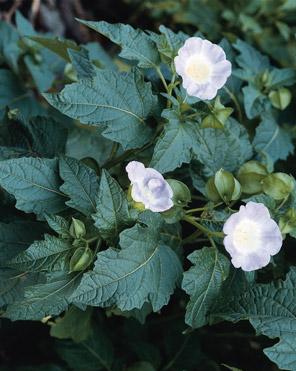
Large, white-centred, blue funnel-shaped flowers appear over an extended period above lush green foliage. One of the fastest growing plants yopu will ever find, it can reach three feet in only eight weeks after an early summer sowing!
For cutflower use, the stems are cut for bouquet fillers once the ornamental fruits have formed. Remove leaves prior to use. Will last about a week in a vase.
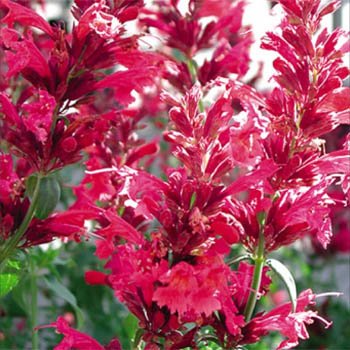
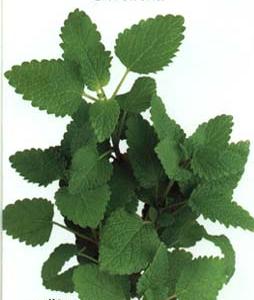
Citronella balm is a hardy perennial for Zones 5-9. It is more compact and more mildew resistant than the common lemon balm and grows 12 to 18 inches tall in ideal conditions.
The leaves are bright green and about 2 inches long with toothed edges. Although citronella balm is a member of the mint family, it is a less aggressive spreader. To the casual glance the leaves resemble spearmint leaves, probably why it's sometimes misidentified as lemon mint.
As with lemon balm, citronella balm is a favorite of bees. The botanical name "Melissa" is derived from the Greek word for bee.
Easily grown as a window sill or patio plant, it does very well in containers.
Before walking in the woods, I will pick a few leaves, crush them and put them under my cap, this works very well.
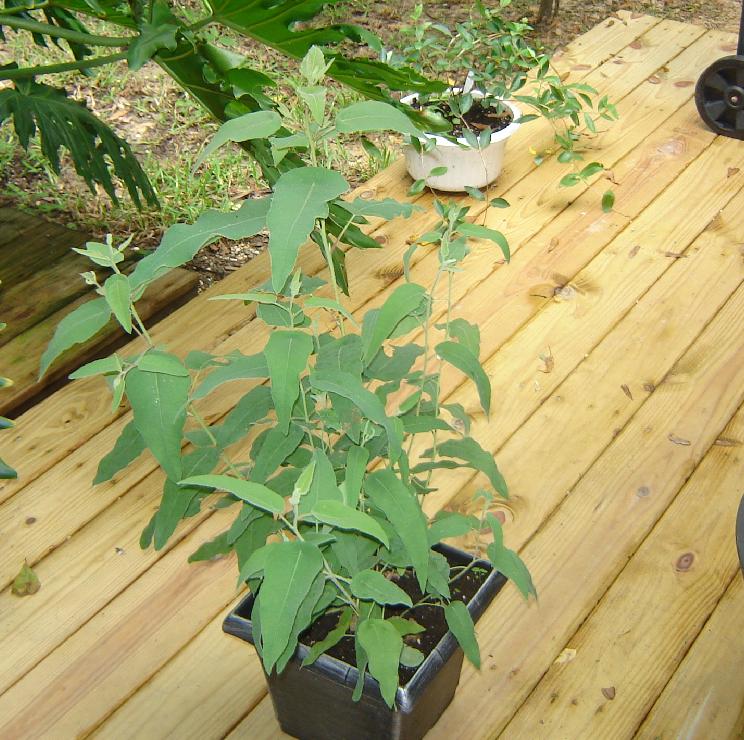
Commonly known as Lemon Bush. This aromatic plant starts easily from seed. When grown in a container, it only reaches 3 to 4 feet tall. No matter where you live, you can grow this lovely plant from seed in your own home and enjoy the fresh lemony fragrance. Its fresh and lemony aroma is uplifting and simply brushing the leaves will release more fragrance that will remind you of the citronella candles sold to repel mosquitos. Outside in warm zones, it will grow into a small tree, but is most commonly grown as a container plant in cooler zones. It produces sword-shaped gray-green leaves, tiny white blooms, and a bit of red fall foliage change. For growing indoors, find a nice container and grow from seed in a bright window. It can also be grown outdoors, but bring it in before the first frost to winter it indoors.
Oil from the leaves is applied to the skin as a medicine and insect repellent. Citrodora Ecalyptus oil is used for preventing mosquito and deer tick bites. It is also an ingredient in chest rubs used to relieve congestion. The oil has a strong fresh citronella-like odor with a sweet balsamic undertone. Very effective insect repellent due to a higher citronellal content than citronella ( which is commercially harvested from citronella grass, a different type of plant and is used in many insect repellants ).
Eucalyptus Citriodora has good branching and makes an attractive container plant with wonderful citrus-spice fragrance. It is actually an herb, and its 3-inch leaves are bold and dramatic indoors, and the white summer blooms add another interesting dimension to this versatile plant.
The plants are winter hardy in USDA zones 8-11, but can be grown as a container plant or annual in any zone.
Trees bloom in winter in outside in warm zones, in the greenhouse they bloom in late winter to early spring. The white blooms are not very distinctive. The blooms are followed by woody urn-shaped capsules about 3/8 of an inch wide.
Eucalyptus citriodora need full sun with a well-drained soil mix for container growing. Most gum trees grow in very nutrient poor soils and fertilizer is not needed; however container plants should be feed once during the spring. To control the size of the trees in containers, do all pruning and repotting in late to early spring after flowering.
How to start seeds and grow:
Start seed indoors into a starter tray. ( We like to leave seed packet in the fridge for 30 days before sowing, this seems to enhance the germination ). Press the seed into the soil and cover lightly, about twice the thickness of the seed. Keep the seeds moist by watering from underneath. Once the seedlings are 4 to 5 inches tall, transplant into containers. Start with a 1 to 2 gallon container with potting mix and after a year or so, transplant into a larger 3 to 5 gallon container. Feed monthly during the growing season with water soluable plant food or mix granular 5-10-10 fertilizer with micronutrients into the soil each year.
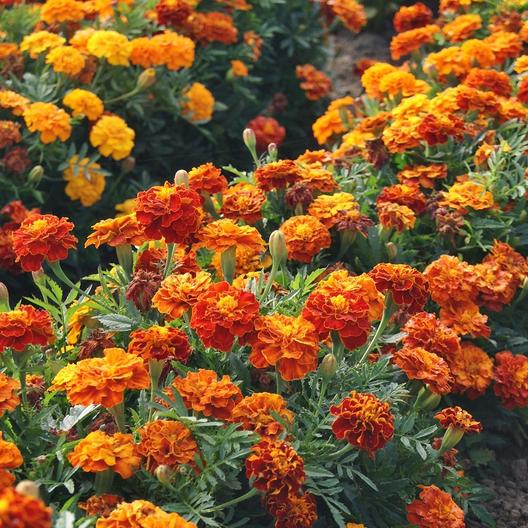

This is an excellent border plant that is stunning when planted in a large grouping, it also does great in baskets and containers.
Flowers borne in great profusion, with up to 50 blooms per plant, in full flower at one time. Very colorful in any garden. Brightly colored 2" single flowers bloom early and abundantly on 10-12" plants.
Marigolds should be planted in every flower garden as they are known to repel greenfly and blackfly ( they produce a scent that is offensive to these insects ).
A 2 gram pack of seeds will contain over a 500 seeds, so you can have these wonderful flowers in your garden, baskets and background!
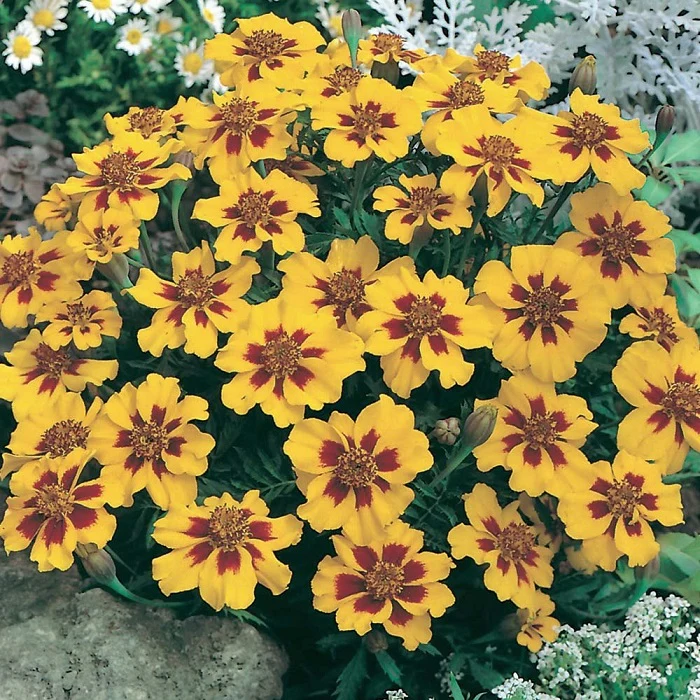
French Marigold 'Naughty Marietta' is a dwarf Marigold with medium-sized, single flowers that are golden yellow with a maroon blotch at the center. Plants grow 12-18 inches tall and are long-blooming. Recommended for containers, beds & borders, and the pollinator garden. Also useful for control of insect pests in the vegetable garden.
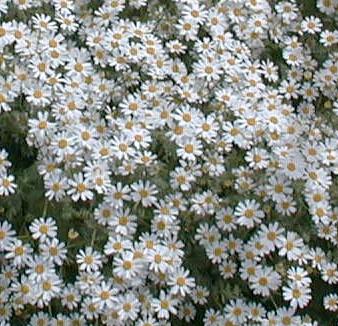
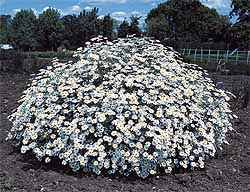
Bright white, 1/4 to 1/2 inch wide, daisy-like flowers with a yellow center are produced in profusion from early through midsummer. Jackpot is extremely floriferous, up to 1000 blooms are produced at a time! If cut back after flowering, it may rebloom in the fall.
The aromatic, silvery-green, ferny foliage forms a nice mound similar to a chrysanthemum. The first year, it will grow to an approximate height of 18 inches. The second year, this vigorous grower may double in size.
Jackpot combines well with just about everything else in the garden. It is wonderful in mixed container plantings and can also be used as a cut flower.
A hardy perennial for zones 5-9.
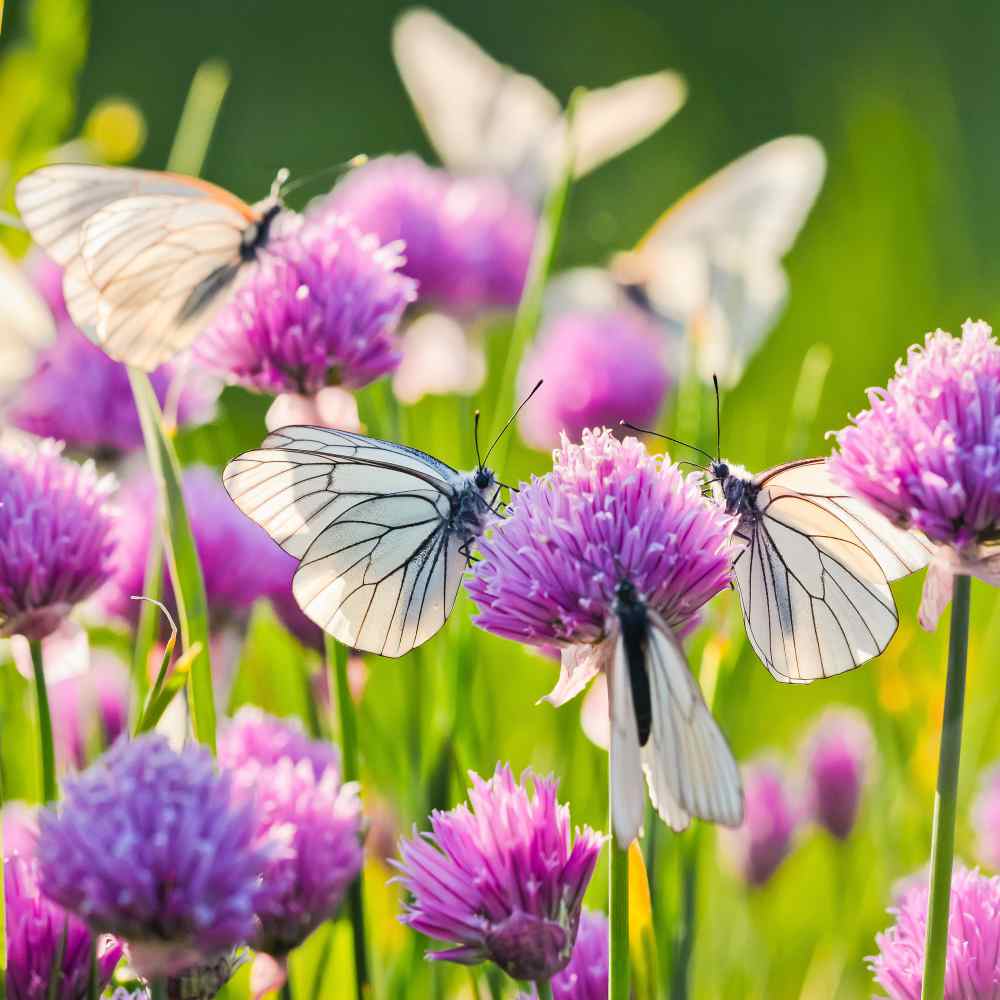
As soon as the leaves have reached several inches in height, you can start harvesting the desired amounts for the kitchen. Cut the leaves with scissors, leaving 1 - 2 inches above the ground. Begin at the outside edge of the plant and work toward the center. Chop the leaves and use fresh or freeze for year-round use.
Chives herb uses include being companion plants to repel insect pests. Plant these herb seeds near almost any plant that is bothered by insect pests and the Chives will instantly drive them away.
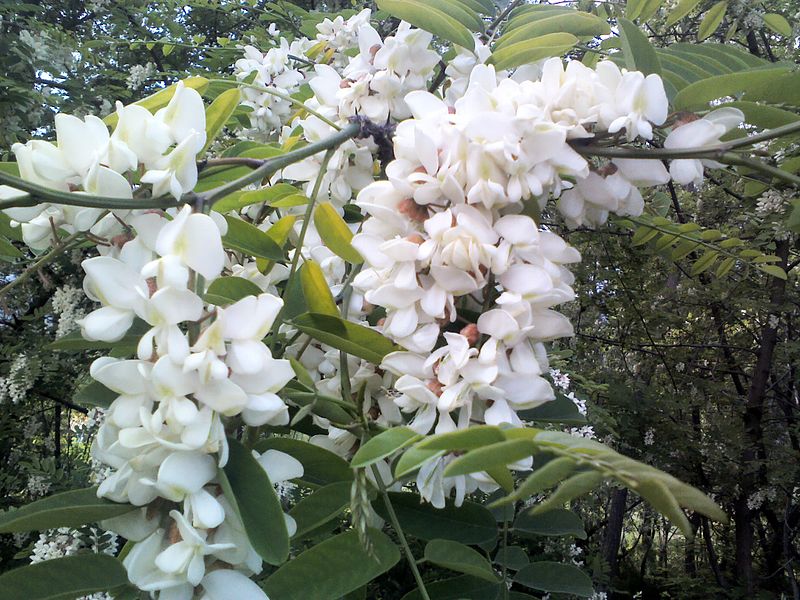

An excellent shade tree with acacia type foliage that will mature at about 50 feet tall and 25 feet wide. Normally has thorny stickers. The fragrant flowers can be smelled for hundreds of feet in spring. This is a tree that grows well in poor soil and can be an aggressive grower in good soil, so probably best suited for areas you want to dress up or hide, and do not mind the suckering growth.
The bruised foliage mixed with sugar will attract and kill flies, a useful attribute.
Cannot ship to New York state. Grows well in zones 3-9.
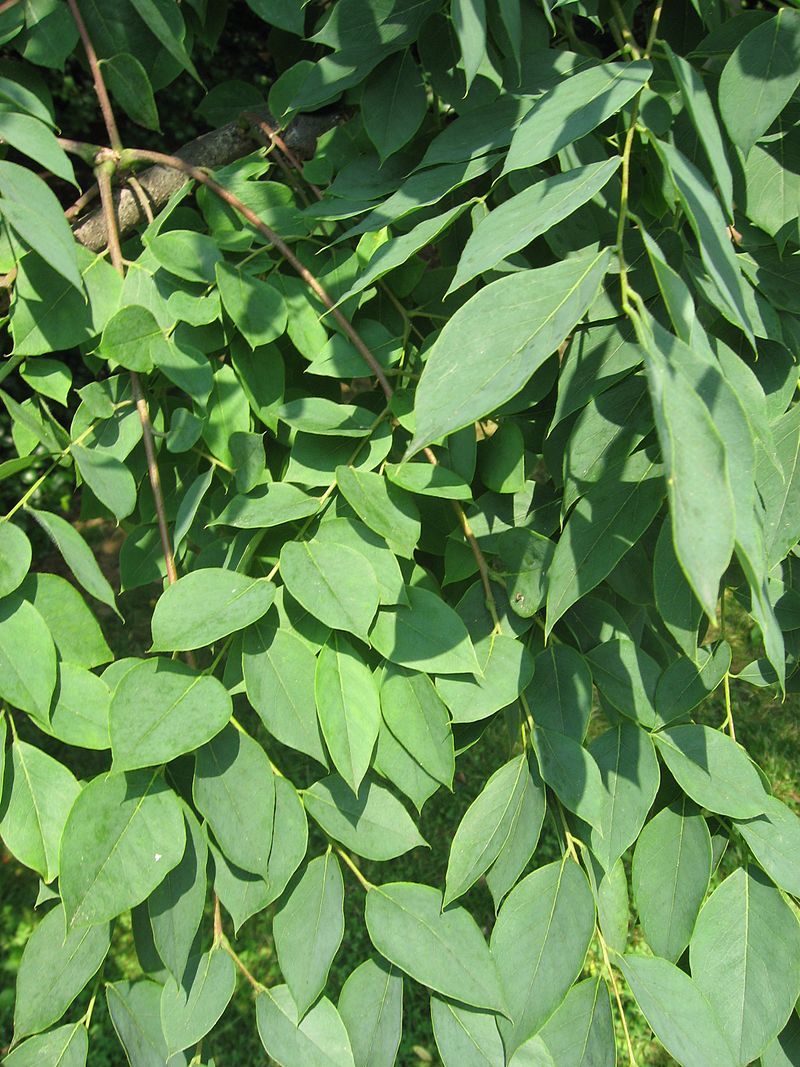

In addition to use as a food, the seeds of Kentucky coffee tree were used by Native Americans for ceremonial and recreational purposes. Seeds were used as dice in games of chance that were common in eastern tribes. The seeds were also used in jewelry.
It has been noted that the bruised foliage when sprinkled with sweetened water will attract and kill flies. Can be raised in containers when young.
Zones: 3 to 8.
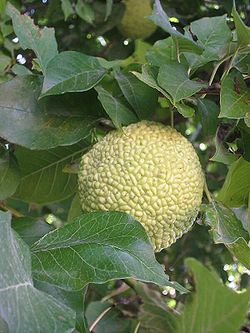

Recent research suggests that elemol, another component extractable from the fruit, shows promise as a mosquito repellent with similar activity to DEET in contact and residual repellency. Notes:The Osage-orange is commonly used as a tree row windbreak in prairie states, which gives it one of its colloquial names, "hedge apple". It was one of the primary trees used in President Franklin Delano Roosevelt's "Great Plains Shelterbelt" WPA project, which was launched in 1934 as an ambitious plan to modify weather and prevent soil erosion in the Great Plains states, and by 1942 resulted in the planting of 30,233 shelterbelts containing 220 million trees that stretched for 18,600 miles (29,900 km). The sharp-thorned trees were also planted as cattle-deterring hedges before the introduction of barbed wire and afterward became an important source of fence posts. The heavy, close-grained yellow-orange wood is very dense and is prized for tool handles, treenails, fence posts, electrical insulators, and other applications requiring a strong dimensionally stable wood that withstands rot. Straight-grained osage timber (most is knotty and twisted) makes very good bows. In Arkansas, in the early 19th century, a good Osage bow was worth a horse and a blanket. Additionally, a yellow-orange dye can be extracted from the wood, which can be used as a substitute for fustic and aniline dyes. When dried, the wood has the highest BTU content of any wood, and burns long and hot. Today, the fruit is sometimes used to deter spiders, cockroaches, boxelder bugs, crickets, fleas, and other arthropods.
Leaves turn bright yellow in fall, thorny branches, bears inedible round fruit 3-5" in diameter. The fruit is prized for it's ability to repel insects and spiders when scattered around home foundations. The crushed fruits of this plant are said to attract and kill cockroaches. Can be raised as container plant in northern states.
The wood is sought after for recurve bow making. Both male and female plants are needed to produce fruit. The ratio of male/female plants the seeds produce is up to mother nature, but a pack of 10 seeds always produces a mix of male/female plants in all of our previous field trials. Can be grown in zones 4-9.
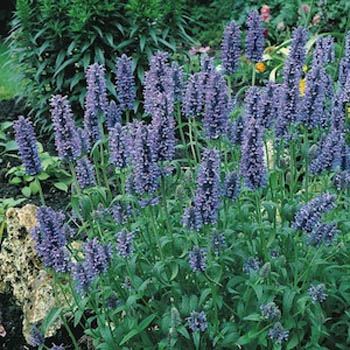
Catnip is a perennial herb from the mint family. It has a square, hairy stalk with typically gray green colored heart shaped leaves that have scalloped edges. Flowers grow in spikes, reaching 1/2 inch in length.
It is best known for its ability to get cats high.
Native to Europe and Asia, catnip became naturalised in North America and Canada after being introduced by the colonists in the 1600s. The name Nepeta is believed to have come from the town of Nepete in Italy, and Cataria is thought to have come from the Latin word for cat.
The active ingredient that causes a high in cats is an essential oil called nepetalactone, which can be found in the leaves and stems of the plant.
Because cats affected by catnip roll on the floor, which mimics a female in estrus, it has been suggested that the plant acts as an aphrodisiac, but this is unlikely, as males react the same way as females. What is probable is the cat is reacting to similar feel good pheromones released during sexual courtship/activity. However, non sexual behaviour including playing, chasing, and hunting can also be observed.
Around 50 to 66% of cats are affected by catnip, and to differing degrees. Kittens younger than eight weeks old aren't able to enjoy its effect; in fact, they show an aversion to it. The response to catnip is mediated through the olfactory system. When nepetalactone enters the cat's nasal passages, it binds to olfactory receptors located at the olfactory epithelium. This stimulates sensory neurons, which trigger neurons in the olfactory bulb to send signals to the brain. The response to catnip is inherited as an autosomal dominant gene, which means the gene only needs to be passed on from one parent.
It's not just domesticated cats who enjoy the effects of catnip; many other wild species of cats also enjoy it. Cats can smell 1 part per billion in the air. Males and females, fertile or desexed there appears to be no one group more readily affected by catnip than another.
A typical response includes sniffing, chewing, licking, head shaking, and chin, cheek, and body rubbing (in that order). Additional responses may include stretching, drooling, jumping, licking, aggression, and hyperactivity. Sniffing that produces the high; it is believed that cats eat catnip to bruise the catnip, thereby releasing more of the nepetalactone. The high produced will usually last between five and ten minutes, followed by a one hour refractory period.
Interestingly, researchers say that nepetalactone is about ten times more effective at repelling mosquitoes than DEET, which is the active ingredient in most insect repellents. It was also discovered that catnip repels cockroaches! Plants aren't alone in containing nepetalactone; some insects and ants also contain it. It's been speculated that this protects them from other insects.
Rats and mice are also believed to have a strong dislike of catnip and will avoid places where it grows.
Is catnip harmful to cats? Catnip is not harmful to your cat. They won't overdose on it. Most cats know when they've had enough and will refuse any further offers.
A perennial best suited for zones 4-9.
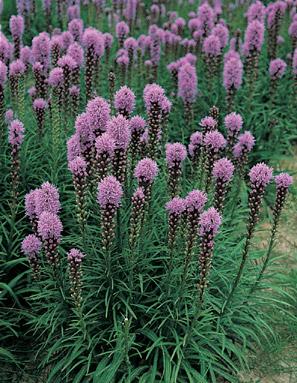
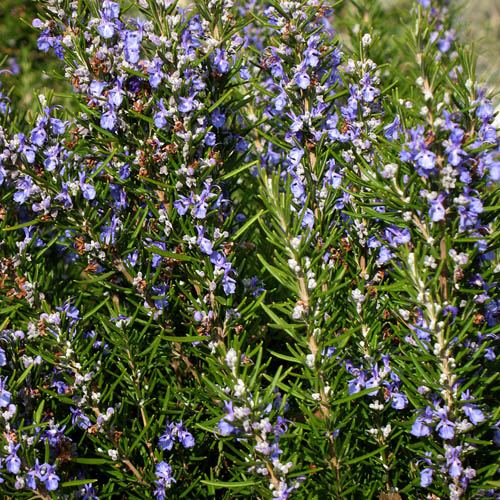
A perennial outside in zones 7-10, but often grown inside as a kitchen herb.
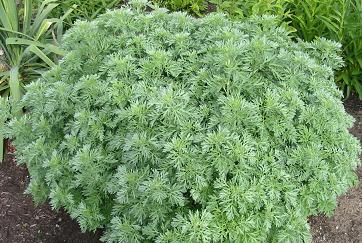
Wormwood has finely-divided foliage that is gray-green in color and aromatic. In mid-summer, it produces many yellow flowers.
Widely used as an insect repellent, it is mostly noted for its ingredients used to make Absinthe.
A perennial for zones 3-8. Cannot ship to ND, SD,
MN
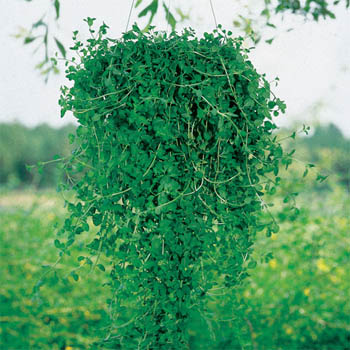
Ground pennyroyal is one of the most effective tick deterrents available.
As a flea deterrent, dried pennyroyal leaves can be scattered around pet's bedding area.
As a pest repellent, crushed pennyroyal stems stuck in your hat and pockets really will repel gnats and mosquitoes. Dog owners often see their dogs rolling in pennyroyal patches, and dog instincts can usually be trusted.
A perennial plant for zones 6-9, but can also be grown inside.
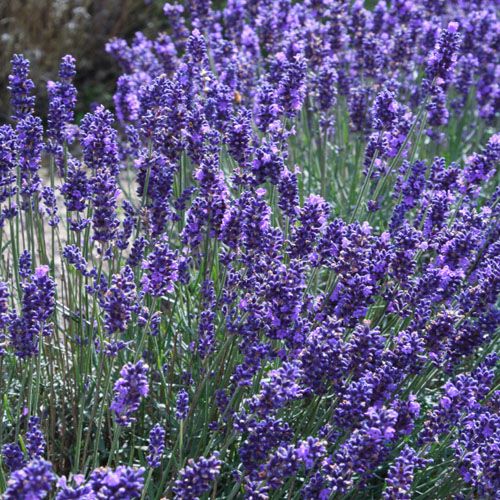
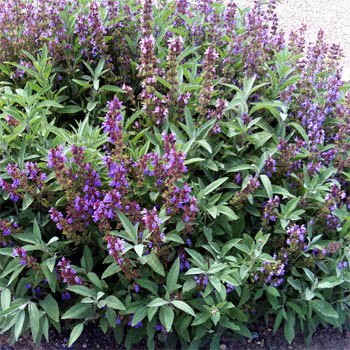
It is also a very attractive, evergreen perennial that produces mauve colored flowers during the blooming season. It is an excellent ground cover for edging sidewalks or garden pathways where its attractive foliage and flowers can be appreciated. Many people also dry sage for creating aromatic wreaths and dried flower arrangements. It's such a versatile plant, growing in a rock garden or bordering an herb garden and so easy to start from seeds.
Containing naturally-occurring vitamins and minerals, the herb sage is best known as a culinary spice that adds flavor to poultry dishes. However, sage has been used for hundreds of years in folk medicine to treat a variety of different ailments. Most commonly drunk as a tea, sage herb is good for the nerves, digestive system and for balancing estrogen levels in women.
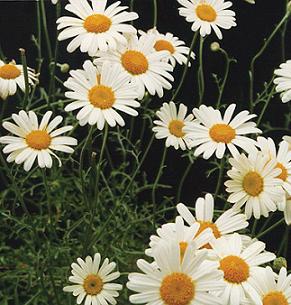
A beautiful daisy that is hardy and blooms throughout the spring and summer. The dried flowers are used to make probably the best natural pesticide available. Simply drying the flowers and making a dust or spray is a great way to control insect pests.
The plant is economically important as a natural source of insecticide. The flowers are pulverized and the active components, called pyrethrins, contained in the seed cases, are extracted and sold in the form of an oleoresin. This is applied as a suspension in water or oil, or as a powder.
Pyrethrum insecticide is one of the most widely used natural insecticides in existence. Pyrethrins work as a contact insecticide, the insect only has to be touched by the substance for it to take effect. When not present in amounts fatal to insects, they still appear to have an insect repellent effect. It will inhibit the biting reflex in female mosquitoes. Crucially, although pyrethrum acts quickly on insect pests, it is relatively non-toxic to humans and warm-blooded animals.
Pyrethrins are not persistent, being biodegradable and also decompose easily on exposure to light. They are considered to be amongst the safest insecticides for use around food.
An on-line resource for making your own pyrethrum at home. It is so easy to do!
Sowing: Sow late winter to late Spring (Feb to May) or Late Summer to Autumn ( August to October) Sow pyrethrum seeds in pots indoors or sow directly where they are to flower in a prepared bed in late spring once all danger of frost has passed. For the best results, choose a planting location that receives full sun and has very well-drained soil of average fertility.
For sowing indoors, sow in pots or trays containing good seed compost. Barely cover the seeds with a fine sprinkling of compost and make sure the compost is kept moist but not wet. Germination usually takes 30 to 60 days at 55°F.
Transplant the indoor seedlings when large enough to handle into pots and grow on. Plant them out into their permanent positions in late spring or early summer, after the last expected frosts. Space 12 inches apart. Water regularly for the first two weeks of growth for container-grown plants to allow them time to become established.
Increase watering during times of drought or extreme heat.
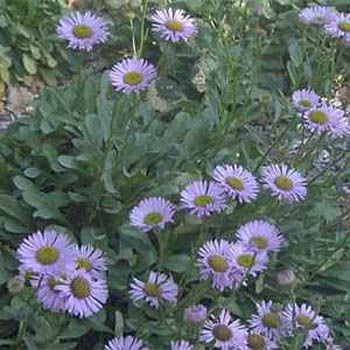
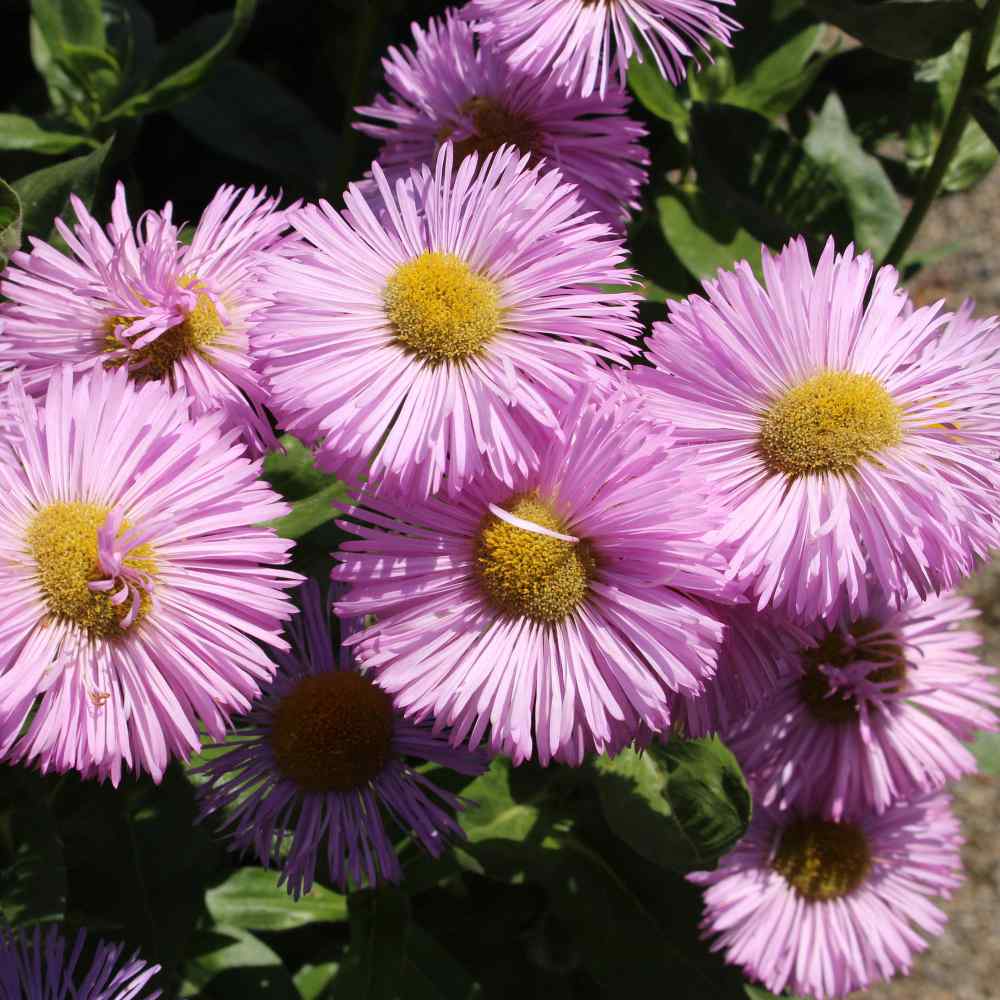
Erigeron flowers are over 1 inch wide, with bright pink rays and yellow centers. Erigeron Pink Jewel is a prolific bloomer, attracting butterflies to the garden. Grow in your garden to control insects, and rub the green leaves on your clothing or pets to repel fleas, mosquitoes, ticks, gnats and flies.
How to make a homemade fruit fly trap.
How to make a homemade flea trap.
How to make a homemade gnat trap.
How to make a different type gnat trap.
How to make a homemade carpenter bee trap.
THE SAFE INSTANT KILL INSECTICIDE
The most effective insecticide that instantly kills flying and crawling insects on contact but does no harm to mammals or birds is the dried and crushed flowers of the Pyrethrum Plant. This brown powder will kill or stun the insects the moment it touches them but does no harm to pets when sprinkled on their coats. This member of the daisy family is a beautiful ornamental and will compliment any garden or flower bed. While very effective, the dried powder only lasts for a few days. You can prolong its use throughout the year by freezing fresh flower heads in zip-lock bags and drying and crushing them as needed.
THE GREAT MOSQUITOE REPELLENT
Mosquitoes are very sensitive to certain scents, Chamomile and Citriodora especially. Both are easy to grow and both are used in dry flower arrangements. Citriodora is also used in potpourri. To make The Great Mosquito Repellent, take one oz. of green leaves from both plants and boil in a gallon of water. Strain and place in the refrigerator. Before going outside, splash the mixture liberally over your face and exposed parts of your body. You will enjoy the fresh, citrus smell but the mosquitoes will stay far away.
DEWORMING CONCOCTION
This is an old time remedy for deworming dogs and cats. Use
full amount on dogs and 1/4 amount on cats. Mix one teaspoon of
dried, powdered rosemary and one teaspoon of wormwood with 1/2
teaspoon of fresh ground garlic. Mix well and divide into 4
portions. Give pet a portion mixed in with food or pet treat four
times a day. Repeat this for 3 days and pet should be completely
dewormed.
BUG JUICE
Many gardeners have been making their own free insect repellent for years using nature against itself. They learned that many insects such as beetles will not feed on plants if they smell the dead of their own species. This lead to the creation of the term "bug juice". They collected as many different types of bugs as they could find in the garden, then smashed them into a paste, soaked this solution in water until the next day and splashed onto the plants. To make the best bug juice, use an old blender and add a little dishwashing detergent to the mix to make it adhere better.

Contact Us | Privacy Policy | About Us
Serving gardeners since 1992
State of Mississippi Seedmen's Permit #C-391, Ohio 90152, Minnesota 20086777