
A xeriscape is a landscape which uses plants that have low water requirements, making them able to withstand extended periods of drought and to survive and actually thrive in areas of low rainfall. Xeric landscapes are a conscious attempt to develop plantings which are compatible with the natural environment and not dependent on irrigation or sprinkler systems. We know that different areas of the country have their own unique climates, so we have decided to simply offer a list of seeds that fall into the low water requirement/drought resistant class. It is up to the individual reading this list to determine if these plants are suitable for their specific area.
Plants best suited for Xeriscaping
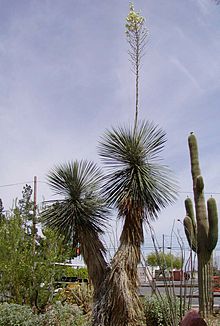
Cattle relish the young flower stalks, and chopped trunks and leaves serve as emergency food during droughts. Indians ate the flower buds, flowers, and young flower stalks of this and other yuccas, either raw or boiled.
Yucca elata is a common, widespread and quite distinctive species, growing tall and eventually branching, forming tree-like plants up to 15 feet high, resembling the Joshua tree through generally smaller, with longer leaves and fewer branches. Ranges of the two overlap in southwest Utah and northwest Arizona, but the soaptree yucca is more common further east, in the grasslands and foothills of central and southeast Arizona, and the flat plains of New Mexico.
Leaves are pale or bright green in color, thin and flexible, up to half an inch across (slightly wider in the middle) and between 10 and 35 inches long. The edges are white, as are the short terminal spines and the long, curly filaments that grow most densely towards the center. Plants are old before they branch, hence most specimens have only one stem; the (usual) maximum number observed is seven. Dead leaves hang back against the stem and remain there for many years. Flower clusters are borne on stems rising 2 or 3 feet above the leaves. Flowers are pendant, globular or bell-shaped.
Hardy to zero degrees, also makes a great container plant when young.
Zones 6-10.
_Hesperaloe_parviflora_Kulturpflanze_in_Arizona_fh.jpg)
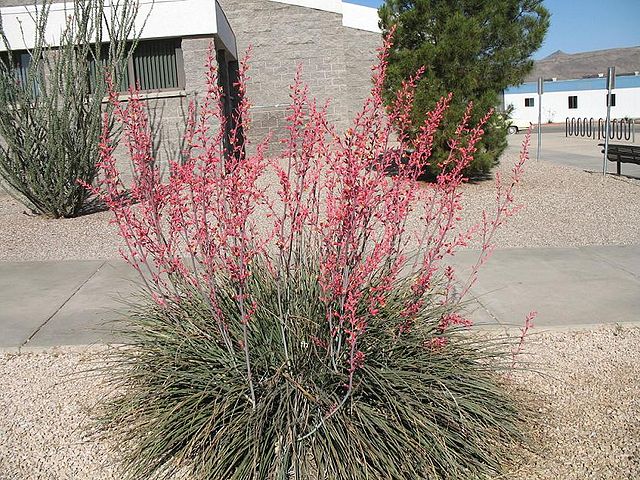
Hesperaloe parviflora has narrow evergreen leaves with a fringe of white threadlike hairs along their edges and grows in clumps 3–6 feet high and wide. Red or yellow tubular flowers are borne on branching flower stalks (inflorescences) up to 5 feet tall from late spring to mid-summer.
This species has become popular in xeriscape landscape design for public and private gardens in California and the Southwestern United States. The plant's qualities include drought tolerance, heat resistance, low maintenance needs, hummingbird attracting flowers, and an architectural form. It also is a spineless alternative to Agave and Yucca horticultural species.
Hardy to well below 0°F some say as low as -20°F (USDA zone 5). It is a good clean plant for desert and succulent gardens, planted in masses or used in pots.
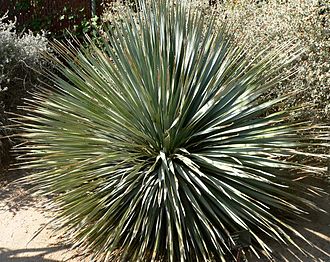
The flowering stem grows above the foliage, to a height of 16 feet tall. The stem is topped by a long plume of straw-colored small flowers. The color of the flower determinate the gender of the plant, being mostly white colored for males and purple-pink for females.
It is grown as an ornamental plant, valued in xeriscaping. As it does not tolerate extended frosts, in temperate regions it is usually grown under glass. It has gained the Royal Horticultural Society's Award of Garden Merit.
The alcoholic drink sotol, the northern cousin to tequila and mezcal, is made from the fermented inner cores of the desert spoon. It is the state drink of the Mexican states of Chihuahua, Durango, and Coahuila.
It was also used by the natives of the region for food and fiber. Its flower stalk can be used as a fire plow.
Cold hardy to 10 degrees.
The Tarahumara and Pima Bajo peoples of the Sierra Madre Occidental of Chihuahua weave baskets from the leaves after they strip off the spines from the leaf margins. They also employ the expanded leaf bases in making large artificial flowers as holiday decorations.
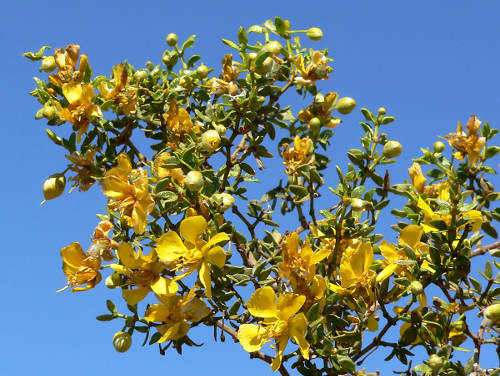
One of the best xeriscape and rock garden plants, this evergreen shrub, often called ‘greasewood’ flourishes under the intense daytime heat of the Sonoran, Chihuahua and Mojave Deserts. Creosote bush thrives under 5,000 feet.
Creosote has a long history of medicinal uses. Indigenous people rely on creosote as a ‘cure-all’ plant with wide reaching applications. Ethnobotanical notes mention creosote was used as a cure of fever, colds, stomach pains, a general pain killer, diuretic, arthritis, sinusitis, anemia and an anti-diarrheal.
Creosote bush is also antimicrobial. Thereby the plant is useful for cuts and bacterial or fungal infections.
A hardy perennial for zones 7-11.
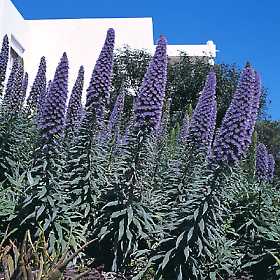
Use Echium against walls and at the back of flower borders or on slopes for a dramatic effect. Pride of Madeira makes a bold addition to any xeric landscape. In their natural habitat they grow on windswept limestone outcrops. The striking blooms make it attractive to bees, butterflies and/or birds. This Echium has evergreen lanceolate leaves, which are about 8 inches long. The narrow, hairy, gray-green colored leaves form round irregular mounds at the ends of the stems. The gorgeous purple-blue flowers have petals with a typical white line, and they appear on broad cylindrical to egg shaped inflorescences of 2 feet long, in spring.
Once Pride of Madeira has completed its flowering, it leaves only the green spires that should be removed and the entire plant cut back hard before winter. Hardiness zones: 9-11. Echium fastuosum is a stunning sun lover for coastal windy gardens, that can withstand negative temperatures down to 26°F. Note that the leaves and the stems may prove slightly skin irritant, so handle them with care. This Echium requires a well-drained ground and is quite happy where soils are dry and poor. Light pruning will keep Pride of Madeira bushy. Cut off flower spikes as they fade in order to promote newer growth. If you choose not to remove the spent flowers, the life span of the plant will be shortened. However, Echium will reseed, producing a flush of fresh new plants. Little or no water is required in mild-summer climates and only weekly watering is required in hotter areas.
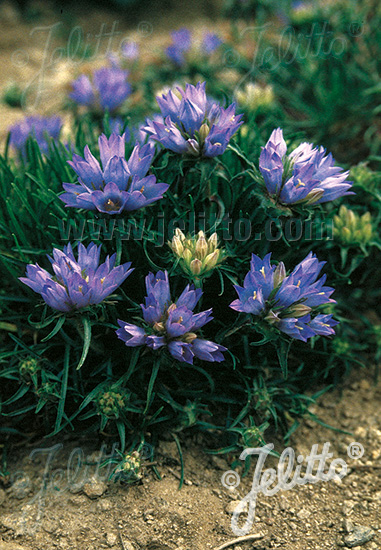
Drought-tolerant; it is also suitable for xeriscaping. Kin to the Campanulas and found on limestone slopes from the Mediterranean to eastern Europe, this superb perennial demands well drained, even gritty, soil.
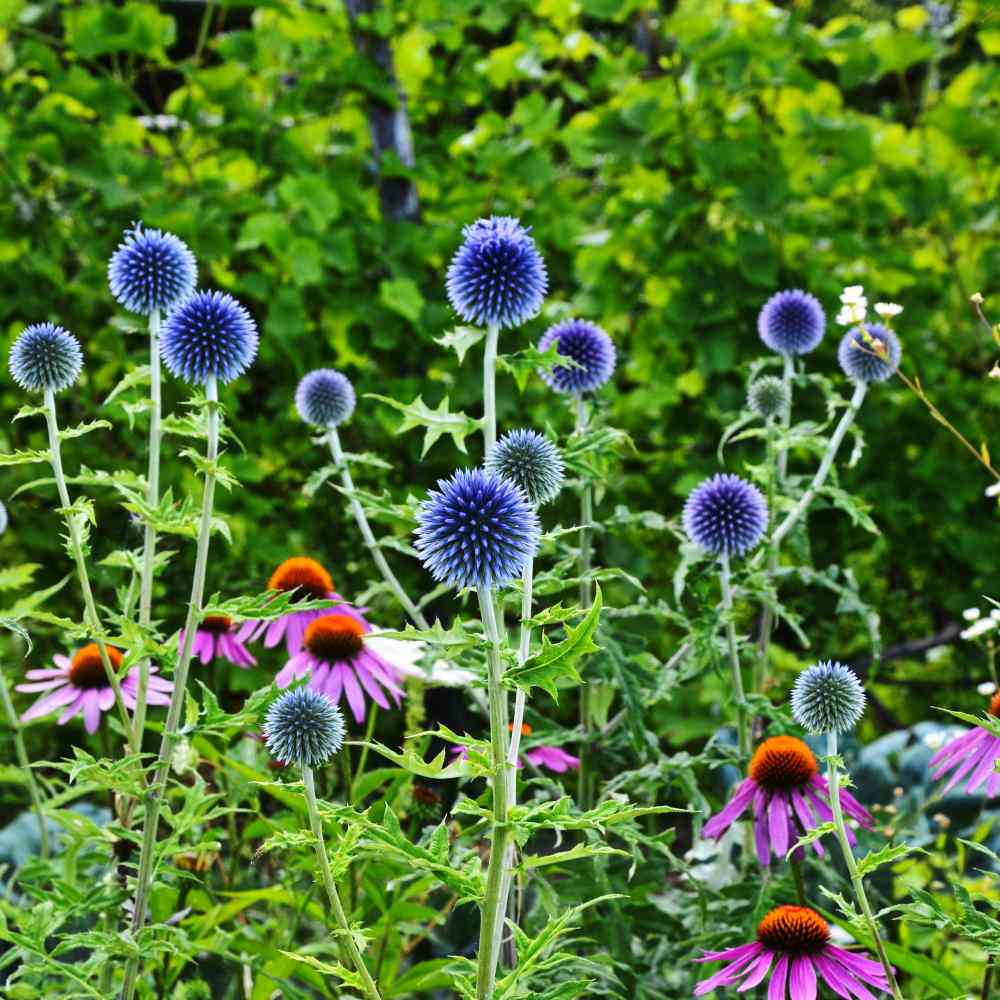
If the initial blooms on Globe Thistle are deadheaded, several smaller, shorter blooms will appear. Globe Thistle has plenty of flower seed, so it is a good self-seeder, and deadheading will help slow that process a bit. In richer soils, the plant might grow so much as to require staking. The basal leaves deteriorate quickly, so best to plant low-growing plants next to the Globe Thistle. Hands can be cut by foliage and flower, so best to wear gloves when handling.
Globe Thistle makes a nice cut flower. These fuzzy blossoms also dry well. Cut stems, hang upside down in a dry, ventilated place. Sow Globe Thistle seeds outdoors after temperatures have warmed. Prepare soil, sow the flower seeds on the surface and press them into the soil. Do not cover the flower seeds, keep them moist, and soon you will be enjoying a new addition to your xeriscape perennial garden.
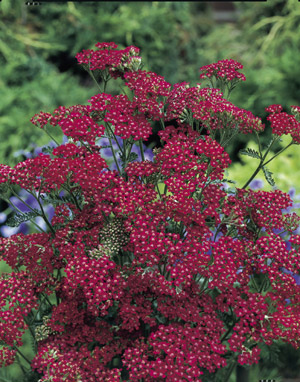
Drought tolerant for xeriscaping/waterwise design. For natural landscaping. Attractive for butterflies and other pollinators. Deer resistant. A second flowering after deadheading is possible at good locations.
Fleuroselect, will flower first year, prolific stems and deep cerise red flower umbels, for garden or cut flowers, grows 25" tall, hardy to zone 4.
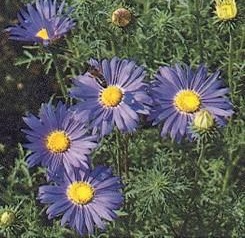
Excellent plant for borders, roadsides, xeriscapes, rock gardens.
Adaptable to a variety of garden conditions, it is drought-tolerant when established and an excellent choice for xeric gardens, natural or prairie gardens, meadows, hillsides, or hard to maintain areas. The plant often reseeds and grow in following years. You will enjoy its cheerful beauty and the way it attracts bees and butterflies.
For zones 3-10.
Seedman Basic Info:
Grows about 12 to 18 inches tall, will germinate in about 15-45 days depending on soil and weather conditions, germinates best if soil temperature is in the 56-65°F range.
Cover seeds about 1/8" deep, blooms from May to September.
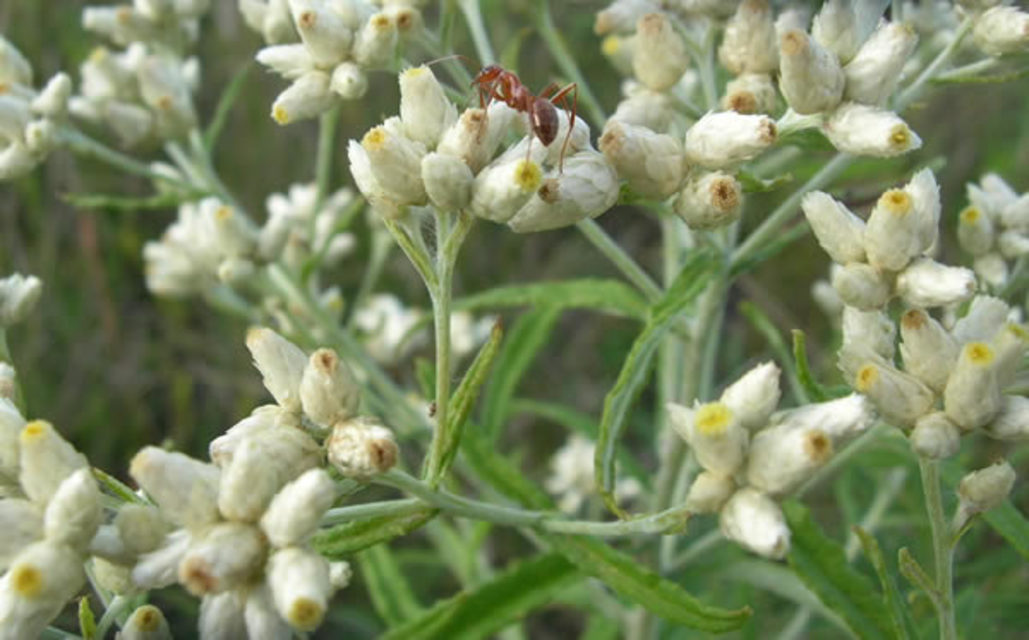
Sweet Everlasting’s fruit has a tuff of light brown hairs that will allow it to be carried off by the wind. The plant also gives off a wonderful maple syrup smell, making it a nice addition to any garden.
This plant is attractive to the Painted Lady Butterfly and the leaves are aromatic when crushed, making a nice potpourri component.
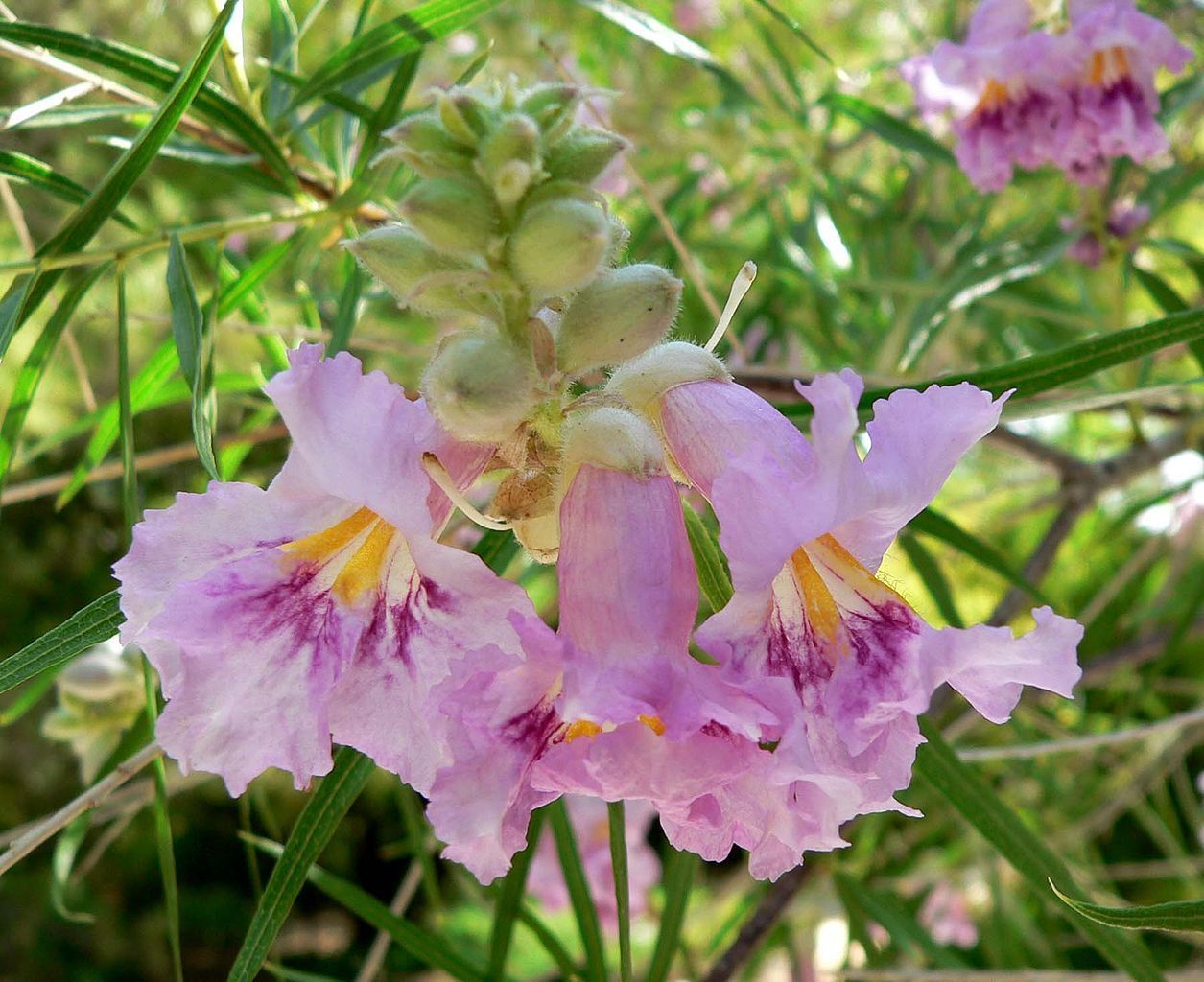
The Penstemon like flowers are fragrant, pink to lavender. They appear in May and keep coming until September or frost. Likes moderate water and sun. Does best inland and in desert.
This is a great plant for a bird garden, rock garden, xeriscape or lawn specimen. Best suited for zones 6-10.
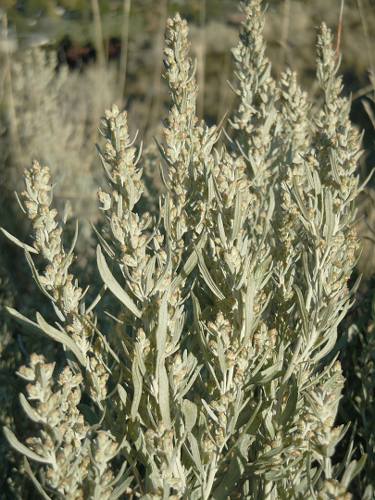
Strongly aromatic. Used by the Montana Indians as a general tonic, to restore hair, and as a dermatological aid.
Zones 3-5.
Low germination by nature, we estimate about 25 percent being normal.
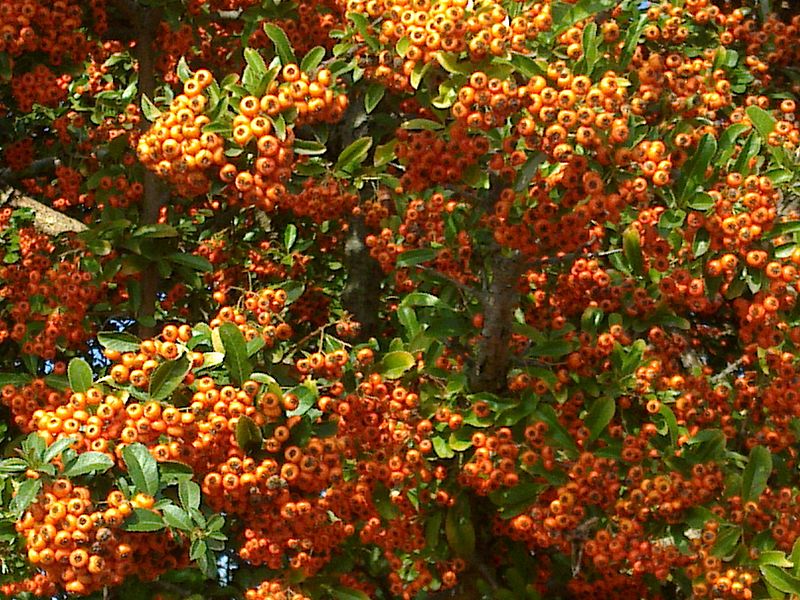

Birds love the fruit. They are greatly favored by Black Birds and Cedar Waxwings, which have been know to strip a tree of all its berries.
Here is a link to a great web page about Firethorn and includes a recipe for Pyracantha Jelly.
Firethorn is a large, evergreen shrub that is cherished for its spectacular fall and winter display of scarlet fruits and ability to withstand dry and droughty conditions. Shooting long lanky stems in all directions, firethorn typically grows into a tangled mound up to 10 feet in height and 12 feet wide. It is armed with sharp thorns that hide among the dark,glossy green leaves.
Clusters (corymbs) of small white flowers appear in spring. These are up to 2 inches across and are borne close together creating the appearance of nearly solid surface of flowers. In fall the 1/4 inch berries begin to ripen, their color mellowing from green to shades of red, orange, or yellow. These persist through winter and into early spring depending on climate and appetite of the local bird population. Under bright sunny conditions the berries are plentiful but expect smaller crops in shadier situations. The color of both leaves and berries tends to be darker in cooler climates.
Culture: Not particular about soil and requires little or no supplemental fertilization.
Light: Full sun preferred but will grow in partial to fairly heavy shade. Flowering and fruiting will not be as heavy.
Moisture: Moist to very dry, well drained soil. Hardiness: Zones 5 - 9.
Usage: Pyracantha is often used as an espalier. Held flat against a wall, it can be shaped quite creatively. Because of its fast growth rate, sprawling, spreading habit, and ease of care, it can be used on slopes to great advantage requiring little maintenance or care. The wide-reaching stems may be pruned back as needed during warm weather as the shrub blooms on old wood. Even consider using it as an informal hedge! This will require some trimming and shaping for the first few years but the effort will produce impressively beautiful and secure
(thorny) hedges.
Landscapers love the firethorns for their fast rate of growth and ability to withstand drought and neglect. The shrubs ruggedness and disease and pest resistance makes this plant a very popular item in commercial landscapes.
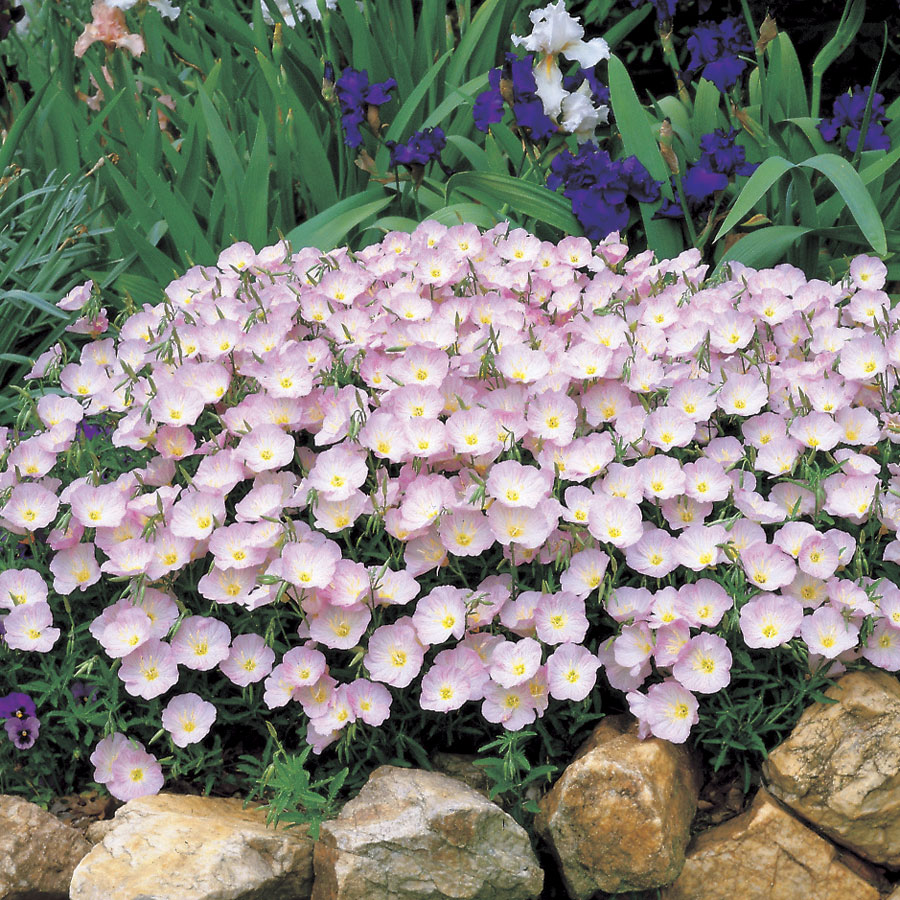
10" tall x 18" wide plants are care free plant for most gardens with soft pink blooms. A heat loving plant that thrives in sunny, dry areas along baking south and west facing walls and pavement areas. Spreading rapidly on shallow roots when the hot summer weather arrives, give this beauty plenty of room to grow as it will overrun smaller, less vigorous plants. Preferring unimproved, well-drained soils, this plant requires little extra water once established. Not generally recommended for gardeners living in cold, short season climates.
Perhaps best grown in areas where plants can spread without intruding on other plantings. Meadows. Wildflower gardens. Roadsides. Informal naturalized areas. Site carefully if planting in beds, borders or rock gardens.
A perennial best suited for zones 5-8.
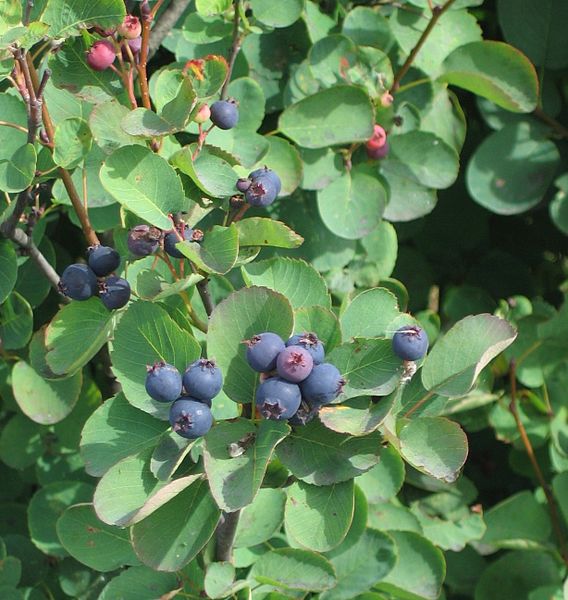

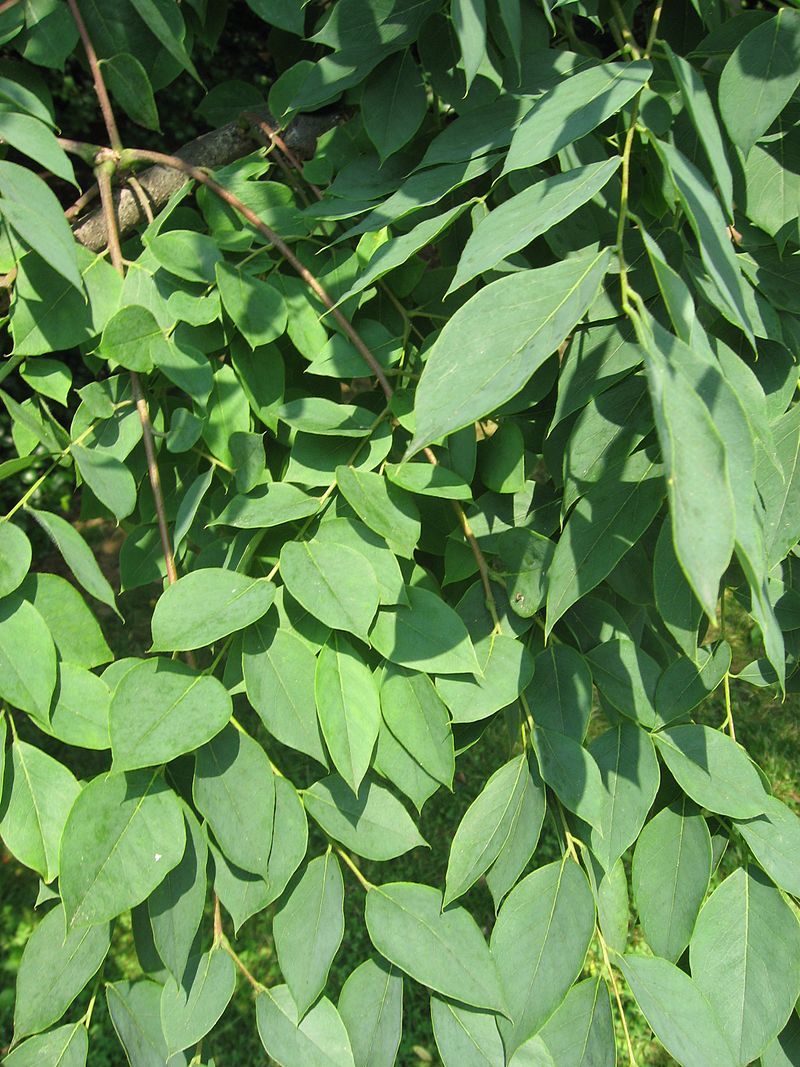

In addition to use as a food, the seeds of Kentucky coffee tree were used by Native Americans for ceremonial and recreational purposes. Seeds were used as dice in games of chance that were common in eastern tribes. The seeds were also used in jewelry.
It has been noted that the bruised foliage when sprinkled with sweetened water will attract and kill flies. Can be raised in containers when young.
Zones: 3 to 8.
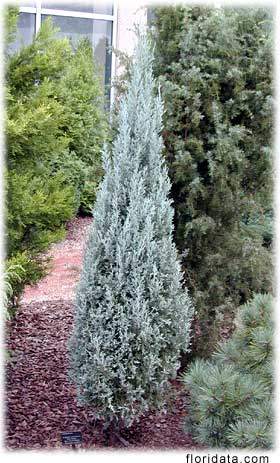
Trees may have male or female cones, but not both. The fruits are fleshy berrylike spherical cones, about one-third inch in diameter. They are bright blue with a whitish bloom and sweet tasting, with thin skins. Rocky Mountain juniper is closely related and quite similar to eastern redcedar, and was once believed to be the same species. But eastern redcedar has fruits that mature in a single season, whereas those of Rocky Mountain juniper take two year to ripen. Also, eastern redcedar had exfoliating bark. The two species hybridize where their ranges overlap.
Location: Rocky Mountain juniper occurs in isolated and scattered localities within a wide band from British Columbia to North Dakota, and south to Arizona and New Mexico. It grows from near sea level in the northern part of its range to more than 8000' above sea level in the south. Rocky Mountain juniper grows in alkaline soils on ridges, cliffs and rocky slopes, sometimes in pure stands, but more often in association with other mountain loving evergreens such as ponderosa pine, pinyon pine and Douglas-fir.
Culture: Rocky Mountain juniper is a slow growing tree
(6-12" per year), but one that can live more than 300 years. In
cultivation it tolerates acidic to alkaline soils, and does
best in those that are loose and well drained. It is best
adapted to culture in western and northern North America.
Light: Seedlings and saplings can tolerate rather dense shade,
but Rocky Mountain junipers, even the smaller cultivars, need
full sun to grow to their full potentials.
Moisture: Rocky Mountain juniper is tolerant of drought, but
perhaps less so than the other junipers. It should be watered
before the soil becomes completely dry. This juniper does
poorly in humid climates, but does fine in hot, dry
climates.
Hardiness: USDA Zones 4 - 7.
Usage: Use any of the cultivars of Rocky Mountain juniper for
attractive foliage effects in all seasons. This evergreen is
useful as a screen, hedge or foundation plant. They make great
anchors or focal points for the ends of hedges or mixed
borders. Rocky Mountain juniper is a tidy, formal accent shrub
alone or in small groups.
Features: Although most cultivars are probably too formal for
naturalistic gardens, Rocky Mountain juniper is ideal for neat,
well-organized landscapes. Most cultivars require little or no
pruning and are relatively free of cultural problems, insects
and diseases. They tolerate heat and drought well.

Contact Us | Privacy Policy | About Us
Serving gardeners since 1992
State of Mississippi Seedmen's Permit #C-391, Ohio 90152, Minnesota 20086777