Maui White Ageratum Seeds
Ageratum houstonianum — Maui White Ageratum is a compact, high-performance bedding plant with soft white floss flowers that create a cooling, cloud-like effect in summer gardens.
This guide covers growing conditions, seed-starting basics, garden uses, and ordering information for Seedman customers.
Order Seeds from Seedman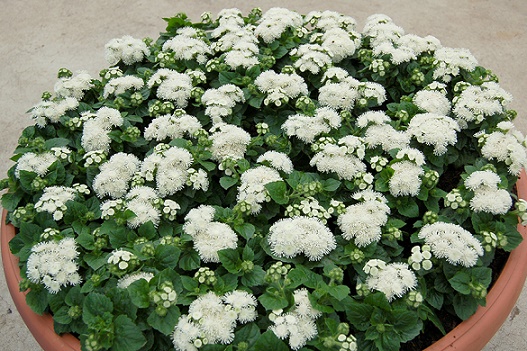
Plant Profile
Ageratum houstonianum
Maui White Ageratum
Annual flower seeds
Annual in most climates
8–12 inches
Full sun to partial shade
Why Grow Maui White Ageratum?
Maui White Ageratum is a compact, high-performance bedding plant with soft white floss flowers that create a cooling, cloud-like effect in summer gardens. It is a useful addition for gardeners looking for distinctive seed-grown plants with ornamental, ecological, or collection value.
- Low borders
- Window boxes
- Patio containers
- Pollinator-friendly bedding displays
Seed Germination Guide
Surface sow pelleted seed, press into moist seed-starting mix, and provide light and warmth. Keep evenly moist until seedlings establish.
Seed germination can vary by freshness, storage, temperature, and growing conditions. Use clean containers and a well-drained seed-starting medium.
Garden & Landscape Uses
Maui White Ageratum can be used in appropriate climates and garden styles where its mature size, sunlight needs, and moisture preferences are matched to the site. For best performance, provide full sun to partial shade and soil conditions suited to the species.
Order Maui White Ageratum Seeds
Visit the original Seedman product page for current availability, package sizes, and ordering details.
View Seedman Product PageFrequently Asked Questions
What makes Maui White Ageratum useful?
It stays compact, blooms heavily, and adds clean white texture to hot summer beds and containers.
How tall does Maui White grow?
It commonly grows about 8–12 inches tall.
Is it good for pollinators?
Yes. The nectar-rich white blooms can attract butterflies and bees.
Can it be used as edging?
Yes. Its compact habit makes it excellent for low borders and path edges.