Nodding Onion Seeds
Allium cernuum — Nodding Onion is a dependable native allium with gently nodding pink to rosy-red flowers, useful in meadows, rock gardens, naturalized beds, and pollinator plantings.
This guide covers growing conditions, seed-starting basics, garden uses, and ordering information for Seedman customers.
Order Seeds from Seedman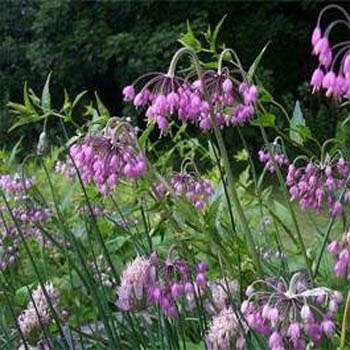
Plant Profile
Allium cernuum
Nodding Onion
Native perennial wildflower seeds
3–9
Usually 12–24 inches
Full sun to partial shade
Why Grow Nodding Onion?
Nodding Onion is a dependable native allium with gently nodding pink to rosy-red flowers, useful in meadows, rock gardens, naturalized beds, and pollinator plantings. It is a useful addition for gardeners looking for distinctive seed-grown plants with ornamental, ecological, or collection value.
- Native meadow planting
- Rock garden
- Pollinator garden
- Naturalized perennial border
Seed Germination Guide
Sow seed in fall outdoors or provide cold moist stratification before spring sowing. Use well-drained soil and keep lightly moist during establishment.
Seed germination can vary by freshness, storage, temperature, and growing conditions. Use clean containers and a well-drained seed-starting medium.
Garden & Landscape Uses
Nodding Onion can be used in appropriate climates and garden styles where its mature size, sunlight needs, and moisture preferences are matched to the site. For best performance, provide full sun to partial shade and soil conditions suited to the species.
Order Nodding Onion Seeds
Visit the original Seedman product page for current availability, package sizes, and ordering details.
View Seedman Product PageFrequently Asked Questions
Where does Nodding Onion grow naturally?
It is found on ledges, dry meadows, gravelly areas, rocky slopes, and open woodland edges.
What color are the flowers?
The flowers are gently nodding and range from pink to rosy red.
Is Nodding Onion drought tolerant?
Yes. It is very drought tolerant once established.
What zones does it grow in?
It is suited for USDA zones 3–9.