Tulsi Kapoor Basil Seeds
Ocimum tenuiflorum — Tulsi Kapoor Basil is a sacred basil type grown for aromatic leaves, herbal tea use, pollinator flowers, and traditional herb garden collections.
This guide covers growing conditions, seed-starting basics, garden uses, and ordering information for Seedman customers.
Order Seeds from Seedman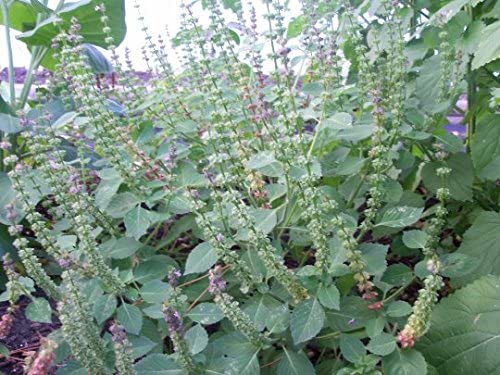
Plant Profile
Ocimum tenuiflorum
Tulsi Kapoor Basil
Sacred basil and aromatic herb seeds
Warm-season annual; tender perennial in tropical climates
Often 18–36 inches
Full sun
Why Grow Tulsi Kapoor Basil?
Tulsi Kapoor Basil is a sacred basil type grown for aromatic leaves, herbal tea use, pollinator flowers, and traditional herb garden collections. It is a useful addition for gardeners looking for distinctive seed-grown plants with ornamental, edible, ecological, or collection value.
- Tulsi tea
- Aromatic herb gardens
- Pollinator plantings
- Container herb culture
Seed Germination Guide
Sow shallowly in warm seed-starting mix. Keep moist and warm until germination, then grow in full sun after frost danger has passed.
Seed germination can vary by freshness, storage, temperature, and growing conditions. Use clean containers and a well-drained seed-starting medium.
Garden & Landscape Uses
Tulsi Kapoor Basil can be used in appropriate climates and garden styles where its mature size, sunlight needs, and moisture preferences are matched to the site. For best performance, provide full sun and soil conditions suited to the species.
Order Tulsi Kapoor Basil Seeds
Visit the original Seedman product page for current availability, package sizes, and ordering details.
View Seedman Product PageFrequently Asked Questions
What is Tulsi Kapoor Basil?
It is a sacred basil type, also called holy basil, valued for fragrance and tea use.
Is Tulsi Kapoor used for tea?
Yes. The aromatic leaves are commonly used for tulsi tea.
Does it attract bees?
Yes. Flowering tulsi is highly attractive to bees and beneficial insects.
Is it frost hardy?
No. Grow it during warm weather or protect it from cold.