Chickpeas Seeds
Cicer arietinum — Chickpeas, also called garbanzo beans, are warm-season pulse crops grown for protein-rich seeds used in hummus, soups, salads, and dry bean dishes.
This guide covers growing conditions, seed-starting basics, garden uses, and ordering information for Seedman customers.
Order Seeds from Seedman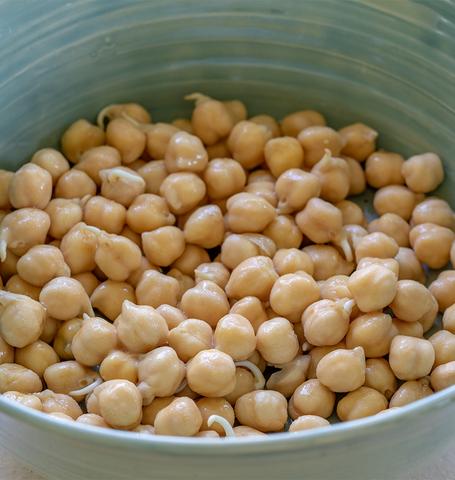
Plant Profile
Cicer arietinum
Chickpeas
Dry bean and pulse seeds
Warm-season annual pulse crop
Usually compact, about 18–24 inches
Full sun
Why Grow Chickpeas?
Chickpeas, also called garbanzo beans, are warm-season pulse crops grown for protein-rich seeds used in hummus, soups, salads, and dry bean dishes. It is a useful addition for gardeners looking for distinctive seed-grown plants with ornamental, edible, ecological, or collection value.
- Garbanzo beans
- Hummus
- Dry pulse crop
- Home vegetable gardens
Seed Germination Guide
Direct sow after frost into warm, well-drained soil. Keep lightly moist during germination and avoid excessive water once plants are established.
Seed germination can vary by freshness, storage, temperature, and growing conditions. Use clean containers and a well-drained seed-starting medium.
Garden & Landscape Uses
Chickpeas can be used in appropriate climates and garden styles where its mature size, sunlight needs, and moisture preferences are matched to the site. For best performance, provide full sun and soil conditions suited to the species.
Order Chickpeas Seeds
Visit the original Seedman product page for current availability, package sizes, and ordering details.
View Seedman Product PageFrequently Asked Questions
Are chickpeas and garbanzo beans the same?
Yes. Chickpeas are also known as garbanzo beans.
What are chickpeas used for?
They are used for hummus, salads, soups, stews, and dry pulse cooking.
Do chickpeas like wet soil?
No. They prefer well-drained soil and can suffer in overly wet conditions.
When should chickpeas be planted?
Plant after frost when soil has warmed.