Texas Prickly Pear Cactus Seeds
Opuntia engelmannii var. lindheimeri — Texas Prickly Pear is a rugged Opuntia cactus with broad pads, showy yellow flowers, and colorful fruits, well suited to dry sunny gardens and wildlife-friendly landscapes.
This guide covers growing conditions, seed-starting basics, garden uses, and ordering information for Seedman customers.
Order Seeds from Seedman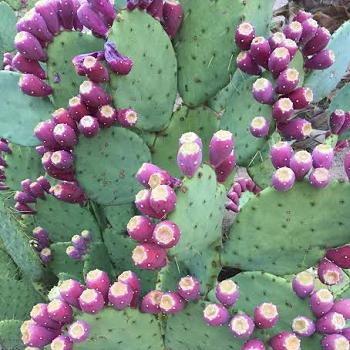
Plant Profile
Opuntia engelmannii var. lindheimeri
Texas Prickly Pear Cactus
Opuntia cactus seeds
Dry warm climates; container culture elsewhere
Shrubby pad-forming cactus
Full sun
Why Grow Texas Prickly Pear Cactus?
Texas Prickly Pear is a rugged Opuntia cactus with broad pads, showy yellow flowers, and colorful fruits, well suited to dry sunny gardens and wildlife-friendly landscapes. It is a useful addition for gardeners looking for distinctive seed-grown plants with ornamental, edible, ecological, or collection value.
- Dryland gardens
- Wildlife plantings
- Prickly pear collections
- Xeriscape borders
Seed Germination Guide
Scarify or soak hard-coated seeds before sowing warm in gritty well-drained mix. Keep lightly moist until germination, then reduce watering gradually.
Seed germination can vary by freshness, storage, temperature, and growing conditions. Use clean containers and a well-drained seed-starting medium.
Garden & Landscape Uses
Texas Prickly Pear Cactus can be used in appropriate climates and garden styles where its mature size, sunlight needs, and moisture preferences are matched to the site. For best performance, provide full sun and soil conditions suited to the species.
Order Texas Prickly Pear Cactus Seeds
Visit the original Seedman product page for current availability, package sizes, and ordering details.
View Seedman Product PageFrequently Asked Questions
What is Texas Prickly Pear known for?
It is known for broad pads, yellow flowers, and red-purple prickly pear fruits.
Is it drought tolerant?
Yes. Established plants are highly drought tolerant.
Does it support wildlife?
Yes. Flowers attract pollinators and fruits may feed wildlife.
Do the pads have glochids?
Yes. Handle carefully because tiny glochids can irritate skin.