Danvers 126 Carrot Seeds
Daucus carota subsp. sativus — Danvers 126 Carrot is a dependable orange carrot with tapered roots, strong garden performance, and broad use for fresh eating, cooking, storage, and juicing.
This guide covers growing conditions, seed-starting basics, garden uses, and ordering information for Seedman customers.
Order Seeds from Seedman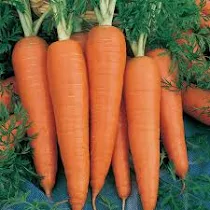
Plant Profile
Daucus carota subsp. sativus
Danvers 126 Carrot
Vegetable carrot seeds
Cool-season root vegetable
Leaf tops usually 10–16 inches
Full sun
Why Grow Danvers 126 Carrot?
Danvers 126 Carrot is a dependable orange carrot with tapered roots, strong garden performance, and broad use for fresh eating, cooking, storage, and juicing. It is a useful addition for gardeners looking for distinctive seed-grown plants with ornamental, edible, ecological, or collection value.
- Fresh carrots
- Cooking
- Storage carrots
- Juicing
Seed Germination Guide
Direct sow in loose soil and keep moist until germination. Thin seedlings so roots have enough space to develop.
Seed germination can vary by freshness, storage, temperature, and growing conditions. Use clean containers and a well-drained seed-starting medium.
Garden & Landscape Uses
Danvers 126 Carrot can be used in appropriate climates and garden styles where its mature size, sunlight needs, and moisture preferences are matched to the site. For best performance, provide full sun and soil conditions suited to the species.
Order Danvers 126 Carrot Seeds
Visit the original Seedman product page for current availability, package sizes, and ordering details.
View Seedman Product PageFrequently Asked Questions
What type of carrot is Danvers 126?
It is a classic orange tapered carrot with dependable garden performance.
Is Danvers good for heavier soils?
Danvers types are often more tolerant of less-than-perfect soil than long slender carrots, but loose soil still helps.
Can it be stored?
Yes. Mature roots are useful for storage under proper conditions.
Should carrots be thinned?
Yes. Thinning helps produce full-sized roots.