Saladmore Cucumber Seeds
Cucumis sativus — Saladmore Cucumber is a productive slicing cucumber grown for dark green fruits, crisp texture, and dependable garden harvests for salads and fresh eating.
This guide covers growing conditions, seed-starting basics, garden uses, and ordering information for Seedman customers.
Order Seeds from Seedman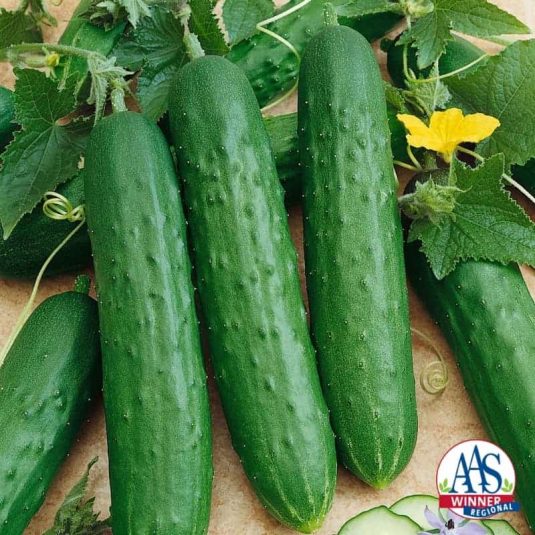
Plant Profile
Cucumis sativus
Saladmore Cucumber
Slicing cucumber seeds
Warm-season annual vegetable
Vining cucumber plant
Full sun
Why Grow Saladmore Cucumber?
Saladmore Cucumber is a productive slicing cucumber grown for dark green fruits, crisp texture, and dependable garden harvests for salads and fresh eating. It is a useful addition for gardeners looking for productive, flavorful, and distinctive seed-grown vegetables.
- Fresh slicing
- Salads
- Trellis gardens
- Summer vegetable beds
Seed Germination Guide
Direct sow after frost in warm soil or start indoors carefully. Keep soil evenly moist and harvest fruits regularly while tender.
Seed germination can vary by freshness, storage, temperature, and growing conditions. Use clean containers and a well-drained seed-starting medium.
Garden & Landscape Uses
Saladmore Cucumber grows best with full sun, regular moisture; fertile well-drained soil, and warm settled weather. Harvest regularly for best flavor and continued production.
Order Saladmore Cucumber Seeds
Visit the original Seedman product page for current availability, package sizes, and ordering details.
View Seedman Product PageFrequently Asked Questions
What is Saladmore Cucumber best for?
Saladmore Cucumber is useful for slicing cucumber seeds, fresh garden harvests, and home vegetable growing.
When should cucumber seed be planted?
Plant after frost when soil is warm and weather is settled.
Can cucumbers be grown on a trellis?
Yes. Trellising saves space, improves airflow, and keeps fruits cleaner.
What helps cucumbers produce better fruit?
Full sun, fertile soil, steady moisture, and frequent harvesting all support better production.