Oriental Thuja Seeds
Platycladus orientalis — Oriental Thuja is an evergreen conifer with scale-like foliage and upright structure, useful for hedges, screens, specimen plantings, and bonsai-style training.
This guide covers growing conditions, seed-starting basics, garden uses, and ordering information for Seedman customers.
Order Seeds from Seedman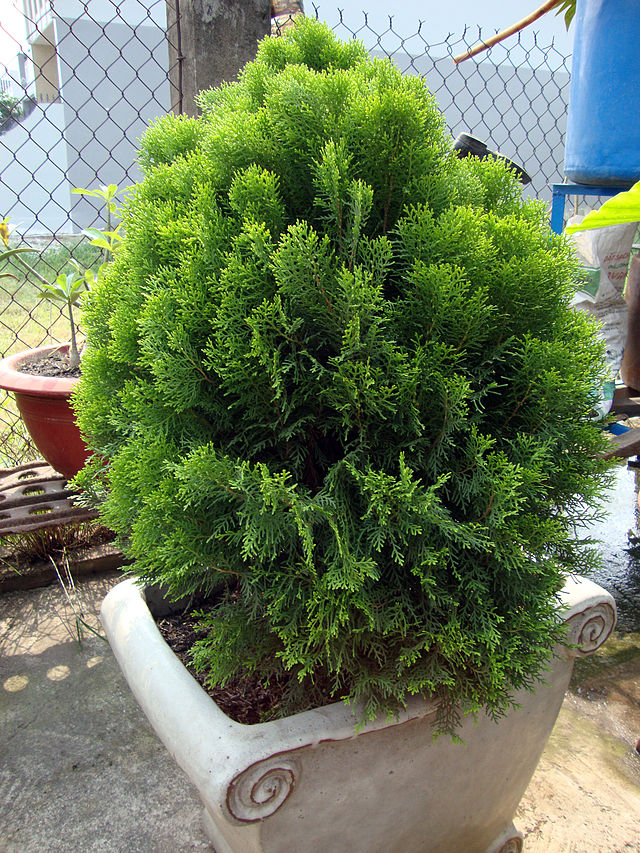
Plant Profile
Platycladus orientalis
Oriental Thuja
Evergreen conifer seeds
Commonly hardy in zones 5–9
Evergreen shrub or small tree
Full sun
Why Grow Oriental Thuja?
Oriental Thuja is an evergreen conifer with scale-like foliage and upright structure, useful for hedges, screens, specimen plantings, and bonsai-style training. It is a useful addition for gardeners looking for distinctive seed-grown plants with edible, ornamental, herbal, landscape, grass, or collection value.
- Evergreen hedges
- Screens
- Specimen conifers
- Bonsai interest
Seed Germination Guide
Cold moist stratification may improve germination. Sow in a well-drained mix and grow seedlings in bright light.
Seed germination can vary by freshness, storage, temperature, and growing conditions. Use clean containers and a well-drained seed-starting medium.
Garden & Landscape Uses
Oriental Thuja can be used where its mature size, sunlight needs, and moisture preferences are matched to the site. For best performance, provide full sun and average moisture; well-drained soil.
Order Oriental Thuja Seeds
Visit the original Seedman product page for current availability, package sizes, and ordering details.
View Seedman Product PageFrequently Asked Questions
What is Oriental Thuja best for?
Oriental Thuja is useful for evergreen conifer seeds, garden displays, containers, and specialty seed growing.
When should the seed be planted?
Plant according to the crop type, using warm conditions for summer crops and cooler or stratified conditions for many perennials and trees.
Does it need full sun?
Most vegetables, herbs, grasses, and trees perform best in full sun, while some tolerate partial shade.
Can it be grown in containers?
Many varieties can be started or grown in containers if given proper soil, light, and moisture.