Shades of Blue Popcorn Seeds
Zea mays everta — Shades of Blue Popcorn produces decorative blue-toned kernels for popping, fall displays, and colorful home garden harvests.
This guide covers growing conditions, seed-starting basics, garden uses, and ordering information for Seedman customers.
Order Seeds from Seedman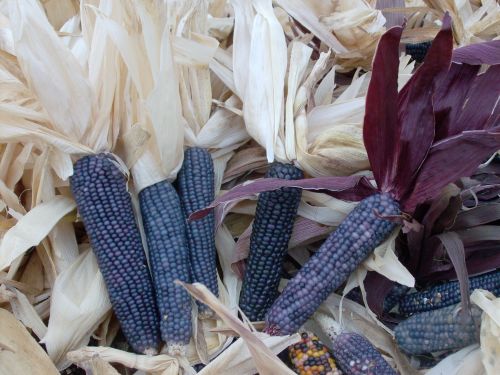
Plant Profile
Zea mays everta
Shades of Blue Popcorn
Blue popcorn seeds
Warm-season annual grain crop
Tall corn plants
Full sun
Why Grow Shades of Blue Popcorn?
Shades of Blue Popcorn produces decorative blue-toned kernels for popping, fall displays, and colorful home garden harvests. It is a useful addition for gardeners looking for distinctive seed-grown plants with ornamental, edible, harvest, pollinator, cottage garden, or dried arrangement value.
- Blue popcorn
- Decorative corn
- Home popping
- Fall displays
Seed Germination Guide
Direct sow in warm soil after frost. Isolate from other corn if color purity matters and dry ears fully before popping.
Seed germination can vary by freshness, storage, temperature, and growing conditions. Use clean containers and a well-drained seed-starting medium.
Garden, Harvest & Landscape Uses
Shades of Blue Popcorn can be used where its mature size, sunlight needs, and moisture preferences are matched to the site. For best performance, provide full sun and regular moisture; fertile well-drained soil.
Order Shades of Blue Popcorn Seeds
Visit the original Seedman product page for current availability, package sizes, and ordering details.
View Seedman Product PageFrequently Asked Questions
What is Shades of Blue Popcorn best for?
Shades of Blue Popcorn is grown for homegrown popping corn, fall harvests, snack use, and in some varieties decorative ears.
When should popcorn be planted?
Plant after frost when soil is warm and weather is settled.
Does popcorn need to dry before popping?
Yes. Ears must mature and dry well before shelling and popping.
Should popcorn be planted in blocks?
Yes. Planting in blocks improves wind pollination and ear fill.