Ramsons Wild Garlic Seeds
Allium ursinum — Ramsons Wild Garlic is a woodland allium with broad leaves and white starry flowers, valued for shade gardens, edible leaf harvests, and naturalizing plantings.
This guide covers growing conditions, seed-starting basics, garden uses, and ordering information for Seedman customers.
Order Seeds from Seedman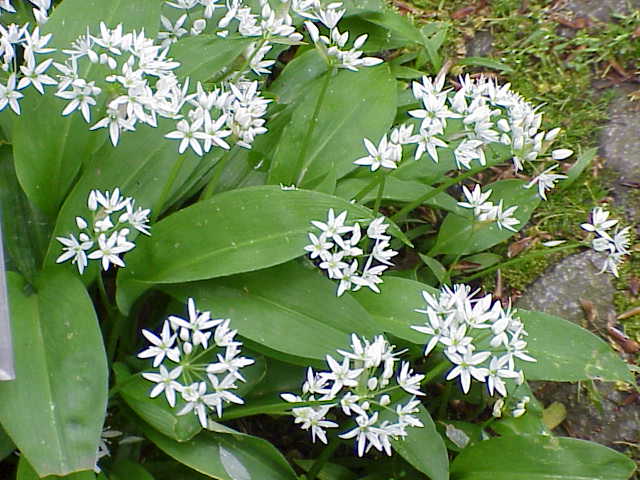
Plant Profile
Allium ursinum
Ramsons Wild Garlic
Wild garlic seeds
Hardy woodland perennial
Low woodland allium
Partial shade to shade
Why Grow Ramsons Wild Garlic?
Ramsons Wild Garlic is a woodland allium with broad leaves and white starry flowers, valued for shade gardens, edible leaf harvests, and naturalizing plantings. It is a useful addition for gardeners looking for distinctive seed-grown plants with edible, ornamental, harvest, pollinator, landscape, woodland, or container value.
- Wild garlic
- Woodland gardens
- Edible leaves
- Shade perennials
Seed Germination Guide
Seeds usually need cold moist stratification. Sow outdoors in fall or stratify and plant in a cool shaded seedbed.
Seed germination can vary by freshness, storage, temperature, and growing conditions. Use clean containers and a well-drained seed-starting medium.
Garden, Harvest & Landscape Uses
Ramsons Wild Garlic can be used where its mature size, sunlight needs, and moisture preferences are matched to the site. For best performance, provide partial shade to shade and even moisture; humus-rich well-drained soil.
Order Ramsons Wild Garlic Seeds
Visit the original Seedman product page for current availability, package sizes, and ordering details.
View Seedman Product PageFrequently Asked Questions
What is Ramsons Wild Garlic best for?
Ramsons Wild Garlic is grown for woodland edible plantings, shade gardens, naturalizing, and spring leaf harvests.
Does it need shade?
Yes. Woodland alliums prefer partial shade to shade and rich soil.
Can the seed be slow?
Yes. Ramp and wild garlic seeds can require stratification and patience.
Should it be overharvested?
No. Harvest lightly so plants can establish and return each year.