Topper 76 Sorghum Seeds
Sorghum bicolor — Topper 76 Sorghum is a productive warm-season sorghum selection grown for forage, wildlife plots, cover, tall biomass, and field plantings.
This guide covers growing conditions, seed-starting basics, garden uses, and ordering information for Seedman customers.
Order Seeds from Seedman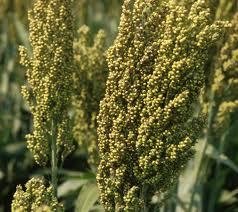
Plant Profile
Sorghum bicolor
Topper 76 Sorghum
Sorghum forage seeds
Warm-season annual grass crop
Tall sorghum plants
Full sun
Why Grow Topper 76 Sorghum?
Topper 76 Sorghum is a productive warm-season sorghum selection grown for forage, wildlife plots, cover, tall biomass, and field plantings. It is a useful addition for gardeners looking for distinctive seed-grown plants with ornamental, pollinator, container, cut flower, harvest, wildlife, or vegetable garden value.
- Forage sorghum
- Wildlife plots
- Tall biomass
- Field cover
Seed Germination Guide
Direct sow in warm soil after frost. Grow in full sun and maintain adequate fertility for strong biomass.
Seed germination can vary by freshness, storage, temperature, and growing conditions. Use clean containers and a well-drained seed-starting medium.
Garden, Container & Harvest Uses
Topper 76 Sorghum can be used where its mature size, sunlight needs, and moisture preferences are matched to the site. For best performance, provide full sun and average moisture; fertile well-drained soil.
Order Topper 76 Sorghum Seeds
Visit the original Seedman product page for current availability, package sizes, and ordering details.
View Seedman Product PageFrequently Asked Questions
What is Topper 76 Sorghum best for?
Topper 76 Sorghum is grown for warm-season field plantings, tall stalks, seed heads, wildlife plots, forage interest, or syrup-type use depending on variety.
When should sorghum be planted?
Plant after frost when soil is warm and weather is settled.
Does sorghum need full sun?
Yes. Full sun supports strong stalk growth and seed head development.
Does sorghum need a long warm season?
Yes. A warm season helps stalks and seed heads mature properly.