
Maple ( Acer ) Seeds
Note: These seeds need to be cold statified before sowing.
We recommend using the Seedman's Cold Stratification Kits for cold stratification.
Tips for propagation by Seed: Most acer seeds often take one to two years to germinate because of an immature embryo and a hardened seed coat. To reduce the waiting period, scarify the seed, then cold stratify for 30 days, then place in damp peat at a temperature of 80 to 90°F for four to five months by which the seed should began to germinate. Place the seedlings into individual pots when they are large enough to handle.
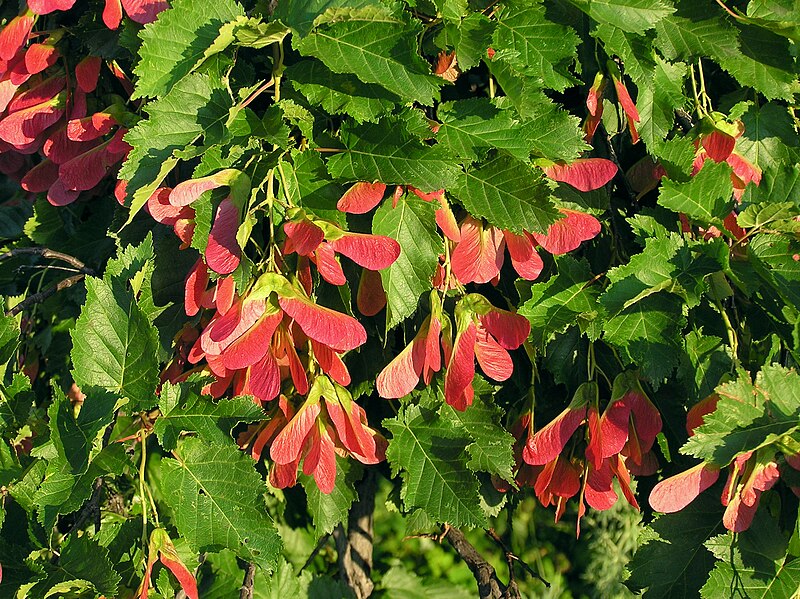
Tartar Maple (Acer tataricum) is a charming small ornamental tree prized for its adaptability, attractive foliage, colorful seed clusters, and brilliant autumn display. Native to southeastern Europe and western Asia, this hardy maple has become a favorite landscape tree due to its manageable size, drought tolerance, and ability to thrive in a wide range of growing conditions.
Unlike many larger maples, Tartar Maple fits comfortably into smaller residential landscapes while still providing year-round interest. Spring brings clusters of creamy white flowers, followed by showy red samaras (winged seeds) that often persist into summer. In autumn, the foliage transforms into vibrant shades of scarlet, orange, and crimson, creating one of the finest fall displays among small ornamental trees.
- Botanical Name: Acer tataricum
- Common Names: Tartar Maple, Tatarian Maple
- Plant Type: Small Deciduous Tree or Large Shrub
- Mature Height: 15 to 25 feet
- Mature Spread: 15 to 20 feet
- Growth Rate: Moderate
- Sun Exposure: Full Sun to Partial Shade
- USDA Zones: 3-8
Tartar Maple's compact size and outstanding seasonal interest make it ideal for modern landscapes where space may be limited.
Important Landscape NoteTartar Maple is highly adaptable and tolerates urban conditions better than many ornamental trees. It performs well in areas with heat, drought, wind, and occasional poor soils, making it an excellent low-maintenance landscape choice.
Germination InformationTartar Maple seeds require cold stratification for successful germination.
- Soak seeds in water for 24 hours.
- Place in moist peat moss or vermiculite.
- Cold stratify for 90 to 120 days at 34-40°F.
- Sow ½ inch deep in well-drained soil.
- Maintain temperatures of 65-75°F after planting.
- Germination generally occurs within several weeks after stratification.
Tartar Maple thrives in a wide variety of soils and growing conditions. It tolerates drought better than many maple species once established and requires relatively little maintenance.
- Adaptable to most soil types
- Excellent cold hardiness
- Good drought tolerance
- Tolerates urban pollution
- Low maintenance tree
Although adaptable, the brightest fall color typically develops when planted in full sun.
Container GrowingYoung Tartar Maples can be successfully grown in large containers for several years. Their naturally compact growth habit makes them more suitable for container culture than many larger maple species.
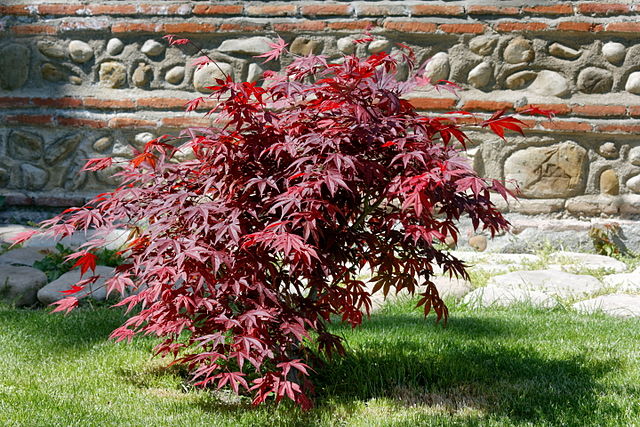
Purple Leaf Japanese Maple (Acer palmatum var. atropurpureum) is one of the most admired ornamental trees in the world. Renowned for its finely cut burgundy foliage, graceful branching habit, and brilliant seasonal color changes, this elegant small tree has become a centerpiece of landscapes, Japanese gardens, and collector plantings for generations.
Throughout spring and summer, the deeply lobed leaves display rich shades of burgundy, wine-red, or deep purple that provide striking contrast against green landscapes. In autumn, the foliage often intensifies into brilliant crimson, scarlet, and fiery red tones, creating one of the most spectacular fall displays available in any ornamental tree.
Its delicate appearance, manageable size, and four-season beauty make Purple Leaf Japanese Maple one of the finest specimen trees for residential landscapes.
- Botanical Name: Acer palmatum var. atropurpureum
- Common Names: Purple Leaf Japanese Maple, Red Japanese Maple
- Plant Type: Deciduous Ornamental Tree
- Mature Height: 15 to 25 feet
- Mature Spread: 15 to 20 feet
- Growth Rate: Slow to Moderate
- Sun Exposure: Full Sun to Partial Shade
- USDA Zones: 5-8
Purple Leaf Japanese Maple is among the most versatile ornamental trees available and can serve as a focal point in virtually any garden design.
- Specimen lawn tree
- Japanese gardens
- Entryway accent tree
- Courtyard gardens
- Patio landscapes
- Water garden plantings
- Asian-themed gardens
- Collector landscapes
In hotter climates, afternoon shade helps preserve the richest foliage color and prevents leaf scorch during periods of extreme summer heat. Protection from strong drying winds is also beneficial.
Germination InformationJapanese Maple seeds require cold stratification before planting.
- Soak seeds in water for 24 hours.
- Place in moist peat moss or vermiculite.
- Cold stratify for 90 to 120 days at 34-40°F.
- Sow ½ inch deep in well-drained soil.
- Maintain temperatures of 65-75°F after sowing.
- Germination typically occurs within several weeks after stratification.
Purple Leaf Japanese Maple thrives in fertile, well-drained soil rich in organic matter. Consistent moisture promotes healthy growth, though established trees tolerate moderate drought.
- Prefers slightly acidic soil
- Excellent ornamental value
- Moderate drought tolerance
- Low maintenance
- Long-lived landscape specimen
Minimal pruning is required, as the tree naturally develops an attractive layered branching structure.
Container GrowingPurple Leaf Japanese Maple is one of the finest trees for large decorative containers. Its slow growth and graceful habit make it suitable for patios, courtyards, and entry gardens for many years.
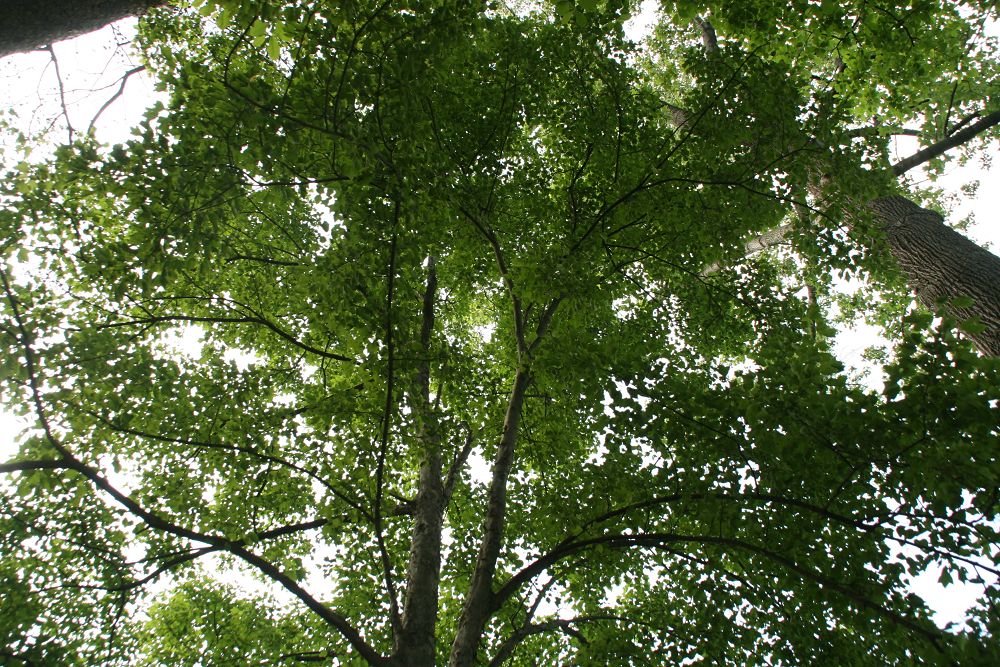
Trident Maple (Acer buergerianum) is one of the finest small ornamental maples available for home landscapes. Native to China, Taiwan, and Japan, this attractive deciduous tree is prized for its graceful form, attractive bark, excellent heat tolerance, and spectacular fall color. Named for its distinctive three-lobed leaves that resemble a trident, this species combines beauty, adaptability, and durability in a compact package ideal for modern landscapes.
Trident Maple develops a rounded, symmetrical canopy and attractive exfoliating bark as it matures. During autumn, the foliage transforms into brilliant shades of orange, scarlet, crimson, and gold, often producing one of the most vibrant fall displays among ornamental trees.
Its moderate size, tolerance of pruning, and adaptability have also made it one of the most popular maple species for bonsai cultivation worldwide.
- Botanical Name: Acer buergerianum
- Common Name: Trident Maple
- Plant Type: Deciduous Ornamental Tree
- Mature Height: 20 to 35 feet
- Mature Spread: 20 to 30 feet
- Growth Rate: Moderate
- Sun Exposure: Full Sun to Partial Shade
- USDA Zones: 5-9
Trident Maple is highly versatile and performs exceptionally well in both traditional and contemporary landscapes.
- Specimen lawn tree
- Street tree
- Patio tree
- Japanese gardens
- Courtyard plantings
- Small shade tree
- Urban landscapes
- Bonsai cultivation
Trident Maple tolerates heat and urban conditions better than many Japanese Maples, making it an excellent choice for areas where summers are warm. Its compact size makes it suitable for smaller residential properties.
Germination InformationSeeds require cold stratification before planting.
- Soak seeds in water for 24 hours.
- Place in moist peat moss or vermiculite.
- Cold stratify for 90 to 120 days at 34-40°F.
- Sow approximately ½ inch deep.
- Maintain temperatures of 65-75°F.
- Germination generally occurs within several weeks after stratification.
Trident Maple grows best in fertile, well-drained soils but adapts readily to a wide range of conditions. It tolerates drought better than many ornamental maples once established.
- Adaptable to various soil types
- Excellent heat tolerance
- Moderate drought resistance
- Urban pollution tolerant
- Low maintenance once established
Regular watering during establishment helps develop a strong root system and promotes vigorous growth.
Container GrowingTrident Maple performs exceptionally well in large containers and is widely regarded as one of the finest maple species for bonsai. Its naturally small leaves, attractive bark, and willingness to respond to pruning make it highly valued by collectors.
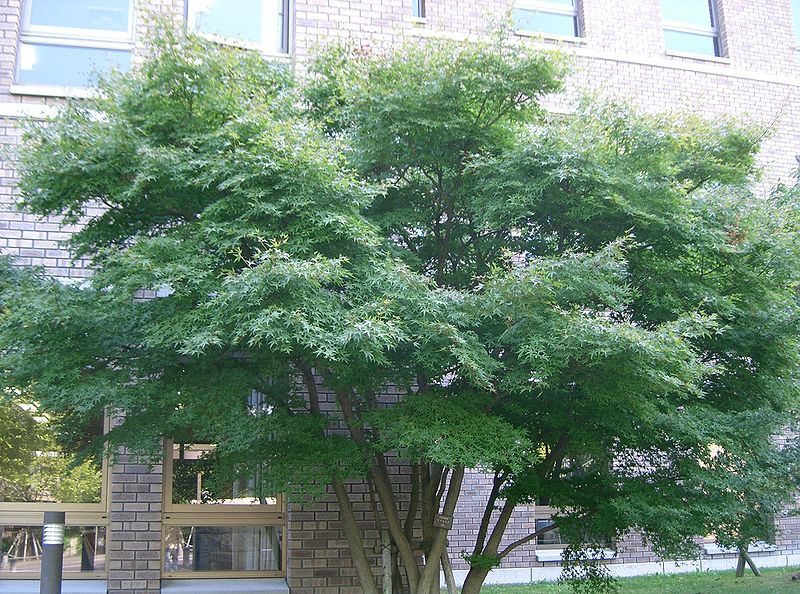
Japanese Maple (Acer palmatum) is widely regarded as one of the most beautiful ornamental trees in the world. Native to Japan, Korea, and parts of China, this elegant deciduous tree is celebrated for its graceful branching, delicate foliage, stunning seasonal color changes, and exceptional landscape versatility. Whether used as a specimen tree, patio accent, or focal point in a Japanese garden, Japanese Maple brings year-round beauty and refinement to any setting.
- Botanical Name: Acer palmatum
- Common Name: Japanese Maple
- Plant Type: Deciduous Ornamental Tree
- Mature Height: 10 to 25 feet
- Mature Spread: 10 to 20 feet
- Growth Rate: Slow to Moderate
- Sun Exposure: Full Sun to Partial Shade
- USDA Zones: 5-8
Japanese Maple is one of the most versatile ornamental trees available and can serve as a focal point in virtually any garden design.
- Specimen lawn tree
- Japanese gardens
- Courtyard plantings
- Patio gardens
- Entryway accents
- Water garden landscapes
- Woodland gardens
- Bonsai cultivation
In warmer climates, Japanese Maple benefits from protection against intense afternoon sun. Morning sunlight with afternoon shade often produces the healthiest foliage and richest seasonal color.
Germination InformationJapanese Maple seeds require cold stratification before germination.
- Soak seeds in water for 24 hours.
- Place in moist peat moss or vermiculite.
- Cold stratify for 90 to 120 days at 34-40°F.
- Sow approximately ½ inch deep.
- Maintain temperatures of 65-75°F.
- Germination usually occurs within several weeks following stratification.
Japanese Maple grows best in fertile, well-drained soil rich in organic matter. Consistent moisture encourages vigorous growth while avoiding waterlogged conditions helps maintain healthy roots.
- Prefers slightly acidic soils
- Excellent ornamental value
- Moderate drought tolerance once established
- Minimal pruning required
- Long-lived landscape specimen
Mulching around the root zone helps maintain soil moisture and moderates temperature fluctuations.
Container GrowingJapanese Maple performs exceptionally well in large decorative containers. Its manageable size and graceful habit make it ideal for patios, courtyards, decks, and entryways. Many gardeners successfully grow Japanese Maples in containers for decades.
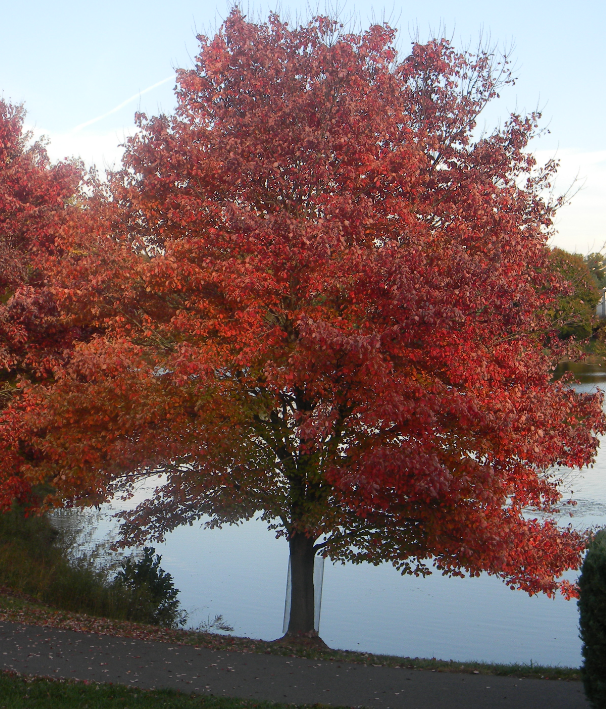
ACER66 Red Maple (Acer rubrum) is a superior selection of one of North America's most beloved shade trees. Renowned for its rapid growth, adaptability, brilliant scarlet fall color, and year-round ornamental appeal, Red Maple has earned its reputation as one of the finest landscape trees available. The ACER66 selection offers exceptional vigor, attractive branching, and outstanding seasonal color that transforms ordinary landscapes into spectacular autumn showcases.
Native to eastern North America, Red Maple is one of the most widespread tree species on the continent. Its adaptability allows it to thrive in conditions ranging from moist bottomlands to upland soils, making it one of the most dependable shade trees for homeowners. Spring flowers, attractive summer foliage, brilliant autumn color, and handsome winter form provide four-season interest.
- Botanical Name: Acer rubrum
- Common Names: Red Maple, Swamp Maple, Scarlet Maple
- Plant Type: Deciduous Shade Tree
- Mature Height: 40 to 70 feet
- Mature Spread: 30 to 50 feet
- Growth Rate: Fast
- Sun Exposure: Full Sun to Partial Shade
- USDA Zones: 3-9
ACER66 Red Maple serves as one of the finest shade and specimen trees available for residential and commercial landscapes.
- Specimen lawn tree
- Shade tree
- Street tree
- Park plantings
- Estate landscapes
- Wildlife habitat plantings
- Autumn color displays
- Large residential properties
Red Maple develops a broad canopy that provides excellent shade. Plant where adequate room is available for future growth. The species is adaptable but performs best when given sufficient space to develop its natural form.
Germination InformationRed Maple seeds are unusual among maples because many mature in spring rather than autumn.
- Fresh seed germinates most readily.
- Some seed may benefit from 30 to 60 days of cold stratification.
- Sow approximately ¼ to ½ inch deep.
- Keep soil consistently moist.
- Maintain temperatures of 65-75°F.
- Germination generally occurs within several weeks.
ACER66 Red Maple adapts to a remarkable range of soil and moisture conditions. It grows well in moist soils yet tolerates occasional drought once established.
- Adaptable to many soil types
- Excellent cold hardiness
- Fast-growing shade tree
- Tolerates seasonal wetness
- Long-lived landscape specimen
Regular watering during establishment promotes rapid root development and vigorous growth.
Container GrowingDue to its eventual size, Red Maple is best suited for landscape planting. Seedlings and young trees can be maintained in containers temporarily but should be transplanted into the ground for long-term success.

Contact Us | Privacy Policy | About Us
Serving gardeners since 1992
State of Mississippi Seedmen's Permit #C-391, Ohio 90152, Minnesota 20086777