
Agrimony Seeds
Grow agrimony for its long-standing use in herbal medicine to treat various ailments, such as digestive issues, wounds, and fevers, as well as its ability to produce a vibrant yellow dye from its leaves and flowers. It's also a good choice for pollinator-friendly gardens, providing nectar and pollen for bees and insects.
Agrimony is an herb in the rose family found near hedges and fences throughout England. Bearing yellow flowers with egg-shaped petals on spikes emanating from hairy stems, agrimony exudes a distinctive, pleasant scent that is often compared to apricots but isn't as sweet.
During the Elizabethan period herbalists began referring to the plant as philanthropos, perhaps because of its beneficent properties as a medicine, or perhaps because its seeds stick to the clothing of passers by, giving them the "gift" of next year's plants.
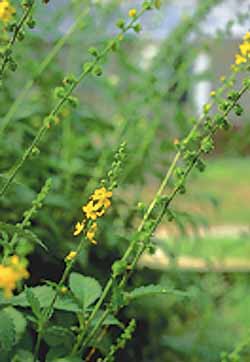
Agrimony is a beautiful and historic perennial herb that has been cherished for centuries for its ornamental beauty, wildlife value, traditional herbal uses, and ease of cultivation. Graceful spikes of bright golden-yellow flowers rise above attractive fern-like foliage throughout summer, creating a striking display that adds height, texture, and color to herb gardens, pollinator plantings, cottage gardens, and naturalized landscapes.
Native to Europe and naturalized throughout many parts of North America, Agrimony is both attractive and practical. Its long flowering season provides a valuable nectar source for bees, butterflies, and other beneficial insects, while the elegant flower spikes make excellent additions to fresh bouquets and dried floral arrangements.
Agrimony has a long history in traditional herbal gardens, where it has been cultivated for generations as a useful medicinal and tea herb. Today, many gardeners grow it as part of heirloom herb collections, pollinator gardens, and wildlife-friendly landscapes where its historical significance and ornamental qualities can be fully appreciated.
Uses and Benefits:- Produces tall spikes of cheerful golden-yellow flowers.
- Excellent pollinator plant that attracts bees and butterflies.
- Valuable addition to cottage gardens and herb gardens.
- Traditional medicinal herb with centuries of historical use.
- Often grown for herbal teas and dried herb preparations.
- Makes attractive fresh-cut flowers.
- Excellent for dried flower arrangements.
- Suitable for naturalized meadows and wildflower gardens.
- Provides vertical interest in mixed perennial borders.
- Useful in wildlife and pollinator habitat plantings.
- Easy-to-grow and long-lived perennial.
Agrimony is a hardy perennial in USDA Zones 4-8, returning year after year with minimal care.
Germination Instructions:- Sow seeds outdoors in fall or early spring, or start indoors 6-8 weeks before the last frost.
- Cover seed lightly with soil.
- Keep soil evenly moist during germination.
- Maintain temperatures of 65-75°F (18-24°C).
- Germination usually occurs within 14-30 days.
- Transplant seedlings after danger of frost has passed.
- Plant in full sun to partial shade.
- Prefers average, well-drained soil.
- Tolerates a wide range of garden conditions.
- Water regularly during establishment.
- Deadhead spent flowers to encourage continued blooming.
- Divide mature clumps every few years if desired.
Whether grown for its beautiful flower spikes, pollinator appeal, historical significance, herbal tradition, or usefulness in cut and dried flower arrangements, Agrimony remains one of the most versatile and rewarding perennial herbs for the home garden.

Contact Us | Privacy Policy | About Us
| Returns
Serving gardeners since 1992
State of Mississippi Seedmen's Permit #C-391, Ohio 90152, Minnesota 20086777