African Wisteria Tree Seeds
Bolusanthus speciosus — African Wisteria Tree is a beautiful southern African ornamental tree prized for fragrant blue-violet to purple pea-like flowers in long drooping racemes.
This guide covers growing conditions, seed-starting basics, garden uses, and ordering information for Seedman customers.
Order Seeds from Seedman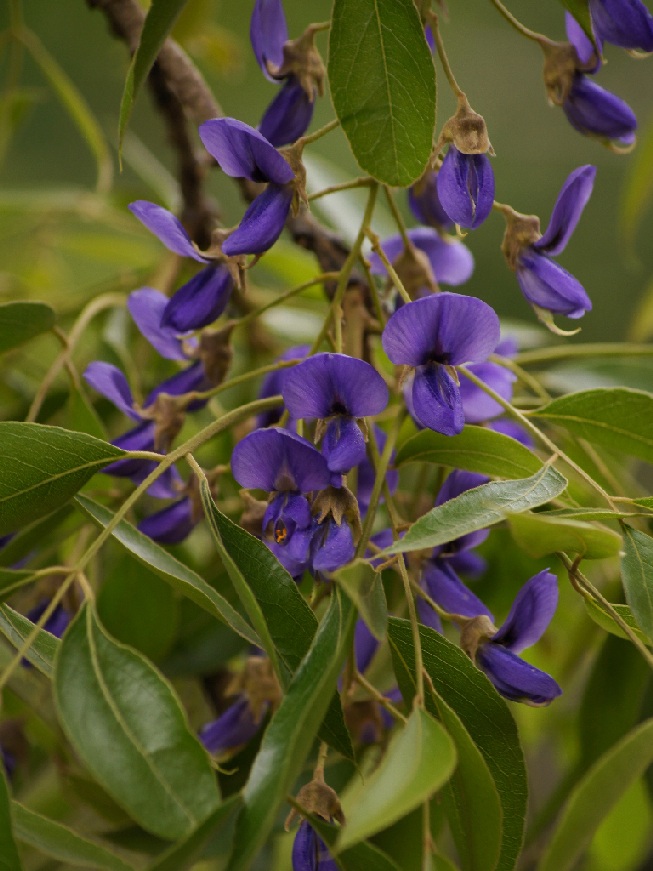
Plant Profile
Bolusanthus speciosus
African Wisteria Tree
Flowering ornamental tree seeds
9b–11 outdoors; bonsai or container culture elsewhere
Slow-growing tree to about 20 ft in warm climates
Full sun to light shade
Why Grow African Wisteria Tree?
African Wisteria Tree is a beautiful southern African ornamental tree prized for fragrant blue-violet to purple pea-like flowers in long drooping racemes. It is a useful addition for gardeners looking for distinctive seed-grown plants with ornamental, ecological, or collection value.
- Flowering specimen tree
- Warm-climate ornamental landscape tree
- Bonsai subject
- Collector tree for rare seed growers
Seed Germination Guide
Soak seeds in warm water for 12–24 hours before sowing in a warm, well-drained seed-starting mix. Keep lightly moist and warm until germination.
Seed germination can vary by freshness, storage, temperature, and growing conditions. Use clean containers and a well-drained seed-starting medium.
Garden & Landscape Uses
African Wisteria Tree can be used in appropriate climates and garden styles where its mature size, sunlight needs, and moisture preferences are matched to the site. For best performance, provide full sun to light shade and soil conditions suited to the species.
Order African Wisteria Tree Seeds
Visit the original Seedman product page for current availability, package sizes, and ordering details.
View Seedman Product PageFrequently Asked Questions
What is African Wisteria Tree?
African Wisteria Tree, Bolusanthus speciosus, is a slow-growing flowering tree native to southern Africa with showy purple-mauve flowers.
Can African Wisteria Tree be grown as bonsai?
Yes. Its slow growth, attractive bark, and flowering habit make it suitable for bonsai culture.
What zones are best for outdoor planting?
It is best suited to warm zones, especially USDA zones 9b–11.
What makes the flowers special?
The tree can produce abundant fragrant blue-violet to purple flowers in long, drooping spring clusters.