Quiver Tree Aloe Seeds
Aloidendron dichotomum — Quiver Tree Aloe is a dramatic tree-form succulent from southern Africa, known for its smooth branching trunk, sculptural form, and rugged desert character.
This guide covers growing conditions, seed-starting basics, garden uses, and ordering information for Seedman customers.
Order Seeds from Seedman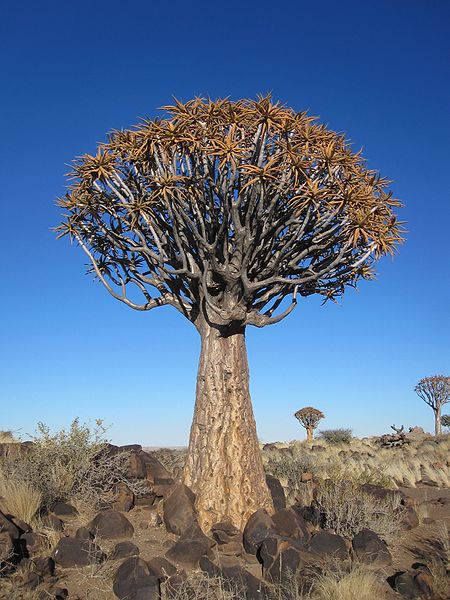
Plant Profile
Aloidendron dichotomum
Quiver Tree Aloe
Succulent tree seeds
Best outdoors in very mild arid climates; container culture elsewhere
Can become a branching succulent tree in habitat and warm climates
Full sun to very bright light
Why Grow Quiver Tree Aloe?
Quiver Tree Aloe is a dramatic tree-form succulent from southern Africa, known for its smooth branching trunk, sculptural form, and rugged desert character. It is a useful addition for gardeners looking for distinctive seed-grown plants with ornamental, edible, ecological, or collection value.
- Collector succulent
- Xeriscape specimen
- Container desert plant
- Architectural greenhouse plant
Seed Germination Guide
Sow seeds on a sterile, sharply drained cactus/succulent mix. Keep warm, bright, and lightly moist until germination, then reduce moisture gradually as seedlings establish.
Seed germination can vary by freshness, storage, temperature, and growing conditions. Use clean containers and a well-drained seed-starting medium.
Garden & Landscape Uses
Quiver Tree Aloe can be used in appropriate climates and garden styles where its mature size, sunlight needs, and moisture preferences are matched to the site. For best performance, provide full sun to very bright light and soil conditions suited to the species.
Order Quiver Tree Aloe Seeds
Visit the original Seedman product page for current availability, package sizes, and ordering details.
View Seedman Product PageFrequently Asked Questions
What is Quiver Tree Aloe?
Quiver Tree Aloe, now commonly placed in Aloidendron, is a tree-form succulent famous for its branching desert silhouette.
Can it be grown in a pot?
Yes. In colder climates it is best grown as a container specimen that can be protected from freezing weather.
Does it need much water?
No. It needs excellent drainage and low to moderate water, especially after seedlings are established.
What is the best light?
Full sun or very bright light produces the strongest, most compact growth.