
Quiver Tree Aloe Seeds
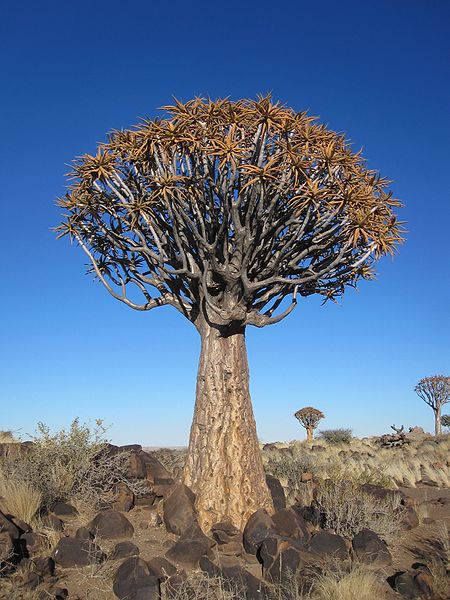

The Quiver Tree is one of the most extraordinary succulent trees in the world. Native to the arid regions of Namibia and South Africa, this magnificent species develops a massive trunk covered in smooth golden bark and a beautifully symmetrical crown of branching limbs topped with rosettes of blue-green leaves.
Unlike most aloes, which remain low-growing succulents, the Quiver Tree eventually develops into a true tree-like specimen capable of reaching impressive heights. Mature plants create unforgettable silhouettes against desert skies and have become enduring symbols of the African wilderness.
Its sculptural form, exceptional drought tolerance, and remarkable longevity make the Quiver Tree one of the most sought-after succulent trees in cultivation.
Plant Characteristics- Botanical Name: Aloe dichotoma (now often classified as Aloidendron dichotomum)
- Common Names: Quiver Tree, Kokerboom
- Plant Type: Tree-form succulent
- Mature Height: 15 to 30 feet
- Mature Width: 10 to 20 feet
- Growth Rate: Slow
- USDA Zones: 9b to 11
- Foliage Color: Blue-green to gray-green
- Flower Color: Bright yellow
Quiver Tree is ideal for desert landscapes, xeriscape gardens, botanical collections, succulent gardens, and dramatic specimen plantings.
Its unique form creates a powerful architectural statement and serves as a focal point in any landscape.
Mature specimens often become treasured landmark plants.
Germination InformationSeeds germinate readily when warmth and proper drainage are provided.
- Sow seeds on the surface of a well-drained cactus mix.
- Lightly cover with fine sand.
- Maintain temperatures between 70 and 85°F.
- Keep evenly moist but not saturated.
- Provide bright indirect light.
- Germination generally occurs within 2 to 6 weeks.
Quiver Trees thrive in full sun and exceptionally well-drained soils.
Once established, they require very little supplemental water and are among the most drought-tolerant tree-form succulents available.
Excellent drainage is absolutely essential, particularly during cool weather.
Patience is rewarded, as plants become increasingly beautiful with age.
Container GrowingYoung Quiver Trees can be successfully grown in containers for many years.
Collectors often maintain specimens in large pots before eventually planting them into the landscape.
Use a fast-draining cactus mix and avoid overwatering.
Pollinator ValueThe bright yellow flowers attract bees, butterflies, birds, and numerous beneficial pollinators.
Blooming typically occurs during winter when nectar resources are often scarce.
The flowers provide valuable food for wildlife in desert environments.
Wildlife ValueFlowering Quiver Trees support pollinators and nectar-feeding birds.
The branching structure may also provide nesting opportunities for birds in native habitats.
Large specimens contribute significantly to desert ecosystems.
Historical and Cultural FactsThe common name "Quiver Tree" comes from the indigenous San people of southern Africa, who traditionally used the hollowed branches to make quivers for carrying hunting arrows.
The Afrikaans name "Kokerboom" translates directly to "quiver tree."
For centuries, these remarkable trees have served as landmarks across the deserts of Namibia and South Africa.
Botanical Facts- Member of the Asphodelaceae family.
- Now often classified as Aloidendron dichotomum.
- The species name "dichotoma" refers to its repeatedly forked branching habit.
- Develops smooth golden bark that reflects sunlight.
- Can live for well over a century.
- One of the few aloes that forms a true tree.
Mature trees produce clusters of bright yellow flowers near the ends of branches.
Blooming typically occurs during winter and attracts numerous pollinators.
The flowers create a striking contrast against the blue-green foliage.
Drought ToleranceQuiver Tree exhibits exceptional drought tolerance once established.
Its succulent tissues store water efficiently, allowing survival in some of Africa's harshest desert environments.
It is among the most drought-resistant ornamental tree species available.
Longevity and SizeUnder favorable conditions, Quiver Trees can live for over 100 years and eventually develop massive sculptural trunks and crowns.
Older specimens become increasingly valuable and visually impressive with age.
Seedman's NoteFew plants inspire awe quite like a mature Quiver Tree. Its distinctive branching structure and golden trunk create one of the most recognizable silhouettes in the plant kingdom.
Additional Seedman's NoteIf you're looking for a truly legendary succulent tree, the Quiver Tree stands in a class of its own. Its unique history, architectural beauty, and extraordinary drought tolerance make it one of the most fascinating plants available from seed.
For additional growing details, see our Quiver Tree Aloe Seeds AI fact sheet.
For over a thousand more unique seed varieties, all in stock and ready to ship, visit our Seed Catalog Index Page .

Contact Us | Privacy Policy | About Us
Serving gardeners since 1992
State of Mississippi Seedmen's Permit #C-391, Ohio 90152, Minnesota 20086777