Shagbark Hickory Seeds
Carya ovata — Shagbark Hickory is a long-lived native nut tree known for edible hickory nuts, shaggy bark, wildlife value, and stately hardwood character.
This guide covers growing conditions, seed-starting basics, garden uses, and ordering information for Seedman customers.
Order Seeds from Seedman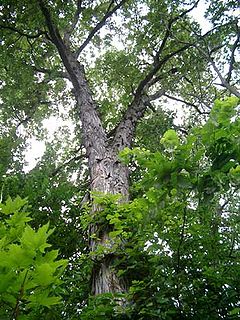
Plant Profile
Carya ovata
Shagbark Hickory
Nut tree seeds
Commonly hardy in zones 4–8
Large hardwood nut tree
Full sun to partial shade
Why Grow Shagbark Hickory?
Shagbark Hickory is a long-lived native nut tree known for edible hickory nuts, shaggy bark, wildlife value, and stately hardwood character. It is a useful addition for gardeners looking for distinctive seed-grown fruit, nut, wildlife, or edible landscape plants.
- Edible nuts
- Native trees
- Wildlife plantings
- Large landscapes
Seed Germination Guide
Hickory nuts need cold moist stratification and deep containers because seedlings develop strong taproots. Protect nuts from rodents.
Seed germination can vary by freshness, storage, temperature, and growing conditions. Use clean containers and a well-drained seed-starting medium.
Garden & Landscape Uses
Shagbark Hickory can be used where its mature size, sunlight needs, and moisture preferences are matched to the site. For best performance, provide full sun to partial shade and average moisture; deep well-drained soil.
Order Shagbark Hickory Seeds
Visit the original Seedman product page for current availability, package sizes, and ordering details.
View Seedman Product PageFrequently Asked Questions
What is Shagbark Hickory grown for?
Shagbark Hickory is grown for edible fruit, wildlife value, food forest plantings, or specialty fruit collections.
Will seed-grown fruit trees be identical to the parent?
No. Seed-grown fruit trees and shrubs can vary, which is useful for diversity but not identical clone production.
Do fruit seeds need stratification?
Many temperate fruit seeds need cold moist stratification before germination; tropical fruits usually need warmth instead.
Can fruit trees be grown in containers?
Some can be started in containers, but most fruit trees eventually need adequate root space.