
Shagbark Hickory Seeds
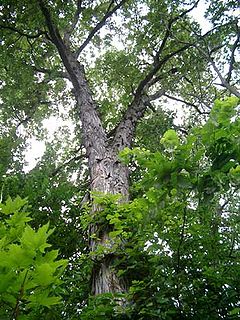
Shagbark Hickory is one of North America's most distinctive and valuable native nut trees, famous for its peeling, shaggy bark, sweet edible nuts, and exceptional longevity. Found throughout much of the eastern United States, this majestic hardwood tree combines ornamental beauty, wildlife value, and nutritious nut production into one remarkable species. The tree derives its common name from its unique bark, which peels away from the trunk in long, curling strips, creating a rugged appearance unlike any other native tree. During autumn, the foliage turns brilliant shades of golden yellow, adding spectacular seasonal color to the landscape. Shagbark Hickory produces thick-shelled nuts with rich, sweet kernels that are considered among the finest of all native North American nuts. The flavor is often compared to pecans but with a richer, more distinctive taste. For centuries, the nuts have been enjoyed by both people and wildlife. As a long-lived hardwood, Shagbark Hickory can survive for generations and eventually become a magnificent shade tree, making it an investment in the future as well as a source of food and beauty. Shagbark Hickory performs best in deep soils where its extensive root system can develop properly. Once established, it is highly resilient and can tolerate periods of drought. Trees are generally slow to transplant due to their strong taproot, making direct seeding or planting young seedlings preferable. Few native trees provide as much wildlife benefit as Shagbark Hickory. The nuts are highly prized by squirrels, chipmunks, wild turkeys, wood ducks, black bears, foxes, and numerous other animals. The loose bark also provides important shelter for several species of bats, making this tree a valuable component of healthy ecosystems. Shagbark Hickory nuts are rich in healthy fats, protein, fiber, vitamins, and minerals. Their sweet flavor has made them a prized wild food for generations and they are often used in baking, candies, desserts, and traditional recipes. Shagbark Hickory develops a strong taproot very early in life, so deep containers are strongly recommended when starting seedlings. Because trees may require several years before producing nuts, they are often planted as a long-term investment in both food production and landscape value. One of the most overlooked features of Shagbark Hickory is its exceptional value to wildlife. In addition to producing nutritious nuts, the loose bark creates important roosting habitat for bats that help control mosquitoes and other insects. Few native trees offer as many ecological benefits. Shagbark Hickory (Carya ovata) is a true American classic—beautiful, productive, long-lived, and beneficial to wildlife. Whether planted for its sweet nuts, magnificent bark, fall color, or environmental value, it is a tree that can be enjoyed for generations.
Germination Instructions
Growing Information
Nutritional Benefits
For additional growing details, see our Shagbark Hickory Seeds AI fact sheet.
For over a thousand more unique seed varieties, all in stock and ready to ship, visit our Seed Catalog Index Page .

Contact Us | Privacy Policy | About Us
Serving gardeners since 1992
State of Mississippi Seedmen's Permit #C-391, Ohio 90152, Minnesota 20086777