Hardy Jelly Palm Seeds
Butia capitata — Hardy Jelly Palm is a cold-tolerant feather palm with arching blue-green fronds and edible orange fruits used for jelly in warm landscapes.
This guide covers growing conditions, seed-starting basics, garden uses, and ordering information for Seedman customers.
Order Seeds from Seedman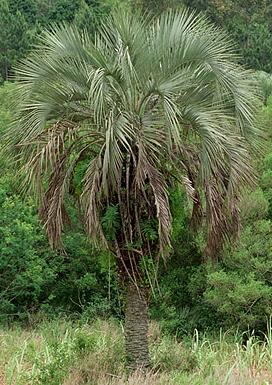
Plant Profile
Butia capitata
Hardy Jelly Palm
Jelly palm seeds
Commonly hardy in zones 8–11
Medium feather palm
Full sun
Why Grow Hardy Jelly Palm?
Hardy Jelly Palm is a cold-tolerant feather palm with arching blue-green fronds and edible orange fruits used for jelly in warm landscapes. It is a useful addition for gardeners looking for distinctive seed-grown palms and tropical-style plants with ornamental, landscape, patio, houseplant, or collection value.
- Cold-tolerant palms
- Edible fruits
- Patio specimens
- Mediterranean gardens
Seed Germination Guide
Soak seed and sow warm in a deep container. Germination can be slow, so maintain warmth and patience.
Palm and tropical seed germination can be slow and variable. Use clean containers, warmth, steady moisture, and a well-drained seed-starting medium.
Indoor, Patio & Landscape Uses
Hardy Jelly Palm can be used where its mature size, sunlight needs, and moisture preferences are matched to the site. For best performance, provide full sun and average to low moisture; well-drained soil.
Order Hardy Jelly Palm Seeds
Visit the original Seedman product page for current availability, package sizes, and ordering details.
View Seedman Product PageFrequently Asked Questions
What is Hardy Jelly Palm grown for?
Hardy Jelly Palm is grown for tropical or architectural foliage, patio containers, warm-climate landscapes, and palm collections.
Should palm seed be soaked?
Soaking palm seed before sowing can help prepare it for germination.
Do palm seeds need warmth?
Yes. Most palm seeds germinate best with steady warmth and moisture.
Can palms be grown in containers?
Many palms can be started or maintained in containers, especially while young.