
Hardy Jelly Palm Seeds
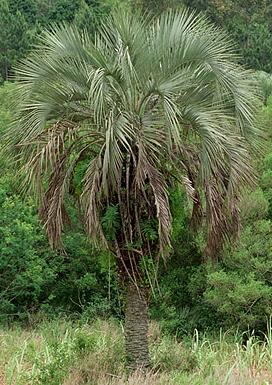
The Hardy Jelly Palm, also known as the Pindo Palm or Jelly Palm, is one of the most useful and attractive cold-hardy palms for outdoor landscapes. It is prized for its graceful, arching blue-green fronds, stout textured trunk, and clusters of golden-orange edible fruits. Native to southern Brazil and Uruguay, this palm brings a tropical look to gardens while tolerating cooler conditions better than many other feather palms.
This palm is especially valued in Southern gardens, coastal plantings, Mediterranean-style landscapes, and warm temperate regions where gardeners want beauty, durability, and character in one plant.
Plant Characteristics- Mature Height: 15 to 25 feet
- Mature Spread: 10 to 15 feet
- Growth Rate: Slow to moderate
- USDA Zones: 8 to 11
- Sun Exposure: Full sun
- Soil: Well-drained sandy, loamy, rocky, or clay soils
- Water Needs: Moderate when young; drought tolerant once established
Hardy Jelly Palm makes an outstanding specimen palm for lawns, courtyards, entrances, pool areas, and garden beds. Its arching fronds create a soft fountain-like effect, while its compact mature size makes it suitable for many residential landscapes.
It pairs beautifully with agaves, yuccas, ornamental grasses, flowering shrubs, and drought-tolerant perennials. Once established, it is tolerant of heat, wind, poor soils, and some coastal exposure.
Edible FruitOne of the most interesting features of Butia odorata is its edible fruit. The golden-orange fruits are aromatic and have a sweet-tart tropical flavor often compared to pineapple, apricot, or banana. They have traditionally been used to make jelly, jam, wine, syrups, and desserts.
The common name “Jelly Palm” comes from this long-standing use of the fruit for homemade preserves.
Germination InformationPalm seeds are naturally slow to germinate and require patience. Clean all fruit pulp from the seed before planting.
- Soak seeds in warm water for 24 to 48 hours before sowing.
- Plant in a well-draining seed-starting mix.
- Keep the medium warm, ideally 80 to 90°F.
- Keep evenly moist but never waterlogged.
- Germination may take 2 to 6 months, and sometimes longer.
Fresh seed usually gives the best results. Bottom heat can be very helpful for improving germination speed and consistency.
Growing Tips- Plant in full sun for strongest growth and best form.
- Water regularly during the first year while roots establish.
- Once established, this palm is quite drought tolerant.
- Use a slow-release palm fertilizer during the growing season.
- Prune only dead or damaged fronds.
- Protect young plants during severe cold snaps.
Hardy Jelly Palm is one of the better cold-tolerant feather palms and is often grown successfully in USDA Zone 8 and warmer areas. Established specimens may tolerate brief dips into the mid-teens when properly sited, especially in well-drained soil and protected locations.
Wildlife and Pollinator ValueThe fragrant flowers attract pollinators, while the sweet fruits are enjoyed by birds, squirrels, and other wildlife. In mature landscapes, the canopy can also provide shelter for small birds.
Historical and Cultural TidbitsIn parts of South America, Jelly Palm fruits have been used for generations as a seasonal food source. The fruit was eaten fresh, made into preserves, and fermented into drinks. Because the palm grows naturally in grasslands and open coastal areas, it became well known as a durable and useful palm long before it became popular in ornamental gardens.
The species was long sold and grown under the name Butia capitata, but many plants in cultivation are now correctly recognized as Butia odorata.
Botanical NotesButia odorata belongs to the palm family, Arecaceae. It is a pinnate-leaved palm, meaning its fronds are feather-like rather than fan-shaped. The blue-green coloration, strongly arching leaves, and fragrant fruit clusters make it one of the most recognizable hardy palms.
Seedman NoteHardy Jelly Palm is an excellent choice for gardeners wanting a true palm with tropical character, edible fruit, and impressive cold tolerance. It is slow growing, long lived, and becomes more beautiful with age, making it a rewarding palm for collectors and landscape gardeners alike.
For additional growing information, see our Hardy Jelly Palm Seeds AI fact sheet.
For over a thousand more unique seed varieties, all in stock and ready to ship, visit our Seed Catalog Index Page .

Contact Us | Privacy Policy | About Us
Serving gardeners since 1992
State of Mississippi Seedmen's Permit #C-391, Ohio 90152, Minnesota 20086777