Habanada Pepper Seeds
Capsicum chinense — Habanada Pepper delivers fruity habanero-like aroma without the intense heat, making it excellent for fresh eating, roasting, sauces, and specialty cooking.
This guide covers growing conditions, seed-starting basics, garden uses, and ordering information for Seedman customers.
Order Seeds from Seedman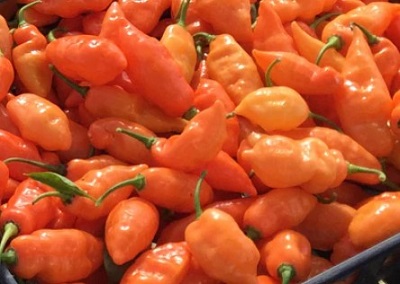
Plant Profile
Capsicum chinense
Habanada Pepper
Heatless habanero-type pepper seeds
Warm-season annual pepper
Bushy pepper plant
Full sun
Why Grow Habanada Pepper?
Habanada Pepper delivers fruity habanero-like aroma without the intense heat, making it excellent for fresh eating, roasting, sauces, and specialty cooking. It is a useful addition for gardeners looking for distinctive seed-grown peppers with culinary, ornamental, container, hot sauce, pickling, fresh eating, or vegetable garden value.
- Heatless habanero flavor
- Fruity peppers
- Specialty cooking
- Containers
Seed Germination Guide
Start indoors with warmth and transplant after frost. Chinense-type peppers may germinate more slowly than common sweet peppers.
Pepper seed germination improves with warmth, clean containers, and steady moisture. Avoid transplanting outdoors until nights are consistently warm.
Garden, Container & Kitchen Uses
Habanada Pepper can be used where its mature size, sunlight needs, and moisture preferences are matched to the site. For best performance, provide full sun and regular moisture; fertile well-drained soil.
Order Habanada Pepper Seeds
Visit the original Seedman product page for current availability, package sizes, and ordering details.
View Seedman Product PageFrequently Asked Questions
What is Habanada Pepper best for?
Habanada Pepper is grown for warm-season pepper harvests, containers, raised beds, fresh eating, cooking, pickling, sauces, or ornamental edible displays.
When should pepper seed be started?
Start peppers indoors 8–10 weeks before transplanting; superhot peppers may need 10–12 weeks and extra warmth.
Do peppers need full sun?
Yes. Full sun, warmth, fertile soil, and regular moisture produce the best pepper harvests.
Can peppers grow in containers?
Yes. Many peppers grow well in containers with good drainage, steady moisture, and regular feeding.