
Amaranth ( Chinese Spinach ) Seeds
Useful gardening information
In addition to its high fiber, calcium and iron, amaranth also has two times more calcium than milk. When used in combination with wheat, corn or brown rice Amaranth offers a complete protein as high in food value as fish, red meat or poultry. Cooked amaranth has a total digestibility of about 90%.
Amaranth’s unique nutty flavor makes it a welcome addition to many types of food products.
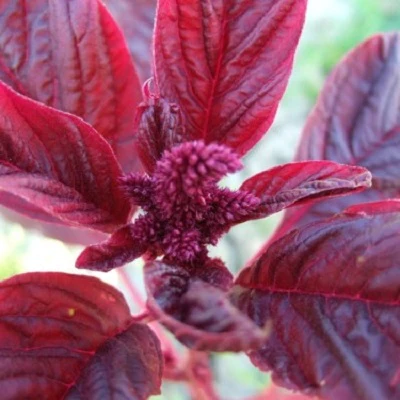
Red Garnet (Amaranthus tricolor) is a striking edible amaranth grown for its deep burgundy-red foliage, tender young leaves, and excellent ornamental value in the vegetable garden. This colorful leafy green brings rich color to salads, stir-fries, soups, microgreens, and summer greens mixes while also adding dramatic beauty to raised beds and containers. Fast growing and heat tolerant, Red Garnet is especially valuable during warm weather when many cool-season greens begin to struggle.
Flavor ProfileRed Garnet Amaranth has a mild, earthy, spinach-like flavor with a slightly nutty character. Young leaves are tender and excellent eaten fresh, while larger leaves become more substantial and are best lightly cooked. The flavor is gentle enough for salads but rich enough to hold up well in sautés, soups, stir-fries, and cooked greens dishes.
Culinary UsesYoung Red Garnet leaves can be harvested as baby greens for colorful salads, sandwiches, wraps, and garnish. Mature leaves may be steamed, sautéed, added to soups, cooked with garlic and olive oil, or used much like spinach, Swiss chard, or other summer greens. The vivid red foliage also makes an attractive microgreen and can add beautiful color contrast to fresh vegetable plates and market displays.
Nutritional ValueAmaranth greens are valued for their impressive nutrient content. The leaves provide vitamin A, vitamin C, vitamin K, folate, iron, calcium, magnesium, potassium, and dietary fiber. The deep red pigmentation also indicates the presence of beneficial plant pigments and antioxidants, making Red Garnet both attractive and nutritious as a garden green.
Growing InformationSow seeds directly outdoors after all danger of frost has passed and the soil has warmed, or start indoors 3 to 4 weeks before transplanting. Sow shallowly and keep evenly moist until germination, which usually occurs within 5 to 14 days in warm soil. Thin plants to allow good air circulation and steady growth.
Grow in full sun to partial shade in fertile, well-drained soil. Red Garnet performs best in warm weather and responds well to regular watering and light feeding. Harvest young leaves frequently to encourage fresh new growth. For baby greens, plants may be cut when only a few inches tall. For larger leaves, harvest individual leaves as needed while allowing the plant to continue growing.
Harvest and StorageHarvest baby leaves when they are tender and richly colored. Larger leaves should be picked before they become too tough. Use fresh leaves soon after harvest for best flavor and texture, or store them loosely wrapped in the refrigerator for several days. Cooked amaranth greens may also be frozen for later use.
Quick Facts| Characteristic | Details |
|---|---|
| Botanical Name | Amaranthus tricolor |
| Common Name | Red Garnet Amaranth |
| Plant Type | Warm-season leafy vegetable |
| Foliage Color | Deep burgundy-red to red-purple |
| Flavor | Mild, earthy, spinach-like, slightly nutty |
| Best Uses | Baby greens, salads, microgreens, stir-fries, soups, sautés, cooked greens |
| Days to Baby Leaf Harvest | Approximately 20–30 days |
| Days to Mature Leaf Harvest | Approximately 40–50 days |
| Height | 18–36 inches depending on harvest stage |
| Sun Exposure | Full sun to partial shade |
| Soil Requirements | Fertile, well-drained soil |
| Water Requirements | Moderate; keep evenly moist for tender growth |
| Garden Uses | Vegetable gardens, raised beds, containers, edible landscapes, microgreens, ornamental plantings |

Contact Us | Privacy Policy | About Us
Serving gardeners since 1992
State of Mississippi Seedmen's Permit #C-391, Ohio 90152, Minnesota 20086777