
Cumin Seeds
Cumin is an herb that many associate with Mexican and Spanish foods, but it is also widely used in Middle Eastern and Indian cooking. It has a very distinct flavor, and in the US is most often used in packaged taco seasonings.
Cumin's flavor makes it a favorite for many, but it also has many healthy attributes.
According to Mountain Rose Herbs: "Cumin is the seed of a small plant in the parsley family. Its use goes back 5000 years to the Egyptians, who used it not only as a spice but as an ingredient in the mummification process. The Greeks and Romans also used cumin and highly regarded it as one of the essential spices.
In the Middle Ages cumin seed was thought to promote love and fidelity, so it was carried by attendees of weddings, and solders were always sent off to battle with a fresh loaf of cumin seed bread. Pungent, sharp, and slightly sweet, the greenish brown powder of this herb is an essential ingredient in Mexican and Indian cuisine."
It has been used in herbal medicine: "In traditional herbal medicine, cumin is used as a diuretic and to treat stomach upset and flatulence. It is thought to promote a healthy digestive system. Cumin stimulates menstruation, and also can be added to gargles to treat laryngitis. Poultices of cumin are used to treat swellings of the breasts or testicles. In Ayurvedic medicine, cumin with ghee is smoked to relieve hiccups. According to the Bible, cumin was so valuable that it could be used in the place of money when it came time to tithe in church."
Cumin is a good source of Iron, Manganese, and other vitamins and minerals. Some research shows that cumin can stimulate the production of pancreatic enzymes and help digestion. One study found that cumin was protective against memory loss and the damaging effects of stress on the body.
Another study evaluated the antioxidant content of Cumin and found it more effective than other common antioxidants including Vitamin C. Due to it's high antioxidant content, some lab research has even found that it might have a role in fighting cancer.
Yet another study found Cumin effective in increasing insulin sensitivity, thus beneficial for diabetics. Still more research found anti-asthmatic properties in Cumin since it works as a brochiodiator and can help asthmatic patients.
Starting seeds:
Sow seeds indoors ¼" deep. Transplant outdoors 2-3 weeks after last frost. Seeds can also be direct seeded 2-3 weeks after last frost when soil is warm. Cumin prefers well-drained fertile soil and hot conditions.
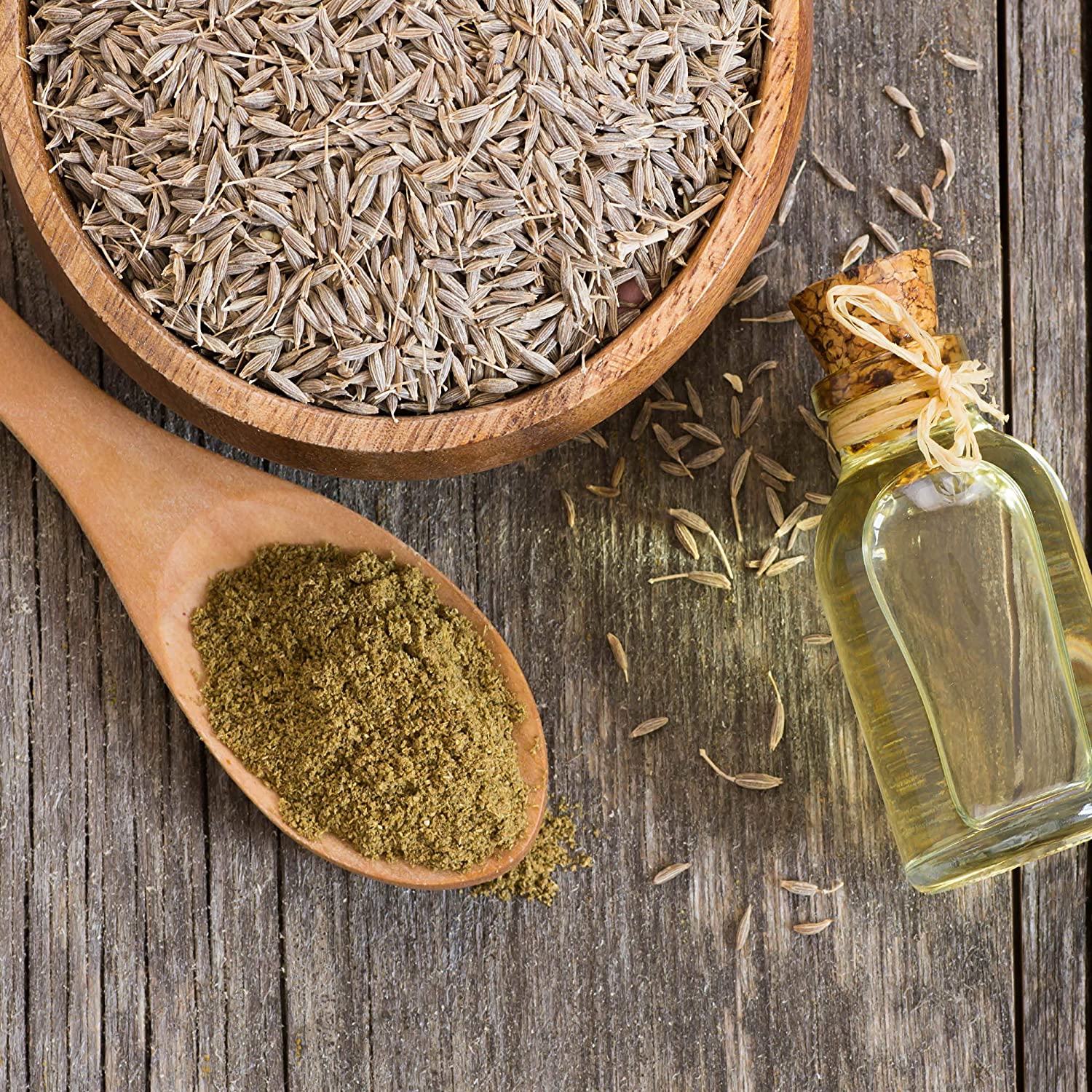
Cumin is a classic culinary herb grown for its highly aromatic seeds, which are treasured around the world for their warm, earthy, slightly nutty flavor. Essential in Mexican, Indian, Middle Eastern, North African, and Mediterranean cooking, Cumin is one of the most widely used spices in the kitchen and a rewarding plant for gardeners who enjoy growing their own seasonings.
Plants produce delicate, finely divided foliage similar to dill or fennel, followed by small umbrella-shaped clusters of white to pale pink flowers. Once the flowers mature, they form the flavorful seeds that are harvested, dried, and used whole or ground in countless recipes.
Cumin is excellent for seasoning chili, tacos, curries, soups, stews, roasted vegetables, rice dishes, breads, beans, meats, and spice blends. It is especially important in curry powders, chili powders, garam masala, taco seasoning, and many traditional spice mixtures.
In the garden, Cumin also has ornamental and pollinator value. Its airy flowers attract bees, hoverflies, and other beneficial insects, making it a useful companion plant in herb gardens, vegetable gardens, and pollinator plantings.
Uses and Benefits:- Produces aromatic edible seeds with warm, earthy flavor.
- Essential spice for Mexican, Indian, Middle Eastern, and Mediterranean cooking.
- Excellent for chili, tacos, curries, soups, stews, beans, and rice dishes.
- Used in curry powder, chili powder, garam masala, and spice blends.
- Attractive feathery foliage adds texture to herb gardens.
- Small flowers attract bees and beneficial insects.
- Useful companion plant in vegetable and herb gardens.
- Can be grown in containers, raised beds, or garden plots.
- Rewarding choice for gardeners who enjoy growing culinary spices.
Cumin is grown as an annual in all USDA Zones. It performs best in warm climates or during long, sunny growing seasons.
Germination Instructions:- Sow seeds outdoors after all danger of frost has passed and soil has warmed.
- For an early start, sow indoors 4-6 weeks before the last frost.
- Plant seeds about 1/4 inch deep.
- Maintain temperatures between 65-75°F.
- Keep soil lightly moist but not soggy.
- Seeds typically germinate in 7-14 days.
- Transplant carefully, as Cumin does not like root disturbance.
- Plant in full sun for best seed production.
- Prefers well-drained soil and warm growing conditions.
- Water regularly while young, then moderately as plants mature.
- Allow seed heads to fully mature and dry before harvesting.
- Harvest seeds when they turn brown and become aromatic.
- Excellent for containers, sunny herb gardens, and edible landscapes.
With its fragrant seeds, delicate foliage, pollinator-friendly flowers, and worldwide culinary importance, Cumin is a fascinating and useful herb for the home garden. Growing your own Cumin gives gardeners the satisfaction of producing one of the world's most beloved spices right from seed.

Contact Us | Privacy Policy | About Us
Serving gardeners since 1992
State of Mississippi Seedmen's Permit #C-391, Ohio 90152, Minnesota 20086777