
Dill Seeds
Sow dill seeds about 1/4-inch deep and 18 inches apart in rich soil, then gently rake the seeds into the soil. The soil should be around 60 to 70°F for best results.
Dill does not grow well when transplanted, so start the seeds fresh in the garden in early summer. Make sure to shelter the plants from strong winds.
After 10 to 14 days, the plants should appear in the soil. Wait another 10 to 14 days, then thin the plants to about 12 to 18 inches apart.
In your garden, plant dill next to cabbage or onions, but keep the dill away from carrots.
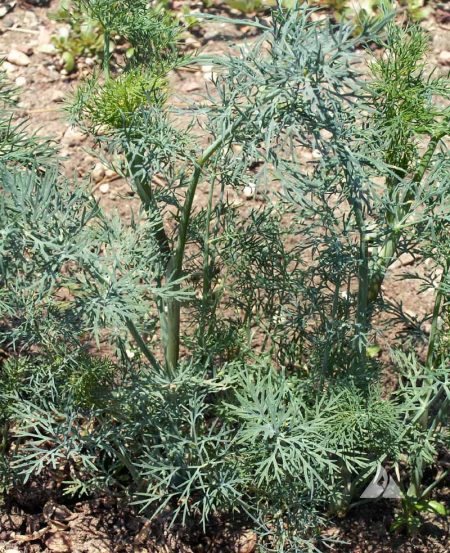
Dill is one of the most popular and versatile culinary herbs in the world, prized for its feathery foliage, aromatic seeds, bright yellow flowers, and distinctive fresh flavor. An essential ingredient in pickling, seafood dishes, soups, salads, sauces, and traditional European cuisine, Dill has been cultivated for thousands of years as both a culinary and medicinal herb.
The attractive fern-like foliage creates a soft, airy texture in the garden, while tall stems topped with umbrella-shaped clusters of bright yellow flowers add ornamental beauty throughout summer. These nectar-rich blooms are highly attractive to bees, butterflies, hoverflies, and other beneficial insects, making Dill one of the best pollinator plants for herb and vegetable gardens.
Dill serves as an excellent companion plant, attracting beneficial insects that help support healthy garden ecosystems. It is particularly valued near vegetable gardens where pollinators and predatory insects are beneficial. The flowers are also a favorite nectar source for swallowtail butterflies.
Both the leaves and seeds are useful in the kitchen. Fresh Dill leaves are harvested for seasoning fish, potatoes, vegetables, soups, dips, salads, and pickles, while the seeds are commonly used in breads, spice blends, sauerkraut, and pickling recipes.
Uses and Benefits- Produces aromatic foliage and flavorful seeds.
- Essential herb for pickling and preserving.
- Excellent seasoning for fish, potatoes, vegetables, and soups.
- Highly attractive to bees, butterflies, and beneficial insects.
- Host plant for Black Swallowtail butterfly caterpillars.
- Outstanding companion plant in vegetable gardens.
- Produces attractive yellow flower umbels.
- Useful fresh, dried, or harvested for seed.
- Excellent addition to herb gardens and edible landscapes.
- Suitable for containers, raised beds, and garden borders.
- Easy to grow from seed.
- Frequently self-sows in favorable conditions.
Dill is typically grown as an annual in all USDA Zones, although it often self-sows and returns year after year.
Germination Instructions- Sow seeds directly outdoors after danger of frost has passed.
- Plant seeds 1/4 inch deep.
- Maintain soil temperatures between 60-75°F (16-24°C).
- Keep soil evenly moist during germination.
- Seeds typically germinate in 7-14 days.
- Dill develops a taproot and generally performs best when direct sown.
- Thin seedlings to allow adequate spacing and airflow.
- Plant in full sun for best growth and seed production.
- Prefers fertile, well-drained soil.
- Harvest foliage regularly to encourage fresh growth.
- Allow some plants to flower for pollinators and seed production.
- Succession sow every few weeks for a continuous harvest.
- Excellent companion plant for vegetable gardens.
Combining culinary usefulness, pollinator appeal, ornamental beauty, and ease of cultivation, Dill remains one of the most rewarding herbs for the home garden. Whether grown for fresh foliage, flavorful seeds, pollinator support, or butterfly attraction, this classic herb earns its place in every herb garden.
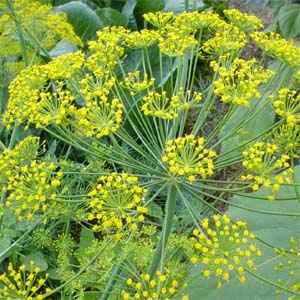
Seed-A-Plenty Dill is a highly productive heirloom dill variety specially selected for its exceptional seed production, abundant flower heads, and outstanding performance in herb gardens and homestead plantings. As its name suggests, this remarkable variety produces generous quantities of aromatic seeds while still providing plenty of flavorful foliage for fresh culinary use.
The plants develop attractive feathery blue-green foliage that is highly aromatic and ideal for seasoning fish, potatoes, vegetables, soups, sauces, dips, salads, and pickles. As the season progresses, Seed-A-Plenty Dill produces numerous large umbrella-shaped flower clusters that mature into heavy seed heads loaded with fragrant dill seed.
For gardeners interested in saving seed, making homemade spice blends, or growing their own pickling supplies, Seed-A-Plenty is one of the finest varieties available. The abundant seed crop can be harvested for culinary use, future planting, wildlife feeding, or sharing with fellow gardeners.
The large nectar-rich flowers are also highly attractive to bees, butterflies, hoverflies, parasitic wasps, and other beneficial insects. Like other dill varieties, it serves as an important host plant for Black Swallowtail butterfly caterpillars, making it a valuable addition to pollinator and butterfly gardens.
Combining ornamental beauty, pollinator support, fresh culinary use, and exceptional seed production, Seed-A-Plenty Dill is an outstanding choice for gardeners seeking maximum productivity from a single planting.
Uses and Benefits- Produces exceptionally abundant seed heads.
- Excellent for seed saving.
- Outstanding variety for pickling and preserving.
- Highly aromatic foliage and seeds.
- Excellent culinary herb for fresh use.
- Attracts bees, butterflies, and beneficial insects.
- Host plant for Black Swallowtail butterflies.
- Useful for homemade spice blends.
- Excellent companion plant for vegetable gardens.
- Beautiful ornamental herb with attractive flower umbels.
- Suitable for herb gardens, pollinator gardens, and homesteads.
- Easy to grow and highly productive.
Seed-A-Plenty Dill is grown as an annual in all USDA Zones.
Germination Instructions- Sow seeds directly outdoors after danger of frost has passed.
- Plant seeds approximately 1/4 inch deep.
- Maintain soil temperatures between 60-75°F (16-24°C).
- Keep soil evenly moist during germination.
- Seeds typically germinate in 7-14 days.
- Dill develops a taproot and performs best when direct sown.
- Thin seedlings to allow adequate space for mature plants.
- Plant in full sun for best growth and seed production.
- Prefers fertile, well-drained soil.
- Harvest foliage early for fresh culinary use.
- Allow flower heads to mature fully for maximum seed production.
- Excellent planted near cucumbers for pickling gardens.
- Leave some seed heads standing to attract birds and beneficial insects.
- Succession sow every few weeks for a continuous harvest.
For gardeners who value self-sufficiency, seed saving, pickling, and abundant harvests, Seed-A-Plenty Dill is an exceptional heirloom herb. Its heavy seed production, pollinator-friendly flowers, and versatile culinary uses make it one of the most rewarding dill varieties available for home gardens and homestead plantings.
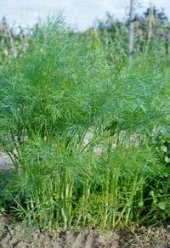
SuperDukat Dill is an improved European dill variety prized for its exceptionally abundant foliage, rich aroma, delayed flowering, and superior leaf production. Unlike many traditional dill varieties that quickly bolt and shift energy into flower production, SuperDukat remains leafy for an extended period, providing gardeners with a longer harvest season of fresh, flavorful dill.
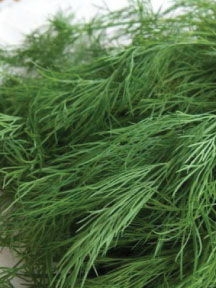
The finely divided blue-green foliage possesses an intense, sweet dill fragrance and outstanding culinary quality. The leaves are widely used to flavor fish, potatoes, vegetables, soups, sauces, dips, salads, eggs, and pickling recipes. Many gardeners consider SuperDukat one of the finest dill varieties available for fresh herb production.
As the season progresses, plants eventually develop attractive yellow flower umbels that attract bees, butterflies, hoverflies, and numerous beneficial insects. The flowers mature into aromatic seed heads that can be harvested for pickling, seasoning, and culinary use.
Because of its extended foliage production and compact, bushy growth habit, SuperDukat is particularly well suited for kitchen gardens, herb gardens, raised beds, and containers where frequent harvesting is desired. Gardeners who value fresh dill leaves often prefer SuperDukat over standard dill varieties.
Uses and Benefits- Produces exceptionally abundant foliage.
- Slow to bolt and flower.
- Long harvest season for fresh leaves.
- Outstanding flavor and fragrance.
- Excellent for fish, potatoes, vegetables, and soups.
- Ideal for fresh culinary use.
- Produces aromatic seeds later in the season.
- Attracts bees, butterflies, and beneficial insects.
- Excellent companion plant for vegetable gardens.
- Suitable for containers and raised beds.
- Compact, bushy growth habit.
- Easy to grow from seed.
SuperDukat Dill is grown as an annual in all USDA Zones.
Germination Instructions- Sow seeds directly outdoors after danger of frost has passed.
- Plant seeds approximately 1/4 inch deep.
- Maintain soil temperatures between 60-75°F (16-24°C).
- Keep soil evenly moist during germination.
- Seeds typically germinate in 7-14 days.
- Dill develops a taproot and performs best when direct sown.
- Thin seedlings to provide adequate growing space.
- Plant in full sun for best flavor and growth.
- Prefers fertile, well-drained soil.
- Harvest foliage frequently to encourage continued leaf production.
- Succession sow every few weeks for continuous harvests.
- Allow some plants to flower for pollinators and seed production.
- Excellent for kitchen gardens and herb containers.
For gardeners seeking maximum foliage production, exceptional flavor, and a longer harvest season, SuperDukat Dill is one of the finest dill varieties available. Its delayed flowering, fragrant leaves, and versatility in the kitchen make it a favorite among herb gardeners, chefs, and home cooks alike.
Mammoth Dill is the classic giant dill variety prized for its towering growth, abundant aromatic foliage, enormous flower heads, and heavy seed production. Often growing 4 to 6 feet tall under favorable conditions, Mammoth Dill is one of the most productive and impressive culinary herbs that can be grown in the garden.
This heirloom favorite produces masses of finely divided, feathery blue-green foliage with the distinctive fresh dill flavor cherished in pickles, seafood dishes, soups, sauces, salads, potatoes, and vegetable recipes. As the season progresses, plants develop huge umbrella-shaped clusters of bright yellow flowers that are highly attractive to pollinators and eventually mature into abundant seed heads.
Mammoth Dill is considered one of the finest varieties for pickling because both the leaves and seeds can be harvested. The large flower heads are traditionally used in homemade dill pickles, while the seeds are collected for seasoning breads, soups, sauerkraut, spice blends, and countless culinary dishes.
The impressive flower umbels also make Mammoth Dill one of the best herbs for supporting pollinators and beneficial insects. Bees, butterflies, hoverflies, parasitic wasps, and other beneficial garden insects flock to the nectar-rich blooms. The plant is also a favored host for Black Swallowtail butterfly caterpillars.
Uses and Benefits- Produces giant plants reaching 4-6 feet tall.
- Large flower heads ideal for pickling.
- Excellent fresh herb for culinary use.
- Produces abundant aromatic seeds.
- Outstanding pollinator plant.
- Host plant for Black Swallowtail butterflies.
- Attracts bees and beneficial insects.
- Excellent companion plant in vegetable gardens.
- Useful fresh, dried, or harvested for seed.
- Beautiful architectural plant in herb gardens.
- Excellent for cutting and floral arrangements.
- Frequently self-sows in favorable locations.
Mammoth Dill is grown as an annual in all USDA Zones.
Germination Instructions- Sow seeds directly outdoors after danger of frost has passed.
- Plant seeds approximately 1/4 inch deep.
- Maintain soil temperatures between 60-75°F (16-24°C).
- Keep soil evenly moist during germination.
- Seeds typically germinate in 7-14 days.
- Dill develops a taproot and performs best when direct sown.
- Thin seedlings to provide room for mature plants.
- Plant in full sun for maximum growth and seed production.
- Prefers fertile, well-drained soil.
- Provide protection from strong winds in exposed locations.
- Harvest foliage regularly throughout the season.
- Allow flower heads to mature for seed harvest.
- Excellent planted near cucumbers for homemade pickling supplies.
- Succession sow every few weeks for continuous harvests.
Combining giant size, outstanding flavor, abundant seed production, pollinator value, and ornamental beauty, Mammoth Dill remains the gold standard for gardeners seeking a productive, multi-purpose herb. Whether grown for fresh leaves, pickling, seed harvest, butterflies, or beneficial insects, Mammoth Dill is one of the most rewarding herbs in the garden.
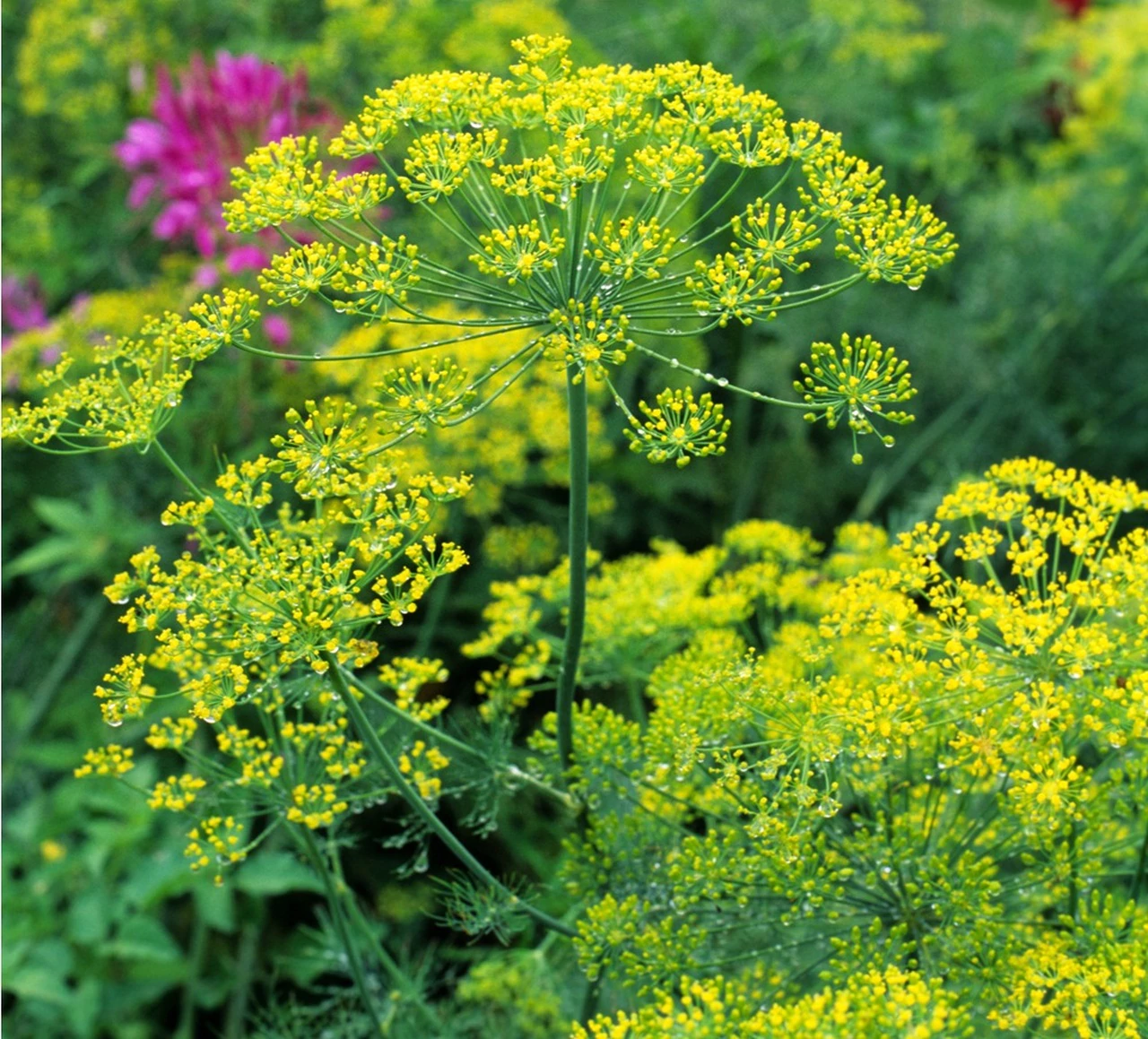
Most widely grown. Good seed and leaf yields.
Early flowering plants produce large blooms, seed umbels, and foliage on long stems, making Bouquet the preferred dill for cut flower use and pickling. Also an economical, fast-growing choice for baby-leaf production. Edible seeds, flowers, and greens flavor many foods. Popular addition to sauces, salads, and soup. Foliage known as dill weed.
The flowers are used to garnish potato salad, green salads, and pickles. When broken into florets, they can be mixed into a cheese spread or omelet.

Contact Us | Privacy Policy | About Us
Serving gardeners since 1992
State of Mississippi Seedmen's Permit #C-391, Ohio 90152, Minnesota 20086777