
Peruvian Black Mint/Huacatay Seeds
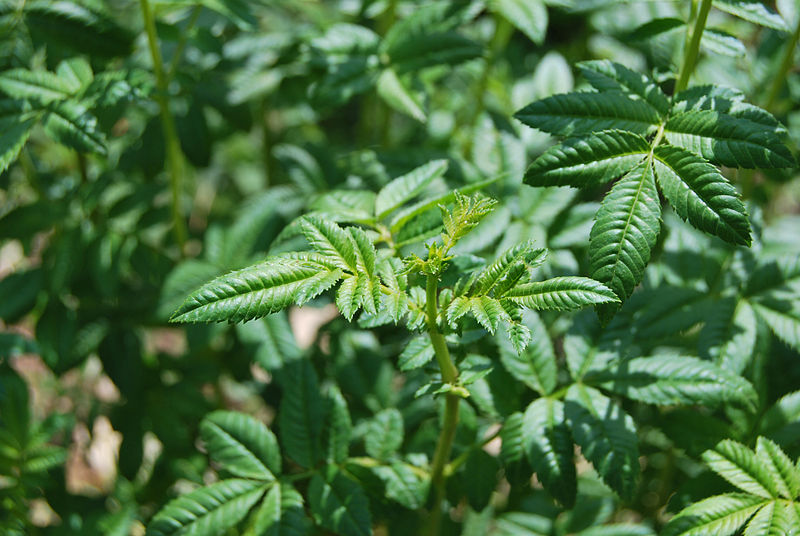

For centuries, Huacatay has been an essential ingredient in Peruvian cooking, particularly in sauces, marinades, stews, soups, roasted meats, and the famous Peruvian green sauce known as "Aji de Huacatay." The aromatic foliage is highly valued by chefs and home cooks seeking authentic South American flavors.
The plants develop attractive fern-like foliage and can grow into impressive specimens during a single growing season. Small yellow flowers appear later in the season, attracting bees, butterflies, and beneficial insects. The finely divided leaves and vigorous growth make Huacatay an attractive ornamental addition to herb gardens and edible landscapes.
In addition to its culinary value, Huacatay has a long history of traditional use throughout the Andes and remains an important cultural plant in many regions of South America. Its unique flavor and rarity in North American gardens make it especially appealing to adventurous gardeners and food enthusiasts.
Uses and Benefits- Essential herb in traditional Peruvian cuisine.
- Unique flavor combining mint, citrus, basil, and tarragon notes.
- Excellent for sauces, marinades, soups, and roasted meats.
- Traditional ingredient in Peruvian green sauces.
- Produces attractive fern-like foliage.
- Excellent addition to herb gardens and edible landscapes.
- Attracts pollinators and beneficial insects.
- Fast-growing and productive.
- Suitable for containers and patio gardens.
- Interesting heirloom and ethnic food plant.
- Easy to grow from seed.
- Provides both ornamental and culinary value.
Huacatay is typically grown as an annual in all USDA Zones. In frost-free climates it may persist longer.
Germination Instructions- Sow seeds indoors 4-6 weeks before the last frost or directly outdoors after danger of frost has passed.
- Cover seeds lightly with soil.
- Maintain temperatures between 70-80°F (21-27°C).
- Keep soil evenly moist during germination.
- Seeds typically germinate in 7-14 days.
- Provide bright light after germination.
- Transplant outdoors after temperatures have warmed.
- Plant in full sun for best growth and flavor.
- Prefers fertile, well-drained soil.
- Water regularly during active growth.
- Harvest leaves frequently to encourage bushier plants.
- Pinch growing tips to increase branching.
- Excellent for herb gardens, edible landscapes, and specialty culinary gardens.
- Protect from frost, as plants are cold sensitive.
Huacatay grows very well in containers and patio planters. A container at least 12 inches deep and wide is recommended to accommodate its vigorous root system and rapid growth. Regular harvesting helps maintain a compact, productive plant throughout the growing season.
Combining culinary importance, ornamental beauty, cultural significance, and exceptional flavor, Peruvian Black Mint is one of the most intriguing herbs available to home gardeners. Whether grown for authentic Peruvian cooking, pollinator support, or simply to experience a unique herb rarely found in gardens, Huacatay is a rewarding and memorable addition to the herb garden.
Dave writes: Noticed a difference last year with my stink bug problems when I planted these along side my tomatoes. I planted a Huacatay plant along side half my tomatoes and did not with the other half, the ones with the marigold had few less if any stinkbugs, while the others were infested pretty bad as they normally are in late summer. I think next spring, I will plant a row of purple hull peas on both sides of the garden. I am told that this will give the stinkbugs a better choice than tomatoes and make an excellent "sacrificial crop" for controlling stinkbugs on my tomatoes.

Contact Us | Privacy Policy | About Us
Serving gardeners since 1992
State of Mississippi Seedmen's Permit #C-391, Ohio 90152, Minnesota 20086777