
Lavender Hyssop Seeds
Harvesting: Fresh leaves can be individually harvested for tea, salads, or medicinal use throughout the growing season; in the morning after the dew has dried is the best time for harvesting. Take individual leaves first from the bottom of the stem and work up to the top. Do not remove more than 60% of the plant at any one time. To harvest entire stalks for drying, cut them 2-3” from the ground and hang them upside down to dry.
Seed Saving: When the flower spikes begin to dry and turn brown, remove them and spread them out to dry; thresh them to remove the seed. Shaking the entire plant’s seed heads into a container is also effective, but the process should be repeated daily until all the seed has matured. Store the seed in a cool, dry place
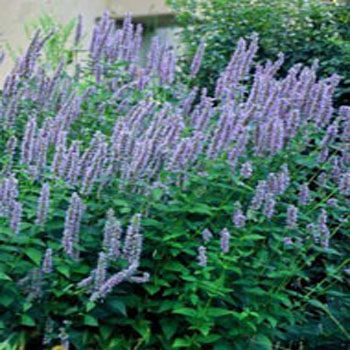
Blooming for weeks during summer and often into fall, the nectar-rich flowers attract an astonishing number of bees, butterflies, hummingbirds, and beneficial insects. Few garden plants can match its ability to support pollinators while simultaneously providing months of color and fragrance.
The leaves are highly aromatic and may be used fresh or dried in teas, herbal blends, desserts, fruit dishes, jellies, and potpourris. The sweet licorice-like flavor has made Lavender Hyssop a favorite among herbal tea enthusiasts and gardeners who enjoy growing unique culinary herbs.
Its upright growth habit, attractive flower spikes, and ease of cultivation make it equally valuable as an ornamental perennial. The flowers are excellent for cutting, while dried blooms retain much of their beauty for indoor arrangements.
Uses and Benefits- Produces beautiful lavender-purple flower spikes.
- Outstanding pollinator plant.
- Attracts bees, butterflies, hummingbirds, and beneficial insects.
- Fragrant foliage with sweet anise aroma.
- Excellent for herbal teas and tea gardens.
- Useful in desserts, jellies, and culinary recipes.
- Excellent cut flower and dried flower plant.
- Native North American perennial.
- Drought tolerant once established.
- Suitable for cottage gardens and edible landscapes.
- Excellent container and patio plant.
- Deer and rabbit resistant.
Lavender Hyssop is a hardy perennial in USDA Zones 4-9.
Germination Instructions- Start seeds indoors 6-8 weeks before the last frost or sow outdoors after danger of frost has passed.
- Press seeds lightly into the soil surface.
- Cover very lightly or leave exposed, as light aids germination.
- Maintain temperatures between 65-75°F (18-24°C).
- Keep soil evenly moist during germination.
- Seeds typically germinate in 10-21 days.
- Provide bright light after seedlings emerge.
- Plant in full sun for maximum flowering.
- Prefers well-drained soil.
- Tolerates heat and drought once established.
- Deadhead spent flowers to encourage continued blooming.
- Leave some seed heads for birds and winter interest.
- Excellent planted near vegetables and fruit crops to attract pollinators.
- Divide mature clumps every few years if desired.
Lavender Hyssop grows exceptionally well in containers. Use a pot at least 12 inches deep with good drainage. Container-grown plants make excellent patio specimens and provide a steady stream of pollinators throughout the flowering season. Regular watering and occasional feeding will keep plants blooming heavily for months.
Combining fragrant foliage, beautiful flowers, culinary usefulness, and unmatched pollinator appeal, Lavender Hyssop is one of the most valuable plants for modern gardens. Whether grown for tea, butterflies, hummingbirds, bees, or simply its stunning display of lavender blooms, this easy-care perennial delivers season after season.

Contact Us | Privacy Policy | About Us
Serving gardeners since 1992
State of Mississippi Seedmen's Permit #C-391, Ohio 90152, Minnesota 20086777