
Liatris Seed ( Perennial )
In addition to their attractive blooms, the foliage remains green throughout the growing season before turning into a rich bronze color in fall.
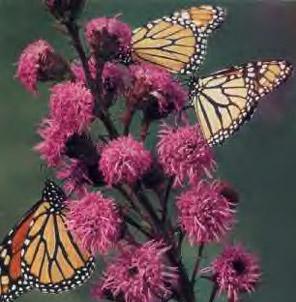
Meadow Blazing Star (Liatris ligulistylis) is one of the finest native perennials for attracting monarch butterflies, producing tall spikes of rosy-purple, tufted flowers that seem to glow in sunny meadows and pollinator gardens. Native to the northern and central Great Plains, this beautiful wildflower blooms in midsummer to early fall, just as monarchs and other butterflies are actively feeding. Its button-like flower clusters open along upright stems, creating a soft, feathery display that brings movement, color, and tremendous wildlife value to the garden.
Unlike some blazing stars that form dense vertical wands, Meadow Blazing Star produces looser, more widely spaced flower heads along branching stems, giving the plant a graceful, natural meadow appearance. Mature plants generally reach 3 to 5 feet tall, with narrow green leaves and strong stems that blend beautifully among native grasses and other prairie perennials. It is especially prized because monarch butterflies show a remarkable attraction to its nectar-rich blooms.
Garden Uses
Meadow Blazing Star is ideal for native plant gardens, butterfly gardens, pollinator meadows, prairie restorations, cottage gardens, rain gardens, and naturalized borders. It is especially effective when planted in groups or drifts where butterflies can easily locate the blooms.
The rosy-purple flower spikes combine beautifully with little bluestem, switchgrass, black-eyed Susan, purple coneflower, bee balm, milkweed, goldenrod, asters, coreopsis, and other prairie wildflowers. The tall stems also make excellent cut flowers and add a wild, airy texture to fresh arrangements.
Growing Information
Meadow Blazing Star grows best in full sun and moderately fertile, well-drained soil. It tolerates average garden soil and performs well in prairie-style plantings, but appreciates consistent moisture during establishment. Mature plants typically reach 36 to 60 inches tall with a spread of 18 to 24 inches.
Seeds benefit from cold stratification before sowing. Sow outdoors in fall or refrigerate moist seed for 30 to 60 days before spring planting. After stratification, sow seeds on the soil surface or cover very lightly, keeping the medium evenly moist until germination. Germination may take several weeks and can be somewhat irregular.
Once established, plants are generally low maintenance. Water during prolonged drought, especially in the first year. Avoid overly rich soil, which can encourage weak growth. Plants may be divided after several years if clumps become crowded, though they are best left undisturbed once well established. Thrives in USDA Hardiness Zones 3 through 8.

Contact Us | Privacy Policy | About Us
| Returns
Serving gardeners since 1992
State of Mississippi Seedmen's Permit #C-391, Ohio 90152, Minnesota 20086777