
Mustard and other Greens Seed
Mustard Seeds
Grow mustard greens for their edible, peppery leaves and seeds, their nutritional value, and as a fast-growing cover crop that suppresses weeds and improves soil health. They are a versatile addition to cool-season gardens, can be grown in containers, and are attractive to pollinators like bees.
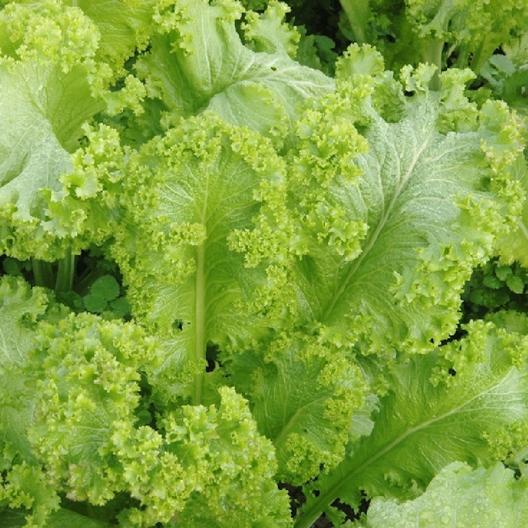
The classic heirloom mustard green that has been a cornerstone of Southern gardens and kitchens for generations. Famous for its enormous, deeply frilled leaves, vibrant bright green color, and bold, peppery flavor, this highly productive variety thrives during the cool months of spring and fall. Whether harvested young for tender salad greens or allowed to mature into large cooking leaves, Southern Giant Curled consistently produces abundant harvests that have made it one of America's most popular mustard varieties for well over a century.
Introduction
No Southern vegetable garden feels complete without a row of Giant Curled Mustard. The large, heavily curled leaves create a beautiful display in the garden while providing one of the earliest and latest harvests of the season. Cool temperatures enhance both flavor and tenderness, transforming the naturally spicy leaves into a delicious gourmet green that improves after a light frost. Fast-growing and remarkably easy to cultivate, this heirloom continues to earn its place in gardens across the country.
Gardeners appreciate Southern Giant Curled not only for its exceptional flavor, but also for its versatility. Young leaves make outstanding salad greens, while mature foliage becomes one of the finest traditional cooking greens available.
Flavor Profile
Southern Giant Curled delivers the bold, peppery flavor that mustard greens are famous for. Young leaves have a pleasant spicy bite that adds excitement to fresh salads, while mature leaves develop a fuller, richer flavor that mellows beautifully during cooking. After exposure to light frost, the leaves become noticeably sweeter while retaining their distinctive mustard character.
Growing Information
Southern Giant Curled thrives in cool weather and fertile, moisture-retentive soil. Sow seeds directly outdoors in early spring or again in late summer for outstanding fall harvests. Plants grow rapidly in cool temperatures and tolerate surprisingly light frosts. Consistent moisture encourages rapid growth while producing the most tender leaves.
- Botanical Name: Brassica juncea
- Plant Type: Cool-season annual leafy vegetable
- Days to Maturity: 40–50 days
- Plant Height: 18–24 inches
- Leaf Size: Large, deeply curled leaves
- Sun Requirements: Full sun to partial shade
- Soil: Rich, fertile, well-drained soil
- Spacing: 8–12 inches between plants
- Water: Keep soil consistently moist
Harvest outer leaves individually for continuous production, or cut entire plants once mature. Frequent harvesting encourages fresh new growth and extends the harvest season.
Harvest & Storage
Young leaves may be harvested just a few weeks after germination for salads, while mature leaves are ideal for cooking. Morning harvests provide the highest moisture content and best texture. Fresh leaves store well in the refrigerator for about one week, although they are best enjoyed soon after harvest for maximum flavor and nutrition.
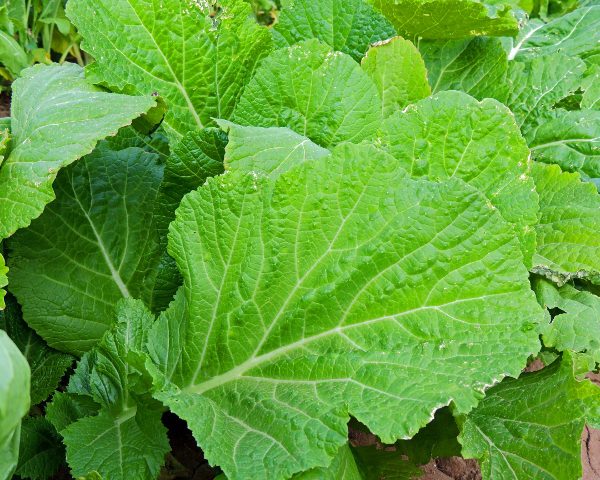
A classic Southern heirloom prized for its enormous, smooth, broad leaves, exceptional productivity, and rich, mildly peppery flavor. Unlike the heavily curled mustard varieties, Florida Broadleaf produces wide, flat leaves that are easy to harvest, clean, and prepare in the kitchen. This dependable cool-season vegetable has long been a favorite throughout the southeastern United States, where generations of gardeners have relied on its vigorous growth, cold tolerance, and outstanding eating quality for both fresh salads and traditional Southern cooking.
Introduction
Florida Broadleaf Mustard has earned its reputation as one of the finest cooking mustards available. Its large, tender leaves develop rapidly in cool weather, providing abundant harvests long before many other vegetables are ready. While young leaves offer a pleasant, mild bite perfect for fresh salads, mature leaves develop the rich, full-bodied flavor that has made mustard greens a staple on Southern dinner tables for generations. Easy to grow and remarkably productive, it continues to be one of the most dependable leafy vegetables for both beginning and experienced gardeners.
One of the greatest advantages of Florida Broadleaf is its adaptability. Whether grown in early spring, fall, or even through mild Southern winters, it produces generous harvests while requiring very little maintenance. Cool temperatures enhance both tenderness and sweetness, making every harvest even more enjoyable.
Flavor Profile
Florida Broadleaf offers a pleasantly balanced mustard flavor with just enough peppery character to add interest without overwhelming the palate. Young leaves are mild, tender, and slightly sweet, making them excellent in salads. As the leaves mature, they develop a richer mustard flavor that becomes wonderfully mellow when sautéed, braised, or slow-cooked. Like many cool-season greens, a light frost often sweetens the leaves naturally.
Growing Information
Florida Broadleaf grows best during cool weather in fertile, moisture-retentive, well-drained soil enriched with organic matter. Direct sow seeds in early spring or again in late summer for abundant fall harvests. Plants grow rapidly with consistent moisture and cool temperatures, often producing harvestable leaves within just a few weeks.
- Botanical Name: Brassica juncea
- Plant Type: Cool-season annual leafy vegetable
- Days to Maturity: 40–50 days
- Plant Height: 18–24 inches
- Leaf Type: Large, smooth, broad leaves
- Sun Requirements: Full sun to partial shade
- Soil: Rich, fertile, well-drained soil
- Spacing: 8–12 inches between plants
- Water: Maintain evenly moist soil
For continuous harvests, begin picking the outer leaves while allowing the center to continue producing. Frequent harvesting encourages fresh new growth and extends the productive season well into cool weather.
Harvest & Storage
Baby leaves may be harvested when only a few inches tall, while mature leaves are ideal for cooking. Harvest during the cool morning hours for maximum freshness. Refrigerate immediately after picking, where leaves will remain fresh for about one week. For the finest flavor, use them as soon as possible after harvest.
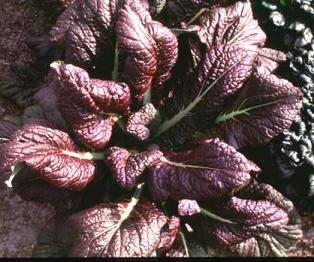
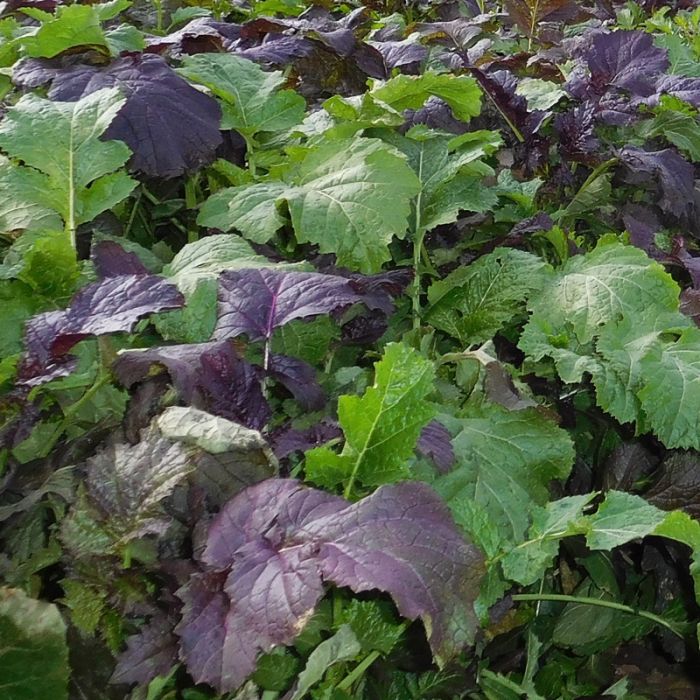
An eye-catching heirloom mustard green prized for its spectacular deep burgundy foliage, bold yet pleasantly balanced flavor, and exceptional ornamental beauty. Producing large, deeply serrated leaves with brilliant shades of crimson, purple, and mahogany, this striking variety is equally at home in the vegetable garden and ornamental landscape. Fast-growing, highly nutritious, and remarkably productive, Giant Japanese Red Mustard has been cultivated in Asia for centuries and is now treasured by gardeners around the world for both its culinary excellence and dramatic appearance.
Few vegetables create as much visual impact as Giant Japanese Red Mustard. Long before the first harvest, its rich wine-red foliage transforms ordinary garden beds into colorful displays worthy of ornamental borders. As temperatures cool, the leaf color intensifies, creating brilliant shades that rival many flowering plants. At the same time, the tender young leaves develop a wonderfully mild peppery flavor, while mature foliage provides the rich, robust taste that has made mustard greens a favorite in Asian and Southern cooking alike.
This remarkable heirloom proves that vegetables can be every bit as beautiful as they are productive. Whether grown in raised beds, containers, edible landscapes, or traditional gardens, Giant Japanese Red Mustard delivers outstanding harvests while serving as one of the most attractive foliage plants in the garden.
Flavor Profile
Young Giant Japanese Red Mustard leaves have a pleasantly mild peppery flavor with subtle sweetness that makes them outstanding additions to fresh salad mixes. As the leaves mature, the flavor becomes fuller and more complex while remaining less aggressive than many traditional mustard greens. Light frosts naturally mellow the flavor even further, producing tender leaves with exceptional eating quality.
Growing Information
Like most mustard greens, Giant Japanese Red Mustard thrives during cool weather. Sow seeds directly outdoors in early spring or late summer for abundant fall harvests. Rich, fertile soil combined with regular watering encourages rapid growth and tender leaves. Cool temperatures not only improve flavor but also intensify the spectacular red coloration that makes this variety so distinctive.
- Botanical Name: Brassica juncea
- Plant Type: Cool-season annual leafy vegetable
- Days to Maturity: 40–50 days
- Plant Height: 18–24 inches
- Leaf Type: Large, deeply serrated burgundy leaves
- Sun Requirements: Full sun to partial shade
- Soil: Rich, fertile, well-drained soil
- Spacing: 8–12 inches between plants
- Water: Maintain consistently moist soil
Harvest young leaves for salads, or allow plants to mature for cooking greens. Removing the outer leaves regularly encourages vigorous new growth and extends the harvest season for many weeks.
Harvest & Storage
Baby greens can be harvested when only a few inches tall, while mature leaves provide larger harvests for cooking. Morning harvesting preserves the highest moisture content and crispness. Fresh leaves store well under refrigeration for about one week, although their finest flavor is enjoyed shortly after picking.
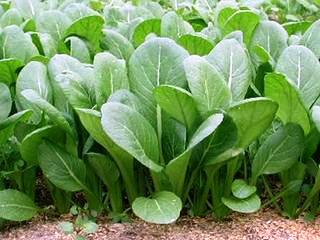
A unique heirloom leafy vegetable that beautifully combines the mild, tender texture of spinach with the vigorous growth and nutritional benefits of mustard greens. Sometimes referred to as "Mustard Spinach" or "Spinach Mustard," this versatile variety produces smooth, broad, dark green leaves with a pleasantly mild flavor that lacks the sharp bite found in many traditional mustards. Fast growing, highly productive, and exceptionally easy to cultivate, Tendergreen has become a favorite among gardeners looking for a cool-season green that performs equally well fresh in salads or cooked like spinach.
Introduction
Tendergreen Spinach Mustard fills a unique niche in the vegetable garden. While traditional mustard greens are known for their bold, peppery flavor, Tendergreen was selected for gardeners who prefer a milder, more versatile green. The smooth, glossy leaves resemble spinach in appearance and texture while retaining the vigor, rapid growth, and dependable production of mustard greens. The result is a beautiful leafy vegetable that grows quickly during cool weather and produces generous harvests over an extended season.
Whether harvested as baby greens just a few weeks after sowing or allowed to mature into full-sized cooking leaves, Tendergreen consistently delivers tender foliage that is easy to prepare and wonderfully adaptable in the kitchen.
Flavor Profile
Tendergreen offers one of the mildest flavors in the mustard family. Young leaves are sweet, tender, and only lightly peppery, making them excellent for salads. Mature leaves develop a richer flavor while remaining considerably milder than Giant Curled or other traditional mustard varieties. When cooked, the leaves become silky and smooth with a flavor very similar to spinach, yet slightly richer and more complex.
Growing Information
Tendergreen grows rapidly in cool weather and prefers fertile, well-drained soil with consistent moisture. Sow seeds directly outdoors in early spring or late summer for abundant fall harvests. Plants tolerate light frosts well, and cool temperatures produce the most tender, flavorful leaves. Successive sowings every two to three weeks ensure a continuous supply of fresh greens throughout the season.
- Botanical Name: Brassica juncea
- Plant Type: Cool-season annual leafy vegetable
- Days to Maturity: 35–45 days
- Plant Height: 16–20 inches
- Leaf Type: Smooth, broad, dark green leaves
- Sun Requirements: Full sun to partial shade
- Soil: Rich, fertile, well-drained soil
- Spacing: 8–10 inches between plants
- Water: Keep soil evenly moist
Harvest outer leaves regularly while allowing the center to continue growing for extended production. Frequent harvesting encourages fresh new growth and keeps the leaves at their most tender stage.
Harvest & Storage
Baby leaves may be harvested in just a few weeks, while mature plants provide generous harvests for cooking. Pick leaves during the cool morning hours for maximum freshness. Refrigerate immediately after harvest, where they will remain fresh for up to one week. Leaves may also be blanched and frozen for long-term storage.
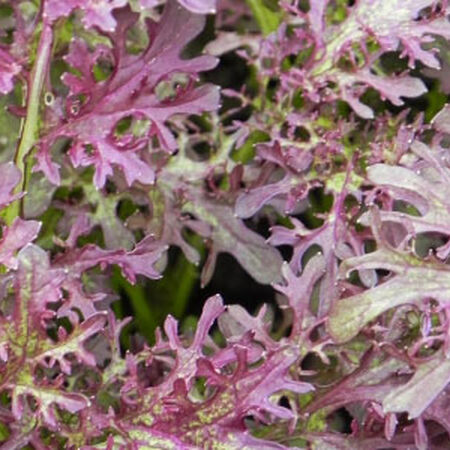
An eye-catching mustard green that combines outstanding ornamental beauty with exceptional garden performance. Its finely cut, deeply fringed bright green leaves resemble delicate lace, creating one of the most attractive foliage displays in the cool-season vegetable garden. Beneath its elegant appearance lies a wonderfully mild mustard flavor with just enough peppery zest to add excitement to salads and cooked dishes. Fast growing, highly productive, and remarkably easy to cultivate, Frizzy Lizzy is equally at home in raised beds, decorative containers, and traditional vegetable gardens.
Flavor & Culinary Uses
The delicate foliage has a fresh, mildly spicy flavor that is less intense than many traditional mustard greens. Young leaves are excellent in gourmet salads, sandwiches, wraps, and mixed greens, while mature foliage is delicious lightly sautéed, stir-fried, steamed, or added to soups and pasta dishes. The finely divided leaves also make an attractive garnish for vegetable platters and fresh meals.
Growing Information
Frizzy Lizzy thrives during the cool temperatures of spring and fall. Sow seeds directly into fertile, well-drained soil in full sun to partial shade. Plants mature quickly and can be harvested continuously by picking the outer leaves while allowing the center to continue producing. Cool weather encourages the finest flavor, and a light frost naturally sweetens the foliage.
- Botanical Name: Brassica juncea
- Plant Type: Cool-season annual leafy vegetable
- Days to Maturity: 35–45 days
- Plant Height: 12–18 inches
- Sun Requirements: Full sun to partial shade
- Spacing: 8–10 inches
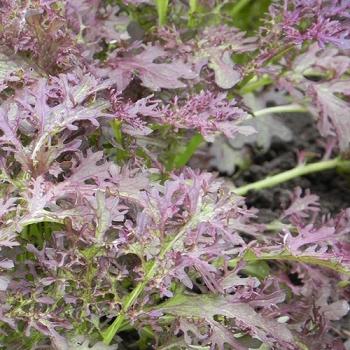
A striking Japanese heirloom salad green prized for its finely serrated, deeply divided leaves highlighted with beautiful burgundy-red veins and stems. Combining exceptional ornamental beauty with a mild, slightly peppery flavor, this elegant mizuna produces abundant harvests throughout the cool growing season. Its graceful, feathery foliage adds color, texture, and outstanding flavor to salads while thriving in gardens where many other leafy greens struggle.
Introduction
Red Streaks Mizuna is one of those vegetables that instantly catches your eye. Its finely cut foliage creates a soft, feathery appearance, while brilliant crimson veins contrast beautifully against the deep green leaves. Equally attractive in raised beds, containers, or ornamental edible gardens, this fast-growing variety delivers weeks of continuous harvests with very little effort. Young leaves are wonderfully tender for fresh salads, while mature foliage adds excellent flavor to cooked dishes.
Flavor & Culinary Uses
Red Streaks Mizuna offers a fresh, mild mustard flavor with just a hint of peppery spice that never overwhelms the palate. The tender leaves are outstanding in gourmet salads, mesclun mixes, sandwiches, and wraps, while mature foliage is delicious lightly sautéed, added to stir-fries, soups, noodle dishes, and Asian-inspired recipes. Its colorful foliage also makes an attractive garnish for serving plates and fresh vegetable dishes.
Growing Information
Mizuna thrives in cool weather and grows rapidly in fertile, well-drained soil with consistent moisture. Sow seeds directly outdoors in early spring or late summer for fall harvests. Plants tolerate light frosts extremely well, and cool temperatures enhance both leaf color and flavor. Harvest outer leaves regularly to encourage continuous new growth throughout the season.
- Botanical Name: Brassica rapa var. nipposinica
- Plant Type: Cool-season leafy vegetable
- Days to Maturity: 35–45 days
- Plant Height: 12–18 inches
- Sun Requirements: Full sun to partial shade
- Spacing: 8–10 inches
History & Interesting Facts
Mizuna has been cultivated in Japan for hundreds of years and is considered one of the country's traditional leafy vegetables. Red Streaks is a colorful selection that combines the classic finely divided foliage of mizuna with striking burgundy-red veining for added ornamental appeal. Like other members of the Brassica family, it is closely related to cabbage, kale, broccoli, and turnips, while offering one of the mildest and most versatile flavors in the group.
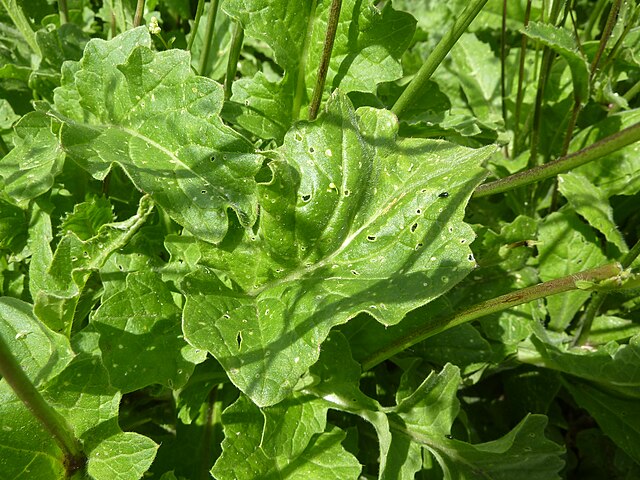
The old-fashioned heirloom mustard that once grew in nearly every Southern kitchen garden. Long before modern hybrid greens became popular, generations of families relied on this vigorous, flavorful variety for dependable harvests of nutritious cooking greens and its famous spicy mustard seed. Producing tall plants with rich green leaves and bright yellow flowers, Southern Black Mustard offers a bold, robust flavor that has been cherished for centuries. This historic heirloom remains a favorite among gardeners who appreciate authentic Southern vegetables and the rich gardening traditions they represent.
Introduction
For many older gardeners, Southern Black Mustard brings back memories of rows of mustard greens growing beside collards, turnips, and cabbage in family gardens throughout the South. It was a dependable crop that thrived during the cool months, providing fresh greens when few other vegetables were available. Young leaves offered a pleasantly spicy addition to fresh salads, while mature foliage became the hearty cooking greens that have long been a staple of Southern kitchens. Its bright yellow spring flowers also signaled the beginning of another gardening season, attracting bees before producing the tiny black seeds that gave the plant its name.
Flavor & Culinary Uses
Southern Black Mustard is known for its full-bodied, peppery flavor that is stronger than many modern mustard varieties. Young leaves have a lively, spicy bite that livens up fresh salads and sandwiches, while mature leaves become wonderfully rich and mellow after cooking. Traditionally, the greens are slow-cooked with smoked ham hocks, bacon, onions, garlic, or smoked turkey, but they are equally delicious sautéed, stir-fried, added to soups, stews, or combined with collards and turnip greens. If allowed to mature, the tiny black seeds can also be harvested and ground into authentic homemade mustard or used as a flavorful spice.
Growing Information
Southern Black Mustard thrives in cool weather and grows quickly in fertile, well-drained soil with consistent moisture. Sow seeds directly outdoors in early spring or late summer for abundant fall harvests. Plants tolerate frost well, and cool temperatures naturally sweeten the leaves while reducing their sharpness. Harvest young leaves for fresh eating or allow plants to mature for larger cooking greens.
- Botanical Name: Brassica nigra
- Plant Type: Cool-season annual leafy vegetable
- Days to Maturity: 40–50 days for greens
- Plant Height: 3–5 feet if allowed to flower
- Sun Requirements: Full sun to partial shade
- Spacing: 8–12 inches
Other Types of Greens
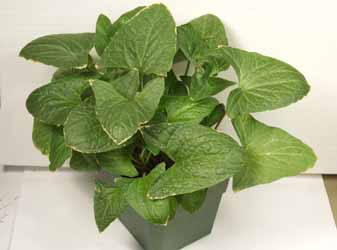
Good King Henry (Chenopodium bonus-henricus) is a remarkable old-world heirloom perennial vegetable that has nourished European gardeners for centuries. Long before spinach became a common garden crop, Good King Henry was valued as a dependable source of tender spring greens, edible shoots, and nutritious leaves that returned year after year without replanting. Often called "Poor Man's Asparagus" because its young spring shoots can be prepared much like asparagus, this hardy perennial is one of the finest additions to a traditional kitchen garden, permaculture planting, or edible landscape.
Introduction
Unlike annual greens that must be replanted each season, Good King Henry rewards gardeners with dependable harvests for decades once established. The attractive clumps of rich green foliage emerge early each spring, often among the first edible vegetables to appear after winter. As the plants mature, they continue producing tender leaves throughout the growing season while requiring very little maintenance. It is a wonderful example of the forgotten perennial vegetables that sustained families for generations before modern agriculture shifted toward annual crops.
Flavor & Culinary Uses
The young leaves have a pleasant, mild flavor similar to spinach with subtle earthy notes. They are delicious steamed, sautéed, creamed, added to soups, casseroles, quiches, and pasta dishes. The tender spring shoots are considered a seasonal delicacy and are traditionally harvested before the leaves expand, then prepared much like asparagus. Even the immature flower clusters may be cooked and enjoyed in much the same way as broccoli.
Growing Information
Good King Henry grows best in fertile, well-drained soil with regular moisture. It thrives in full sun in cooler climates but also appreciates partial afternoon shade in warmer regions. Since it is a perennial, allow adequate space for plants to develop into large, productive clumps over time. Harvest lightly during the first season, then enjoy increasingly abundant harvests for many years afterward.
- Botanical Name: Chenopodium bonus-henricus
- Plant Type: Hardy perennial vegetable
- Days to First Harvest: Established plants produce each spring
- Plant Height: 18–30 inches
- Sun Requirements: Full sun to partial shade
- Spacing: 18–24 inches
Note: Good King Henry seeds have a tough seed coat and require a cold dormancy period (stratification) to sprout. To successfully germinate them, cold-condition the seeds for 6–10 weeks by storing them in a damp paper towel or sand inside the fridge, followed by surface-sowing in light, moist soil.
History & Interesting Facts
Good King Henry has been cultivated throughout Europe since at least the Middle Ages and was once a standard feature of monastery gardens, cottage gardens, and kitchen plots. Before spinach became widely available, it served as one of the continent's primary leafy vegetables. Its species name, bonus-henricus, translates roughly to "Good Henry," referring to the legendary household spirit "Good King Henry" of European folklore who was believed to bring prosperity and good fortune. Today, the plant is enjoying renewed popularity among gardeners interested in heirloom vegetables, food forests, and sustainable perennial food production.
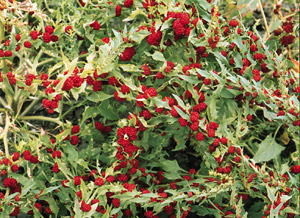
Strawberry Spinach (Chenopodium foliosum), also known as Strawberry Blite, Indian Ink, or Strawberry Goosefoot, is one of the most unusual heirloom vegetables you can grow. This charming old-world plant produces tender spinach-like leaves along with brilliant scarlet, strawberry-shaped seed clusters that decorate the stems throughout the summer. Grown for centuries in Europe and parts of Asia, Strawberry Spinach combines ornamental beauty with edible leaves and fruit-like seed clusters, making it a fascinating addition to kitchen gardens, edible landscapes, and heirloom vegetable collections.
Introduction
Few vegetables attract as much attention as Strawberry Spinach. In spring, the plants quickly develop lush green foliage that resembles traditional spinach. As summer arrives, vivid crimson seed clusters begin forming along the stems, giving the appearance of dozens of tiny strawberries growing directly on the plant. Although the bright red clusters resemble berries, they are actually edible seed heads with a mild, subtly sweet flavor. Their striking appearance makes Strawberry Spinach as decorative as many flowering ornamentals while providing multiple edible harvests throughout the season.
Flavor & Culinary Uses
The young leaves have a mild flavor similar to spinach and are excellent in salads, soups, stir-fries, quiches, and cooked vegetable dishes. The bright red seed clusters have a light sweetness with subtle earthy notes and are often used as colorful garnishes, mixed into salads, or enjoyed fresh from the garden. While they resemble strawberries in appearance, their flavor is much milder and should be appreciated as a unique edible rather than a true fruit.
Growing Information
Strawberry Spinach grows best in cool to moderate weather but adapts well to a wide range of garden conditions. Sow seeds directly outdoors in fertile, well-drained soil with full sun to partial shade. Plants establish quickly and require little maintenance beyond regular watering during dry periods. Harvest young leaves throughout the season while allowing the colorful seed clusters to fully develop for ornamental display and fresh eating.
- Botanical Name: Chenopodium foliosum
- Plant Type: Hardy annual leafy vegetable
- Days to Maturity: 45–60 days
- Plant Height: 12–24 inches
- Sun Requirements: Full sun to partial shade
- Spacing: 10–12 inches
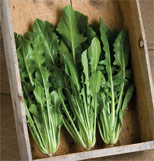
Catalogna Special Italian Dandelion (Cichorium intybus) is a treasured Italian heirloom grown for its long, deeply serrated leaves, crisp stems, and rich, slightly nutty flavor. Despite its common name, it is not a true dandelion but a form of chicory that has been cultivated throughout Italy for generations. Highly prized in Mediterranean cuisine, Catalogna produces vigorous upright plants with tender foliage that can be enjoyed both fresh and cooked. Its excellent heat tolerance, dependable productivity, and distinctive appearance have made it a favorite among gardeners and chefs seeking authentic Italian vegetables.
Introduction
Catalogna has long been a staple in Italian kitchen gardens, where its dependable growth and exceptional versatility have earned it a place beside more familiar leafy greens. The handsome plants develop long, narrow leaves with deeply cut edges that form elegant upright rosettes. Young leaves are crisp and pleasantly mild, while mature foliage develops a richer flavor that shines in traditional Italian recipes. With repeated harvesting, plants continue producing fresh growth for many weeks, making Catalogna one of the most rewarding cool-season greens to grow.
Flavor & Culinary Uses
Young Catalogna leaves have a crisp texture with a pleasantly mild, slightly nutty flavor and only a hint of the pleasant bitterness that gives chicories their character. Mature leaves become richer and more robust, making them ideal for sautéing with garlic and olive oil, adding to soups, pasta dishes, risotto, omelets, and traditional Italian recipes. The tender inner stems are especially prized for their crisp texture and delicate flavor.
Growing Information
Catalogna grows best in fertile, well-drained soil with regular moisture. Sow seeds directly outdoors in spring or late summer for fall harvests. Plants tolerate cool weather extremely well and continue producing new leaves after repeated harvesting. In mild climates they may provide harvests over an extended season.
- Botanical Name: Cichorium intybus
- Plant Type: Cool-season leafy vegetable
- Days to Maturity: 50–60 days
- Plant Height: 18–24 inches
- Sun Requirements: Full sun to partial shade
- Spacing: 10–12 inches
Nemagon White Mustard
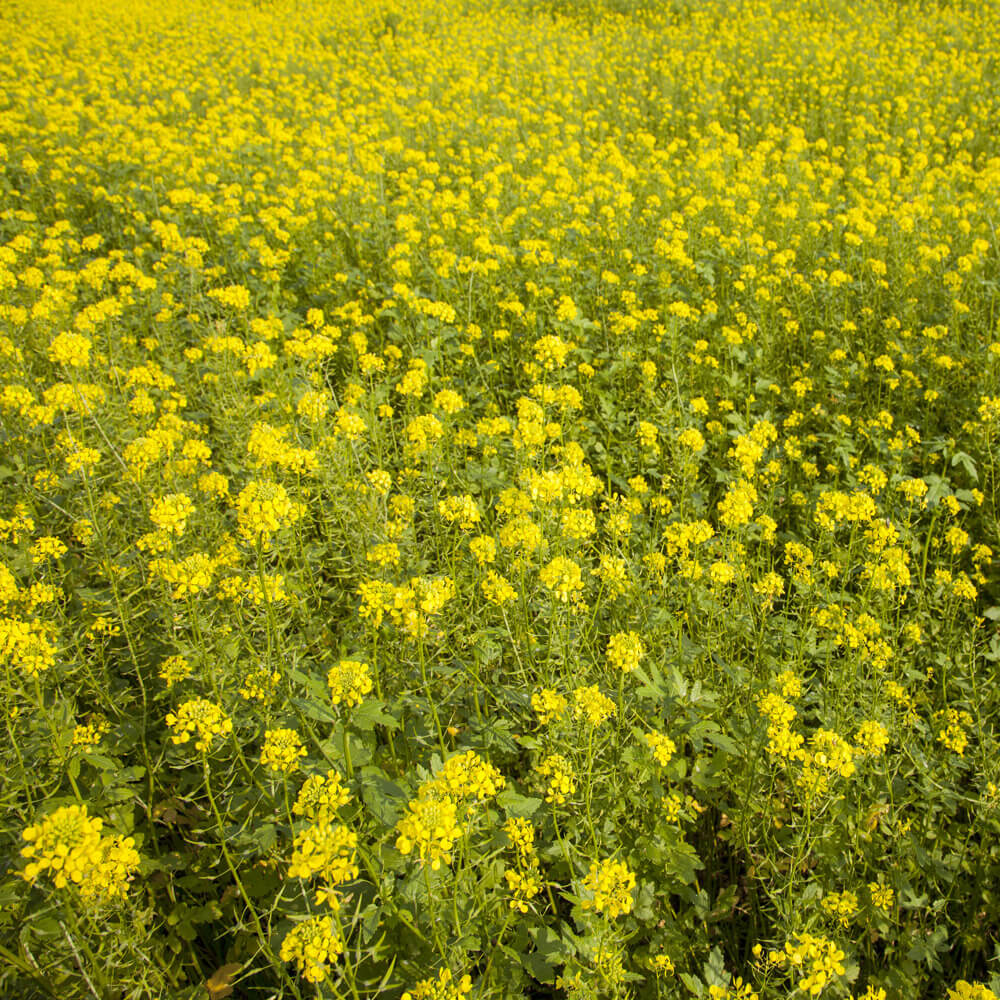
Nemagon white mustard seeds also contains high levels of glucosinate which is a compound similar to those found in commercial soil fumigants. It also features exceptional fast growth forming a compact covering to obstruct weeds.
The deep root system does a great job of re-utilizing nutrients that may have filtered past the root zone of crop plants. The tap root grows to a depth of three feet which helps break up soil and scavenge nutrients. Use Nemagon white mustard seed as a winter cover crop in home gardens, crop rotations and vineyards. It provides natural weed suppression, increased tilth, and increased organic soil matter. Nemagon is high in sulfer, which can become available to the subsequent crop when the mustard is incorporated in to the soil. Do not permit the mustard to go to seed or it could become a field impurity.
One pound will cover about 3,500 square feet.
Caliente 199 Mustard Blend for Biofumigation
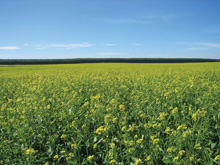 Every so often we come across a gardening technique that is so wonderful we have to stop and ponder "why in the world have we not been doing this in the past"?
 This is one of those techniques, one that is used by large crop growers and is now available to gardeners with small growing areas. It is as simple as sowing a fast growing blend of mustard seeds when your gardening season is about over with, then chopping up the mustards and tilling them into the soil.
Everyone who has a garden or flower bed that is used season after season should seriously consider improving their soil by green manuring with Caliente 199 Mustards Seed Mix.
This is a natural way to import excellent disease, weed and nematode suppression in future plantings and not have to rely on chemicals and fumigants. Ideal for organic growers.
This mustard blend can be used in small beds, gardens, truck patches and crop fields.
Being a member of the mustard family, it grows vigorously in a short period of time, ready to chop and till in about 100 days after sowing seed.
Caliente 199 Mustard Blend has been bred specifically for biofumigation and green manuring. The naturally occurring biofumigant gas (ITC) is produced by the plants when the crop is chopped, incorporating this compound and the green material into soil results in many benefits including improved soil structure, health and fertility, suppression of various soil-borne diseases and pests and increased soil microbial activity.
When you chop and till Caliente 199 into your soil, you receive the following benefits:
Naturally occurring biofumigation
Improves soil fertility and structure
Adds nutrients and organic matter
Improves soil aeration
Increases water infiltration and holding capacity
Reduced soil erosion from wind and water
Increases soil biodiversity by stimulating the growth of beneficial microbes and other soil organisms
Ideal for organic crop rotations and conventional systems where ICM (Integrated Crop Management) and reduced risk inputs are used.
Suppression of a range of soil-borne diseases, including Verticillium wilt, Rhizoctonia spp., Pythium spp., Fusarium spp., and Sclerotinia spp.
Suppression of a range of nematodes
It is believed that this mechanism was originally developed by the plant as a defense against sucking and chewing insects, but over time many of the glucosinolates ( the compounds that make certain brassicas taste hot or spicy, such as some really spicy radishes ), have been bred out of brassica crops to make them better. Today, most varieties of mustard, cabbage, cauliflower and rape seed have low levels of glucosinolates, Caliente Mustard Blend is exactly the opposite, it offers the highest possible level of glucosinolates.
To create the best biofumigation effect, Caliente Mustard plants must be chopped as finely as possible before immediately incorporating into them into the soil, simply plowing the mustard under with a breaking plow will not give the same effect. For large fields, disking and then breaking under works fine. For small gardens, mowing with a bushhog, or lawnmower, then tilling into the soil works fine. For very small beds, we actually use a weed trimmer to chop up the mustard and a small hand held tiller to turn them under.
They are very versatile and grow in almost any climate and soil. Caliente 199 Mustards have been developed over many years, with new blends and varieties developed for performing specific functions, and for growing in different climates and situations. They are not simple green manure or cover crops and should not be confused with fodder mustard which is commonly available as a green manure and will not generate the same biofumigation effect.
When considering disease suppression, it is important to note that the biofumigation aspect is not the only important factor. It is a combination of the biofumigation plus the incorporation of green material into the soil which encourages beneficial microbe multiplication. These beneficial soil microbes play an important part in 'out-competing' pathogenic microbes for space in the soil profile, helping to keep soil disease levels down.
Caliente Mustard can be sown in spring or late summer and incorporated 2 weeks after flowering has just started. Sow anytime from early spring to mid fall. Sow seeds onto cultivated soil, and gently rake in & firm to ensure good seed to soil contact. Water the seed in lightly ( or sow just before a rain shower ) and keep moist until germination has began. Keep the soil moist throughout the growing cycle as periods of drought will cause it to flower early and mean less bulky organic growth. A balanced N:P:K fertilizer ( 8*8*8 works just fine ) can be applied before or just after sowing to ensure best growth, keep in mind the Caliente Mustard will return these nutrients to the soil when dug in, so you are really just adding fertilize to future crops.
Our smallest pack is 35g, ( a little over an ounce ) and will cover 275 square feet of garden.
Our 88g ( about 3.1 ounces ) pack will cover about 850 square feet, our 175g pack will cover about 1,700 square feet.
Our one pound package will cover about 4,400 square feet and our 5 pound package will cover a half acre.
New! Caliente Rojo Mustard for Maximum Biofumigation

Contact Us | Privacy Policy | About Us
Serving gardeners since 1992
State of Mississippi Seedmen's Permit #C-391, Ohio 90152, Minnesota 20086777