
Okra Seeds
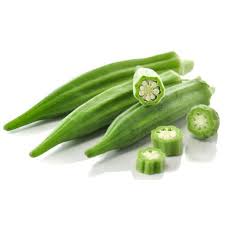
A time-tested American heirloom that has been a favorite of home gardeners for generations. This compact, productive variety produces an abundance of dark green, straight, tender pods on sturdy plants that are easier to harvest than many taller okra varieties. Its dependable yields, excellent flavor, and manageable size make Perkins Dwarf an outstanding choice for both traditional vegetable gardens and smaller growing spaces.
Introduction
Perkins Dwarf was developed for gardeners who wanted all the productivity of traditional okra without towering plants that become difficult to harvest. The compact plants begin producing early and continue setting tender pods throughout the heat of summer. Like all good okra, regular harvesting encourages even heavier production, rewarding gardeners with baskets of fresh pods until frost.
Flavor & Culinary Uses
Harvested young, Perkins Dwarf produces tender, mild-flavored pods that are excellent fried, grilled, steamed, roasted, or added to soups, stews, and traditional Southern gumbo. The pods also pickle exceptionally well and may be frozen for year-round use. Frequent harvesting while pods are 3 to 4 inches long provides the finest texture and flavor.
Growing Information
Okra loves heat and sunshine, making Perkins Dwarf an outstanding performer during the hottest part of the growing season. Sow seeds after all danger of frost has passed and the soil has thoroughly warmed. Plants grow best in fertile, well-drained soil with consistent moisture but tolerate periods of summer heat and drought remarkably well once established.
- Botanical Name: Abelmoschus esculentus
- Plant Type: Warm-season annual vegetable
- Days to Maturity: 50–60 days
- Plant Height: 3–4 feet
- Sun Requirements: Full sun
- Spacing: 12–18 inches
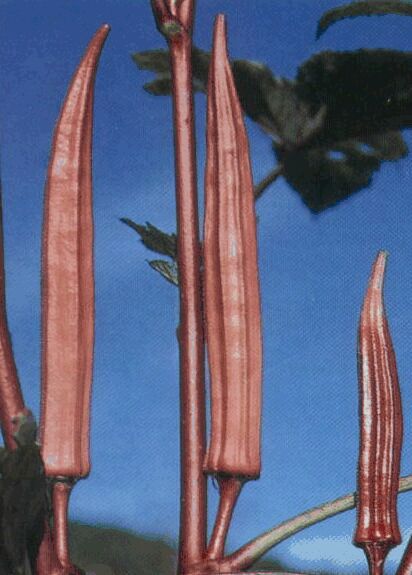
One of the most beautiful okra varieties ever introduced, producing stunning ruby-red pods that stand out dramatically against its lush green foliage. An All-America Selections winner, this exceptional variety combines ornamental beauty with outstanding garden performance, delivering abundant harvests of tender pods throughout the hottest months of summer. The attractive plants are equally at home in vegetable gardens, ornamental borders, and edible landscapes, proving that a productive vegetable can also be a showpiece.
Introduction
Red Burgundy brings vibrant color to the summer garden long before the first harvest. The attractive plants produce creamy yellow hibiscus-like flowers followed by striking deep red pods that are easy to spot among the foliage, making harvesting quick and enjoyable. Young pods are tender and flavorful, while the plants continue producing steadily until frost as long as pods are picked regularly.
Flavor & Culinary Uses
Red Burgundy offers the same outstanding flavor and tender texture as premium green okra varieties. Harvest pods when they reach 3 to 4 inches long for the finest quality. They are excellent fried, grilled, roasted, steamed, pickled, or added to soups, stews, and traditional gumbo. During cooking, the brilliant red pods gradually turn green, but their exceptional flavor remains unchanged.
Growing Information
Like all okra, Red Burgundy thrives in full sunshine and hot summer weather. Sow seeds after the soil has thoroughly warmed and all danger of frost has passed. Plants grow vigorously in fertile, well-drained soil with regular watering, although they tolerate heat and short periods of drought exceptionally well once established. Frequent harvesting encourages continuous flowering and pod production.
- Botanical Name: Abelmoschus esculentus
- Plant Type: Warm-season annual vegetable
- Days to Maturity: 55–60 days
- Plant Height: 4–5 feet
- Sun Requirements: Full sun
- Spacing: 12–18 inches
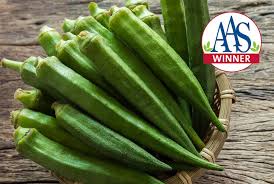
Clemson Spineless is America's most famous okra variety and has been the gold standard for home gardens and market growers since its introduction in the 1930s. An All-America Selections winner, this dependable heirloom produces an abundance of dark green, spineless pods with outstanding flavor and tenderness. Its vigorous growth, exceptional heat tolerance, and heavy yields have made Clemson Spineless the variety by which all other okras are measured.
Introduction
If you've ever enjoyed homegrown okra, there's a good chance it was Clemson Spineless. This legendary variety quickly became the nation's favorite because of its reliable performance and nearly spineless pods, making harvesting far more comfortable than older prickly varieties. Once the summer heat arrives, the sturdy plants produce beautiful hibiscus-like flowers followed by a steady supply of tender pods until the first frost.
Flavor & Culinary Uses
Clemson Spineless is prized for its tender texture and classic okra flavor. Harvest pods when they are 3 to 4 inches long for the finest quality. They are outstanding fried, grilled, roasted, steamed, pickled, or added to soups, stews, and authentic Southern gumbo. The pods also freeze exceptionally well, making them an excellent choice for preserving the summer harvest.
Growing Information
Clemson Spineless thrives in full sunshine and hot weather, often producing when many other vegetables slow down. Sow seeds after the soil has warmed thoroughly in spring. Plants perform best in fertile, well-drained soil with regular watering, although they tolerate summer heat and dry conditions extremely well once established. Harvest every day or two to encourage continuous pod production.
- Botanical Name: Abelmoschus esculentus
- Plant Type: Warm-season annual vegetable
- Days to Maturity: 55–60 days
- Plant Height: 4–5 feet
- Sun Requirements: Full sun
- Spacing: 12–18 inches
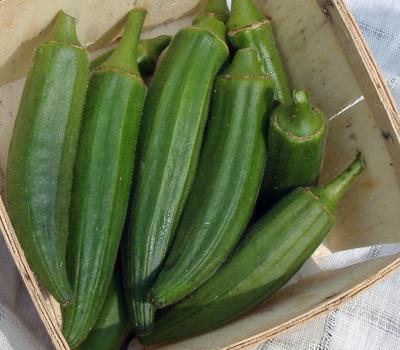
A premium open-pollinated variety prized for its exceptionally tender, deep emerald-green pods and outstanding productivity. Bred to remain tender longer than many traditional okra varieties, Jade allows gardeners a slightly wider harvesting window while still delivering excellent flavor and texture. Its vigorous plants thrive in hot summer weather, producing abundant harvests of smooth, spineless pods that are perfect for fresh cooking, freezing, and preserving.
Introduction
Jade has earned a loyal following among gardeners who appreciate dependable harvests and consistently high-quality pods. The sturdy plants produce beautiful creamy-yellow hibiscus-like flowers that quickly develop into attractive dark green pods. Unlike some varieties that become tough almost overnight, Jade pods retain their tenderness longer, making harvesting a little more forgiving during the busy summer gardening season.
Flavor & Culinary Uses
Jade produces thick, tender pods with a mild, classic okra flavor and excellent texture. Harvest pods when they reach about 3 to 5 inches long for the finest quality. They are delicious fried, grilled, roasted, steamed, pickled, or added to soups, stews, and traditional gumbo. Their excellent texture also makes them one of the best choices for freezing after harvest.
Growing Information
Jade thrives in full sunshine and hot summer temperatures. Plant after all danger of frost has passed and the soil has warmed well. Rich, well-drained soil combined with regular watering produces vigorous plants that continue bearing until frost. Harvest every day or two to encourage continuous flowering and maximum pod production.
- Botanical Name: Abelmoschus esculentus
- Plant Type: Warm-season annual vegetable
- Days to Maturity: 55–60 days
- Plant Height: 5–6 feet
- Sun Requirements: Full sun
- Spacing: 12–18 inches
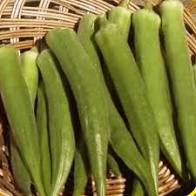
A classic heirloom variety celebrated for its long, slender, dark green pods and outstanding eating quality. Introduced to provide gardeners with exceptionally tender pods that remain flavorful even at larger sizes, Emerald has become a favorite among home gardeners who appreciate abundant harvests and dependable summer production. Its vigorous plants thrive in heat and humidity, producing beautiful hibiscus-like flowers followed by a steady supply of premium-quality pods until frost.
Introduction
Emerald Okra combines attractive plants with excellent garden performance. The tall, sturdy plants quickly become covered with creamy-yellow blossoms that give way to smooth, glossy green pods. One of Emerald's greatest advantages is its ability to produce longer pods that often remain tender longer than many standard varieties, making it an excellent choice for gardeners who want generous harvests without sacrificing quality.
Flavor & Culinary Uses
Emerald produces tender, mild-flavored pods with excellent texture and classic okra flavor. Harvest pods when they are about 4 to 6 inches long for the finest quality, although they often remain tender at larger sizes than many varieties. They are excellent fried, grilled, roasted, steamed, pickled, or added to soups, stews, and authentic Southern gumbo. The pods also freeze well for enjoying homegrown okra throughout the year.
Growing Information
Emerald thrives in full sunshine and hot summer weather. Sow seeds after all danger of frost has passed and the soil has warmed thoroughly. Plants perform best in fertile, well-drained soil with regular watering, although they tolerate heat and brief dry periods extremely well once established. Frequent harvesting encourages continuous flowering and maximum production.
- Botanical Name: Abelmoschus esculentus
- Plant Type: Warm-season annual vegetable
- Days to Maturity: 55–60 days
- Plant Height: 5–7 feet
- Sun Requirements: Full sun
- Spacing: 12–18 inches
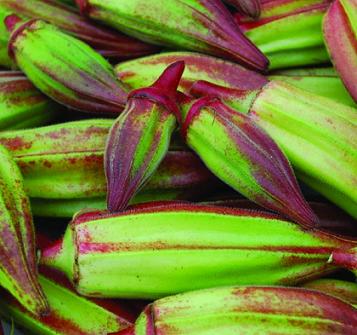
A rare Texas heirloom treasured for its beautiful crimson-red pods, outstanding flavor, and remarkable heat tolerance. Originating in the rugged Texas Hill Country, this old family variety has been passed from gardener to gardener for generations because of its dependable production and ability to thrive during long, hot summers. The vigorous plants produce an abundance of colorful pods that are as attractive in the garden as they are delicious on the table.
Introduction
Hill Country Red brings old-fashioned charm to the vegetable garden with its striking red pods and sturdy, productive plants. Beautiful pale yellow hibiscus-like blossoms appear throughout the summer, soon followed by richly colored pods that stand out against the green foliage for easy harvesting. This heirloom was selected for its ability to perform under tough growing conditions, making it an excellent choice for gardeners in warm climates.
Flavor & Culinary Uses
Hill Country Red produces tender, flavorful pods with the rich, classic taste that has made heirloom okra a Southern favorite for generations. Harvest pods when they are about 3 to 5 inches long for the finest texture. They are excellent fried, grilled, roasted, steamed, pickled, or used in gumbo and hearty summer stews. Like other red okra varieties, the pods gradually turn green during cooking while retaining their excellent flavor.
Growing Information
This variety thrives in full sun and hot weather, making it especially well suited for Southern gardens. Sow seeds after all danger of frost has passed and the soil has warmed thoroughly. Plants grow vigorously in fertile, well-drained soil with regular moisture, although they tolerate periods of drought once established. Harvest frequently to encourage continuous flowering and pod production throughout the season.
- Botanical Name: Abelmoschus esculentus
- Plant Type: Warm-season annual vegetable
- Days to Maturity: 55–65 days
- Plant Height: 5–6 feet
- Sun Requirements: Full sun
- Spacing: 12–18 inches

Contact Us | Privacy Policy | About Us
Serving gardeners since 1992
State of Mississippi Seedmen's Permit #C-391, Ohio 90152, Minnesota 20086777