
Rosemary Seeds
An easy to grow perennial herb that enhances many foods including breads, vegetables and meats. It is also attractive and great to use for landscaping.
Rosemary herb plants are very attractive to beneficial insects and attract pollinators to the garden. Rosemary can also be kept in a container to be brought indoors during the winter. Rosemary plants can be shaped and manicured to promote a more attractive, compact addition to your herb garden or container.
Temperature: 65 - 85F
Average Germ Time: 14 - 28 days
Light Required: Yes
Depth: Press seed onto surface of soil, do not cover seed
Sowing Rate: 1 seed per inch, approximately 1000 seeds covers 20 square feet
Moisture: Keep moist until germination
Plant Spacing: Rows 18 inches a part; thin seedlings 12 inches
Everything you need to know about Rosemary and it's Benefits
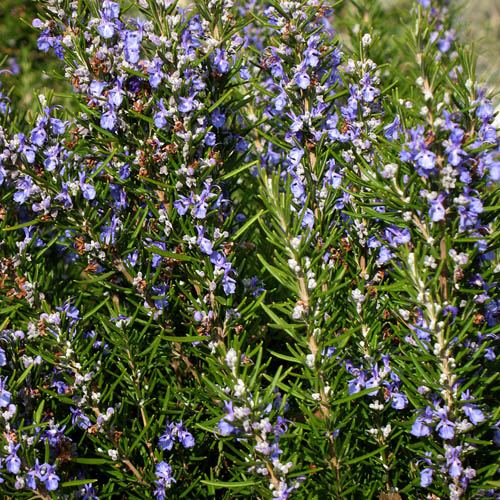
Rosemary is a classic Mediterranean herb prized for its fragrant, needle-like leaves and rich, savory flavor. This attractive evergreen herb is excellent for seasoning poultry, meats, roasted vegetables, breads, soups, and herbal blends. Its upright, woody growth also makes it a beautiful container plant for patios, porches, herb gardens, and sunny windowsills.
Rosemary grows best in full sun and well-drained soil. Once established, plants are drought tolerant and prefer slightly dry conditions rather than wet soil. In warm climates, rosemary can be grown outdoors year-round, while gardeners in colder areas often grow it in containers and bring it indoors during winter.
Small blue to lavender flowers may appear on mature plants, attracting bees and other beneficial pollinators. With its evergreen foliage, pleasant fragrance, and culinary value, rosemary is one of the most useful and rewarding herbs to grow.
Hardiness Zones:Rosemary is generally hardy in USDA Zones 8-11. In colder zones, grow as an annual or in a container that can be moved indoors before freezing weather.
Germination Instructions:- Start seeds indoors 8-10 weeks before the last expected frost.
- Sow seeds lightly on the surface or cover very thinly with seed-starting mix.
- Keep soil warm, around 70-75°F, and lightly moist but never soggy.
- Germination is naturally slow and uneven, often taking 14-28 days or longer.
- Provide bright light once seedlings emerge.
- Transplant outdoors after all danger of frost has passed and plants are well established.
- Plant in full sun for best flavor and growth.
- Use well-drained soil or a container mix with good drainage.
- Avoid overwatering; rosemary dislikes wet roots.
- Trim regularly to encourage bushy growth.
- Harvest sprigs as needed for fresh use, or dry leaves for later use.

Contact Us | Privacy Policy | About Us
Serving gardeners since 1992
State of Mississippi Seedmen's Permit #C-391, Ohio 90152, Minnesota 20086777