
Jacaranda Tree Seeds
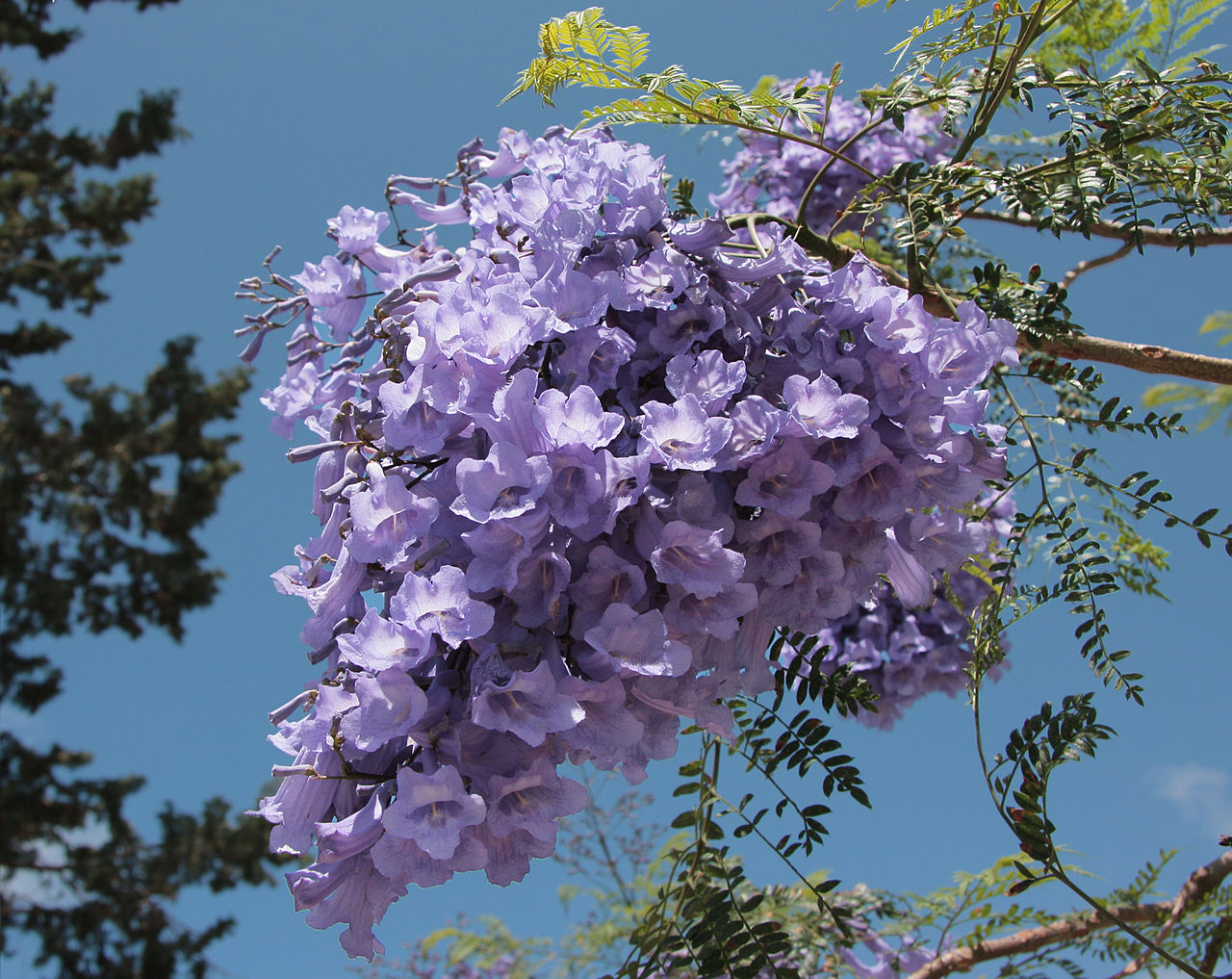
Landscape Rating: ⭐⭐⭐⭐⭐ (5/5 Stars)
Plant CharacteristicsJacaranda Tree is one of the most spectacular flowering trees in the world. Native to South America, especially regions of Argentina and Bolivia, this elegant subtropical tree is admired for its fern-like foliage, graceful branching habit, and breathtaking displays of lavender-blue to violet-purple flowers.
Mature specimens typically reach 25 to 50 feet in height with a broad, open canopy that provides filtered shade. The finely divided leaves resemble delicate fern fronds, giving the tree a soft, tropical appearance even when it is not in bloom.
During the flowering season, usually in spring or early summer, Jacaranda becomes covered with masses of trumpet-shaped purple blossoms. When the flowers fall, they often create a beautiful purple carpet beneath the tree, adding even more color to the landscape.
As a specimen lawn tree, few plants can rival the dramatic beauty and seasonal impact of a mature Jacaranda in full bloom.
Landscape Uses- Specimen lawn tree
- Flowering shade tree
- Tropical and subtropical landscapes
- Street tree plantings
- Estate landscapes
- Courtyard gardens
- Pollinator gardens
- Park and public landscape plantings
Jacaranda is especially effective when planted where its spring bloom display can be viewed from a distance.
Important Landscape NoteJacaranda performs best in full sun and warm climates with well-drained soil. Flowering is usually heaviest after a dry season followed by warm growing conditions.
Germination Information- Sow seeds on the surface or cover very lightly.
- Use a well-drained seed-starting medium.
- Maintain temperatures between 70-80°F.
- Keep evenly moist but not waterlogged.
- Provide bright light.
- Germination generally occurs within 2-4 weeks.
- Botanical Name: Jacaranda mimosifolia
- Plant Type: Deciduous to Semi-Evergreen Flowering Tree
- USDA Zones: 9-11
- Sun Exposure: Full Sun
- Mature Height: 25-50 Feet
- Mature Spread: 25-45 Feet
- Growth Rate: Moderate to Fast
- Soil Preference: Well-drained soils
- Water Requirements: Moderate
Jacaranda grows best in warm, sunny locations and adapts to many soil types if drainage is good. Once established, it shows moderate drought tolerance and becomes a dependable ornamental tree in suitable climates.
Container GrowingYoung Jacaranda trees can be grown in large containers for several years. Container-grown plants should receive full sun, regular watering, and occasional pruning to maintain a manageable size.
Pollinator & Wildlife ValueThe showy trumpet-shaped flowers attract bees, butterflies, and other beneficial pollinators. Birds may also use the open canopy for perching, nesting, and shelter.
During bloom season, a mature Jacaranda can become an important nectar source in warm-climate landscapes.
Historical & Cultural SignificanceJacaranda has become one of the most beloved flowering trees in warm regions around the world. It is famously planted along streets, parks, and boulevards in cities such as Pretoria, Los Angeles, Sydney, Brisbane, and many parts of South America.
In some regions, Jacaranda bloom season has become a celebrated annual event, marking the arrival of spring or early summer with clouds of purple flowers.
The tree's popularity has made it a symbol of beauty, warm climates, and colorful urban landscapes.
Botanical Facts- Member of the Bignonia Family (Bignoniaceae).
- Native to South America.
- Produces large clusters of purple trumpet-shaped flowers.
- Features delicate fern-like foliage.
- Often creates a purple flower carpet beneath mature trees.
- One of the world's most famous flowering street trees.
Jacaranda is one of the finest flowering lawn trees for warm climates. Its graceful foliage, open canopy, and unforgettable purple bloom display make it a true showpiece in the landscape.
Additional Seedman NoteWhen a mature Jacaranda reaches peak bloom, the entire canopy can appear wrapped in violet-blue color. The fallen blossoms then form a soft purple carpet beneath the tree, creating a two-level floral display that few ornamental trees can match. This extraordinary beauty has made Jacaranda one of the most photographed and admired flowering trees in the world.
For additional growing information, see our Jacaranda Tree Seeds AI fact sheet.
For over a thousand more unique seed varieties, all in stock and ready to ship, visit our Seed Catalog Index Page .

Contact Us | Privacy Policy | About Us
Serving gardeners since 1992
State of Mississippi Seedmen's Permit #C-391, Ohio 90152, Minnesota 20086777