
Thyme Seeds
This long-lived perennial herb is a mainstay of American cuisine. Thyme herb is found in recipes for almost everything including fish, chowders, sauces, stuffings, soups, meats and poultry. The aromatic, warming flavor holds up well during long cooking times.
Do not over water. It likes to dry out in-between waterings. Thyme plants dislike wet foliage, so surrounding the plant with a layer of gravel can help this.
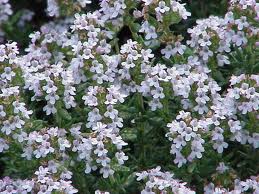
English Thyme is one of the most versatile and beloved culinary herbs in the world. This hardy perennial forms a dense mound of tiny aromatic leaves that provide exceptional flavor for soups, stews, poultry, vegetables, sauces, and countless traditional recipes. Its compact habit and attractive evergreen foliage also make it a beautiful addition to containers, herb gardens, borders, and rock gardens.
Beyond its culinary value, English Thyme is highly prized for its role in supporting pollinators. During summer, plants become covered with masses of delicate pink to lavender flowers that attract bees, butterflies, and other beneficial insects. The nectar-rich blooms provide an important food source while adding color and charm to the garden.
English Thyme is also valued as a companion plant in vegetable and herb gardens. Its fragrant foliage is traditionally planted near crops to help attract pollinators and beneficial insects while contributing to a healthy and diverse garden environment. The low-growing habit makes it an excellent choice for edging garden beds, pathways, and raised vegetable gardens.
Drought tolerant once established and exceptionally easy to grow, English Thyme thrives in containers and sunny locations where its fragrance can be enjoyed throughout the growing season.
Hardiness Zones:English Thyme is a perennial in USDA Zones 5-9, returning year after year with minimal care.
Germination Instructions:- Start seeds indoors 6-8 weeks before the last expected frost or sow outdoors after danger of frost has passed.
- Sow seeds on the surface of the soil and press lightly into place.
- Do not cover deeply, as light aids germination.
- Maintain temperatures between 65-75°F (18-24°C).
- Keep the growing medium lightly moist.
- Seeds typically germinate in 14-28 days.
- Provide bright light after germination.
- Transplant outdoors once seedlings are well established.
- Plant in full sun for maximum flavor and flowering.
- Prefers well-drained soil and tolerates poor, rocky conditions.
- Excellent for containers, herb gardens, borders, and rock gardens.
- Drought tolerant once established.
- Harvest regularly to encourage dense, bushy growth.
- Flowers attract bees, butterflies, and other beneficial pollinators.
- Useful companion plant for vegetable and herb gardens.
Combining culinary excellence, ornamental beauty, pollinator value, and companion planting benefits, English Thyme is one of the most rewarding herbs for both beginning and experienced gardeners.
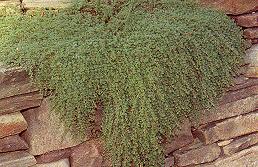
Creeping Thyme is a charming, low-growing perennial herb prized for its fragrant foliage, colorful flowers, and ability to form a dense, attractive groundcover. Native to Europe and widely grown around the world, this versatile plant is equally valued as an ornamental landscape plant, pollinator favorite, and useful herb.
Throughout summer, Creeping Thyme becomes covered with masses of tiny pink, lavender, or purple flowers that attract bees, butterflies, and other beneficial pollinators. Its aromatic foliage releases a pleasant herbal fragrance when brushed or walked upon, making it especially popular between stepping stones, along pathways, and in rock gardens.
Its compact growth habit also makes it an excellent choice for containers, hanging baskets, window boxes, and patio gardens.
Uses- Outstanding flowering groundcover for sunny locations.
- Excellent for rock gardens, borders, pathways, and between stepping stones.
- Attracts bees, butterflies, and beneficial pollinators.
- Fragrant foliage releases a pleasant aroma when touched.
- Beautiful addition to containers, hanging baskets, and window boxes.
- Useful in herb gardens and edible landscapes.
Creeping Thyme grows exceptionally well in containers where its trailing habit can spill attractively over the edges of pots and baskets. Choose a container at least 10–12 inches wide with excellent drainage.
Use a light, well-draining potting mix and place containers in full sun. Creeping Thyme prefers slightly dry conditions and performs best when the soil is allowed to dry somewhat between waterings.
Its drought tolerance and compact growth make it one of the easiest herbs to maintain in containers.
Germination Instructions- Sow seeds on the surface of moist seed-starting mix.
- Press seeds lightly into the soil but do not deeply cover them.
- Light aids germination.
- Maintain temperatures of 65–75°F (18–24°C).
- Keep soil lightly moist during germination.
- Seeds typically germinate in 14–28 days.
- Provide bright light after seedlings emerge.
- Botanical Name: Thymus serpyllum
- Common Name: Creeping Thyme
- Plant Type: Perennial Herb / Groundcover
- Height: 2–6 inches
- Spread: 12–24 inches or more
- Sun Exposure: Full Sun
- Water Requirements: Low
- Soil: Well-draining, sandy or average soil
- USDA Zones: 4–9
- Container Size: 10–12 inches minimum diameter
During late spring and summer, Creeping Thyme produces dense clusters of tiny flowers that nearly cover the foliage. The blooms provide a valuable nectar source for pollinators and create a colorful carpet effect that enhances any garden setting.
After flowering, a light trimming can help maintain a tidy appearance and encourage dense new growth.
Why Grow Creeping Thyme?Creeping Thyme combines beauty, fragrance, drought tolerance, and pollinator value in one versatile plant. Its low-growing habit, colorful flowers, and aromatic foliage make it ideal for containers, pathways, rock gardens, and sunny landscapes. Easy to grow and highly adaptable, Creeping Thyme is one of the most rewarding perennial herbs for gardeners seeking both ornamental appeal and practical garden performance.
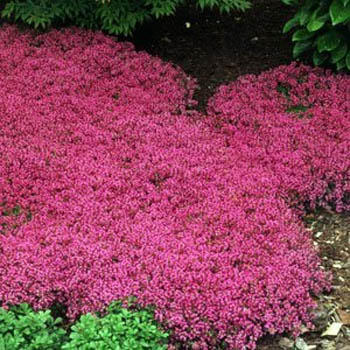
Magic Carpet Thyme is a beautiful, low-growing perennial herb that forms a dense mat of aromatic foliage covered with brilliant rose-pink to lavender flowers during the blooming season. This attractive variety is especially valued as a flowering groundcover, creating a colorful carpet effect that transforms pathways, rock gardens, borders, and containers into eye-catching displays.
Its tiny evergreen leaves release a pleasant herbal fragrance when touched, while masses of flowers attract bees, butterflies, and other beneficial pollinators. The combination of beauty, durability, and ease of care has made Magic Carpet Thyme one of the most popular ornamental thyme varieties for modern landscapes.
Whether cascading from containers or spreading between stepping stones, Magic Carpet Thyme provides season-long interest with very little maintenance.
Uses- Outstanding flowering groundcover for sunny locations.
- Excellent between stepping stones and along garden pathways.
- Beautiful addition to rock gardens and borders.
- Perfect for containers, hanging baskets, and window boxes.
- Highly attractive to bees, butterflies, and pollinators.
- Fragrant foliage adds sensory appeal to the garden.
Magic Carpet Thyme performs exceptionally well in containers where its spreading growth habit can gracefully spill over the edges of pots and baskets. Choose a container at least 10–12 inches wide with excellent drainage.
Use a light, well-draining potting mix and place containers in full sun. Water regularly during establishment, then allow the soil to dry slightly between waterings. Once mature, plants are highly drought tolerant and require minimal maintenance.
Occasional trimming after flowering helps maintain a dense, attractive appearance and encourages fresh growth.
Germination Instructions- Sow seeds on the surface of moist seed-starting mix.
- Press seeds lightly into the soil without covering deeply.
- Light aids germination.
- Maintain temperatures of 65–75°F (18–24°C).
- Keep soil lightly moist during germination.
- Seeds typically germinate in 14–28 days.
- Provide bright light after seedlings emerge.
- Botanical Name: Thymus serpyllum
- Common Name: Magic Carpet Thyme
- Plant Type: Perennial Herb / Groundcover
- Height: 2–4 inches
- Spread: 12–24 inches or more
- Sun Exposure: Full Sun
- Water Requirements: Low
- Soil: Well-draining, sandy or average soil
- USDA Zones: 4–9
- Container Size: 10–12 inches minimum diameter
Magic Carpet Thyme becomes covered with masses of colorful flowers during late spring and summer. The vibrant blooms create a carpet-like display that nearly hides the foliage beneath. Pollinators are drawn to the abundant nectar-rich flowers, making this variety particularly valuable in wildlife-friendly gardens.
After flowering, plants continue to provide attractive evergreen foliage and texture throughout the growing season.
Why Grow Magic Carpet Thyme?Magic Carpet Thyme offers gardeners an ideal combination of beauty, fragrance, pollinator value, and easy maintenance. Its colorful blooms, dense spreading habit, and drought tolerance make it perfect for containers, pathways, rock gardens, and groundcover plantings. Few plants provide such dramatic visual impact while requiring so little care, making Magic Carpet Thyme a favorite among both novice and experienced gardeners.
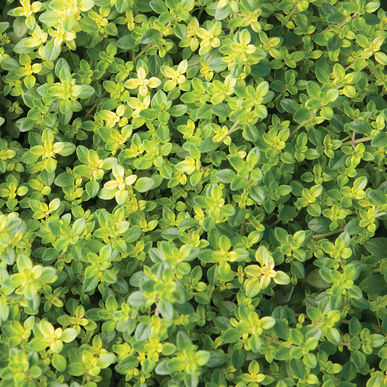
Aromatic Lemon Thyme is a delightful perennial herb prized for its fresh citrus fragrance, attractive evergreen foliage, and versatility in both the garden and kitchen. The tiny leaves release a refreshing lemon scent when touched, making this herb a favorite for containers, herb gardens, pathways, and edible landscapes.
During summer, Aromatic Lemon Thyme produces masses of delicate pink to lavender flowers that attract bees, butterflies, and other beneficial pollinators. Its compact growth habit, drought tolerance, and year-round appeal make it one of the most rewarding herbs for gardeners seeking both beauty and usefulness.
Whether grown for culinary use, ornamental value, or pollinator support, Aromatic Lemon Thyme offers exceptional performance in gardens large and small.
Uses- Fresh leaves add a subtle lemon flavor to poultry, fish, vegetables, and salads.
- Excellent for herbal teas, marinades, vinegars, and seasoning blends.
- Produces fragrant foliage that enhances patios and walkways.
- Ideal for rock gardens, borders, and container plantings.
- Flowers attract bees, butterflies, and beneficial insects.
- Useful as a low-growing ornamental herb and groundcover.
Aromatic Lemon Thyme grows exceptionally well in containers. Choose a pot at least 10–12 inches wide with excellent drainage. A light, well-draining potting mix is essential, as thyme prefers soils that do not remain excessively wet.
Place containers in full sun where plants receive at least 6–8 hours of direct sunlight daily. Water thoroughly when needed, then allow the soil to dry slightly between waterings. Once established, Lemon Thyme is highly drought tolerant and requires minimal maintenance.
Its compact growth habit and fragrant foliage make it an outstanding choice for patio containers and window boxes.
Germination Instructions- Sow seeds on the surface of moist seed-starting mix.
- Press seeds lightly into the soil but do not deeply cover them.
- Light aids germination.
- Maintain temperatures of 65–75°F (18–24°C).
- Keep soil lightly moist during germination.
- Seeds typically germinate in 14–28 days.
- Provide bright light after seedlings emerge.
- Botanical Name: Thymus pulegioides
- Common Name: Aromatic Lemon Thyme
- Plant Type: Perennial Herb
- Height: 6–12 inches
- Spread: 12–18 inches
- Sun Exposure: Full Sun
- Water Requirements: Low
- Soil: Well-draining, sandy or average soil
- USDA Zones: 4–9
- Container Size: 10–12 inches minimum diameter
Harvest stems and leaves throughout the growing season as needed. The highest concentration of aromatic oils is generally found just before flowering. Regular harvesting encourages branching and helps maintain a compact, attractive plant.
Leaves may be used fresh or dried. For drying, harvest stems in the morning after dew has evaporated and hang in a warm, shaded, well-ventilated location.
Why Grow Aromatic Lemon Thyme?Aromatic Lemon Thyme combines fragrance, beauty, culinary usefulness, and ease of care in one versatile perennial herb. Its citrus-scented foliage, colorful flowers, pollinator appeal, and excellent container performance make it a valuable addition to herb gardens, patios, and edible landscapes. Easy to grow and highly rewarding, it is a perfect choice for gardeners who appreciate herbs that are both attractive and practical.
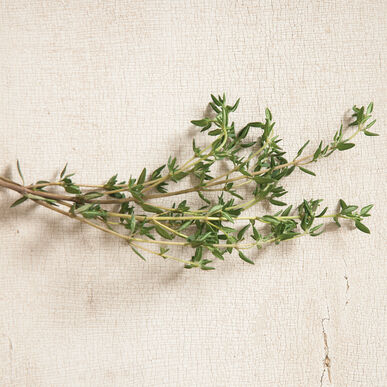
Summer Thyme is one of the world's most beloved culinary herbs, treasured for its rich aroma, flavorful leaves, and exceptional versatility in the kitchen. Native to the Mediterranean region, this hardy perennial has been cultivated for centuries and remains an essential herb in herb gardens, kitchen gardens, containers, and edible landscapes.
Its small gray-green leaves are packed with fragrant oils that enhance a wide variety of dishes, while clusters of delicate pink to lavender flowers attract bees, butterflies, and other beneficial pollinators. Compact, drought tolerant, and easy to grow, Summer Thyme is equally valued for its ornamental beauty and culinary usefulness.
Whether grown in a patio container or a traditional herb garden, Summer Thyme provides years of reliable harvests and attractive foliage.
Uses- Excellent seasoning for poultry, beef, pork, fish, and vegetables.
- Popular ingredient in soups, stews, sauces, stuffing, and marinades.
- Essential component of many traditional herb blends.
- Produces fragrant foliage that enhances herb gardens and containers.
- Flowers attract bees and other beneficial pollinators.
- Useful in edible landscaping and drought-tolerant gardens.
Summer Thyme thrives in containers and is particularly well suited for patio gardens and kitchen herb collections. Select a container at least 10–12 inches wide with excellent drainage and use a light, well-draining potting mix.
Place containers in full sun where plants receive at least 6–8 hours of direct sunlight daily. Allow the soil to dry slightly between waterings, as thyme prefers drier conditions once established.
Regular harvesting helps maintain a compact, bushy shape while encouraging fresh new growth throughout the growing season.
Germination Instructions- Sow seeds on the surface of moist seed-starting mix.
- Press seeds lightly into the soil but do not deeply cover them.
- Light aids germination.
- Maintain temperatures of 65–75°F (18–24°C).
- Keep soil lightly moist during germination.
- Seeds typically germinate in 14–28 days.
- Provide bright light after seedlings emerge.
- Botanical Name: Thymus vulgaris
- Common Name: Summer Thyme
- Plant Type: Perennial Herb
- Height: 8–12 inches
- Spread: 12–18 inches
- Sun Exposure: Full Sun
- Water Requirements: Low
- Soil: Well-draining, sandy or average soil
- USDA Zones: 5–9
- Container Size: 10–12 inches minimum diameter
Begin harvesting once plants are well established and producing vigorous growth. Snip stems as needed throughout the growing season, taking care not to remove more than one-third of the plant at any one time.
For the most intense flavor, harvest just before flowering when the essential oil content is highest. Leaves may be used fresh or dried for long-term storage.
Why Grow Summer Thyme?Summer Thyme is a classic herb that combines culinary excellence, ornamental beauty, and exceptional ease of cultivation. Its fragrant foliage, pollinator-friendly flowers, drought tolerance, and adaptability to containers make it a valuable addition to any herb garden. Whether used fresh in the kitchen or enjoyed as a beautiful garden plant, Summer Thyme remains one of the most rewarding herbs a gardener can grow.

Contact Us | Privacy Policy | About Us
Serving gardeners since 1992
State of Mississippi Seedmen's Permit #C-391, Ohio 90152, Minnesota 20086777