
Seeds for Deer Resistant Flower Garden Plants
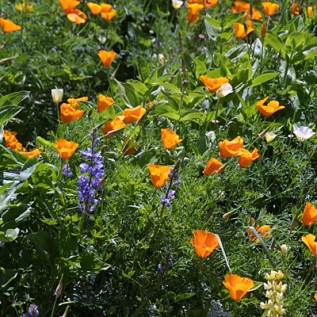
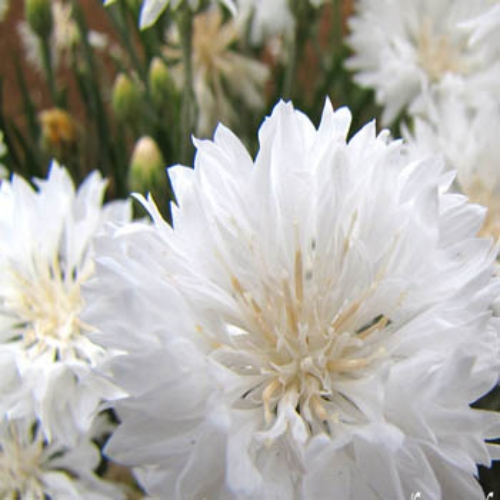
Bachelor's Buttons are very attractive to both bees and butterflies, but deer leave the plants alone. Once the Centaurea Cyanus plants are established, they will produce a burst of flowers and then slow down their production. Grows 12-18 inches tall.
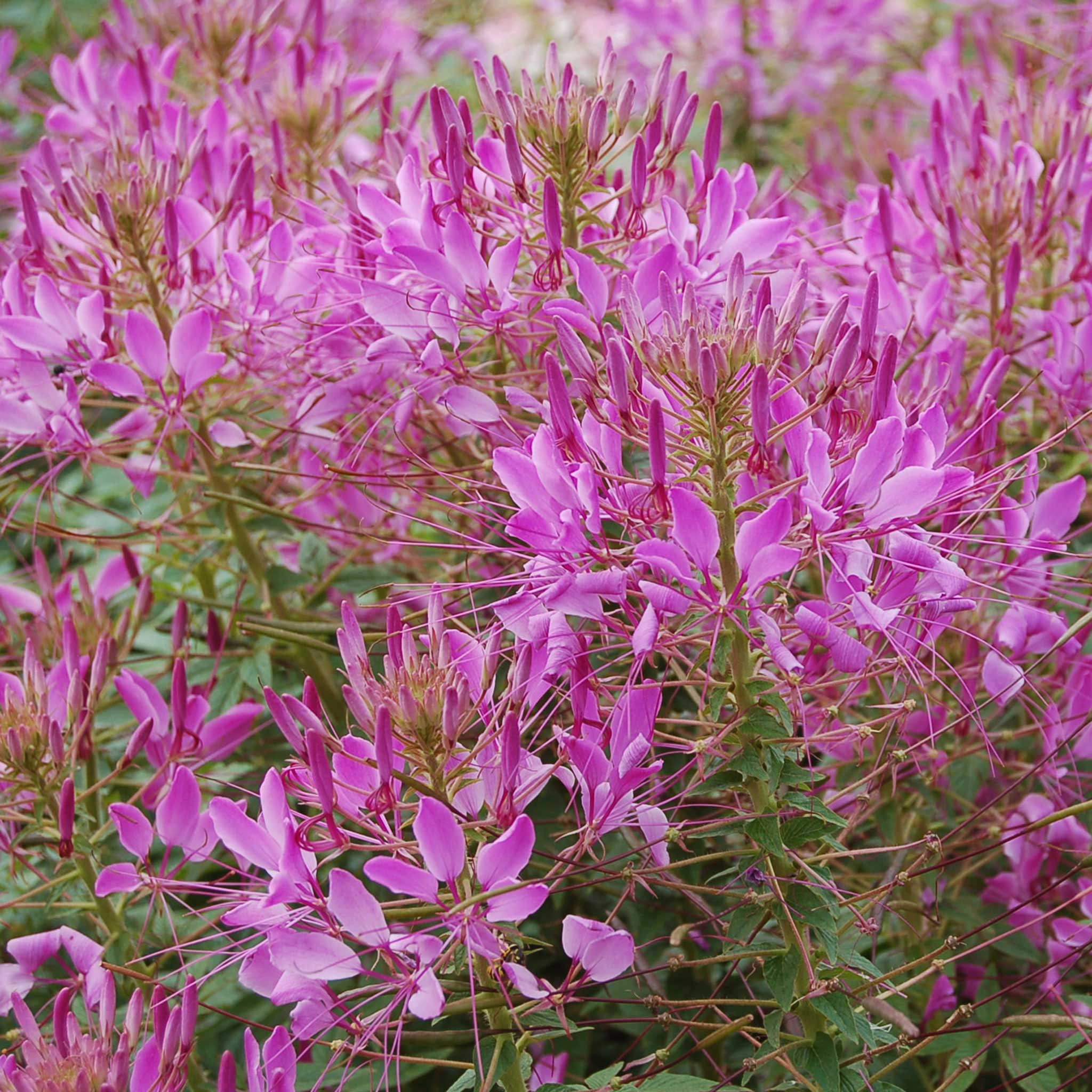
A wonderful cottage garden plant, it mixes well with other tall flowers such as cosmos, snapdragons and zinnias. Attractive to butterflies and hummingbirds cleome requires little care and remains attractive in heat and drought. Resistant to deer and rabbits. Grows 36 inches tall.
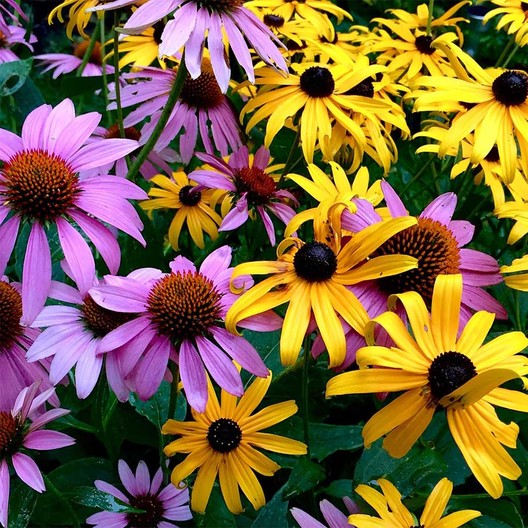
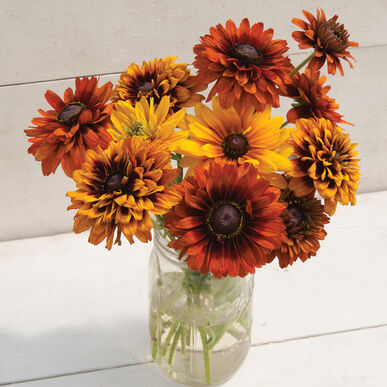
Do you find yourself torn between purple coneflower and black-eyed susan's? Which will it be? Fret not, for we are here to save the day with our Dynamic Duo! Because two is better than one. This is a match made in the stars, so why keep them apart? For zones 3-9, grows up to 48" tall.
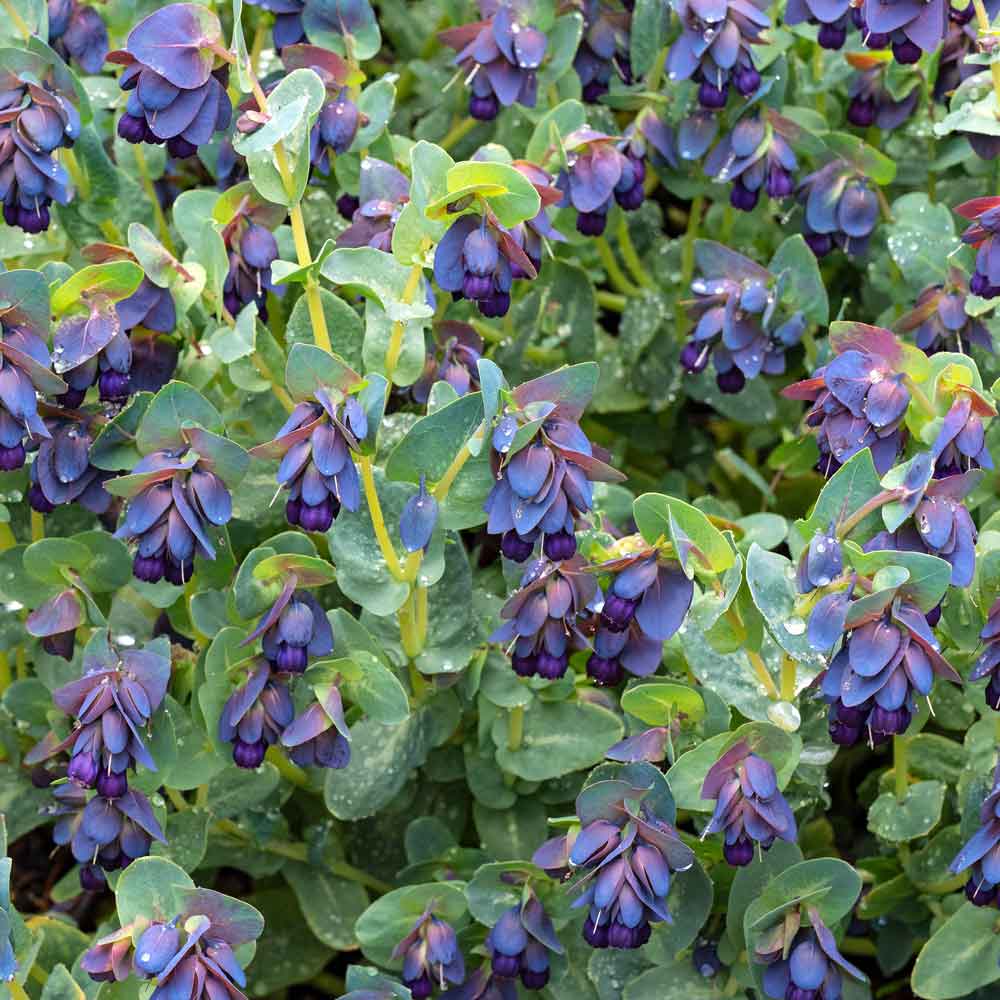
Honeywort produce beautiful plants with purple-blue flowers that bloom in the summer. The flowers have a unique shape and texture, with a tubular structure that flares out into five petals. One of the most striking features of honeywort's flowers is the color. The purple-blue hue is rich and vibrant and can vary in intensity depending on the light and growing conditions. The color is also enhanced by the glossy surface of the petals, which reflects light and creates a luminous effect.
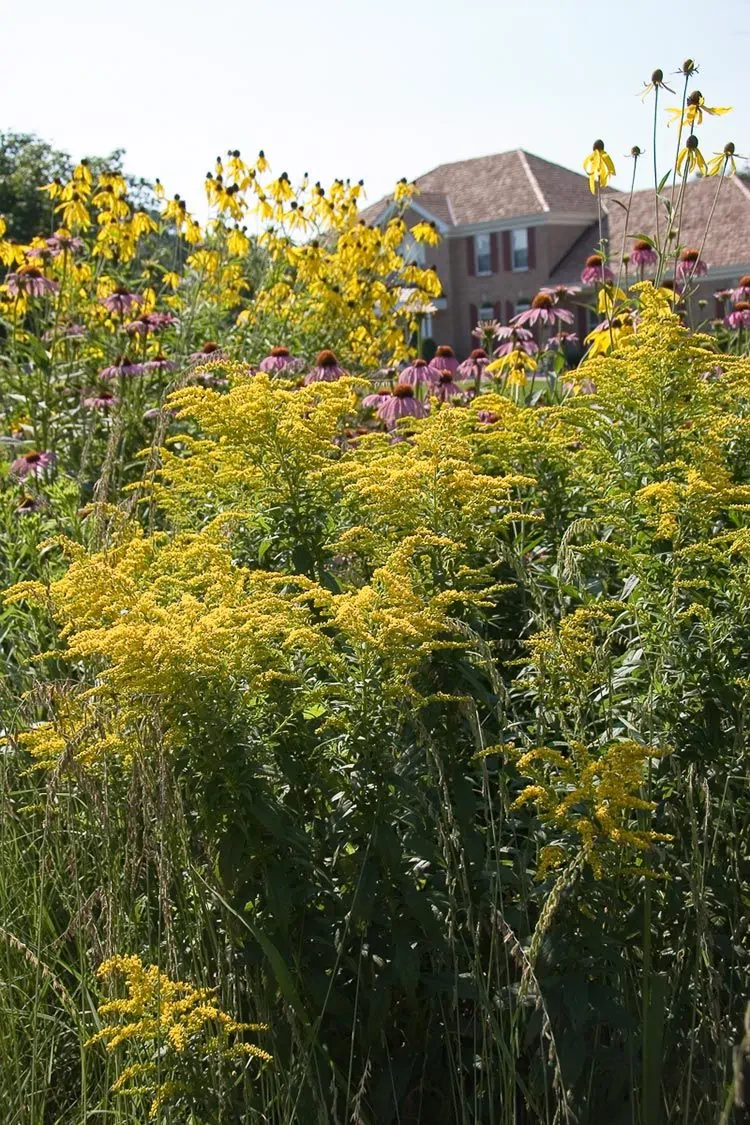
his species is primarily clump-forming and does not spread aggressively as do some of the other goldenrod species and hybrids.
Interesting goldenrod for native plant gardens. Also appropriate for borders, cottage gardens or butterfly gardens. May be grown in herb gardens. Grows 2-4 feet tall, hardy for zones 4-9.

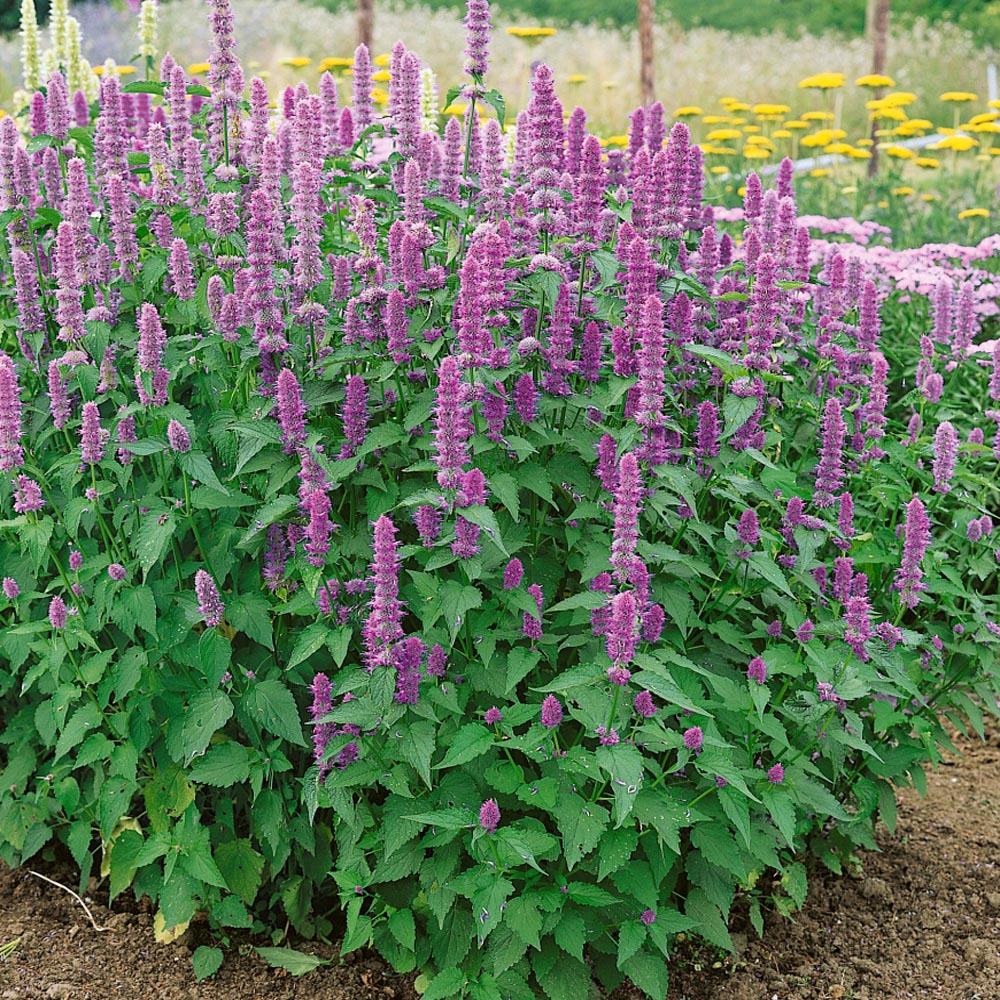
Korean Mint usually reaches 36 inches in height and it's popular with the insects with its liquorice-like scent. These flowers are also very nice for cutting and adding to fresh flower arrangements.
Attracts bees, butterflies and hummingbirds. Korean Mint usually reaches 36 inches in height and it's popular with the insects with its liquorice-like scent. These flowers are also very nice for cutting and adding to fresh flower arrangements. Height: 36 inches. USDA Zones: 4-9. Deer resistant.

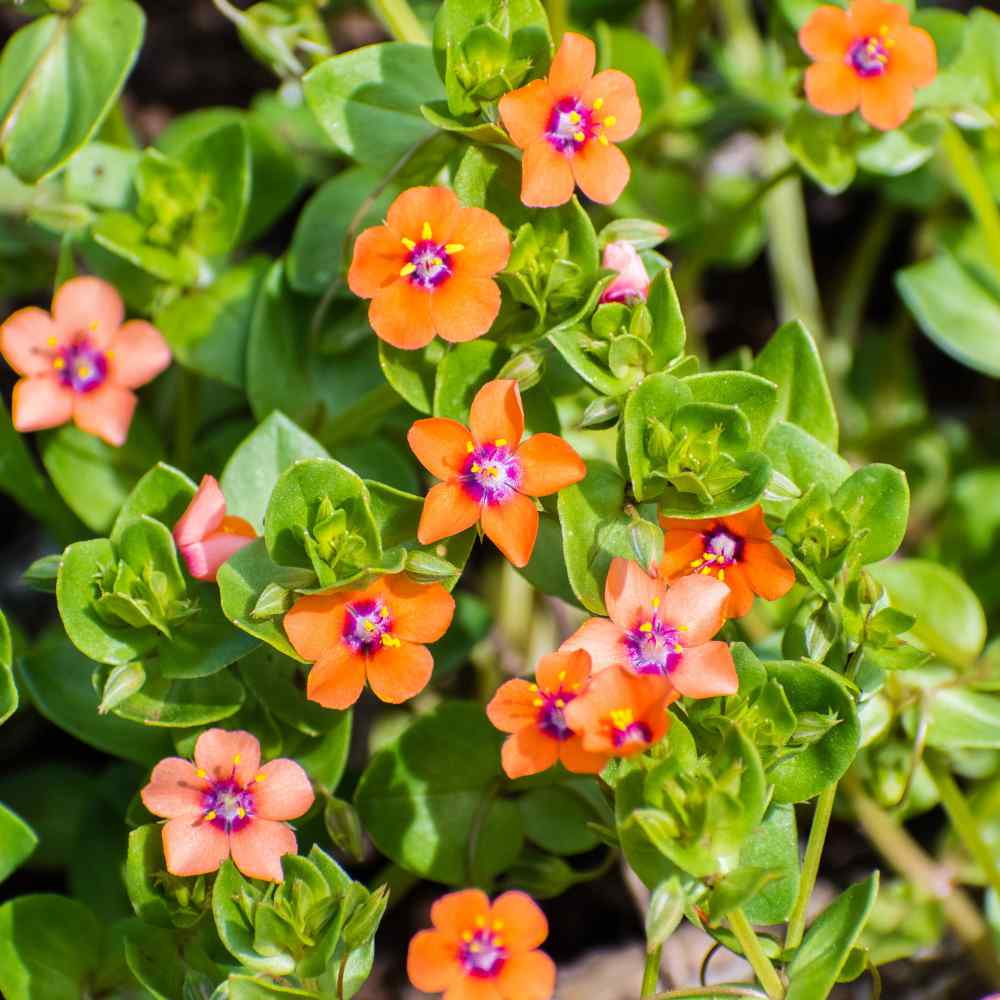
How To Grow Pimpernel: Sow Pimpernel seeds in peat pots and gently press the ground cover seed into soil and barely cover. Pimpernel seeds need light to germinate. You can also directly sow Anagallis Arvensis seeds after all danger of frost has passed in groups of 3-4 seeds spaced 12 inches apart. Thin to the strongest plant. If consumed, Pimpernel ground cover plants can be toxic to livestock and humans.
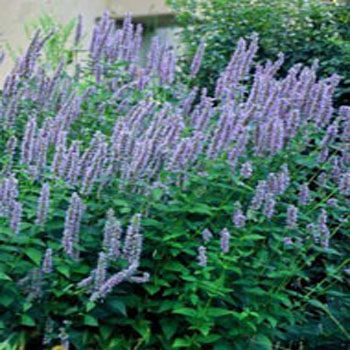
Strongly anise-scented, it is delightful for tea or as culinary seasoning.
Deer cannot stand the aromatic foliage.Beautiful, fragrant purple flowers growing 12-36" tall. Perennial. Zone 4-7.
Seed packs will contain many dormant seeds that may take until second second season to germinate, in addition to seeds that will germinate the first seaon, so be patient with them.
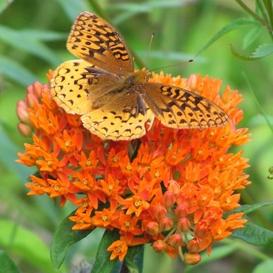
Very bright orange or yellow flowers. U.S. native. This plant's milky white sap may irritate skin. Its stiff, thick branches may act as treillage to support weaker neighboring plants. Attracts bees and butterflies. At any given time you may see species of Monarch, Red Admiral, Painted Lady, Cabbage White, Gray Hairstreak, Western Swallowtail, and many other butterfly varieties feeding on this plant.
Perennial for zones 3-9, grows about 28 inches tall. Cannot ship to HI
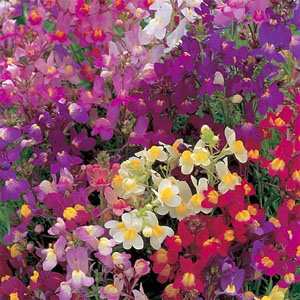
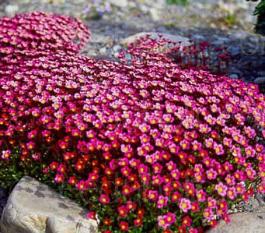
Also, known as Mossy Saxifrage or Purple Robe ground cover, Saxifrages grow well in containers, beds, rock gardens, and anywhere a low-growing, spreading ground cover plant is desired. Mossy Saxifrage plants prefer well-drained soil and full sun to partial shade conditions. Purple Robe does not do well in the hot humid areas. It is both deer and rabbit resistant.
Grows about 6 inches tall, a perennial hardy for zones 4-9. Very tiny seeds! About the size of petunia seeds.
Seeds for Deer Resistant Bushes, Shrubs and Trees

Low growing but prolific blooming, Texas Bluebonnet requires some patience, but little maintenance, once established. The same toughness and tenacity that makes this little Lupine the perfect representation of the Lone Star state also makes it slow to germinate and bloom--but once it does you will not be disappointed!
Bluebonnet flowers are prolific bloomers in early spring and are known for attracting butterflies and a variety of bees, including honeybees.
How To Grow Texas Bluebonnet From Seed: It is recommended to soak Texas Bluebonnet seeds in tepid water over night before sowing outdoors. After soaking, sow the Texas Bluebonnet wildflower seed directly into prepared soil that is loosened and weed free. A late fall sowing is recommended. To keep Texas Bluebonnet wildflowers year after year, allow the seed pods to form and drop their flower seeds. Texas Bluebonnet Lupine is moderately deer resistant and the flowers attract butterflies. An annual that will grow in zones 3-10.
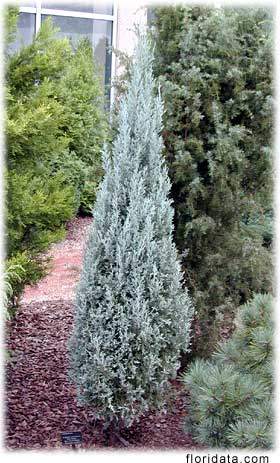
Trees may have male or female cones, but not both. The fruits are fleshy berrylike spherical cones, about one-third inch in diameter. They are bright blue with a whitish bloom and sweet tasting, with thin skins. Rocky Mountain juniper is closely related and quite similar to eastern redcedar, and was once believed to be the same species. But eastern redcedar has fruits that mature in a single season, whereas those of Rocky Mountain juniper take two year to ripen. Also, eastern redcedar had exfoliating bark. The two species hybridize where their ranges overlap.
Location: Rocky Mountain juniper occurs in isolated and scattered localities within a wide band from British Columbia to North Dakota, and south to Arizona and New Mexico. It grows from near sea level in the northern part of its range to more than 8000' above sea level in the south. Rocky Mountain juniper grows in alkaline soils on ridges, cliffs and rocky slopes, sometimes in pure stands, but more often in association with other mountain loving evergreens such as ponderosa pine, pinyon pine and Douglas-fir.
Culture: Rocky Mountain juniper is a slow growing tree
(6-12" per year), but one that can live more than 300 years. In
cultivation it tolerates acidic to alkaline soils, and does
best in those that are loose and well drained. It is best
adapted to culture in western and northern North America.
Light: Seedlings and saplings can tolerate rather dense shade,
but Rocky Mountain junipers, even the smaller cultivars, need
full sun to grow to their full potentials.
Moisture: Rocky Mountain juniper is tolerant of drought, but
perhaps less so than the other junipers. It should be watered
before the soil becomes completely dry. This juniper does
poorly in humid climates, but does fine in hot, dry
climates.
Hardiness: USDA Zones 4 - 7.
Usage: Use any of the cultivars of Rocky Mountain juniper for
attractive foliage effects in all seasons. This evergreen is
useful as a screen, hedge or foundation plant. They make great
anchors or focal points for the ends of hedges or mixed
borders. Rocky Mountain juniper is a tidy, formal accent shrub
alone or in small groups.
Features: Although most cultivars are probably too formal for
naturalistic gardens, Rocky Mountain juniper is ideal for neat,
well-organized landscapes. Most cultivars require little or no
pruning and are relatively free of cultural problems, insects
and diseases. They tolerate heat and drought well.
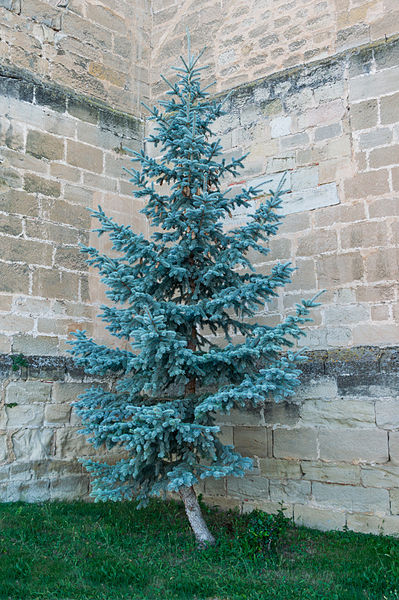

Bark is a gray brown color. Very similar to the Black Hills Spruce. One of the most famous spruces. Often used as a Christmas tree as well because of its shape and fragrance. You must see one in the wild to appreciate its full beauty.
Seeds for Deer Resistant Herb Plants
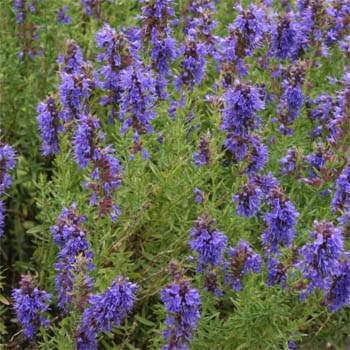
Hyssop is also considered to be a medicinal herb, with the oil obtained from the leaves used to make herbal baths and facials.
Hyssop is an excellent bee plant. Legend has it that beekeepers rubbed their hives with hyssop and other herbs to encourage bees to stay. Hyssop also attracts hummingbirds and butterflies; claims that it keeps cabbage butterflies away from crops or repels flea beetles have not been substantiated.
A perennial hardy growing about 24" tall in zones 3 to 10.
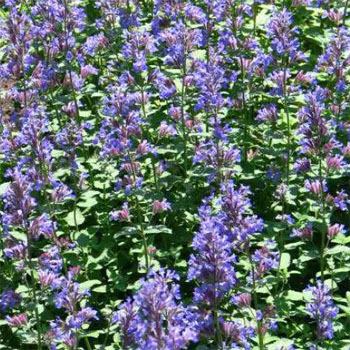
Growing Lemon Catnip is a wonderful way to bring a lemony scent to your landscape or garden, and it's a reliable plant giving years of pleasure. Start these flower seeds indoors in late winter for transplanting out after frosts have passed.
A perennial best suited for zones 4-9.
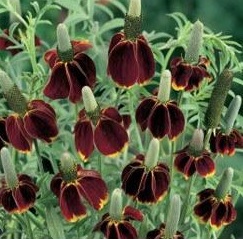
The Mexican Hat flower is a great source of nectar for beneficial insects, and the Ratibida plants are deer resistant.
Suggested Use: Prairies, roadsides, waste places, slopes. Miscellaneous: An excellent variety for cut flower arrangements lasting 5 to 10 days . Flower resembles a colorful Mexican sombrero, hence the name. Mexican Hat.
Good for zones 3-9, will grow 12-36 inches tall depending on conditions.
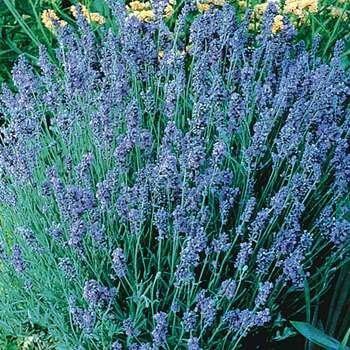
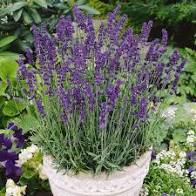
Lavender herb plants are prized worldwide for the gentle and soothing therapeutic properties. Lavandula Vera is one of the richest in essential oils, meaning more fragrance power both fresh and dried. Fresh Lavender flowers can be crystalized and used in candies and cakes; dried flowers are used in potpourris and sachets; oils are used in creams and perfumes. And these are only some of the more common uses - imagination can create endless more!
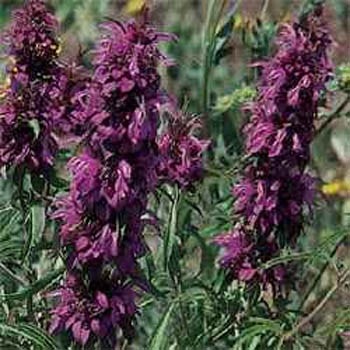
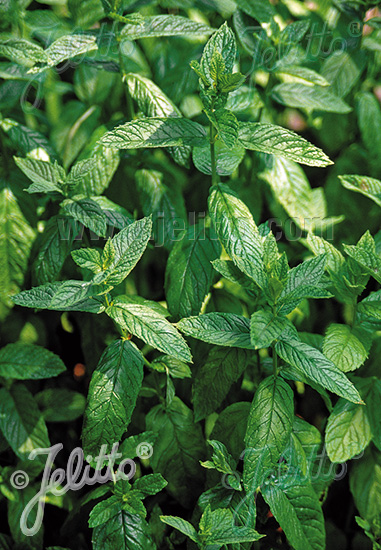
Spearmint has strong flavor and fragrance that is released with simple bruising. It's the best mint variety for hot and cold drinks. Toss bruised leaves into ice water for a refreshing summer drink or add to iced tea. Spearmint is favored for flavoring beverages such as mojito. Also know as Yerba Buena. Spreading plant is great for containers. Tolerates light frost.
A perennial plant for zones 4-9, and can be grown in containers.
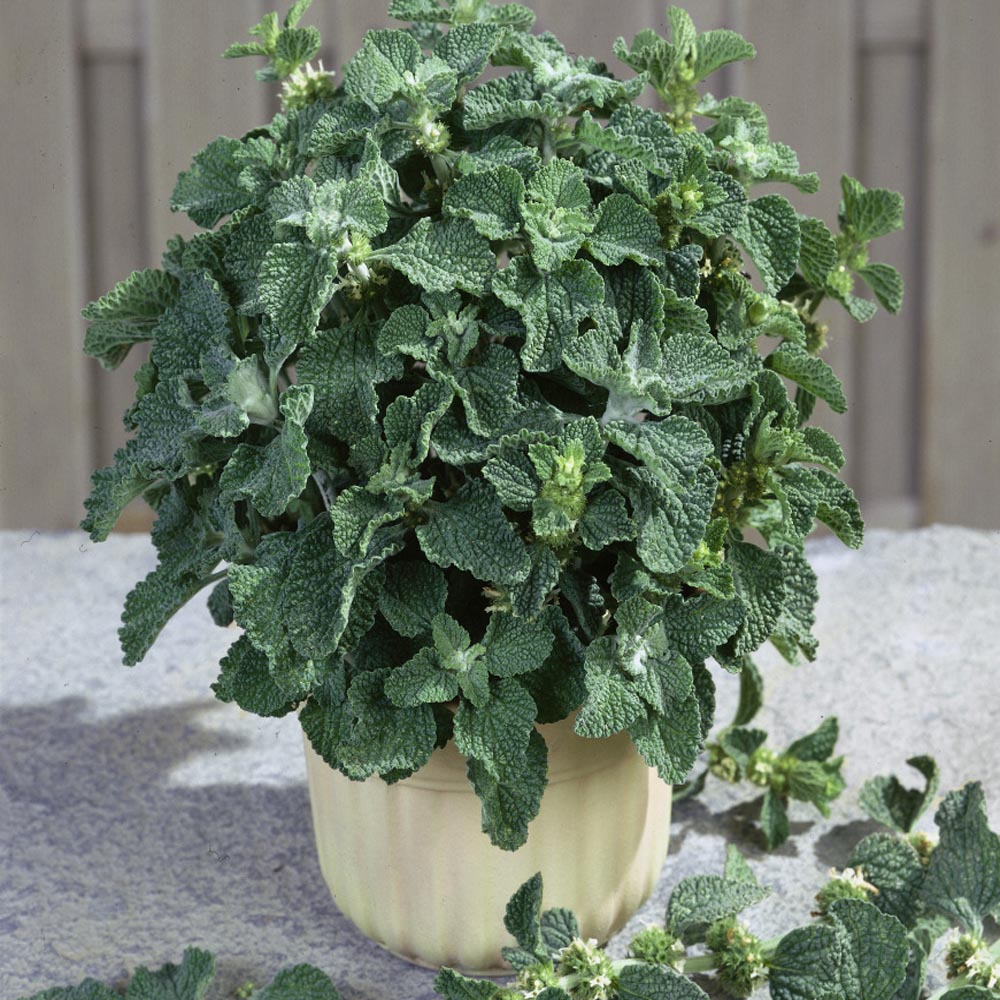
Grow the Horehound herb plants in any well-drained soil in full sun. Keep cutting back for new flushes of growth and extended harvests. The leaves and flowers lose their flavor quickly, so snip them into smaller pieces to dry on screens. When dry, crumble and store in jars. Cut the flowers and harvest it heavily each season as this plant is a liberal self-sower, dropping its own Horehound seeds and spreading.
A perennial plant for zones 4-8, growing 18-24" tall.
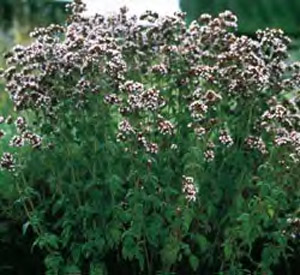
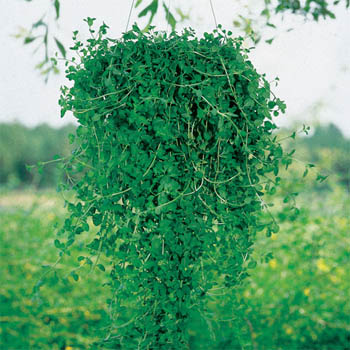
Ground pennyroyal is one of the most effective tick deterrents available.
As a flea deterrent, dried pennyroyal leaves can be scattered around pet's bedding area.
As a pest repellent, crushed pennyroyal stems stuck in your hat and pockets really will repel gnats and mosquitoes. Dog owners often see their dogs rolling in pennyroyal patches, and dog instincts can usually be trusted.
A perennial plant for zones 6-9, but can also be grown inside.
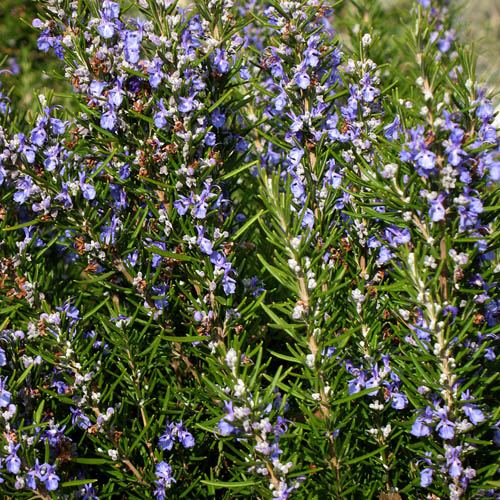
A perennial outside in zones 7-10, but often grown inside as a kitchen herb.
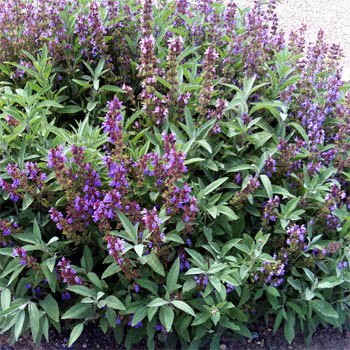
It is also a very attractive, evergreen perennial that produces mauve colored flowers during the blooming season. It is an excellent ground cover for edging sidewalks or garden pathways where its attractive foliage and flowers can be appreciated. Many people also dry sage for creating aromatic wreaths and dried flower arrangements. It's such a versatile plant, growing in a rock garden or bordering an herb garden and so easy to start from seeds.
Containing naturally-occurring vitamins and minerals, the herb sage is best known as a culinary spice that adds flavor to poultry dishes. However, sage has been used for hundreds of years in folk medicine to treat a variety of different ailments. Most commonly drunk as a tea, sage herb is good for the nerves, digestive system and for balancing estrogen levels in women.
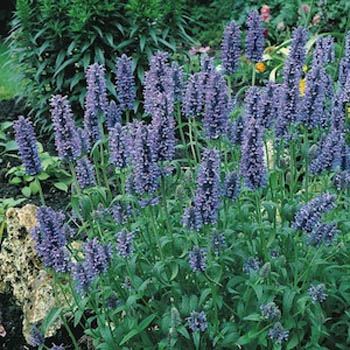
Catnip is a perennial herb from the mint family. It has a square, hairy stalk with typically gray green colored heart shaped leaves that have scalloped edges. Flowers grow in spikes, reaching 1/2 inch in length.
It is best known for its ability to get cats high.
Native to Europe and Asia, catnip became naturalised in North America and Canada after being introduced by the colonists in the 1600s. The name Nepeta is believed to have come from the town of Nepete in Italy, and Cataria is thought to have come from the Latin word for cat.
The active ingredient that causes a high in cats is an essential oil called nepetalactone, which can be found in the leaves and stems of the plant.
Because cats affected by catnip roll on the floor, which mimics a female in estrus, it has been suggested that the plant acts as an aphrodisiac, but this is unlikely, as males react the same way as females. What is probable is the cat is reacting to similar feel good pheromones released during sexual courtship/activity. However, non sexual behaviour including playing, chasing, and hunting can also be observed.
Around 50 to 66% of cats are affected by catnip, and to differing degrees. Kittens younger than eight weeks old aren't able to enjoy its effect; in fact, they show an aversion to it. The response to catnip is mediated through the olfactory system. When nepetalactone enters the cat's nasal passages, it binds to olfactory receptors located at the olfactory epithelium. This stimulates sensory neurons, which trigger neurons in the olfactory bulb to send signals to the brain. The response to catnip is inherited as an autosomal dominant gene, which means the gene only needs to be passed on from one parent.
It's not just domesticated cats who enjoy the effects of catnip; many other wild species of cats also enjoy it. Cats can smell 1 part per billion in the air. Males and females, fertile or desexed there appears to be no one group more readily affected by catnip than another.
A typical response includes sniffing, chewing, licking, head shaking, and chin, cheek, and body rubbing (in that order). Additional responses may include stretching, drooling, jumping, licking, aggression, and hyperactivity. Sniffing that produces the high; it is believed that cats eat catnip to bruise the catnip, thereby releasing more of the nepetalactone. The high produced will usually last between five and ten minutes, followed by a one hour refractory period.
Interestingly, researchers say that nepetalactone is about ten times more effective at repelling mosquitoes than DEET, which is the active ingredient in most insect repellents. It was also discovered that catnip repels cockroaches! Plants aren't alone in containing nepetalactone; some insects and ants also contain it. It's been speculated that this protects them from other insects.
Rats and mice are also believed to have a strong dislike of catnip and will avoid places where it grows.
Is catnip harmful to cats? Catnip is not harmful to your cat. They won't overdose on it. Most cats know when they've had enough and will refuse any further offers.
A perennial best suited for zones 4-9.
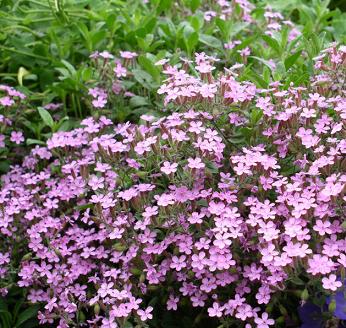
A perennial for zones 3-9, can also be container grown.
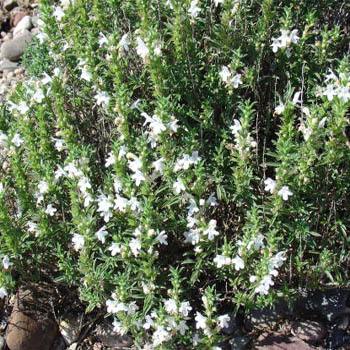
Plants can be pruned to form a low-growing aromatic hedge for the herb garden. It prefers a location in full sun and average well-drained soil. Once it is established, the plant does not require a lot of water. Plants do well in containers. The plants are also very attractive to beneficial insects.
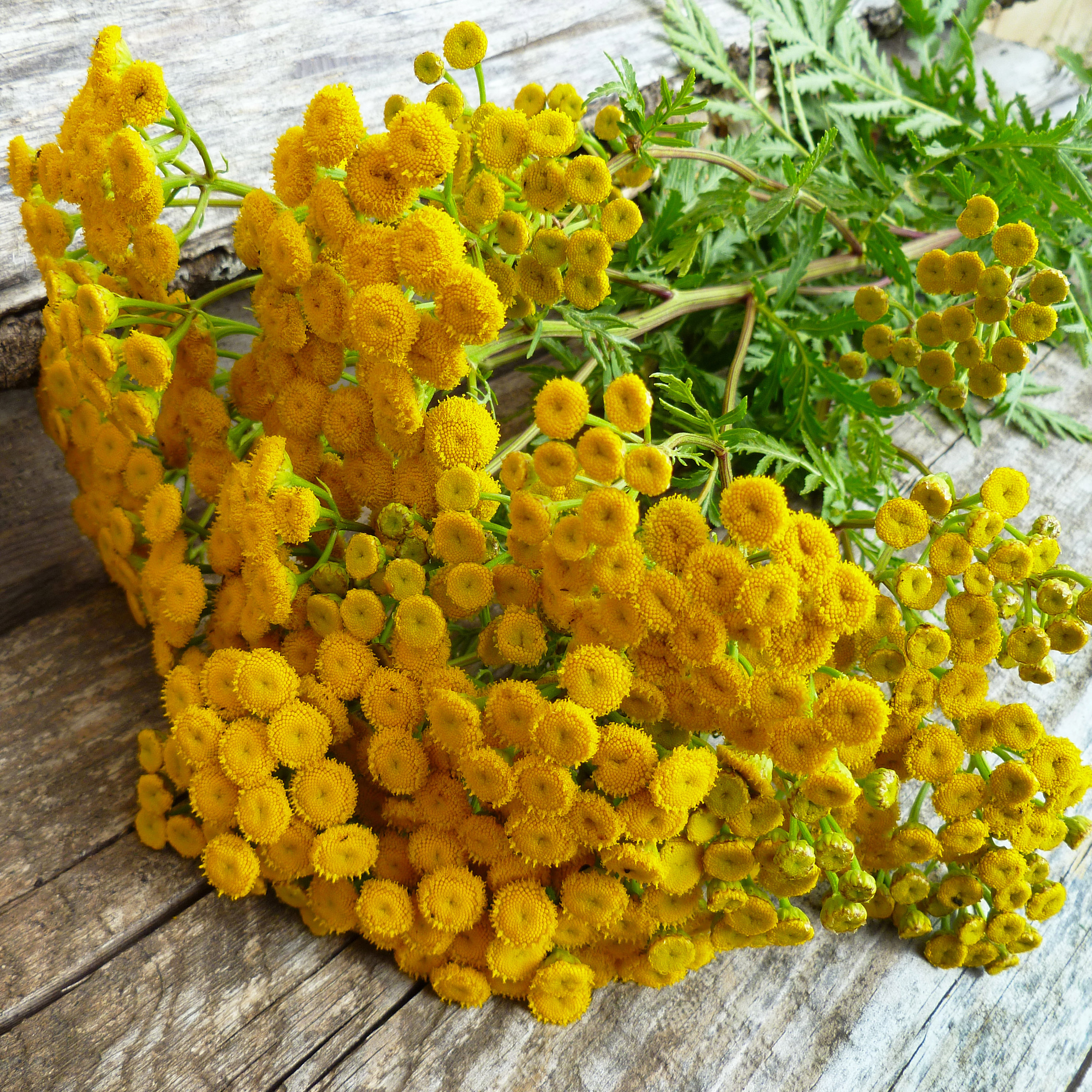
A perennial plant for zones 3-9. Cannot ship to MN, WY
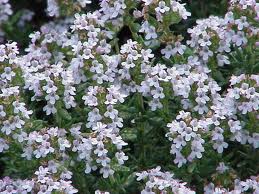
It even makes a pretty patch of small ground cover. Growing thyme provides an anchor in an herb garden in areas where it is evergreen in winter. Thyme is also perfect for containers, either alone or in combination with plants that won't shade it out.
It is not only attractive in the perennial border or herb garden, but it also attracts birds, bees and butterflies to the garden as well. It is also commonly referred to as Garden Thyme or English Thyme.
This variety is often planted near vegetables to help control flea beetles and several cabbage pests.
A perennial for zones 4-9.

Contact Us | Privacy Policy | About Us
Serving gardeners since 1992
State of Mississippi Seedmen's Permit #C-391, Ohio 90152, Minnesota 20086777