
Herbal Tea Plants for the Garden
Brewing herbal teas is very simple. We recommend using the infusing method, that is pouring boiling water over the herbs and allowing them to steep for 3-5 minutes, then straining the tea and serve. Teas can be served cold or hot, according to preference.
Making the perfect tea is a personal preference, we recommend
using the following guidelines starting out:
For one cup of herbal tea, use 3 teaspoons of fresh herbs, or 1
teaspoon of dried herbs. For one gallon, use 6 ounces ( about
2½ cups ) of fresh herbs, or ¾ cups dried herbs. If
using fresh herbs, gently bruise or crush the leaves to help
release flavor and aroma. Never let the herbs set in the tea for
over a day as this may allow tannic acid to release into the tea,
which can be irritating to the stomach.
Be sure to use only herbs that have not been treated with
pesticides.
There are many herbal teas that can be made from exotic herbs, but we have chosen to list the more common herbs that gardeners are apt to raise for other purposes as well as tea.
We offer the following seed packets for growing your own
herbal tea plants:
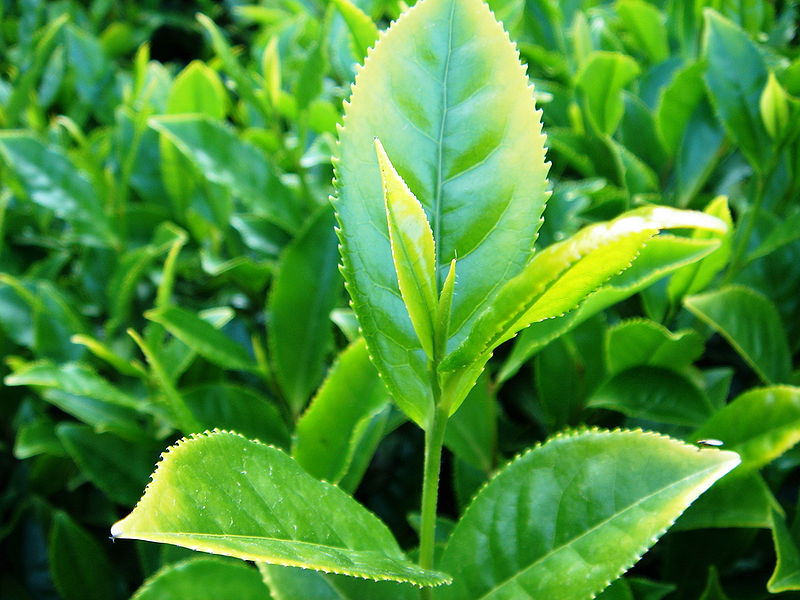

This is the tea produced commercially around the world. The tender, young leaves are used in the process of tea production.
Can be grown in tubs inside, or in cool greenhouses, outdoors in warm climates. Prefers moist, well drained, humus rich, slightly acidic ( 5.5-6.5 )soil. We recommend maintaining a 2-3 inch deep mulch of shredded bark or leaves around base of plant.
Hardy to zone 8, can be grown in zone 7 with protection. To make green tea, pick only the top 3 leaves from new growing tips, spread and dry in the shade for 6-8 hours, then in an open pot, heat ( simmer ) the leaves, stirring frequently for about an hour.
Click here for an informative site on growing and making your own tea. For black tea, you must ferment the leaves. USDA Zones 8 to 11.
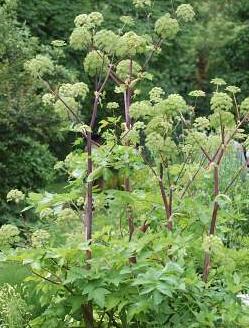
Angelica will grow to a height of 4-6 ft. and prefers partial shade and a moist, slightly acidic soil.
Parts of plant to use for tea: Leaves, seeds.
Taste: A very light taste, somewhat like celery. Best if sweetened with honey.
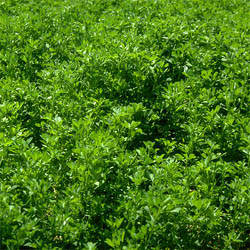
This strain of alfalfa can be made into a tea by placing two teaspoons of dried leaves in a cup of boiling water and soaking for 15 minutes. This tea is used to treat arthritis, boils, digestive disorders, urinary tract infections and bowel disorders. The chlorophyll in this brew will also dispatch of bad breath. Eating the sprouts in salads is also very beneficial.
Parts of plant to use for tea: Leaves and seeds.
Taste: Somewhat of a bland taste, some describe it as the taste
of new mown hay. We recommend mixing with red clover, mints or
lemon verbena and sweetening with honey. Your really should
drink this tea for it's nutritional benefits.
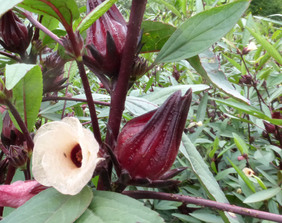
Roselle was called "Florida cranberry" in the 1890s.
In the Caribbean, sorrel drink is made from sepals of the roselle. It is prepared by boiling dried sepals and calyces of the sorrel/flower of the plant in water for 8 to 10 minutes (or until the water turns red), then adding sugar. It is often served chilled. This is done in Trinidad and Tobago, Guyana, Antigua, Barbados, St. Lucia, Dominica, Grenada,and Jamaica where it is called 'sorrel'.
In the UK, the dried calyces and ready-made sorrel syrup are widely and cheaply available in Caribbean and Asian grocers. The fresh calyces are imported mainly during December and January to make Christmas and New Year infusions, which are often made into cocktails with rum.
Rosella flowers are sold as Wild Hibiscus flowers in syrup in Australia as a gourmet product. Recipes include filling them with goats cheese; serving them on baguette slices baked with brie; and placing one plus a little syrup in a champagne flute before adding the champagne, the bubbles cause the flower to open.
In Nigeria, rosella jam has been made since colonial times and is still sold regularly at community fetes and charity stalls. It is similar in flavour to plum jam, although more acidic. It differs from other jams in that the pectin is obtained from boiling the interior buds of the rosella flowers. It is thus possible to make rosella jam with nothing but rosella buds and sugar.
In Burma, the buds of the roselle are made into 'preserved fruits' or jams. Depending on the method and the preference, the seeds are removed or included. The jams, made from roselle buds and sugar, are red and tangy.
In India, Roselle is commonly made into a type of pickle. "Sorrel jelly" is manufactured in Trinidad. The flowers and young leaves are edible and have a citrus tang. Space plants 3-6 ft. apart, the wider the spacing, the more calyxes will ripen.
Frost-tender perennial. Germination: 75-85°F, 7-14 days. Transplant after last frost. Full sun. 36-60 in. tall.
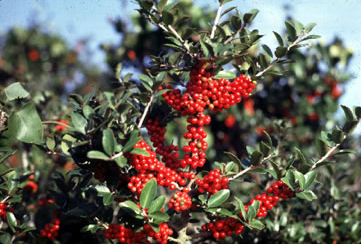
The leaves are small, leathery and bright green and are not prickly like other hollies. The flowers attract bees and butterflies. This holly can rapidly reach 10 to 20 feet tall and 8 to 12 feet wide, so allow proper spacing when planting multiples. It will form thickets unless the suckers are removed.
Though occasionally used for hedging, it is primarily used for landscaping. The wood of the Ilex vomitoria is heavy and hard, making it useful for turnery, inlay work, and other woodenware. The plant is also culturally significant: Native Americans used the leaves and stems to make a tea containing caffeine, a unique quality in a North American plant. Rediscovered in modern times, yaupon tea made from dried leaves is now commercially available. Add this picturesque and useful plant to your garden today!
Grow as a container plant or outside in zones 7-9.
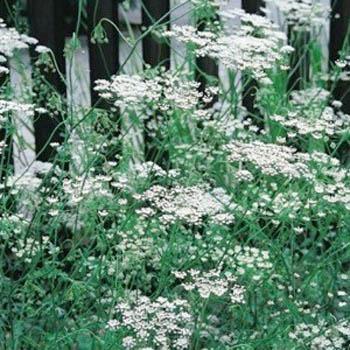
Anise tea is one of the best herbal teas that you could ever hope to make. It has a delicious flavor, and is said to be helpful in the treatment of asthma, colic, bronchitis and nausea. It is also said to be helpful in promoting milk production in nursing mothers. A cup of Anise tea just before bedtime will help you rest better and sleep soundly. Leaves and seeds used to flavor licorice.
Delicious in salads. Seeds often used in applesauce, cakes, breads, soups and stews. Seeds have also been used for ages as a mousetrap bait, it is said that mice cannot resist the aroma of the seeds.
Parts of plant to use for tea: Leaves and seeds.
Taste: Very pleasant sweet licorice like taste and delightful aroma. Needs no sweeteners or other flavorings.
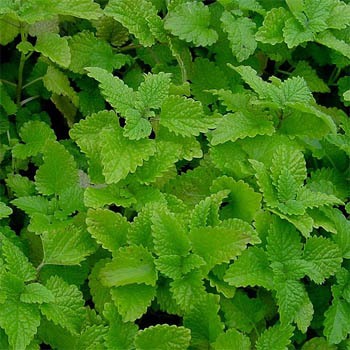
Parts of plant to use for tea: Leaves
Taste: A light, lemony flavor that needs no other flavorings added, in fact it is a good flavoring herb to mix with other herbal teas.
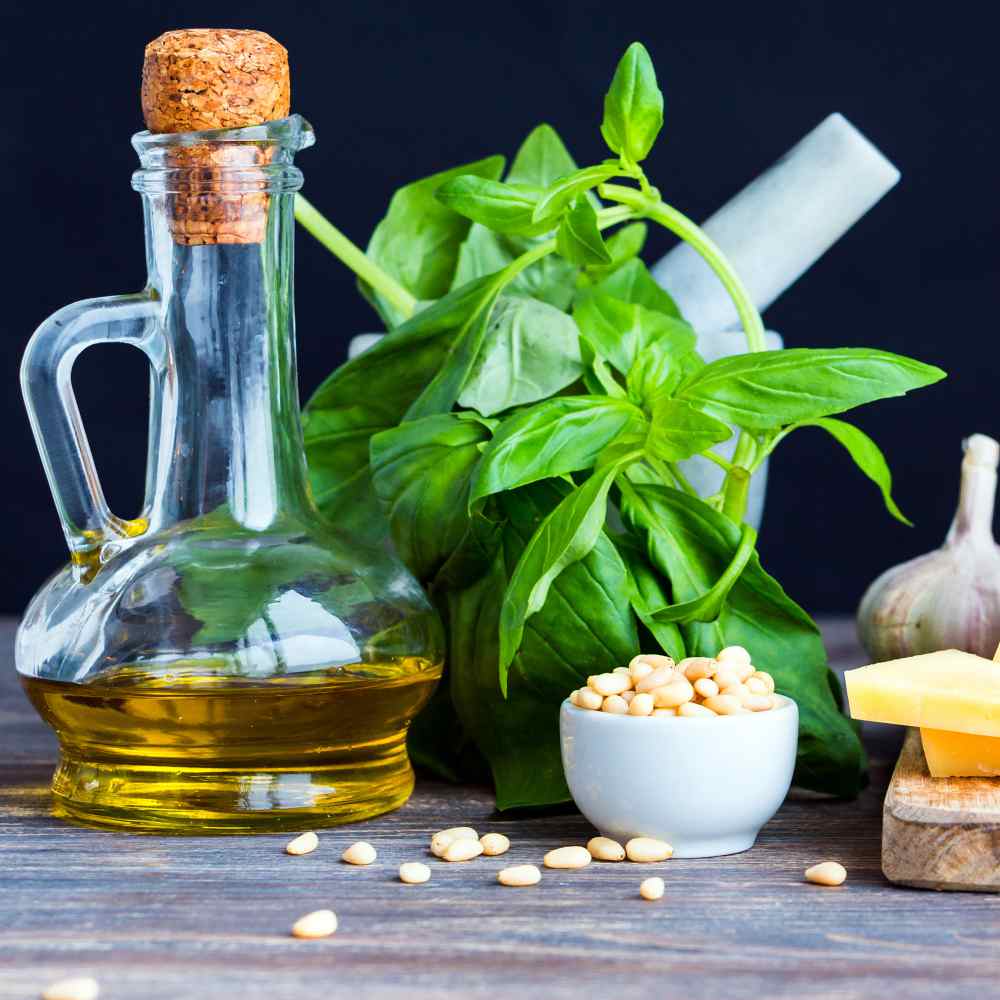
This Basil grows 18 to 24 inches high and 12 to 15 inches wide. The dark green, shiny leaves grow up to 3 inches long. Pick the extra large leaves and use them fresh or dried in tomato dishes, pasta sauces, vegetables and soups. Basil is at its most flavorful when fresh. The best time to harvest is just as the plant starts to set flower buds, well before flowers bloom. Harvest leaves continually to encourage new growth. Pinch out growing tips to encourage bushier plants and to delay flowering.
Adds zest to everything. Very fragrant flowers and leaves. Good potpourri addition.
Parts of plant to use for tea: Leaves
Taste: Unique, spicy clove-like flavor.
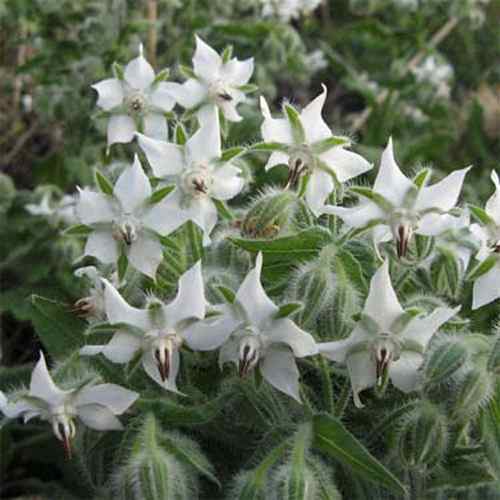
Plant this unusual 24 inch annual herb for its pure ornamental value, to attract much-coveted bees to your garden, and to harvest for teas and other summer drinks. When young, the cucumber flavored leaves may be added to salads. The flowers (which are excellent for cutting and have a long vase-life) are used as garnishes (in cold drinks like ice tea and lemonade) or added to salads. Cut sprays of Borage all summer long to garnish and add flavor to cold drinks and salads! Borage plants are also considered to be a great companion plant for vegetable gardens and orchards because of the attraction of bees to the blue flowers. Plant Borage seeds where pollination is needed! Borage is sometimes called Starflower or Bee Bread.
Borage is a hardy annual which means that the seeds can be sown outside in the early spring, or even in the fall and overwintered in the soil ready to come up at the first signs of spring.
Borage seeds need complete darkness to germinate. Plants grow 2-3 feet tall.
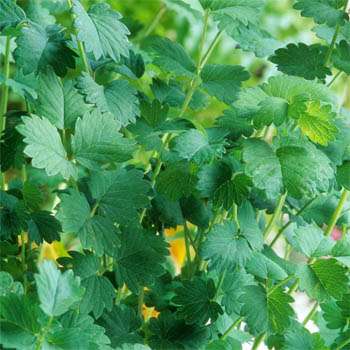
Parts of plant to use for tea: Leaves
Taste: Fresh cucumber like flavor.
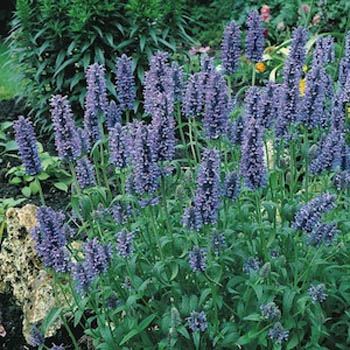
Parts of plant to use for tea: Leaves
Taste: An aromatic tea with a minty flavor.
Parts of plant to use for tea: Leaves
Taste: Has a sweet, anise flavor.
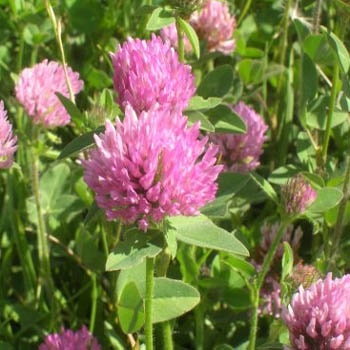
Parts of plant to use for tea: Flowers ( Dried )
Taste: Clover has a sweet, delicate flavor. Excellent with a few drops of honey.
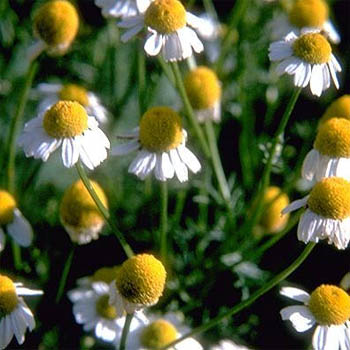
If you want to harvest flowers for making Chamomile tea, it is best to collect flowers on a sunny day (ensuring that the flowers are fully open), then dry them in the sun. Discard the stems and leaves and store the chamomile flowers in an air tight container.
German Chamomile is most often used for medicinal purposes, and is usually administered as a tea. It can also be administered as a compress for external healing and as a bath for babies. Here are a few uses:
Soothes and relaxes at bedtime.
Relieves restlessness, teething problems, and colic in children.
Relieves allergies, much as an antihistamine would.
Aids digestion when taken as a tea after meals.
Relieves morning sickness during pregnancy.
Speeds healing of skin ulcers, wounds, or burns.
Treats gastritis and ulcerative colitis.
Other Uses
Makes a relaxing bath or footbath.
Lightens fair hair and conditions complexion. Make a rinse by simmering 2 teaspoons dried flowers in 8 ounces of water for 15 minutes.
Potpourri (dry flowers face down.)
Parts of plant to use for tea: Flowers only. Taste: A rather pleasant taste, made very nice with a little bit of honey.
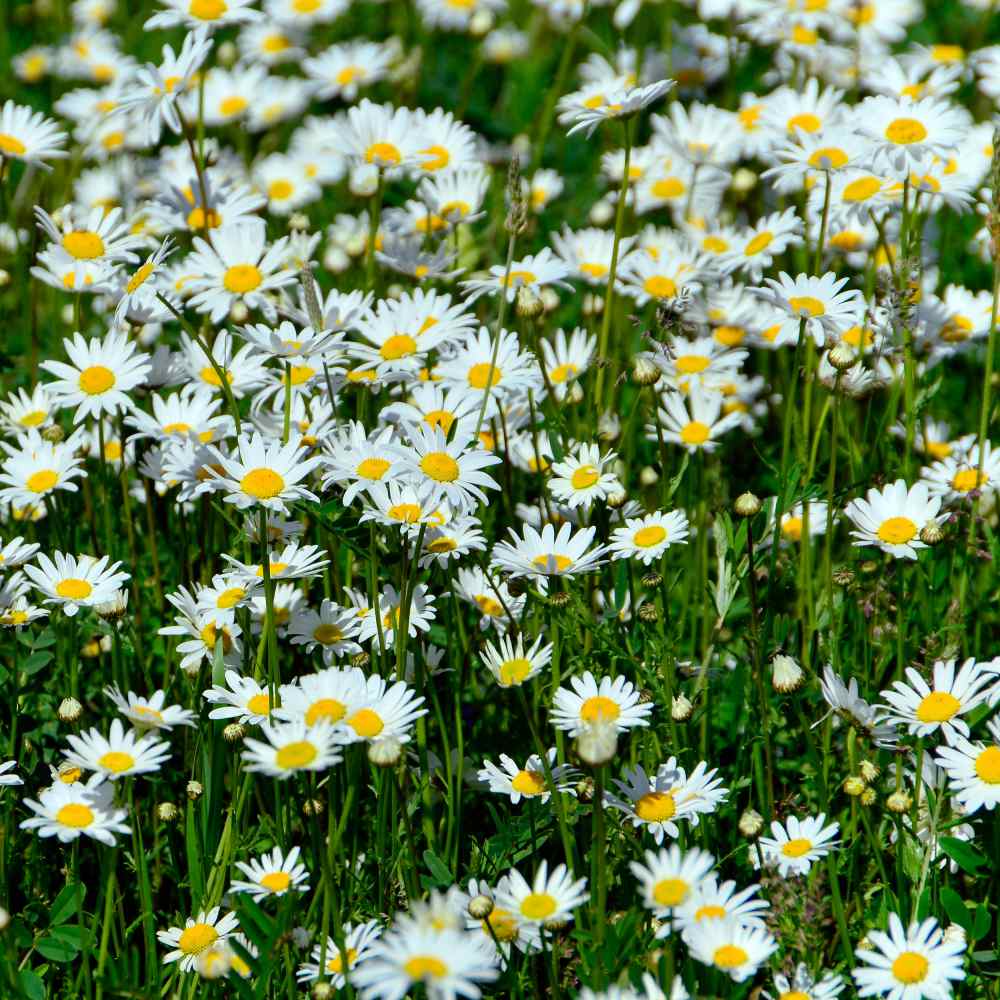
This herbal carpet can even be used as a lawn substitute. This species is grown for the famous British Chamomile lawns.
Roman Chamomile plants may deteriorate in very cold or wet winters, but they will most likely recover. Harvest chamomile flowers when they are first fully opened. Use them fresh or freeze them for later use. Another benefit is that the flowers are used in herbal teas and are said to have medicinal properties.
Often used as a ground cover, Roman Chamomile holds soil in place even on slopes, it spreads to fill in gaps, and it blocks out most weeds. It can be mowed (after flowering and set the mower on the highest setting), and it tolerates light foot traffic. This ground cover is unique, aromatic, attractive and is well-suited for covering large areas and can be started by sowing the herb seeds ( Sow on cultivated soil. Sowing Rate: Approximately 5,000 seeds covers 100 square feet. Average Germ Time: 7 - 10 days. Keep moist until germination. Depth: Surface sow, cover lightly with peat moss. )
Attracts honeybees and birds. Young leaves and flowers can be gathered to make a calming tea, both fresh and dried.
Grows well in zones 4-9.
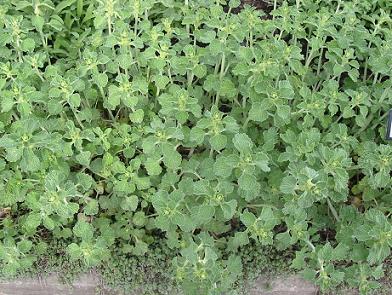
Parts of plant to use for tea: Leaves
Taste: Has a bittersweet, musky flavor. Much improved by adding honey.
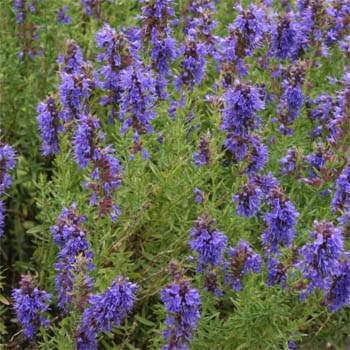
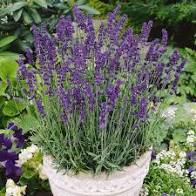
Lavender herb plants are prized worldwide for the gentle and soothing therapeutic properties. Lavandula Angustifolia Vera is one of the richest in essential oils, meaning more fragrance power both fresh and dried. Fresh Lavender flowers can be crystalized and used in candies and cakes; dried flowers are used in potpourris and sachets; oils are used in creams and perfumes. And these are only some of the more common uses - imagination can create endless more!
Parts of plant to use for tea: Flowers
Taste: Sweet, very aromatic.
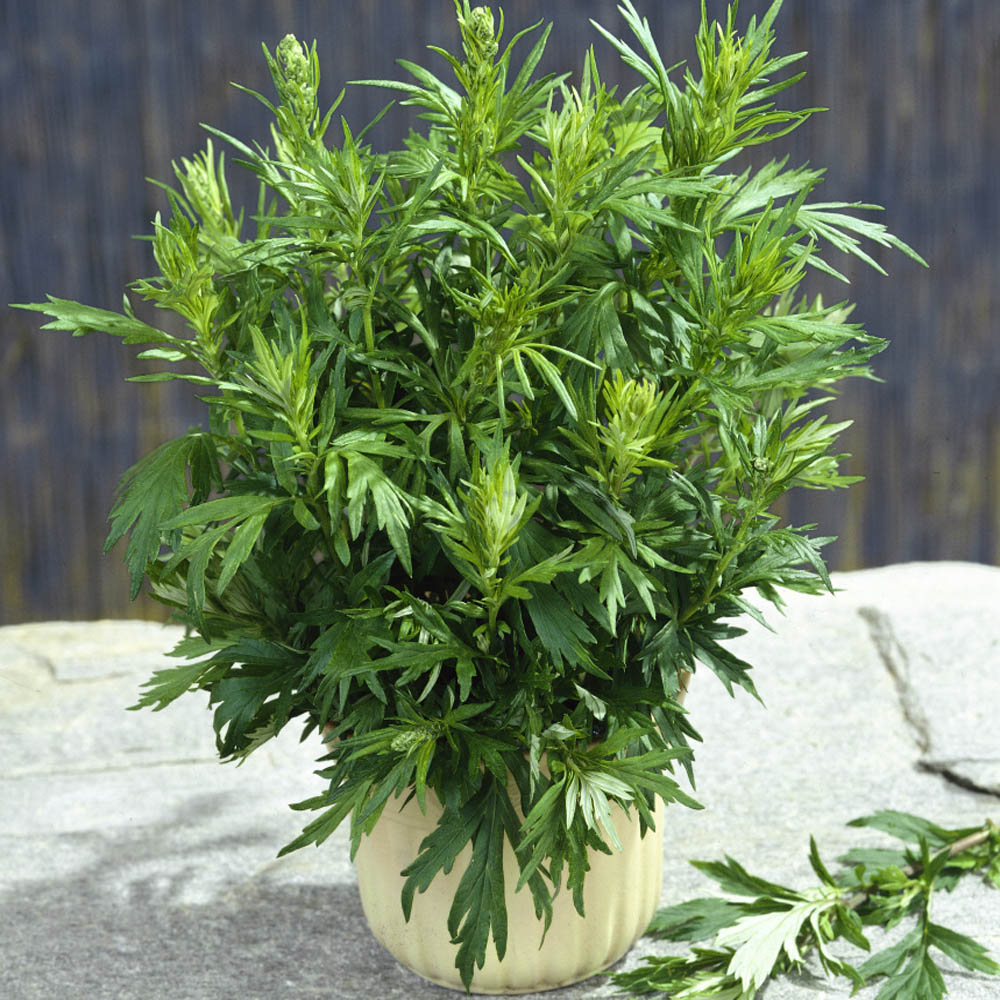
Parts of plant to use for tea: Flowers and Leaves
Taste: Very refreshing, tangy taste.
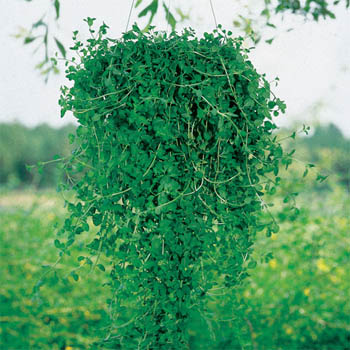
& Parts of plant to use for tea: Tops and leaves before flowering.
Taste: Strong sweet, minty flavor. Very aromatic.
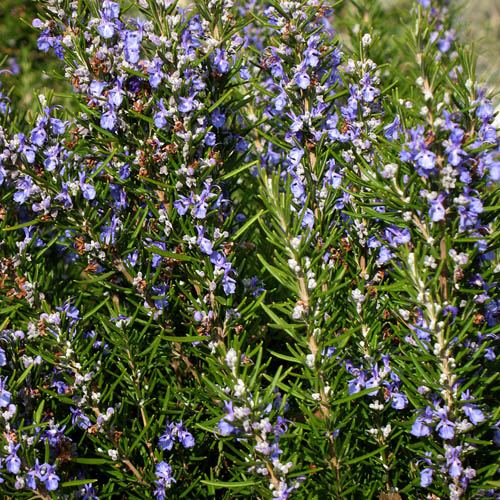
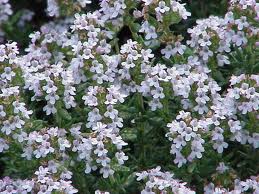
It even makes a pretty patch of small ground cover. Growing thyme provides an anchor in an herb garden in areas where it is evergreen in winter. Thyme is also perfect for containers, either alone or in combination with plants that won't shade it out.
It is not only attractive in the perennial border or herb garden, but it also attracts birds, bees and butterflies to the garden as well. It is also commonly referred to as Garden Thyme or English Thyme.
This variety is often planted near vegetables to help control flea beetles and several cabbage pests.
A perennial for zones 4-9.

Contact Us | Privacy Policy | About Us
Serving gardeners since 1992
State of Mississippi Seedmen's Permit #C-391, Ohio 90152, Minnesota 20086777