
Our Favorite Acacias
Acacias are easily grown trees native to Australia where they are known as Wattles. Almost all acacia make good container plants inside and all can be raised outside in warmer climates. Below are some of our favorites:
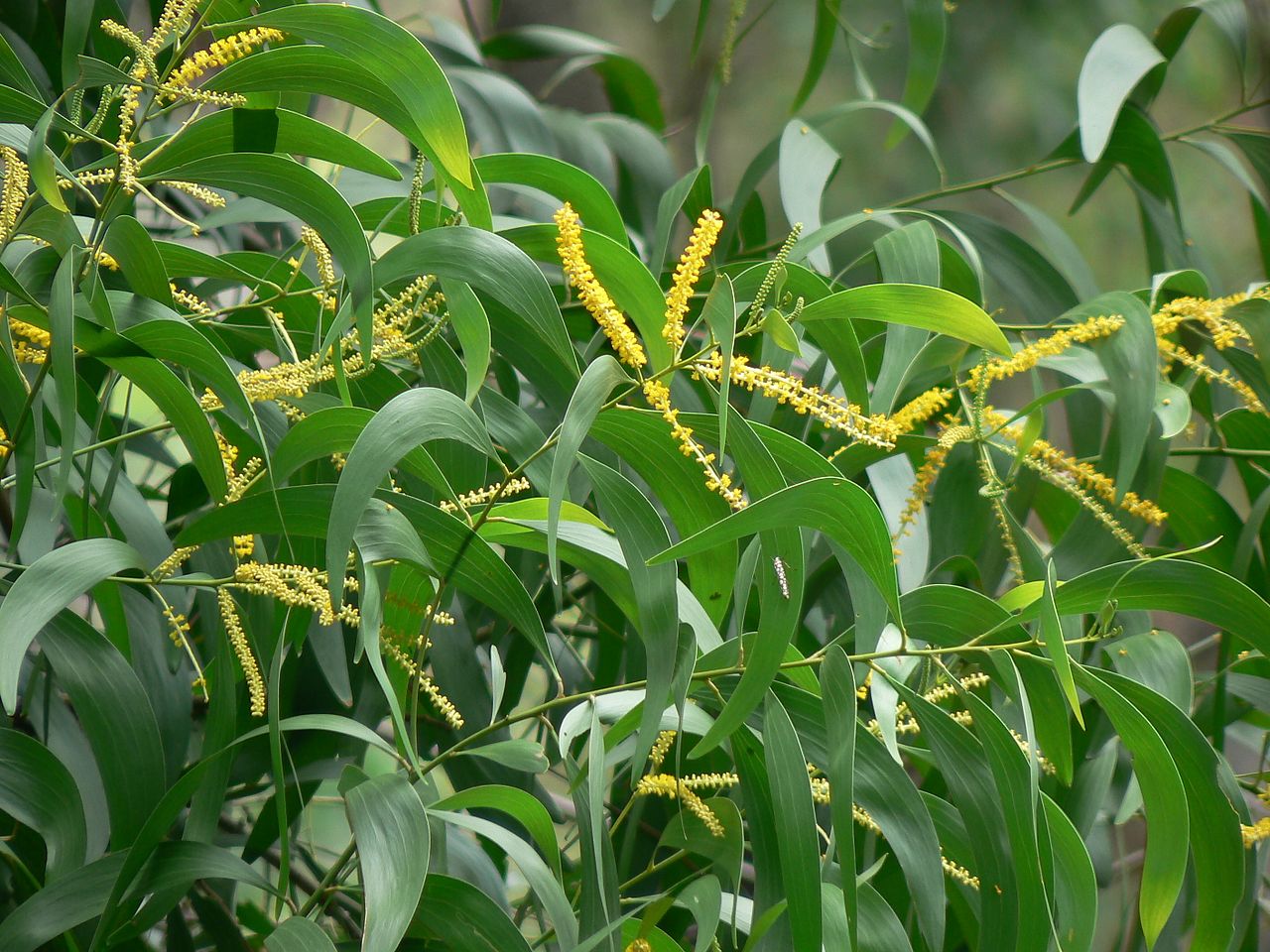
Earleaf Acacia is a fast-growing evergreen tree native to Australia, Papua New Guinea, and Indonesia. It is widely admired for its graceful form, attractive curved foliage, bright golden flowers, and exceptional adaptability to difficult growing conditions.
Unlike many acacias that possess finely divided leaves, Earleaf Acacia develops unique sickle-shaped phyllodes (modified leaf stems) that resemble large curved leaves. These glossy green phyllodes create a lush tropical appearance and provide year-round beauty.
Mature trees typically reach 30 to 50 feet in height with a broad, rounded canopy. During the flowering season, the branches become decorated with masses of fragrant golden-yellow flower spikes that contrast beautifully against the dark green foliage.
Its rapid growth, attractive appearance, and tolerance of heat make it a valuable specimen lawn tree in warm climates.
Landscape Uses- Specimen lawn tree
- Shade tree
- Tropical landscapes
- Coastal plantings
- Windbreaks
- Reforestation projects
- Wildlife landscapes
- Street tree plantings
Its dense canopy and attractive foliage make Earleaf Acacia especially useful where quick shade and year-round greenery are desired.
Important Landscape NoteEarleaf Acacia grows rapidly and develops best when planted in full sun with room to mature. Once established, it becomes highly tolerant of heat, drought, poor soils, and coastal conditions.
Germination Information- Scarify seeds by nicking or lightly sanding the seed coat.
- Pour hot (not boiling) water over seeds and allow to soak overnight.
- Sow approximately ¼ inch deep.
- Maintain temperatures between 70-90°F.
- Keep soil lightly moist.
- Germination generally occurs within 1-3 weeks.
- Botanical Name: Acacia auriculiformis
- Plant Type: Evergreen Shade Tree
- USDA Zones: 9-11
- Sun Exposure: Full Sun
- Mature Height: 30-50 Feet
- Mature Spread: 20-40 Feet
- Growth Rate: Fast
- Soil Preference: Adaptable, well-drained soils
- Water Requirements: Low to Moderate
Earleaf Acacia performs exceptionally well in sandy, rocky, and nutrient-poor soils. Once established, it requires very little maintenance and tolerates extended dry periods.
Container GrowingSeedlings can be grown in containers for several years, but permanent landscape planting is recommended due to the tree's rapid growth and eventual size.
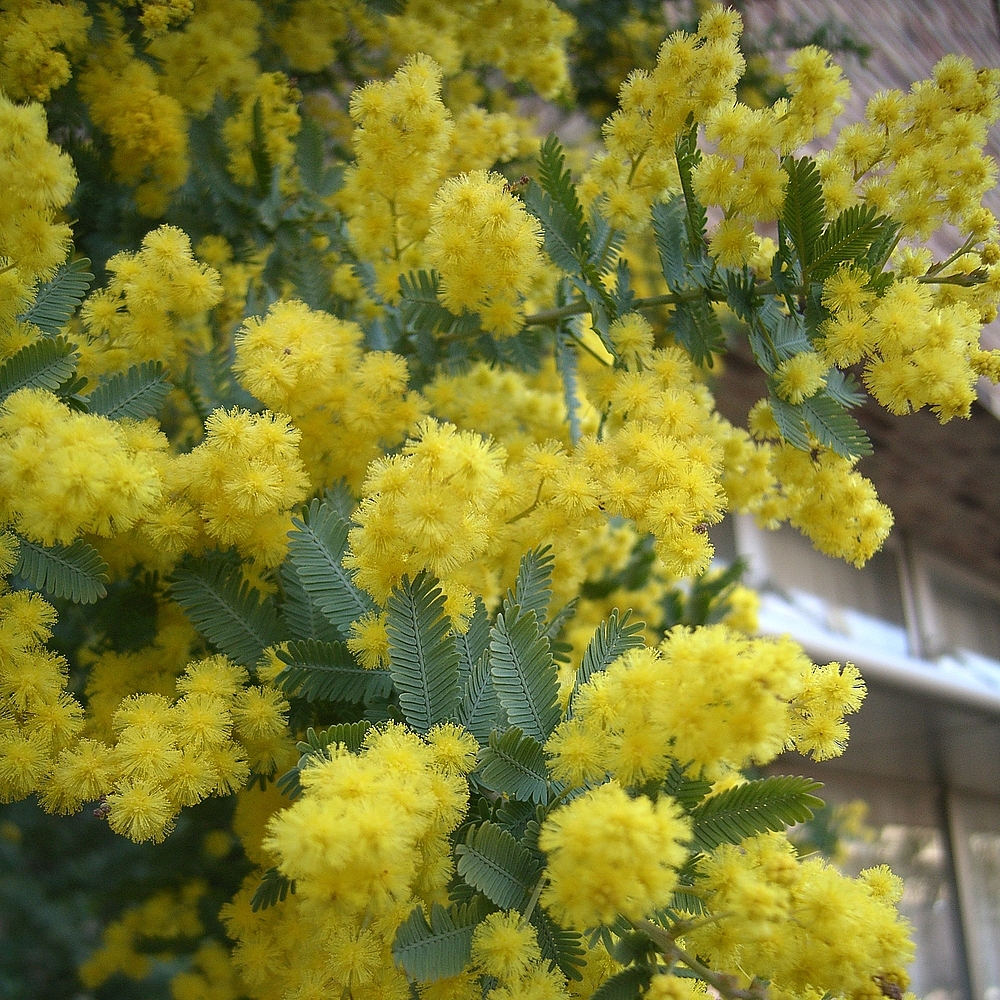
Golden Mimosa is one of the most dazzling flowering trees in the world. Native to New South Wales, Australia, this elegant small tree is renowned for its feathery silver-blue foliage and breathtaking masses of brilliant golden-yellow flowers that can completely cover the canopy during bloom season.
Mature trees typically reach 15 to 30 feet in height with a graceful, rounded crown. The finely divided foliage creates a soft, fern-like texture that remains attractive throughout the year, even when the tree is not in flower.
During late winter and early spring, the tree bursts into bloom, producing thousands of fluffy golden flower clusters. The display is so intense that the foliage often becomes nearly hidden beneath the brilliant yellow blossoms.
As a specimen lawn tree, Golden Mimosa provides a dramatic splash of color when few other trees are in bloom.
Landscape Uses- Specimen lawn tree
- Accent tree
- Mediterranean landscapes
- Fragrant gardens
- Early-season color gardens
- Estate landscapes
- Pollinator gardens
- Collector plantings
Its brilliant flowering display makes Golden Mimosa one of the finest focal-point trees for mild-climate landscapes.
Important Landscape NoteGolden Mimosa performs best in sunny locations with excellent drainage. The tree is particularly valued for bringing vibrant color to the landscape during late winter when many gardens appear dormant.
Germination Information- Scarify seeds lightly or pour hot (not boiling) water over seeds and allow them to soak overnight.
- Sow approximately ¼ inch deep.
- Maintain temperatures between 70-85°F.
- Keep soil lightly moist.
- Provide bright light.
- Germination typically occurs within 1-4 weeks.
- Botanical Name: Acacia baileyana
- Plant Type: Evergreen Flowering Tree
- USDA Zones: 8-11
- Sun Exposure: Full Sun
- Mature Height: 15-30 Feet
- Mature Spread: 15-25 Feet
- Growth Rate: Fast
- Soil Preference: Well-drained soils
- Water Requirements: Low to Moderate
Golden Mimosa thrives in sunny locations and adapts well to sandy, rocky, and average garden soils. Once established, it exhibits excellent drought tolerance.
Container GrowingYoung specimens may be grown in large containers for several years, but mature plants are best appreciated as landscape specimens where their canopy and flowering display can fully develop.
Growing/Planting/Info Page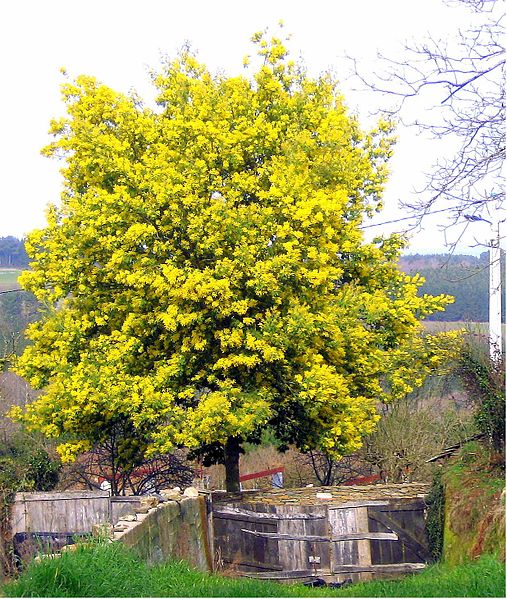
Silver Wattle is one of the most spectacular flowering trees ever introduced into ornamental horticulture. Native to southeastern Australia and Tasmania, this elegant evergreen tree is celebrated for its silvery-blue foliage and breathtaking displays of golden-yellow flowers that illuminate the landscape during late winter and early spring.
The finely divided foliage gives the tree a soft, feathery appearance throughout the year. The leaves possess a beautiful silver-gray sheen that creates an attractive contrast with surrounding landscape plants.
Mature trees typically reach 30 to 60 feet in height with a broad, graceful canopy. During bloom season, thousands of fragrant golden flower clusters cover the branches, often making the tree appear entirely yellow from a distance.
Its combination of colorful foliage and brilliant flowers makes Silver Wattle one of the finest specimen lawn trees for mild-climate landscapes.
Landscape Uses- Specimen lawn tree
- Flowering accent tree
- Mediterranean landscapes
- Estate gardens
- Pollinator gardens
- Fragrant landscapes
- Coastal plantings
- Winter-interest gardens
Silver Wattle is especially valuable for providing dramatic color during seasons when many other landscape trees remain dormant.
Important Landscape NotePlant Silver Wattle where its flowering display can be viewed from a distance. During peak bloom, the tree becomes one of the most visually striking features in the entire landscape.
Germination Information- Scarify seeds lightly or soak in hot water overnight.
- Sow approximately ¼ inch deep.
- Maintain temperatures between 70-85°F.
- Keep soil lightly moist.
- Provide bright light.
- Germination generally occurs within 1-4 weeks.
- Botanical Name: Acacia dealbata
- Plant Type: Evergreen Flowering Tree
- USDA Zones: 8-11
- Sun Exposure: Full Sun
- Mature Height: 30-60 Feet
- Mature Spread: 20-40 Feet
- Growth Rate: Fast
- Soil Preference: Well-drained soils
- Water Requirements: Low to Moderate
Silver Wattle thrives in sunny locations and adapts well to sandy, rocky, and moderately poor soils. Once established, it demonstrates excellent drought tolerance and rapid growth.
Container GrowingYoung plants may be maintained in containers for several years, but mature trees require landscape planting to accommodate their size and canopy development.
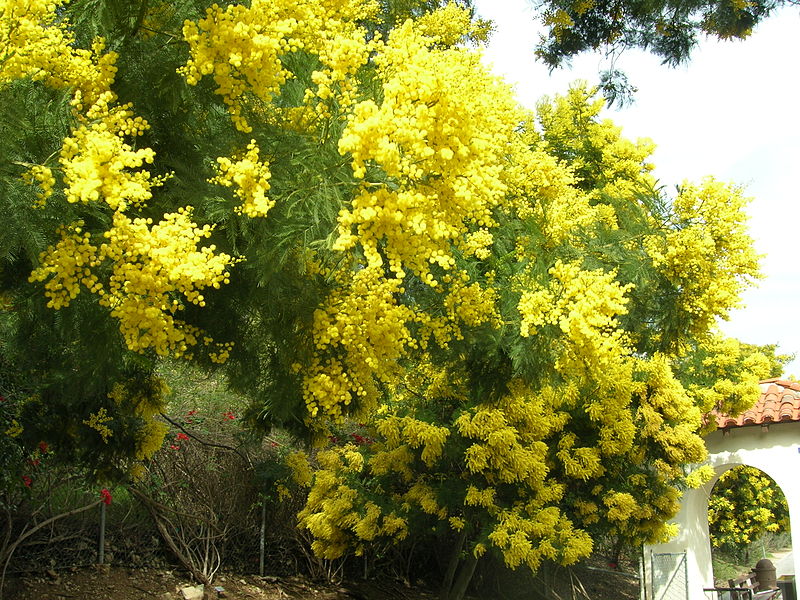
Wattle Bark, commonly known as Green Wattle, is a fast-growing evergreen tree native to southeastern Australia. It is admired for its graceful fern-like foliage, fragrant golden flower clusters, and attractive smooth bark. The species has long been valued both as an ornamental landscape tree and as an important commercial source of tannins.
Mature trees typically reach 30 to 50 feet in height with a broad, open canopy that provides filtered shade. The finely divided blue-green foliage creates a soft, airy texture that remains attractive throughout the year.
During late winter and early spring, the tree becomes covered with masses of fragrant yellow flower clusters that brighten the landscape when few other trees are blooming. The flowers create a spectacular display and are often visible from great distances.
Its elegant form and rapid growth make Wattle Bark an excellent specimen lawn tree for warm-climate landscapes.
Landscape Uses- Specimen lawn tree
- Shade tree
- Flowering accent tree
- Estate landscapes
- Pollinator gardens
- Windbreaks
- Reforestation projects
- Coastal landscapes
The combination of attractive foliage and brilliant flowers makes Green Wattle a standout focal point in the landscape.
Important Landscape NoteWattle Bark grows rapidly and performs best in sunny locations with good drainage. Its quick growth makes it useful where fast landscape impact is desired.
Germination Information- Scarify seeds lightly or soak in hot water overnight.
- Sow approximately ¼ inch deep.
- Maintain temperatures between 70-85°F.
- Keep lightly moist.
- Provide bright light.
- Germination usually occurs within 1-4 weeks.
- Botanical Name: Acacia decurrens
- Plant Type: Evergreen Flowering Tree
- USDA Zones: 8-11
- Sun Exposure: Full Sun
- Mature Height: 30-50 Feet
- Mature Spread: 20-35 Feet
- Growth Rate: Fast
- Soil Preference: Adaptable, well-drained soils
- Water Requirements: Low to Moderate
Green Wattle adapts well to a variety of soils and growing conditions. Once established, it demonstrates excellent drought tolerance and is capable of thriving in relatively poor soils.
Container GrowingYoung seedlings can be grown in containers temporarily, but the tree's rapid growth and eventual size make permanent landscape planting the preferred option.
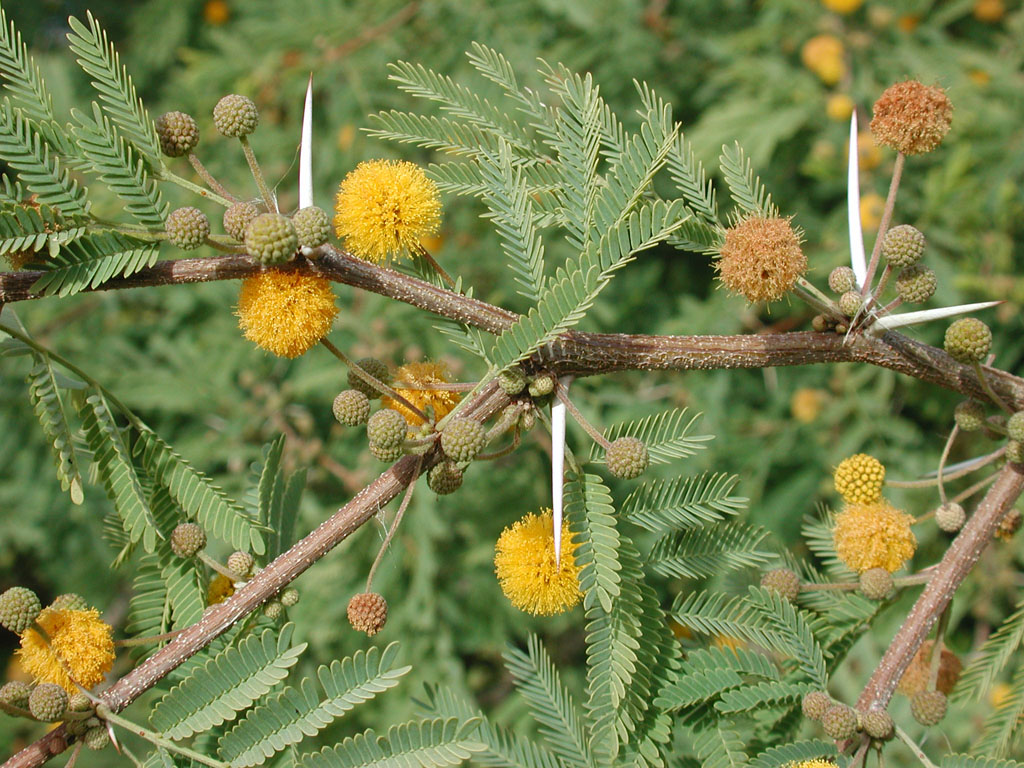
Perfume Acacia is one of the most fragrant flowering trees in the world. Native to tropical and subtropical regions of the Americas, this elegant small tree has been cultivated for centuries because of its intensely sweet perfume, attractive foliage, and exceptional drought tolerance.
Mature specimens typically reach 15 to 25 feet in height with a rounded, spreading canopy. The finely divided fern-like foliage creates a delicate texture that remains attractive throughout the year in warm climates.
During flowering season, the branches become adorned with hundreds of bright golden-yellow puffball blossoms. While the flowers are small, their fragrance is extraordinary, often carrying considerable distances on warm breezes. The scent is rich, sweet, and often compared to violets, honey, and fine perfume.
As a specimen lawn tree, Perfume Acacia provides year-round beauty while filling the landscape with one of nature's finest fragrances.
Landscape Uses- Specimen lawn tree
- Fragrant garden focal point
- Xeriscape landscapes
- Mediterranean gardens
- Pollinator gardens
- Courtyard plantings
- Wildlife landscapes
- Estate gardens
Perfume Acacia is particularly effective when planted near patios, walkways, windows, and outdoor seating areas where its fragrance can be fully enjoyed.
Important Landscape NotePlant Perfume Acacia where air currents can carry the fragrance through the garden. During bloom season, even a single tree can perfume a large portion of the landscape.
Germination Information- Scarify seeds by lightly nicking or sanding the seed coat.
- Soak seeds in warm water overnight.
- Sow approximately ¼ inch deep.
- Maintain temperatures between 70-90°F.
- Keep soil lightly moist.
- Germination generally occurs within 1-4 weeks.
- Botanical Name: Acacia farnesiana
- Plant Type: Evergreen to Semi-Evergreen Flowering Tree
- USDA Zones: 8-11
- Sun Exposure: Full Sun
- Mature Height: 15-25 Feet
- Mature Spread: 15-25 Feet
- Growth Rate: Moderate
- Soil Preference: Well-drained soils
- Water Requirements: Low
Perfume Acacia thrives in heat, drought, and poor soils. Once established, it becomes one of the most dependable flowering trees for warm, dry climates.
Container GrowingYoung plants may be grown in large containers for several years. Container-grown specimens often make outstanding patio plants where their fragrance can be enjoyed up close.
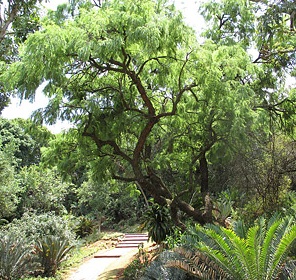
Sweet Thorn is one of Africa's most beloved flowering trees. Native to southern Africa, this hardy and adaptable species is famous for its fragrant golden blossoms, graceful canopy, and ability to thrive under difficult growing conditions.
Mature trees typically reach 20 to 40 feet in height with a rounded crown that provides welcome shade across the landscape. The finely divided foliage creates a soft, feathery appearance similar to many of the world's most ornamental acacias.
During the flowering season, the canopy becomes decorated with hundreds of bright golden puffball blossoms. These flowers are highly fragrant and often fill the surrounding landscape with a sweet honey-like scent.
The attractive foliage, brilliant flowers, and elegant form make Sweet Thorn a beautiful specimen lawn tree in warm climates.
Landscape Uses- Specimen lawn tree
- Shade tree
- Wildlife landscapes
- Pollinator gardens
- Drought-tolerant gardens
- Savanna-style plantings
- Estate landscapes
- Naturalized landscapes
Its graceful canopy and dependable flowering display make Sweet Thorn a valuable ornamental tree as well as an important wildlife plant.
Important Landscape NoteSweet Thorn develops protective thorns along its branches. While these contribute to wildlife value and historical grazing protection, placement should be considered in areas with heavy pedestrian traffic.
Germination Information- Scarify seeds by lightly nicking or sanding the seed coat.
- Soak seeds in warm water overnight.
- Sow approximately ¼ inch deep.
- Maintain temperatures between 70-90°F.
- Keep soil lightly moist.
- Germination typically occurs within 1-3 weeks.
- Botanical Name: Acacia karroo
- Plant Type: Evergreen to Semi-Evergreen Flowering Tree
- USDA Zones: 8-11
- Sun Exposure: Full Sun
- Mature Height: 20-40 Feet
- Mature Spread: 20-35 Feet
- Growth Rate: Moderate to Fast
- Soil Preference: Highly adaptable
- Water Requirements: Low
Sweet Thorn tolerates drought, heat, poor soils, and seasonal dry conditions. Once established, it becomes an exceptionally resilient landscape tree.
Container GrowingYoung seedlings may be grown in large containers during their early years, but mature specimens are best planted in the landscape where their canopy can fully develop.
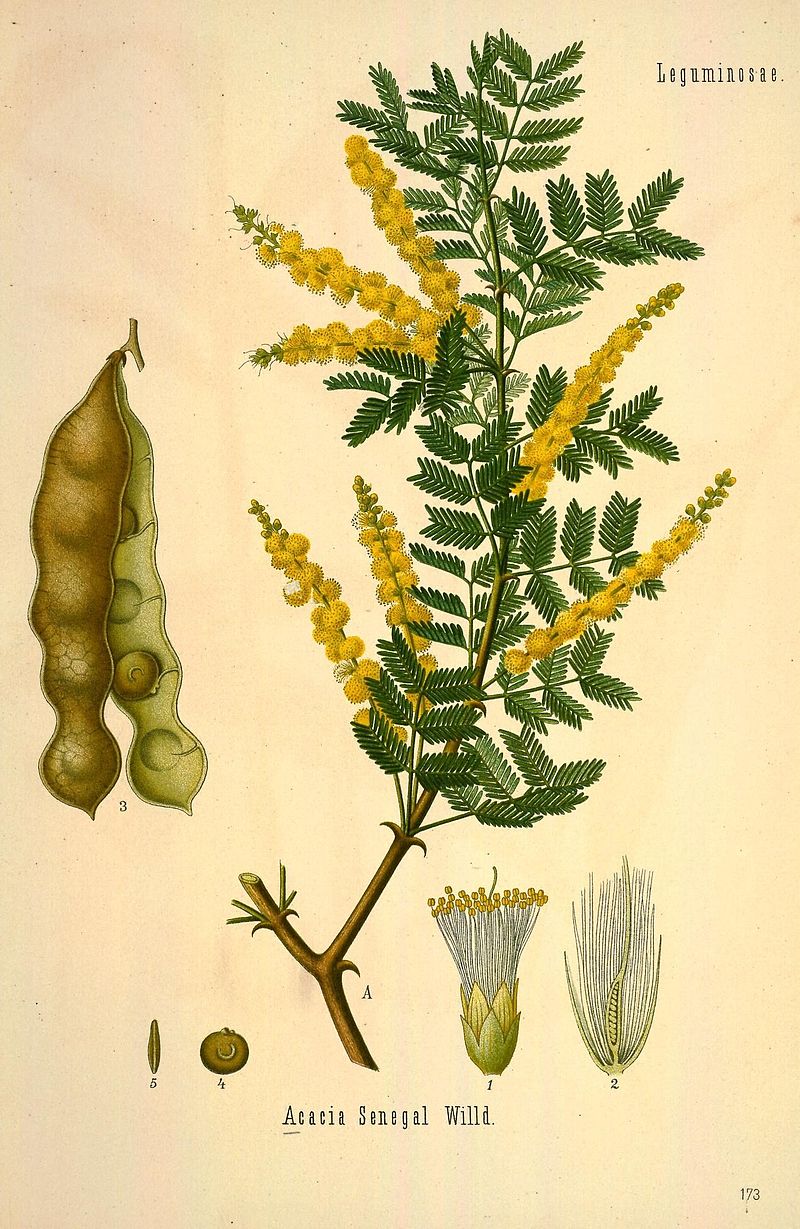
Gum Arabic Tree is one of the most historically important and economically valuable acacias in the world. Native to the dry savannas and semi-desert regions of Africa and the Middle East, this elegant small tree is best known as the primary source of natural Gum Arabic, a product used for thousands of years in foods, medicines, inks, paints, and countless commercial applications.
Mature trees typically reach 15 to 30 feet in height with a graceful, open canopy and finely textured foliage. The delicate, feathery leaves create a soft appearance that contrasts beautifully with the rugged bark and branching structure.
During the flowering season, clusters of creamy white to pale yellow blossoms appear along the branches, attracting pollinators and adding subtle beauty to the landscape. These are followed by distinctive seed pods that contribute additional ornamental interest.
Its drought tolerance, attractive form, and fascinating historical significance make Gum Arabic Tree an outstanding specimen for warm-climate landscapes.
Landscape Uses- Specimen lawn tree
- Xeriscape landscapes
- Desert gardens
- Wildlife plantings
- Savanna-style landscapes
- Historic collections
- Educational gardens
- Drought-tolerant shade tree
The open canopy creates filtered shade while maintaining an elegant, airy appearance throughout the landscape.
Important Landscape NoteGum Arabic Tree is exceptionally adapted to hot, dry climates and often performs best where many traditional landscape trees struggle. Excellent drainage is essential for long-term success.
Germination Information- Scarify seeds by lightly nicking or sanding the seed coat.
- Soak seeds in warm water overnight.
- Sow approximately ¼ inch deep.
- Maintain temperatures between 75-90°F.
- Keep soil lightly moist.
- Germination generally occurs within 1-3 weeks.
- Botanical Name: Acacia senegal
- Plant Type: Evergreen to Semi-Evergreen Tree
- USDA Zones: 9-11
- Sun Exposure: Full Sun
- Mature Height: 15-30 Feet
- Mature Spread: 15-25 Feet
- Growth Rate: Moderate
- Soil Preference: Sandy, rocky, well-drained soils
- Water Requirements: Low
Gum Arabic Tree thrives in heat, drought, and poor soils. Once established, it becomes remarkably resilient and requires very little supplemental irrigation.
Container GrowingYoung plants can be maintained in large containers for several years. Mature specimens are best planted in the landscape where their root systems and canopy can fully develop.
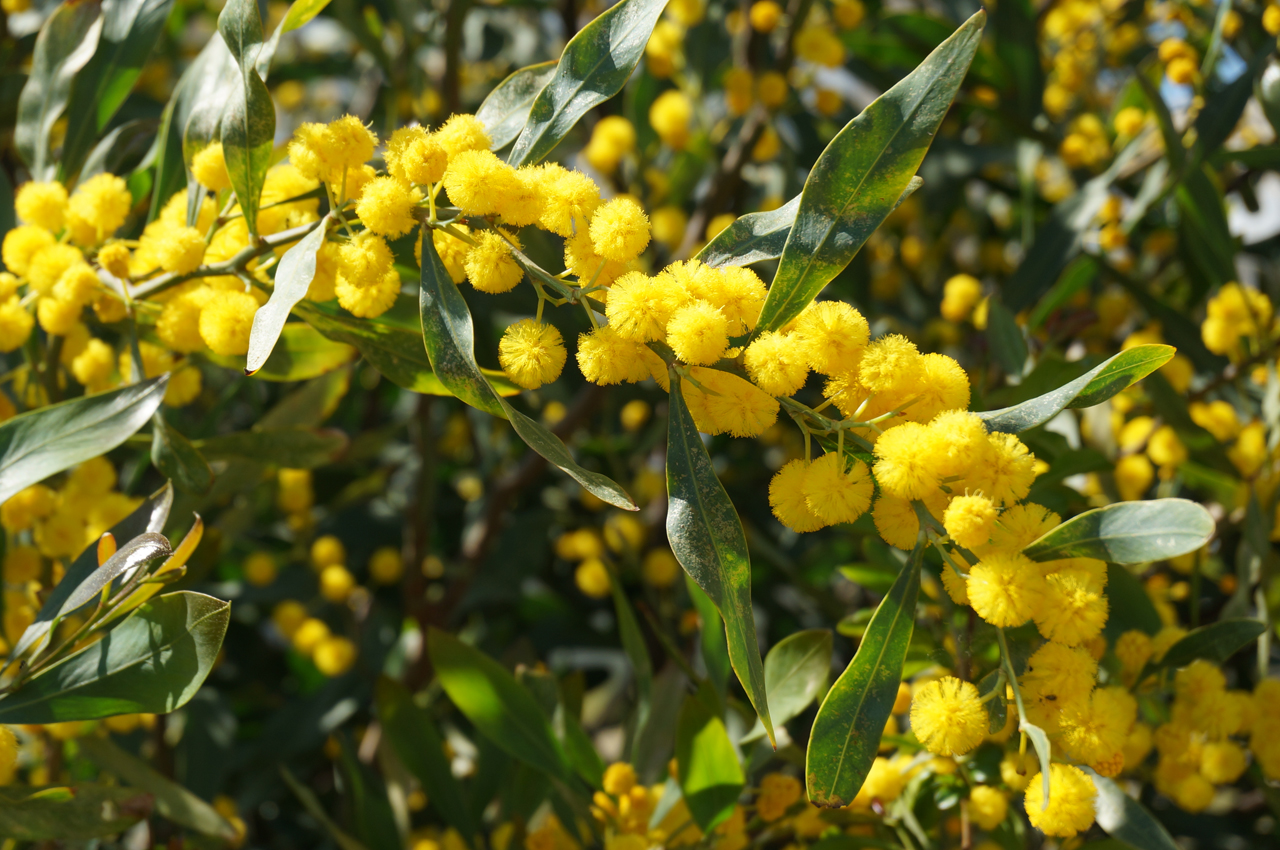
Goldenwreath Wattle is one of Australia's most spectacular flowering acacias. Native to Western Australia, this fast-growing evergreen tree is prized for its graceful weeping habit, lush green foliage, and breathtaking displays of brilliant golden-yellow flowers that can completely transform the landscape during bloom season.
Unlike many acacias with finely divided leaves, Goldenwreath Wattle produces long, narrow phyllodes that hang elegantly from the branches, creating a soft, cascading appearance. The resulting form is both graceful and highly ornamental.
Mature specimens typically reach 15 to 30 feet in height with a rounded to spreading canopy. During late winter and early spring, the tree becomes covered with thousands of golden flower clusters that often hide much of the foliage beneath a blanket of color.
The dramatic flowering display makes Goldenwreath Wattle one of the finest specimen lawn trees for warm-climate gardens.
Landscape Uses- Specimen lawn tree
- Flowering accent tree
- Mediterranean landscapes
- Coastal gardens
- Pollinator landscapes
- Drought-tolerant gardens
- Estate plantings
- Australian-themed landscapes
Its graceful habit and brilliant flowering performance make it an outstanding focal point in residential and commercial landscapes alike.
Important Landscape NoteGoldenwreath Wattle grows rapidly and performs best in full sun with excellent drainage. Plant where its flowering canopy can be viewed from a distance for maximum visual impact.
Germination Information- Scarify seeds lightly or soak in hot water overnight.
- Sow approximately ¼ inch deep.
- Maintain temperatures between 70-85°F.
- Keep lightly moist.
- Provide bright light.
- Germination generally occurs within 1-4 weeks.
- Botanical Name: Acacia saligna
- Plant Type: Evergreen Flowering Tree
- USDA Zones: 8-11
- Sun Exposure: Full Sun
- Mature Height: 15-30 Feet
- Mature Spread: 15-25 Feet
- Growth Rate: Fast
- Soil Preference: Well-drained soils
- Water Requirements: Low
Goldenwreath Wattle thrives in sandy, coastal, and drought-prone soils. Once established, it demonstrates excellent heat tolerance and requires minimal supplemental irrigation.
Container GrowingYoung plants may be maintained in large containers for several years. Mature trees are best grown in the landscape where their graceful canopy can fully develop.
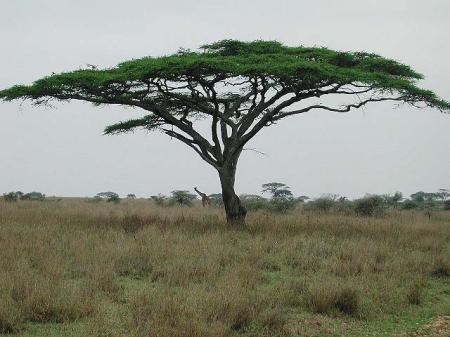
Umbrella Thorn is one of the most iconic trees of the African savanna. Native to vast regions of Africa and the Middle East, this remarkable species is instantly recognizable by its broad, flattened canopy that resembles a giant umbrella spread across the landscape.
Mature trees typically reach 20 to 50 feet in height, but their greatest visual impact comes from the expansive crown, which may spread even wider than the tree is tall. The distinctive silhouette has become one of the most famous images associated with African wildlife documentaries and safari landscapes.
The finely textured foliage creates light, filtered shade beneath the canopy, while fragrant creamy-white to pale yellow flower clusters appear seasonally, followed by attractive seed pods.
Its unique form, incredible drought tolerance, and historical importance make Umbrella Thorn one of the world's most fascinating specimen trees.
Landscape Uses- Specimen lawn tree
- Savanna-style landscapes
- Xeriscape gardens
- Wildlife landscapes
- Desert gardens
- Educational collections
- Large estate properties
- Drought-tolerant shade tree
Few trees create a stronger visual focal point in the landscape than a mature Umbrella Thorn with its characteristic broad canopy.
Important Landscape NoteUmbrella Thorn develops both straight and hooked thorns along its branches. These provide important wildlife protection in nature but should be considered when selecting planting locations.
Germination Information- Scarify seeds by nicking or lightly sanding the seed coat.
- Soak seeds in warm water overnight.
- Sow approximately ¼ inch deep.
- Maintain temperatures between 75-90°F.
- Keep lightly moist.
- Germination typically occurs within 1-3 weeks.
- Botanical Name: Acacia tortilis
- Plant Type: Evergreen to Semi-Evergreen Tree
- USDA Zones: 9-11
- Sun Exposure: Full Sun
- Mature Height: 20-50 Feet
- Mature Spread: 30-60 Feet
- Growth Rate: Moderate
- Soil Preference: Sandy, rocky, well-drained soils
- Water Requirements: Very Low
Umbrella Thorn thrives in some of the harshest growing conditions on Earth. It tolerates intense heat, prolonged drought, poor soils, and extreme environmental conditions that would challenge most other trees.
Container GrowingYoung plants can be maintained in containers during their early years, but mature specimens require landscape planting due to their extensive root systems and broad canopy development.

Contact Us | Privacy Policy | About Us
Serving gardeners since 1992
State of Mississippi Seedmen's Permit #C-391, Ohio 90152, Minnesota 20086777