
Agastache Flower Seed ( Perennial )
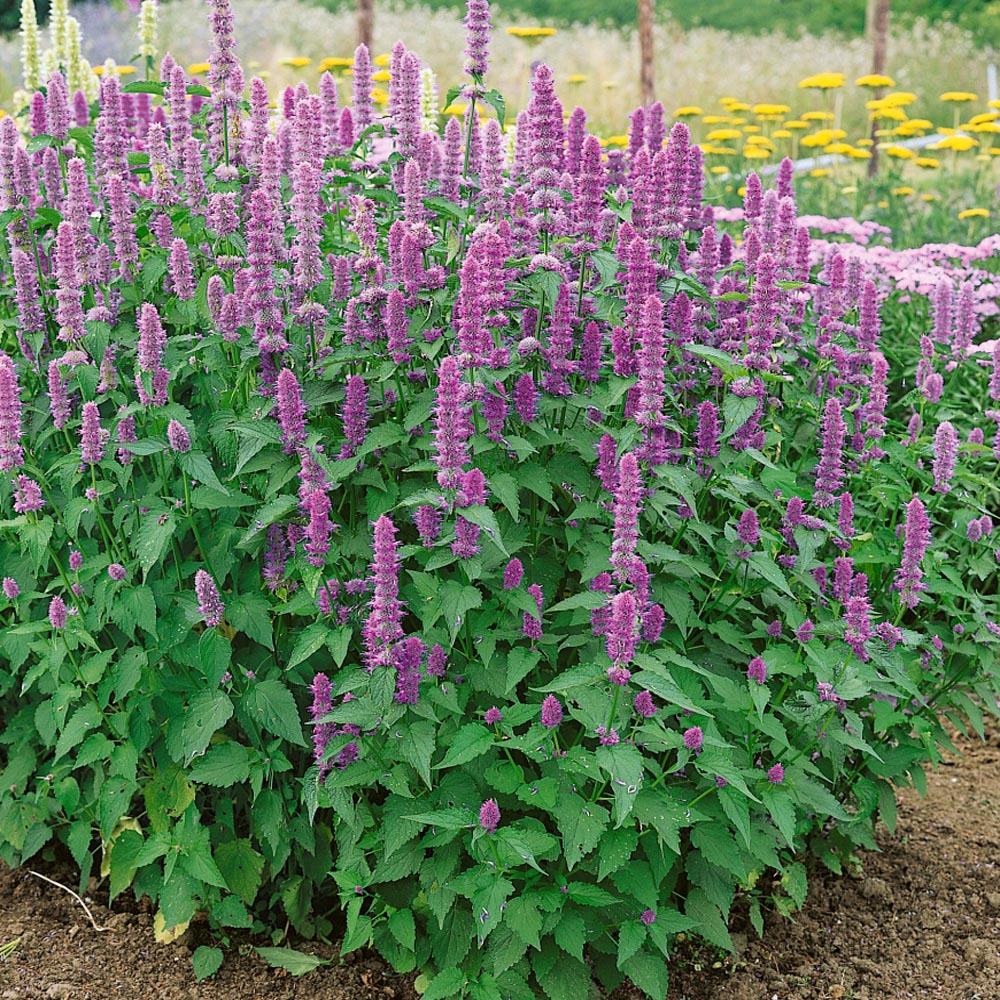
Korean Mint (Agastache rugosa) is a beautiful, long-blooming perennial prized for its upright spikes of soft lavender to violet flowers, fragrant mint-scented foliage, and exceptional ability to attract pollinators. Native to East Asia, this member of the mint family combines ornamental beauty with culinary and medicinal traditions that stretch back centuries. Flowering from midsummer well into fall, Korean Mint creates colorful vertical accents while filling the garden with bees, butterflies, hummingbirds, and beneficial insects. Despite its delicate appearance, it is remarkably hardy, drought tolerant once established, and easy to grow in a wide range of climates.
Garden Uses
Korean Mint is an excellent addition to perennial borders, pollinator gardens, herb gardens, prairie plantings, cottage gardens, and naturalized landscapes. Its upright flower spikes provide excellent contrast among rounded flowering plants while adding movement and texture throughout the summer months. The fragrant foliage makes it an attractive edging plant along pathways where its pleasant scent can be enjoyed. It combines beautifully with Echinacea, Rudbeckia, Salvia, Coreopsis, Monarda, ornamental grasses, and other prairie perennials. The flowers also make excellent fresh or dried cut flowers, while the aromatic leaves may be harvested for herbal teas.
Growing Information
Korean Mint is hardy in USDA Zones 4-9 and thrives in full sun, although it appreciates light afternoon shade in very hot southern climates. It prefers average, well-drained soil but adapts readily to sandy, rocky, or moderately fertile conditions. Plants typically reach 30 to 48 inches tall and spread 18 to 24 inches wide, forming upright clumps rather than aggressive colonies. Once established, Korean Mint tolerates periods of drought while continuing to bloom reliably. Deadheading encourages continued flowering, although leaving some flower spikes allows birds to enjoy the seeds and provides winter interest. Seeds benefit from light for germination and should be pressed into the soil surface without covering deeply.
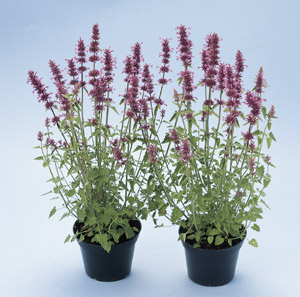
Pink Pop (Agastache astromontana) is a compact, cheerful perennial grown for its bright pink flower spikes, aromatic foliage, and excellent performance in containers, borders, and pollinator plantings. This attractive hyssop forms tidy clumps of mint-scented leaves topped with showy upright blooms that add color for much of the warm season. Its smaller habit makes it especially useful where taller Agastache varieties may be too large, while still offering the same nectar-rich flowers loved by bees, butterflies, and hummingbirds.
Garden Uses
Pink Pop is ideal for patio containers, porch planters, sunny borders, herb gardens, cottage gardens, and pollinator beds. Its compact size makes it easy to tuck into mixed containers with trailing plants, ornamental grasses, dwarf salvias, verbena, petunias, calibrachoa, or other sun-loving annuals and perennials. In garden beds, it works well toward the front or middle of the border where its bright pink spikes can be enjoyed up close. The aromatic foliage also makes it a pleasant choice near walkways, seating areas, and raised beds.
Growing Information
Grow Pink Pop in full sun and well-drained soil. Like most Agastache, it performs best where drainage is sharp and winter wetness is avoided. Plants prefer average to moderately dry soil once established and should not be overwatered. In containers, use a loose, well-draining potting mix and allow the top layer of soil to dry slightly between waterings. Plants generally reach about 12 to 18 inches tall, making them much more compact than many other hyssop types. Deadheading spent flower spikes encourages continued bloom, while a light trim can help maintain a neat, bushy habit.
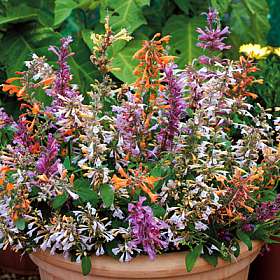
Fragrant Delight (Agastache aurantiaca) is a charming perennial celebrated for its masses of vibrant rosy-pink to coral-pink flower spikes, wonderfully aromatic foliage, and remarkable ability to attract hummingbirds, butterflies, and bees throughout the summer. Native to the high elevations of the American Southwest and northern Mexico, this compact hummingbird mint thrives in sunny, well-drained gardens where its long-lasting blooms provide continuous color and wildlife activity. Its tidy habit, drought tolerance, and delightful fragrance make it an excellent choice for both traditional flower beds and water-wise landscapes.
Garden Uses
Fragrant Delight is perfect for perennial borders, rock gardens, pollinator gardens, cottage gardens, xeriscapes, and patio containers. Its compact size makes it an excellent edging plant while its colorful flower spikes add vertical interest among lower-growing perennials. It pairs beautifully with Coreopsis, Salvia, Penstemon, Gaillardia, Lavender, ornamental grasses, and Echinacea. The fragrant foliage also makes it an attractive choice near walkways and outdoor seating areas where visitors can enjoy its pleasant minty aroma.
Growing Information
Fragrant Delight performs best in full sun and sharply drained soil. It prefers sandy, gravelly, or rocky soils and dislikes heavy clay or wet winter conditions. Plants typically mature 18 to 24 inches tall and 15 to 20 inches wide, forming dense, bushy clumps covered with colorful blooms from early summer until frost. Once established, it requires very little supplemental watering and tolerates heat exceptionally well. Deadheading spent flower spikes encourages additional flowering, while leaving a few seed heads provides winter interest and food for birds. Seeds germinate best when lightly pressed into the soil surface and exposed to light.
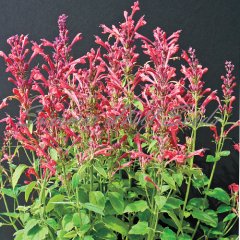
Raspberry Daiquiri (Agastache aurantiaca) is a lively, compact hummingbird mint grown for its brilliant raspberry-pink flower spikes, aromatic foliage, and outstanding performance in sunny gardens and containers. This colorful perennial brings weeks of vivid bloom to the landscape while drawing hummingbirds, butterflies, bees, and other beneficial pollinators. With its fragrant leaves, tidy habit, and good tolerance of heat and dry conditions, Raspberry Daiquiri is an excellent choice for gardeners who want long-lasting color with very little fuss.
Garden Uses
Raspberry Daiquiri is ideal for pollinator gardens, hummingbird gardens, sunny borders, cottage gardens, rock gardens, xeriscapes, herb gardens, and patio containers. Its compact habit makes it useful near the front of a border or in mixed planters where taller Agastache varieties may be too large. The vivid raspberry-pink flowers combine beautifully with lavender, salvia, gaillardia, coreopsis, yarrow, penstemon, ornamental grasses, and silver-leaved plants. In containers, it creates a bright upright accent while allowing pollinators to visit close to porches, decks, and seating areas.
Growing Information
Grow Raspberry Daiquiri in full sun and well-drained soil. Like most Agastache varieties, it prefers lean to average soil and dislikes heavy, wet ground, especially during winter. Sandy, gravelly, or rocky soils are excellent, and raised beds or containers are good choices where drainage is poor. Plants generally reach about 16 to 22 inches tall with a spread of 14 to 18 inches. Once established, Raspberry Daiquiri is drought tolerant and needs only occasional watering during extended dry periods. Deadhead spent flower spikes to encourage continued bloom, or leave some seed heads late in the season for birds and winter texture.

Contact Us | Privacy Policy | About Us
Serving gardeners since 1992
State of Mississippi Seedmen's Permit #C-391, Ohio 90152, Minnesota 20086777