
Ornamental Pepper Seed ( Annual )
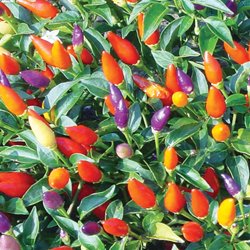
Christmas Tree Edible Ornamental Pepper is a colorful compact pepper variety grown for both its attractive display and its edible, spicy fruits. The plants produce an abundance of small upright peppers that mature through shades of cream, yellow, orange, purple, and red, creating a festive multicolor effect that gives this variety its cheerful name. With glossy green foliage and bright cone-shaped fruits held above the leaves, it makes an outstanding container plant for patios, porches, decks, and seasonal garden displays.
This variety is especially useful where ornamental value and kitchen usefulness are both desired. The peppers are decorative enough for planters and holiday-themed displays, yet they are also edible and can be used carefully in cooking wherever a hot pepper accent is wanted. Plants stay manageable in size, making them well suited for pots, mixed containers, raised beds, and small garden spaces.
Garden Uses
Christmas Tree Edible Ornamental Pepper is excellent for containers, patio planters, porch displays, edible landscaping, borders, and small-space gardens. Its upright fruiting habit creates a bright display above the foliage, making it useful as a colorful accent plant among herbs, flowers, and other vegetables. It can also be grown in decorative pots and brought into a bright protected area for short-term seasonal display.
This pepper is a fine choice for gardeners who want an ornamental plant that also provides edible fruit. It pairs well with marigolds, basil, thyme, parsley, alyssum, and compact annual flowers. In mixed containers, it adds height, shine, and vivid color from midsummer into fall.
Growing Information
Start seeds indoors 8 to 10 weeks before the last expected frost. Sow seeds about 1/4 inch deep in a warm seed-starting mix. Pepper seeds germinate best with steady warmth, ideally 75 to 85 degrees F. Germination usually occurs in 10 to 21 days. Keep seedlings in bright light and avoid overwatering.
Transplant outdoors after all danger of frost has passed and nighttime temperatures are consistently warm. Grow in full sun and fertile, well-drained soil. For containers, use a quality potting mix and a pot with good drainage. Keep plants evenly moist, but do not allow the soil to remain soggy. Regular feeding helps maintain strong growth and heavy fruit production.
Peppers can be harvested at any color stage, though flavor and heat often intensify as the fruits mature. Use caution when handling hot peppers, and wash hands after harvesting or cutting the fruits.
- Height: 12 to 18 inches
- Spread: 12 to 16 inches
- Fruit Color: Cream, yellow, orange, purple, and red
- Fruit Habit: Small upright peppers
- Flavor: Hot pepper
- Good for Containers: Excellent
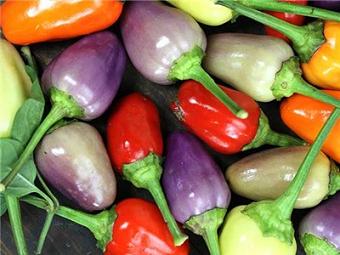
Chinese 5 Color Pepper is a brilliant edible ornamental pepper grown for its showy clusters of upright fruits that mature through a striking rainbow of colors. The small cone-shaped peppers begin in shades of purple and cream, then ripen through yellow, orange, and red, often displaying all five colors on the plant at the same time. Compact, colorful, and highly productive, this variety is excellent for containers, patios, edible landscaping, and garden borders.
In addition to its ornamental value, Chinese 5 Color produces hot edible peppers that can be used sparingly in cooking. The fruits are attractive enough for decorative planters yet useful enough for gardeners who enjoy growing plants that are both beautiful and productive. Its glossy green foliage and upright pepper display make it one of the most eye-catching ornamental peppers for porch pots and small gardens.
Garden Uses
Chinese 5 Color Pepper is ideal for containers, patio planters, raised beds, edible landscapes, borders, and small-space gardens. The colorful fruits provide a long season of interest and pair beautifully with herbs, marigolds, alyssum, basil, parsley, thyme, and compact annual flowers. It is especially effective in decorative pots where the multicolored peppers can be viewed up close.
This variety also makes a fine accent plant for vegetable gardens, adding bright ornamental color while producing usable hot peppers. Its compact habit makes it suitable for gardeners with limited space, including porch, balcony, and patio growers.
Growing Information
Start seeds indoors 8 to 10 weeks before the last expected frost. Sow seeds about 1/4 inch deep in a warm seed-starting mix. Pepper seeds germinate best with steady warmth, ideally 75 to 85 degrees F. Germination usually occurs in 10 to 21 days. Provide bright light after sprouting and keep seedlings evenly moist but never waterlogged.
Transplant outdoors after all danger of frost has passed and the soil has warmed. Grow in full sun and fertile, well-drained soil. In containers, use a quality potting mix and a pot with drainage holes. Keep plants consistently watered, especially during hot weather and heavy fruiting. Regular feeding will encourage strong growth and abundant pepper production.
Peppers may be harvested at any color stage, though heat and flavor often increase as the fruits mature. Because this is a hot pepper, use care when handling the fruits and avoid touching the eyes or face after harvesting or cutting.
- Height: 12 to 24 inches
- Spread: 12 to 18 inches
- Fruit Color: Purple, cream, yellow, orange, and red
- Fruit Habit: Small upright hot peppers
- Flavor: Hot
- Good for Containers: Excellent
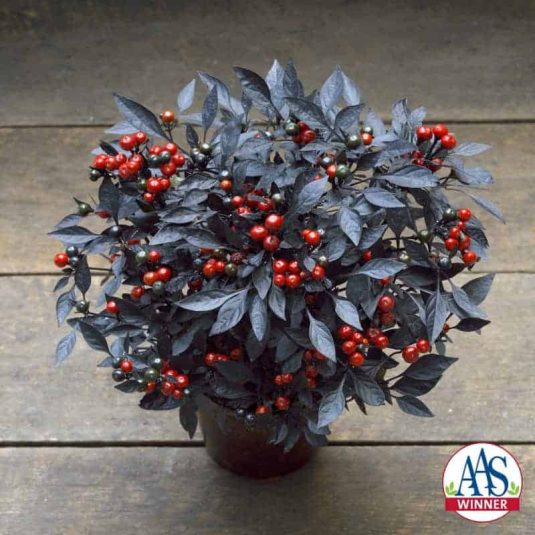
Onyx Red Ornamental Pepper is a stunning ornamental pepper variety prized for its dramatic dark foliage and brilliant scarlet-red fruits. The nearly black-purple leaves provide a striking backdrop for the upright peppers, creating one of the most eye-catching color combinations available in annual flower and container gardens. Compact, heat-loving, and easy to grow, this variety delivers outstanding visual appeal from midsummer until frost.
The rich foliage color remains attractive even before the peppers develop, making Onyx Red a valuable landscape plant throughout the growing season. Once fruiting begins, the vivid red peppers appear like glowing jewels against the dark foliage, creating a dramatic display that works equally well in containers, flower beds, borders, and mixed ornamental plantings.
Garden Uses
Onyx Red Ornamental Pepper is ideal for containers, patio planters, flower beds, borders, and ornamental vegetable gardens. Its dark foliage contrasts beautifully with silver-leaved plants, white flowers, yellow marigolds, purple petunias, dusty miller, and ornamental grasses. The compact habit makes it especially useful for decorative pots where its colorful foliage and fruits can be appreciated up close.
Garden designers often use Onyx Red as a focal point in mixed containers because the deep foliage color provides season-long contrast even before fruit production begins. It is equally effective in mass plantings where the dark leaves create bold visual impact.
Growing Information
Start seeds indoors 8 to 10 weeks before the last expected frost. Sow seeds approximately 1/4 inch deep in a quality seed-starting mix. Maintain soil temperatures between 75 and 85 degrees F for best germination. Seeds typically sprout within 10 to 21 days. Provide bright light immediately after germination to maintain compact growth and strong foliage coloration.
Transplant outdoors after all danger of frost has passed and temperatures remain consistently warm. Plant in full sun for the deepest foliage color and best fruit production. Grow in fertile, well-drained soil and water regularly, especially during periods of hot weather. Container-grown plants benefit from occasional feeding throughout the growing season.
The ornamental peppers are edible, though they can be quite hot. Most gardeners grow this variety primarily for its ornamental value rather than culinary use.
- Plant Type: Tender annual
- Height: 12 to 18 inches
- Spread: 10 to 14 inches
- Foliage Color: Deep purple to nearly black
- Fruit Color: Bright red
- Container Friendly: Excellent
- Edible: Yes, but hot
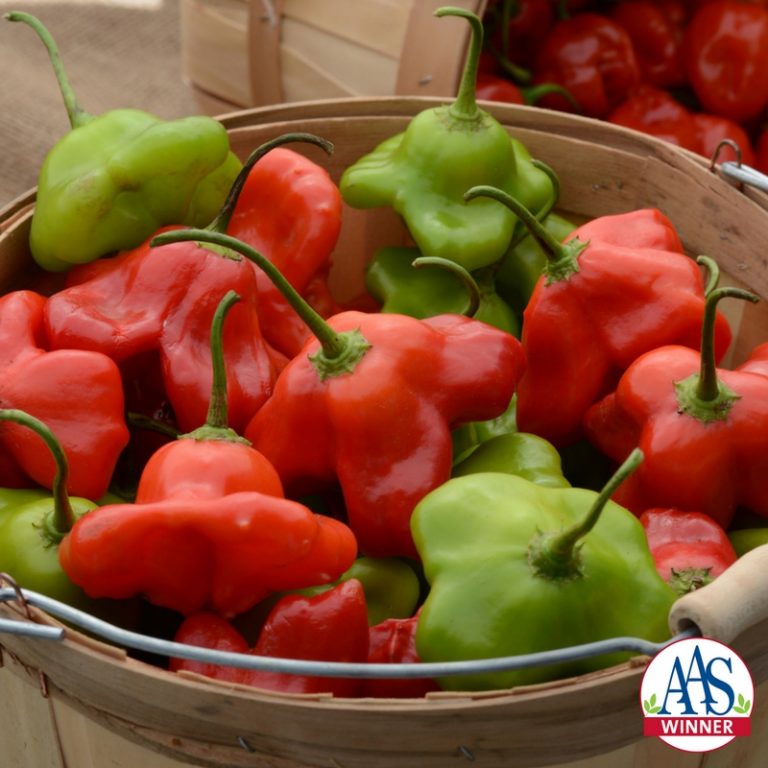
Mad Hatter Hybrid Pepper is a unique and productive pepper variety known for its unusual hat-shaped fruits and excellent garden performance. The glossy peppers have a distinctive flattened, winged form that resembles a tiny bishop’s crown or jester’s hat, making the plant both ornamental and useful. Fruits mature from green to bright red and are attractive in containers, edible landscapes, raised beds, and vegetable gardens.
This variety is prized for its sweet, citrusy flavor with mild heat that is usually concentrated near the seed cavity. The outer flesh is often enjoyed fresh, while the hotter center can be used for added seasoning. With its heavy yields, unusual fruit shape, and bright red color at maturity, Mad Hatter Hybrid is a conversation piece as well as a productive edible pepper.
Garden Uses
Mad Hatter Hybrid Pepper is excellent for containers, patio planters, edible landscaping, raised beds, and traditional vegetable gardens. The plants are attractive enough to grow among annual flowers, herbs, and ornamental vegetables, while still producing a generous harvest of flavorful peppers. The bright red mature fruits add strong color late in the season and look especially nice in large pots placed near patios, walkways, and garden entrances.
The fruits are useful fresh in salads, salsas, relishes, pickling, stuffing, and garnishes. Their unusual shape makes them especially appealing for fresh market displays, kitchen gardens, and gardeners who enjoy growing something different.
Growing Information
Start seeds indoors 8 to 10 weeks before the last expected frost. Sow seeds about 1/4 inch deep in a warm seed-starting mix. Pepper seeds germinate best with steady warmth, ideally 75 to 85 degrees F. Germination usually occurs in 10 to 21 days. Provide bright light after sprouting and keep seedlings evenly moist but not waterlogged.
Transplant outdoors only after all danger of frost has passed and soil temperatures have warmed. Plant in full sun and fertile, well-drained soil. For container growing, use a large pot with drainage holes and a high-quality potting mix. Keep plants consistently watered during hot weather and heavy fruit production. Occasional feeding helps maintain vigorous growth and strong yields.
Harvest fruits green for fresh use or allow them to ripen fully red for the sweetest flavor and best color. Mature plants are productive and benefit from regular picking to encourage continued fruiting.
- Plant Type: Tender annual vegetable and ornamental
- Height: 24 to 36 inches
- Spread: 24 to 30 inches
- Fruit Color: Green maturing to bright red
- Fruit Shape: Flattened, winged, hat-shaped peppers
- Flavor: Sweet, fruity, mildly hot near the center
- Best Use: Containers, edible landscaping, fresh eating, salsas, pickling
- Good for Containers: Excellent in large pots
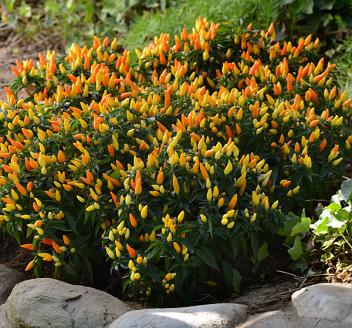
Sedona Sun Ornamental Pepper is a dazzling ornamental pepper variety prized for its brilliant display of colorful upright fruits and compact, well-branched growth habit. The peppers emerge in shades of cream and yellow before maturing through orange and finally to glowing red, creating a vibrant sunset-like blend of colors on a single plant. The result is a cheerful, long-lasting display that brings warmth and excitement to containers, flower beds, borders, and patio gardens throughout the growing season.
Its compact size, glossy green foliage, and abundant fruit production make Sedona Sun an excellent choice for gardeners seeking a plant that combines ornamental beauty with edible value. The colorful fruits remain attractive for weeks, providing season-long interest from midsummer until frost.
Garden Uses
Sedona Sun Ornamental Pepper is ideal for decorative containers, mixed patio planters, flower borders, edible landscapes, and small-space gardens. The bright fruits create striking contrast against the green foliage and blend beautifully with marigolds, zinnias, petunias, dusty miller, coleus, and ornamental grasses.
This variety performs exceptionally well in containers where the colorful peppers can be displayed at eye level. It also makes a superb edging plant in annual beds and can be incorporated into ornamental vegetable gardens where beauty and productivity are equally valued.
Growing Information
Start seeds indoors 8 to 10 weeks before the last expected frost. Sow seeds approximately 1/4 inch deep in a warm seed-starting mix. Soil temperatures between 75 and 85 degrees F will produce the most reliable germination, which typically occurs within 10 to 21 days. Provide bright light immediately after germination to encourage compact growth.
Transplant outdoors only after all danger of frost has passed and temperatures remain consistently warm. Grow plants in full sun for the best foliage quality, strongest growth, and heaviest fruit production. Use fertile, well-drained soil and water regularly, especially during periods of active growth and fruit development. Container-grown plants benefit from periodic feeding throughout the growing season.
The fruits are edible, though they are generally grown for ornamental display. Heat levels may vary, so peppers should be sampled cautiously before culinary use.
- Height: 10 to 16 inches
- Spread: 10 to 14 inches
- Foliage Color: Glossy green
- Fruit Colors: Cream, yellow, orange, and red
- Fruit Habit: Upright ornamental peppers
- Container Friendly: Excellent
- Edible: Yes
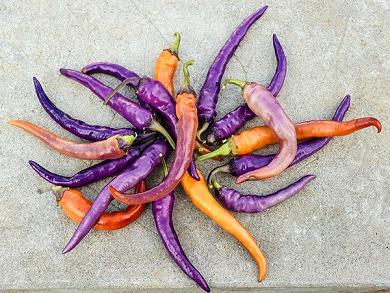
Buena Mulata Ornamental Pepper is a beautiful and historic hot pepper variety known for its long, slender fruits that begin a glossy violet-purple and mature through shades of orange to rich red. The colorful peppers are highly ornamental on the plant, standing out against green foliage and giving containers, edible landscapes, and garden beds a dramatic splash of color. In addition to its beauty, Buena Mulata is valued as an edible hot pepper with excellent flavor and strong culinary usefulness.
This variety is especially appealing to gardeners who enjoy heirloom peppers, container gardening, and edible ornamentals. The purple young fruits are striking enough for display, while the fully ripened red peppers can be harvested for fresh use, drying, sauces, seasoning, and pickling. Its combination of beauty, history, and kitchen value makes Buena Mulata a standout pepper for the home garden.
Garden Uses
Buena Mulata is excellent for containers, patio planters, edible landscaping, raised beds, vegetable gardens, and ornamental annual displays. The slender purple fruits create an unusual color accent that pairs beautifully with marigolds, basil, purple basil, alyssum, coleus, zinnias, and other warm-season annuals. It is especially attractive in decorative pots where the colorful peppers can be seen up close.
This variety also works well in kitchen gardens, where it provides both ornamental interest and a steady harvest of hot peppers. Its upright, colorful fruits make it useful as a focal point in mixed edible plantings.
Growing Information
Start seeds indoors 8 to 10 weeks before the last expected frost. Sow seeds about 1/4 inch deep in a warm seed-starting mix. Pepper seeds germinate best with steady warmth, ideally 75 to 85 degrees F. Germination usually occurs in 10 to 21 days. Provide bright light after germination to encourage sturdy, compact seedlings.
Transplant outdoors after all danger of frost has passed and soil temperatures have warmed. Grow in full sun and fertile, well-drained soil. For containers, choose a pot with drainage holes and use a quality potting mix. Keep plants evenly moist, especially during hot weather and heavy fruit production. Occasional feeding will help maintain vigorous growth and continued harvests.
Harvest fruits purple for fresh ornamental use or allow them to ripen fully red for mature flavor and stronger color. Buena Mulata peppers are hot, so handle carefully and wash hands after cutting or preparing the fruits.
- Plant Type: Tender annual vegetable and ornamental
- Height: 18 to 30 inches
- Spread: 18 to 24 inches
- Fruit Color: Purple maturing through orange to red
- Fruit Shape: Long, slender hot peppers
- Flavor: Hot pepper flavor with good culinary use
- Good for Containers: Excellent
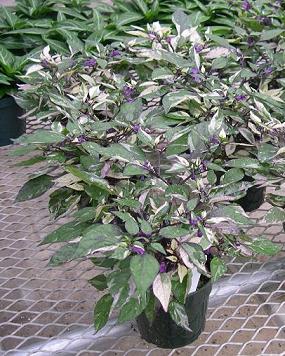
Calico Pepper is a colorful ornamental pepper variety grown for its striking variegated foliage and decorative purple fruits. The leaves are beautifully splashed and mottled with green, cream, white, and purple tones, giving the plant ornamental value even before the peppers appear. As the season progresses, small upright fruits develop in shades of deep purple and mature toward red, creating a bold contrast against the painted foliage.
This compact variety is especially useful in containers, patio planters, annual borders, and mixed ornamental plantings. Unlike many ornamental peppers that rely mainly on fruit color, Calico Pepper offers both showy foliage and colorful peppers, making it attractive from early summer until frost. Its unusual leaf pattern makes it a standout accent plant for gardeners who enjoy vivid, variegated foliage.
Garden Uses
Calico Pepper is excellent for containers, patio pots, porch displays, flower borders, edging, and ornamental vegetable gardens. The variegated foliage pairs beautifully with purple petunias, white alyssum, dusty miller, coleus, marigolds, zinnias, and ornamental grasses. It is especially effective in mixed containers where its painted leaves provide texture and contrast even before fruiting begins.
This variety also works well as a small focal plant in annual beds. Its compact size makes it easy to tuck into sunny spaces where foliage color, fruit color, and season-long interest are desired.
Growing Information
Start seeds indoors 8 to 10 weeks before the last expected frost. Sow seeds about 1/4 inch deep in a warm seed-starting mix. Pepper seeds germinate best with steady warmth, ideally 75 to 85 degrees F. Germination usually occurs in 10 to 21 days. Provide bright light after sprouting to encourage sturdy growth and strong foliage color.
Transplant outdoors only after all danger of frost has passed and nighttime temperatures remain warm. Grow in full sun for the brightest foliage variegation and heaviest fruit production. Plant in fertile, well-drained soil. In containers, use a quality potting mix and a pot with good drainage. Keep plants evenly moist, especially during hot weather, but avoid soggy soil.
Fruits are considered edible, though they are generally very hot and are grown primarily for ornamental display. Handle peppers carefully and wash hands after harvesting or cutting.
- Plant Type: Tender annual ornamental pepper
- Height: 10 to 16 inches
- Spread: 10 to 14 inches
- Foliage Color: Variegated green, cream, white, and purple
- Fruit Color: Purple maturing toward red
- Fruit Habit: Small upright ornamental peppers
- Good for Containers: Excellent
- Edible: Yes, but hot
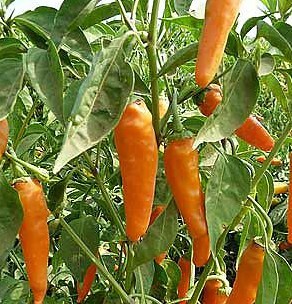
Jalapeno Orange Spice Pepper is a colorful and flavorful jalapeno-type pepper grown for its bright orange fruits, productive plants, and excellent ornamental appeal. The peppers have the familiar jalapeno shape, but mature to a glowing orange color that stands out beautifully against glossy green foliage. This variety is attractive enough for patio containers and edible landscaping, while still offering the classic kitchen usefulness expected from a jalapeno pepper.
The fruits are ideal for gardeners who want something more colorful than a standard green jalapeno. They can be harvested green or allowed to ripen fully orange for the best color, flavor, and visual impact. Productive, compact, and easy to grow, Jalapeno Orange Spice is an excellent choice for containers, raised beds, vegetable gardens, and sunny porch displays.
Garden Uses
Jalapeno Orange Spice Pepper is excellent for containers, patio planters, raised beds, vegetable gardens, edible landscapes, and mixed herb plantings. The bright orange fruits add strong color to summer and fall gardens and pair beautifully with basil, parsley, thyme, marigolds, zinnias, alyssum, and other warm-season annuals.
Because of its neat growth habit and vivid fruit color, this pepper can be grown as both a productive vegetable and an ornamental container plant. It is especially attractive in decorative pots placed near kitchens, patios, porches, and garden entrances where the colorful peppers can be enjoyed up close.
Growing Information
Start seeds indoors 8 to 10 weeks before the last expected frost. Sow seeds about 1/4 inch deep in a warm seed-starting mix. Pepper seeds germinate best with steady warmth, ideally 75 to 85 degrees F. Germination usually occurs in 10 to 21 days. Provide bright light after sprouting to encourage strong seedlings.
Transplant outdoors only after all danger of frost has passed and soil temperatures have warmed. Grow in full sun and fertile, well-drained soil. For containers, use a quality potting mix and a pot with good drainage. Keep plants evenly moist, especially during flowering and fruit development. Regular feeding helps maintain strong growth and good yields.
Harvest peppers green for traditional jalapeno use or allow them to ripen to bright orange for sweeter flavor, richer color, and higher ornamental value. Wear gloves when handling hot peppers, especially when cutting or preparing large quantities.
- Plant Type: Tender annual vegetable pepper
- Height: 18 to 30 inches
- Spread: 16 to 24 inches
- Fruit Color: Green maturing to bright orange
- Fruit Shape: Jalapeno-type peppers
- Flavor: Hot, classic jalapeno flavor
- Best Use: Containers, raised beds, salsa, pickling, fresh use, edible landscaping
- Good for Containers: Excellent

Contact Us | Privacy Policy | About Us
Serving gardeners since 1992
State of Mississippi Seedmen's Permit #C-391, Ohio 90152, Minnesota 20086777