
Artichoke Seeds
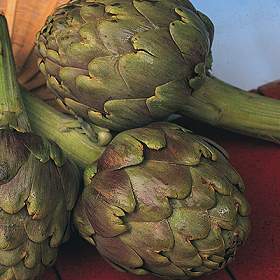
Green Globe Artichoke is a classic heirloom artichoke prized for its large, rounded green buds, tender hearts, and rich, nutty flavor. This impressive perennial vegetable produces handsome silvery-green foliage and edible flower buds that are harvested before they open. Long valued in Mediterranean cooking, Green Globe is excellent steamed, baked, grilled, stuffed, or served with butter, olive oil, lemon, garlic, or savory dipping sauces. It is both a productive food crop and a striking ornamental plant for the vegetable garden.
Flavor ProfileGreen Globe Artichoke has a mild, nutty, slightly sweet flavor with a rich, savory character. The tender heart is the most prized portion, offering a buttery texture and delicate flavor when cooked. The fleshy bases of the outer bracts are also edible and delicious when dipped in melted butter, vinaigrette, garlic sauce, or lemon aioli.
Culinary UsesGreen Globe is one of the finest artichokes for steaming and serving whole. It is also excellent baked, grilled, roasted, stuffed with breadcrumbs and herbs, added to Mediterranean vegetable dishes, or used for artichoke hearts in salads, dips, pastas, pizzas, and antipasto plates. The hearts may be preserved in oil, marinated, frozen, or used in soups and casseroles.
Nutritional ValueArtichokes are valued for their fiber, vitamin C, vitamin K, folate, magnesium, potassium, and beneficial antioxidants. They are especially known for their high dietary fiber content, including inulin, a naturally occurring prebiotic fiber. Green Globe offers a nutritious harvest while providing excellent flavor and culinary versatility.
Growing InformationStart seeds indoors 8 to 12 weeks before the last expected frost. Sow seeds in a warm, well-drained seed-starting mix and keep evenly moist until germination, which usually occurs within 10 to 21 days. Transplant sturdy seedlings outdoors after danger of frost has passed, spacing plants generously to allow room for their large foliage.
Grow Green Globe in full sun and fertile, well-drained soil enriched with compost. Plants appreciate consistent moisture, especially while forming buds, but they should not sit in waterlogged soil. In mild climates, Green Globe can be grown as a perennial, producing for several years. In colder climates, it is often grown as an annual or overwintered with heavy mulch and protection.
Harvest and StorageHarvest artichoke buds while they are still tight and firm, before the bracts begin to open. Cut the main bud with several inches of stem attached, then allow side buds to continue developing for later harvest. Fresh artichokes store best in the refrigerator and should be used within several days for the finest flavor and texture.
Quick Facts| Characteristic | Details |
|---|---|
| Botanical Name | Cynara cardunculus var. scolymus |
| Common Name | Green Globe Artichoke |
| Plant Type | Perennial vegetable, often grown as an annual in colder climates |
| Edible Portion | Immature flower buds, hearts, and fleshy bract bases |
| Flavor | Mild, nutty, slightly sweet, savory, buttery when cooked |
| Best Uses | Steaming, baking, grilling, stuffing, roasting, dips, salads, pastas, antipasto |
| Days to Harvest | Approximately 120–180 days depending on climate and culture |
| Height | 3–5 feet |
| Spread | 3–4 feet |
| Sun Exposure | Full sun |
| Soil Requirements | Fertile, compost-rich, well-drained soil |
| Water Requirements | Moderate; steady moisture improves bud quality |
| Garden Uses | Vegetable gardens, edible landscapes, Mediterranean gardens, herb gardens, ornamental borders |
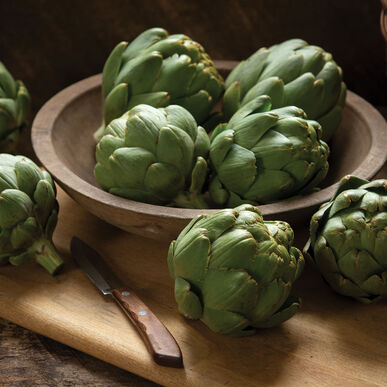
Tavor Artichoke is a modern hybrid artichoke bred for exceptional uniformity, early production, and outstanding eating quality. Unlike many traditional artichoke varieties that perform best in mild coastal climates, Tavor was developed to produce large, tightly formed buds with excellent reliability over a wider range of growing conditions. Its attractive silver-green foliage makes it an impressive ornamental in the vegetable garden, while its tender hearts and thick, fleshy bracts provide gourmet flavor for countless culinary creations.
Flavor ProfileTavor Artichoke offers a rich, buttery, mildly nutty flavor with subtle sweetness and a delicate earthy finish. The large, tender heart is exceptionally meaty, while the fleshy bases of the outer leaves provide the classic artichoke eating experience. Its refined flavor makes it equally suited for simple preparations or elegant gourmet dishes.
Culinary UsesTavor is excellent steamed whole and served with melted butter, lemon, garlic aioli, or herb vinaigrettes. It is equally delicious grilled, roasted, baked, stuffed with seasoned breadcrumbs, or incorporated into Mediterranean recipes, pasta dishes, risottos, soups, casseroles, pizzas, and salads. The tender hearts can also be marinated, canned, frozen, or preserved in olive oil for year-round enjoyment.
Growing InformationStart seeds indoors 8 to 12 weeks before the last expected frost. Sow seeds in a warm, well-drained seed-starting mix and keep evenly moist during germination, which generally occurs within 10 to 21 days. Harden seedlings before transplanting outdoors after danger of severe frost has passed.
Grow Tavor in full sun with fertile, compost-rich, well-drained soil. Consistent moisture throughout the growing season produces the largest, highest-quality buds, although established plants tolerate short periods of dry weather. Space plants generously to accommodate their impressive mature size and vigorous foliage. In mild climates, Tavor may perform as a perennial, while in colder regions it is commonly grown as an annual.
Harvest and StorageHarvest buds while they remain tight and compact, before the bracts begin to spread open. Cut each bud with several inches of stem attached for easier preparation. The central bud matures first and is usually the largest, followed by numerous smaller side buds that extend the harvest season. Refrigerate fresh artichokes immediately and enjoy them within several days for peak flavor.
Quick Facts| Characteristic | Details |
|---|---|
| Botanical Name | Cynara cardunculus var. scolymus |
| Common Name | Tavor Artichoke |
| Plant Type | Perennial vegetable, commonly grown as an annual in cooler climates |
| Edible Portion | Immature flower buds, hearts, and fleshy bract bases |
| Flavor | Rich, buttery, mildly nutty, delicate and sweet |
| Best Uses | Steaming, grilling, roasting, stuffing, salads, pasta dishes, dips, soups, and preserving |
| Days to Harvest | Approximately 100–150 days depending on climate |
| Height | 3–5 feet |
| Spread | 3–4 feet |
| Sun Exposure | Full Sun |
| Soil Requirements | Rich, fertile, well-drained soil with added organic matter |
| Water Requirements | Moderate; consistent moisture produces the highest-quality buds |
| Garden Uses | Vegetable gardens, edible landscapes, Mediterranean gardens, ornamental borders, and gourmet kitchen gardens |
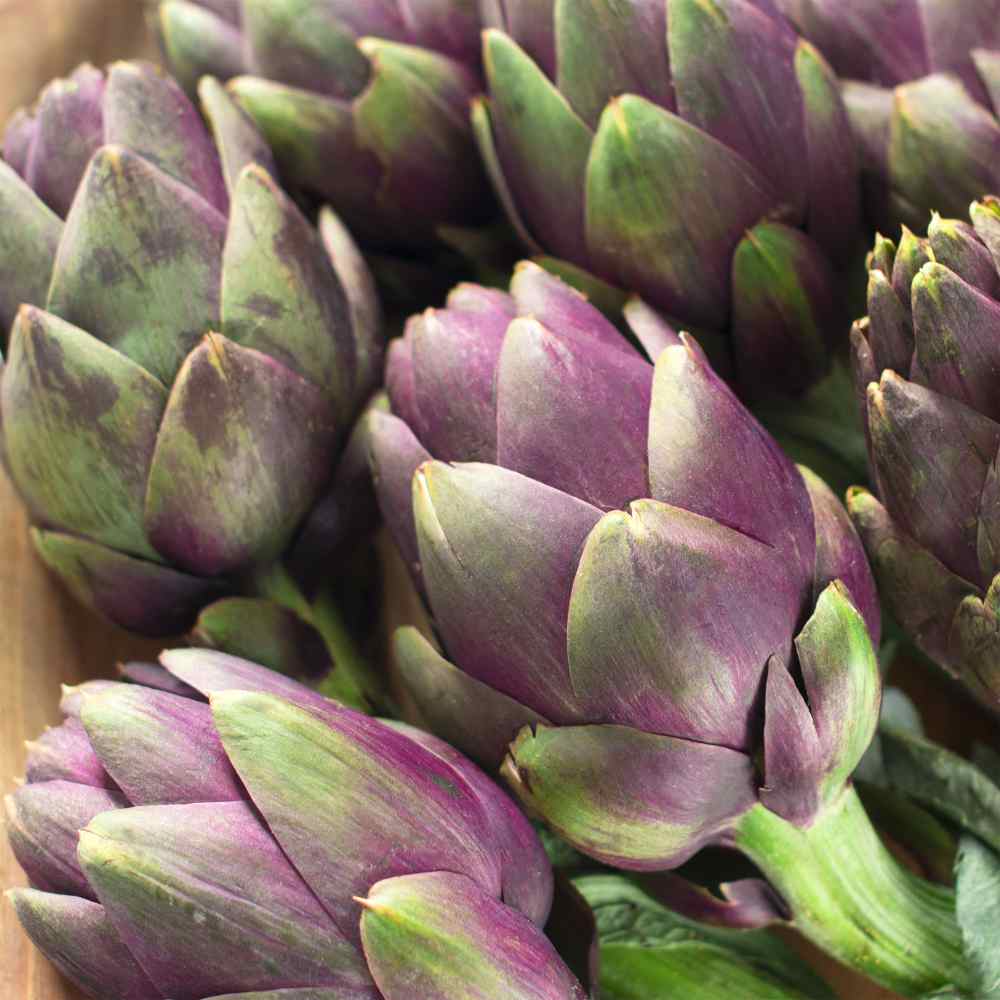
Purple Romagna Artichoke is a prized Italian heirloom celebrated for its striking purple-tinged buds, tender hearts, and exceptionally rich flavor. Originating from the Emilia-Romagna region of northern Italy, this gourmet variety produces medium to large, tightly packed flower buds with attractive violet highlights that deepen as they mature. Revered by chefs and home gardeners alike, Purple Romagna combines ornamental beauty with outstanding culinary quality, making it one of the finest artichokes for fresh eating and traditional Mediterranean cuisine.
Flavor ProfilePurple Romagna offers an exceptionally delicate, buttery flavor with subtle sweetness and rich nutty undertones. The tender heart is wonderfully meaty and smooth, while the fleshy bases of the bracts are remarkably succulent. Many gardeners and chefs consider purple artichokes among the finest tasting because they tend to be more tender and less fibrous than many standard green varieties.
Culinary UsesThis gourmet artichoke is outstanding steamed, roasted, grilled, or baked whole. It is especially prized in traditional Italian recipes where it is braised with olive oil, garlic, white wine, herbs, and lemon. Purple Romagna is also excellent stuffed with seasoned breadcrumbs, shaved raw into salads when harvested young, or prepared as marinated artichoke hearts. Its tender texture makes it ideal for antipasto platters, risottos, pasta dishes, pizzas, soups, and elegant side dishes.
Growing InformationStart seeds indoors 8 to 12 weeks before the last expected spring frost. Sow seeds in a warm, well-drained seed-starting mix and maintain even moisture during germination, which generally occurs within 10 to 21 days. Gradually harden seedlings before transplanting outdoors after the danger of severe frost has passed.
Plant in full sun with rich, fertile, well-drained soil that has been generously amended with compost. Purple Romagna benefits from consistent watering during bud development and responds well to regular feeding throughout the growing season. Space plants 3 to 4 feet apart to allow room for their large, handsome foliage. In mild climates it grows as a productive perennial, while northern gardeners often grow it as a vigorous annual.
Quick Facts| Characteristic | Details |
|---|---|
| Botanical Name | Cynara cardunculus var. scolymus |
| Common Name | Purple Romagna Artichoke |
| Plant Type | Perennial vegetable, often grown as an annual in cooler climates |
| Edible Portion | Immature flower buds, hearts, and fleshy bract bases |
| Bud Color | Green with rich purple to violet highlights |
| Flavor | Buttery, sweet, tender, rich, and delicately nutty |
| Best Uses | Steaming, roasting, grilling, braising, stuffing, salads, pasta dishes, antipasto, and gourmet cuisine |
| Days to Harvest | Approximately 120–170 days depending on climate |
| Height | 3–5 feet |
| Spread | 3–4 feet |
| Sun Exposure | Full Sun |
| Soil Requirements | Rich, fertile, well-drained soil with abundant organic matter |
| Water Requirements | Moderate; consistent moisture during bud development |
| Garden Uses | Vegetable gardens, edible landscapes, Mediterranean gardens, gourmet kitchen gardens, and ornamental borders |

Contact Us | Privacy Policy | About Us
Serving gardeners since 1992
State of Mississippi Seedmen's Permit #C-391, Ohio 90152, Minnesota 20086777