
Asclepias Seed ( Perennial )
Plants are hardy and drought resistant. The blooms are followed by seed pods 4-5 inches long containing the seeds with their long silky hairs. The plant will die back to the root crown each winter, and it is slow to emerge in the spring. The foliage is lovely, too, extending its beauty beyond bloom time.
Many gardeners recommend a cold treatment to help Asclepias seeds germinate more quickly. To do this, dampen a paper towel, place the flower seeds on the towel and seal it in a ziploc bag. Place the bag in the refrigerator for 3 - 4 weeks.
After the cold treatment, start the seeds indoors. Do not cover the flower seeds as they need light to germinate.
Transplant the plants outdoors once temperatures are warm and plants have 4-5 leaves.
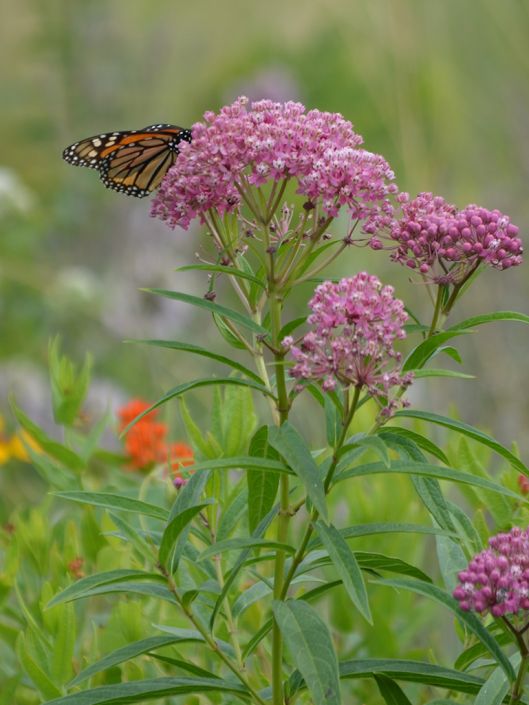
Rose Butterfly Plant (Asclepias incarnata) is a beautiful native milkweed prized for its fragrant clusters of rose-pink flowers, upright growth, and exceptional value to monarch butterflies and other pollinators. Also known as Swamp Milkweed, this dependable perennial blooms in midsummer with rounded flower clusters held above narrow green leaves. Despite its common name, it is not limited to swampy ground and performs very well in average garden soil as long as adequate moisture is available. It is one of the finest plants for butterfly gardens, native landscapes, and wildlife-friendly perennial borders.
Garden Uses
Rose Butterfly Plant is ideal for butterfly gardens, native plant gardens, rain gardens, pond edges, moist meadows, pollinator borders, cottage gardens, and naturalized landscapes. Its upright habit makes it easy to combine with Purple Coneflower, Black-eyed Susan, Joe-Pye Weed, Bee Balm, Blazing Star, Ironweed, Goldenrod, Asters, and native grasses. The rosy flower clusters add color and fragrance while serving as a magnet for butterflies, bees, and other beneficial insects.
Growing Information
Grow Rose Butterfly Plant in full sun to light partial shade and moist, well-drained soil. It thrives in damp locations but also adapts to average garden soil if watered during dry periods. Plants typically reach 3 to 5 feet tall with a spread of 2 to 3 feet, forming upright clumps rather than aggressive colonies. Seeds benefit from cold stratification before sowing. Once established, plants are hardy, long-lived, and low maintenance. Allow seed pods to mature if natural reseeding is desired, or remove pods before they split to control self-sowing.
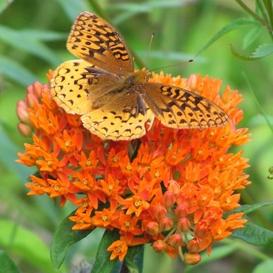
Orange Butterfly Milkweed (Asclepias tuberosa) is one of North America's most spectacular native wildflowers, producing brilliant clusters of fiery orange blossoms that illuminate the summer garden while serving as one of the most important plants for monarch butterflies. Unlike many other milkweeds, this species forms neat, compact clumps with deep green, lance-shaped foliage and abundant long-lasting flowers from early summer into midsummer. Exceptionally drought tolerant and remarkably easy to grow, Butterfly Milkweed is an essential addition to butterfly gardens, native landscapes, prairie plantings, and sunny perennial borders.
Garden Uses
Orange Butterfly Milkweed is ideal for butterfly gardens, native plant landscapes, prairie gardens, cottage gardens, perennial borders, meadow plantings, xeriscapes, and pollinator gardens. Its vivid orange flowers combine beautifully with Purple Coneflower, Black-eyed Susan, Blazing Star, Coreopsis, Blanket Flower, Bee Balm, Penstemon, Little Bluestem, and ornamental grasses. The bright blooms create striking color contrasts while attracting a constant parade of butterflies and beneficial insects.
Growing Information
Butterfly Milkweed thrives in full sun and well-drained soil, preferring sandy, gravelly, or average garden soils. Once established, its deep taproot provides exceptional drought tolerance, making it one of the best native perennials for dry gardens. Mature plants typically grow 18 to 30 inches tall with a spread of 18 to 24 inches, forming tidy, non-spreading clumps. Avoid transplanting mature plants because of their long taproots. Seeds benefit from cold stratification before germination and should be sown where plants can remain permanently. Water regularly during establishment, then only occasionally during extended drought.
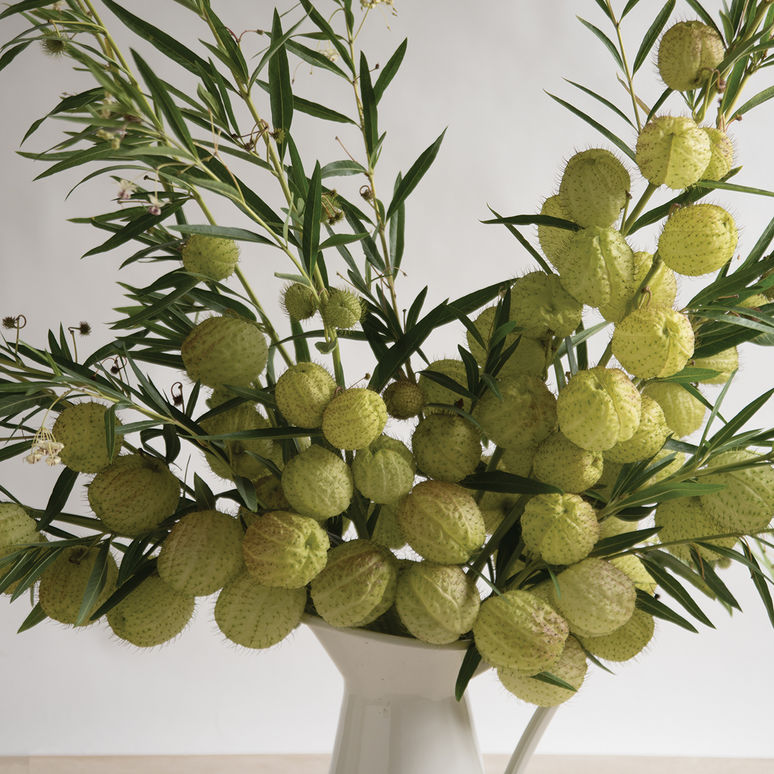
Oscar Balloon Plant (Asclepias physocarpa) is one of the most unusual and fascinating members of the milkweed family, producing clusters of delicate creamy-white flowers followed by remarkable inflated seed pods that resemble small green balloons or ornamental lanterns. Native to southern Africa, this distinctive perennial is grown as an annual in cooler climates and has become a favorite for butterfly gardens, floral arrangements, and conversation gardens. The unusual seed pods provide months of ornamental interest and are widely used by florists in both fresh and dried arrangements.
Garden Uses
Oscar Balloon Plant is ideal for butterfly gardens, pollinator gardens, cottage gardens, cutting gardens, mixed perennial borders, tropical-style plantings, and novelty gardens. The unusual balloon-like seed pods make it a favorite for floral designers and dried flower enthusiasts. It pairs beautifully with zinnias, cosmos, salvias, butterfly weed, Mexican sunflower, ornamental grasses, and other summer-blooming flowers that attract pollinators.
Growing Information
Oscar thrives in full sun and fertile, well-drained soil. Plants typically grow 3 to 6 feet tall with a spread of 2 to 3 feet, producing upright stems topped with clusters of flowers followed by the distinctive inflated seed pods. Regular watering encourages vigorous growth, although established plants tolerate short dry periods. In USDA Zones 9-11 it may behave as a perennial, while in cooler climates it is commonly grown as a warm-season annual. Seeds germinate readily in warm soil after all danger of frost has passed.

Contact Us | Privacy Policy | About Us
Serving gardeners since 1992
State of Mississippi Seedmen's Permit #C-391, Ohio 90152, Minnesota 20086777