
Asparagus Seeds
Useful gardening information
Asparagus is a member of the Lily family.
Asparagus spears grow from a crown that is planted about a foot deep in sandy soils. Under ideal conditions, an asparagus spear can grow 10" in a 24-hour period.
Each crown will send spears up for about 6-7 weeks during the spring and early summer. The outdoor temperature determines how much time will be between each picking...early in the season, there may be 4-5 days between pickings and as the days and nights get warmer, a particular field may have to be picked every 24 hours.
After harvesting is done the spears grow into ferns, which produce red berries and the food and nutrients necessary for a healthy and productive crop the next season.
An asparagus planting is usually not harvested for the first 3 years after the crowns are planted allowing the crown to develop a strong fibrous root system.
A well cared for asparagus planting will generally produce for about 15 years without being replanted.
The larger the diameter, the better the quality!
Asparagus is a nutrient-dense food which in high in Folic Acid and is a good source of potassium, fiber, vitamin B6, vitamins A and C, and thiamin.
Asparagus has No Fat, contains No Cholesterol and is low in Sodium.
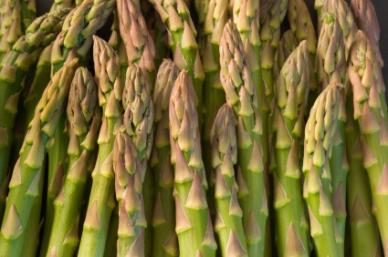
A classic heirloom variety prized for its tender green spears, dependable production, and excellent flavor. Once established, this long-lived perennial vegetable can produce delicious spring harvests for many years, making it one of the most rewarding crops a home gardener can plant. Mary Washington is especially valued for its sturdy spears, attractive ferny foliage, and old-fashioned reliability in permanent vegetable beds.
Flavor ProfileMary Washington Asparagus has a fresh, mildly sweet, grassy flavor with a tender texture when harvested young. The spears are rich and savory when steamed, roasted, grilled, or sautéed, and they pair beautifully with butter, olive oil, lemon, garlic, Parmesan cheese, eggs, potatoes, seafood, chicken, and spring herbs.
Growing InformationSow seeds indoors 10 to 12 weeks before the last expected spring frost, or sow directly outdoors after the soil has warmed. Soak seeds overnight before planting to help speed germination. Sow seeds about 1/2 inch deep in a well-drained seed-starting mix and keep evenly moist. Germination can be slow, often taking 14 to 28 days.
Transplant seedlings into a permanent bed in full sun and fertile, well-drained soil. Asparagus is a long-term crop, so prepare the bed deeply with compost before planting. Space plants generously to allow crowns room to mature. Do not harvest heavily the first year from seed; allow plants to build strong roots. Begin light harvests once plants are well established, usually in the second or third year, depending on vigor.
Quick Facts| Characteristic | Details |
|---|---|
| Botanical Name | Asparagus officinalis |
| Common Name | Mary Washington Asparagus |
| Plant Type | Perennial vegetable |
| Edible Portion | Young spring spears |
| Flavor | Mild, fresh, slightly sweet, grassy, and savory |
| Best Uses | Steaming, roasting, grilling, sautéing, stir-fries, soups, quiche, casseroles, salads, and pasta dishes |
| Days to Germination | Approximately 14–28 days |
| Harvest Season | Spring |
| Height | 3–5 feet when allowed to fern |
| Spread | 18–24 inches |
| Sun Exposure | Full sun |
| Soil Requirements | Deep, fertile, well-drained soil enriched with compost |
| Water Requirements | Moderate during establishment; more drought tolerant once mature |
| Garden Uses | Permanent vegetable beds, edible landscapes, perennial gardens, homestead gardens, and spring harvest gardens |
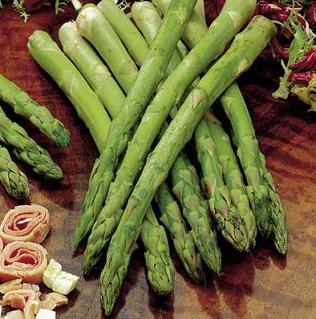
One of the world's most productive modern asparagus varieties, developed for exceptional vigor, uniform spear production, and outstanding adaptability. Originally bred by the University of California, this improved variety quickly became a favorite among both commercial growers and home gardeners because of its large, tender spears, excellent disease resistance, and dependable yields. UC157 establishes quickly and produces abundant harvests of smooth, straight green spears with tight tips and outstanding eating quality.
Flavor ProfileUC157 offers a mild, sweet, buttery flavor with a clean, fresh finish and very little bitterness. The thick, tender spears remain succulent when harvested at the proper stage and develop a rich, slightly nutty taste when roasted or grilled. Its excellent texture makes it equally enjoyable served simply with butter or incorporated into gourmet dishes.
Growing InformationStart seeds indoors 10 to 12 weeks before the last expected spring frost, or sow directly outdoors after the soil has warmed. Soaking seeds overnight before planting can improve germination. Sow seeds approximately 1/2 inch deep in a well-drained growing medium and keep evenly moist. Germination generally occurs within 14 to 28 days.
Transplant seedlings into a permanent location with full sun and deep, fertile, well-drained soil enriched with generous amounts of compost. Because asparagus remains productive for many years, careful soil preparation is well worth the effort. Avoid harvesting heavily during the establishment period, allowing the crowns to develop strong root systems before beginning regular harvests in subsequent seasons.
Quick Facts| Characteristic | Details |
|---|---|
| Botanical Name | Asparagus officinalis |
| Common Name | UC157 Asparagus |
| Plant Type | Perennial Vegetable |
| Edible Portion | Young Spring Spears |
| Flavor | Mild, Sweet, Buttery, Fresh |
| Best Uses | Steaming, Grilling, Roasting, Stir-Frying, Soups, Pasta, Quiche, Salads, Freezing |
| Days to Germination | 14–28 Days |
| Harvest Season | Spring |
| Height | 3–5 Feet when Ferned Out |
| Spread | 18–24 Inches |
| Sun Exposure | Full Sun |
| Soil Requirements | Deep, Fertile, Well-Drained Soil Rich in Organic Matter |
| Water Requirements | Moderate During Establishment; Moderate Thereafter |
| Garden Uses | Permanent Vegetable Beds, Raised Beds, Edible Landscapes, Market Gardens, Homesteads |
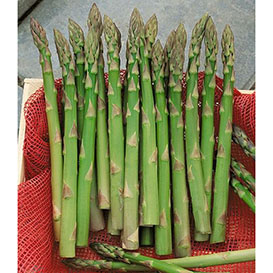
An outstanding modern asparagus selection developed from the famous Mary Washington lineage, combining the classic flavor gardeners have loved for generations with improved vigor, spear quality, and productivity. This premium variety produces an abundance of thick, tender, deep green spears with tightly closed tips and excellent uniformity. Designed for today's home gardeners and market growers, Mary's Granddaughter offers the dependable performance of a classic heirloom with the advantages of modern plant breeding.
Flavor ProfileMary's Granddaughter produces exceptionally tender spears with a sweet, buttery flavor and very little bitterness. The thick stalks remain succulent when harvested young, offering a delicate grassy freshness with subtle nutty undertones. Its refined flavor is excellent for both simple home cooking and gourmet recipes.
Start seeds indoors approximately 10 to 12 weeks before the final spring frost, or sow outdoors once the soil has warmed. Soaking the seeds overnight before planting helps improve germination. Sow seeds about 1/2 inch deep in a well-drained growing medium and keep evenly moist. Germination generally occurs within 14 to 28 days.
Transplant seedlings into a permanent bed in full sun with deep, fertile, well-drained soil that has been enriched with compost or well-aged organic matter. Space plants generously to allow crowns to mature fully. Avoid harvesting during the establishment period so the crowns can develop strong root systems. Once established, a properly maintained planting can remain productive for 15 to 20 years or longer.
Harvest & StorageHarvest spears when they reach 6 to 8 inches tall and before the tips begin to loosen. Snap or cut the spears at ground level. Continue harvesting until spear diameter naturally decreases, then allow the remaining shoots to grow into tall fern-like foliage that stores energy for the following year's crop. Fresh asparagus is best enjoyed shortly after harvest but may be refrigerated for several days or blanched and frozen for long-term storage.
Quick Facts| Characteristic | Details |
|---|---|
| Botanical Name | Asparagus officinalis |
| Common Name | Mary's Granddaughter Asparagus (U2) |
| Plant Type | Perennial Vegetable |
| Edible Portion | Young Spring Spears |
| Flavor | Sweet, Buttery, Mild, Tender |
| Best Uses | Steaming, Roasting, Grilling, Stir-Frying, Soups, Pasta, Quiche, Salads, Freezing |
| Days to Germination | 14–28 Days |
| Harvest Season | Spring |
| Height | 3–5 Feet when Ferned Out |
| Spread | 18–24 Inches |
| Sun Exposure | Full Sun |
| Soil Requirements | Deep, Fertile, Well-Drained Soil Rich in Organic Matter |
| Water Requirements | Moderate; consistent moisture during active growth |
| Garden Uses | Permanent Vegetable Beds, Raised Beds, Edible Landscapes, Kitchen Gardens, Market Gardens |

Contact Us | Privacy Policy | About Us
Serving gardeners since 1992
State of Mississippi Seedmen's Permit #C-391, Ohio 90152, Minnesota 20086777