
Asparagus Pea Seeds
The young pods taste similar to asparagus,
or the vegetable is prepared in the same manner as asparagus, by steaming and covering with butter.
Another common name for Tetragonolobus purpurea is the Winged Pea because the pods that form have the appearance of having wings.
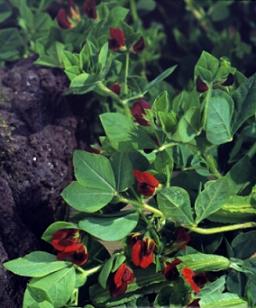
Asparagus Pea is also known as Winged Pea or Lotus Tetragonolobus, is an unusual heirloom vegetable grown for its attractive red pea-like flowers and unique four-winged edible pods. The young pods are harvested while small and tender, offering a delicate flavor often compared to asparagus with hints of green bean and fresh peas. Compact, ornamental, and productive, Asparagus Pea is a wonderful choice for gardeners who enjoy rare vegetables that are both beautiful in the garden and interesting in the kitchen.
Flavor ProfileYoung Asparagus Pea pods have a mild, fresh, green flavor with a subtle asparagus-like quality and a tender-crisp texture when harvested early. The flavor is best when pods are picked very young, before they become fibrous. Light cooking brings out their delicate vegetable sweetness, making them especially enjoyable in simple preparations.
Culinary UsesHarvest the pods when they are small, usually about 1 to 2 inches long, for the best tenderness and flavor. They may be steamed, sautéed, stir-fried, added to soups, tossed with butter or olive oil, or used as a novelty vegetable in mixed garden dishes. The pods are especially good lightly cooked with garlic, herbs, lemon, or mild sauces that allow their delicate flavor to stand out.
Nutritional ValueAsparagus Pea pods provide dietary fiber, plant-based nutrients, and the general nutritional benefits associated with fresh green legumes. Like other members of the pea and bean family, the plant contributes useful vegetable protein in small amounts along with vitamins and minerals found in fresh garden greens. Its greatest value is as a fresh, lightly cooked specialty vegetable harvested at peak tenderness.
Growing InformationSow seeds directly outdoors after danger of frost has passed and the soil has warmed, or start indoors a few weeks early for transplanting. Soaking seed overnight before planting may help improve germination. Sow about 1/2 inch deep in well-drained soil and keep evenly moist until seedlings are established.
Grow in full sun in moderately fertile, well-drained soil. Plants are usually compact and bushy rather than tall climbing vines, making them suitable for small gardens, raised beds, and ornamental vegetable plantings. Provide regular moisture during flowering and pod formation for the best production. Harvest frequently while pods are very young to encourage additional flowering and pod set.
Harvest and StoragePick pods while they are still small, tender, and bright green. Older pods quickly become tough, so frequent harvesting is important. Use fresh pods soon after picking for best texture and flavor. They may be refrigerated for a short time, but this is a vegetable best enjoyed fresh from the garden.
Quick Facts| Characteristic | Details |
|---|---|
| Botanical Name | Tetragonolobus purpureus |
| Common Name | Asparagus Pea, Winged Pea |
| Plant Type | Annual legume vegetable |
| Edible Portion | Young four-winged pods |
| Flower Color | Deep red to crimson |
| Flavor | Mild, fresh, asparagus-like, green bean-like |
| Best Uses | Steaming, sautéing, stir-fries, soups, novelty vegetable dishes, edible landscaping |
| Days to Germination | Approximately 7–14 days in warm soil |
| Days to Harvest | Approximately 60–75 days for young pods |
| Height | 12–18 inches |
| Spread | 12–18 inches |
| Sun Exposure | Full sun |
| Soil Requirements | Moderately fertile, well-drained soil |
| Water Requirements | Moderate; consistent moisture during pod formation |
| Garden Uses | Vegetable gardens, raised beds, edible landscapes, ornamental borders, rare vegetable collections |

Contact Us | Privacy Policy | About Us
Serving gardeners since 1992
State of Mississippi Seedmen's Permit #C-391, Ohio 90152, Minnesota 20086777