
The Wonders of Basil
We believe that basil is one of the most under-appreciated plants that everyone seems to know about, but rarely raise themselves. Basil is one of the easiest plants to grow, and requires very little attention. It is a care free garden plant, or it can be grown very easily inside in containers, or outside on the patio, where brushing against the leaves will release fragrance and make the biting bugs disappear. It makes great potpourri material, and will add fragrance to any bouquet.
Basil is a well-known culinary herb that's popular in many Italian dishes. But did you know that there are many other uses of this herb, including its use as a tonic to aid in digestion? It is thought to have a calming effect on the stomach and 1/2 teaspoon of dried or fresh basil leaf in water can often help sooth indigestion and alleviate feelings of fullness.
The most common use of basil is for cooking, such as in tomato sauce, pesto, or vinegars. But it also can be sprinkled over salads and sliced tomatoes, either whole or chopped. Leaves of the basil can be dried and stored until needed, meaning you should always have basil available!
To make oil for salads, pound the fresh leaves and mix with a good salad or vegetable oil. If freezing the leaves, coat them with olive oil first.
Check out the many wonderful Medicinal Benefits of Basil
In the landscape, don't merely relegate basil to the herb or vegetable garden. Consider planting it in scented gardens, or use it as edging along a bed or path that you'll brush past and release the aroma.
Or try mass plantings of basil in a border, plant in decorative outdoor containers, or grow in pots indoors, if you have lots of light. In ancient times, pots of basil on the windowsill were used to deter flies.
Other uses of basil include the cosmetic. Basil leaves add zest to a potpourri blend. Put fresh leaves in a hot bath as an infusion, for example. As a tonic, steep a few leaves in wine for several hours. Or steep in water as a tea to aid digestion. A drop of basil oil on shirtsleeves will help counteract mental fatigue.
Once the seedlings have emerged, keep them in a lighted place but out of direct sunlight, then once the second set of leaves have fully formed, they can be moved to their final position, presumably a sunny part of the kitchen. Once the seedlings have reached a height of around 3 or 4 inches, pinch out the top most leaves as this will encourage the basil plant to produce lateral shoots, helping it to bush out.
As the plants continue to grow, remove any flower buds as they arise as this will signal a change in the flavour of the basil, making the leaves bitter and even unpalatable for some people. Flowering will also cause a significant reduction in the growth of new foliage, reducing the amount which can be used for cooking.
Growing Outside: Personally, I think all basil seeds should be started inside for best results, starting seeds about 6-8 weeks before the last frost. But, if you must start them outside directly in the soil, then sow the seeds in the garden after all danger of frost has passed and soil has warmed. Cover seeds about 1/4" deep and in a row, Grow in a rich, well-drained, soil and in full sun. Pinch the tip from the center shoot of Basil after it has grown for 6 weeks to force side growth and prevent early flowering. If flower stalks develop, simply snip them off.
Harvest the basil often. The trick to growing basil that is large and abundant is to harvest often. The more you harvest, the more the plant will grow. When harvesting, pinch off the stem right above where a pair of leaves are growing. After you harvest, two more stems will start to grow, which means twice the leaves next time you harvest! Remove flowers. Once a basil plant flowers, the leaves start to lose their good flavor. If you remove any flowers, the leaves will get their good flavor back in just a day or so.
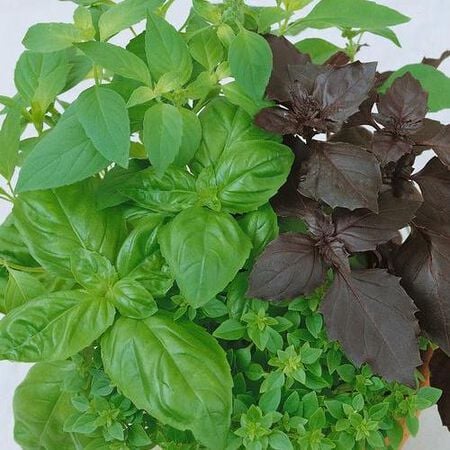
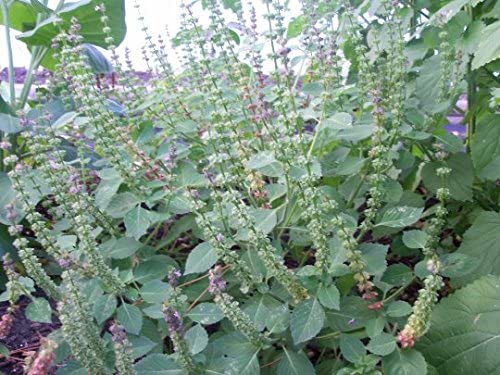
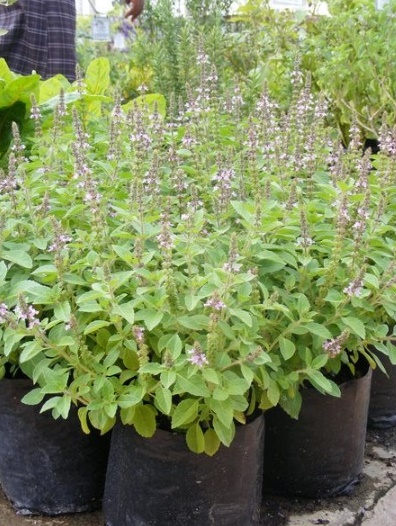
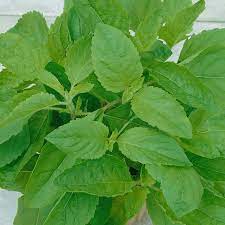
Clove basil is highly aromatic, offering a clove-like scent with a hint of thyme and cinnamon. When the plant matures, it produces edible, though somewhat bitter, delicate white flowers. The leaves, by contrast, offer a sweet yet spicy, clove-like flavor. Easily grown in containers, it is very aromatic and grows in a somewhat bushy habit.
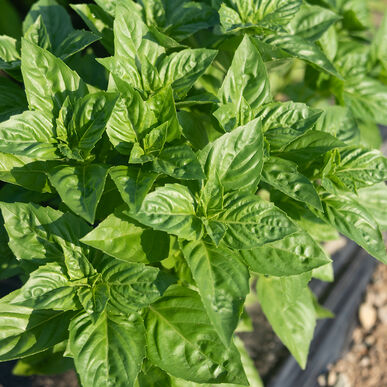
An attractive Italian large-leaf variety for discerning markets. Beautiful dark green, glossy leaves. High-yielding for field, greenhouse, and container production. Nice Italian aroma and flavor with slightly earthy, spicy notes. Leaves are medium size (2–2 1/2" long), flat, and pointed. Intermediate resistance to Fusarium and strong resistance to downy mildew. Bred by Dr. James Simon and Dr. Robert Pyne at Rutgers University. U.S. Utility patent 10,159,212.
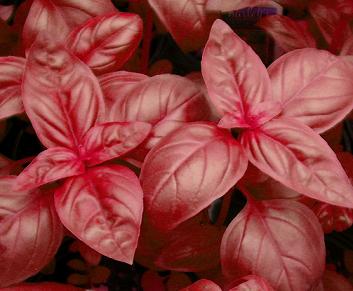
Red Freddy Genovese has striking deep red to maroon or purple foliage but retains the traditional, strong Genovese flavor. This makes it a popular choice for adding visual interest to dishes, garnishes, and herb vinegars, which it can turn a deep maroon color.
Grows about 21" tall.
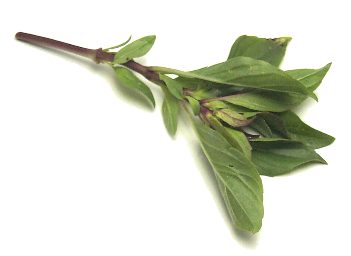
The plant itself features dark green leaves, maroon stems, and produces small, purple-pink flowers that are also edible. Anise basil is valued for its potent flavor, medicinal properties, and ability to attract beneficial pollinators like bees and butterflies to the garden.
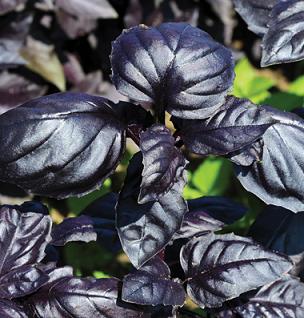
It offers a sweet, intense basil flavor, sometimes described as slightly spicier than green varieties. Some sources suggest the flavor of raw, fresh leaves is superior to when it's cooked, as high heat can dull the taste.
The large, glossy, dark purple leaves have a similar shape to green Genovese basil. It also produces delicate purple flowers, which are edible and can attract pollinators. The plant is known for its vigorous growth and is often more cold-hardy than other Genovese-type basils. It is also slower to bolt (go to seed), which extends the harvesting season for its leaves. It typically grows to a height of 16–20 inches.
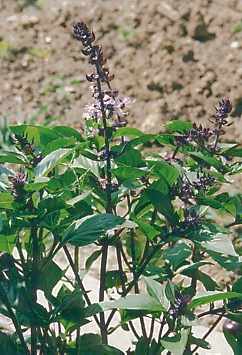
The leaves have a delicate licorice flavor combined with strong vanilla and clove undertones, which become spicier as the plant ages. Blue Spice basil is suitable for both sweet and savory dishes. It is especially effective in: fruit salads, teas, lemonades, cocktails, baked goods like scones and cookies, tomato, eggplant, fish, and poultry dishes.
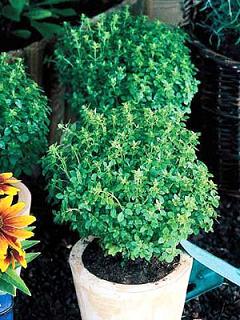
Like other basils, it likes warm weather and is easy to grow. Just clip stems as needed, trimming more before flowering if you need a lot of leaves at one time. Never remove all the leaves or cut back to the woody stems or you'll end up with a skeleton. The little leaves of this variety make it easy to sprinkle the fresh flavor of basil on just about anything.
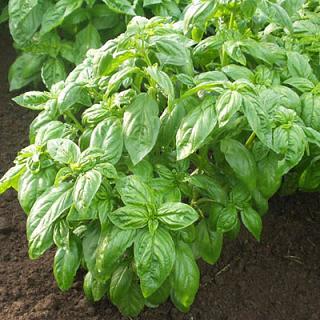
Due to its aromatic leaves, 'Caesar' basil is excellent for making pesto, sauces, and for use in fresh salads.
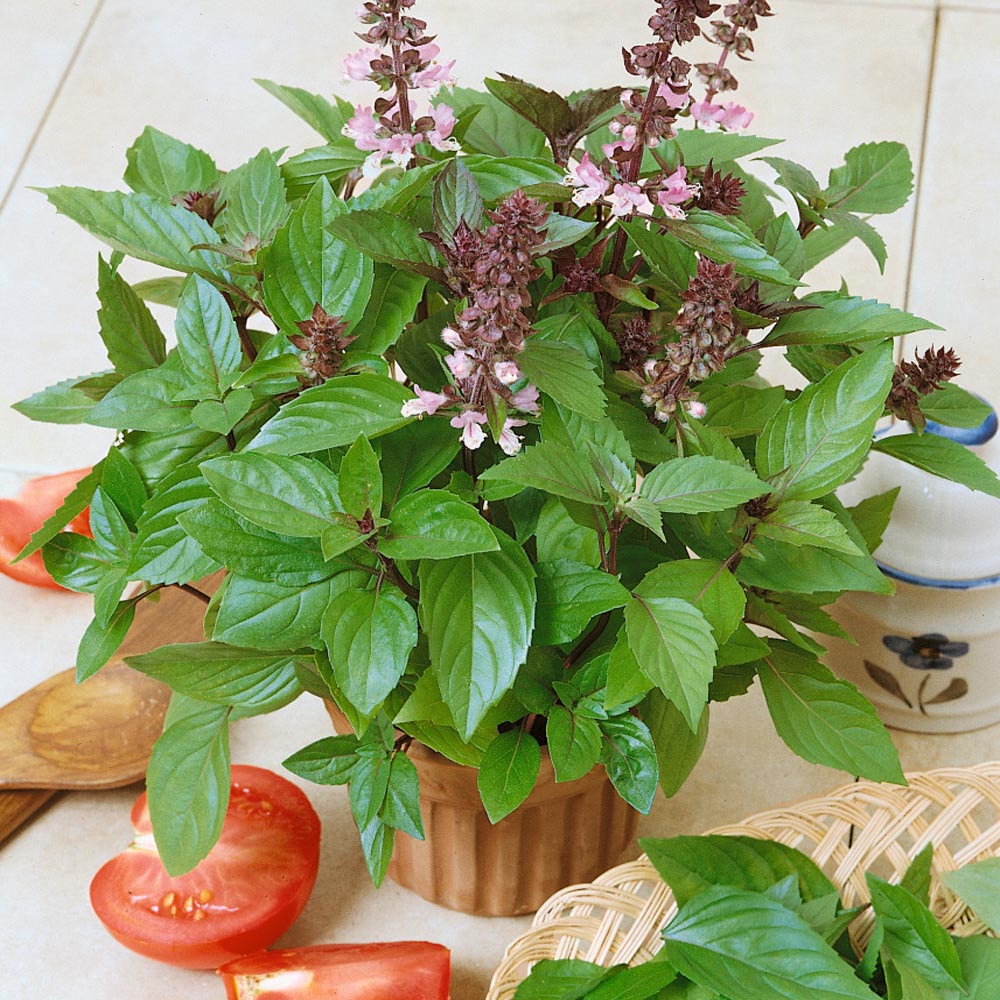
Cinnamon basil has a sweet, spicy aroma that smells and tastes like cinnamon, combined with a hint of mint. The plant has deep green, narrow leaves with reddish-purple veins and grows on striking dark purple stems. It is a heat-loving annual in cooler climates but can be a short-lived perennial in frost-free areas (USDA zones 10-11).
The sweet, cinnamon flavor makes it a great addition to desserts like ice cream, shortbread cookies, or fruit-based dishes. It pairs well with ingredients found in Asian and Indian cuisine, such as in marinades, fried rice, curries, and with roasted vegetables. You can use fresh leaves to make tea or infuse flavors into cocktails and honey.
The fragrant aroma can be enjoyed by using it in potpourri or simply by growing it for its scent. : Like other basils, cinnamon basil is known for its bug-repelling properties.
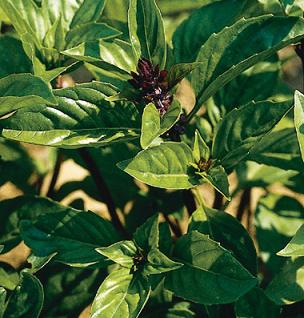
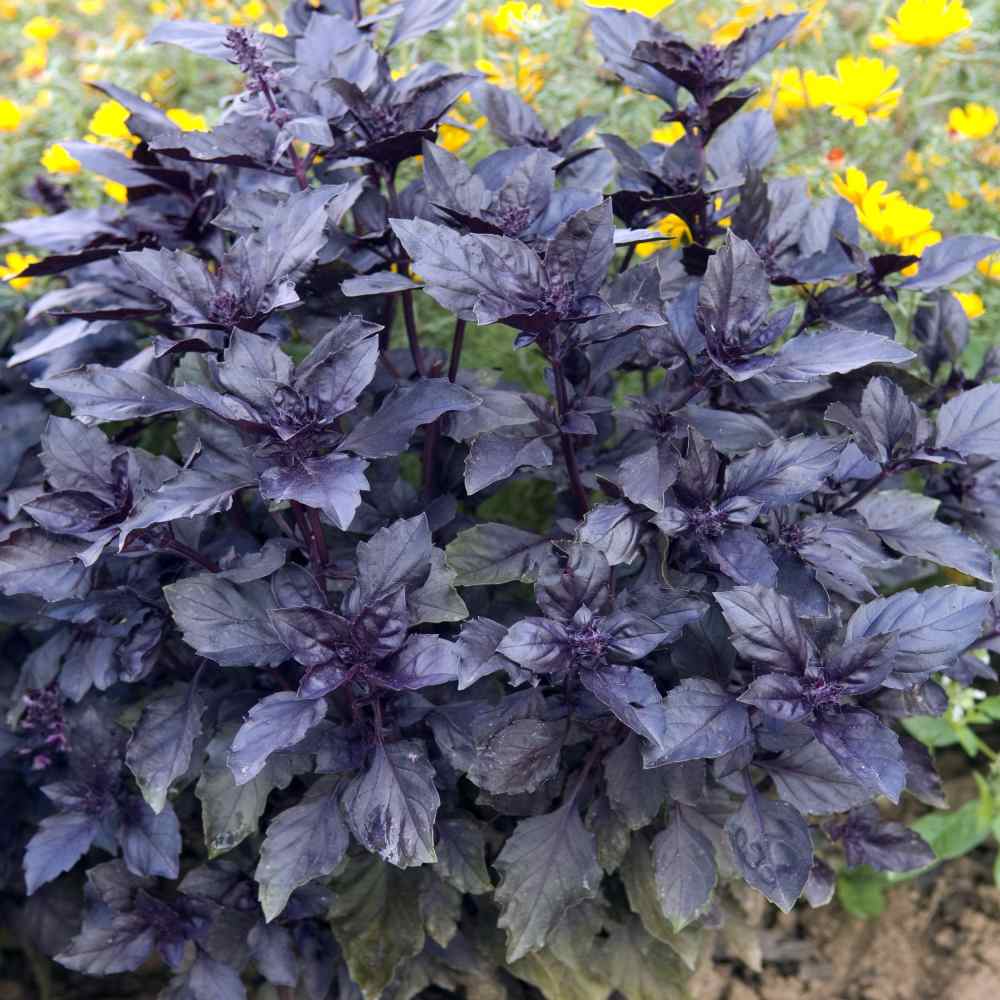
This old time favorite Dark Opal Sweet Basil herb has been delighting gardeners and foodies alike for decades now. Lots of people grow it for its decorative qualities, but it is a culinary wonder. Use its large glossy, purple leaves with large sliced tomatoes for fun contrast and a perfect flavor match that has been used since the turn of the last century! Dark Opal Basil grows best in full sun, but make sure it is fully protected from wind and the elements.
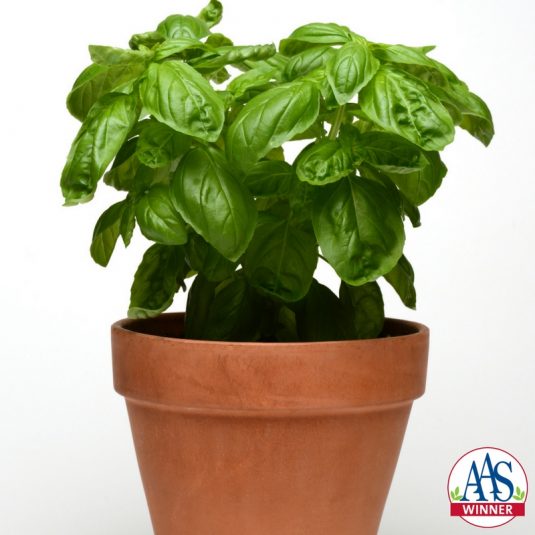
After harvest, the plant was quick to recover and kept the desired ornamental shape that’s perfect for containers, borders or as a focal point. Great for gardeners looking for drought-tolerant, hearty plants, foodies interested in a new and better basil and anyone who wants that great Mediterranean taste added to their cuisine
Compact, small rounded leaf, grows 12" tall.
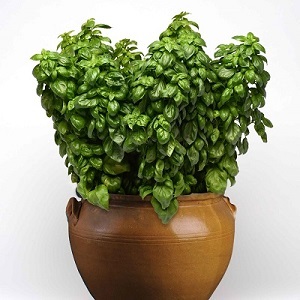
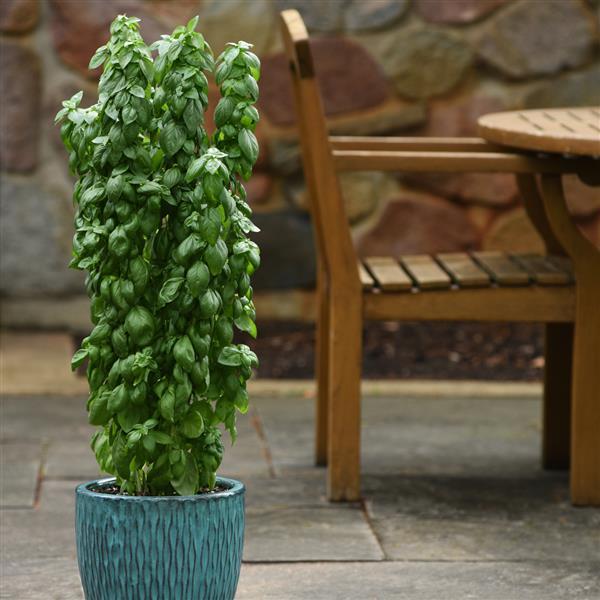
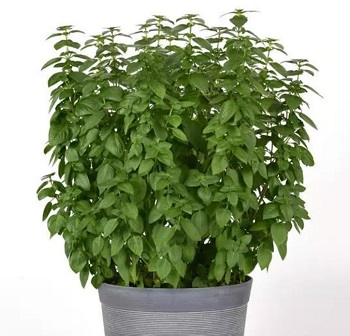
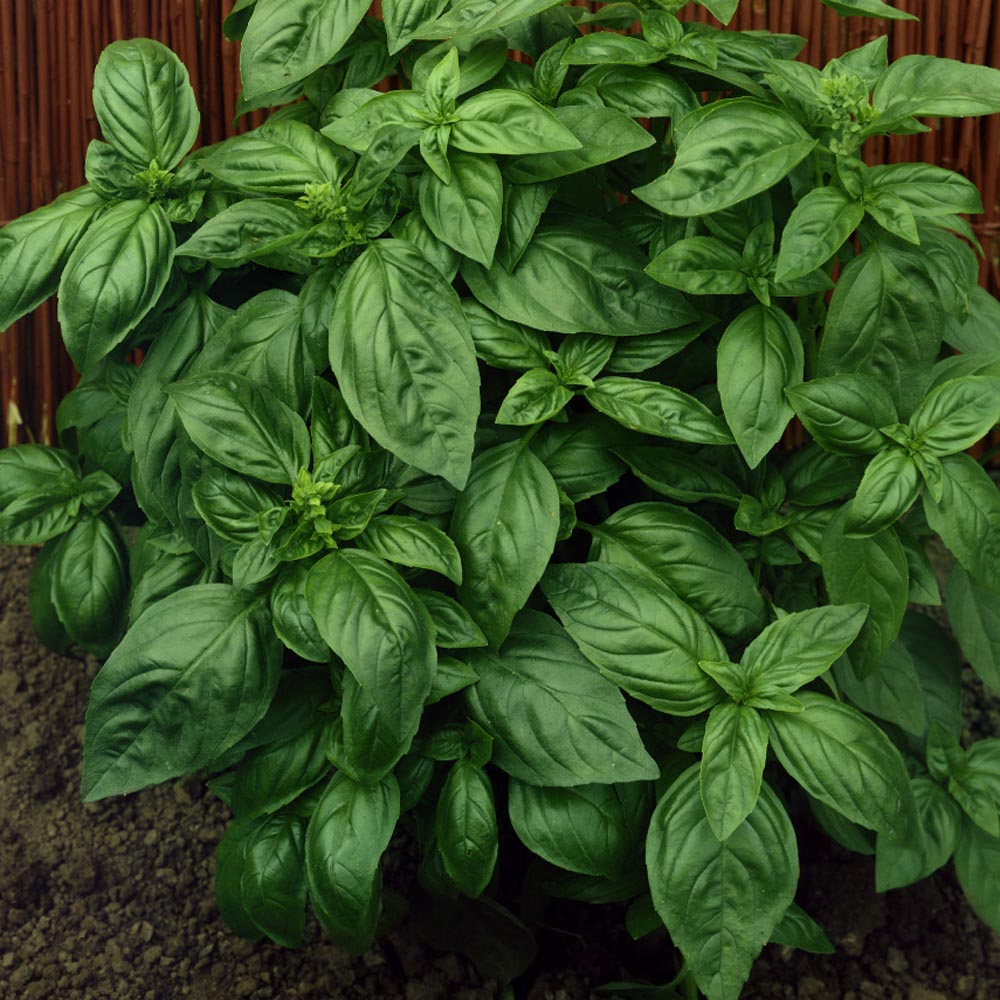
Genovese Basil is the classic Italian sweet basil prized by chefs and gardeners alike for its large, glossy, deep green leaves and rich, sweet aroma. This traditional heirloom is considered the premier variety for authentic pesto, while its outstanding flavor also enhances tomato dishes, pasta, pizza, soups, salads, and countless other culinary creations. The highly aromatic foliage can be harvested continually throughout the growing season, making it one of the most rewarding culinary herbs to grow.
Plants develop into vigorous, bushy specimens reaching 18 to 24 inches tall and produce an abundance of tender leaves with regular harvesting. Thriving in full sun and fertile, well-drained soil, Genovese Basil is equally at home in vegetable gardens, herb gardens, raised beds, and containers. Pinching flower buds as they appear encourages continued leaf production and extends the harvest season. Easy to grow and exceptionally productive, Genovese Basil remains the gold standard for home gardeners seeking outstanding flavor and dependable performance.
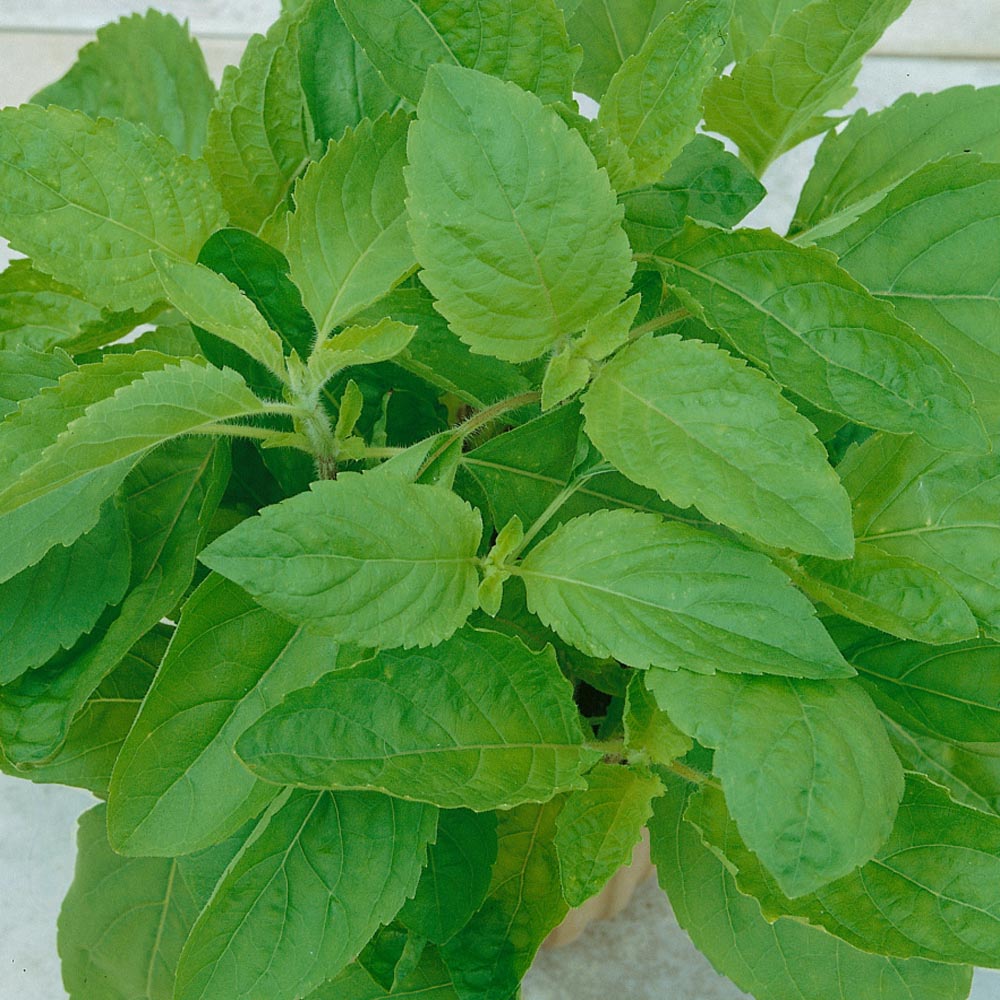
Holy Basil plants are extremely important in the Hindu religion. In the Hindu religion the herb plants, called Tulsi, are worshiped morning and evening. As a medicinal herb, Tulsi Holy Basil is used to fight fevers associated with malaria, dengue fever, colds and flu by making a tea from the leaves. The Holy Basil teas also soothe sore throats, coughs, and respiratory ailments. Holy Basil is considered to be an adaptogen and helps protect the body against stress.
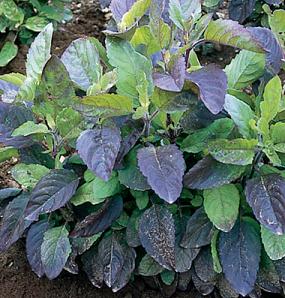
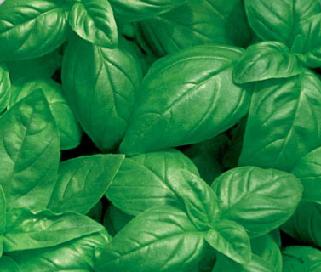
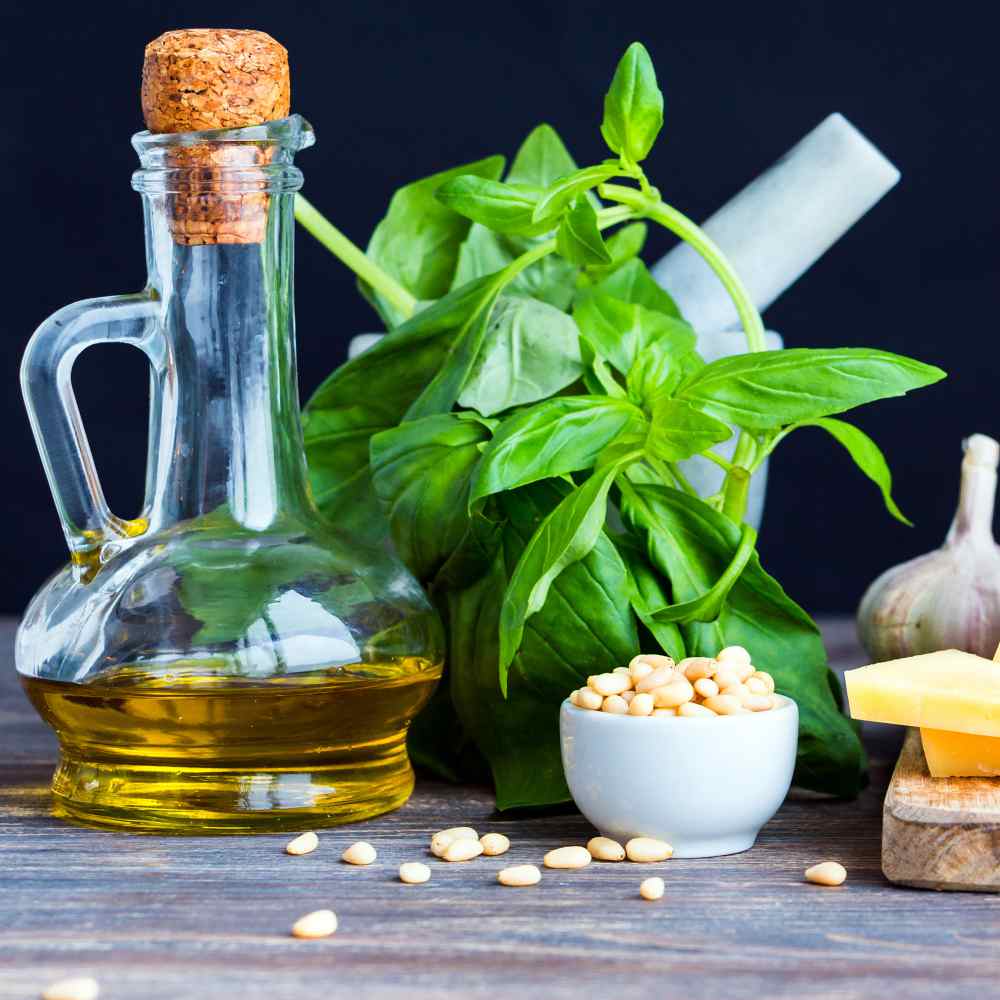
This Basil grows 18 to 24 inches high and 12 to 15 inches wide. The dark green, shiny leaves grow up to 3 inches long. Pick the extra large leaves and use them fresh or dried in tomato dishes, pasta sauces, vegetables and soups. Basil is at its most flavorful when fresh. The best time to harvest is just as the plant starts to set flower buds, well before flowers bloom. Harvest leaves continually to encourage new growth. Pinch out growing tips to encourage bushier plants and to delay flowering.
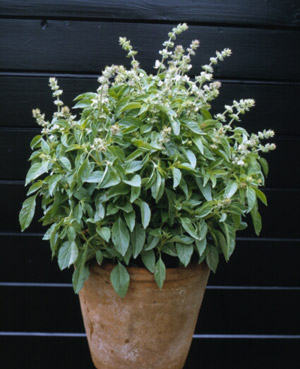
Lemon Basil is a delightful culinary herb that combines the sweet flavor of traditional basil with a refreshing citrus aroma and bright lemony taste. The attractive plants produce an abundance of light green leaves that add a unique zest to salads, seafood, chicken, pasta dishes, vegetables, herbal vinegars, and refreshing teas. Its pleasant fragrance also makes it a favorite for fresh bouquets and patio containers where the aromatic foliage can be enjoyed throughout the summer.
Growing 18 to 24 inches tall, Lemon Basil forms a vigorous, bushy plant that responds well to regular harvesting. It thrives in full sun and fertile, well-drained soil, producing a continuous supply of flavorful leaves throughout the growing season. Frequent pinching encourages dense branching while delaying flowering for an extended harvest. Easy to grow and highly productive, Lemon Basil is an excellent choice for herb gardens, vegetable gardens, raised beds, and containers, adding both ornamental beauty and distinctive citrus flavor to the kitchen.
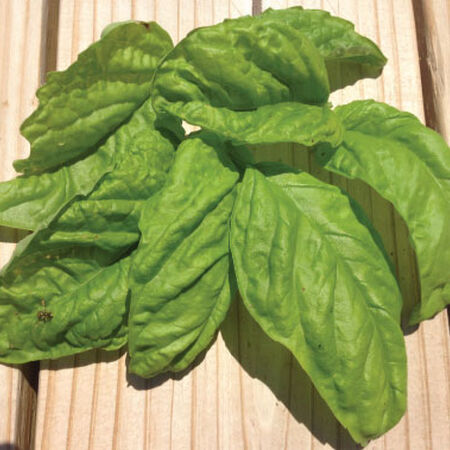
Lettuce Leaf Basil is a vigorous Italian heirloom prized for its enormous, crinkled leaves that resemble loose-leaf lettuce. The exceptionally tender foliage offers the classic sweet basil flavor with a mild, aromatic fragrance, making it ideal for fresh pesto, salads, sandwiches, pasta, pizza, soups, and countless Mediterranean dishes. Individual leaves can grow to remarkable size, allowing gardeners to harvest generous amounts from just a few plants.
Plants develop into large, bushy specimens reaching 18 to 30 inches tall and produce abundant foliage throughout the growing season with regular harvesting. Thriving in full sun and fertile, well-drained soil, Lettuce Leaf Basil performs beautifully in herb gardens, vegetable gardens, raised beds, and containers. Pinching flower buds encourages continuous leaf production and keeps the foliage tender and flavorful. Easy to grow and highly productive, this outstanding variety is an excellent choice for gardeners seeking maximum leaf size and exceptional culinary quality.
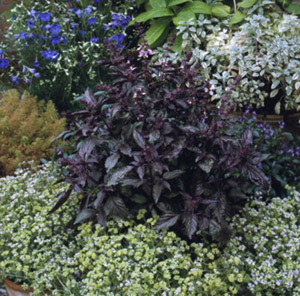
Licorice basil's flavor is characterized by strong notes of licorice or anise, often rounded out by hints of cinnamon and clove. It is more intensely flavored than sweet basil and holds its flavor well when cooked. This herb is used in a variety of cuisines, particularly those from Southeast Asia, the Middle East, and India. Often used in Thai dishes like curries and stir-fries, as well as Vietnamese pho.
It can be used to make an infused syrup for lemonade or added to cocktails. The licorice flavor pairs well with fruits and other sweet ingredients. It adds a twist to pesto, salads, and pasta dishes. The edible leaves and flowers make an attractive garnish. Grows about 12" tall.
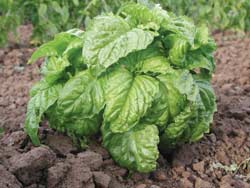
This basil variety grows into a bushy, robust plant, typically reaching heights of 18 to 24 inches. It is a highly productive variety, which is why it is favored by chefs and gardeners who need a lot of foliage.
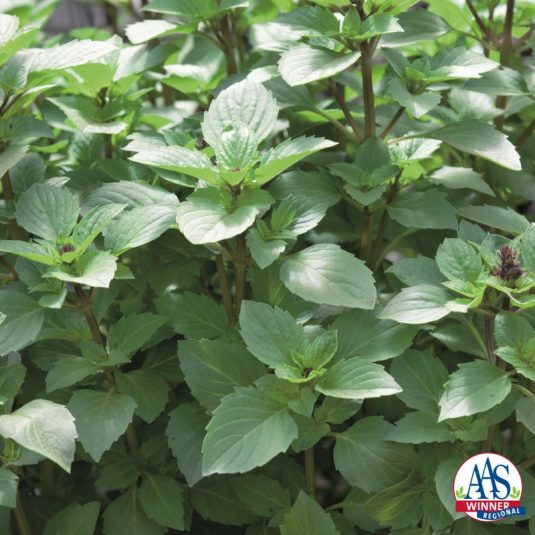
An additional bonus is that this AAS Winner is late to produce flowers, which often make basil develop a bitter taste. Need one more reason to try Persian Basil? The bees were very active around this entry in the trials so you’ll also do your pollinator friends a favor having this basil in your garden.
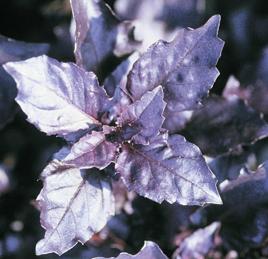
Osmin purple basil has a classic, slightly sweet and spicy basil flavor, with some noting a hint of anise or clove. Its flavor is often described as slightly fruitier than green varieties. Glossy dark purple 2" slightly ruffled leaf, sweet fruity taste, lilac blooms, 5 percent of plants will be green, 80 days.
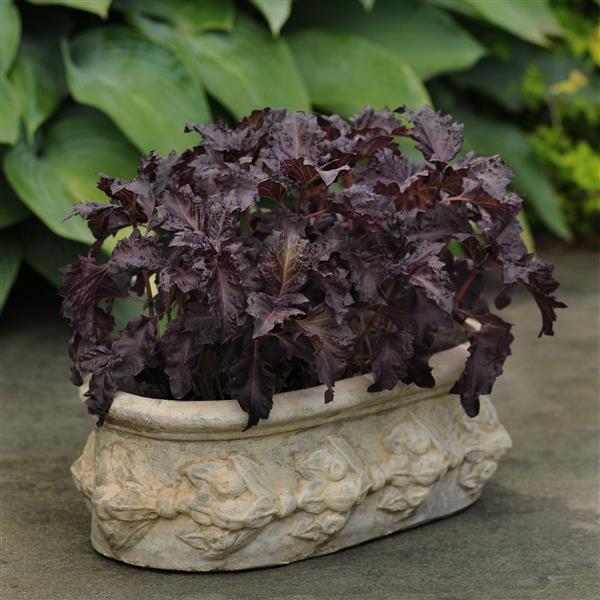
Also great in containers or garden beds as an ornamental. Small percentage of plants are green. 3" long leaves. Height 16-20".
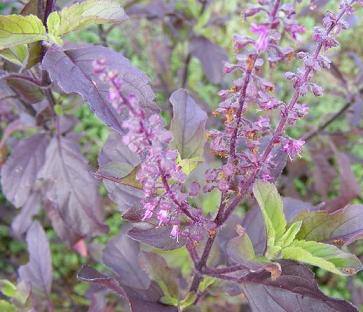
Sacred Basil, also known as Holy Basil or Tulsi, is one of the world's most revered herbs, treasured for centuries in India for its aromatic foliage, ornamental beauty, and traditional herbal uses. The attractive plants produce fragrant green leaves with a distinctive spicy, clove-like aroma that are commonly used fresh or dried for herbal teas, culinary seasoning, and potpourri. Its abundant lavender to purple flower spikes are also highly attractive to bees, butterflies, and other beneficial pollinators throughout the growing season.
Growing 18 to 30 inches tall, Sacred Basil forms a vigorous, well-branched plant that thrives in full sun and well-drained soil. The leaves can be harvested continually for fresh use, while allowing some flower spikes to develop creates an outstanding ornamental display and provides valuable nectar for pollinators. Easy to grow in herb gardens, vegetable gardens, raised beds, and containers, Sacred Basil is an excellent choice for gardeners seeking a beautiful, fragrant herb with a rich cultural history and many practical uses.
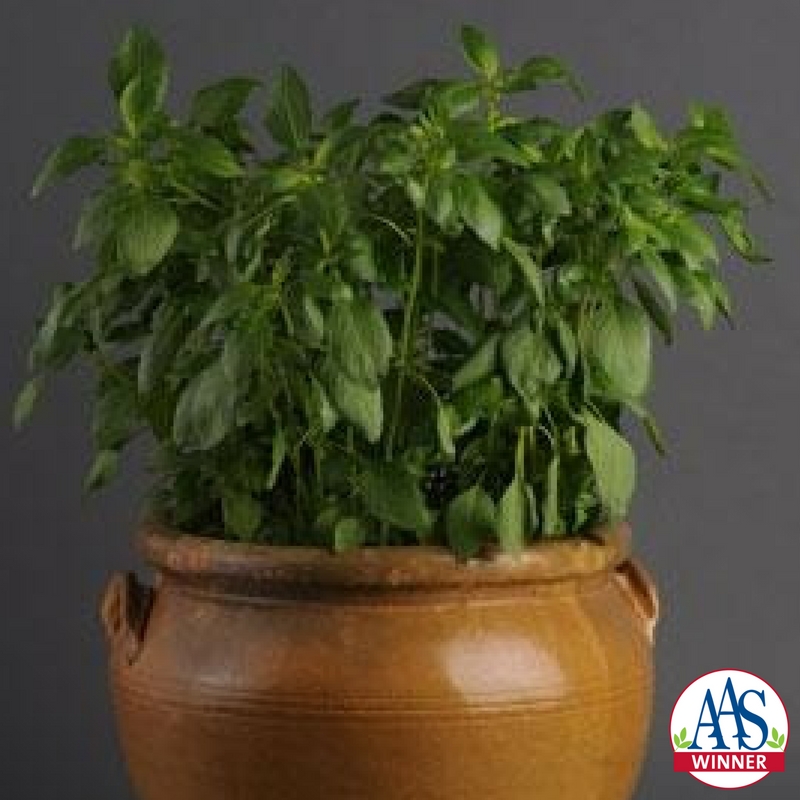
Sweet Dani's leaves have a pungent, lemony taste with a hint of mint and spice. Unlike classic sweet basil, it is prized specifically for this strong citrus note. Sweet Dani's bright, lemony flavor makes it a versatile ingredient. Add fresh leaves to lettuce or fruit salads for a burst of citrus flavor.
Its lemon notes pair exceptionally well with fish and chicken dishes. The spice and citrus profile complements the flavors of Thai dishes. Use the leaves or edible white flowers to infuse teas or garnish cocktails like mojitos, bellinis, or lemonade. AAS Winner, grows about 26" tall.
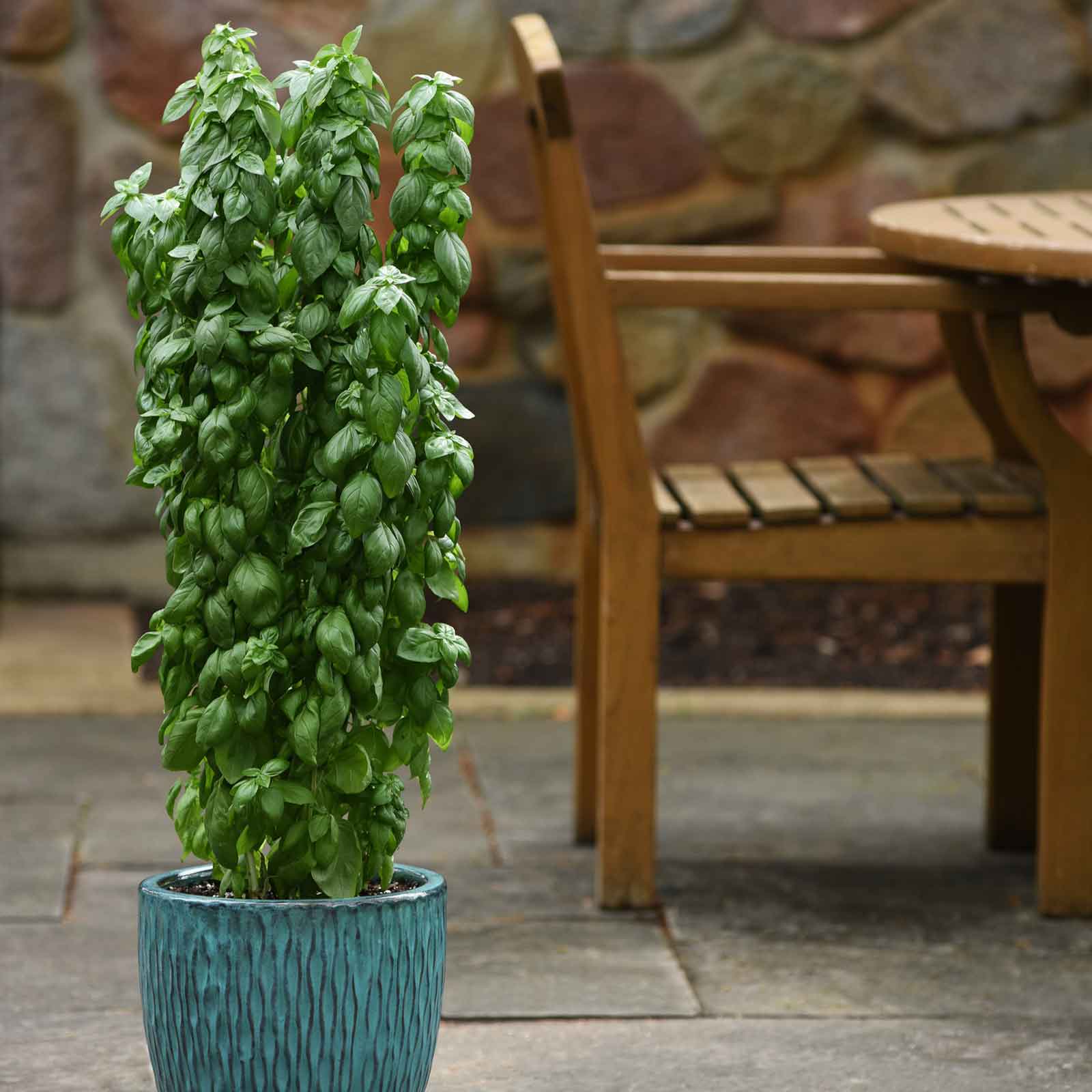
Named for its unique growth habit which features tall, upright stems, the leaves of the plant are a vibrant shade of green and have a glossy, slightly ruffled texture. It is beautiful in pots, and this boldly flavored basil is slow to bolt. 65 days.
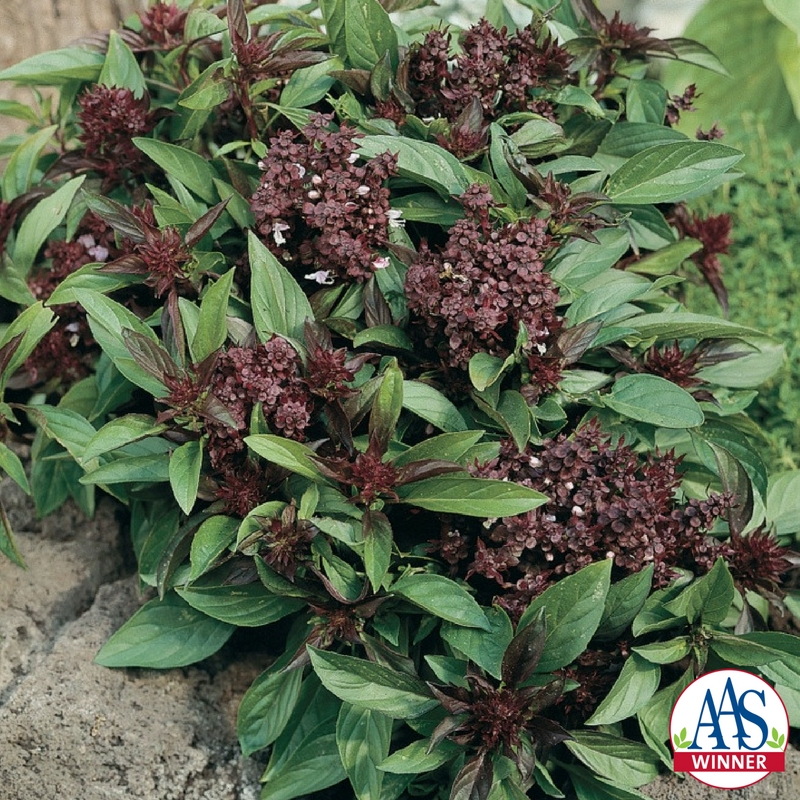
Thai Siam Queen Basil is an award-winning variety prized for its striking ornamental beauty and authentic Thai flavor. The lush green leaves, deep purple stems, and attractive lavender flower spikes make this basil as beautiful in the garden as it is useful in the kitchen. Its distinctive sweet, spicy fragrance with notes of anise and licorice is an essential ingredient in Thai, Vietnamese, and other Southeast Asian cuisines, adding exceptional flavor to curries, stir-fries, soups, noodle dishes, and fresh salads.
Growing 18 to 24 inches tall, Thai Siam Queen forms vigorous, well-branched plants that produce abundant foliage throughout the growing season. The colorful flower spikes remain attractive for an extended period while drawing bees, butterflies, and other beneficial pollinators to the garden. Thriving in full sun and well-drained soil, this outstanding basil performs beautifully in herb gardens, vegetable gardens, containers, and ornamental plantings. Easy to grow and highly productive, Thai Siam Queen offers the perfect combination of culinary excellence and ornamental appeal.

Contact Us | Privacy Policy | About Us
Serving gardeners since 1992
State of Mississippi Seedmen's Permit #C-391, Ohio 90152, Minnesota 20086777