
Plants for attracting Bees, Butterflies and Hummingbirds
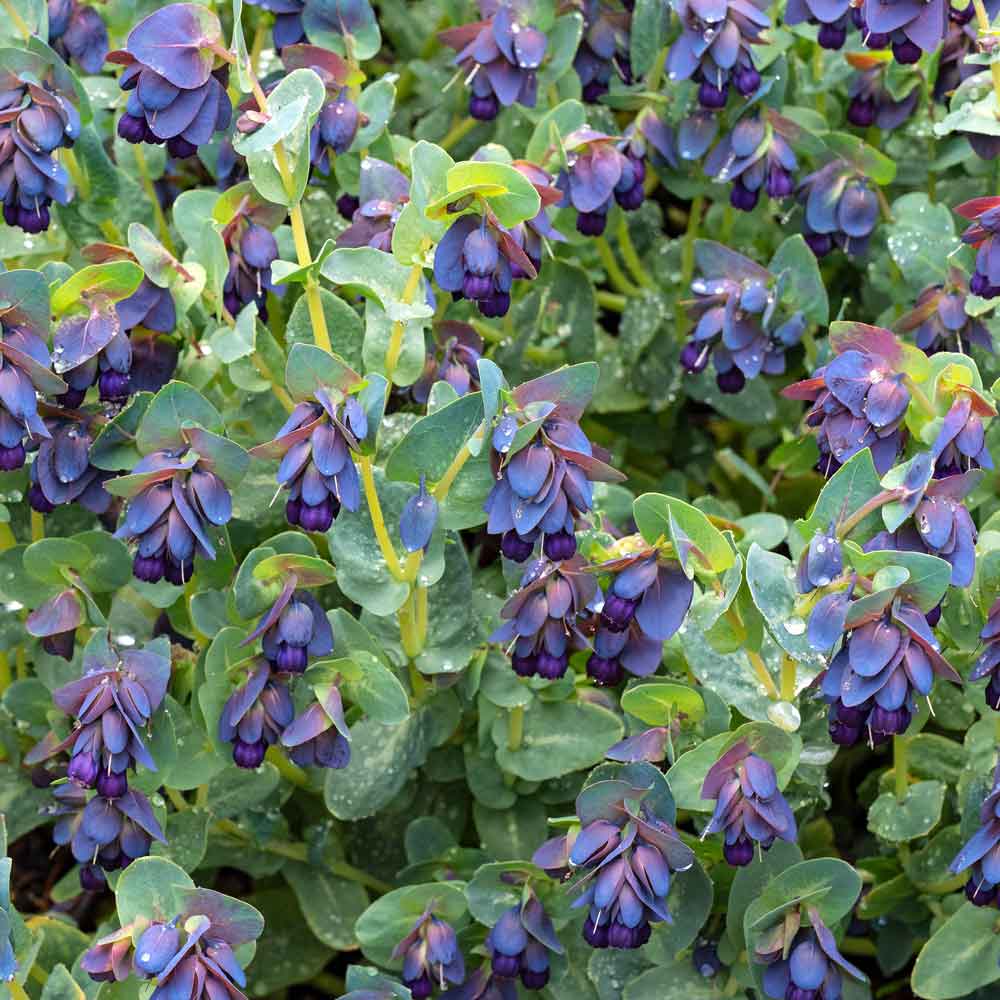
Honeywort is an eye-catching annual prized for its striking blue-purple bracts, nodding violet-blue flowers, and exceptional value to pollinators. Blooming continuously from late spring until frost, the unusual bell-shaped blossoms are surrounded by colorful bracts that create one of the most distinctive floral displays in the garden. Its attractive blue-green foliage adds further interest, making Honeywort a favorite for cottage gardens, cutting gardens, and mixed borders.
The nectar-rich flowers are a magnet for honeybees, bumblebees, butterflies, and numerous native pollinators throughout the growing season. Because Honeywort blooms so freely over many months, it provides a dependable source of nectar when many other flowers have finished. The long-lasting blossoms also make excellent cut flowers, while the plants readily self-seed in favorable locations, creating natural drifts that benefit pollinators year after year.
Easy to grow in full sun to partial shade, Honeywort performs best in well-drained soil and tolerates cool weather, light drought, and poor soils once established. Growing 18 to 30 inches tall, it blends beautifully with annuals, perennials, and ornamental grasses while adding unique color and texture to pollinator gardens. Native to the Mediterranean region, Honeywort has become one of the finest ornamental annuals for gardeners who want to combine unusual beauty with outstanding wildlife value.
Specifications
Botanical Name: Cerinthe major purpurascens
Plant Type: Hardy annual
Height: 18–30 inches
Spread: 12–18 inches
Flower Color: Violet-blue flowers with deep blue-purple bracts
Bloom Season: Late spring until frost
Sun Requirements: Full sun to partial shade
Soil Requirements: Well-drained soil; adaptable to average garden soils
Water Needs: Moderate; drought tolerant once established
Hardiness: Grown as an annual
Bee Attraction: Excellent
Butterfly Attraction: Very Good
Hummingbird Attraction: Occasional
Seedman Notes
Honeywort has become one of the most sought-after plants for modern pollinator gardens because it combines truly unusual flowers with an exceptionally long bloom season. Its abundant nectar, colorful bracts, and carefree nature make Cerinthe major purpurascens an outstanding choice for gardeners looking to support bees and butterflies while adding something genuinely distinctive to the landscape.
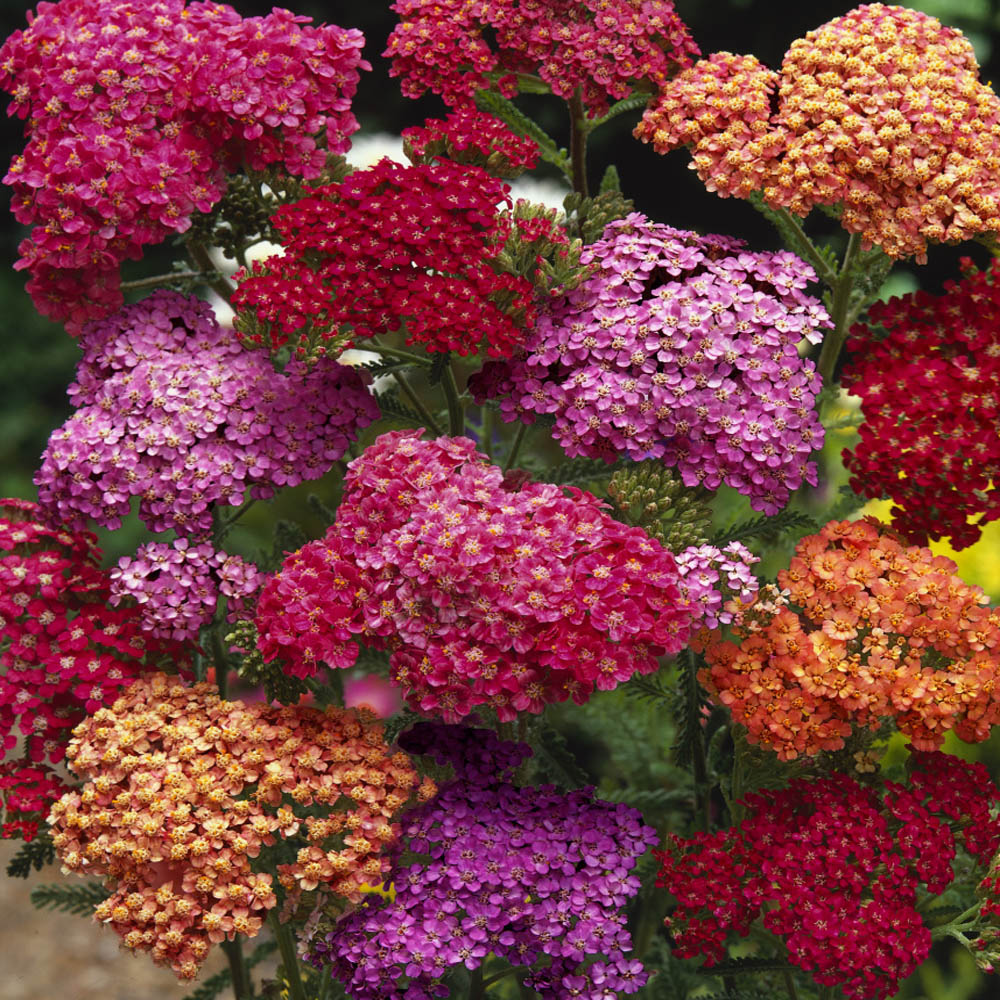
Summer Berries Mix Yarrow is a spectacular perennial blend featuring large, flat-topped flower clusters in rich shades of cherry red, raspberry, rose, pink, salmon, cream, and soft yellow. Blooming continuously from early summer into fall, these colorful flowers provide a long-lasting display while creating a vibrant nectar source for pollinators. The attractive fern-like gray-green foliage adds fine texture and remains ornamental throughout the growing season.
The abundant nectar-rich blooms are highly attractive to honeybees, native bees, butterflies, hoverflies, and numerous other beneficial insects. Their broad, easily accessible flower heads allow pollinators to feed comfortably, making this one of the finest perennial plants for supporting beneficial wildlife. The sturdy stems also produce excellent cut and dried flowers, extending their usefulness well beyond the garden.
Growing 24 to 36 inches tall, Summer Berries Mix thrives in full sun and well-drained soil, tolerating heat, drought, poor soils, and windy locations with ease once established. Its long flowering season, exceptional durability, and ease of care make it ideal for pollinator gardens, cottage gardens, prairie plantings, naturalized meadows, and water-wise landscapes. Regular deadheading encourages additional blooms, providing months of continuous color and nectar for visiting pollinators.
Specifications
Botanical Name: Achillea millefolium
Plant Type: Hardy perennial
Height: 24–36 inches
Spread: 18–24 inches
Flower Color: Cherry red, raspberry, rose, pink, salmon, cream, and soft yellow mix
Bloom Season: Early summer through fall
Sun Requirements: Full sun
Soil Requirements: Well-drained soil; tolerant of poor and rocky soils
Water Needs: Low once established; highly drought tolerant
Hardiness: USDA Zones 3–9
Bee Attraction: Excellent
Butterfly Attraction: Excellent
Hummingbird Attraction: Occasional
Seedman Notes
Summer Berries Mix is one of the finest modern yarrow blends for pollinator gardens, combining vibrant berry-colored blooms with exceptional drought tolerance and months of dependable flowering. Its abundant nectar, sturdy stems, and carefree nature make Achillea millefolium an outstanding choice for gardeners looking to create a colorful landscape that supports bees, butterflies, and other beneficial insects throughout the season.
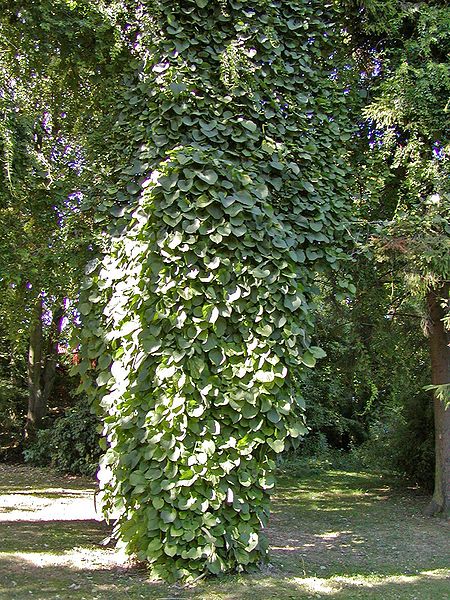
Dutchman's Pipe is a vigorous deciduous climbing vine admired for its enormous heart-shaped leaves, unusual pipe-shaped flowers, and outstanding value as a wildlife plant. The dense foliage quickly creates a lush green screen over arbors, pergolas, fences, and trellises while the curious maroon and green blossoms add unique ornamental appeal in late spring. Its large leafy canopy provides welcome shade and creates an ideal habitat for many beneficial garden creatures.
This remarkable native vine serves as one of the most important host plants for the beautiful Pipevine Swallowtail butterfly. Female butterflies lay their eggs on the foliage, where the striking caterpillars feed before transforming into brilliant iridescent blue-black adults. The flowers also attract a variety of small pollinating insects, while the dense foliage offers valuable shelter for birds and other beneficial wildlife throughout the growing season.
Growing 20 to 35 feet or more, Dutchman's Pipe thrives in full sun to partial shade and prefers fertile, moist, well-drained soil. Once established, it is a vigorous, long-lived climber that requires little maintenance beyond occasional pruning to control size and shape. Its rapid growth and exceptional wildlife value make it an outstanding choice for butterfly gardens, woodland borders, privacy screens, and naturalized landscapes where both beauty and ecological benefits are desired.
Specifications
Botanical Name: Aristolochia durior
Plant Type: Hardy deciduous perennial vine
Height: 20–35+ feet
Spread: 10–20 feet
Flower Color: Greenish-yellow with purple-brown markings
Bloom Season: Late spring to early summer
Sun Requirements: Full sun to partial shade
Soil Requirements: Fertile, moist, well-drained soil
Water Needs: Moderate; prefers consistent moisture
Hardiness: USDA Zones 4–8
Bee Attraction: Good
Butterfly Attraction: Excellent – essential Pipevine Swallowtail host plant
Hummingbird Attraction: Occasional
Seedman Notes
Dutchman's Pipe is far more than an ornamental vine—it is one of North America's premier butterfly plants. Its massive tropical-looking foliage, fascinating pipe-shaped flowers, and indispensable role as the host plant for the spectacular Pipevine Swallowtail make Aristolochia durior an exceptional addition to wildlife gardens. Few vines combine dramatic landscape impact with such important ecological value.
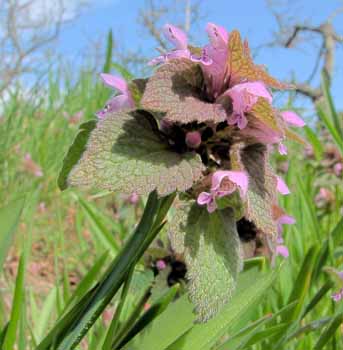
Purple Deadnettle is an early-blooming annual wildflower that provides one of the first and most valuable nectar sources for bees and other beneficial pollinators each spring. Its attractive triangular leaves are often flushed with deep purple near the tops of the stems, creating a colorful display beneath whorls of small tubular pink to purple flowers. Blooming long before many garden plants awaken, Purple Deadnettle plays an important role in supporting emerging pollinators when food sources are scarce.
The nectar-rich blossoms are highly attractive to honeybees, native bees, bumblebees, butterflies, hoverflies, and numerous other beneficial insects. The tubular flowers are perfectly adapted for long-tongued bees and early butterflies, providing both nectar and pollen during the critical early spring months. As one of the earliest flowering plants in many regions, Purple Deadnettle serves as an important bridge between winter dormancy and the abundance of summer blooms.
Growing 6 to 16 inches tall, Purple Deadnettle thrives in full sun to partial shade and adapts readily to a wide variety of soils. It grows naturally in meadows, woodland edges, roadsides, gardens, and disturbed ground, often forming colorful colonies that brighten the early spring landscape. Easy to grow and remarkably tolerant of cool temperatures, it makes an excellent addition to pollinator gardens, naturalized plantings, and wildlife habitats where early-season nectar is especially valuable.
Specifications
Botanical Name: Lamium purpureum
Plant Type: Hardy annual wildflower
Height: 6–16 inches
Spread: 6–12 inches
Flower Color: Pink to purple
Bloom Season: Early spring through late spring; often longer in mild climates
Sun Requirements: Full sun to partial shade
Soil Requirements: Adaptable to most well-drained soils
Water Needs: Low to moderate
Hardiness: USDA Zones 4–9
Bee Attraction: Excellent
Butterfly Attraction: Good
Hummingbird Attraction: Rare
Seedman Notes
Purple Deadnettle is often overlooked because of its modest size, yet it is one of the most valuable early-season nectar plants available to pollinators. By flowering weeks before many ornamental plants, Lamium purpureum provides an essential food source for emerging bees and beneficial insects, making it an outstanding choice for gardeners interested in creating a truly pollinator-friendly landscape.

Viper's Bugloss 'Blue Bedder' is an outstanding pollinator plant prized for its brilliant cobalt-blue flower spikes and exceptionally long blooming season. Producing hundreds of nectar-rich blossoms from late spring through summer, this easy-to-grow annual creates a dazzling display of vibrant blue that stands out in borders, wildflower meadows, and naturalized landscapes. Its rough, deep green foliage forms sturdy plants that quickly become alive with visiting pollinators.
The abundant tubular flowers are among the finest nectar sources available for honeybees, native bees, bumblebees, butterflies, and numerous other beneficial insects. Beekeepers especially value Viper's Bugloss because it produces large quantities of nectar over an extended period, often resulting in distinctive, high-quality honey. Butterflies and other pollinators visit the flowers continuously throughout the day, making Blue Bedder one of the busiest plants in any pollinator garden.
Growing 18 to 30 inches tall, Blue Bedder thrives in full sun and well-drained soil, tolerating heat, drought, poor soils, and dry conditions once established. Its rugged nature and extended flowering season make it an excellent choice for pollinator gardens, prairie plantings, roadside restorations, cottage gardens, and low-maintenance landscapes. Easy to grow from seed, it provides months of dependable color while supporting an impressive diversity of beneficial wildlife.
Specifications
Botanical Name: Echium plantagineum 'Blue Bedder'
Plant Type: Hardy annual
Height: 18–30 inches
Spread: 12–18 inches
Flower Color: Brilliant cobalt blue with pink buds
Bloom Season: Late spring through summer
Sun Requirements: Full sun
Soil Requirements: Well-drained soil; tolerant of poor and sandy soils
Water Needs: Low once established; drought tolerant
Hardiness: Grown as an annual
Bee Attraction: Excellent
Butterfly Attraction: Excellent
Hummingbird Attraction: Good
Seedman Notes
Often considered one of the finest bee plants in the world, Viper's Bugloss 'Blue Bedder' produces an extraordinary abundance of nectar-rich blossoms over many weeks. Its striking blue flowers, exceptional drought tolerance, and remarkable ability to attract bees, butterflies, and other beneficial insects make Echium plantagineum an outstanding addition to any pollinator-friendly landscape.
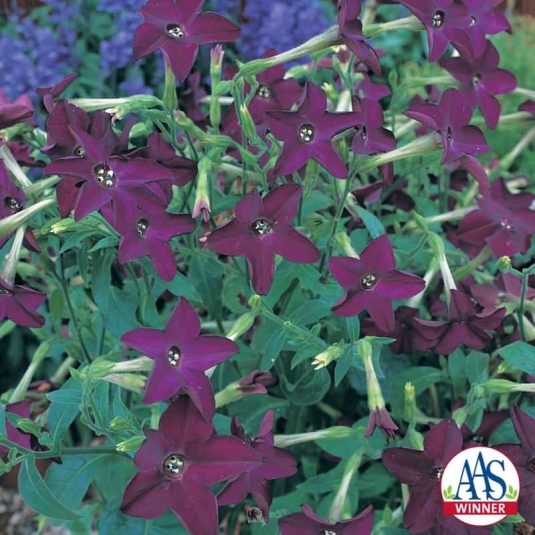
Perfume Deep Purple Flowering Tobacco is a stunning ornamental annual that combines rich, velvety deep purple blooms with an intoxicating evening fragrance. The elegant trumpet-shaped flowers open in the late afternoon and evening, releasing a sweet perfume that attracts hummingbirds, sphinx moths, butterflies, and other important pollinators. Blooming continuously from early summer until frost, this outstanding variety adds both dramatic color and valuable nectar to the garden.
The abundant tubular blossoms are especially attractive to hummingbirds, whose long beaks are perfectly adapted to reach the nectar hidden deep within each flower. Butterflies, honeybees, and native bees also visit the blooms during daylight hours, while night-flying hawk moths arrive after sunset to enjoy the fragrant flowers. Its exceptionally long blooming season provides a dependable source of nectar for a wide variety of beneficial wildlife throughout the growing season.
Growing 18 to 30 inches tall, Perfume Deep Purple Flowering Tobacco thrives in full sun to partial shade and performs best in fertile, well-drained soil with moderate moisture. Plants are easy to grow from seed and continue producing fresh flower clusters for months with only occasional deadheading. Ideal for pollinator gardens, cottage gardens, patio containers, borders, and evening gardens, it combines ornamental beauty with outstanding wildlife value in one easy-care annual.
Specifications
Botanical Name: Nicotiana × sanderae
Plant Type: Annual
Height: 18–30 inches
Spread: 12–18 inches
Flower Color: Deep purple
Bloom Season: Early summer until frost
Sun Requirements: Full sun to partial shade
Soil Requirements: Fertile, well-drained soil
Water Needs: Moderate; prefers evenly moist soil
Hardiness: Grown as an annual
Bee Attraction: Very Good
Butterfly Attraction: Excellent
Hummingbird Attraction: Excellent
Seedman Notes
Perfume Deep Purple Flowering Tobacco is one of the finest annuals for combining fragrance with pollinator appeal. Its richly colored blossoms, sweet evening perfume, and exceptionally long flowering season make Nicotiana × sanderae an outstanding choice for gardeners who want to attract hummingbirds, butterflies, and beneficial insects while enjoying months of spectacular blooms.
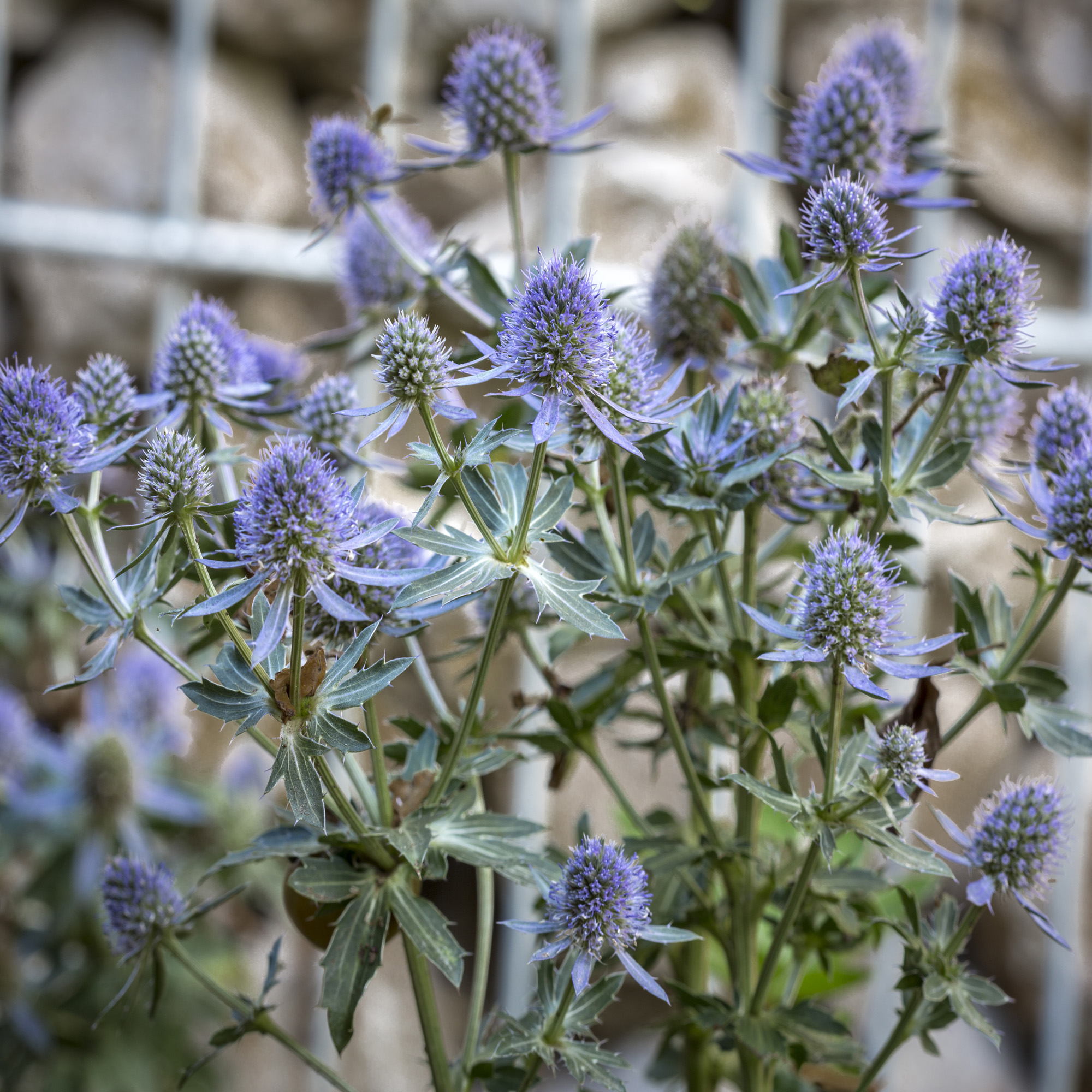
Blue Sea Holly is a striking perennial admired for its brilliant metallic-blue flowers, architectural form, and exceptional value to pollinators. Its distinctive cone-shaped flower heads are surrounded by spiny blue bracts that create a dramatic display from midsummer into early fall. The unusual blooms provide outstanding texture and color in borders, prairie gardens, and cutting gardens while remaining attractive long after flowering.
The abundant nectar-rich flowers are highly attractive to honeybees, native bees, butterflies, and numerous other beneficial pollinating insects. Blooming during the heat of summer when many plants begin to fade, Blue Sea Holly supplies an important mid-season nectar source that keeps pollinators returning for weeks. The long-lasting flowers are also excellent for fresh bouquets and retain their beautiful blue color when dried, making them a favorite of floral designers.
Growing 24 to 36 inches tall, Blue Sea Holly thrives in full sun and well-drained soil, tolerating drought, heat, poor soils, salt spray, and windy conditions with ease once established. Its deep taproot makes mature plants highly resilient and well suited to xeriscapes, coastal gardens, rock gardens, and pollinator plantings. Easy to maintain and remarkably long-lived, it provides dependable beauty with very little care.
Specifications
Botanical Name: Eryngium planum
Plant Type: Hardy perennial
Height: 24–36 inches
Spread: 18–24 inches
Flower Color: Metallic steel blue
Bloom Season: Midsummer through early fall
Sun Requirements: Full sun
Soil Requirements: Well-drained soil; thrives in sandy, rocky, and poor soils
Water Needs: Low once established; highly drought tolerant
Hardiness: USDA Zones 4–8
Bee Attraction: Excellent
Butterfly Attraction: Excellent
Hummingbird Attraction: Good
Seedman Notes
Blue Sea Holly is one of the finest structural plants for pollinator gardens, combining extraordinary metallic-blue flowers with exceptional toughness and months of nectar production. Its unique appearance, outstanding drought tolerance, and ability to attract a wide variety of bees and butterflies make Eryngium planum an excellent choice for gardeners seeking beauty, wildlife value, and dependable summer color.
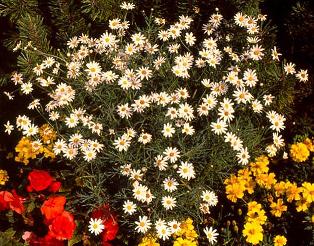
Snow White Marguerite Daisy is a vigorous flowering perennial prized for its masses of brilliant white daisy blossoms with cheerful golden centers and its exceptional value to pollinators. Blooming continuously from late spring until frost, the crisp white flowers create a dazzling display that brightens borders, containers, cottage gardens, and pollinator plantings. Its finely divided deep green foliage forms an attractive mound that remains handsome throughout the growing season.
The abundant nectar-rich blooms attract honeybees, native bees, butterflies, hoverflies, and numerous other beneficial insects from spring through fall. Because Snow White flowers so freely over an extended season, it provides a dependable food source when many other garden plants have finished blooming. The open daisy flowers make nectar and pollen easily accessible, allowing a wide variety of pollinators to feed throughout the day.
Growing 18 to 24 inches tall, Snow White thrives in full sun and fertile, well-drained soil with moderate moisture. Regular deadheading encourages an almost nonstop display of fresh flowers, while its compact, bushy habit makes it equally well suited for beds, borders, patio containers, window boxes, and cutting gardens. Easy to grow and remarkably floriferous, it is an excellent choice for gardeners seeking season-long color while supporting beneficial wildlife.
Specifications
Botanical Name: Argyranthemum 'Snow White'
Plant Type: Tender perennial (grown as an annual in colder climates)
Height: 18–24 inches
Spread: 18–24 inches
Flower Color: Pure white with golden-yellow centers
Bloom Season: Late spring until frost
Sun Requirements: Full sun
Soil Requirements: Fertile, well-drained soil
Water Needs: Moderate; prefers evenly moist soil
Hardiness: USDA Zones 9–11 (grown as an annual elsewhere)
Bee Attraction: Excellent
Butterfly Attraction: Excellent
Hummingbird Attraction: Occasional
Seedman Notes
Snow White is one of the finest Marguerite Daisies for pollinator gardens, producing an extraordinary number of crisp white blooms over many months. Its nonstop flowering, compact habit, and dependable attraction to bees and butterflies make Argyranthemum 'Snow White' an outstanding addition to borders, containers, and wildlife-friendly landscapes where continuous nectar production is desired.
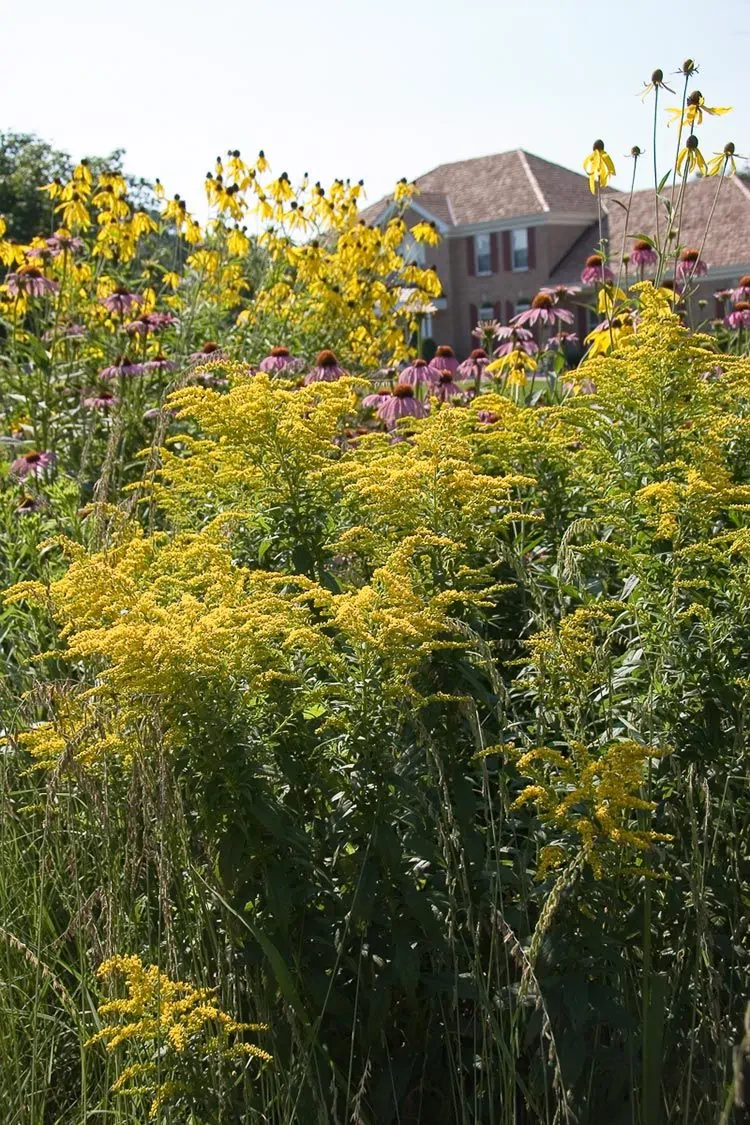
Sweet Goldenrod is a graceful native perennial celebrated for its arching sprays of brilliant golden-yellow flowers and exceptional value to pollinators. Blooming from late summer into fall, when many other flowers have finished for the season, it provides a spectacular display of color while supplying an abundant source of nectar and pollen. Unlike many goldenrods, the narrow leaves release a pleasant sweet anise fragrance when crushed, adding another delightful feature to this outstanding native wildflower.
The dense flower plumes are alive with honeybees, native bees, butterflies, skippers, hoverflies, and numerous other beneficial insects throughout the blooming season. As one of the most important late-season nectar plants in North America, Sweet Goldenrod helps pollinators build energy reserves before winter and supports migrating butterflies during their autumn journeys. Its abundant blooms also provide valuable pollen for many native bee species.
Growing 2 to 5 feet tall, Sweet Goldenrod thrives in full sun and well-drained soil, tolerating heat, drought, sandy soils, and poor growing conditions once established. It performs beautifully in native plant gardens, pollinator meadows, prairie restorations, cottage gardens, and naturalized landscapes. Easy to grow and long-lived, it requires very little maintenance while providing dependable late-season beauty and outstanding ecological value.
Specifications
Botanical Name: Solidago odora
Plant Type: Hardy native perennial
Height: 2–5 feet
Spread: 18–30 inches
Flower Color: Bright golden yellow
Bloom Season: Late summer through fall
Sun Requirements: Full sun
Soil Requirements: Well-drained soil; tolerant of sandy and poor soils
Water Needs: Low once established; drought tolerant
Hardiness: USDA Zones 4–9
Bee Attraction: Excellent
Butterfly Attraction: Excellent
Hummingbird Attraction: Good
Seedman Notes
Sweet Goldenrod is one of the finest native plants for extending the pollinator season well into autumn. Its brilliant golden flower plumes, lightly fragrant anise-scented foliage, and remarkable ability to attract bees, butterflies, and other beneficial insects make Solidago odora an indispensable addition to pollinator gardens and native landscapes. Despite its reputation, goldenrod is not a significant cause of hay fever, as its heavy pollen is carried by insects rather than the wind.
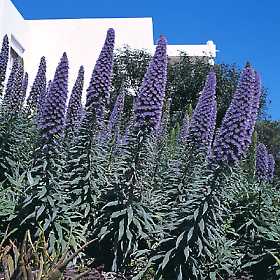
Pride of Madeira is a spectacular evergreen perennial shrub renowned for its towering spires of brilliant violet-blue flowers and extraordinary value to pollinators. Blooming from late spring into early summer, the densely packed flower spikes rise above attractive silvery-green foliage, creating one of the most dramatic floral displays found in Mediterranean-style gardens. Its bold architectural form and vivid blossoms make it a stunning focal point in borders, slopes, and wildlife plantings.
The thousands of nectar-rich flowers are irresistible to honeybees, bumblebees, native bees, butterflies, hummingbirds, and countless other beneficial pollinators. Each towering flower spike remains in bloom for weeks, providing an abundant and dependable food source during the height of the growing season. Few ornamental shrubs attract such a constant procession of pollinating wildlife, making Pride of Madeira one of the finest nectar plants available.
Growing 5 to 8 feet tall and equally wide, Pride of Madeira thrives in full sun and well-drained soil, tolerating heat, drought, salt spray, and poor soils once established. It is an outstanding choice for coastal gardens, xeriscapes, pollinator gardens, hillside plantings, and Mediterranean landscapes where its bold form and brilliant blooms can be fully appreciated. Minimal maintenance is required beyond removing spent flower spikes to maintain its handsome appearance.
Specifications
Botanical Name: Echium fastuosum (syn. Echium candicans)
Plant Type: Evergreen perennial shrub
Height: 5–8 feet
Spread: 5–8 feet
Flower Color: Violet-blue to lavender-blue
Bloom Season: Late spring through early summer
Sun Requirements: Full sun
Soil Requirements: Well-drained soil; tolerant of sandy and rocky soils
Water Needs: Low once established; highly drought tolerant
Hardiness: USDA Zones 9–11
Bee Attraction: Excellent
Butterfly Attraction: Excellent
Hummingbird Attraction: Excellent
Seedman Notes
Pride of Madeira is widely regarded as one of the world's premier pollinator plants. Its massive flower spikes, remarkable drought tolerance, and ability to attract an astonishing diversity of bees, butterflies, hummingbirds, and other beneficial wildlife make Echium fastuosum an exceptional addition to any pollinator-friendly landscape. When in full bloom, few garden plants can match its combination of beauty and ecological value.
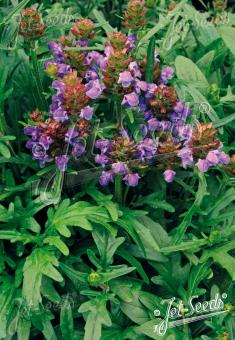
A charming, low-growing perennial groundcover prized for its unusual whorls of bright blue to blue-purple flowers. Compact, tidy, and easy to enjoy, this attractive self-heal variety brings a soft natural look to borders, rock gardens, containers, cottage gardens, and pollinator plantings.
Plants form a spreading mat of attractive foliage, staying low while sending up colorful flower spikes from late spring into summer. The blooms are especially appealing to bees, butterflies, and other beneficial pollinators, making 'Blue Spider' a useful choice for gardeners who want beauty and wildlife value in a small space.
This hardy perennial performs well in full sun to partial shade and prefers well-drained soil. Once established, it is easy to maintain and can be lightly trimmed after flowering to encourage a neat appearance. Its compact habit also makes it excellent for edging pathways, filling gaps between taller perennials, or softening the front of flower beds.
- Botanical Name: Prunella x webbiana 'Blue Spider'
- Common Name: Blue Spider Self-Heal
- Plant Type: Hardy perennial groundcover
- Flower Color: Blue to blue-purple
- Bloom Season: Late spring through summer
- Height: About 6 to 8 inches
- Light: Full sun to partial shade
- Uses: Groundcover, borders, rock gardens, containers, pollinator gardens, cottage gardens
- Pollinator Value: Attracts bees, butterflies, and beneficial insects
Prunella 'Blue Spider' is a wonderful choice for gardeners looking for a dependable, compact flowering perennial with vivid blue blooms and excellent pollinator appeal.
Note: These seeds need to be cold statified before sowing for best germination.
We recommend using the Seedman's Cold Stratification Kits for cold stratification.
A perennial for zones 4-9.
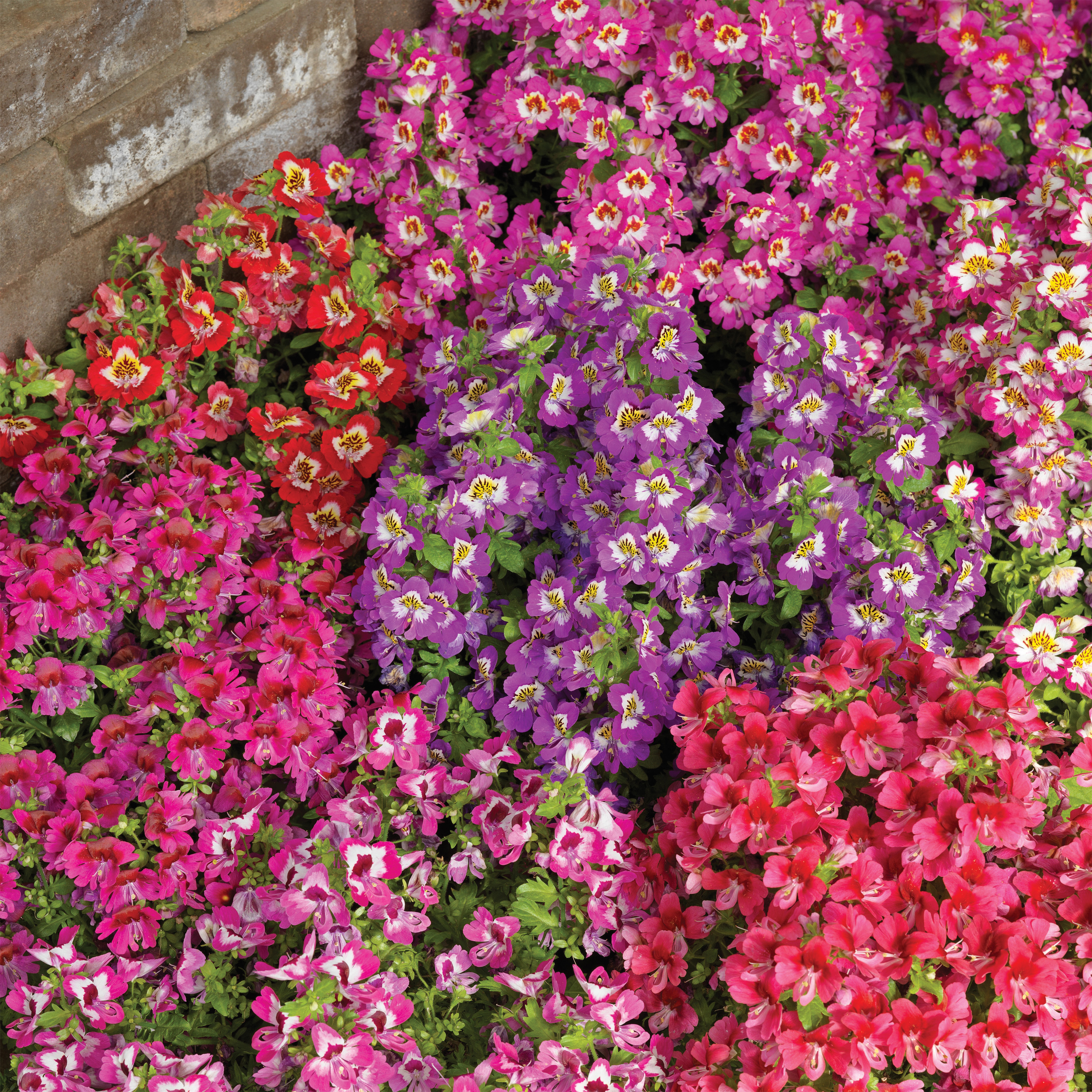
Angel Wings Mix is an elegant flowering annual that produces masses of exotic orchid-like blossoms in brilliant shades of pink, rose, purple, lavender, white, crimson, and bicolors. The uniquely shaped flowers resemble tiny butterflies or orchids dancing above delicate fern-like foliage, creating an eye-catching display from late spring through summer. Their vibrant colors and unusual form make Angel Wings Mix a standout choice for borders, containers, and cottage gardens.
The nectar-filled blossoms attract honeybees, native bees, butterflies, and other beneficial pollinating insects throughout the blooming season. The open flower structure allows easy access to nectar while the extended bloom period provides a dependable food source for pollinators over many weeks. Planted in groups, the colorful blooms create a lively garden display that quickly becomes a favorite stopping place for visiting butterflies and bees.
Growing 18 to 30 inches tall, Angel Wings Mix thrives in full sun to partial shade and prefers fertile, well-drained soil with regular moisture. Cool summer temperatures encourage the longest flowering period, making it especially well suited to northern gardens or mild coastal climates. Its graceful branching habit and continuous bloom make it an excellent choice for pollinator gardens, patio containers, cutting gardens, and mixed annual borders.
Specifications
Botanical Name: Schizanthus spp.
Plant Type: Annual
Height: 18–30 inches
Spread: 12–18 inches
Flower Color: Mixed shades of pink, rose, purple, lavender, white, crimson, and bicolors
Bloom Season: Late spring through summer
Sun Requirements: Full sun to partial shade
Soil Requirements: Fertile, well-drained soil
Water Needs: Moderate; prefers evenly moist soil
Hardiness: Grown as an annual
Bee Attraction: Very Good
Butterfly Attraction: Excellent
Hummingbird Attraction: Good
Seedman Notes
Often called the "Poor Man's Orchid," Angel Wings Mix offers the beauty of exotic orchids with the ease of an annual flower. Its spectacular blooms, long flowering season, and dependable attraction to bees and butterflies make Schizanthus an outstanding addition to pollinator gardens, containers, and colorful summer borders.
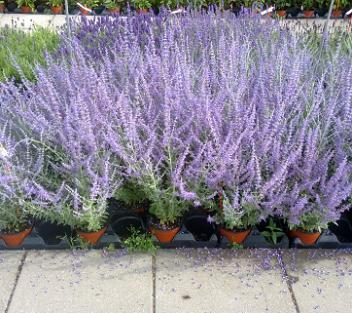
Blue Steel, commonly known as Russian Sage, is a spectacular perennial prized for its airy clouds of lavender-blue flowers and exceptional ability to attract pollinators. Blooming from midsummer well into fall, its tall flower spikes create a soft haze of color above aromatic silver-gray foliage, bringing movement, texture, and long-lasting beauty to borders, cottage gardens, and water-wise landscapes. The extended bloom season ensures a dependable source of nectar during the hottest months of the year.
The abundant nectar-rich blossoms are highly attractive to honeybees, native bees, butterflies, hummingbirds, and numerous other beneficial pollinating insects. Flowering over many weeks, Blue Steel provides a continuous food source when many early-season plants have finished blooming. The fragrant foliage also helps deter deer and rabbits, making it an excellent low-maintenance addition to wildlife-friendly gardens.
Growing 3 to 4 feet tall with a graceful, upright habit, Blue Steel thrives in full sun and well-drained soil, tolerating heat, drought, poor soils, and windy conditions once established. Its exceptional toughness and long flowering season make it ideal for pollinator gardens, prairie plantings, xeriscapes, rock gardens, and mixed perennial borders. Easy to grow and remarkably dependable, it provides months of color while supporting a wide variety of beneficial wildlife.
Specifications
Botanical Name: Perovskia atriplicifolia
Plant Type: Hardy perennial
Height: 3–4 feet
Spread: 2–3 feet
Flower Color: Lavender-blue
Bloom Season: Midsummer through fall
Sun Requirements: Full sun
Soil Requirements: Well-drained soil; thrives in sandy, rocky, and poor soils
Water Needs: Low once established; highly drought tolerant
Hardiness: USDA Zones 4–9
Bee Attraction: Excellent
Butterfly Attraction: Excellent
Hummingbird Attraction: Excellent
Seedman Notes
Blue Steel is one of the premier late-season pollinator plants, combining exceptional drought tolerance with months of nectar-rich blooms. Its shimmering blue flower spikes, aromatic silver foliage, and constant parade of bees, butterflies, and hummingbirds make Perovskia atriplicifolia an outstanding choice for gardeners seeking both dramatic beauty and outstanding ecological value.
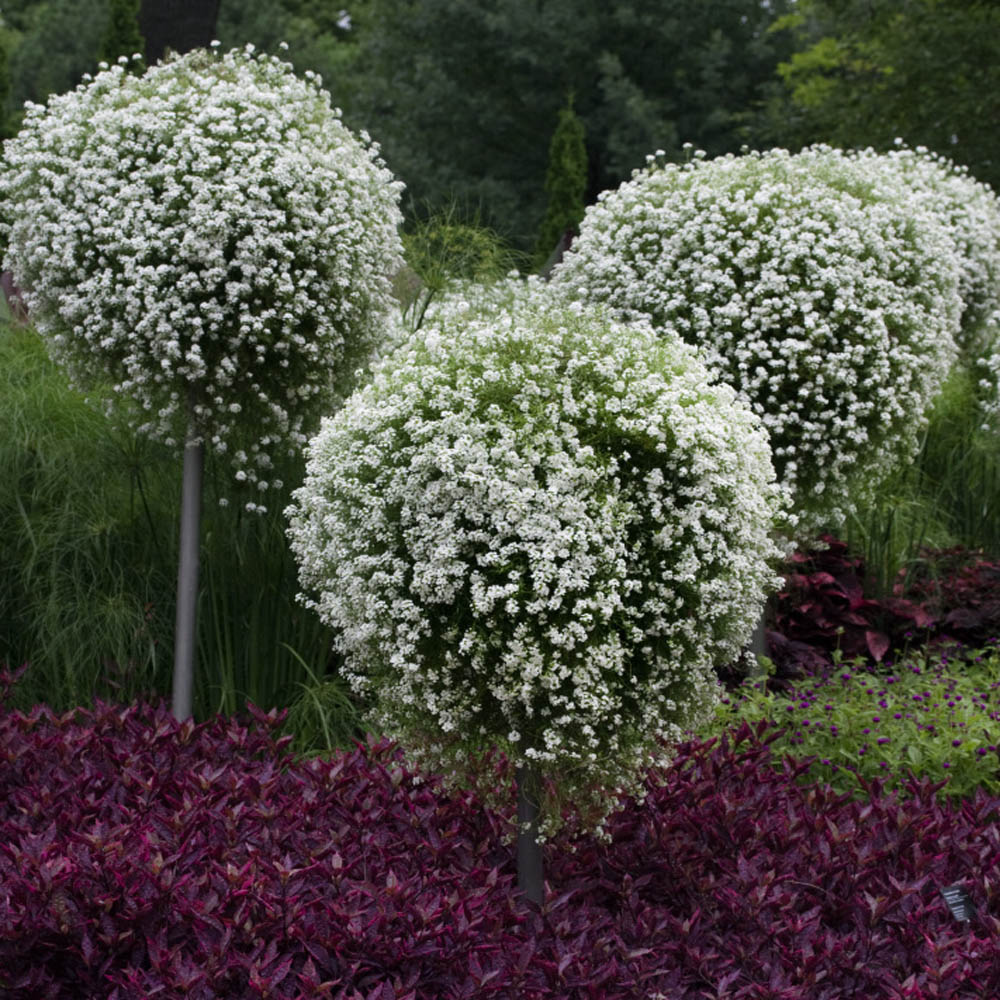
Sweet Alyssum is a charming low-growing annual prized for its dense clusters of tiny, honey-scented flowers and its remarkable ability to attract beneficial pollinators. Blooming continuously from early spring until frost, the plants become covered with masses of white, pink, lavender, rose, or purple blossoms that create a colorful carpet in borders, containers, hanging baskets, and edging plantings. Its long flowering season makes it one of the most dependable nectar plants for gardens of any size.
The fragrant, nectar-rich flowers are irresistible to honeybees, native bees, butterflies, hoverflies, and numerous other beneficial insects. Because Sweet Alyssum blooms almost nonstop, it provides a reliable food source throughout the growing season while also attracting many predatory insects that help control aphids and other common garden pests. This makes it an excellent companion plant for vegetable gardens as well as ornamental landscapes.
Growing just 4 to 8 inches tall, Sweet Alyssum thrives in full sun to partial shade and performs best in fertile, well-drained soil with moderate moisture. It flourishes in cool weather and continues blooming through summer in many regions when provided with occasional watering and light trimming after heavy flowering. Its compact habit makes it ideal for pollinator gardens, rock gardens, borders, containers, window boxes, and as a colorful living mulch between larger plants.
Specifications
Botanical Name: Lobularia benthamii
Plant Type: Annual
Height: 4–8 inches
Spread: 8–12 inches
Flower Color: White, pink, lavender, rose, and purple mixes
Bloom Season: Early spring until frost
Sun Requirements: Full sun to partial shade
Soil Requirements: Fertile, well-drained soil
Water Needs: Moderate; prefers evenly moist soil
Hardiness: Grown as an annual
Bee Attraction: Excellent
Butterfly Attraction: Excellent
Hummingbird Attraction: Occasional
Seedman Notes
Sweet Alyssum is one of the finest companion plants for pollinator gardens and vegetable gardens alike. Its sweet fragrance, nonstop bloom, and remarkable ability to attract bees, butterflies, hoverflies, and other beneficial insects make Lobularia benthamii an indispensable addition wherever season-long nectar and natural pest control are desired.
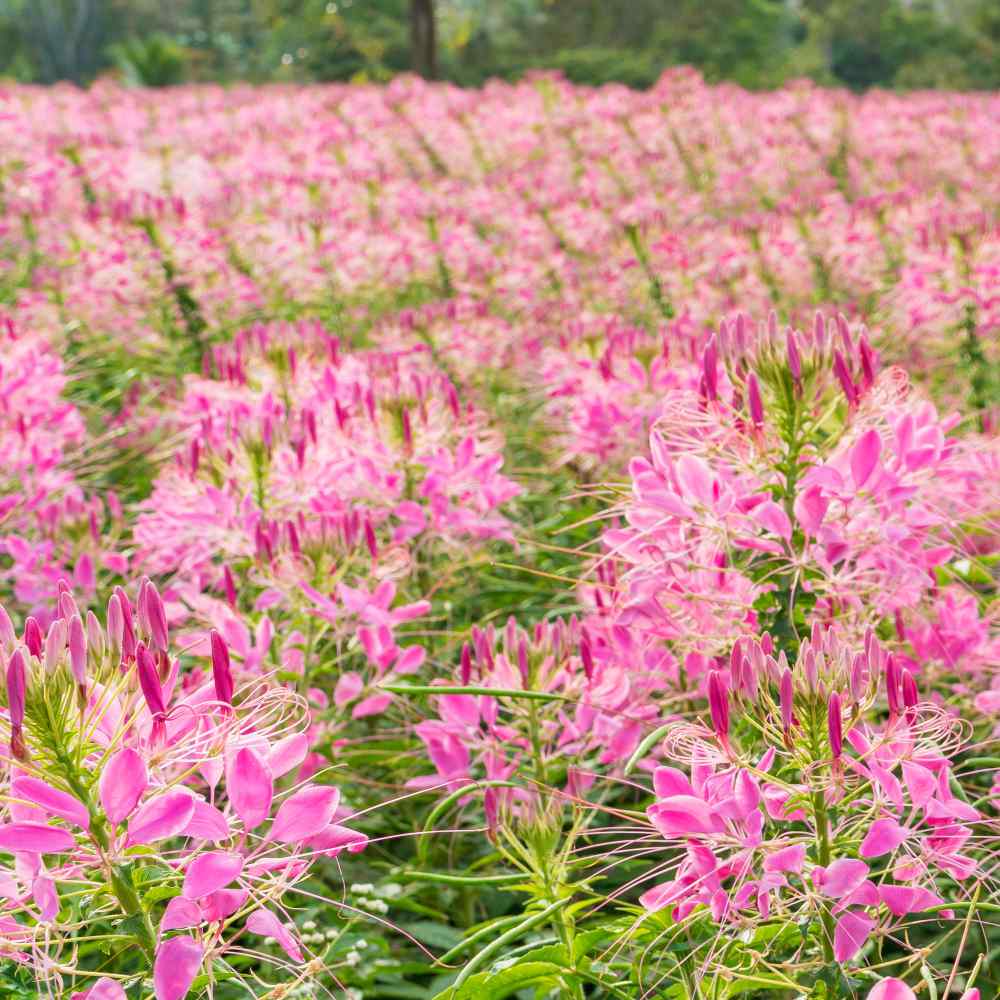
Rocky Mountain Beeplant is one of North America's premier native pollinator wildflowers, producing tall, elegant spikes of brilliant rosy-pink to lavender blossoms that bloom continuously from midsummer into fall. The striking flowers, with their long, graceful stamens, create a spectacular display in meadows, prairie plantings, and native gardens while serving as an abundant source of nectar and pollen. Its bold appearance and long flowering season make it a favorite among gardeners who want to support beneficial wildlife.
The nectar-rich flowers are highly attractive to honeybees, native bees, bumblebees, butterflies, hummingbirds, and countless other pollinating insects. As its common name suggests, Rocky Mountain Beeplant is especially valued by beekeepers for its exceptional nectar production and its ability to support healthy bee populations during the peak of summer. The long bloom period provides a dependable food source when many native plants have completed their flowering cycle.
Growing 3 to 6 feet tall, Rocky Mountain Beeplant thrives in full sun and well-drained soil, tolerating heat, drought, sandy soils, and poor growing conditions once established. Easy to grow from seed, it performs beautifully in wildflower meadows, prairie restorations, pollinator gardens, roadside plantings, and naturalized landscapes. Its vigorous growth, abundant blooms, and remarkable wildlife value make it one of the finest native annuals for supporting a diverse pollinator population.
Specifications
Botanical Name: Cleome serrulata
Plant Type: Native annual wildflower
Height: 3–6 feet
Spread: 18–24 inches
Flower Color: Rosy pink to lavender
Bloom Season: Midsummer through fall
Sun Requirements: Full sun
Soil Requirements: Well-drained soil; tolerant of sandy and poor soils
Water Needs: Low once established; drought tolerant
Hardiness: Grown as an annual; readily self-seeds in favorable locations
Bee Attraction: Excellent
Butterfly Attraction: Excellent
Hummingbird Attraction: Excellent
Seedman Notes
Rocky Mountain Beeplant has earned its reputation as one of the finest native pollinator plants in North America. Its towering spikes of nectar-rich blossoms attract an astonishing variety of bees, butterflies, hummingbirds, and beneficial insects throughout the summer. Easy to grow and exceptionally drought tolerant, Cleome serrulata is an outstanding choice for gardeners who want to create a vibrant, wildlife-friendly landscape while supporting essential pollinator populations.
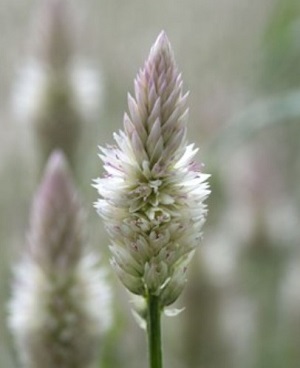
Xantippe Celosia is a striking annual prized for its vibrant lime-yellow crested flower heads and exceptional value to pollinators. The unique velvety blooms resemble ornate coral or colorful rooster combs, creating an eye-catching display from early summer until frost. Combined with lush green foliage and an extended flowering season, Xantippe brings brilliant color and unusual texture to borders, containers, cutting gardens, and pollinator plantings.
The densely packed flower heads provide a reliable source of nectar and pollen for honeybees, native bees, butterflies, and numerous beneficial insects throughout the growing season. Blooming continuously during the heat of summer when many annuals begin to slow down, Xantippe offers an important food source for pollinators. The flowers also make outstanding fresh and dried arrangements, retaining their brilliant color long after harvest.
Growing 12 to 18 inches tall, Xantippe thrives in full sun and fertile, well-drained soil, tolerating heat, humidity, and short periods of drought once established. Its compact, bushy habit makes it an excellent choice for borders, patio containers, pollinator gardens, and colorful landscape displays. Easy to grow and remarkably long blooming, it provides dependable color while supporting beneficial wildlife throughout the season.
Specifications
Botanical Name: Celosia cristata
Plant Type: Annual
Height: 12–18 inches
Spread: 10–14 inches
Flower Color: Bright lime-yellow
Bloom Season: Early summer until frost
Sun Requirements: Full sun
Soil Requirements: Fertile, well-drained soil
Water Needs: Moderate; drought tolerant once established
Hardiness: Grown as an annual
Bee Attraction: Very Good
Butterfly Attraction: Good
Hummingbird Attraction: Occasional
Seedman Notes
Xantippe Celosia stands out for its brilliant chartreuse-yellow flower heads that brighten the garden from summer until frost. Its unusual crested blooms, excellent heat tolerance, and dependable attraction to bees and butterflies make Celosia cristata 'Xantippe' an outstanding addition to pollinator gardens, containers, and cutting gardens where long-lasting color and wildlife value are equally important.
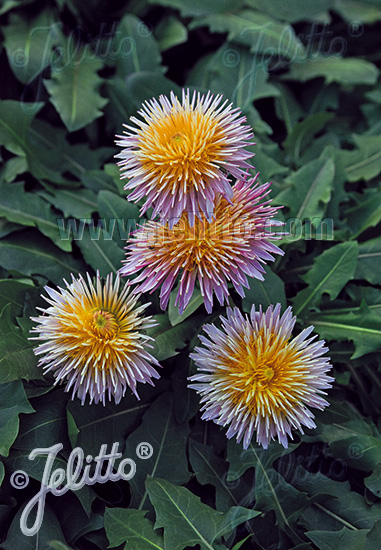
Pink Dandelion is a delightful and unusual perennial that offers all the charm of a traditional dandelion with soft rosy-pink flowers instead of the familiar yellow blooms. Native to the mountains of Central Asia, this rare species produces graceful blossoms from spring into summer, creating a unique display that stands out beautifully in rock gardens, borders, cottage gardens, and pollinator plantings. Its delicate pastel flowers bring a fresh twist to a familiar garden favorite.
The nectar- and pollen-rich blossoms are highly attractive to honeybees, native bees, butterflies, hoverflies, and numerous other beneficial insects. Flowering early in the season, Pink Dandelion provides an important food source when pollinators are emerging from winter and nectar supplies are still limited. The flowers are followed by the familiar silvery seed heads that provide additional ornamental interest while helping the plants naturalize gently in suitable locations.
Growing 8 to 16 inches tall, Pink Dandelion thrives in full sun to partial shade and adapts well to well-drained garden soils. It is easy to grow, tolerant of cool temperatures, and requires very little maintenance once established. Ideal for pollinator gardens, alpine gardens, rock gardens, meadow plantings, and naturalized areas, it offers season-long interest while supporting a wide variety of beneficial wildlife.
Specifications
Botanical Name: Taraxacum pseudoroseum
Plant Type: Hardy perennial
Height: 8–16 inches
Spread: 8–12 inches
Flower Color: Soft rosy pink with yellow centers
Bloom Season: Spring through early summer
Sun Requirements: Full sun to partial shade
Soil Requirements: Well-drained, average garden soil
Water Needs: Moderate; drought tolerant once established
Hardiness: USDA Zones 4–8
Bee Attraction: Excellent
Butterfly Attraction: Very Good
Hummingbird Attraction: Occasional
Seedman Notes
Pink Dandelion is one of the most charming and unexpected wildflowers a gardener can grow. Its rare rosy-pink blooms provide valuable early-season nectar for bees and butterflies while offering a conversation piece unlike any ordinary dandelion. Easy to grow and wonderfully pollinator-friendly, Taraxacum pseudoroseum is a unique addition to wildlife gardens, rock gardens, and naturalized landscapes.
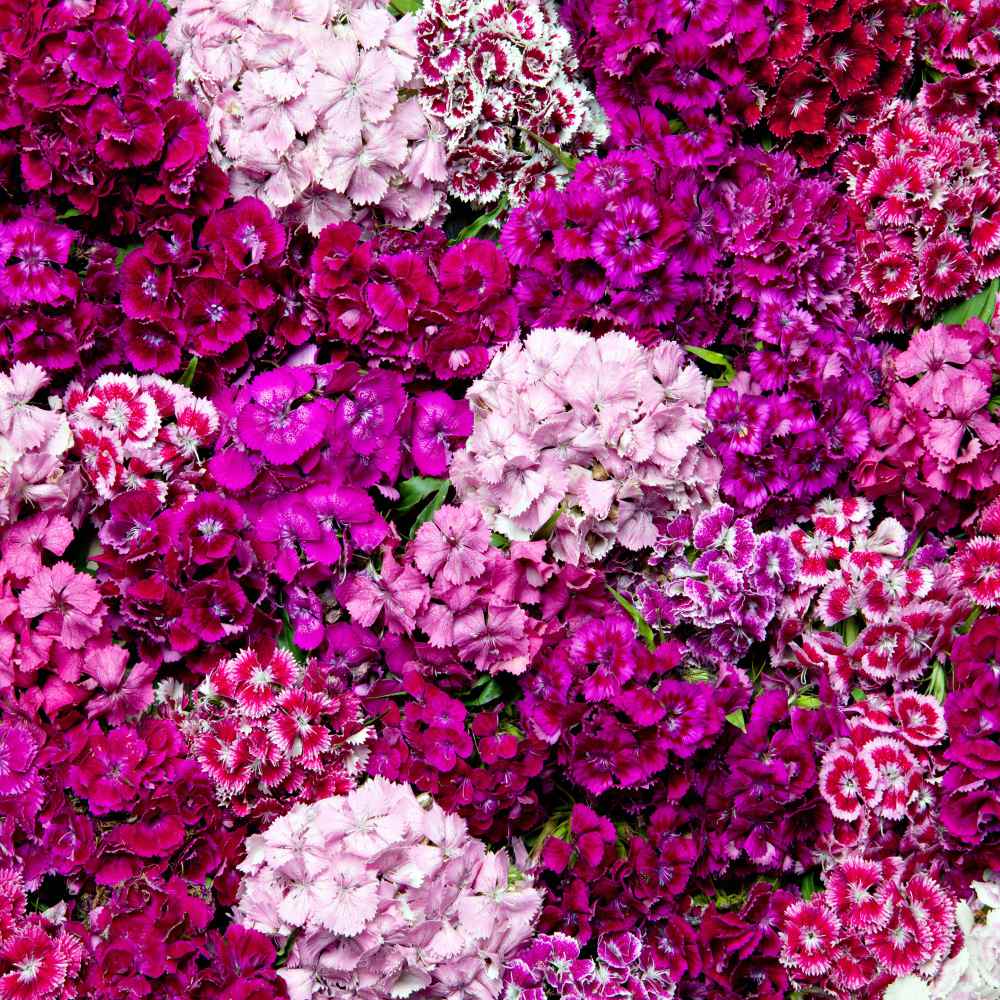
Sweet William is a classic cottage garden favorite that produces large, colorful clusters of fragrant flowers in brilliant shades of red, pink, white, rose, crimson, lavender, and striking bicolors. Blooming from late spring through early summer, the dense flower heads provide weeks of vibrant color while serving as an excellent nectar source for pollinators. Its compact growth habit and long-lasting blossoms make it a beautiful addition to borders, cutting gardens, and wildlife-friendly landscapes.
The sweetly scented flowers are highly attractive to honeybees, native bees, butterflies, and numerous other beneficial pollinating insects. The broad flower clusters offer easy access to nectar, encouraging repeated visits throughout the blooming season. As an added bonus, the sturdy stems produce excellent cut flowers, allowing gardeners to enjoy their colorful blooms indoors while leaving plenty behind to support pollinators outdoors.
Growing 12 to 24 inches tall, Sweet William thrives in full sun to partial shade and prefers fertile, well-drained soil with moderate moisture. Easy to grow from seed, it performs beautifully in cottage gardens, pollinator gardens, perennial borders, and mixed flower beds. Regular deadheading encourages a longer flowering season, while its dependable nature and colorful blooms have made it a treasured garden plant for centuries.
Specifications
Botanical Name: Dianthus barbatus
Plant Type: Hardy biennial or short-lived perennial
Height: 12–24 inches
Spread: 10–18 inches
Flower Color: Red, pink, white, rose, crimson, lavender, and bicolors
Bloom Season: Late spring through early summer
Sun Requirements: Full sun to partial shade
Soil Requirements: Fertile, well-drained soil
Water Needs: Moderate; prefers evenly moist soil
Hardiness: USDA Zones 3–9
Bee Attraction: Excellent
Butterfly Attraction: Excellent
Hummingbird Attraction: Occasional
Seedman Notes
Sweet William has been brightening gardens for more than 400 years and remains one of the finest flowering plants for attracting bees and butterflies. Its fragrant, colorful flower clusters, excellent cut flower quality, and dependable garden performance make Dianthus barbatus an outstanding choice for pollinator gardens, cottage landscapes, and traditional perennial borders.
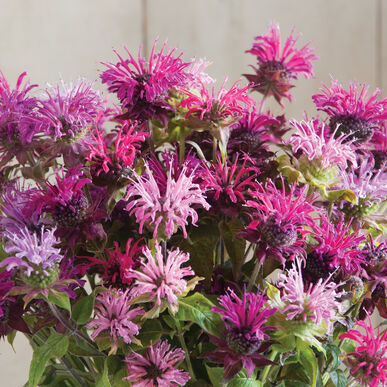
Bee Balm Panorama Mix is an outstanding perennial that produces vibrant clusters of scarlet, crimson, pink, rose, lavender, purple, and white flowers atop sturdy stems from early summer through late summer. The distinctive shaggy blooms create a spectacular display in borders, cottage gardens, and naturalized landscapes while providing one of the richest nectar sources available for pollinators. Its fragrant mint-scented foliage adds additional ornamental appeal and remains attractive throughout the growing season.
The nectar-filled flowers are irresistible to honeybees, native bees, butterflies, hummingbirds, and countless other beneficial pollinators. The tubular blossoms are perfectly designed for hummingbirds, while butterflies and long-tongued bees eagerly visit the abundant flowers throughout the day. With its extended bloom period and generous nectar production, Panorama Mix becomes a centerpiece of activity in any pollinator garden, supporting wildlife for weeks on end.
Growing 30 to 42 inches tall, Bee Balm thrives in full sun to partial shade and prefers fertile, moist, well-drained soil. Once established, it forms vigorous clumps that return reliably year after year, making it an excellent choice for pollinator gardens, rain gardens, perennial borders, cottage gardens, and cut flower plantings. Deadheading encourages continued blooming, while good air circulation helps maintain healthy, vigorous plants throughout the season.
Specifications
Botanical Name: Monarda didyma
Plant Type: Hardy perennial
Height: 30–42 inches
Spread: 18–24 inches
Flower Color: Scarlet, crimson, pink, rose, lavender, purple, and white mix
Bloom Season: Early summer through late summer
Sun Requirements: Full sun to partial shade
Soil Requirements: Fertile, moist, well-drained soil
Water Needs: Moderate; prefers consistently moist soil
Hardiness: USDA Zones 4–9
Bee Attraction: Excellent
Butterfly Attraction: Excellent
Hummingbird Attraction: Excellent
Seedman Notes
Bee Balm Panorama Mix is one of the premier pollinator plants for North American gardens. Its brilliant range of flower colors, aromatic foliage, and exceptional nectar production attract an endless parade of bees, butterflies, hummingbirds, and other beneficial insects throughout the summer. Few perennials combine such vibrant beauty with such outstanding ecological value, making Monarda didyma an essential addition to any wildlife-friendly landscape.
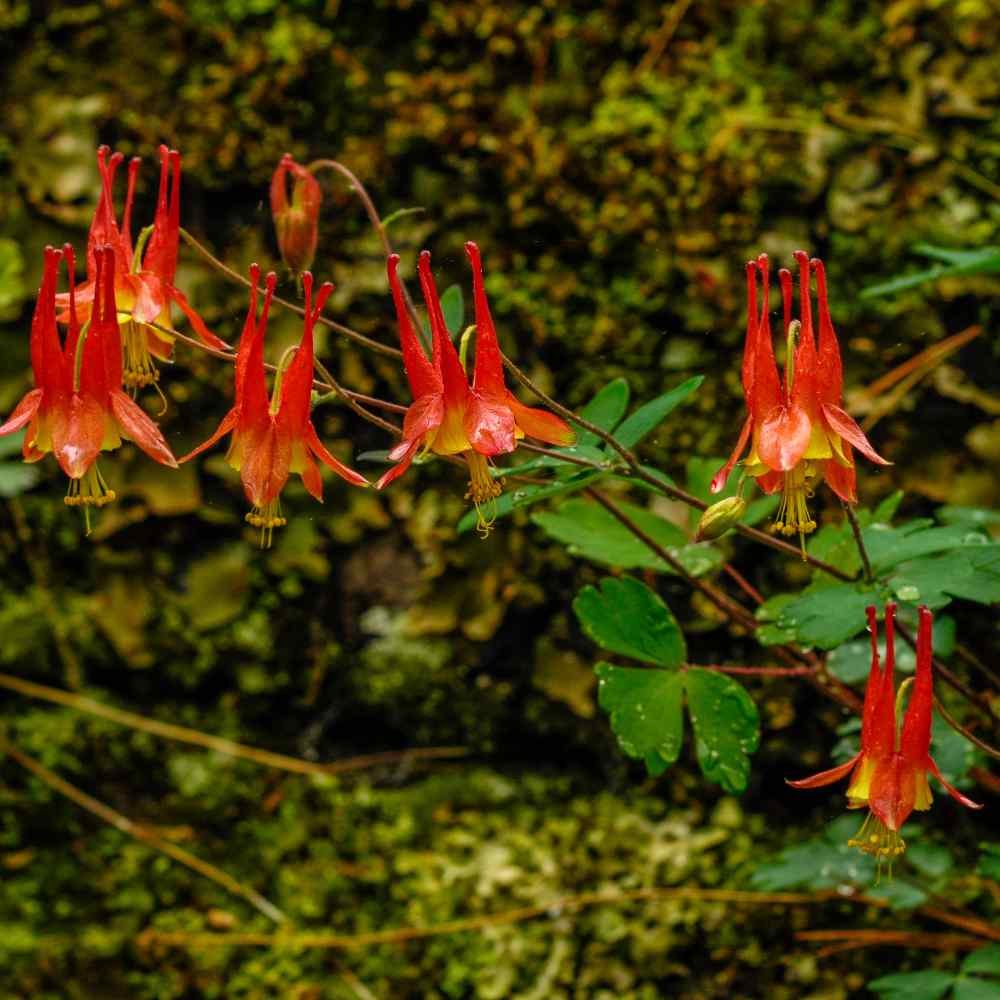
Eastern Red Columbine is one of North America's finest native wildflowers, producing graceful nodding blossoms in brilliant shades of scarlet red and golden yellow from spring into early summer. The elegant, lantern-like flowers dangle above delicate blue-green foliage, bringing vibrant color and natural beauty to woodland gardens, borders, and pollinator landscapes. Its early bloom period makes it one of the season's most valuable nectar plants.
The long tubular flowers are perfectly adapted for hummingbirds, making Eastern Red Columbine one of the first and most important nectar sources they seek during spring migration. Bumblebees, native bees, butterflies, and other beneficial pollinators also visit the blossoms regularly, ensuring continuous activity throughout the flowering season. By blooming before many summer perennials, it provides an essential early-season food source when pollinators need it most.
Growing 18 to 30 inches tall, Eastern Red Columbine thrives in full sun to partial shade and prefers fertile, well-drained soil with moderate moisture. It performs beautifully in woodland gardens, native plantings, pollinator gardens, rock gardens, and naturalized landscapes. Easy to grow and often self-seeding gently in favorable locations, it creates attractive colonies that return year after year while requiring very little maintenance.
Specifications
Botanical Name: Aquilegia canadensis
Plant Type: Hardy native perennial
Height: 18–30 inches
Spread: 12–18 inches
Flower Color: Scarlet red with golden-yellow centers
Bloom Season: Spring through early summer
Sun Requirements: Full sun to partial shade
Soil Requirements: Fertile, well-drained soil
Water Needs: Moderate; prefers evenly moist soil
Hardiness: USDA Zones 3–8
Bee Attraction: Excellent
Butterfly Attraction: Very Good
Hummingbird Attraction: Excellent
Seedman Notes
Eastern Red Columbine is one of the premier native hummingbird plants in North America, often providing the first dependable nectar source for returning migrants each spring. Its graceful red and yellow blossoms, woodland adaptability, and exceptional wildlife value make Aquilegia canadensis an indispensable addition to pollinator gardens, native landscapes, and woodland borders.
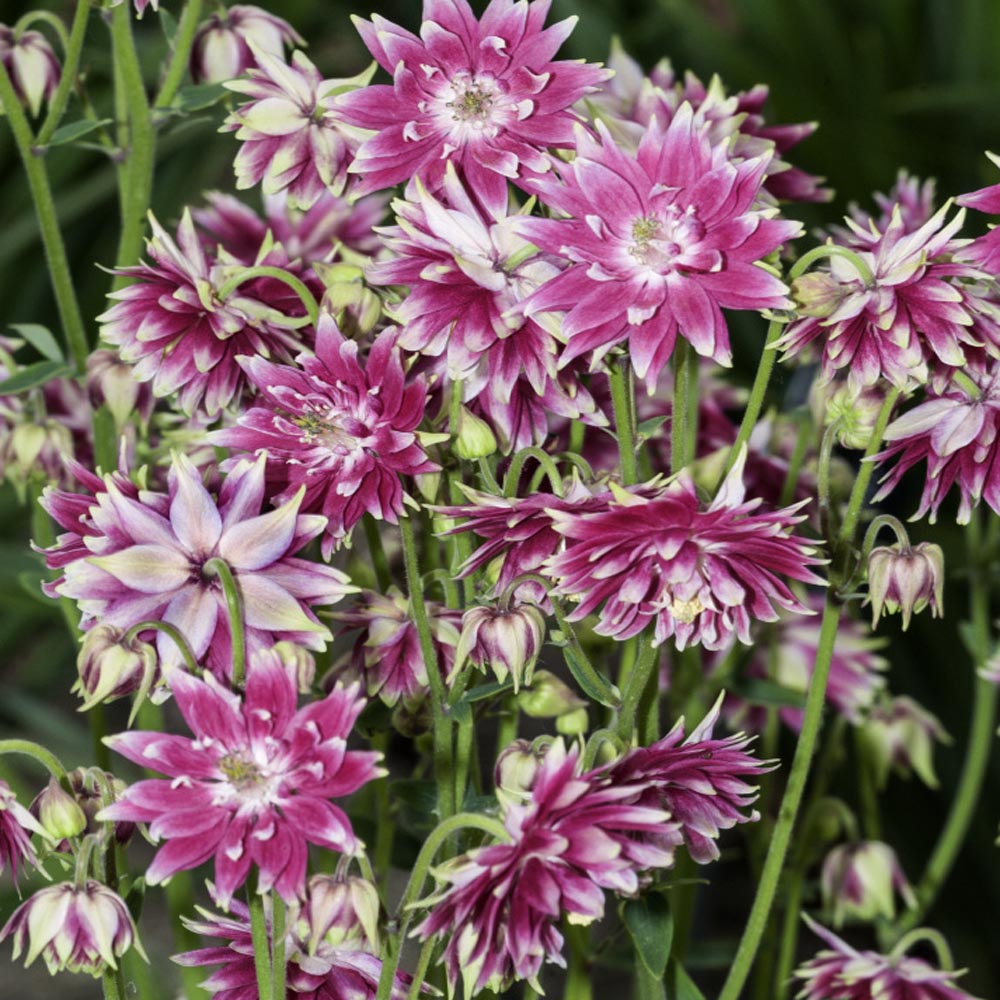
Nora Barlow Pink Columbine is an heirloom perennial celebrated for its unique double, spurless blossoms in delicate shades of soft pink, rose, and creamy white. The intricate, pompon-like flowers bloom from late spring into early summer, creating an elegant display above finely divided blue-green foliage. Its old-fashioned charm and long-lasting blooms make it an exceptional addition to cottage gardens, woodland borders, and pollinator-friendly landscapes.
The nectar-rich blossoms attract honeybees, bumblebees, butterflies, hummingbirds, and numerous native pollinators throughout the flowering season. Blooming at a time when many spring pollinators are actively searching for nectar, Nora Barlow Pink provides an important food source while adding graceful beauty to the garden. The attractive flowers also make excellent cut blooms, bringing their unique form indoors for fresh arrangements.
Growing 24 to 36 inches tall, Nora Barlow Pink thrives in full sun to partial shade and prefers fertile, well-drained soil with moderate moisture. Easy to grow and dependable, it performs beautifully in woodland gardens, cottage gardens, perennial borders, and naturalized plantings. Plants readily self-seed under favorable conditions, creating charming colonies that return year after year with very little maintenance.
Specifications
Botanical Name: Aquilegia vulgaris
Plant Type: Hardy perennial
Height: 24–36 inches
Spread: 12–18 inches
Flower Color: Soft pink, rose, and creamy white
Bloom Season: Late spring through early summer
Sun Requirements: Full sun to partial shade
Soil Requirements: Fertile, well-drained soil
Water Needs: Moderate; prefers evenly moist soil
Hardiness: USDA Zones 3–8
Bee Attraction: Excellent
Butterfly Attraction: Very Good
Hummingbird Attraction: Excellent
Seedman Notes
Nora Barlow Pink is one of the finest heirloom columbines, admired for its unusual double flowers and outstanding pollinator value. Its elegant blossoms, dependable spring bloom, and ability to attract bees, butterflies, and hummingbirds make Aquilegia vulgaris an excellent choice for cottage gardens, woodland settings, and wildlife-friendly landscapes where timeless beauty and ecological value go hand in hand.
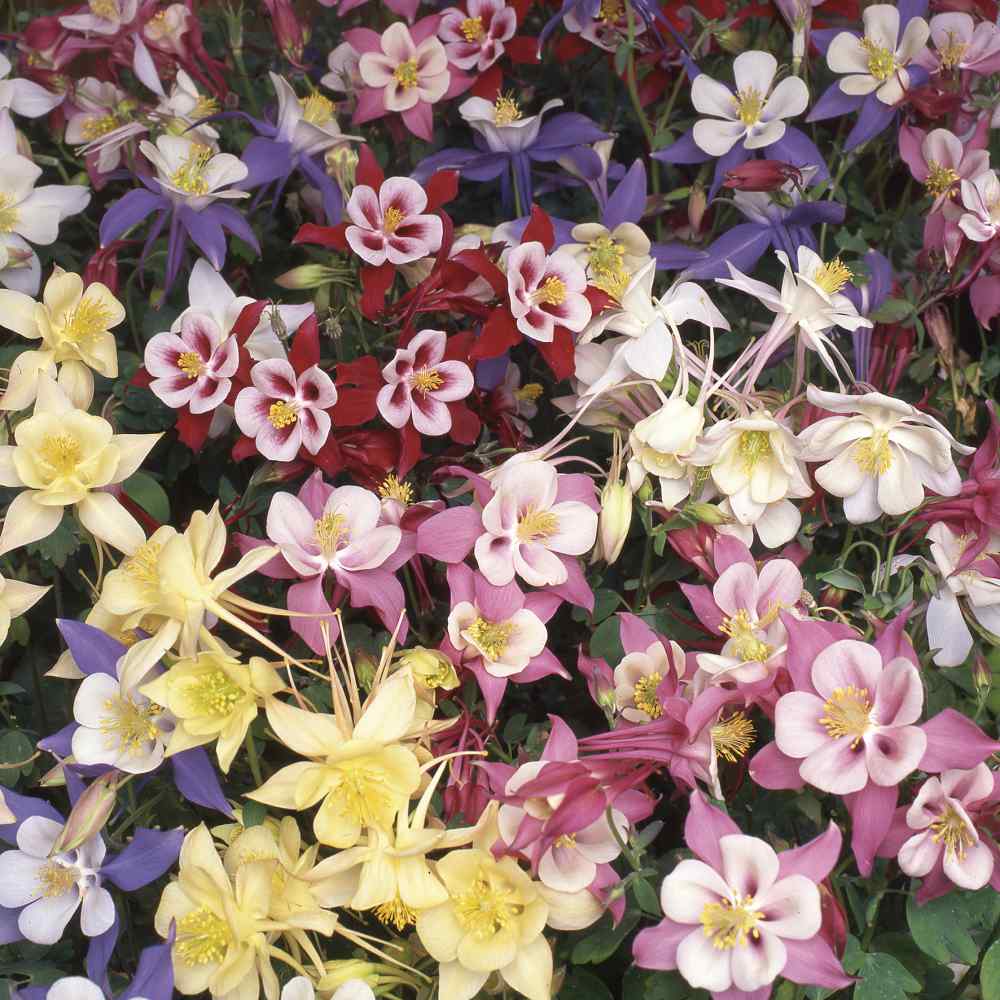
Caerulea Mix Columbine is a breathtaking perennial featuring large, long-spurred blossoms in a beautiful range of blue, lavender, purple, rose, pink, white, yellow, and striking bicolor combinations. Blooming from late spring into early summer, the elegant nodding flowers float above delicate blue-green foliage, creating a graceful display in woodland gardens, perennial borders, and pollinator landscapes. Their intricate shape and brilliant colors make them among the most admired flowers in the spring garden.
The nectar-rich blooms are especially attractive to hummingbirds, whose long bills are perfectly adapted to reach the deep nectar spurs. Bumblebees, honeybees, butterflies, and numerous native pollinators also visit the flowers throughout the blooming season, making Caerulea Mix one of the finest early-season plants for supporting beneficial wildlife. Its generous flowering period provides an important nectar source during the transition from spring to summer.
Growing 24 to 36 inches tall, Caerulea Mix thrives in full sun to partial shade and prefers fertile, well-drained soil with moderate moisture. Easy to grow and dependable, it performs beautifully in woodland gardens, cottage gardens, perennial borders, rock gardens, and naturalized landscapes. Plants often self-seed gently under favorable conditions, producing attractive colonies that return year after year with minimal care.
Specifications
Botanical Name: Aquilegia caerulea Mix
Plant Type: Hardy perennial
Height: 24–36 inches
Spread: 12–18 inches
Flower Color: Mixed shades of blue, lavender, purple, pink, rose, white, yellow, and bicolors
Bloom Season: Late spring through early summer
Sun Requirements: Full sun to partial shade
Soil Requirements: Fertile, well-drained soil
Water Needs: Moderate; prefers evenly moist soil
Hardiness: USDA Zones 3–8
Bee Attraction: Excellent
Butterfly Attraction: Very Good
Hummingbird Attraction: Excellent
Seedman Notes
Caerulea Mix combines the beauty of the Rocky Mountain Columbine with a dazzling range of flower colors that attract hummingbirds, bees, and butterflies throughout the spring season. Its elegant long-spurred blossoms, reliable perennial habit, and exceptional wildlife value make Aquilegia caerulea one of the finest choices for pollinator gardens, woodland borders, and cottage-style landscapes.
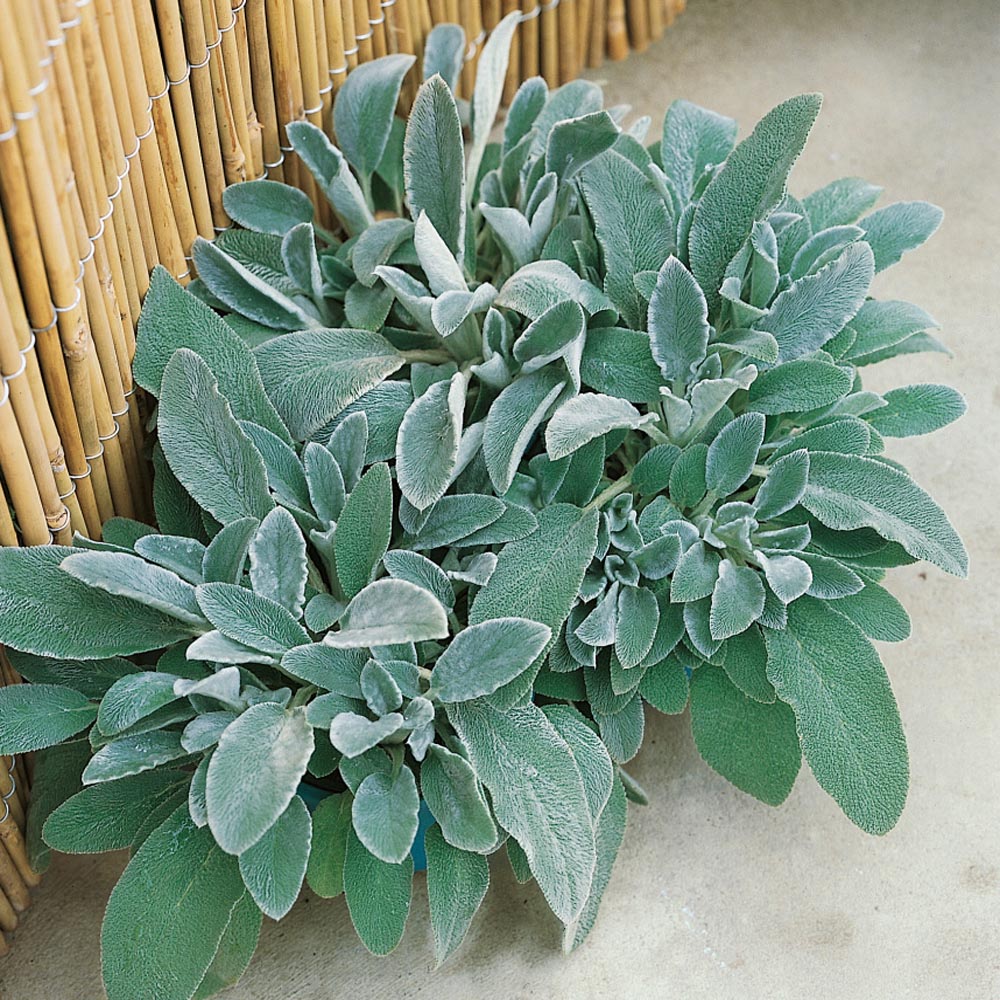
Lamb's Ear is a beloved perennial prized for its velvety silver-gray foliage and attractive spikes of rosy-purple flowers that bloom from late spring through midsummer. While the soft, woolly leaves have long made it a favorite in children's gardens and borders, the upright flower stalks also provide an excellent source of nectar for a wide variety of pollinators. Its unique texture and shimmering foliage bring beauty to the garden long before and after flowering.
The nectar-rich blossoms are highly attractive to honeybees, bumblebees, native bees, butterflies, and numerous other beneficial insects throughout the blooming season. The densely packed flower spikes provide abundant nectar during the warmer months, making Lamb's Ear an important addition to pollinator gardens. The flowers also make excellent additions to fresh and dried arrangements, while the silvery foliage provides year-round ornamental interest in mild climates.
Growing 12 to 18 inches tall, with flower stalks reaching 24 to 30 inches, Lamb's Ear thrives in full sun and well-drained soil. Once established, it is exceptionally drought tolerant and performs beautifully in rock gardens, cottage gardens, borders, xeriscapes, and pollinator plantings. Easy to grow and requiring very little maintenance, it forms attractive spreading clumps that provide lasting texture and dependable garden performance year after year.
Specifications
Botanical Name: Stachys byzantina 'Lanata'
Plant Type: Hardy perennial
Height: 12–18 inches (24–30 inches in flower)
Spread: 18–24 inches
Flower Color: Rosy purple to lavender-pink
Bloom Season: Late spring through midsummer
Sun Requirements: Full sun
Soil Requirements: Well-drained soil; tolerant of poor and rocky soils
Water Needs: Low once established; drought tolerant
Hardiness: USDA Zones 4–8
Bee Attraction: Excellent
Butterfly Attraction: Very Good
Hummingbird Attraction: Occasional
Seedman Notes
Lamb's Ear is best known for its irresistibly soft silver foliage, but its beautiful flower spikes are equally valuable for supporting bees and butterflies. Combining outstanding drought tolerance, year-round ornamental appeal, and dependable pollinator value, Stachys byzantina 'Lanata' is an excellent choice for wildlife gardens, borders, and water-wise landscapes.
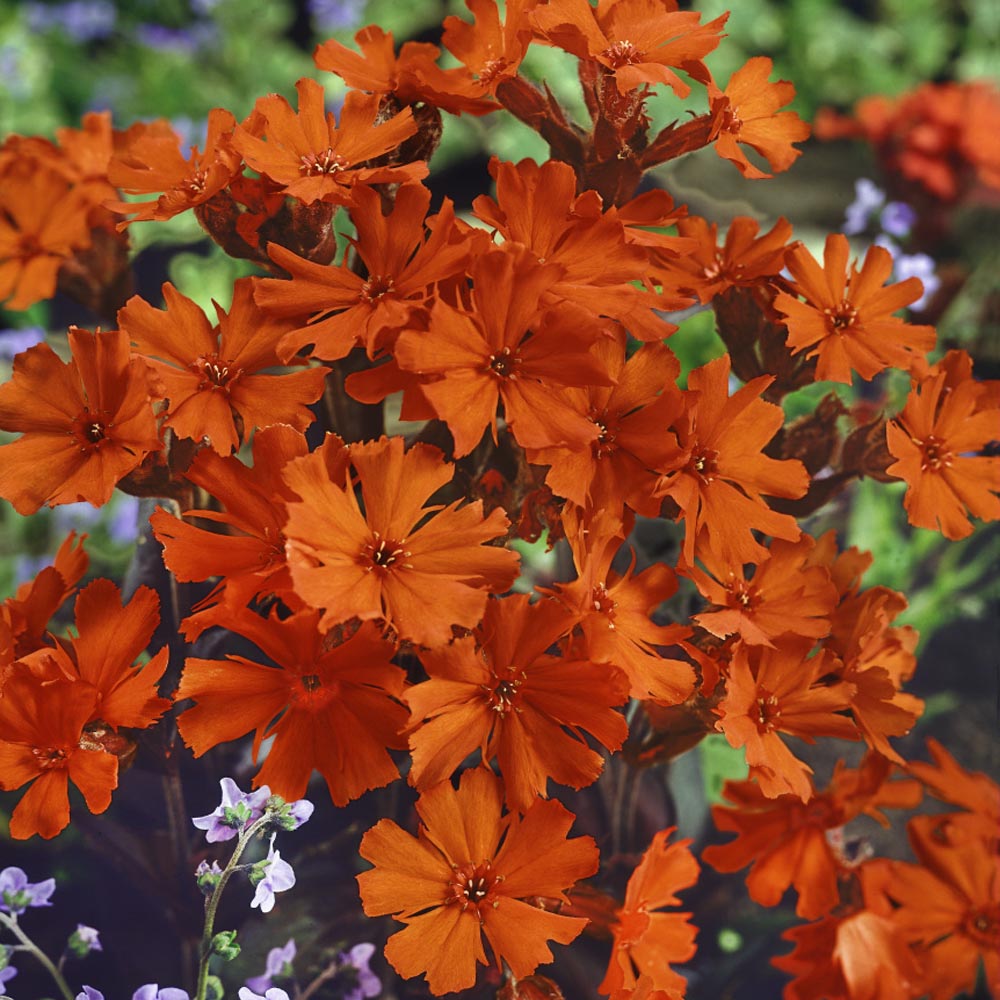
Vesuvius Lychnis is a brilliant perennial that lights up the garden with vivid scarlet-orange flowers set against rich bronze-purple foliage. Blooming from early summer through midsummer, the fiery blossoms create a dramatic display that immediately attracts attention while providing an abundant source of nectar for pollinators. The striking contrast between the colorful flowers and dark foliage makes this variety a standout in borders, cottage gardens, and wildlife plantings.
The nectar-rich flowers are highly attractive to honeybees, native bees, butterflies, hummingbirds, and a wide variety of other beneficial pollinators. The open blooms provide easy access to nectar throughout the flowering season, creating constant activity in the garden. Their brilliant color is especially effective at drawing hummingbirds, while butterflies frequently visit the blossoms during warm summer days.
Growing 18 to 24 inches tall, Vesuvius thrives in full sun and fertile, well-drained soil with moderate moisture. Once established, it is easy to maintain and performs beautifully in perennial borders, pollinator gardens, cutting gardens, and mixed landscape plantings. The colorful foliage remains attractive even before flowering begins, providing season-long interest while the brilliant blooms support beneficial wildlife throughout the summer.
Specifications
Botanical Name: Lychnis arkwrightii
Plant Type: Hardy perennial
Height: 18–24 inches
Spread: 12–18 inches
Flower Color: Brilliant scarlet-orange
Bloom Season: Early summer through midsummer
Sun Requirements: Full sun
Soil Requirements: Fertile, well-drained soil
Water Needs: Moderate; prefers evenly moist soil
Hardiness: USDA Zones 3–8
Bee Attraction: Excellent
Butterfly Attraction: Excellent
Hummingbird Attraction: Excellent
Seedman Notes
Vesuvius is one of the most colorful members of the Lychnis family, combining glowing scarlet-orange flowers with handsome bronze foliage for exceptional garden impact. Its long-lasting blooms, outstanding pollinator appeal, and reliable perennial performance make Lychnis arkwrightii an excellent choice for gardeners seeking brilliant summer color while supporting bees, butterflies, and hummingbirds.
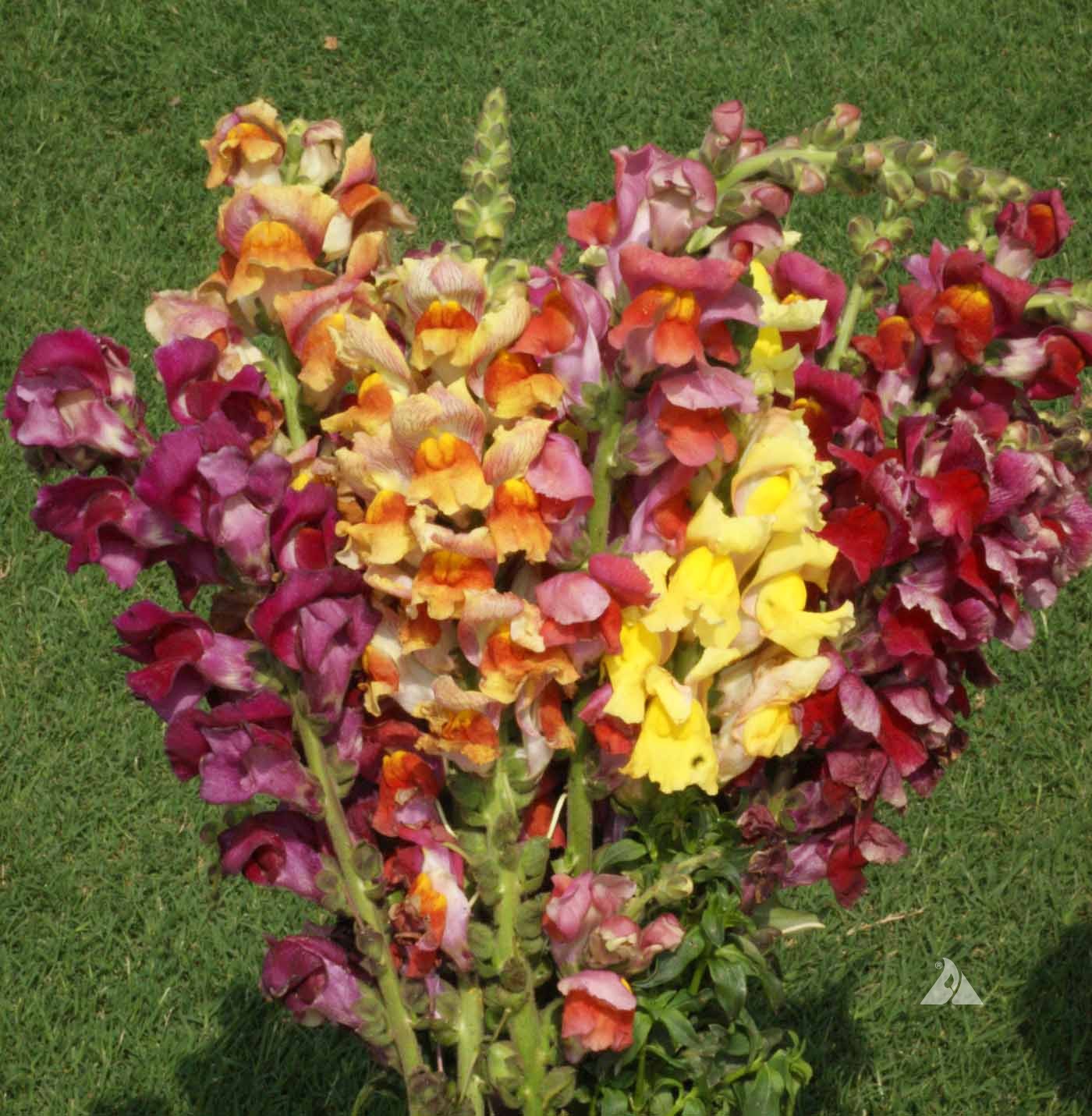
Tetra Mix Snapdragon produces magnificent spikes of large, colorful blossoms in brilliant shades of red, pink, rose, yellow, white, orange, lavender, and bicolors. Blooming from late spring until frost, these tall, stately plants create a vibrant display in borders, cottage gardens, and cutting gardens while providing an excellent source of nectar for pollinators. Their distinctive dragon-shaped flowers add both beauty and charm to the landscape throughout the growing season.
The nectar-filled tubular blossoms are highly attractive to bumblebees, honeybees, butterflies, hummingbirds, and many other beneficial pollinators. Bumblebees are especially fond of snapdragons, skillfully opening the hinged flowers to reach the abundant nectar hidden inside. The extended bloom period ensures a dependable food source from spring well into autumn, keeping the garden alive with beneficial wildlife for months.
Growing 30 to 36 inches tall, Tetra Mix thrives in full sun and fertile, well-drained soil with regular moisture. Cool weather encourages the heaviest flowering, and occasional deadheading helps extend the blooming season. Its sturdy flower spikes make excellent cut flowers, while the colorful plants perform beautifully in pollinator gardens, mixed borders, cutting gardens, and large containers.
Specifications
Botanical Name: Antirrhinum majus
Plant Type: Annual (short-lived perennial in mild climates)
Height: 30–36 inches
Spread: 12–18 inches
Flower Color: Mixed shades of red, pink, rose, yellow, white, orange, lavender, and bicolors
Bloom Season: Late spring until frost
Sun Requirements: Full sun
Soil Requirements: Fertile, well-drained soil
Water Needs: Moderate; prefers evenly moist soil
Hardiness: Grown as an annual; perennial in USDA Zones 7–10
Bee Attraction: Excellent
Butterfly Attraction: Very Good
Hummingbird Attraction: Excellent
Seedman Notes
Tetra Mix is one of the finest tall snapdragon mixtures available, producing large, brilliantly colored flower spikes that are as valuable to pollinators as they are beautiful in the garden. Its exceptionally long blooming season, outstanding cut flower quality, and dependable attraction to bees, butterflies, and hummingbirds make Antirrhinum majus an outstanding choice for any pollinator-friendly landscape.
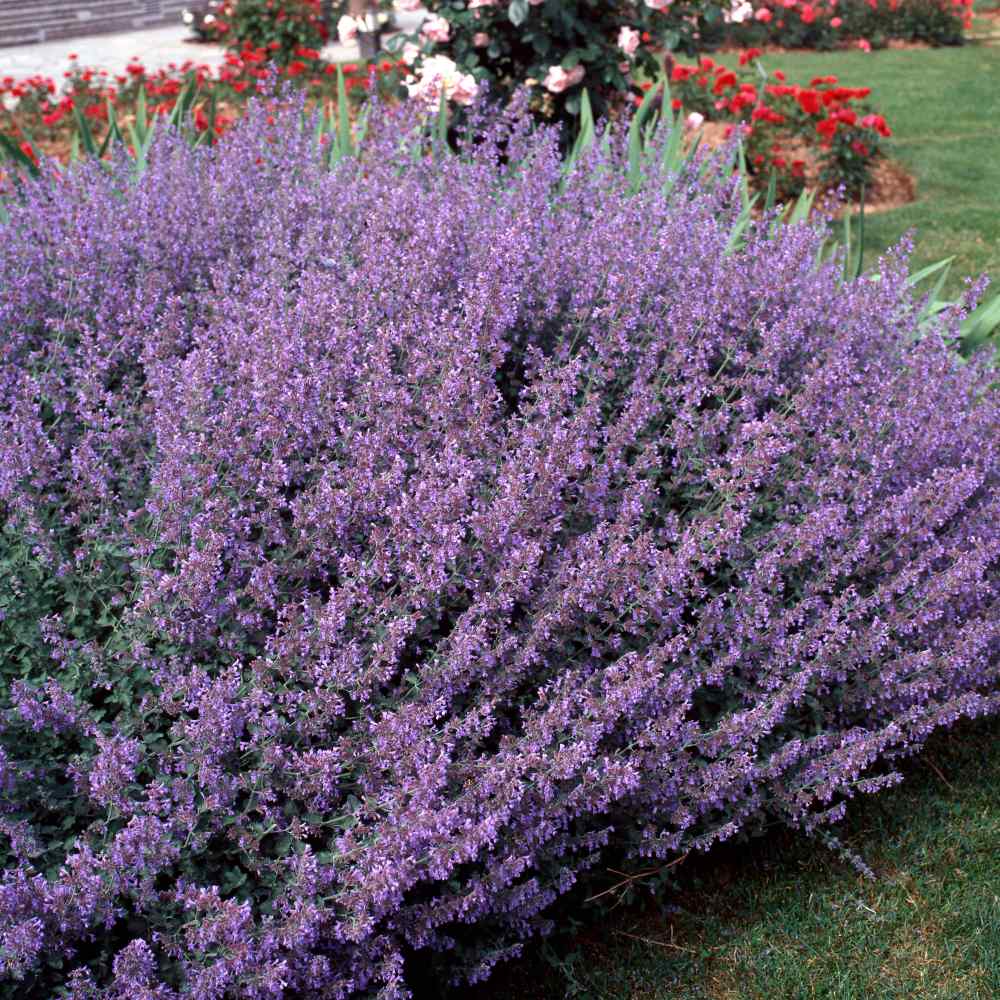
Catmint is a long-blooming perennial treasured for its graceful spikes of lavender-blue flowers, aromatic silver-green foliage, and exceptional value to pollinators. Blooming from late spring through early fall, the abundant blossoms create soft waves of color that brighten borders, rock gardens, and cottage landscapes while providing a dependable source of nectar throughout the growing season. The pleasantly fragrant foliage adds beauty and texture even when the plants are not in bloom.
The nectar-rich flowers are irresistible to honeybees, bumblebees, native bees, butterflies, hummingbirds, and numerous other beneficial pollinators. Flowering over many months, Catmint serves as an important nectar source during the height of summer when many spring-flowering plants have finished. The aromatic foliage is generally ignored by deer and rabbits, while many cats are naturally attracted to the leaves, adding another unique characteristic to this versatile perennial.
Growing 12 to 18 inches tall and spreading into attractive mounds, Catmint thrives in full sun and well-drained soil, tolerating heat, drought, poor soils, and rocky conditions once established. Light shearing after the first flush of flowers often encourages a second spectacular bloom, extending its season of color well into autumn. Its easy-care nature makes it an outstanding choice for pollinator gardens, borders, edging, xeriscapes, and naturalized plantings.
Specifications
Botanical Name: Nepeta mussinii
Plant Type: Hardy perennial
Height: 12–18 inches
Spread: 18–24 inches
Flower Color: Lavender-blue
Bloom Season: Late spring through early fall
Sun Requirements: Full sun
Soil Requirements: Well-drained soil; tolerant of poor and rocky soils
Water Needs: Low once established; drought tolerant
Hardiness: USDA Zones 3–8
Bee Attraction: Excellent
Butterfly Attraction: Excellent
Hummingbird Attraction: Good
Seedman Notes
Catmint is one of the finest low-maintenance perennials for pollinator gardens, combining months of lavender-blue blooms with exceptional drought tolerance and aromatic foliage. Its remarkable ability to attract bees and butterflies, together with its dependable reblooming habit, makes Nepeta mussinii an indispensable addition to wildlife-friendly landscapes and water-wise gardens.
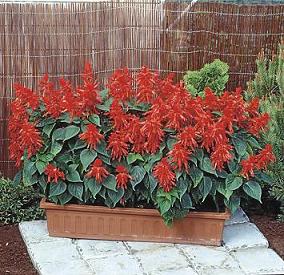
Lighthouse Red Salvia is a brilliant annual that produces vibrant spikes of intense scarlet-red flowers from late spring until frost, creating one of the brightest displays in the summer garden. The upright flower spikes rise above neat, bushy green foliage, providing months of continuous color while serving as an exceptional nectar source for pollinators. Its compact, uniform growth and nonstop blooming make it an excellent choice for borders, containers, mass plantings, and pollinator gardens.
The tubular, nectar-rich blossoms are irresistible to hummingbirds, butterflies, honeybees, native bees, and numerous other beneficial pollinating insects. Hummingbirds are especially attracted to the vivid red flowers, often returning repeatedly throughout the day to feed. The exceptionally long blooming season ensures a steady supply of nectar from early summer until frost, making Lighthouse Red one of the finest annuals for supporting wildlife.
Growing 12 to 18 inches tall, Lighthouse Red thrives in full sun and fertile, well-drained soil with moderate moisture. It tolerates summer heat exceptionally well and continues flowering with minimal maintenance, requiring only occasional removal of spent flower spikes to encourage even heavier blooming. Ideal for pollinator gardens, bedding displays, patio containers, and edging, it delivers reliable color and outstanding garden performance throughout the season.
Specifications
Botanical Name: Salvia splendens
Plant Type: Annual
Height: 12–18 inches
Spread: 10–14 inches
Flower Color: Brilliant scarlet red
Bloom Season: Late spring until frost
Sun Requirements: Full sun
Soil Requirements: Fertile, well-drained soil
Water Needs: Moderate; prefers evenly moist soil
Hardiness: Grown as an annual
Bee Attraction: Excellent
Butterfly Attraction: Excellent
Hummingbird Attraction: Excellent
Seedman Notes
Lighthouse Red is one of the finest red salvias for attracting hummingbirds while providing season-long color in the garden. Its brilliant scarlet flower spikes, compact habit, and remarkable ability to draw bees, butterflies, and hummingbirds make Salvia splendens an outstanding choice for pollinator gardens, public landscapes, and colorful summer displays.
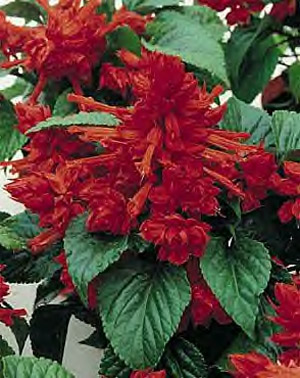
St. John's Fire Salvia is a spectacular annual that ignites the garden with brilliant scarlet-red flower spikes from late spring until the first frost. Its vivid blooms rise above compact, deep green foliage, creating a striking display of color that remains vibrant throughout the growing season. With its nonstop flowering habit and outstanding garden performance, this classic bedding plant is equally at home in borders, containers, pollinator gardens, and mass landscape plantings.
The tubular, nectar-rich flowers are a favorite of hummingbirds, butterflies, honeybees, native bees, and many other beneficial pollinators. Hummingbirds are especially drawn to the brilliant scarlet blossoms, making frequent visits throughout the day, while butterflies and bees eagerly gather nectar from the abundant flower spikes. Its exceptionally long bloom period provides a dependable food source from early summer until frost, making it one of the finest annual salvias for wildlife gardens.
Growing 12 to 18 inches tall, St. John's Fire thrives in full sun and fertile, well-drained soil with moderate moisture. It tolerates summer heat, humidity, and periods of dry weather exceptionally well once established. Easy to grow and requiring very little maintenance beyond occasional removal of spent flower spikes, it performs beautifully in beds, borders, patio containers, and public landscapes where season-long color and pollinator activity are desired.
Specifications
Botanical Name: Salvia splendens
Plant Type: Annual
Height: 12–18 inches
Spread: 10–14 inches
Flower Color: Brilliant scarlet red
Bloom Season: Late spring until frost
Sun Requirements: Full sun
Soil Requirements: Fertile, well-drained soil
Water Needs: Moderate; prefers evenly moist soil
Hardiness: Grown as an annual
Bee Attraction: Excellent
Butterfly Attraction: Excellent
Hummingbird Attraction: Excellent
Seedman Notes
St. John's Fire is one of the brightest and most dependable salvias for attracting hummingbirds while providing months of brilliant scarlet blooms. Its compact habit, exceptional heat tolerance, and nonstop flowering make Salvia splendens an outstanding choice for pollinator gardens, bedding displays, containers, and landscapes where vibrant color and wildlife value are equally important.
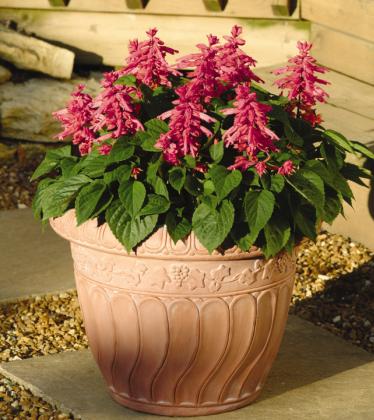
Vista Rose Salvia is a beautiful compact annual that produces dense spikes of rich rose-pink flowers from late spring until frost. The colorful blooms rise above attractive dark green foliage, creating months of continuous color while providing an abundant nectar source for pollinators. Its uniform growth habit and exceptional flowering performance make Vista Rose an outstanding choice for borders, containers, bedding displays, and pollinator gardens.
The nectar-filled tubular blossoms are highly attractive to hummingbirds, butterflies, honeybees, native bees, and many other beneficial pollinating insects. Hummingbirds eagerly visit the vibrant rose-colored flowers throughout the day, while butterflies and bees gather nectar from the abundant flower spikes. With its exceptionally long bloom period, Vista Rose provides a dependable food source from early summer through the first frost.
Growing 12 to 18 inches tall, Vista Rose thrives in full sun and fertile, well-drained soil with moderate moisture. It tolerates summer heat and humidity extremely well while continuing to produce fresh flower spikes throughout the season with minimal care. Ideal for pollinator gardens, borders, patio containers, and mass plantings, it delivers reliable color and attracts beneficial wildlife all summer long.
Specifications
Botanical Name: Salvia splendens
Plant Type: Annual
Height: 12–18 inches
Spread: 10–14 inches
Flower Color: Deep rose pink
Bloom Season: Late spring until frost
Sun Requirements: Full sun
Soil Requirements: Fertile, well-drained soil
Water Needs: Moderate; prefers evenly moist soil
Hardiness: Grown as an annual
Bee Attraction: Excellent
Butterfly Attraction: Excellent
Hummingbird Attraction: Excellent
Seedman Notes
Vista Rose combines the outstanding garden performance of the Vista series with vibrant rose-pink flower spikes that bloom continuously for months. Its compact habit, excellent heat tolerance, and exceptional ability to attract hummingbirds, butterflies, and bees make Salvia splendens an outstanding choice for colorful pollinator gardens and season-long landscape displays.
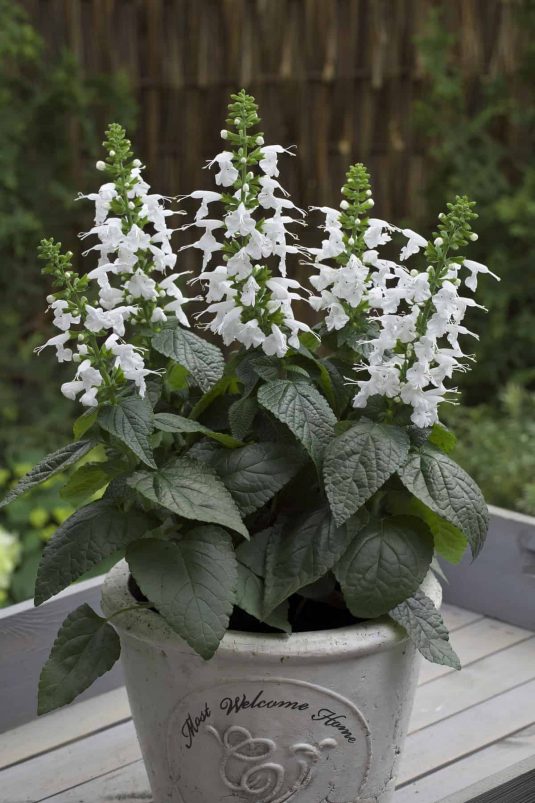
Summer Jewel White Salvia is an award-winning annual that produces masses of brilliant white tubular flowers from late spring until frost. Its compact, well-branched habit keeps the plants covered in blooms for months, creating a dazzling display that brightens borders, containers, cottage gardens, and pollinator landscapes. The pure white blossoms provide a striking contrast against the fresh green foliage while serving as an abundant nectar source throughout the growing season.
The nectar-rich flowers are especially attractive to hummingbirds, butterflies, honeybees, native bees, and numerous other beneficial pollinators. The slender tubular blossoms are perfectly shaped for hummingbirds, which return repeatedly to feed throughout the day, while butterflies and bees eagerly gather nectar from the continuous succession of blooms. Its exceptionally long flowering season ensures a reliable food source from early summer well into autumn.
Growing 18 to 24 inches tall, Summer Jewel White thrives in full sun to partial shade and performs best in well-drained soil with moderate moisture. Exceptionally heat and humidity tolerant, it continues flowering through the hottest days of summer with minimal maintenance. Its naturally branching habit requires little or no deadheading, making it an outstanding choice for pollinator gardens, borders, containers, and naturalized plantings where dependable color and wildlife value are desired.
Specifications
Botanical Name: Salvia coccinea
Plant Type: Annual (short-lived perennial in frost-free climates)
Height: 18–24 inches
Spread: 12–18 inches
Flower Color: Pure white
Bloom Season: Late spring until frost
Sun Requirements: Full sun to partial shade
Soil Requirements: Well-drained, average to fertile soil
Water Needs: Moderate; drought tolerant once established
Hardiness: USDA Zones 8–10 (grown as an annual elsewhere)
Bee Attraction: Excellent
Butterfly Attraction: Excellent
Hummingbird Attraction: Excellent
Seedman Notes
Summer Jewel White is one of the finest white salvias available for pollinator gardens, combining nonstop blooming with exceptional heat tolerance and effortless care. Its luminous white flowers, compact habit, and remarkable ability to attract hummingbirds, butterflies, and bees make Salvia coccinea an outstanding addition to wildlife gardens, borders, and colorful summer landscapes.
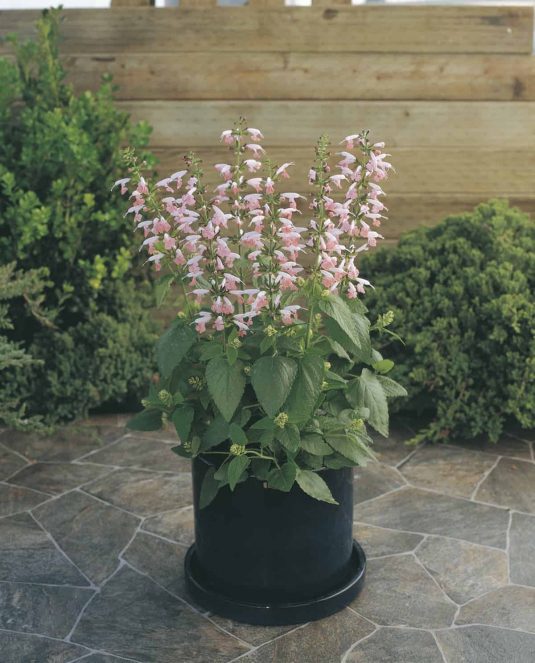
Summer Jewel Pink Salvia is a compact, free-flowering annual that produces an abundance of soft rosy-pink tubular blossoms from late spring until frost. Its naturally branching habit creates a dense mound of fresh green foliage covered with colorful blooms throughout the growing season. The delicate pink flowers brighten borders, containers, cottage gardens, and pollinator landscapes while providing a continuous source of nectar for beneficial wildlife.
The nectar-rich blossoms are irresistible to hummingbirds, butterflies, honeybees, native bees, and many other beneficial pollinators. The slender tubular flowers are perfectly designed for hummingbirds, which make frequent visits throughout the day, while butterflies and bees eagerly gather nectar from the nonstop succession of blooms. Its remarkably long flowering season provides dependable nourishment from early summer until autumn.
Growing 18 to 24 inches tall, Summer Jewel Pink thrives in full sun to partial shade and performs best in well-drained soil with moderate moisture. Exceptionally tolerant of heat and humidity, it continues blooming even during the warmest summer weather with very little maintenance. Its compact habit and self-branching nature make it an excellent choice for pollinator gardens, borders, patio containers, and naturalized plantings where season-long color and wildlife activity are desired.
Specifications
Botanical Name: Salvia coccinea
Plant Type: Annual (short-lived perennial in frost-free climates)
Height: 18–24 inches
Spread: 12–18 inches
Flower Color: Soft rose pink
Bloom Season: Late spring until frost
Sun Requirements: Full sun to partial shade
Soil Requirements: Well-drained, average to fertile soil
Water Needs: Moderate; drought tolerant once established
Hardiness: USDA Zones 8–10 (grown as an annual elsewhere)
Bee Attraction: Excellent
Butterfly Attraction: Excellent
Hummingbird Attraction: Excellent
Seedman Notes
Summer Jewel Pink is one of the finest pink flowering salvias for attracting hummingbirds while providing months of reliable color. Its compact, easy-care habit, exceptional heat tolerance, and continuous display of nectar-rich blooms make Salvia coccinea an outstanding choice for pollinator gardens, containers, borders, and colorful summer landscapes.
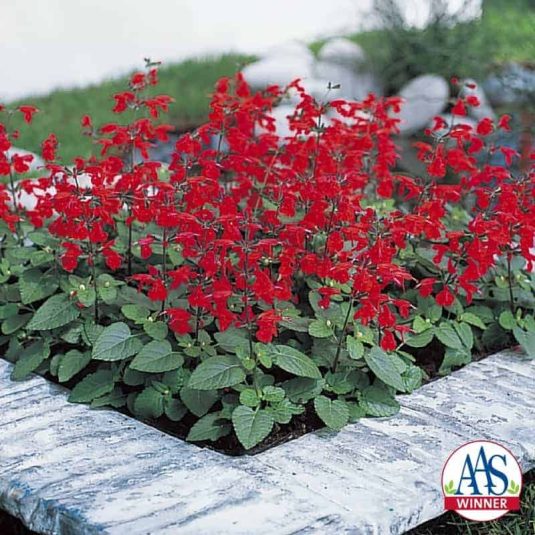
Summer Jewel Red Salvia is an exceptional flowering annual that produces brilliant scarlet-red tubular blossoms from late spring until frost. Its compact, well-branched plants become covered with vibrant flower spikes that provide continuous color throughout the growing season. The glowing red blooms stand out beautifully against rich green foliage, making this award-winning variety a favorite for borders, containers, cottage gardens, and pollinator landscapes.
The nectar-rich flowers are among the very best for attracting hummingbirds, while butterflies, honeybees, native bees, and numerous other beneficial pollinators visit the blossoms throughout the day. The slender tubular flowers are perfectly shaped for hummingbird feeding, providing an abundant source of nectar over an exceptionally long bloom period. With flowers produced continuously from early summer through frost, Summer Jewel Red offers one of the most dependable nectar supplies available in the garden.
Growing 18 to 24 inches tall, Summer Jewel Red thrives in full sun to partial shade and performs best in well-drained soil with moderate moisture. It tolerates heat, humidity, and brief periods of drought remarkably well while continuing to bloom with little maintenance. Naturally compact and freely branching, it is an outstanding choice for pollinator gardens, borders, patio containers, mass plantings, and naturalized landscapes.
Specifications
Botanical Name: Salvia coccinea
Plant Type: Annual (short-lived perennial in frost-free climates)
Height: 18–24 inches
Spread: 12–18 inches
Flower Color: Brilliant scarlet red
Bloom Season: Late spring until frost
Sun Requirements: Full sun to partial shade
Soil Requirements: Well-drained, average to fertile soil
Water Needs: Moderate; drought tolerant once established
Hardiness: USDA Zones 8–10 (grown as an annual elsewhere)
Bee Attraction: Excellent
Butterfly Attraction: Excellent
Hummingbird Attraction: Excellent
Seedman Notes
Summer Jewel Red is one of the finest hummingbird plants available, producing a nonstop display of brilliant scarlet flowers over an exceptionally long season. Its compact habit, outstanding heat tolerance, and remarkable ability to attract hummingbirds, butterflies, and bees make Salvia coccinea an essential addition to pollinator gardens and colorful summer landscapes.
Cherry Blossom Salvia is a beautiful flowering annual that produces an abundance of soft cherry-pink tubular blossoms from late spring until frost. Its compact, well-branched plants quickly become covered with delicate blooms that provide months of continuous color while creating a welcoming haven for pollinators. The graceful pink flowers stand out beautifully against fresh green foliage, making this variety an excellent choice for borders, containers, cottage gardens, and wildlife-friendly landscapes.
The nectar-rich blossoms are highly attractive to hummingbirds, butterflies, honeybees, native bees, and numerous other beneficial pollinating insects. Hummingbirds are especially drawn to the slender tubular flowers, returning frequently throughout the day to feed, while butterflies and bees eagerly gather nectar from the nonstop succession of blooms. Its exceptionally long flowering season provides an important and reliable food source from early summer through the first frost.
Growing 18 to 24 inches tall, Cherry Blossom thrives in full sun to partial shade and performs best in well-drained soil with moderate moisture. It tolerates heat, humidity, and occasional dry periods with ease once established, while its naturally branching habit requires very little maintenance to keep blooming. Perfect for pollinator gardens, borders, patio containers, and naturalized plantings, it delivers dependable beauty and wildlife value all season long.
Specifications
Botanical Name: Salvia coccinea
Plant Type: Annual (short-lived perennial in frost-free climates)
Height: 18–24 inches
Spread: 12–18 inches
Flower Color: Cherry pink
Bloom Season: Late spring until frost
Sun Requirements: Full sun to partial shade
Soil Requirements: Well-drained, average to fertile soil
Water Needs: Moderate; drought tolerant once established
Hardiness: USDA Zones 8–10 (grown as an annual elsewhere)
Bee Attraction: Excellent
Butterfly Attraction: Excellent
Hummingbird Attraction: Excellent
Seedman Notes
Cherry Blossom is one of the prettiest pink selections of Salvia coccinea, combining soft, elegant color with outstanding pollinator appeal. Its months of nectar-rich blooms, compact habit, and exceptional heat tolerance make it an excellent choice for gardeners who want to attract hummingbirds, butterflies, and bees while enjoying continuous summer color.
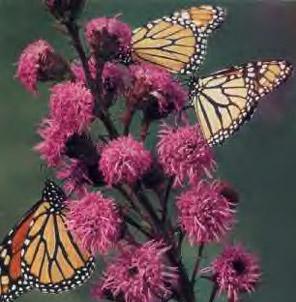
Meadow Blazing Star is one of North America's most valuable native wildflowers for pollinators, producing tall spikes of brilliant rosy-purple flowers that bloom from midsummer into early fall. The unusual bottlebrush-like flower heads open from the top downward, creating weeks of vibrant color while providing an abundant source of nectar during the height of the growing season. Its upright habit and striking blooms make it a spectacular addition to native gardens, prairie plantings, and pollinator landscapes.
The nectar-rich blossoms are legendary for attracting monarch butterflies, swallowtails, painted ladies, honeybees, native bees, bumblebees, hummingbirds, and countless other beneficial pollinators. Meadow Blazing Star is considered one of the finest nectar plants available for migrating monarch butterflies as they journey south in late summer and early fall. Few native wildflowers produce such an impressive concentration of pollinating wildlife during bloom, making every flowering spike a hub of garden activity.
Growing 3 to 5 feet tall, Meadow Blazing Star thrives in full sun and well-drained soil, adapting well to prairie conditions while tolerating heat, humidity, and periodic drought once established. Its deep root system makes it exceptionally resilient and long-lived, requiring very little maintenance after establishment. It is an outstanding choice for native meadows, prairie restorations, pollinator gardens, rain gardens, and perennial borders where both wildlife value and vertical garden interest are desired.
Specifications
Botanical Name: Liatris ligulistylis
Plant Type: Hardy native perennial
Height: 3–5 feet
Spread: 12–24 inches
Flower Color: Rosy purple to magenta
Bloom Season: Midsummer through early fall
Sun Requirements: Full sun
Soil Requirements: Well-drained soil; adaptable to average garden soils
Water Needs: Moderate; drought tolerant once established
Hardiness: USDA Zones 3–8
Bee Attraction: Excellent
Butterfly Attraction: Excellent – one of the best plants for Monarch butterflies
Hummingbird Attraction: Excellent
Seedman Notes
Meadow Blazing Star is widely regarded as one of the premier native pollinator plants in North America. Its towering purple flower spikes provide a critical late-season nectar source for migrating Monarch butterflies while attracting an extraordinary diversity of bees, butterflies, hummingbirds, and beneficial insects. For gardeners seeking maximum wildlife value, Liatris ligulistylis is simply one of the finest native wildflowers that can be grown.
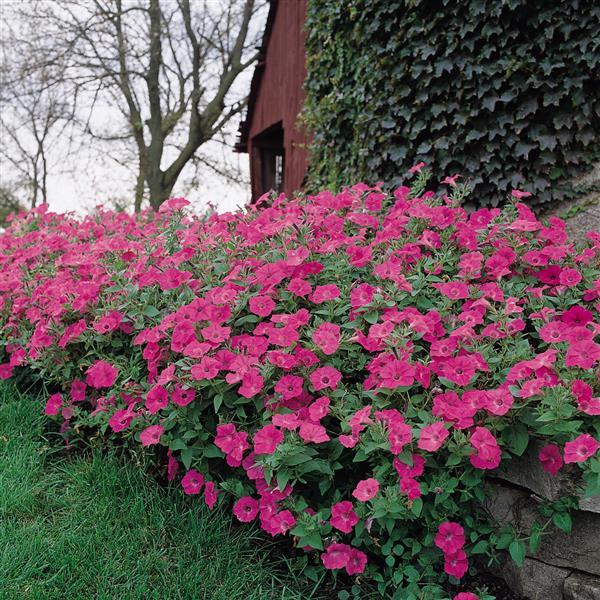
Tidal Wave Hot Pink Spreading Hybrid Petunia is an award-winning hybrid renowned for its vibrant hot pink flowers, vigorous spreading habit, and exceptional ability to attract pollinators. Blooming continuously from late spring until frost, the plants become blanketed with hundreds of brilliant blossoms that create a breathtaking display in garden beds, borders, hanging baskets, and large containers. Whether grown as a colorful groundcover or allowed to mound into a flowering hedge, its nonstop blooms provide months of spectacular color.
The large, nectar-rich trumpet-shaped flowers are highly attractive to hummingbirds, butterflies, honeybees, native bees, and numerous other beneficial pollinators. Blooming continuously throughout the summer, Tidal Wave Hot Pink provides a dependable source of nectar during the hottest months when pollinators are most active. Its vigorous growth ensures an abundance of fresh flowers, keeping gardens alive with wildlife from early summer until the first frost.
Growing 16 to 24 inches tall while spreading 3 to 5 feet, Tidal Wave Hot Pink thrives in full sun and fertile, well-drained soil with moderate moisture. It is exceptionally heat, humidity, wind, and rain tolerant, recovering quickly after summer storms and continuing to flower without the need for deadheading. Ideal for pollinator gardens, mass plantings, large containers, hanging baskets, and colorful landscape displays, it offers outstanding performance with minimal maintenance.
Specifications
Botanical Name: Petunia × hybrida
Plant Type: Hybrid annual
Height: 16–24 inches
Spread: 3–5 feet
Flower Color: Brilliant hot pink
Bloom Season: Late spring until frost
Sun Requirements: Full sun
Soil Requirements: Fertile, well-drained soil
Water Needs: Moderate; prefers evenly moist soil
Hardiness: Grown as an annual
Bee Attraction: Excellent
Butterfly Attraction: Excellent
Hummingbird Attraction: Excellent
Seedman Notes
Tidal Wave Hot Pink revolutionized landscape petunias with its remarkable spreading habit and incredible flower production. Its vibrant hot pink blooms, exceptional weather resistance, and nonstop attraction to hummingbirds, butterflies, and bees make Petunia × hybrida one of the finest choices for gardeners seeking season-long color and outstanding pollinator value.
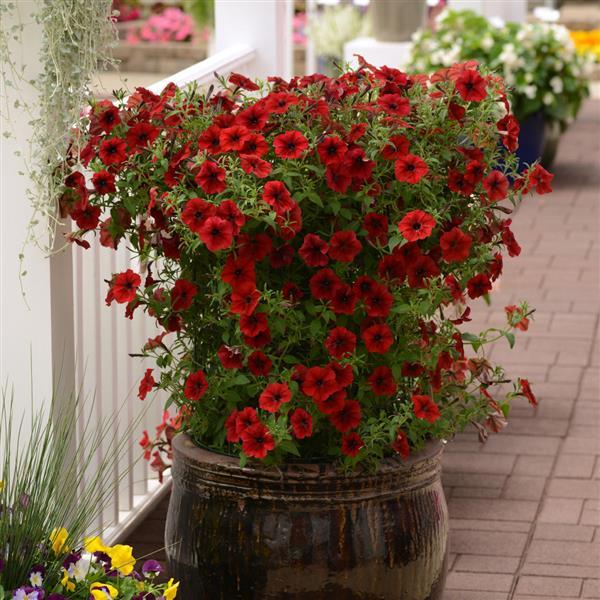
Tidal Wave Velour Red Spreading Hybrid Petunia is an outstanding landscape petunia featuring rich velvety crimson-red flowers that blanket the plant from late spring until frost. Its vigorous spreading habit quickly creates a carpet of brilliant blooms, making it ideal for garden beds, borders, hanging baskets, large containers, and mass landscape plantings. The deep, luxurious flower color remains vibrant throughout the season, providing months of nonstop beauty.
The abundant trumpet-shaped flowers are rich in nectar and highly attractive to hummingbirds, butterflies, honeybees, native bees, and many other beneficial pollinators. Blooming continuously throughout the summer, Tidal Wave Velour Red supplies a dependable source of nectar during the busiest months of pollinator activity. Its exceptional flower production ensures fresh blooms are always available, keeping gardens filled with both brilliant color and beneficial wildlife.
Growing 16 to 24 inches tall while spreading 3 to 5 feet, Tidal Wave Velour Red thrives in full sun and fertile, well-drained soil with moderate moisture. It tolerates heat, humidity, wind, and heavy rains remarkably well, quickly recovering from adverse weather while continuing to flower without deadheading. Its vigorous, low-maintenance nature makes it an outstanding choice for pollinator gardens, colorful groundcovers, containers, and large landscape displays.
Specifications
Botanical Name: Petunia × hybrida
Plant Type: Hybrid annual
Height: 16–24 inches
Spread: 3–5 feet
Flower Color: Deep velvety crimson-red
Bloom Season: Late spring until frost
Sun Requirements: Full sun
Soil Requirements: Fertile, well-drained soil
Water Needs: Moderate; prefers evenly moist soil
Hardiness: Grown as an annual
Bee Attraction: Excellent
Butterfly Attraction: Excellent
Hummingbird Attraction: Excellent
Seedman Notes
Tidal Wave Velour Red combines the legendary spreading performance of the Tidal Wave series with rich, velvety crimson blooms that flower continuously throughout the growing season. Its outstanding weather resistance, vigorous growth, and remarkable ability to attract hummingbirds, butterflies, and bees make Petunia × hybrida an exceptional choice for gardeners seeking dramatic color and outstanding pollinator value.
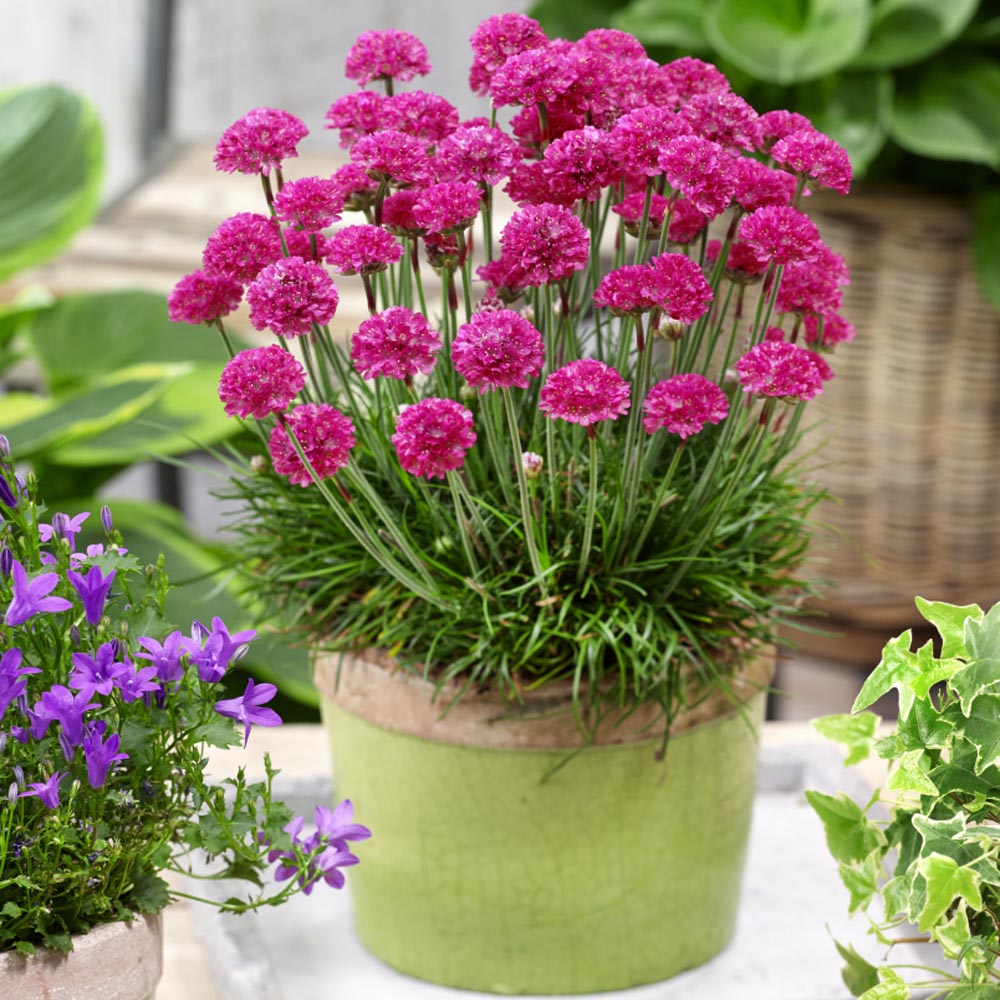
Sea Pink 'Splendens' is a charming evergreen perennial that produces dense clusters of bright rosy-pink flowers held above neat mounds of fine, grass-like foliage. Blooming from late spring into early summer, the cheerful globe-shaped flower heads create a colorful display that brightens rock gardens, borders, coastal plantings, and pollinator landscapes. Its compact growth habit and long-lasting blooms make it one of the finest small perennials for sunny gardens.
The nectar-rich blossoms are highly attractive to honeybees, native bees, butterflies, hoverflies, and numerous other beneficial pollinators. Although compact in size, the abundant flower clusters provide an important nectar source during the spring flowering season, encouraging a steady stream of beneficial insects to visit the garden. The long stems also make delightful cut flowers for small arrangements while leaving plenty of blooms for pollinating wildlife.
Growing 6 to 12 inches tall, Sea Pink thrives in full sun and well-drained soil, tolerating drought, salt spray, sandy soils, rocky conditions, and coastal environments once established. It requires very little maintenance beyond removing spent flower stems and performs beautifully in rock gardens, alpine plantings, edging, containers, and seaside landscapes. Its evergreen foliage provides year-round texture and remains attractive long after flowering has finished.
Specifications
Botanical Name: Armeria maritima 'Splendens'
Plant Type: Evergreen perennial
Height: 6–12 inches
Spread: 8–12 inches
Flower Color: Bright rosy pink
Bloom Season: Late spring through early summer
Sun Requirements: Full sun
Soil Requirements: Well-drained soil; thrives in sandy, rocky, and coastal soils
Water Needs: Low once established; drought tolerant
Hardiness: USDA Zones 3–9
Bee Attraction: Excellent
Butterfly Attraction: Very Good
Hummingbird Attraction: Occasional
Seedman Notes
Sea Pink 'Splendens' is one of the finest compact perennials for sunny, well-drained gardens, combining bright rosy-pink flowers with outstanding toughness and excellent pollinator value. Its evergreen foliage, exceptional salt and drought tolerance, and dependable attraction to bees and butterflies make Armeria maritima 'Splendens' an outstanding choice for rock gardens, coastal landscapes, and wildlife-friendly borders.
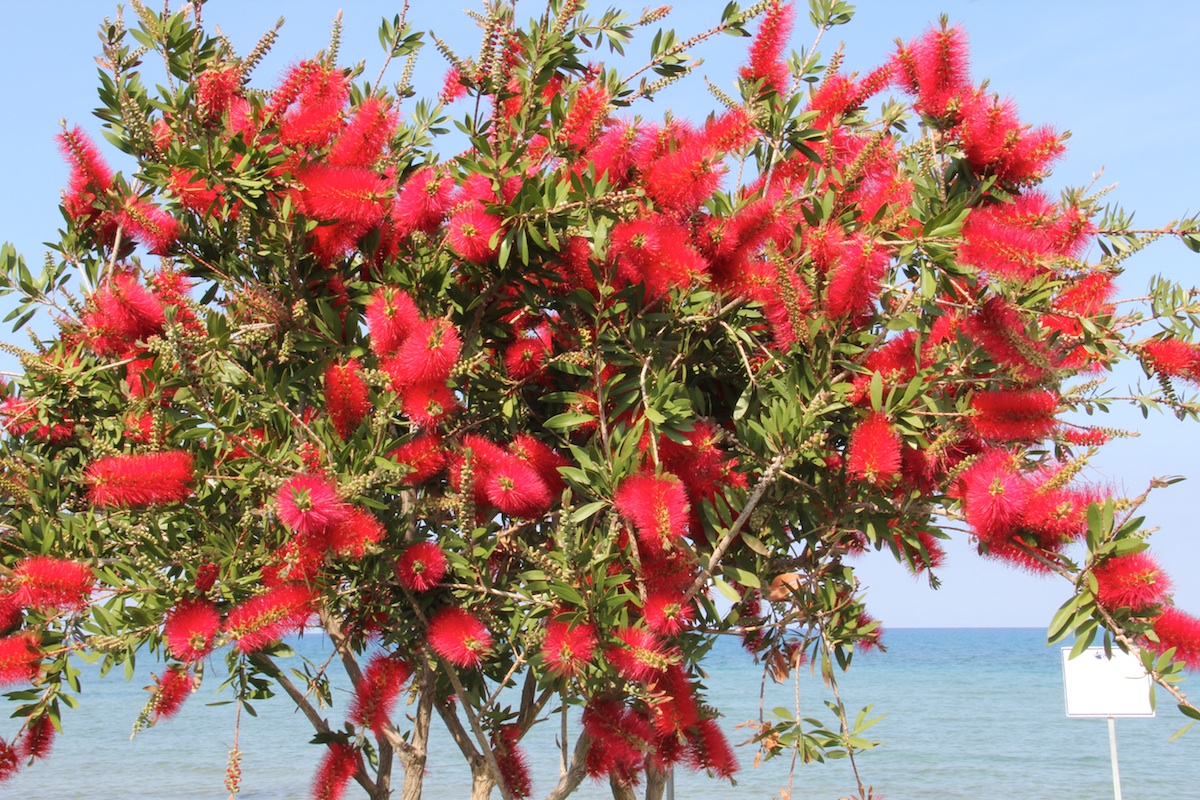
Crimson Bottlebrush is a spectacular evergreen shrub admired for its brilliant scarlet-red bottlebrush flowers and exceptional value to pollinators. Blooming heavily in spring and often again through summer and fall, the vivid cylindrical flower spikes cover the graceful branches, creating one of the most striking displays in the landscape. Its aromatic evergreen foliage and colorful blossoms make it a standout specimen for warm-climate gardens and wildlife-friendly landscapes.
The nectar-rich flower spikes are irresistible to hummingbirds, honeybees, native bees, butterflies, and numerous other beneficial pollinators. Each flower spike consists of hundreds of tiny blossoms packed with nectar, providing an abundant food source over an extended blooming season. Hummingbirds are especially attracted to the brilliant crimson flowers, making frequent visits while butterflies and bees eagerly forage throughout the day.
Growing 8 to 15 feet tall with a graceful rounded habit, Crimson Bottlebrush thrives in full sun and well-drained soil, tolerating heat, drought, poor soils, and coastal conditions once established. It performs beautifully as a specimen shrub, flowering hedge, privacy screen, or patio accent, requiring very little maintenance beyond occasional pruning after flowering. Its durability and extended bloom period make it one of the finest shrubs for year-round landscape interest.
Specifications
Botanical Name: Callistemon citrinus
Plant Type: Evergreen shrub or small tree
Height: 8–15 feet
Spread: 6–12 feet
Flower Color: Brilliant crimson red
Bloom Season: Spring with repeat blooming through summer and fall
Sun Requirements: Full sun
Soil Requirements: Well-drained soil; adaptable to sandy and average soils
Water Needs: Moderate until established; drought tolerant thereafter
Hardiness: USDA Zones 8–11
Bee Attraction: Excellent
Butterfly Attraction: Excellent
Hummingbird Attraction: Excellent
Seedman Notes
Crimson Bottlebrush is one of the finest flowering shrubs for attracting hummingbirds and pollinators. Its spectacular scarlet flower spikes, evergreen foliage, outstanding drought tolerance, and months of nectar production make Callistemon citrinus an exceptional choice for pollinator gardens, coastal landscapes, and warm-climate gardens where beauty and wildlife value are equally important.
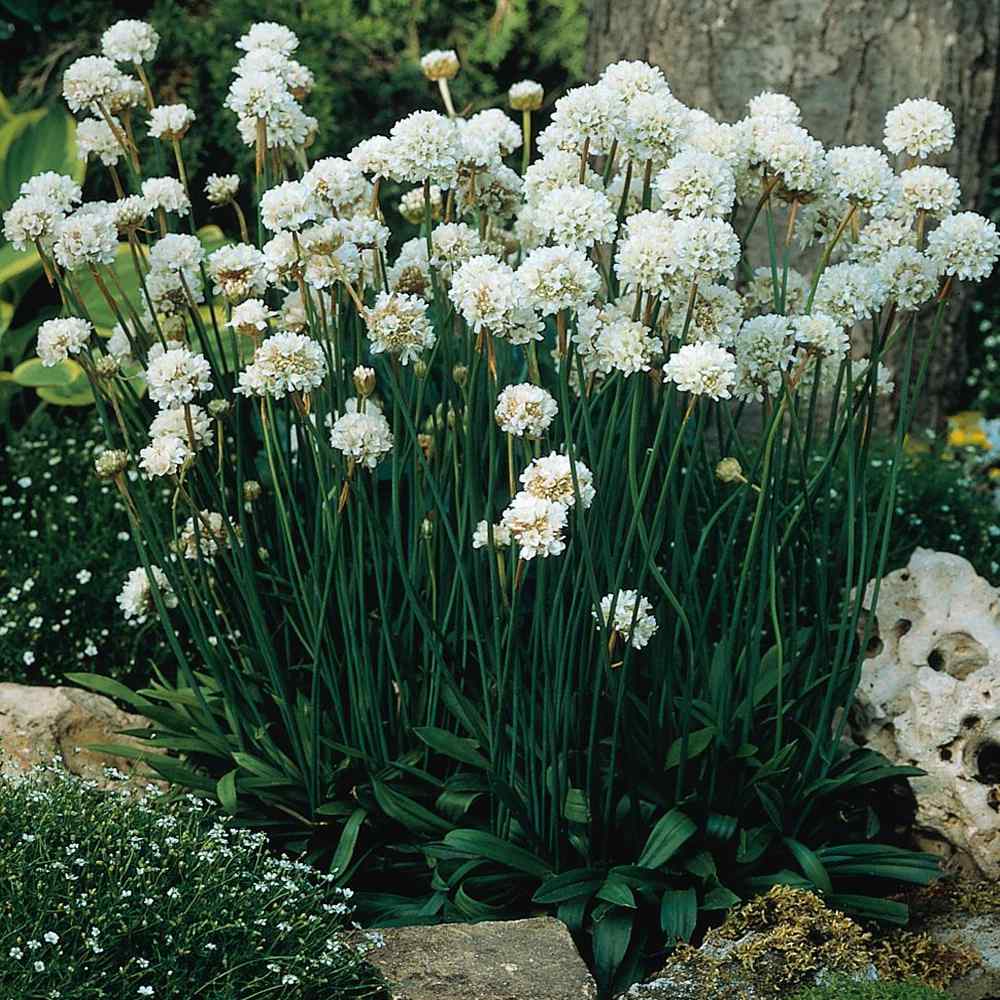
White Armeria is a charming evergreen perennial that produces neat, globe-shaped clusters of pure white flowers held above compact mounds of slender, grass-like foliage. Blooming from late spring into early summer, the crisp white blossoms create a clean, elegant display that brightens rock gardens, borders, alpine plantings, and pollinator landscapes. Its tidy growth habit and evergreen foliage provide year-round beauty, even after the flowers have faded.
The nectar-rich flower heads attract honeybees, native bees, butterflies, hoverflies, and numerous other beneficial pollinators throughout the blooming season. Although compact in stature, the abundant blossoms offer an important spring nectar source that supports early pollinator activity. The sturdy stems also make attractive cut flowers for small arrangements while leaving plenty of blooms to benefit visiting wildlife.
Growing 6 to 12 inches tall, White Armeria thrives in full sun and well-drained soil, tolerating drought, salt spray, sandy soils, rocky conditions, and coastal environments once established. It is exceptionally easy to maintain, requiring only the occasional removal of spent flower stems to encourage a tidy appearance. Ideal for rock gardens, edging, containers, alpine gardens, and seaside landscapes, it provides dependable beauty with minimal care.
Specifications
Botanical Name: Armeria maritima 'Alba'
Plant Type: Evergreen perennial
Height: 6–12 inches
Spread: 8–12 inches
Flower Color: Pure white
Bloom Season: Late spring through early summer
Sun Requirements: Full sun
Soil Requirements: Well-drained soil; thrives in sandy, rocky, and coastal soils
Water Needs: Low once established; drought tolerant
Hardiness: USDA Zones 3–9
Bee Attraction: Excellent
Butterfly Attraction: Very Good
Hummingbird Attraction: Occasional
Seedman Notes
White Armeria is one of the finest compact perennials for sunny gardens, combining elegant white blooms with outstanding durability and excellent pollinator value. Its evergreen foliage, exceptional drought and salt tolerance, and dependable attraction to bees and butterflies make Armeria maritima 'Alba' an outstanding choice for rock gardens, coastal landscapes, alpine plantings, and wildlife-friendly borders.
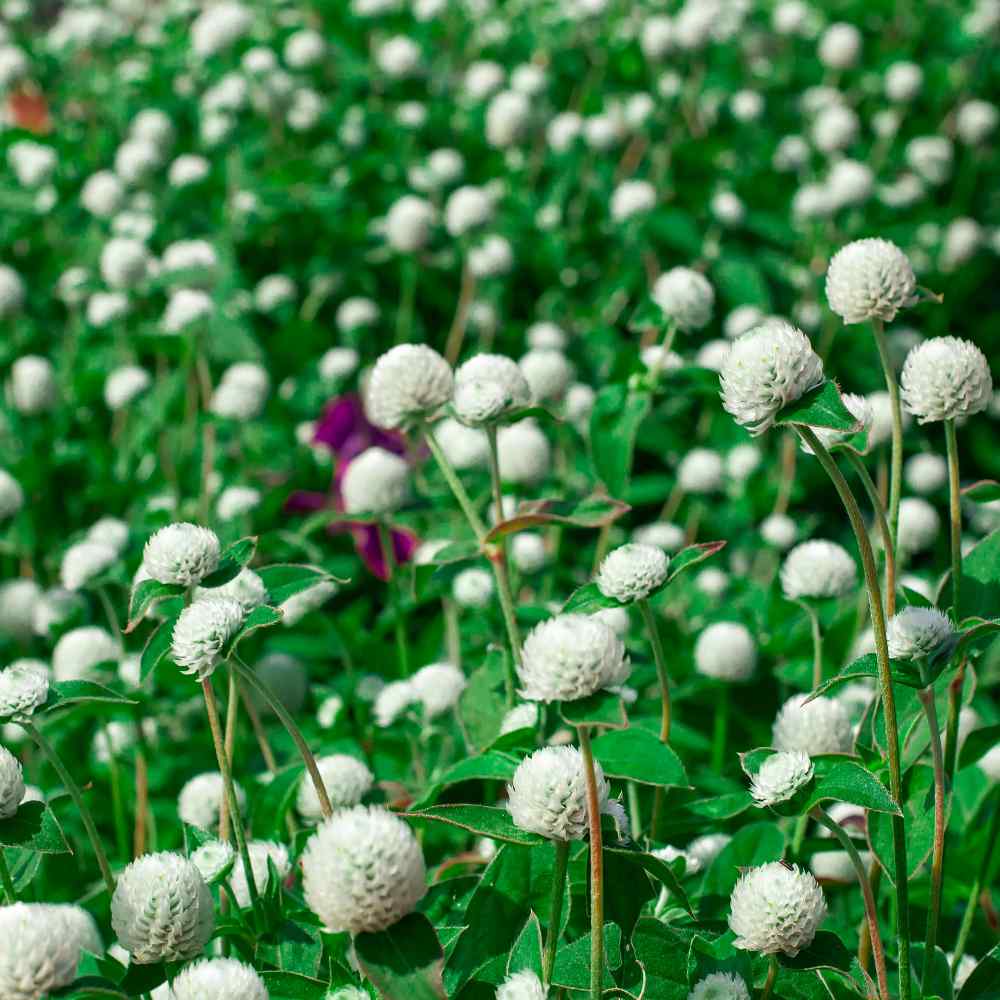
Very White Gomphrena is an outstanding annual prized for its perfectly rounded, snow-white flower heads that bloom continuously from early summer until frost. The long-lasting clover-like blossoms are held above neat, bushy plants, providing months of brilliant color in borders, containers, cutting gardens, and pollinator plantings. The papery flowers retain their beauty exceptionally well, both in the garden and in fresh or dried floral arrangements.
The nectar-rich blooms are highly attractive to honeybees, native bees, butterflies, and numerous other beneficial pollinators throughout the growing season. Because the plants flower continuously through the hottest months of summer, they provide a dependable source of nectar when many other annuals begin to fade. Butterflies are especially fond of Gomphrena, often visiting the flowers throughout the day while bees gather both nectar and pollen.
Growing 12 to 18 inches tall, Very White Gomphrena thrives in full sun and well-drained soil, tolerating heat, humidity, drought, and poor soils once established. Its exceptional toughness and nonstop flowering make it an excellent choice for pollinator gardens, borders, containers, mass plantings, and cutting gardens. Easy to grow and requiring very little maintenance, it continues producing fresh blooms until the first hard frost.
Specifications
Botanical Name: Gomphrena globosa
Plant Type: Annual
Height: 12–18 inches
Spread: 10–14 inches
Flower Color: Pure white
Bloom Season: Early summer until frost
Sun Requirements: Full sun
Soil Requirements: Well-drained soil; adaptable to average garden soils
Water Needs: Low to moderate; drought tolerant once established
Hardiness: Grown as an annual
Bee Attraction: Excellent
Butterfly Attraction: Excellent
Hummingbird Attraction: Occasional
Seedman Notes
Very White Gomphrena combines elegant snow-white blooms with exceptional heat tolerance and one of the longest flowering seasons of any annual. Its outstanding ability to attract bees and butterflies, along with its excellent value as a fresh and everlasting cut flower, makes Gomphrena globosa an outstanding addition to pollinator gardens, borders, and colorful summer landscapes.
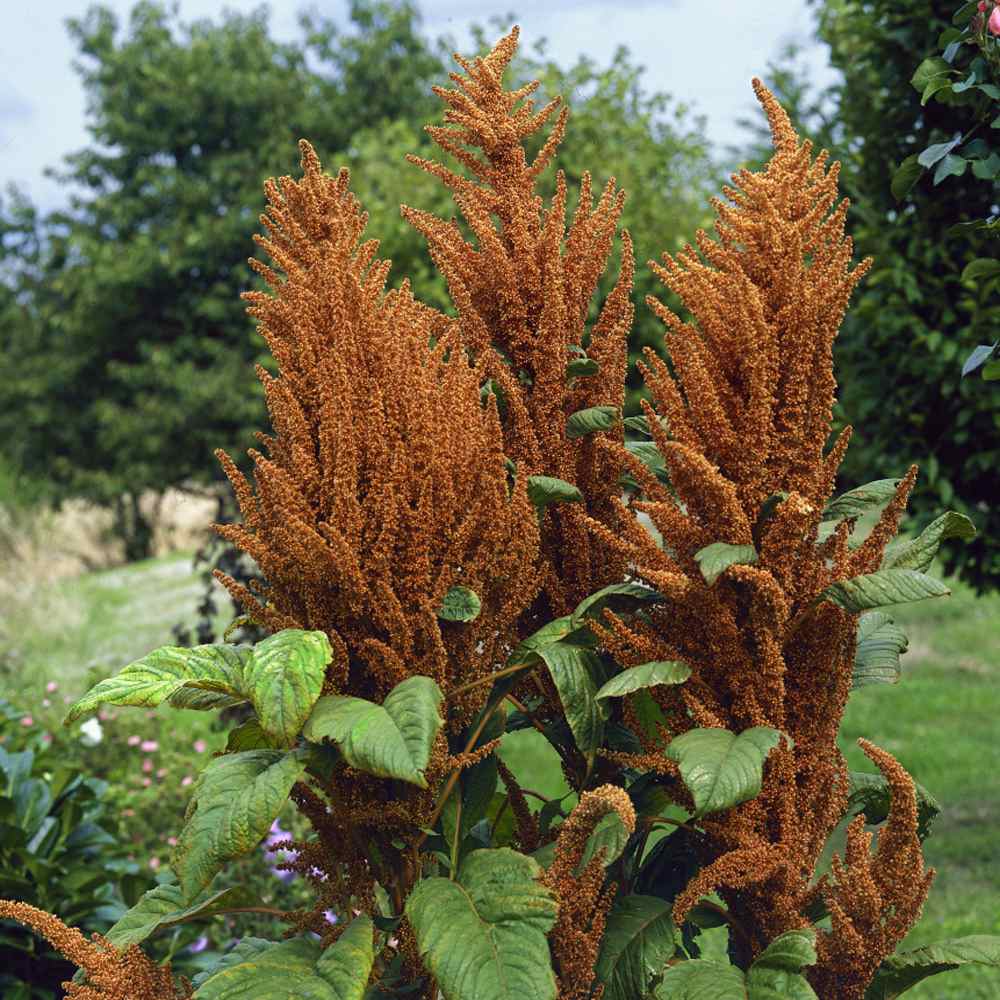
Hot Biscuits Amaranth is a spectacular ornamental annual prized for its towering stems, warm copper-bronze flower plumes, and outstanding value to pollinators. Blooming from midsummer until frost, the upright flower spikes glow with rich cinnamon, bronze, and golden-brown tones that bring striking color and texture to borders, prairie plantings, and wildlife gardens. The long-lasting blooms also make exceptional fresh and dried flowers, extending their beauty well beyond the growing season.
The abundant flowers are highly attractive to honeybees, native bees, butterflies, and numerous beneficial pollinating insects throughout the summer. As the blooms mature, they produce nutritious seeds that are eagerly sought by goldfinches, sparrows, doves, and many other seed-eating birds, making Hot Biscuits valuable for supporting wildlife well into autumn and winter. Few annuals offer such a combination of pollinator appeal and bird-friendly seed production.
Growing 4 to 6 feet tall, Hot Biscuits thrives in full sun and well-drained soil, tolerating heat, humidity, drought, and poor soils once established. Its impressive height makes it an outstanding backdrop for pollinator gardens, prairie restorations, cutting gardens, and naturalized landscapes. Easy to grow and remarkably vigorous, it provides season-long beauty while creating an important food source for beneficial insects and birds alike.
Specifications
Botanical Name: Amaranthus cruentus
Plant Type: Annual
Height: 4–6 feet
Spread: 18–30 inches
Flower Color: Copper-bronze to cinnamon brown
Bloom Season: Midsummer until frost
Sun Requirements: Full sun
Soil Requirements: Well-drained soil; adaptable to most garden soils
Water Needs: Low to moderate; drought tolerant once established
Hardiness: Grown as an annual
Bee Attraction: Excellent
Butterfly Attraction: Very Good
Hummingbird Attraction: Occasional
Seedman Notes
Hot Biscuits is one of the finest ornamental amaranths for wildlife gardens, combining glowing bronze flower plumes with exceptional heat tolerance and months of ecological value. Its nectar-rich blooms attract bees and butterflies throughout summer, while its abundant seed heads provide a valuable food source for songbirds long after flowering has ended. Amaranthus cruentus is an outstanding choice for gardeners who want dramatic beauty while supporting wildlife from summer into winter.
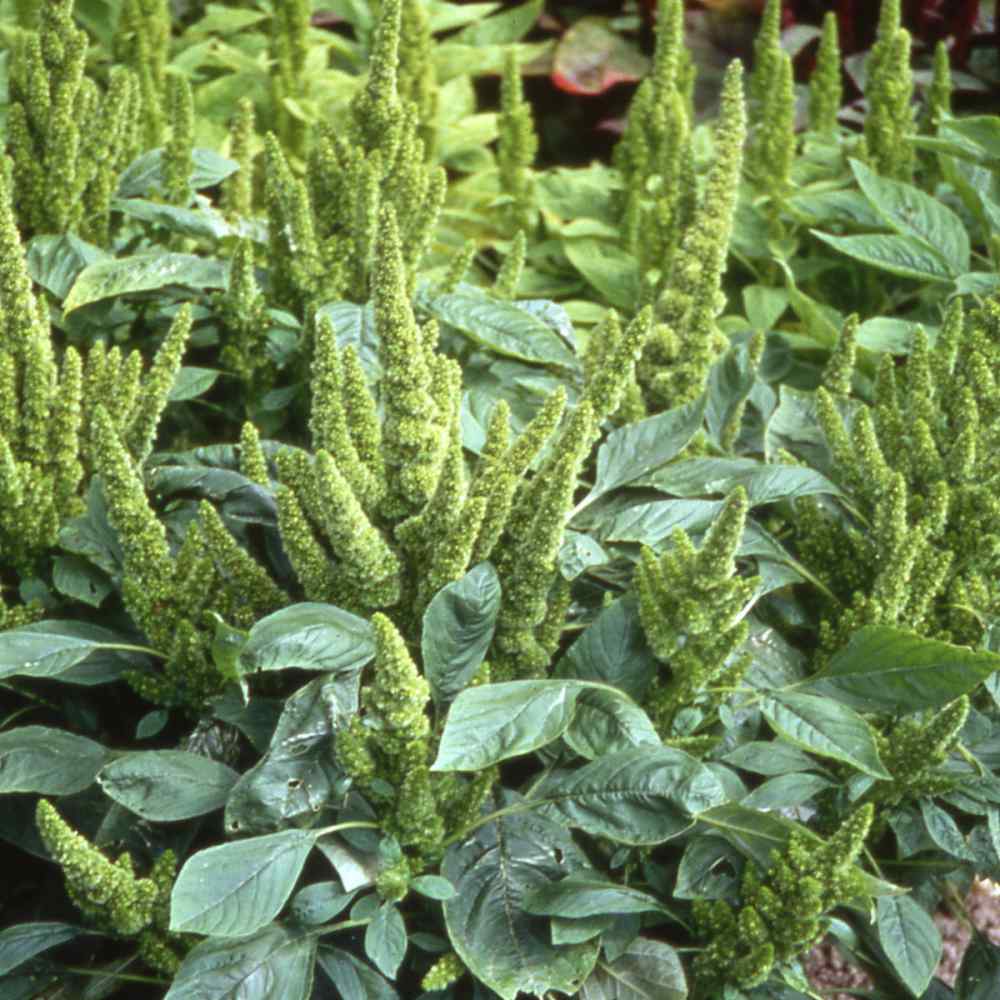
Green Thumb Amaranth is a unique ornamental annual grown for its striking upright lime-green flower plumes that bring bold color and unusual texture to the summer garden. Blooming from midsummer until frost, the dense flower spikes stand proudly above lush green foliage, creating an eye-catching display in borders, cutting gardens, and pollinator plantings. Its distinctive chartreuse blooms blend beautifully with brightly colored flowers while adding architectural interest throughout the season.
The abundant flowers attract honeybees, native bees, butterflies, and numerous beneficial pollinating insects during the summer months. As the flower heads mature, they develop thousands of nutritious seeds that become an important late-season food source for goldfinches, sparrows, chickadees, and many other songbirds. This dual value makes Green Thumb an excellent choice for gardeners interested in supporting wildlife throughout multiple seasons.
Growing 4 to 6 feet tall, Green Thumb thrives in full sun and well-drained soil, tolerating heat, humidity, drought, and poor soils with ease once established. Its vigorous upright habit makes it an outstanding focal point in pollinator gardens, prairie plantings, cutting gardens, and mixed annual borders. The long-lasting blooms are equally valuable fresh or dried, providing months of ornamental beauty with very little maintenance.
Specifications
Botanical Name: Amaranthus hypochondriacus
Plant Type: Annual
Height: 4–6 feet
Spread: 18–30 inches
Flower Color: Bright lime green to chartreuse
Bloom Season: Midsummer until frost
Sun Requirements: Full sun
Soil Requirements: Well-drained soil; adaptable to most garden soils
Water Needs: Low to moderate; drought tolerant once established
Hardiness: Grown as an annual
Bee Attraction: Excellent
Butterfly Attraction: Very Good
Hummingbird Attraction: Occasional
Seedman Notes
Green Thumb is one of the most distinctive ornamental amaranths available, prized for its brilliant chartreuse flower plumes that remain attractive for months. Beyond its unusual beauty, it provides valuable nectar for pollinators during summer and abundant seed for birds in autumn, making Amaranthus hypochondriacus an outstanding addition to pollinator gardens, wildlife plantings, and cutting gardens.
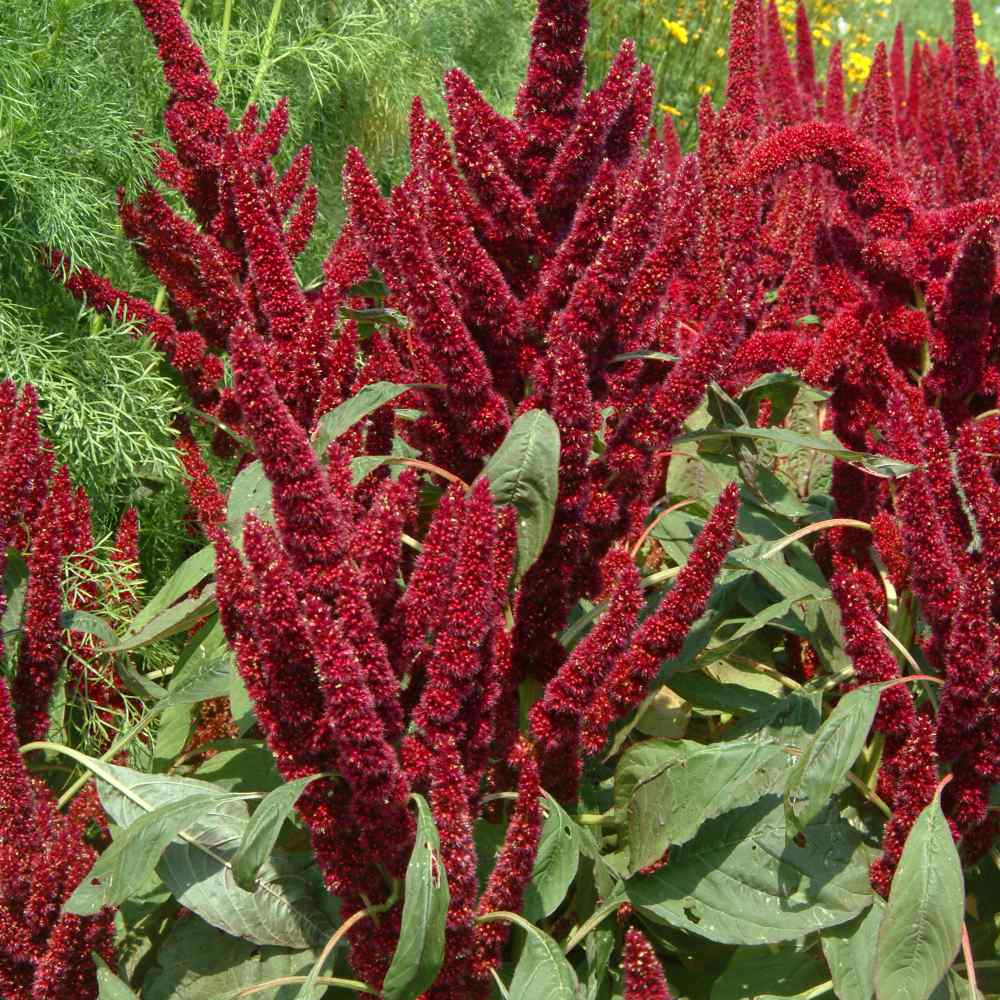
Pygmy Torch Amaranth is a compact ornamental annual that produces brilliant upright crimson-red flower plumes from midsummer until frost. Unlike its taller relatives, this dwarf selection forms neat, bushy plants that fit beautifully into borders, containers, and pollinator gardens while providing months of vibrant color. The dense, velvety flower spikes stand boldly above rich green foliage, creating a striking display that remains attractive throughout the growing season.
The nectar-rich blooms attract honeybees, native bees, butterflies, and numerous beneficial pollinating insects throughout the summer. As the flowers mature, they develop abundant seed that provides a valuable food source for finches and other small songbirds later in the season. The colorful flower heads are also excellent for fresh and dried arrangements, maintaining their rich color long after harvest.
Growing just 18 to 30 inches tall, Pygmy Torch thrives in full sun and well-drained soil, tolerating heat, humidity, drought, and average garden conditions once established. Its compact size makes it especially useful for smaller gardens, containers, edging, pollinator borders, and colorful mass plantings where taller amaranths would be overwhelming. Easy to grow and remarkably dependable, it delivers outstanding garden performance with minimal maintenance.
Specifications
Botanical Name: Amaranthus hypochondriacus
Plant Type: Annual
Height: 18–30 inches
Spread: 12–18 inches
Flower Color: Brilliant crimson-red
Bloom Season: Midsummer until frost
Sun Requirements: Full sun
Soil Requirements: Well-drained soil; adaptable to most garden soils
Water Needs: Low to moderate; drought tolerant once established
Hardiness: Grown as an annual
Bee Attraction: Excellent
Butterfly Attraction: Very Good
Hummingbird Attraction: Occasional
Seedman Notes
Pygmy Torch offers all the beauty and wildlife value of traditional ornamental amaranths in a compact, garden-friendly package. Its brilliant crimson flower spikes attract bees and butterflies throughout the summer, while the mature seed heads become a favorite of songbirds in autumn. Amaranthus hypochondriacus is an excellent choice for gardeners seeking season-long color and outstanding pollinator value without sacrificing valuable garden space.
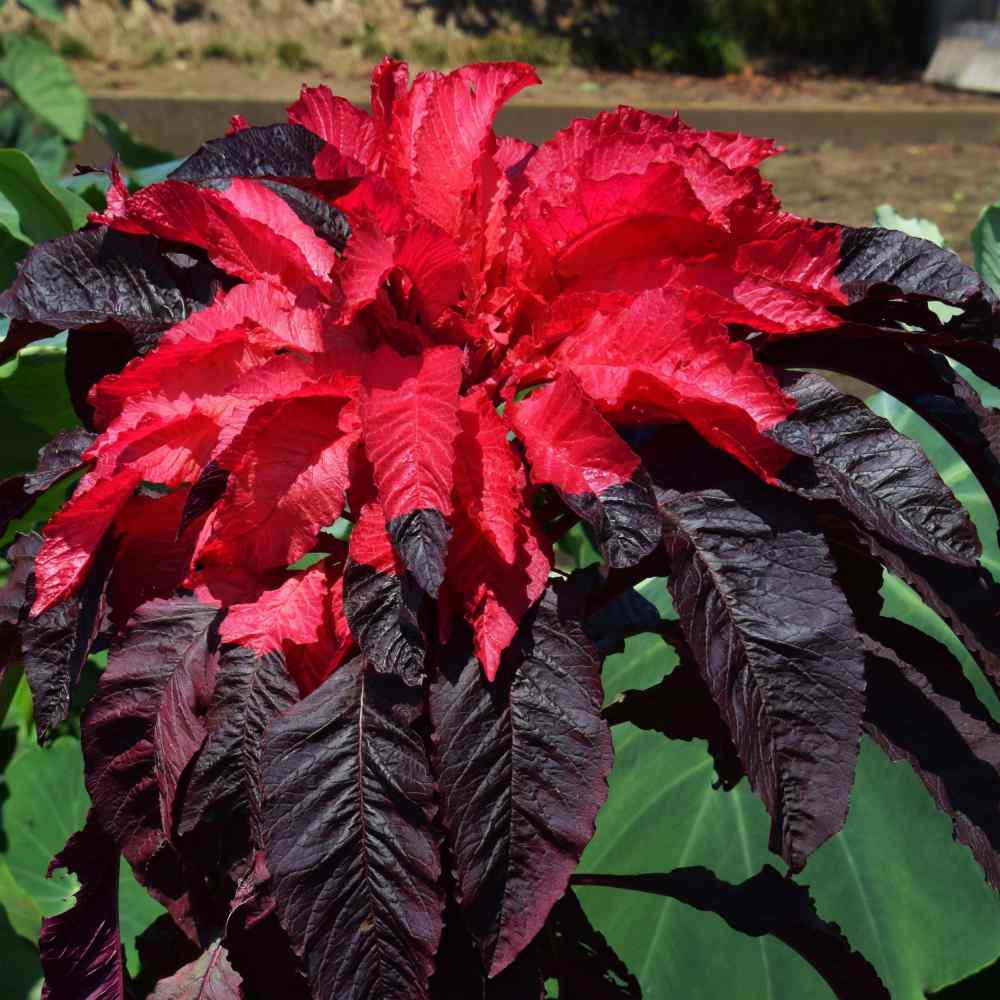
Early Splendor Amaranth is a stunning ornamental annual grown for its brilliantly colored foliage that transforms from rich green to vivid crimson, burgundy, scarlet, and bronze as the season progresses. While prized primarily for its spectacular leaves, it also produces attractive upright flower spikes from midsummer into fall that add texture and provide valuable nectar for pollinators. The dramatic foliage creates season-long color, making it a striking focal point in borders, wildlife gardens, and mixed annual plantings.
The late-season flower spikes attract honeybees, native bees, butterflies, and numerous beneficial pollinating insects, while the mature seed heads provide a nutritious food source for goldfinches, sparrows, and other songbirds. This combination of ornamental foliage, pollinator-friendly flowers, and bird-attracting seeds makes Early Splendor an excellent addition to gardens designed to support wildlife throughout the growing season.
Growing 3 to 5 feet tall, Early Splendor thrives in full sun and well-drained soil, tolerating heat, humidity, drought, and poor soils once established. Easy to grow from seed and remarkably vigorous, it performs beautifully in pollinator gardens, prairie plantings, mixed borders, cutting gardens, and naturalized landscapes. Its colorful foliage remains attractive from early summer until frost, providing months of visual interest with very little maintenance.
Specifications
Botanical Name: Amaranthus tricolor
Plant Type: Annual
Height: 3–5 feet
Spread: 18–24 inches
Flower Color: Green flower spikes with ornamental crimson foliage
Foliage Color: Green maturing to crimson, scarlet, burgundy, and bronze
Bloom Season: Midsummer until frost
Sun Requirements: Full sun
Soil Requirements: Well-drained soil; adaptable to most garden soils
Water Needs: Low to moderate; drought tolerant once established
Hardiness: Grown as an annual
Bee Attraction: Excellent
Butterfly Attraction: Very Good
Hummingbird Attraction: Occasional
Seedman Notes
Early Splendor is one of the most colorful ornamental amaranths, prized for its spectacular crimson foliage that intensifies as the season progresses. Beyond its outstanding ornamental value, it supports bees and butterflies with late-season blooms while producing nutritious seed for songbirds. Amaranthus tricolor is an exceptional choice for gardeners seeking dramatic foliage color combined with meaningful wildlife benefits.
Crocosmia is a spectacular summer-flowering perennial that produces graceful arching stems lined with brilliant trumpet-shaped blossoms in vibrant shades of orange, scarlet, yellow, and fiery red. Blooming from midsummer into early fall, the elegant flower spikes rise above sword-like green foliage, creating a dramatic display of color and movement in borders, cottage gardens, and pollinator landscapes. Its exotic appearance and long flowering season make it a favorite for gardeners seeking both beauty and wildlife value.
The nectar-rich tubular flowers are irresistible to hummingbirds, butterflies, honeybees, native bees, and numerous other beneficial pollinators. Hummingbirds are especially attracted to the brightly colored blossoms, frequently hovering among the arching flower spikes throughout the day. The extended blooming period provides an abundant source of nectar during the height of summer, supporting pollinators when many spring flowers have finished.
Growing 30 to 48 inches tall, Crocosmia thrives in full sun to partial shade and prefers fertile, well-drained soil with moderate moisture. Once established, it is remarkably easy to grow and forms expanding clumps that return reliably each year. Ideal for pollinator gardens, perennial borders, cutting gardens, and naturalized landscapes, it provides months of brilliant color while requiring very little maintenance.
Specifications
Botanical Name: Crocosmia paniculata hybrida
Plant Type: Hardy perennial
Height: 30–48 inches
Spread: 18–24 inches
Flower Color: Mixed shades of orange, scarlet, yellow, and red
Bloom Season: Midsummer through early fall
Sun Requirements: Full sun to partial shade
Soil Requirements: Fertile, well-drained soil
Water Needs: Moderate; prefers evenly moist soil
Hardiness: USDA Zones 5–9
Bee Attraction: Excellent
Butterfly Attraction: Excellent
Hummingbird Attraction: Excellent
Seedman Notes
Crocosmia is one of the finest summer-flowering perennials for attracting hummingbirds while adding bold architectural beauty to the garden. Its graceful arching stems, fiery trumpet-shaped blooms, and dependable attraction to bees, butterflies, and hummingbirds make Crocosmia paniculata hybrida an outstanding choice for pollinator gardens, perennial borders, and colorful wildlife-friendly landscapes.
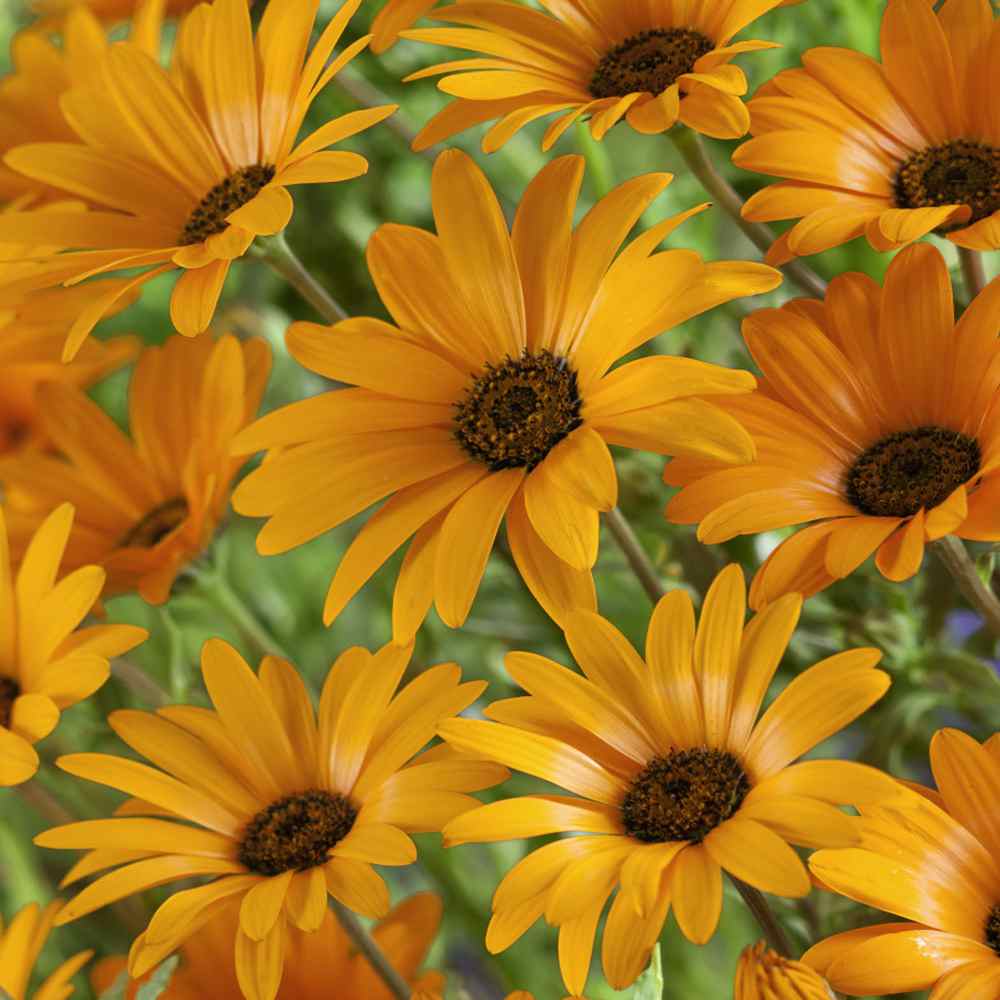
Sinuata Orange African Daisy is a brilliant annual that produces masses of glowing orange daisy-like flowers from spring through summer, creating a vibrant display in borders, rock gardens, and pollinator landscapes. The cheerful blossoms open fully in bright sunshine, revealing contrasting dark centers that add dramatic beauty and provide an inviting landing platform for visiting pollinators. Its compact growth habit and nonstop flowering make it one of the finest choices for sunny garden beds.
The nectar-rich blooms attract honeybees, native bees, butterflies, hoverflies, and numerous other beneficial pollinating insects throughout the flowering season. The wide, open flowers provide easy access to nectar and pollen, making them especially valuable to a broad range of pollinators. With continuous blooming over many weeks, Sinuata Orange provides a dependable food source while filling the garden with brilliant color and constant wildlife activity.
Growing 10 to 14 inches tall, Sinuata Orange thrives in full sun and well-drained soil, tolerating heat, sandy soils, coastal conditions, and periods of drought once established. Its compact habit makes it perfect for borders, edging, containers, rock gardens, pollinator gardens, and mass plantings. Easy to grow and requiring very little maintenance, it delivers dependable performance and vibrant blooms throughout the growing season.
Specifications
Botanical Name: Dimorphotheca aurantiaca
Plant Type: Annual
Height: 10–14 inches
Spread: 10–12 inches
Flower Color: Brilliant orange with dark centers
Bloom Season: Spring through summer
Sun Requirements: Full sun
Soil Requirements: Well-drained soil; tolerant of sandy and average garden soils
Water Needs: Low to moderate; drought tolerant once established
Hardiness: Grown as an annual
Bee Attraction: Excellent
Butterfly Attraction: Excellent
Hummingbird Attraction: Occasional
Seedman Notes
Sinuata Orange is one of the brightest African Daisies for sunny gardens, producing a dazzling display of glowing orange flowers that attract bees and butterflies throughout the season. Its outstanding heat tolerance, compact habit, and dependable blooming make Dimorphotheca aurantiaca an excellent choice for pollinator gardens, borders, containers, and colorful water-wise landscapes.
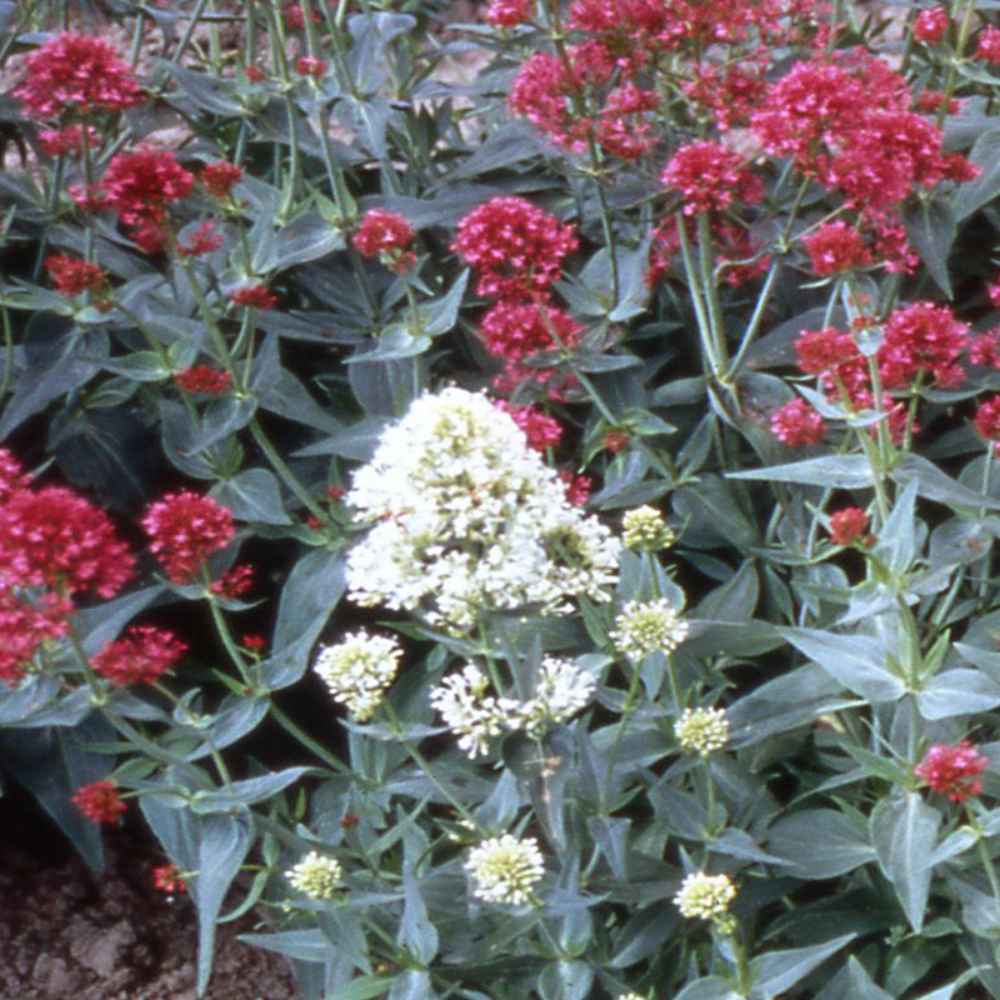
Jupiter's Beard Mix is a colorful, long-blooming perennial that produces abundant clusters of crimson, rose, pink, salmon, and white flowers from late spring well into summer. The rounded flower heads rise gracefully above attractive blue-green foliage, creating a vibrant display that brightens borders, cottage gardens, rock gardens, and pollinator landscapes. Its free-flowering nature and ability to thrive in challenging conditions have made it a favorite in gardens for generations.
The nectar-rich blossoms are highly attractive to honeybees, native bees, butterflies, hummingbirds, and numerous other beneficial pollinators. The dense flower clusters provide an abundant and easily accessible nectar source, drawing a steady procession of wildlife throughout the blooming season. Deadheading encourages additional flushes of flowers, extending both the colorful display and the availability of nectar for visiting pollinators.
Growing 18 to 30 inches tall, Jupiter's Beard thrives in full sun and well-drained soil, tolerating heat, drought, rocky soils, and poor growing conditions once established. It performs beautifully in cottage gardens, pollinator borders, xeriscapes, retaining walls, and naturalized plantings, often self-seeding gently in favorable locations. Easy to grow and exceptionally resilient, it provides months of dependable color with very little maintenance.
Specifications
Botanical Name: Centranthus ruber coccineus Mix
Plant Type: Hardy perennial
Height: 18–30 inches
Spread: 18–24 inches
Flower Color: Crimson, rose, pink, salmon, and white mix
Bloom Season: Late spring through summer
Sun Requirements: Full sun
Soil Requirements: Well-drained soil; thrives in rocky, sandy, and average garden soils
Water Needs: Low once established; drought tolerant
Hardiness: USDA Zones 5–9
Bee Attraction: Excellent
Butterfly Attraction: Excellent
Hummingbird Attraction: Excellent
Seedman Notes
Jupiter's Beard is one of the finest old-fashioned perennials for pollinator gardens, combining months of colorful blooms with exceptional toughness and carefree growth. Its abundant nectar, excellent drought tolerance, and remarkable ability to attract bees, butterflies, and hummingbirds make Centranthus ruber an outstanding addition to wildlife gardens, cottage landscapes, and sunny perennial borders.
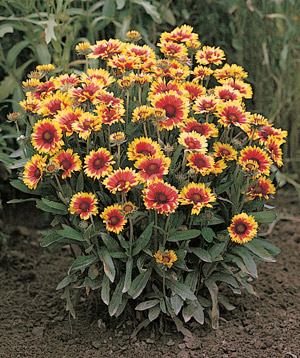
Goblin Blanket Flower is a compact perennial that produces a dazzling display of large daisy-like blossoms in fiery shades of scarlet red with glowing golden-yellow edges. Blooming continuously from early summer until frost, the cheerful flowers cover the compact plants with brilliant color for months, making this award-winning variety an outstanding choice for borders, rock gardens, containers, and pollinator landscapes. Its long flowering season ensures a steady supply of nectar while adding vibrant beauty to the garden.
The nectar-rich blooms are highly attractive to honeybees, native bees, butterflies, hummingbirds, and numerous other beneficial pollinators. The broad, open flowers provide easy access to nectar and pollen, encouraging constant activity throughout the blooming season. Regular deadheading promotes even heavier flowering, extending both the colorful display and the valuable food source available to pollinating wildlife.
Growing just 10 to 14 inches tall, Goblin thrives in full sun and well-drained soil, tolerating heat, drought, poor soils, and challenging growing conditions once established. Its compact habit makes it perfect for edging, pollinator gardens, rock gardens, patio containers, and mass plantings where season-long color is desired. Easy to grow and exceptionally durable, it delivers outstanding performance with very little maintenance.
Specifications
Botanical Name: Gaillardia aristata 'Goblin' (Kobold)
Plant Type: Hardy perennial
Height: 10–14 inches
Spread: 12–18 inches
Flower Color: Scarlet red with bright golden-yellow margins
Bloom Season: Early summer until frost
Sun Requirements: Full sun
Soil Requirements: Well-drained soil; tolerant of sandy, rocky, and poor soils
Water Needs: Low once established; highly drought tolerant
Hardiness: USDA Zones 3–9
Bee Attraction: Excellent
Butterfly Attraction: Excellent
Hummingbird Attraction: Good
Seedman Notes
Goblin is one of the finest dwarf Blanket Flowers for pollinator gardens, combining brilliant long-lasting blooms with outstanding drought tolerance and compact growth. Its nonstop display of colorful flowers and dependable attraction to bees, butterflies, and hummingbirds make Gaillardia aristata 'Goblin' an excellent choice for sunny borders, rock gardens, and wildlife-friendly landscapes.
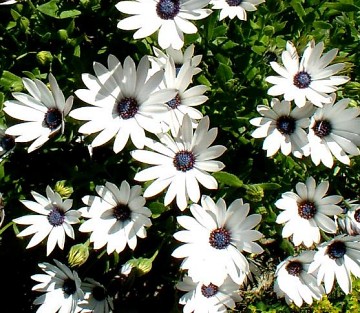
Sky and Ice Osteospermum is a striking African Daisy that produces large, crisp white flowers accented by deep blue to violet centers, creating a refreshing "sky and ice" color combination. Blooming continuously from spring through fall in mild climates, the cheerful daisy-like blossoms blanket the compact plants with brilliant color while adding elegance to borders, containers, rock gardens, and pollinator landscapes. The flowers open wide in bright sunshine, creating a dazzling display throughout the day.
The nectar-rich blooms are highly attractive to honeybees, native bees, butterflies, hoverflies, and numerous other beneficial pollinating insects. Their broad, open flower faces provide easy access to nectar and pollen, making them a favorite feeding stop for many species of pollinators. With an exceptionally long flowering season, Sky and Ice provides a dependable source of nectar while filling the garden with continuous movement and color.
Growing 12 to 18 inches tall, Sky and Ice thrives in full sun and well-drained soil, tolerating heat, coastal conditions, sandy soils, and short periods of drought once established. Its naturally compact, bushy habit makes it an excellent choice for borders, patio containers, window boxes, rock gardens, and colorful mass plantings. Easy to grow and remarkably floriferous, it delivers months of dependable blooms with very little maintenance.
Specifications
Botanical Name: Osteospermum spp.
Plant Type: Tender perennial (grown as an annual in colder climates)
Height: 12–18 inches
Spread: 12–18 inches
Flower Color: Pure white petals with deep blue-violet centers
Bloom Season: Spring through fall
Sun Requirements: Full sun
Soil Requirements: Well-drained soil; tolerant of sandy and average garden soils
Water Needs: Moderate; drought tolerant once established
Hardiness: USDA Zones 9–11 (grown as an annual elsewhere)
Bee Attraction: Excellent
Butterfly Attraction: Excellent
Hummingbird Attraction: Occasional
Seedman Notes
Sky and Ice is one of the most elegant African Daisies, combining brilliant white petals with striking blue centers for an unforgettable display. Its long blooming season, excellent heat tolerance, and dependable attraction to bees and butterflies make Osteospermum an outstanding choice for pollinator gardens, containers, borders, and colorful sunny landscapes.
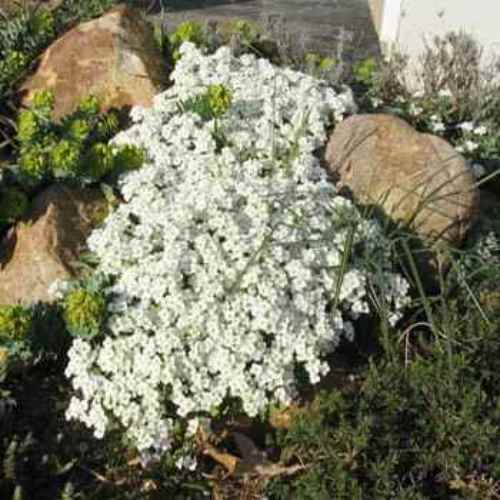
Snowpeak Rock Cress is a beautiful evergreen perennial that forms a dense carpet of fresh green foliage covered with masses of brilliant snow-white flowers in early spring. Blooming before many other garden plants awaken, the cascading blossoms create a spectacular display over rock walls, borders, slopes, and garden edges while providing an important early-season nectar source for pollinators. Its compact growth and abundant blooms make it one of the finest groundcovers for sunny gardens.
The nectar-rich flowers attract honeybees, native bees, butterflies, hoverflies, and numerous other beneficial pollinating insects emerging after winter. Because Snowpeak blooms so early in the season, it provides valuable nourishment when nectar sources are still limited. The profusion of bright white blossoms creates an inviting landing area for pollinators while bringing welcome color to the spring landscape.
Growing just 4 to 8 inches tall while spreading 12 to 18 inches, Snowpeak thrives in full sun to partial shade and prefers well-drained soil. It tolerates rocky conditions, drought, poor soils, and cold winters with ease once established, making it ideal for rock gardens, alpine gardens, retaining walls, edging, and pollinator plantings. Easy to grow and long-lived, it forms attractive evergreen mats that provide year-round garden interest.
Specifications
Botanical Name: Arabis alpina
Plant Type: Evergreen perennial
Height: 4–8 inches
Spread: 12–18 inches
Flower Color: Pure white
Bloom Season: Early to mid-spring
Sun Requirements: Full sun to partial shade
Soil Requirements: Well-drained soil; thrives in rocky and sandy soils
Water Needs: Low once established; drought tolerant
Hardiness: USDA Zones 4–8
Bee Attraction: Excellent
Butterfly Attraction: Very Good
Hummingbird Attraction: Rare
Seedman Notes
Snowpeak is one of the earliest flowering perennials for pollinator gardens, covering itself with a blanket of brilliant white blossoms when few other plants are in bloom. Its evergreen foliage, exceptional cold hardiness, and dependable attraction to early-season bees and butterflies make Arabis alpina an outstanding choice for rock gardens, borders, and wildlife-friendly spring landscapes.
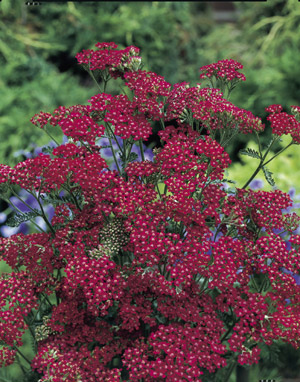
Achillea 'Cassis' is a striking perennial prized for its rich wine-red flower clusters that gradually mature to soft rosy shades, creating a dynamic display throughout the summer. Blooming from early summer into early fall, the large, flat-topped flower heads rise above finely textured gray-green foliage, adding bold color and graceful form to borders, cottage gardens, prairie plantings, and pollinator landscapes. Its long-lasting blooms also make outstanding fresh and dried cut flowers.
The abundant nectar-rich flowers are highly attractive to honeybees, native bees, butterflies, hoverflies, and numerous other beneficial pollinating insects. The broad flower clusters provide easy access to nectar, making them a favorite landing platform for a wide variety of pollinators. Regular deadheading encourages repeat blooming, extending the flowering season and providing a dependable source of nectar well into late summer.
Growing 24 to 30 inches tall, Achillea 'Cassis' thrives in full sun and well-drained soil, tolerating drought, heat, poor soils, and windy conditions once established. Easy to grow and exceptionally durable, it performs beautifully in pollinator gardens, perennial borders, cottage gardens, prairie meadows, and water-wise landscapes. Its attractive foliage, long bloom period, and outstanding resilience make it a dependable performer year after year.
Specifications
Botanical Name: Achillea millefolium 'Cassis'
Plant Type: Hardy perennial
Height: 24–30 inches
Spread: 18–24 inches
Flower Color: Deep wine-red aging to rosy pink
Bloom Season: Early summer through early fall
Sun Requirements: Full sun
Soil Requirements: Well-drained soil; tolerant of poor, sandy, and rocky soils
Water Needs: Low once established; highly drought tolerant
Hardiness: USDA Zones 3–9
Bee Attraction: Excellent
Butterfly Attraction: Excellent
Hummingbird Attraction: Occasional
Seedman Notes
Achillea 'Cassis' is one of the richest-colored yarrows available, combining elegant wine-red blooms with outstanding drought tolerance and exceptional pollinator value. Its long flowering season, dependable garden performance, and ability to attract bees, butterflies, and other beneficial insects make Achillea millefolium 'Cassis' an outstanding addition to pollinator gardens, perennial borders, and naturalized landscapes.
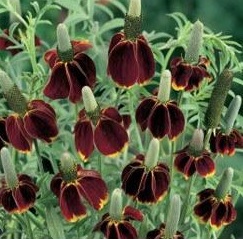
Mexican Hat is a striking native wildflower that produces distinctive sombrero-shaped blossoms with drooping petals in brilliant shades of mahogany-red, crimson, and golden yellow. Blooming continuously from early summer into fall, the unusual flowers sway gracefully above slender stems, creating a colorful display that brings movement and natural beauty to prairie gardens, wildflower meadows, and pollinator landscapes. Its unique form makes it one of the most recognizable and admired North American native flowers.
The nectar-rich blooms are highly attractive to honeybees, native bees, butterflies, skippers, hummingbirds, and numerous other beneficial pollinators. Flowering over many months, Mexican Hat provides a dependable source of nectar during the warmest part of the growing season. As the flowers mature, they produce abundant seed that is eagerly enjoyed by goldfinches and other songbirds, extending its wildlife value well into autumn.
Growing 24 to 36 inches tall, Mexican Hat thrives in full sun and well-drained soil, tolerating drought, heat, poor soils, wind, and challenging prairie conditions once established. Easy to grow and exceptionally resilient, it performs beautifully in native plant gardens, pollinator meadows, roadside plantings, prairie restorations, and water-wise landscapes. Its long bloom period and carefree nature make it an outstanding choice for gardeners seeking both beauty and ecological value.
Specifications
Botanical Name: Ratibida columnaris
Plant Type: Hardy native perennial
Height: 24–36 inches
Spread: 12–18 inches
Flower Color: Mahogany-red with golden-yellow edges; occasionally solid yellow
Bloom Season: Early summer through fall
Sun Requirements: Full sun
Soil Requirements: Well-drained soil; thrives in sandy, rocky, and poor soils
Water Needs: Low once established; highly drought tolerant
Hardiness: USDA Zones 4–9
Bee Attraction: Excellent
Butterfly Attraction: Excellent
Hummingbird Attraction: Good
Seedman Notes
Mexican Hat is one of the finest native wildflowers for creating a vibrant pollinator garden with very little maintenance. Its unusual sombrero-shaped flowers, exceptional drought tolerance, and remarkable ability to attract bees, butterflies, hummingbirds, and songbirds make Ratibida columnaris an outstanding addition to prairie plantings, native landscapes, and wildlife-friendly gardens.
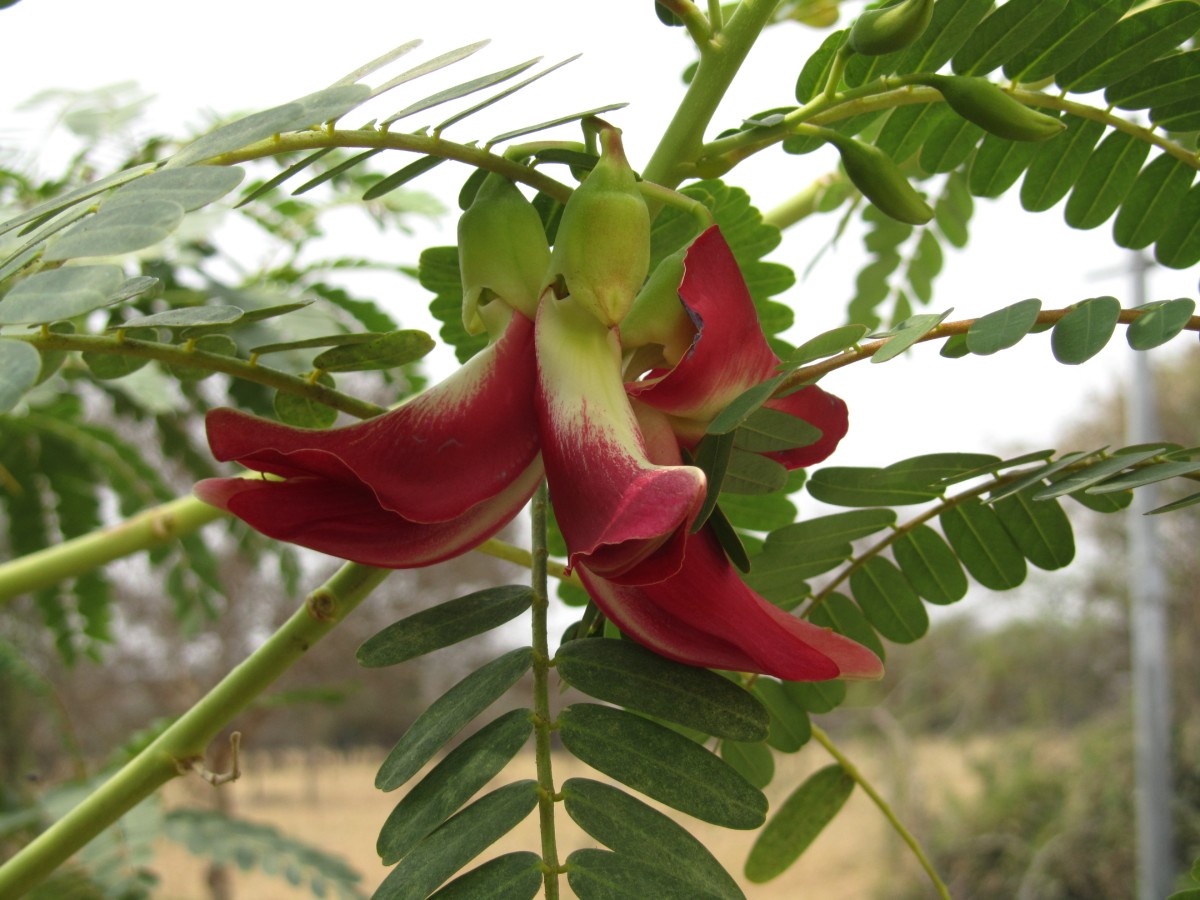
Hummingbird Tree is a spectacular fast-growing tropical tree that produces large, pendulous blossoms in brilliant shades of scarlet red, rosy pink, or pure white. Blooming repeatedly throughout the warm season, the exotic flowers hang gracefully from the branches and create one of the most dramatic nectar displays found in any flowering tree. Combined with its lush tropical foliage, this remarkable species makes a stunning focal point in pollinator gardens and warm-climate landscapes.
The large, nectar-filled flowers are especially prized by hummingbirds, which eagerly visit the blossoms throughout the day. Butterflies, honeybees, carpenter bees, native bees, and numerous other beneficial pollinators are also attracted to the abundant nectar, making the tree a constant center of activity when in bloom. The flowers are edible as well and have long been used in Southeast Asian cuisine, adding another unique feature to this extraordinary species.
Growing 15 to 40 feet tall under favorable conditions, Hummingbird Tree thrives in full sun and fertile, well-drained soil with regular moisture. It grows rapidly in frost-free climates and performs beautifully as a specimen tree, tropical accent, pollinator centerpiece, or edible landscape plant. Its quick growth, repeated flowering, and remarkable wildlife value make it one of the finest ornamental trees for attracting hummingbirds and supporting beneficial pollinators.
Specifications
Botanical Name: Sesbania grandiflora
Plant Type: Fast-growing tropical tree
Height: 15–40 feet
Spread: 15–25 feet
Flower Color: Scarlet red, pink, or white (depending on selection)
Bloom Season: Repeated flowering throughout the warm season
Sun Requirements: Full sun
Soil Requirements: Fertile, well-drained soil
Water Needs: Moderate; prefers consistent moisture during establishment
Hardiness: USDA Zones 10–12
Bee Attraction: Excellent
Butterfly Attraction: Excellent
Hummingbird Attraction: Outstanding
Seedman Notes
Hummingbird Tree truly lives up to its name, producing enormous nectar-rich blossoms that attract hummingbirds in remarkable numbers. Its spectacular tropical flowers, rapid growth, edible blooms, and exceptional wildlife value make Sesbania grandiflora one of the most rewarding flowering trees for warm-climate pollinator gardens and tropical landscapes.
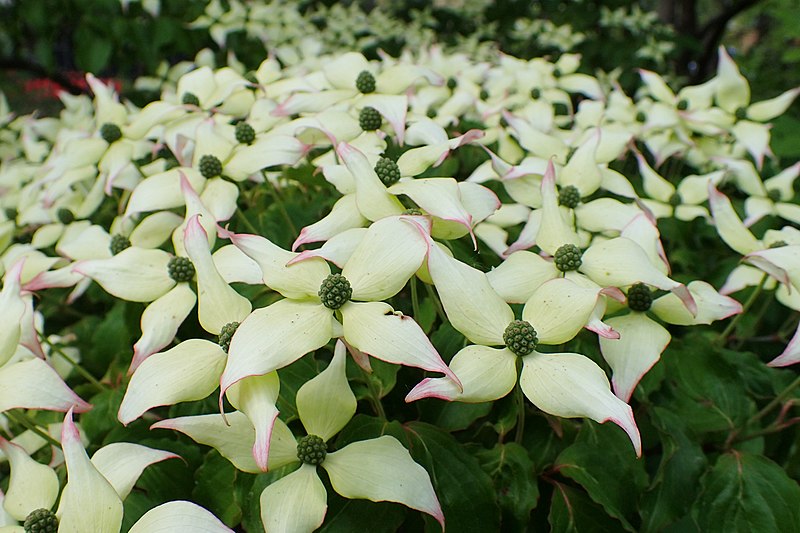
Korean Kousa Dogwood is a spectacular flowering tree prized for its elegant display of creamy-white star-shaped bracts that appear in late spring and early summer. Unlike many flowering trees, its blossoms emerge after the leaves have fully expanded, creating a striking contrast against the rich green foliage. In autumn, the leaves transform into brilliant shades of crimson and burgundy while decorative strawberry-like red fruits provide additional seasonal interest, making this tree a year-round landscape treasure.
The nectar-rich flowers attract honeybees, native bees, butterflies, hoverflies, and numerous other beneficial pollinators during the late spring bloom period. As summer progresses, the colorful fruits become an important food source for songbirds, including robins, cedar waxwings, bluebirds, and other wildlife. Its dense branching also offers valuable nesting sites and shelter, making Korean Kousa Dogwood an excellent tree for supporting a healthy garden ecosystem.
Growing 15 to 30 feet tall with a graceful rounded habit, Korean Kousa Dogwood thrives in full sun to partial shade and prefers fertile, well-drained soil with moderate moisture. Once established, it is more heat and disease tolerant than many native flowering dogwoods, making it an outstanding choice for lawns, specimen plantings, woodland gardens, and pollinator landscapes. Its exceptional ornamental qualities and outstanding wildlife value ensure lasting beauty through every season.
Specifications
Botanical Name: Cornus kousa
Plant Type: Deciduous flowering tree
Height: 15–30 feet
Spread: 15–25 feet
Flower Color: Creamy white bracts surrounding small green flowers
Bloom Season: Late spring to early summer
Sun Requirements: Full sun to partial shade
Soil Requirements: Fertile, well-drained, slightly acidic soil
Water Needs: Moderate; prefers consistent moisture during establishment
Hardiness: USDA Zones 5–8
Bee Attraction: Excellent
Butterfly Attraction: Very Good
Hummingbird Attraction: Good
Seedman Notes
Korean Kousa Dogwood is one of the finest ornamental trees for four-season beauty and wildlife value. Its elegant spring blooms nourish pollinators, its colorful fruits feed songbirds, and its brilliant fall foliage provides a spectacular seasonal finale. Combining outstanding disease resistance with exceptional ornamental appeal, Cornus kousa is an outstanding choice for pollinator gardens, specimen plantings, and wildlife-friendly landscapes.
Nannyberry is a handsome native shrub or small tree that produces broad clusters of creamy-white flowers in late spring, followed by abundant clusters of deep blue-black berries that persist well into autumn. Its attractive glossy green foliage turns rich shades of burgundy, crimson, and reddish-purple in fall, creating outstanding multi-season interest. The combination of fragrant blossoms, colorful fruit, and brilliant fall foliage makes Nannyberry one of the finest native landscape plants for both beauty and wildlife value. The nectar-rich flower clusters attract honeybees, native bees, butterflies, hoverflies, and numerous other beneficial pollinating insects during the spring bloom period. As the berries ripen, they become an important food source for bluebirds, robins, cedar waxwings, cardinals, thrushes, and many other songbirds, while small mammals also benefit from the nutritious fruit. Its dense branching provides excellent nesting sites and protective cover, making it an exceptional shrub for supporting wildlife throughout the year. Growing 12 to 20 feet tall with a graceful rounded habit, Nannyberry thrives in full sun to partial shade and adapts to a wide range of well-drained soils, including clay and moist sites. It is exceptionally cold hardy, easy to grow, and remarkably tolerant of urban conditions once established. Ideal for pollinator gardens, wildlife plantings, naturalized landscapes, hedgerows, and specimen plantings, it offers outstanding ecological value with very little maintenance. Specifications Seedman Notes Cypress Vine Mix is a fast-growing annual climber that transforms fences, trellises, arbors, and mailboxes into vibrant walls of delicate fern-like foliage covered with brilliant star-shaped flowers. Blooming continuously from midsummer until frost, the graceful vines produce an abundance of scarlet, crimson, rose, pink, and white blossoms that create a colorful display while adding height and elegance to the garden. Its finely divided foliage gives the plant a light, airy appearance that beautifully complements the vivid flowers. The nectar-rich tubular blossoms are especially attractive to hummingbirds, which eagerly visit the vines throughout the day to feed. Butterflies, honeybees, native bees, and other beneficial pollinators also frequent the flowers, making Cypress Vine one of the finest annual climbers for supporting wildlife. Its exceptionally long flowering season provides a dependable nectar source from summer until the first frost, keeping gardens alive with pollinator activity. Growing 10 to 20 feet tall, Cypress Vine thrives in full sun and well-drained soil, tolerating heat, humidity, and a wide range of growing conditions once established. It quickly covers trellises, fences, pergolas, and arches, making it ideal for pollinator gardens, cottage gardens, privacy screens, and naturalized landscapes. Easy to grow from seed and remarkably vigorous, it delivers months of colorful blooms with very little maintenance. Specifications Seedman Notes Red Hot Poker is a bold perennial that produces dramatic torch-like flower spikes in brilliant shades of fiery red, orange, coral, and golden yellow from early summer into fall. Rising above attractive clumps of arching, grass-like foliage, the colorful blooms create a spectacular display that adds height, movement, and vibrant color to borders, cottage gardens, and pollinator landscapes. Few perennials make such a dramatic statement while providing exceptional value to wildlife. The nectar-rich tubular flowers are irresistible to hummingbirds, which frequently hover among the brilliant flower spikes throughout the day. Butterflies, honeybees, native bees, and numerous other beneficial pollinators also visit the abundant blossoms, making Red Hot Poker one of the finest summer nectar plants. Its long blooming season ensures a dependable food source during the warmest months, when pollinator activity is at its peak. Growing 30 to 48 inches tall, Red Hot Poker thrives in full sun and well-drained soil, tolerating heat, drought, poor soils, and challenging growing conditions once established. It performs beautifully in pollinator gardens, perennial borders, prairie plantings, coastal landscapes, and water-wise gardens. Easy to grow and remarkably long-lived, it provides years of dependable color while requiring very little maintenance. Specifications Seedman Notes Orange Monarch of the Veldt is a spectacular annual that produces large, brilliant orange daisy-like flowers with striking dark centers from late spring through summer. The vibrant blossoms stand boldly above silvery-green foliage, creating a dazzling display that lights up borders, rock gardens, wildflower plantings, and pollinator landscapes. Native to South Africa, this sun-loving flower thrives in warm conditions while providing months of vivid color and exceptional garden performance. The nectar-rich blooms attract honeybees, native bees, butterflies, hoverflies, and numerous other beneficial pollinating insects throughout the flowering season. The broad, open flowers provide easy access to nectar and pollen, making them a favorite landing place for a wide variety of pollinators. Their extended blooming period supplies a dependable food source while keeping the garden alive with beneficial wildlife from spring into late summer. Growing 18 to 24 inches tall, Orange Monarch of the Veldt thrives in full sun and well-drained soil, tolerating heat, sandy soils, drought, and coastal conditions once established. Easy to grow from seed, it performs beautifully in pollinator gardens, borders, cottage gardens, prairie-style plantings, and containers. Its outstanding heat tolerance and brilliant flowers make it an excellent choice for colorful, low-maintenance landscapes. Specifications Seedman Notes Sensation Mix Flowering Tobacco is a classic heirloom annual that produces masses of large, star-shaped blossoms in a beautiful blend of white, pink, rose, crimson, salmon, lime green, and rich burgundy. Blooming continuously from early summer until frost, the elegant flowers open fully in the evening and on cloudy days, releasing a wonderfully sweet fragrance while creating a colorful display in borders, cottage gardens, and pollinator landscapes. Its tall, graceful plants provide months of beauty both day and night. The nectar-rich tubular flowers are highly attractive to hummingbirds, sphinx moths, butterflies, honeybees, native bees, and numerous other beneficial pollinators. During the day, butterflies and bees visit the open blossoms, while the intensely fragrant evening flowers become magnets for hummingbird moths and other nighttime pollinators. This around-the-clock appeal makes Sensation Mix one of the finest flowering annuals for supporting a wide variety of beneficial wildlife. Growing 30 to 48 inches tall, Sensation Mix thrives in full sun to partial shade and prefers fertile, well-drained soil with moderate moisture. It flowers freely throughout the growing season with minimal maintenance and performs beautifully in pollinator gardens, cottage gardens, cutting gardens, borders, and patio plantings. Its combination of brilliant colors, delightful fragrance, and exceptional pollinator value makes it one of the most rewarding annual flowers to grow. Specifications Seedman Notes Admiration Large Flowered Viola is a delightful cool-season perennial that produces an abundance of oversized blossoms in a vibrant mixture of purple, blue, lavender, yellow, cream, white, and rich bicolor combinations. Blooming from early spring through late spring, and often again in autumn where summers are mild, the cheerful flowers create a brilliant carpet of color in borders, containers, window boxes, and pollinator gardens. Their large, expressive faces and compact habit make them one of the finest choices for extending seasonal color. The nectar-rich flowers are highly attractive to honeybees, native bees, butterflies, hoverflies, and numerous other beneficial pollinating insects. Blooming when relatively few other flowers are available, Admiration provides an important early-season nectar source that helps sustain pollinators emerging from winter. The open-faced blossoms allow easy access to nectar and pollen, creating a steady flow of beneficial insects throughout the blooming season. Growing 6 to 10 inches tall, Admiration thrives in full sun during cooler weather or partial shade in warmer climates and prefers fertile, well-drained soil with regular moisture. Its compact, free-flowering habit makes it ideal for borders, edging, containers, hanging baskets, rock gardens, and woodland plantings. Easy to grow and remarkably dependable, it delivers weeks of vibrant blooms while tolerating cool temperatures and even light frosts. Specifications Seedman Notes Broken Colors Four O'Clocks produce an enchanting display of fragrant trumpet-shaped flowers splashed, striped, and marbled with unique combinations of red, pink, yellow, white, magenta, and crimson. No two blooms are exactly alike, making every plant a colorful surprise throughout the growing season. Blooming from early summer until frost, the flowers open in the late afternoon and remain open through the evening, filling the garden with sweet fragrance while creating a spectacular display in borders, cottage gardens, and pollinator landscapes. The nectar-rich blossoms are highly attractive to hummingbirds, sphinx moths, butterflies, honeybees, native bees, and numerous other beneficial pollinators. The flowers begin opening in late afternoon, welcoming both daytime pollinators finishing their rounds and evening pollinators beginning theirs. Their sweet fragrance and abundant nectar make Broken Colors Four O'Clocks one of the finest flowers for extending pollinator activity well into the evening hours. Growing 24 to 36 inches tall, Four O'Clocks thrive in full sun to partial shade and adapt well to a wide variety of well-drained soils. They tolerate heat, humidity, and periods of drought once established while blooming continuously with very little maintenance. Perfect for pollinator gardens, cottage gardens, borders, and containers, they often self-seed gently or return from tuberous roots in mild climates, providing years of colorful enjoyment. Specifications Seedman Notes Fragrant Butterfly Bush is one of the world's premier pollinator shrubs, producing long, arching clusters of wonderfully fragrant flowers in shades of purple, lavender, pink, white, and violet from midsummer until frost. The sweet honey-like fragrance and continuous bloom make this fast-growing shrub a spectacular focal point in pollinator gardens, borders, and wildlife landscapes. Its graceful arching branches become covered with blossoms for months, creating an unforgettable display of color and movement. The nectar-rich flower panicles are legendary for attracting butterflies, often drawing dozens of swallowtails, monarchs, painted ladies, fritillaries, and other species at one time. Hummingbirds, honeybees, native bees, bumblebees, and countless beneficial pollinating insects also visit the abundant blooms throughout the season. Few flowering shrubs can equal Butterfly Bush for its ability to provide a continuous nectar source during the height of summer when pollinators need it most. Growing 6 to 12 feet tall, Fragrant Butterfly Bush thrives in full sun and well-drained soil, tolerating heat, drought, poor soils, and urban conditions once established. It flowers on new growth, so annual pruning encourages vigorous plants and even heavier blooming. Ideal for pollinator gardens, cottage landscapes, wildlife habitats, mixed borders, and specimen plantings, it delivers exceptional beauty with minimal maintenance year after year. Specifications Seedman Notes Blue Woodruff is a charming annual that produces a profusion of delicate sky-blue, star-shaped flowers that blanket the plants from late spring through summer. The airy blossoms float above finely textured foliage, creating a soft cloud of color that brightens borders, rock gardens, edging, and pollinator landscapes. Its compact habit and masses of blooms make it an excellent choice for filling gaps between larger perennials while adding a gentle splash of cool blue to the garden. The nectar-rich flowers attract honeybees, native bees, butterflies, hoverflies, and numerous other beneficial pollinating insects throughout the blooming season. Their open, star-shaped blossoms provide easy access to nectar and pollen, making them especially valuable to small native bees and other beneficial insects. The long bloom period ensures a dependable nectar source while bringing constant activity and color to sunny garden spaces. Growing 12 to 18 inches tall, Blue Woodruff thrives in full sun to partial shade and prefers well-drained soil with moderate moisture. Easy to grow from seed, it performs beautifully in cottage gardens, rock gardens, borders, containers, and pollinator plantings. Its graceful habit, soft blue flowers, and dependable blooming make it an attractive companion for many other flowering annuals and perennials. Specifications Seedman Notes Foxglove Excelsior Mix is a magnificent biennial that produces towering flower spikes densely packed with large, outward-facing tubular blossoms in shades of rose, pink, lavender, purple, cream, white, apricot, and soft yellow. Blooming from late spring through midsummer, the impressive flower spikes rise gracefully above lush green foliage, creating breathtaking displays in cottage gardens, woodland borders, and pollinator landscapes. The unique outward-facing flowers make this Excelsior strain especially showy while providing easy access for visiting pollinators. The nectar-rich tubular blossoms are irresistible to bumblebees, honeybees, native bees, hummingbirds, butterflies, and numerous other beneficial pollinators. Bumblebees are especially well adapted to the deep flowers, moving efficiently from blossom to blossom while collecting nectar and pollen. The towering spikes bloom progressively over many weeks, ensuring a continuous source of nectar during the peak of the growing season. Growing 36 to 60 inches tall, Foxglove Excelsior Mix thrives in full sun to partial shade and prefers fertile, well-drained soil with consistent moisture. It performs beautifully in woodland gardens, cottage landscapes, mixed perennial borders, and naturalized plantings, often self-seeding gently to establish attractive colonies. Its dramatic vertical habit, elegant blooms, and dependable garden performance make it one of the finest flowering plants for adding height and wildlife value to the landscape. Specifications Seedman Notes Red Yucca is a rugged, evergreen perennial prized for its graceful arching stems of coral-red to rosy-pink tubular flowers that bloom continuously from late spring through fall. Rising well above attractive clumps of narrow, blue-green foliage, the elegant flower spikes bring striking color and architectural beauty to xeriscapes, rock gardens, and pollinator landscapes. Despite its common name, Red Yucca is not a true yucca, but it shares the same exceptional drought tolerance and dramatic appearance. The nectar-rich tubular blossoms are among the finest flowers for attracting hummingbirds, which visit the colorful flower spikes repeatedly throughout the day. Butterflies, honeybees, native bees, and numerous other beneficial pollinators are also drawn to the abundant nectar, making Red Yucca one of the most valuable long-blooming plants for wildlife gardens. Its extended flowering season provides a dependable food source during the hottest months when many other plants have finished blooming. Growing 2 to 3 feet tall with flower stalks reaching 4 to 6 feet, Red Yucca thrives in full sun and well-drained soil, tolerating extreme heat, drought, poor soils, rocky sites, and desert conditions once established. It requires very little maintenance and performs beautifully in xeriscapes, pollinator gardens, desert landscapes, rock gardens, and roadside plantings. Its evergreen foliage provides year-round interest, while the dramatic flower spikes create months of vibrant color with minimal care. Specifications Seedman Notes Soaptree Yucca is a magnificent native desert plant that forms a bold rosette of slender blue-green leaves crowned by towering flower stalks bearing hundreds of creamy-white, bell-shaped blossoms. Blooming from late spring through early summer, the spectacular flower spikes rise dramatically above the foliage, creating one of the Southwest's most striking natural displays. Its elegant architectural form and exceptional drought tolerance make it an outstanding focal point for xeriscapes, rock gardens, and pollinator landscapes. The nectar-rich flowers attract honeybees, native bees, yucca moths, butterflies, hummingbirds, and numerous other beneficial pollinators. Soaptree Yucca shares a remarkable partnership with the specialized Yucca Moth, one of nature's most fascinating examples of plant and insect coevolution. In addition to supporting these unique pollinators, the abundant blossoms provide nectar for hummingbirds and many beneficial insects during the flowering season. Growing 6 to 15 feet tall when mature, with flower stalks reaching even higher, Soaptree Yucca thrives in full sun and well-drained soil, tolerating intense heat, drought, poor soils, wind, and harsh desert conditions once established. It is exceptionally low maintenance and performs beautifully in xeriscapes, desert gardens, wildlife plantings, and water-wise landscapes. Its evergreen foliage provides year-round structure while its towering blooms create a spectacular seasonal display. Specifications Seedman Notes Tahoka Daisy is a hardy native wildflower that blankets the garden with brilliant golden-yellow, daisy-like flowers from late spring through fall. The cheerful blossoms stand above finely textured gray-green foliage, creating a vibrant display that thrives even in hot, dry conditions where many other flowering plants struggle. Native to the Great Plains and Southwest, this resilient perennial brings long-lasting color and outstanding wildlife value to pollinator gardens, prairie plantings, and water-wise landscapes. The nectar-rich blooms are highly attractive to honeybees, native bees, butterflies, hoverflies, and numerous other beneficial pollinating insects throughout its exceptionally long flowering season. The open flower faces provide easy access to nectar and pollen, making Tahoka Daisy an important food source during the hottest months of summer. As the flowers mature, they also produce seed that may be enjoyed by small songbirds, adding to the plant's ecological value. Growing 12 to 24 inches tall, Tahoka Daisy thrives in full sun and well-drained soil, tolerating drought, heat, wind, poor soils, and rocky conditions once established. It requires very little maintenance and performs beautifully in xeriscapes, native meadows, roadside plantings, prairie restorations, rock gardens, and pollinator borders. Its rugged nature and months of dependable flowering make it one of the finest native perennials for sunny landscapes. Specifications Seedman Notes Dwarf Snow White Hollyhock is a delightful compact perennial that produces elegant spikes of pure white, satiny blossoms from early summer into midsummer. Unlike traditional towering hollyhocks, this dwarf selection forms neat, manageable plants that fit beautifully into borders, cottage gardens, and pollinator landscapes while delivering the same timeless old-fashioned charm. The luminous white flowers stand out brilliantly against lush green foliage, creating a graceful display that brightens the summer garden. The nectar-rich blossoms are highly attractive to honeybees, bumblebees, native bees, butterflies, hummingbirds, and numerous other beneficial pollinators. The open, cup-shaped flowers provide easy access to nectar and pollen, encouraging constant activity throughout the blooming season. Their extended flowering period supplies a dependable food source during the height of summer, making this compact hollyhock an excellent addition to wildlife-friendly gardens. Growing just 24 to 36 inches tall, Dwarf Snow White Hollyhock thrives in full sun and fertile, well-drained soil with moderate moisture. Its compact habit makes it ideal for smaller gardens, perennial borders, cottage gardens, cutting gardens, and pollinator plantings where traditional hollyhocks would be too tall. Easy to grow and remarkably dependable, it combines classic beauty with excellent disease resistance and long-lasting garden performance. Specifications Seedman Notes Purple Coneflower is one of North America's most celebrated native wildflowers, producing large, daisy-like blossoms with rich rosy-purple petals surrounding prominent copper-orange cones from early summer through fall. The long-lasting flowers rise above sturdy stems and handsome dark green foliage, creating a spectacular display in prairie gardens, perennial borders, and pollinator landscapes. Its exceptional beauty, rugged nature, and months of bloom have made it one of the most popular flowering perennials in the world. The abundant nectar-rich blossoms are irresistible to honeybees, native bees, bumblebees, butterflies, hummingbirds, and countless other beneficial pollinators. Blooming over an exceptionally long season, Purple Coneflower provides a dependable nectar source throughout the warm months. As the flowers mature into seed heads, they become a favorite food source for goldfinches and other songbirds, extending the plant's wildlife value well into autumn and winter. Growing 24 to 48 inches tall, Purple Coneflower thrives in full sun and well-drained soil, tolerating heat, drought, humidity, poor soils, and a wide range of growing conditions once established. It is remarkably easy to grow and performs beautifully in pollinator gardens, prairie restorations, cottage gardens, perennial borders, and naturalized landscapes. Its long bloom period, sturdy stems, and excellent cut flower quality make it one of the finest all-around perennials for the home garden. Specifications Seedman Notes Texas Bluebonnet is the legendary state flower of Texas, producing breathtaking spikes of brilliant cobalt-blue blossoms tipped with white that blanket fields, roadsides, and gardens each spring. Blooming from early to late spring, the dense flower spikes create unforgettable displays of color while bringing authentic Texas charm to wildflower meadows, prairie gardens, and pollinator landscapes. Its striking blue blooms have become one of the most iconic symbols of the American Southwest. The fragrant, nectar-rich flowers are highly attractive to honeybees, native bees, bumblebees, butterflies, hummingbirds, and numerous other beneficial pollinators. Blooming early in the season, Texas Bluebonnet provides an important nectar and pollen source when many pollinators are emerging from winter. Following flowering, the seed pods mature naturally, helping sustain native plant populations and supporting wildlife throughout the growing season. Growing 12 to 24 inches tall, Texas Bluebonnet thrives in full sun and well-drained soil, tolerating drought, heat, poor soils, and challenging prairie conditions once established. Easy to grow from seed, it performs beautifully in wildflower meadows, native gardens, roadside plantings, pollinator borders, and naturalized landscapes. Once established, plants often reseed themselves, returning each spring with an even more spectacular display of brilliant blue flowers. Specifications Seedman Notes Texas Paintbrush is one of the most spectacular native wildflowers of the American Southwest, producing brilliant scarlet-red flower spikes that appear to set entire meadows ablaze each spring. The vivid color comes from brightly colored bracts surrounding the tiny true flowers, creating the unmistakable "paintbrush" appearance that has made this species a Texas favorite. Blooming alongside Texas Bluebonnets, it creates one of North America's most iconic wildflower displays while adding brilliant color to native gardens and pollinator landscapes. The nectar-rich flowers attract hummingbirds, honeybees, native bees, butterflies, and numerous other beneficial pollinators throughout the spring blooming season. Hummingbirds are especially drawn to the brilliant red flower spikes, while bees and butterflies gather nectar from the abundant blossoms. Flowering at a time when many pollinators are becoming active, Texas Paintbrush provides an important early-season nectar source that supports a healthy diversity of beneficial wildlife. Growing 12 to 24 inches tall, Texas Paintbrush thrives in full sun and well-drained soil, adapting well to sandy, rocky, and prairie conditions. As a native annual, it performs beautifully in wildflower meadows, roadside plantings, prairie restorations, pollinator gardens, and naturalized landscapes. When grown alongside Bluebonnets and other native Texas wildflowers, it creates unforgettable displays while requiring very little maintenance once established. Specifications Seedman Notes Cherry Brandy Rudbeckia is a stunning selection of Black-Eyed Susan that produces rich mahogany-red to deep cherry-colored blossoms surrounding dark chocolate-brown centers. Blooming continuously from early summer until frost, the velvety flowers provide an elegant twist on the traditional yellow Rudbeckia while creating dramatic displays in borders, cottage gardens, cutting gardens, and pollinator landscapes. Its long-lasting blooms and unique coloration make it one of the most eye-catching flowers in the summer garden. The nectar-rich blossoms are highly attractive to honeybees, native bees, butterflies, hoverflies, and numerous other beneficial pollinating insects throughout the growing season. The broad, open flowers provide easy access to nectar and pollen, making them valuable feeding stations during the warm summer months. As the blooms mature, the seed heads become an important food source for goldfinches and other songbirds, extending the plant's wildlife value well into autumn. Growing 20 to 30 inches tall, Cherry Brandy thrives in full sun and well-drained soil, tolerating heat, humidity, drought, and a wide variety of growing conditions once established. Easy to grow from seed, it performs beautifully in pollinator gardens, perennial borders, prairie plantings, cottage gardens, and cutting gardens. Its sturdy stems, exceptionally long bloom period, and outstanding garden performance make it a favorite for gardeners seeking both beauty and ecological value. Specifications Seedman Notes Cherokee Sunset Mix Rudbeckia is an award-winning selection that produces spectacular fully double, semi-double, and single blooms in glowing shades of golden yellow, bronze, mahogany, orange, rust, scarlet, and rich cinnamon. Blooming continuously from early summer until frost, the large blossoms create an ever-changing display of warm autumn colors that brighten borders, cottage gardens, cutting gardens, and pollinator landscapes. The wide range of flower forms and colors makes every planting unique and exceptionally eye-catching. The abundant nectar-rich flowers attract honeybees, native bees, butterflies, hoverflies, hummingbirds, and numerous other beneficial pollinators throughout the growing season. The open-centered blooms provide generous nectar and pollen, while even the double flowers remain attractive to many visiting insects. As flowering concludes, the seed heads become an important food source for goldfinches and other songbirds, extending the plant's wildlife value well into fall and winter. Growing 24 to 36 inches tall, Cherokee Sunset Mix thrives in full sun and well-drained soil, tolerating heat, humidity, drought, and a wide range of garden conditions once established. It performs beautifully in pollinator gardens, prairie plantings, perennial borders, cottage gardens, and cutting gardens, producing armloads of long-lasting blooms with very little maintenance. Its vigorous growth, extended bloom period, and exceptional wildlife value make it one of the finest Rudbeckias available. Specifications Seedman Notes Common Black-Eyed Susan is one of North America's most beloved native wildflowers, producing brilliant golden-yellow daisy-like blossoms with bold chocolate-brown center cones from early summer until frost. The cheerful flowers stand proudly above sturdy stems, creating vibrant displays in prairie gardens, cottage landscapes, roadside plantings, and pollinator meadows. Its long flowering season and dependable performance have made it a timeless favorite for gardeners seeking beauty, wildlife value, and carefree color. The nectar-rich blossoms attract honeybees, native bees, bumblebees, butterflies, hoverflies, hummingbirds, and countless other beneficial pollinators throughout the growing season. The broad, open flowers provide abundant nectar and pollen during the warmest months when pollinator activity is at its peak. As the flowers mature, the prominent seed heads become a favorite food source for goldfinches, chickadees, sparrows, and many other songbirds, extending the plant's value well into autumn and winter. Growing 24 to 36 inches tall, Common Black-Eyed Susan thrives in full sun and well-drained soil, tolerating heat, humidity, drought, poor soils, and a wide range of growing conditions once established. It performs beautifully in pollinator gardens, prairie restorations, native wildflower meadows, perennial borders, and naturalized landscapes. Easy to grow and often self-seeding, it provides dependable beauty year after year with very little maintenance. Specifications Seedman Notes Common Mullein is a striking native biennial known for its towering golden flower spikes that rise dramatically above large, soft, silvery-gray leaves. During its second growing season, hundreds of bright yellow blossoms open sequentially along the tall flower stalk from early summer into late summer, creating a spectacular display that adds vertical interest to pollinator gardens, meadows, and naturalized landscapes. Its distinctive woolly foliage remains attractive throughout the year, making the plant easy to recognize even before flowering. The nectar-rich flowers are highly attractive to honeybees, native bees, bumblebees, butterflies, hoverflies, and numerous other beneficial pollinating insects. Because the flowers open gradually over many weeks, Mullein provides a dependable and long-lasting nectar source during the peak of summer. The mature seed stalks also supply food for small birds, while the dense foliage offers shelter for beneficial insects and other wildlife. Growing 4 to 8 feet tall when in bloom, Common Mullein thrives in full sun and well-drained soil, tolerating drought, poor soils, gravel, sand, and rocky conditions with ease once established. It performs exceptionally well in wildflower meadows, prairie restorations, pollinator gardens, roadside plantings, and xeriscapes where its rugged nature and impressive flower spikes require very little maintenance. Its ability to flourish in difficult sites makes it a dependable addition to wildlife-friendly landscapes. Specifications Seedman Notes Goldeneye is a cheerful native wildflower that produces masses of bright golden-yellow, daisy-like blossoms from midsummer until frost. The abundant flowers blanket the finely branched plants with brilliant color, creating a glowing display in wildflower meadows, prairie plantings, pollinator gardens, and naturalized landscapes. Its long flowering season and carefree nature make Goldeneye an excellent choice for adding vibrant late-season color while supporting beneficial wildlife. The nectar-rich blooms are highly attractive to honeybees, native bees, butterflies, hoverflies, and numerous other beneficial pollinating insects. Flowering when many spring wildflowers have faded, Goldeneye provides an important late-season nectar source that helps sustain pollinator populations into autumn. As the flowers mature, the seeds may also be utilized by small songbirds, adding further value to wildlife-friendly plantings. Growing 12 to 24 inches tall, Goldeneye thrives in full sun and well-drained soil, tolerating heat, drought, poor soils, and open prairie conditions once established. It performs beautifully in native wildflower meadows, pollinator gardens, prairie restorations, roadside plantings, and water-wise landscapes. Easy to grow and requiring very little maintenance, it provides dependable color and ecological value throughout the latter part of the growing season. Specifications Seedman Notes The Bride Gaura is an elegant, long-blooming perennial that produces hundreds of pure white, butterfly-like flowers dancing gracefully above airy stems from late spring until frost. Every breeze sets the delicate blossoms in motion, creating the appearance of a cloud of white butterflies floating through the garden. Its graceful habit and exceptionally long flowering season make it one of the finest perennials for adding movement, softness, and natural beauty to pollinator gardens and perennial borders. The nectar-rich flowers attract honeybees, native bees, butterflies, hummingbirds, and numerous other beneficial pollinators throughout its extended bloom season. Because new flowers continue opening for months, The Bride provides a reliable source of nectar during the hottest part of summer when many other perennials begin to fade. The airy flower sprays remain alive with pollinator activity from morning until evening. Growing 24 to 36 inches tall, The Bride thrives in full sun and well-drained soil, tolerating heat, humidity, drought, poor soils, and windy conditions once established. Its naturally graceful habit makes it ideal for pollinator gardens, prairie-style plantings, cottage gardens, mixed perennial borders, and water-wise landscapes. Easy to grow and remarkably low maintenance, it flowers continuously with little more than occasional trimming to encourage fresh blooms. Specifications Seedman Notes Pink Pop Agastache is a vibrant perennial that produces masses of rosy-pink flower spikes from early summer until frost. The upright blossoms rise above aromatic green foliage, creating weeks of brilliant color while filling the garden with constant activity from visiting pollinators. Its compact habit and exceptionally long bloom period make it a perfect addition to pollinator gardens, perennial borders, cottage gardens, and patio plantings. The nectar-rich tubular flowers are irresistible to hummingbirds, honeybees, native bees, butterflies, and numerous other beneficial pollinating insects. Hummingbirds frequently visit the colorful flower spikes throughout the day, while butterflies and bees gather abundant nectar from the densely packed blooms. Continuous flowering provides a dependable nectar source during the hottest months of summer when many other plants begin to decline. Growing 18 to 24 inches tall, Pink Pop thrives in full sun and well-drained soil, tolerating heat, drought, humidity, and poor soils once established. Its fragrant foliage naturally resists deer and rabbits while adding another layer of garden interest. Easy to grow and remarkably low maintenance, it performs beautifully in pollinator gardens, borders, containers, prairie-style plantings, and water-wise landscapes. Specifications Seedman Notes Joe Pye Weed is one of North America's premier native pollinator plants, producing enormous domed clusters of fragrant rosy-pink to mauve flowers that bloom from midsummer well into fall. Towering above the garden on strong, sturdy stems, the impressive flower heads create a spectacular display while providing one of the richest nectar sources available for butterflies and beneficial insects. Its commanding presence makes it a dramatic focal point in pollinator gardens, prairie plantings, and naturalized landscapes. The nectar-rich flower clusters are legendary for attracting monarchs, swallowtails, painted ladies, fritillaries, skippers, honeybees, native bees, bumblebees, hummingbirds, and countless other beneficial pollinators. During peak bloom, the large flower heads often become covered with butterflies feeding simultaneously. Blooming during late summer when many nectar plants begin to fade, Joe Pye Weed provides an essential food source that helps sustain migrating butterflies and late-season pollinator populations. Growing 4 to 7 feet tall, Joe Pye Weed thrives in full sun to partial shade and prefers fertile, moist, well-drained soil, although established plants tolerate short dry periods. It performs beautifully in rain gardens, pollinator meadows, perennial borders, native plantings, pond edges, and wildlife habitats. Despite its impressive size, it requires very little maintenance and returns reliably year after year, providing exceptional beauty and ecological value. Specifications Seedman Notes Korean Mint is a fragrant, long-blooming perennial that produces dense spikes of lavender-blue to violet flowers from midsummer well into fall. The upright flower spikes rise above aromatic, mint-scented foliage, creating a beautiful display that adds both color and fragrance to pollinator gardens, herb gardens, perennial borders, and cottage landscapes. Its extended bloom period and exceptional nectar production make it one of the finest late-season flowering perennials for beneficial wildlife. The nectar-rich blossoms are irresistible to honeybees, native bees, bumblebees, butterflies, hummingbirds, and numerous other beneficial pollinators. The densely packed flower spikes remain covered with pollinators throughout the blooming season, providing an abundant nectar source when many earlier flowers have faded. Hummingbirds frequently visit the tubular blossoms, while bees and butterflies gather both nectar and pollen from the prolific blooms. Growing 24 to 48 inches tall, Korean Mint thrives in full sun to partial shade and prefers fertile, well-drained soil with moderate moisture. Once established, it tolerates heat, humidity, and short periods of drought while continuing to bloom for months. Its fragrant foliage naturally discourages deer and rabbits, making it an excellent choice for pollinator gardens, herb gardens, prairie plantings, borders, and naturalized landscapes. Specifications Seedman Notes Globosa Mix Gomphrena is a colorful, long-blooming annual that produces hundreds of globe-shaped flowers in vibrant shades of purple, rose, pink, red, white, orange, and lavender from early summer until frost. The papery blossoms retain their brilliant color for months, making them equally valuable in the garden and as everlasting dried flowers. Its compact, free-flowering habit creates an eye-catching display in borders, containers, cutting gardens, and pollinator landscapes. The nectar-rich blooms are highly attractive to honeybees, native bees, butterflies, skippers, and numerous other beneficial pollinating insects throughout the growing season. The flowers continue blooming during the hottest days of summer when many annuals begin to fade, providing a dependable source of nectar for pollinators well into autumn. Their long-lasting blossoms ensure continuous color while supporting beneficial wildlife for months. Growing 12 to 24 inches tall, Globosa Mix thrives in full sun and well-drained soil, tolerating heat, humidity, drought, and poor soils once established. Easy to grow and remarkably low maintenance, it performs beautifully in pollinator gardens, borders, containers, cottage gardens, and cutting gardens. The colorful blooms are excellent for fresh bouquets and dry perfectly for everlasting floral arrangements, maintaining their brilliant colors for years. Specifications Seedman Notes Firethorn is a spectacular evergreen shrub that produces masses of creamy-white flowers in late spring, followed by brilliant clusters of scarlet, orange, or golden berries that brighten the landscape well into winter. The abundant spring blossoms create a beautiful display while the colorful fruit provides months of ornamental appeal after flowering has ended. Its dense branching and glossy green foliage make Firethorn an outstanding choice for hedges, privacy screens, wildlife plantings, and pollinator gardens. The fragrant, nectar-rich flowers attract honeybees, native bees, butterflies, hoverflies, and numerous other beneficial pollinating insects during the spring bloom period. As summer gives way to autumn, the brilliant berry clusters become an important food source for bluebirds, robins, cedar waxwings, mockingbirds, cardinals, and many other songbirds. The thorny branches also provide excellent nesting sites and protective shelter, making Firethorn one of the finest shrubs for supporting wildlife throughout the year. Growing 8 to 12 feet tall, Firethorn thrives in full sun to partial shade and adapts well to a wide range of well-drained soils. It tolerates heat, drought, wind, urban pollution, and pruning exceptionally well once established. Ideal for pollinator gardens, wildlife habitats, security hedges, espalier plantings, and foundation landscapes, Firethorn provides four-season beauty while requiring very little maintenance. Specifications Seedman Notes Silk Tree is a graceful, fast-growing ornamental tree prized for its airy, fern-like foliage and spectacular powder-puff flowers in brilliant shades of rosy pink. Blooming from early through late summer, the fragrant blossoms create a soft, tropical appearance while filling the tree with color when many other flowering trees have finished blooming. Its broad, spreading canopy provides light filtered shade, making it a favorite specimen for lawns, pollinator gardens, and wildlife landscapes. The sweetly fragrant, nectar-rich flowers are highly attractive to hummingbirds, honeybees, native bees, butterflies, bumblebees, and numerous other beneficial pollinating insects. The long-lasting blooms provide an abundant nectar source during the height of summer, keeping the tree alive with pollinator activity for weeks. Following flowering, the tree also offers shelter and nesting sites for songbirds within its dense, arching branches. Growing 20 to 40 feet tall with an equally broad canopy, Silk Tree thrives in full sun and well-drained soil, tolerating heat, humidity, drought, poor soils, and urban conditions once established. Its rapid growth and exceptional adaptability make it ideal for pollinator gardens, specimen plantings, wildlife landscapes, and naturalized settings. Easy to grow and remarkably resilient, it provides years of beauty with relatively little maintenance. Specifications Seedman Notes Chinese Houses is a charming California native wildflower that produces unique tiered whorls of blossoms in delightful shades of lavender, violet, pink, and white. The stacked flowers resemble miniature pagodas or colorful cottages, giving rise to its whimsical common name. Blooming from spring into early summer, the upright flower spikes add unusual texture and vibrant color to wildflower meadows, woodland gardens, borders, and pollinator landscapes. The nectar-rich blossoms are highly attractive to honeybees, native bees, bumblebees, butterflies, hummingbirds, and numerous other beneficial pollinators. Flowering during the important spring nectar season, Chinese Houses provides abundant food for pollinators emerging after winter. The tubular flowers are especially appealing to native bees and hummingbirds, while butterflies readily visit the colorful blooms throughout the flowering period. Growing 12 to 24 inches tall, Chinese Houses thrives in full sun to partial shade and prefers fertile, well-drained soil with moderate moisture. Native to California woodlands and grasslands, it performs beautifully in pollinator gardens, wildflower meadows, cottage gardens, woodland borders, and naturalized plantings. Easy to grow and dependable, it often reseeds gently, creating colorful spring displays year after year. Specifications Seedman Notes Tithonia 'Fiesta del Sol' is a compact Mexican Sunflower that produces a dazzling display of fiery orange blooms from early summer until frost. Unlike its taller relatives, this dwarf variety forms tidy, bushy plants covered with vibrant daisy-like flowers that provide nonstop color in borders, containers, pollinator gardens, and sunny landscapes. Its brilliant blossoms glow against rich green foliage, creating a striking focal point while thriving through the hottest days of summer. The abundant nectar-rich flowers are irresistible to butterflies, honeybees, native bees, bumblebees, hummingbirds, and numerous other beneficial pollinators. Monarchs, swallowtails, painted ladies, and many other butterfly species flock to the bright orange blooms throughout the growing season. Continuous flowering ensures a dependable nectar source from midsummer until frost, making Fiesta del Sol one of the finest compact annuals for supporting pollinators. Growing just 18 to 24 inches tall, Fiesta del Sol thrives in full sun and well-drained soil, tolerating intense heat, drought, humidity, and poor soils once established. Its compact habit makes it perfect for containers, smaller gardens, borders, cutting gardens, and pollinator plantings where space is limited. Easy to grow and exceptionally floriferous, it provides months of vibrant blooms with very little maintenance. Specifications Seedman Notes Giant Teddy Bear Sunflower is a spectacular branching sunflower that produces enormous fully double, fluffy golden-yellow blooms resembling oversized teddy bears. The pollen-free flowers bloom continuously from midsummer until frost, covering the tall plants with cheerful, pompon-like blossoms that brighten pollinator gardens, cutting gardens, borders, and wildlife landscapes. Their unique texture and vibrant color make them one of the most distinctive sunflowers available. Although the double flowers produce little to no pollen, Giant Teddy Bear still provides valuable nectar that attracts honeybees, native bees, butterflies, hummingbirds, and numerous other beneficial pollinators throughout the blooming season. The large branching plants produce dozens of blooms over many weeks, creating a continuous display that supports visiting pollinators while adding exceptional beauty to the summer garden. As the season progresses, mature seed heads may also provide food for songbirds. Growing 5 to 7 feet tall, Giant Teddy Bear thrives in full sun and well-drained soil, tolerating heat, drought, humidity, and a wide variety of growing conditions once established. Its sturdy branching habit makes it ideal for pollinator gardens, cutting gardens, cottage landscapes, wildlife plantings, and impressive background displays. Easy to grow and remarkably dependable, it produces armloads of unique blooms while requiring very little maintenance. Specifications Seedman Notes Desert Willow is a graceful native flowering tree that produces an abundance of fragrant, trumpet-shaped blossoms in shades of lavender, pink, rose, and white from late spring until early fall. The elegant flowers resemble miniature orchids, covering the arching branches for months while the slender willow-like foliage creates a light, airy canopy. Despite its common name, Desert Willow is not a true willow, but its graceful appearance and exceptional drought tolerance make it one of the finest ornamental trees for pollinator gardens and water-wise landscapes. The nectar-rich blossoms are irresistible to hummingbirds, honeybees, native bees, butterflies, sphinx moths, and numerous other beneficial pollinators. Hummingbirds are especially attracted to the tubular flowers, frequently visiting throughout the day to feed on the abundant nectar. The exceptionally long blooming season provides a dependable food source during the hottest months of summer when many flowering trees have finished blooming, making Desert Willow one of the most valuable native trees for supporting pollinator populations. Growing 15 to 30 feet tall, Desert Willow thrives in full sun and well-drained soil, tolerating extreme heat, drought, poor soils, alkaline conditions, and desert climates with ease once established. It performs beautifully as a specimen tree, in pollinator gardens, xeriscapes, wildlife landscapes, and naturalized plantings. Easy to grow and remarkably resilient, it rewards gardeners with months of colorful blooms while requiring very little maintenance. Specifications Seedman Notes Purple Tansy is one of the finest pollinator plants ever introduced, producing dense clusters of soft lavender-blue flowers that blanket the plants from late spring through summer. The graceful, fern-like foliage provides an attractive backdrop for the nectar-rich blossoms, creating a beautiful display in pollinator gardens, wildflower meadows, orchards, and cover crop plantings. Long recognized by beekeepers, Purple Tansy is famous for attracting extraordinary numbers of beneficial insects while adding delicate beauty to the landscape. The abundant nectar-rich flowers are legendary for attracting honeybees, native bees, bumblebees, butterflies, hoverflies, lacewings, parasitic wasps, and countless other beneficial pollinating and predatory insects. It is widely regarded as one of the best honeybee forage plants available, often buzzing with activity from sunrise to sunset. The extended bloom period provides an exceptional nectar and pollen source that supports both pollinators and beneficial insects throughout the growing season, making it invaluable for wildlife gardens and sustainable agriculture. Growing 24 to 48 inches tall, Purple Tansy thrives in full sun and well-drained soil, adapting well to sandy, loamy, and average garden soils. Easy to grow and remarkably fast growing, it performs beautifully in pollinator gardens, vegetable gardens, orchards, vineyards, wildflower meadows, and naturalized landscapes. In addition to its ornamental beauty, it is frequently planted as a cover crop and companion plant to encourage beneficial insects and improve overall garden biodiversity. Specifications Seedman Notes Geisha Girl Calendula is a dazzling heirloom selection that produces large, fully double blossoms in brilliant shades of golden orange with beautifully quilled petals tipped in glowing red. Blooming continuously from early spring through summer, and often again in autumn in mild climates, the vibrant flowers provide months of cheerful color while brightening borders, cottage gardens, cutting gardens, and pollinator landscapes. Its long-lasting blooms and unique bicolor petals make it one of the most striking Calendula varieties available. The nectar-rich blossoms are highly attractive to honeybees, native bees, butterflies, hoverflies, and numerous other beneficial pollinating insects. Blooming during the cool seasons when relatively few flowers are available, Geisha Girl provides an important early nectar and pollen source for emerging pollinators. The open flower centers remain easily accessible to beneficial insects while the continual production of new blooms ensures reliable forage throughout the growing season. Growing 18 to 24 inches tall, Geisha Girl thrives in full sun to partial shade and prefers fertile, well-drained soil with moderate moisture. It performs beautifully in pollinator gardens, vegetable gardens, cottage borders, containers, and cutting gardens, where its edible flowers can also be enjoyed as colorful garnishes. Easy to grow and exceptionally dependable, it flowers freely for months while tolerating cool temperatures and light frosts. Specifications Seedman Notes Creeping Daisy is a delightful low-growing annual that quickly forms a dense carpet of fresh green foliage covered with hundreds of cheerful white, daisy-like flowers surrounding bright golden-yellow centers. Blooming continuously from spring until early summer, the compact plants create a brilliant blanket of color that is perfect for borders, edging, rock gardens, pathways, containers, and pollinator landscapes. Its neat, spreading habit makes it one of the finest flowering groundcovers for cool-season gardens. The nectar-rich blossoms are highly attractive to honeybees, native bees, butterflies, hoverflies, and numerous other beneficial pollinating insects. Blooming during the important spring nectar season, Creeping Daisy provides abundant nectar and pollen when many pollinators are emerging from winter. The open flower centers allow easy access for small native bees and butterflies, making the plants a constant source of beneficial insect activity. Growing just 4 to 8 inches tall while spreading 12 to 18 inches, Creeping Daisy thrives in full sun to partial shade and prefers fertile, well-drained soil with moderate moisture. Easy to grow from seed, it performs beautifully in borders, rock gardens, containers, between stepping stones, and as a flowering groundcover. Its compact size, long bloom period, and low-maintenance nature make it an outstanding choice for adding continuous color to smaller garden spaces. Specifications Seedman Notes Shasta Daisy is a timeless garden favorite that produces large, brilliant white daisy-like flowers with sunny golden-yellow centers from early summer well into late summer. Held high above sturdy green foliage, the cheerful blooms brighten borders, cottage gardens, cutting gardens, and pollinator landscapes with their classic beauty. Few perennials offer such dependable flowering while adding effortless charm and elegance to the summer garden. The nectar-rich blossoms attract honeybees, native bees, butterflies, hoverflies, and numerous other beneficial pollinating insects throughout the blooming season. Their broad, open flower centers provide easy access to nectar and pollen, making them valuable feeding stations for a wide variety of pollinators. As the flowers mature, the seed heads may also provide food for finches and other small songbirds, adding additional wildlife value later in the season. Growing 24 to 36 inches tall, Shasta Daisy thrives in full sun and fertile, well-drained soil, tolerating heat, drought, and a wide range of garden conditions once established. Easy to grow and exceptionally long-lived, it performs beautifully in pollinator gardens, perennial borders, cottage gardens, cutting gardens, and naturalized landscapes. Regular deadheading encourages continuous blooming, providing months of bright flowers with minimal care. Specifications Seedman Notes SF165 Miss Aroma is an exceptional carnation that produces masses of beautifully fringed blossoms in rich shades of pink, rose, crimson, lavender, and white while filling the garden with an intense, spicy clove fragrance. Blooming continuously from late spring through summer, the colorful flowers rise above compact blue-green foliage, making this variety a standout choice for pollinator gardens, borders, containers, and cutting gardens. Its delightful fragrance and nonstop bloom make it as enjoyable to smell as it is to admire. The fragrant, nectar-rich flowers attract honeybees, native bees, butterflies, hummingbirds, and numerous other beneficial pollinating insects throughout the flowering season. The long-lasting blooms provide a dependable nectar source while the sweet clove fragrance helps draw pollinators from throughout the garden. Continuous flowering ensures weeks of colorful activity, making Miss Aroma an excellent addition to any wildlife-friendly landscape. Growing 10 to 16 inches tall, Miss Aroma thrives in full sun and well-drained soil, tolerating heat, light drought, and a wide range of garden conditions once established. Its compact habit makes it ideal for borders, containers, patio planters, rock gardens, cottage gardens, and cutting gardens. Easy to grow and remarkably floriferous, it rewards gardeners with months of fragrant blooms while requiring very little maintenance. Specifications Seedman Notes Teasel is a striking biennial wildflower that produces tall, architectural flower heads covered with hundreds of tiny lavender to pale purple blossoms arranged in distinctive oval cones. Blooming from midsummer into early fall, the unique flower spikes rise dramatically above spiny foliage, creating bold vertical accents in pollinator gardens, prairie plantings, and naturalized landscapes. As the blooms mature, the seed heads remain attractive throughout autumn and winter, adding lasting interest to the garden. The nectar-rich flowers are highly attractive to honeybees, native bees, bumblebees, butterflies, hummingbirds, and numerous other beneficial pollinating insects. The flowers bloom gradually in rings around each seed head, extending the flowering period and providing a steady nectar source for weeks. Once flowering has finished, the mature seed heads become a favorite food source for goldfinches and many other songbirds, making Teasel valuable for wildlife long after the blooms have faded. Growing 4 to 7 feet tall, Teasel thrives in full sun and well-drained soil, adapting readily to clay, sandy, rocky, and average garden soils. It tolerates drought, heat, and poor growing conditions once established, making it well suited for pollinator gardens, prairie restorations, wildlife habitats, and naturalized plantings. Its dramatic flower heads are also highly prized for fresh and dried floral arrangements, providing year-round ornamental appeal. Specifications Seedman Notes Mosquito Plant is a fragrant, long-blooming perennial that produces graceful spikes of rosy-pink to lavender tubular flowers from midsummer until frost. The aromatic silver-green foliage releases a pleasant mint-like fragrance when brushed, while the colorful flower spikes provide months of vibrant beauty in pollinator gardens, xeriscapes, perennial borders, and wildlife landscapes. Native to the arid regions of the American Southwest, it combines outstanding ornamental value with remarkable drought tolerance. The nectar-rich blossoms are irresistible to hummingbirds, honeybees, native bees, bumblebees, butterflies, and numerous other beneficial pollinating insects. Hummingbirds are especially attracted to the brightly colored tubular flowers, frequently returning throughout the day to feed on the abundant nectar. Blooming continuously during the hottest months of summer, Mosquito Plant provides an exceptionally dependable nectar source when many other perennials have slowed or finished flowering. Growing 24 to 36 inches tall, Mosquito Plant thrives in full sun and well-drained soil, tolerating heat, drought, rocky soils, and low humidity with ease once established. Its fragrant foliage naturally discourages deer and rabbits while making it an excellent choice for pollinator gardens, water-wise landscapes, prairie plantings, rock gardens, and perennial borders. Easy to grow and remarkably low maintenance, it provides season-long color with very little care. Specifications Seedman Notes Hyssop is a fragrant, old-fashioned herb that produces dense spikes of deep violet-blue flowers from early summer through early fall. Its aromatic foliage and upright flower spikes have been valued for centuries in herb gardens, cottage landscapes, and monastery gardens, where the plant was prized for both its ornamental beauty and culinary uses. The colorful blooms provide months of vibrant interest while adding delightful fragrance and texture to pollinator-friendly plantings. The nectar-rich flowers are among the finest natural food sources for honeybees, native bees, bumblebees, butterflies, hummingbirds, and numerous other beneficial pollinating insects. Beekeepers have long appreciated Hyssop for its abundant nectar production, which attracts bees from great distances throughout the blooming season. The densely packed flower spikes remain alive with pollinator activity for weeks, making this one of the most valuable herbs for supporting beneficial wildlife. Growing 18 to 30 inches tall, Hyssop thrives in full sun and well-drained soil, tolerating heat, drought, rocky soils, and poor growing conditions once established. Its fragrant foliage naturally resists deer and rabbits while making an excellent addition to herb gardens, pollinator gardens, perennial borders, cottage gardens, and xeriscapes. Easy to grow and remarkably long-lived, it provides dependable beauty, fragrance, and wildlife value year after year. Specifications Seedman Notes Lavender Hyssop is one of the finest native perennials for pollinator gardens, producing graceful spikes of fragrant lavender-blue flowers from midsummer until early fall. The upright blooms rise above aromatic, anise-scented foliage, creating a colorful display that combines ornamental beauty with exceptional wildlife value. Its long flowering season and refreshing fragrance make it a standout addition to perennial borders, prairie gardens, herb gardens, and naturalized landscapes. The nectar-rich blossoms are legendary for attracting honeybees, native bees, bumblebees, butterflies, hummingbirds, and countless other beneficial pollinators. Often referred to as one of the premier bee plants in North America, Lavender Hyssop remains covered with pollinators throughout its extended blooming season. The tubular flowers are especially favored by hummingbirds and butterflies, while honeybees eagerly gather nectar for producing richly flavored honey. Growing 24 to 48 inches tall, Lavender Hyssop thrives in full sun and well-drained soil, tolerating heat, drought, poor soils, and cold winters once established. Its aromatic foliage naturally discourages deer and rabbits while making it an excellent choice for pollinator gardens, prairie restorations, herb gardens, cottage landscapes, and water-wise plantings. Easy to grow and exceptionally long-lived, it provides dependable color and wildlife benefits year after year. Specifications Seedman Notes Borage is one of the world's premier bee plants, producing a continuous display of brilliant star-shaped sky-blue flowers from late spring until frost. The nodding blossoms contrast beautifully against the fuzzy gray-green foliage, creating a charming cottage garden appearance while supplying one of the richest nectar sources available for beneficial pollinators. Easy to grow and exceptionally floriferous, Borage brings months of color and constant wildlife activity to vegetable gardens, herb gardens, and pollinator landscapes. The nectar-rich flowers are legendary for attracting honeybees, native bees, bumblebees, butterflies, hummingbirds, and countless other beneficial pollinating insects. Beekeepers have long regarded Borage as one of the finest honey plants, with blossoms continually replenishing their nectar supply throughout the day. The abundant flowers often become covered with bees from morning until evening, making this one of the very best plants for sustaining pollinator populations throughout the growing season. Growing 24 to 36 inches tall, Borage thrives in full sun to partial shade and prefers well-drained soil, although it readily adapts to a wide variety of growing conditions. It tolerates heat, light drought, and poor soils while readily reseeding to provide future generations of plants. Perfect for pollinator gardens, herb gardens, vegetable gardens, orchards, and cottage landscapes, Borage is also valued as a companion plant that encourages beneficial insects while its edible flowers add beauty to salads and beverages. Specifications Seedman Notes Boneset is a treasured North American native wildflower that produces broad, flat-topped clusters of tiny snow-white blossoms from midsummer through early fall. The fragrant flower heads rise above distinctive lance-shaped leaves that appear to be joined around the stem, giving the plant its unique botanical character. Its long bloom period and abundant floral display make Boneset one of the finest native perennials for pollinator gardens, rain gardens, prairie plantings, and naturalized landscapes. The nectar-rich flower clusters are exceptional magnets for monarchs, swallowtails, painted ladies, fritillaries, honeybees, native bees, bumblebees, skippers, and countless other beneficial pollinating insects. Flowering during late summer, Boneset provides an essential nectar source for migrating butterflies and other pollinators when many earlier flowers have finished blooming. The broad flower heads often become covered with dozens of insects feeding simultaneously, making it one of the busiest plants in any wildlife garden. Growing 3 to 5 feet tall, Boneset thrives in full sun to partial shade and prefers moist, fertile soil, although it adapts well to average garden conditions once established. It performs beautifully in pollinator gardens, rain gardens, native meadows, pond margins, prairie restorations, and wildlife habitats. Easy to grow and remarkably dependable, this hardy perennial returns year after year, providing outstanding late-season color and exceptional ecological value. Specifications Seedman Notes Lemon Balm is a fragrant perennial herb cherished for its refreshing lemon-scented foliage and abundant clusters of small creamy-white flowers that bloom from early summer through late summer. A favorite in herb gardens for centuries, it forms attractive bushy plants that combine culinary, ornamental, and wildlife value in one easy-to-grow package. The aromatic foliage releases a delightful citrus fragrance whenever brushed, making it a pleasant addition to pollinator gardens, borders, and pathways. The nectar-rich blossoms are legendary for attracting honeybees, native bees, bumblebees, butterflies, hummingbirds, and numerous other beneficial pollinating insects. In fact, the botanical name Melissa comes from the Greek word for "honeybee," reflecting the plant's long history as one of the finest bee plants ever cultivated. The abundant flowers provide a continuous nectar source throughout summer, keeping the plants buzzing with pollinator activity from morning until evening. Growing 18 to 36 inches tall, Lemon Balm thrives in full sun to partial shade and prefers fertile, well-drained soil with moderate moisture. It tolerates heat, light drought, and a wide range of growing conditions once established while often returning reliably year after year. Perfect for herb gardens, pollinator gardens, cottage landscapes, containers, and vegetable gardens, it combines ornamental beauty with exceptional wildlife value and aromatic foliage that has been treasured for generations. Specifications Seedman Notes Medico Alfalfa is one of the most valuable perennial forage crops ever cultivated, producing lush stands of nutritious foliage topped with graceful clusters of violet to lavender blossoms from late spring through summer. While widely recognized as an outstanding livestock forage, Alfalfa is equally important as one of the finest pollinator plants available. Its attractive flowers and vigorous growth make it an excellent addition to pollinator meadows, wildlife habitats, cover crop plantings, and sustainable landscapes. The nectar-rich blossoms are legendary for attracting honeybees, native bees, bumblebees, butterflies, hummingbirds, and numerous other beneficial pollinating insects. Alfalfa has long been prized by beekeepers as an outstanding honey plant, producing abundant nectar throughout its extended flowering season. The blossoms support both managed and native pollinator populations while helping improve biodiversity in gardens, orchards, and agricultural settings. Growing 24 to 36 inches tall, Medico Alfalfa thrives in full sun and well-drained soil, developing a deep root system that provides excellent drought tolerance once established. In addition to supporting pollinators, it naturally enriches the soil by fixing atmospheric nitrogen, improving fertility for surrounding plants. It performs beautifully in pollinator gardens, wildflower meadows, orchards, wildlife food plots, pasture plantings, and regenerative landscapes where its ecological value extends far beyond its attractive flowers. Specifications Seedman Notes Red Clover is one of the world's finest pollinator plants, producing dense, globe-shaped flower heads in rich shades of rosy pink to deep crimson from late spring through early fall. The attractive blossoms rise above lush trifoliate foliage, creating colorful meadows while enriching the soil and supporting an incredible diversity of beneficial wildlife. Long valued as both a forage crop and cover crop, Red Clover is equally at home in pollinator gardens, orchards, wildlife habitats, and naturalized landscapes. The nectar-rich flowers are legendary for attracting honeybees, native bees, bumblebees, butterflies, hummingbirds, and countless other beneficial pollinating insects. Bumblebees are especially important pollinators of Red Clover because their longer tongues allow them to easily reach the abundant nectar hidden deep within the blossoms. Blooming over an exceptionally long season, Red Clover provides one of the most dependable nectar and pollen sources available, making it a favorite among beekeepers and conservationists alike. Growing 12 to 24 inches tall, Red Clover thrives in full sun to partial shade and adapts to a wide variety of well-drained soils. As a member of the legume family, it naturally fixes atmospheric nitrogen, enriching the soil while improving fertility for surrounding plants. Easy to establish and remarkably resilient, it performs beautifully in pollinator meadows, orchards, pasture plantings, cover crop mixes, wildlife food plots, and sustainable landscapes where beauty and ecological benefits go hand in hand. Specifications Seedman Notes English Thyme is a classic evergreen herb that forms fragrant mats of tiny gray-green leaves topped with masses of delicate lavender-pink flowers from late spring through midsummer. Long treasured in herb gardens for its culinary and ornamental value, this compact perennial also ranks among the finest nectar plants for beneficial pollinators. Its low-growing habit and aromatic foliage make it equally at home in herb gardens, rock gardens, borders, pathways, containers, and pollinator landscapes. The nectar-rich blossoms are highly prized by honeybees, native bees, bumblebees, butterflies, hummingbirds, and numerous other beneficial pollinating insects. Beekeepers have long valued English Thyme for its abundant nectar production, which contributes to richly flavored, aromatic honey. During peak bloom, the tiny flowers often become covered with bees from morning until evening, making this one of the most productive pollinator herbs available. Growing just 6 to 12 inches tall, English Thyme thrives in full sun and well-drained soil, tolerating heat, drought, rocky soils, and dry conditions once established. Its evergreen foliage provides year-round beauty while naturally resisting deer and rabbits. Easy to grow and remarkably long-lived, it performs beautifully in herb gardens, pollinator borders, rock gardens, between stepping stones, and water-wise landscapes where fragrance, beauty, and wildlife value are equally important. Specifications Seedman Notes Orange Butterfly Milkweed is one of North America's most celebrated native wildflowers, producing brilliant clusters of vivid orange blossoms from early summer through late summer. The glowing flower heads stand above handsome lance-shaped foliage, creating eye-catching displays in pollinator gardens, prairie meadows, cottage landscapes, and native plantings. Its vibrant color and exceptional drought tolerance make it one of the finest perennial wildflowers for sunny gardens. The nectar-rich flowers are legendary for attracting monarch butterflies, swallowtails, painted ladies, fritillaries, honeybees, native bees, hummingbirds, and countless other beneficial pollinators. As a true milkweed, it serves as both an essential nectar source and an important larval host plant for Monarch butterflies, providing food for caterpillars while supporting adult butterflies throughout the growing season. Few native plants play a more important role in pollinator conservation. Growing 18 to 30 inches tall, Orange Butterfly Milkweed thrives in full sun and well-drained soil, tolerating heat, drought, sandy soils, rocky conditions, and poor soils once established. Its deep taproot allows it to flourish with minimal watering while making it exceptionally long-lived. Perfect for pollinator gardens, prairie restorations, wildflower meadows, roadside plantings, and xeriscapes, it rewards gardeners with decades of brilliant blooms and outstanding wildlife value. Specifications Seedman Notes Rose Butterfly Plant is a beautiful native perennial that produces large, fragrant clusters of soft rose-pink flowers from early summer through late summer. The rounded flower heads rise gracefully above lush green foliage, creating an elegant display that adds both color and ecological value to pollinator gardens, rain gardens, prairie plantings, and naturalized landscapes. Its sweet fragrance and long-lasting blooms make it one of the finest native wildflowers for attracting beneficial wildlife. The nectar-rich blossoms are irresistible to monarch butterflies, swallowtails, painted ladies, honeybees, native bees, hummingbirds, and countless other beneficial pollinators. As a true milkweed, Rose Butterfly Plant serves a dual purpose by providing abundant nectar for adult butterflies while acting as a vital larval host plant for Monarch caterpillars. The flowers remain busy with pollinator activity throughout the blooming season, making this one of the most valuable native plants for supporting healthy butterfly populations. Growing 36 to 60 inches tall, Rose Butterfly Plant thrives in full sun to partial shade and prefers moist, fertile, well-drained soil. It performs exceptionally well in rain gardens, pond margins, native meadows, pollinator gardens, and wildlife habitats where its deep root system provides years of dependable growth. Easy to establish and remarkably long-lived, it rewards gardeners with stunning floral displays while making an important contribution to pollinator conservation. Specifications Seedman Notes Sage is a classic evergreen herb that has been cultivated for centuries for its aromatic foliage, culinary value, and beautiful spikes of lavender-blue flowers. Blooming from late spring through early summer, the colorful blossoms rise above soft, silvery-gray leaves, creating an attractive display in herb gardens, cottage landscapes, borders, and pollinator plantings. Its combination of ornamental beauty, rich fragrance, and exceptional usefulness makes Sage one of the most rewarding herbs to grow. The nectar-rich flowers are highly attractive to honeybees, native bees, bumblebees, butterflies, hummingbirds, and numerous other beneficial pollinating insects. The tubular blossoms provide an abundant nectar source during late spring and early summer, often keeping the plants alive with pollinator activity throughout the day. Long valued by beekeepers, Sage contributes to flavorful honey while supporting a healthy diversity of beneficial insects in the garden. Growing 18 to 30 inches tall, Sage thrives in full sun and well-drained soil, tolerating heat, drought, rocky soils, and poor growing conditions once established. Its aromatic evergreen foliage naturally discourages deer and rabbits while providing fresh culinary herbs throughout much of the year. Ideal for herb gardens, pollinator gardens, rock gardens, containers, and water-wise landscapes, Sage is remarkably easy to grow and provides beauty, fragrance, and wildlife value for many seasons. Specifications Seedman Notes Munstead Lavender is one of the finest and most dependable English lavenders, producing abundant spikes of fragrant lavender-blue flowers above compact silvery-gray foliage from late spring through midsummer. Its rich fragrance, neat mounded habit, and long-lasting blooms make it a favorite for herb gardens, cottage landscapes, borders, rock gardens, and pollinator plantings. The aromatic foliage provides year-round beauty, while the colorful flower spikes create a spectacular summer display. The nectar-rich blossoms are legendary for attracting honeybees, native bees, bumblebees, butterflies, hummingbirds, and countless other beneficial pollinating insects. Blooming heavily over several weeks, Munstead Lavender provides an outstanding nectar source during the height of the growing season. Beekeepers have long appreciated lavender for producing exceptionally fragrant honey, while butterflies and hummingbirds are frequent visitors to the abundant flower spikes. Growing 12 to 18 inches tall, Munstead Lavender thrives in full sun and well-drained soil, tolerating drought, heat, rocky soils, and poor growing conditions once established. Its compact size makes it perfect for borders, herb gardens, containers, pathways, rock gardens, and water-wise landscapes. Highly fragrant foliage naturally resists deer and rabbits, while the flowers are excellent for fresh bouquets, dried arrangements, and fragrant sachets. Specifications Seedman Notes Lemon Mint is a colorful native annual that produces striking tiers of lavender-pink flower bracts surrounding clusters of tiny tubular blossoms from early summer through late summer. The aromatic foliage releases a refreshing lemon fragrance when touched, adding another dimension of interest to this beautiful wildflower. Its unique layered blooms and upright habit make Lemon Mint a standout choice for pollinator gardens, native meadows, herb gardens, and cottage landscapes. The nectar-rich flowers are irresistible to honeybees, native bees, bumblebees, butterflies, hummingbirds, and numerous other beneficial pollinating insects. Flowering continuously through the warm summer months, Lemon Mint provides an abundant nectar supply that keeps the colorful blooms buzzing with activity from sunrise until evening. Its exceptional pollinator value has made it one of the most widely recommended native plants for butterfly gardens and bee-friendly landscapes. Growing 18 to 36 inches tall, Lemon Mint thrives in full sun and well-drained soil, tolerating heat, drought, poor soils, and prairie conditions with ease once established. Its fragrant foliage naturally discourages deer and rabbits while making it ideal for pollinator gardens, native wildflower meadows, herb gardens, roadside plantings, and water-wise landscapes. Easy to grow from seed and often self-sowing, it provides dependable beauty and outstanding wildlife value year after year. Specifications Seedman Notes Black Locust, also known as False Acacia, is a magnificent native flowering tree that produces cascading clusters of fragrant white blossoms in late spring. The pendulous flower racemes drape gracefully from the branches, filling the air with a sweet perfume while creating one of the most spectacular flowering displays among North American trees. Its attractive fern-like foliage, rapid growth, and elegant appearance make it a beautiful addition to pollinator gardens, wildlife plantings, and naturalized landscapes. The nectar-rich blossoms are legendary for attracting honeybees, native bees, bumblebees, butterflies, hummingbirds, and numerous other beneficial pollinating insects. Black Locust is widely regarded as one of the finest honey trees in the world, producing abundant nectar that yields highly prized light-colored honey with exceptional flavor. During its flowering period, the fragrant blooms become alive with pollinator activity, making it an invaluable tree for supporting beneficial insects and wildlife. Growing 40 to 80 feet tall, Black Locust thrives in full sun and well-drained soil, tolerating drought, poor soils, rocky ground, urban conditions, and difficult growing sites once established. As a member of the legume family, it naturally fixes atmospheric nitrogen, improving soil fertility while providing valuable shade and wildlife habitat. Its rugged adaptability makes it an outstanding choice for pollinator landscapes, conservation plantings, windbreaks, and large naturalized properties. Specifications Seedman Notes Chilean Glory Vine is a spectacular fast-growing climber that produces hundreds of brilliant tubular flowers in glowing shades of orange, scarlet, crimson, and golden yellow from midsummer until frost. The colorful blooms hang in graceful clusters against delicate fern-like foliage, creating a dazzling display that quickly transforms fences, trellises, arbors, and pergolas into vibrant walls of color. Its extended flowering season and vigorous growth make it one of the finest ornamental vines for pollinator gardens. The nectar-rich tubular blossoms are irresistible to hummingbirds, honeybees, native bees, butterflies, sphinx moths, and numerous other beneficial pollinating insects. Hummingbirds are especially attracted to the brilliant trumpet-shaped flowers, visiting repeatedly throughout the day to feed on the abundant nectar. Blooming continuously through the warmest months of the year, Chilean Glory Vine provides an outstanding nectar source long after many spring-flowering vines have finished blooming. Growing 10 to 15 feet in a single season, Chilean Glory Vine thrives in full sun to partial shade and prefers fertile, well-drained soil with moderate moisture. Easy to train on trellises, fences, arbors, and garden structures, it performs beautifully in cottage gardens, pollinator landscapes, patio gardens, and conservatories in cooler climates. Its rapid growth, nonstop flowering, and exceptional wildlife value make it one of the most rewarding flowering vines for gardeners seeking season-long beauty. Specifications Seedman Notes Russells Mix Lupine is one of the most spectacular perennial wildflowers available, producing towering flower spikes packed with blossoms in brilliant shades of blue, violet, purple, rose, pink, red, yellow, cream, and white. Blooming from late spring into early summer, the impressive flower spikes rise above attractive palm-shaped foliage, creating breathtaking displays in cottage gardens, pollinator meadows, perennial borders, and mountain-style landscapes. The vibrant colors and dramatic vertical form make this classic lupine one of the highlights of the early summer garden. The nectar-rich blossoms are highly attractive to honeybees, native bees, bumblebees, butterflies, hummingbirds, and numerous other beneficial pollinating insects. Bumblebees are particularly fond of the colorful pea-like flowers, skillfully working their way up each flower spike while collecting nectar and pollen. Blooming early in the growing season, Russells Mix provides an important nectar source when pollinator populations are rapidly increasing after spring emergence. Growing 30 to 48 inches tall, Russells Mix Lupine thrives in full sun to partial shade and prefers fertile, well-drained soil with moderate moisture. As a member of the legume family, it naturally fixes atmospheric nitrogen, improving soil fertility while producing magnificent floral displays. Ideal for pollinator gardens, cottage gardens, perennial borders, prairie plantings, and naturalized landscapes, it returns year after year with minimal maintenance while adding striking beauty and ecological value. Specifications Seedman Notes Scotch Gypsy Broom is a graceful flowering shrub that produces an abundance of brilliant pea-shaped blossoms in vibrant shades of golden yellow, crimson, orange, rose, and scarlet from late spring into early summer. The colorful flowers nearly cover the slender green stems, creating a spectacular display that brightens hillsides, cottage gardens, wildlife plantings, and pollinator landscapes. Its airy branching habit and brilliant floral display make it one of the most eye-catching flowering shrubs of the season. The nectar-rich blossoms are highly attractive to honeybees, native bees, bumblebees, butterflies, hummingbirds, and numerous other beneficial pollinating insects. Blooming heavily during late spring, Scotch Gypsy Broom provides an abundant early-season nectar source that helps sustain pollinator populations as gardens come into full bloom. The colorful flowers remain busy with bees and butterflies throughout their flowering period, adding constant movement and life to the landscape. Growing 5 to 8 feet tall, Scotch Gypsy Broom thrives in full sun and well-drained soil, tolerating drought, sandy soils, rocky slopes, poor soils, and coastal conditions once established. As a member of the legume family, it naturally improves soil fertility through nitrogen fixation while requiring very little maintenance. Ideal for pollinator gardens, slopes, wildlife habitats, cottage landscapes, and xeriscapes, it combines rugged durability with outstanding ornamental beauty. Specifications Seedman Notes White Linen California Poppy is an elegant selection that produces silky, pure white cup-shaped blossoms that seem to glow against finely divided blue-green foliage. Blooming profusely from late spring until frost, the delicate flowers open in bright sunshine and gently close in the evening, creating an ever-changing display of graceful beauty. Its pristine white blooms bring a fresh, luminous look to wildflower meadows, cottage gardens, borders, rock gardens, and pollinator landscapes. The nectar-rich blossoms attract honeybees, native bees, butterflies, hoverflies, and numerous other beneficial pollinating insects throughout the blooming season. Flowering continuously over many months, White Linen provides a dependable nectar source during spring, summer, and into fall. The open, bowl-shaped flowers offer easy access to nectar and pollen, making them especially valuable for small native bees and butterflies while adding constant movement and life to the garden. Growing 12 to 18 inches tall, White Linen thrives in full sun and well-drained soil, tolerating drought, sandy soils, rocky ground, poor soils, and intense summer heat once established. Easy to grow from seed and often self-sowing under favorable conditions, it performs beautifully in pollinator gardens, xeriscapes, roadside plantings, containers, and naturalized meadows. Its low-maintenance nature and exceptional bloom production make it one of the easiest and most rewarding flowers for sunny landscapes. Specifications Seedman Notes Double Mix Poppy is a breathtaking heirloom selection that produces large, fully double, peony-like blossoms in brilliant shades of scarlet, rose, pink, lavender, purple, salmon, and pure white. Blooming from late spring into early summer, the lush, ruffled flowers create an elegant display above attractive blue-green foliage, bringing old-fashioned charm to cottage gardens, cutting gardens, pollinator borders, and naturalized landscapes. Each bloom is uniquely formed, making every planting a colorful surprise. The nectar-rich flowers are highly attractive to honeybees, native bees, bumblebees, butterflies, hoverflies, and numerous other beneficial pollinating insects. While the fully double blooms provide somewhat less pollen than single-flowered poppies, they still offer valuable nectar that attracts a steady stream of pollinators throughout the blooming season. Flowering during late spring, Double Mix provides an important nectar source when pollinator populations are rapidly expanding after winter. Growing 30 to 42 inches tall, Double Mix Poppy thrives in full sun and well-drained soil, tolerating drought, sandy soils, rocky conditions, and poor soils once established. Easy to grow from seed, it performs beautifully in cottage gardens, pollinator gardens, borders, cutting gardens, and wildflower plantings. The spectacular blooms are excellent for fresh bouquets, while the ornamental seed pods provide lasting interest for dried arrangements long after flowering has ended. Specifications Seedman Notes Chinese Foxglove is an elegant perennial that produces graceful spikes of large, tubular rose-pink flowers with beautifully speckled yellow throats from late spring through midsummer. The orchid-like blossoms arch gracefully above attractive green foliage, creating a refined display that adds color, height, and exotic beauty to cottage gardens, woodland borders, and pollinator landscapes. Its long-lasting blooms and unique appearance make it one of the most distinctive flowering perennials in the garden. The nectar-rich tubular flowers are highly attractive to hummingbirds, honeybees, native bees, bumblebees, butterflies, and numerous other beneficial pollinating insects. Hummingbirds are especially drawn to the trumpet-shaped blossoms, while bees eagerly visit the speckled flowers in search of nectar and pollen. Blooming during late spring and early summer, Chinese Foxglove provides an important food source when pollinator activity is rapidly increasing throughout the garden. Growing 24 to 36 inches tall, Chinese Foxglove thrives in full sun to partial shade and prefers fertile, well-drained soil with consistent moisture. Once established, it forms attractive clumps that return reliably year after year, making it ideal for perennial borders, woodland gardens, cottage gardens, and pollinator plantings. Its graceful flower spikes also make outstanding cut flowers, bringing weeks of beauty indoors as well as in the landscape. Specifications Seedman Notes Lilliput Orange Zinnia is a charming dwarf variety that produces an abundance of perfectly formed, fully double pompon blooms in brilliant shades of glowing orange from early summer until frost. The compact plants become covered with long-lasting flowers, creating a vibrant display that brightens borders, containers, cutting gardens, and pollinator landscapes. Its neat, bushy habit and nonstop flowering make it one of the finest zinnias for smaller garden spaces and mass plantings. The nectar-rich blossoms are highly attractive to honeybees, native bees, butterflies, hummingbirds, and numerous other beneficial pollinating insects. Butterflies are especially fond of the brightly colored blooms, frequently visiting throughout the growing season to feed on the abundant nectar. Continuous flowering ensures a dependable food source from summer until the first frost, making Lilliput Orange an outstanding addition to butterfly and pollinator gardens. Growing just 18 to 24 inches tall, Lilliput Orange thrives in full sun and well-drained soil, tolerating heat, humidity, drought, and a wide variety of garden conditions once established. Easy to grow from seed, it performs beautifully in borders, containers, cottage gardens, pollinator plantings, and cutting gardens where the perfectly rounded blooms are excellent for fresh bouquets. Regular deadheading encourages even more flowers, providing months of brilliant orange color with minimal care. Specifications Seedman Notes Peach Cobbler Zinnia Mix is a beautiful blend of warm, sunset-inspired colors featuring fully double blooms in delicious shades of peach, apricot, salmon, coral, soft orange, cream, and golden yellow. Blooming continuously from early summer until frost, the large, long-lasting flowers create a cheerful display that brightens pollinator gardens, cottage borders, cutting gardens, and containers. The warm pastel tones blend beautifully together, giving the garden a soft, inviting appearance throughout the growing season. The nectar-rich blossoms are irresistible to honeybees, native bees, butterflies, hummingbirds, and numerous other beneficial pollinating insects. Butterflies, including monarchs, swallowtails, painted ladies, and skippers, are frequent visitors to the colorful blooms, while bees gather abundant nectar and pollen throughout the day. Continuous flowering from summer until frost provides an exceptionally dependable food source that keeps pollinators returning for months. Growing 24 to 36 inches tall, Peach Cobbler Zinnia Mix thrives in full sun and well-drained soil, tolerating heat, humidity, drought, and challenging summer conditions with ease once established. Easy to grow from seed, it performs beautifully in pollinator gardens, perennial borders, cottage gardens, cutting gardens, and large containers. Regular deadheading encourages an endless succession of blooms, while the sturdy stems produce outstanding fresh-cut flowers for indoor bouquets. Specifications Seedman Notes
The beautiful orange and black Monarch butterfly is one of the best known threatened butterfly species in North America. According to some of the latest surveys over 90% of the population has disappeared in the last decade mostly due to loss of habitat. Sprawling urban developments and intensive farming techniques mean fewer uncultivated margins where the milkweed species can thrive and provide habitat for the Monarch during its egg and larvae/caterpillar stages.
This mix provides five species of milkweed (Asclepias) as well as a Butterfly Mixture that provides a variety of nectar-producing flowers that supply food for adult butterflies.
Milkweed (Asclepias species) is the only food source for Monarchs in their caterpillar state, and any garden devoted to butterflies will have Milkweed in abundance. This mix offers a bit of it as well, but it supplements with greater percentages of many other nectar sources (often more difficult for Monarchs to find) for spring, summer, and fall.
This mix contains: Bishop's Flower, Black-Eyed Susan, Butterfly Milkweed, California Poppy, Candytuft, Cornflower, Dwarf Cosmos, Lance-Leaved Coreopsis, Dwarf Godetia, Indian Blanket, New England Aster, Plains Coreopsis, Gayfeather, Purple Coneflower, Perennial Lupine, Purpletop, Shasta Daisy, Siberian Wallflower, Sweet Alyssum, and Sweet William Pinks. Butterfly & Hummingbird Wildflower Mix is a carefully selected blend of colorful annuals and perennials chosen specifically to attract hummingbirds, butterflies, honeybees, native bees, and countless other beneficial pollinating insects. Blooming in succession from late spring until frost, this diverse mixture creates a constantly changing display of vibrant flowers while providing a dependable source of nectar and pollen throughout the growing season. It is ideal for transforming sunny gardens, borders, meadows, and wildlife habitats into living sanctuaries filled with color and activity. Each species has been selected for its exceptional pollinator value, combining nectar-rich blossoms with a wide range of flower shapes, colors, and bloom times. Towering Foxgloves, brilliant Scarlet Sage, colorful Zinnias, fragrant Lemon Mint, cheerful Coneflowers, dramatic Rocky Mountain Penstemon, graceful Columbines, and many other favorites work together to attract monarchs, swallowtails, hummingbirds, honeybees, bumblebees, native bees, and numerous beneficial insects from spring until autumn. This premium mixture contains: Coneflower, Arroyo Lupine, Mallow, Four-O'Clock, Nasturtium, Zinnia 'Pumila Mix', Bird's Eyes, Rocket Larkspur, Sweet William Pinks, Spurred Snapdragon, Corn Poppy, Scarlet Sage, Catchfly, Balsam, Dwarf Columbine, Foxglove, Maltese Cross, Lemon Mint, and Rocky Mountain Penstemon. The wide diversity of flower forms and bloom periods ensures a season-long display while creating one of the finest all-purpose pollinator mixtures available for home gardens, wildflower meadows, and habitat restoration projects.
Check out our
Complete Bee/Butterfly/Hummingbird Plants Growing Guide
Contact Us | Privacy Policy | About Us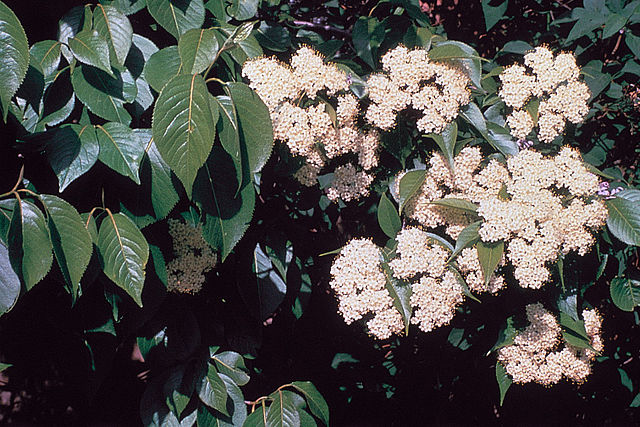
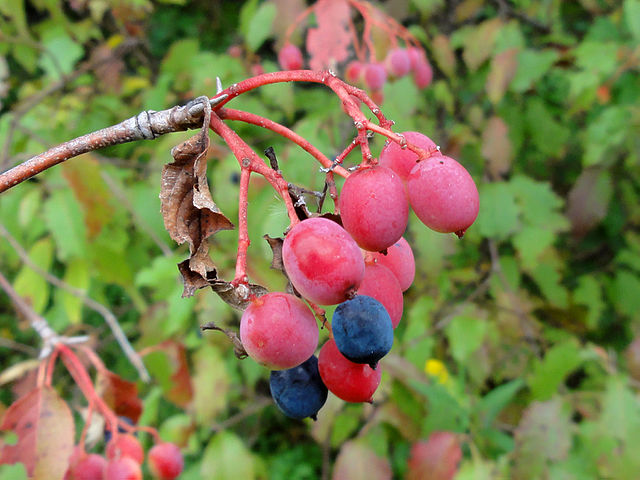
Botanical Name: Viburnum lentago
Plant Type: Deciduous native shrub or small tree
Height: 12–20 feet
Spread: 10–15 feet
Flower Color: Creamy white
Bloom Season: Late spring
Sun Requirements: Full sun to partial shade
Soil Requirements: Adaptable to well-drained, moist, or clay soils
Water Needs: Moderate; adaptable once established
Hardiness: USDA Zones 2–8
Bee Attraction: Excellent
Butterfly Attraction: Excellent
Hummingbird Attraction: Occasional
Nannyberry is one of North America's finest native shrubs for supporting pollinators and songbirds. Its abundant spring flowers nourish bees and butterflies, while the nutritious berries sustain wildlife well into fall and winter. Combined with brilliant autumn foliage and exceptional adaptability, Viburnum lentago is an outstanding choice for pollinator gardens, wildlife habitats, and naturalized landscapes.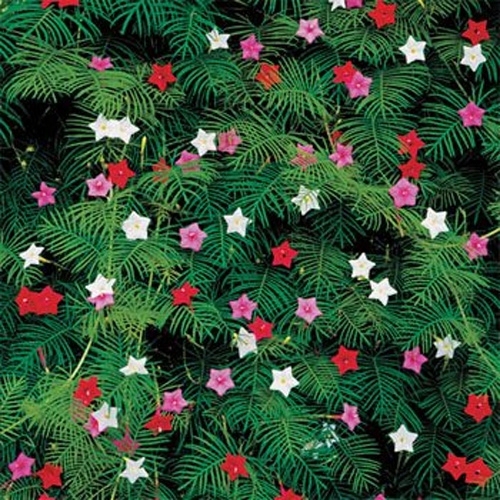
Botanical Name: Ipomoea pennata Mix (syn. Ipomoea quamoclit)
Plant Type: Annual climbing vine
Height: 10–20 feet
Spread: 3–6 feet
Flower Color: Scarlet, crimson, pink, rose, and white mix
Bloom Season: Midsummer until frost
Sun Requirements: Full sun
Soil Requirements: Well-drained soil; adaptable to average garden soils
Water Needs: Moderate; drought tolerant once established
Hardiness: Grown as an annual
Bee Attraction: Excellent
Butterfly Attraction: Excellent
Hummingbird Attraction: Outstanding
Cypress Vine Mix is one of the finest annual vines for attracting hummingbirds, combining graceful fern-like foliage with hundreds of brilliant star-shaped flowers over an exceptionally long season. Its rapid growth, colorful blooms, and remarkable appeal to hummingbirds, butterflies, and bees make Ipomoea pennata an outstanding choice for pollinator gardens, arbors, fences, and trellises.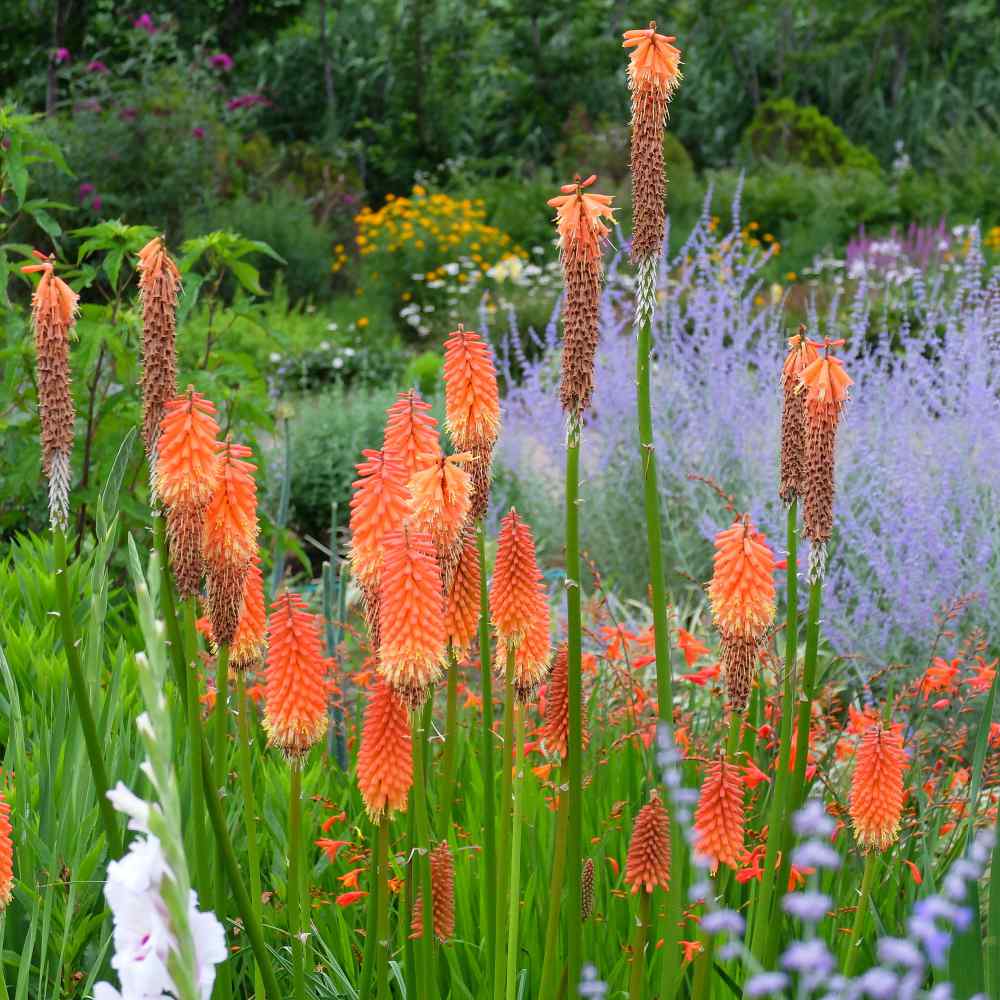
Botanical Name: Kniphofia uvaria
Plant Type: Hardy perennial
Height: 30–48 inches
Spread: 18–24 inches
Flower Color: Red, orange, and golden yellow
Bloom Season: Early summer through fall
Sun Requirements: Full sun
Soil Requirements: Well-drained soil; tolerant of sandy and average garden soils
Water Needs: Moderate during establishment; drought tolerant once established
Hardiness: USDA Zones 5–9
Bee Attraction: Excellent
Butterfly Attraction: Excellent
Hummingbird Attraction: Outstanding
Red Hot Poker is one of the premier hummingbird plants for sunny gardens, producing brilliant torch-like flower spikes that provide abundant nectar over an exceptionally long season. Its bold architectural form, outstanding drought tolerance, and remarkable ability to attract hummingbirds, butterflies, and bees make Kniphofia uvaria an exceptional addition to pollinator gardens and colorful perennial landscapes.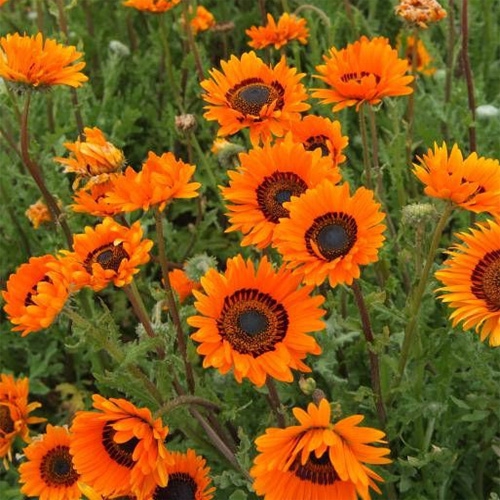
Botanical Name: Venidium fastuosum
Plant Type: Annual
Height: 18–24 inches
Spread: 12–18 inches
Flower Color: Brilliant orange with dark purple to black centers
Bloom Season: Late spring through summer
Sun Requirements: Full sun
Soil Requirements: Well-drained soil; thrives in sandy and average garden soils
Water Needs: Low to moderate; drought tolerant once established
Hardiness: Grown as an annual
Bee Attraction: Excellent
Butterfly Attraction: Excellent
Hummingbird Attraction: Occasional
Orange Monarch of the Veldt is one of the brightest African wildflowers for sunny gardens, producing an abundance of large orange blooms that attract bees and butterflies throughout the season. Its exceptional heat tolerance, vivid color, and carefree nature make Venidium fastuosum an outstanding addition to pollinator gardens, rock gardens, and colorful summer landscapes.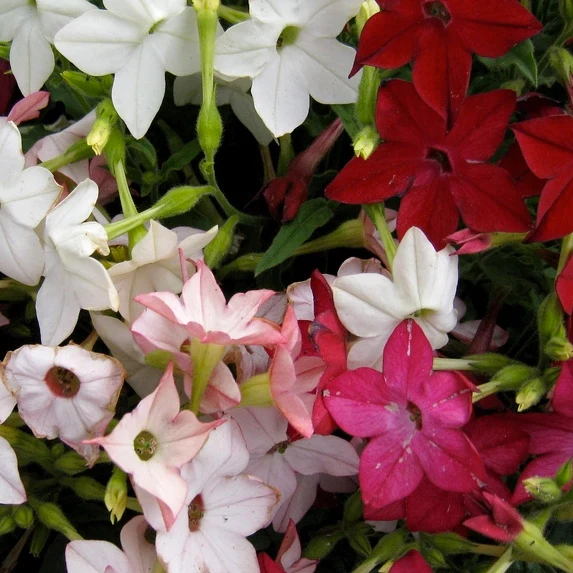
Botanical Name: Nicotiana alata (Sensation Mix)
Plant Type: Annual
Height: 30–48 inches
Spread: 12–18 inches
Flower Color: Mixed shades of white, pink, rose, crimson, salmon, lime green, burgundy, and red
Bloom Season: Early summer until frost
Sun Requirements: Full sun to partial shade
Soil Requirements: Fertile, well-drained soil
Water Needs: Moderate; prefers evenly moist soil
Hardiness: Grown as an annual
Bee Attraction: Excellent
Butterfly Attraction: Excellent
Hummingbird Attraction: Excellent
Sensation Mix remains one of the finest flowering tobaccos for gardeners who appreciate both fragrance and pollinator activity. Its colorful, sweetly scented blossoms attract bees, butterflies, hummingbirds, and evening pollinators over an exceptionally long blooming season, making Nicotiana alata an outstanding choice for pollinator gardens, cottage landscapes, and moon gardens alike.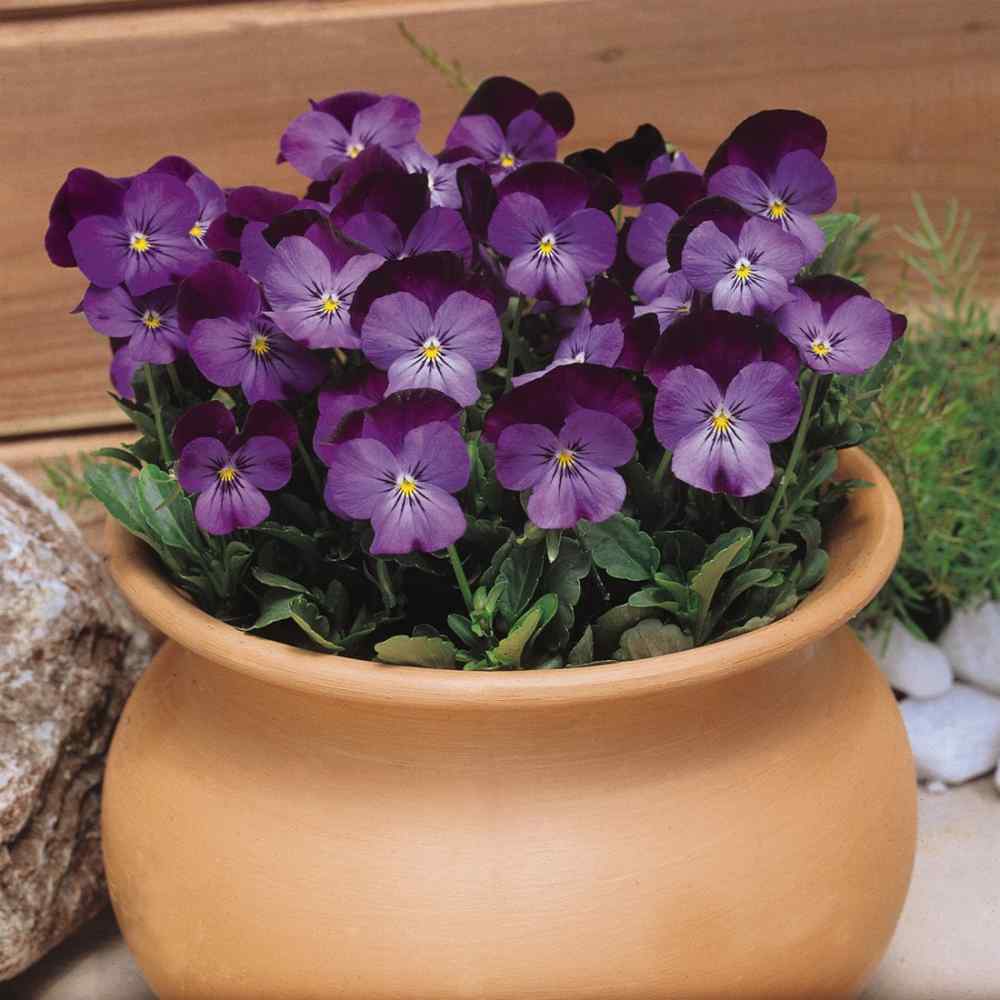
Botanical Name: Viola cornuta
Plant Type: Hardy perennial (often grown as a cool-season annual)
Height: 6–10 inches
Spread: 8–12 inches
Flower Color: Mixed shades of purple, blue, lavender, yellow, cream, white, and bicolors
Bloom Season: Early spring through late spring; often reblooms in fall
Sun Requirements: Full sun to partial shade
Soil Requirements: Fertile, well-drained soil
Water Needs: Moderate; prefers evenly moist soil
Hardiness: USDA Zones 4–9
Bee Attraction: Excellent
Butterfly Attraction: Very Good
Hummingbird Attraction: Rare
Admiration Large Flowered is one of the finest Viola cornuta selections for early-season pollinator gardens, combining oversized, brilliantly colored blooms with exceptional cold tolerance and long-lasting performance. Its abundant nectar, compact growth habit, and cheerful flowers make it an outstanding choice for borders, containers, woodland gardens, and wildlife-friendly spring landscapes.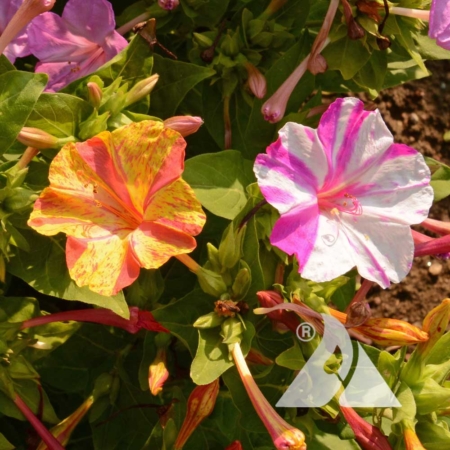
Botanical Name: Mirabilis jalapa
Plant Type: Tender perennial (commonly grown as an annual)
Height: 24–36 inches
Spread: 18–24 inches
Flower Color: Mixed broken colors of red, pink, yellow, white, magenta, crimson, and variegated combinations
Bloom Season: Early summer until frost
Sun Requirements: Full sun to partial shade
Soil Requirements: Well-drained soil; adaptable to most garden soils
Water Needs: Moderate; drought tolerant once established
Hardiness: USDA Zones 8–11 (grown as an annual elsewhere)
Bee Attraction: Excellent
Butterfly Attraction: Excellent
Hummingbird Attraction: Excellent
Broken Colors Four O'Clocks are treasured for their unpredictable multicolored blossoms and delightful evening fragrance. Their long blooming season, exceptional ability to attract hummingbirds, butterflies, bees, and nighttime pollinators, along with the fascinating one-of-a-kind flower patterns, make Mirabilis jalapa an outstanding choice for pollinator gardens, moon gardens, and colorful cottage landscapes.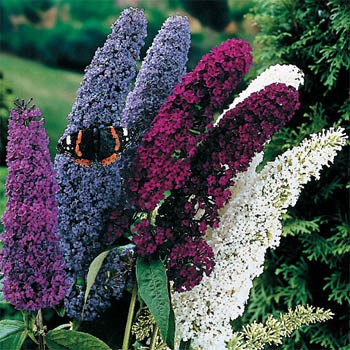
Botanical Name: Buddleia davidii
Plant Type: Deciduous flowering shrub
Height: 6–12 feet
Spread: 4–8 feet
Flower Color: Mixed shades of purple, lavender, pink, white, and violet
Bloom Season: Midsummer until frost
Sun Requirements: Full sun
Soil Requirements: Well-drained soil; adaptable to most garden soils
Water Needs: Moderate during establishment; drought tolerant once established
Hardiness: USDA Zones 5–9
Bee Attraction: Excellent
Butterfly Attraction: Outstanding
Hummingbird Attraction: Excellent
Fragrant Butterfly Bush has earned its reputation as one of the finest butterfly plants ever introduced into gardens. Its sweetly scented flower spikes, exceptionally long blooming season, and unmatched ability to attract butterflies, hummingbirds, bees, and other beneficial pollinators make Buddleia davidii an essential addition to any wildlife-friendly landscape.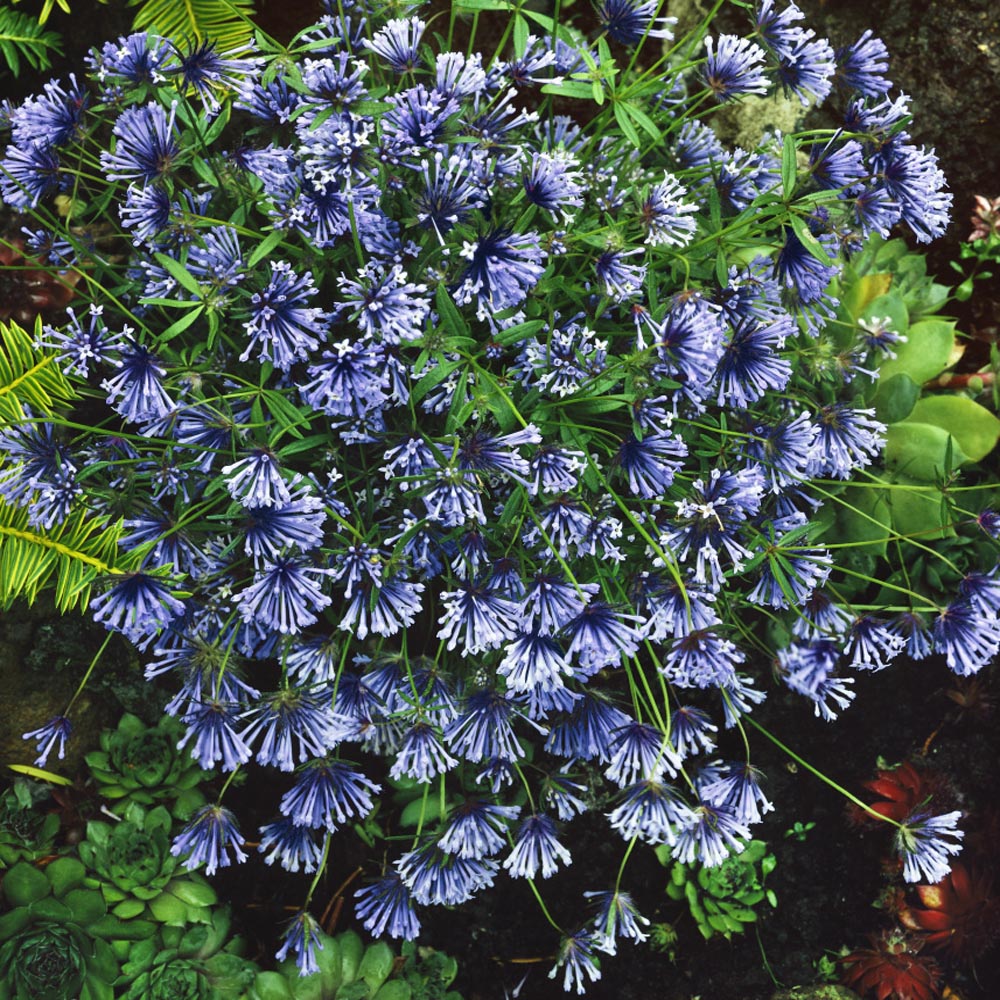
Botanical Name: Asperula azurea
Plant Type: Annual
Height: 12–18 inches
Spread: 10–15 inches
Flower Color: Sky blue
Bloom Season: Late spring through summer
Sun Requirements: Full sun to partial shade
Soil Requirements: Well-drained, average garden soil
Water Needs: Moderate; prefers evenly moist soil
Hardiness: Grown as an annual
Bee Attraction: Excellent
Butterfly Attraction: Very Good
Hummingbird Attraction: Rare
Blue Woodruff is an underrated garden gem, producing hundreds of delicate blue blossoms that attract bees and butterflies throughout the flowering season. Its compact growth, soft color, and dependable performance make Asperula azurea an excellent choice for pollinator gardens, borders, rock gardens, and cottage landscapes where subtle beauty and wildlife value go hand in hand.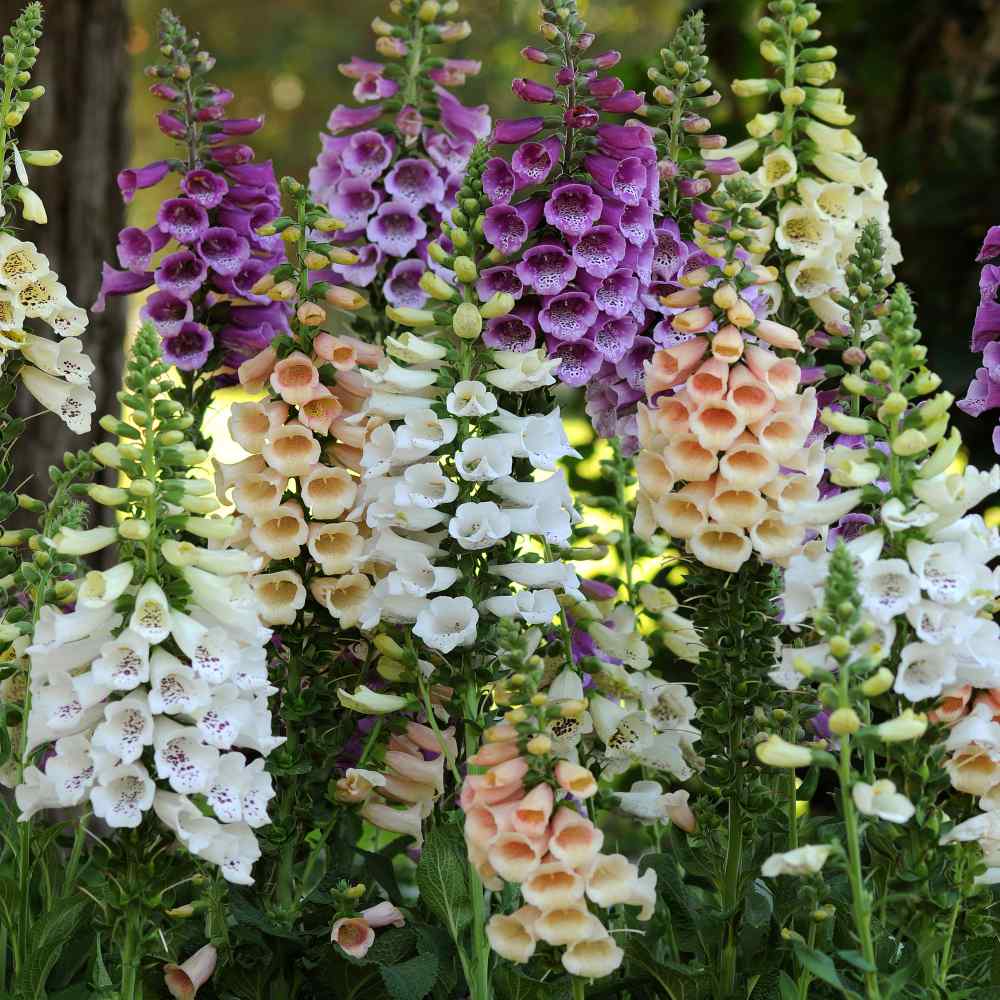
Botanical Name: Digitalis purpurea 'Excelsior Mix'
Plant Type: Biennial (short-lived perennial in some climates)
Height: 36–60 inches
Spread: 12–18 inches
Flower Color: Mixed shades of rose, pink, lavender, purple, cream, white, apricot, and soft yellow
Bloom Season: Late spring through midsummer
Sun Requirements: Full sun to partial shade
Soil Requirements: Fertile, well-drained soil
Water Needs: Moderate; prefers evenly moist soil
Hardiness: USDA Zones 4–9
Bee Attraction: Excellent
Butterfly Attraction: Very Good
Hummingbird Attraction: Excellent
Foxglove Excelsior Mix is one of the most impressive foxglove strains ever introduced, producing unusually large, outward-facing blossoms that are both highly ornamental and exceptionally attractive to pollinators. Its towering flower spikes, long bloom period, and remarkable ability to attract bees, butterflies, and hummingbirds make Digitalis purpurea an outstanding choice for pollinator gardens, woodland borders, and classic cottage landscapes.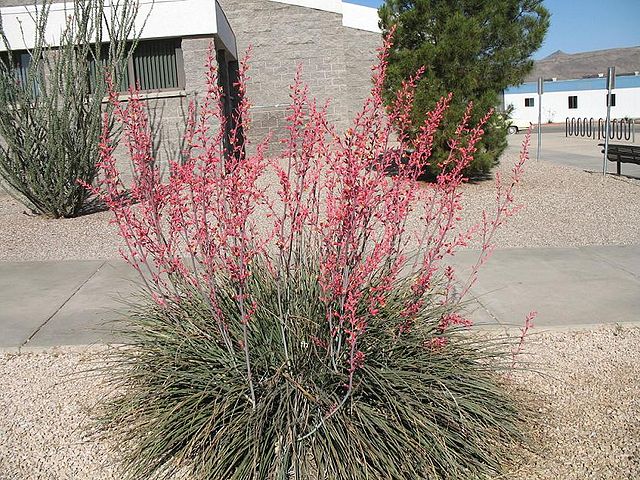
Botanical Name: Hesperaloe parviflora
Plant Type: Evergreen perennial
Height: 2–3 feet (flower stalks 4–6 feet)
Spread: 2–3 feet
Flower Color: Coral-red to rosy pink
Bloom Season: Late spring through fall
Sun Requirements: Full sun
Soil Requirements: Well-drained soil; thrives in sandy, rocky, and poor soils
Water Needs: Very low once established; extremely drought tolerant
Hardiness: USDA Zones 5–10
Bee Attraction: Excellent
Butterfly Attraction: Excellent
Hummingbird Attraction: Outstanding
Red Yucca is one of the premier hummingbird plants for hot, dry climates, combining months of brilliant coral flower spikes with exceptional drought tolerance and evergreen beauty. Its remarkable resilience, architectural form, and outstanding attraction to hummingbirds, butterflies, and bees make Hesperaloe parviflora an indispensable choice for xeriscapes, pollinator gardens, and water-wise landscapes.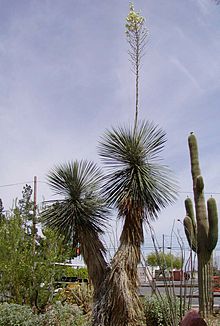
Botanical Name: Yucca elata
Plant Type: Evergreen succulent shrub/tree
Height: 6–15 feet (flower stalks to 20 feet)
Spread: 3–6 feet
Flower Color: Creamy white
Bloom Season: Late spring through early summer
Sun Requirements: Full sun
Soil Requirements: Well-drained sandy, rocky, or desert soils
Water Needs: Very low once established; exceptionally drought tolerant
Hardiness: USDA Zones 6–10
Bee Attraction: Excellent
Butterfly Attraction: Good
Hummingbird Attraction: Excellent
Soaptree Yucca is one of the iconic plants of the American Southwest, admired for its dramatic flower stalks, evergreen architectural beauty, and remarkable adaptation to arid climates. Its nectar-rich blossoms attract hummingbirds and beneficial pollinators, while its fascinating relationship with the Yucca Moth makes Yucca elata one of the most biologically interesting and rewarding plants for xeriscapes and wildlife gardens.
Botanical Name: Machaeranthera tanacetifolia
Plant Type: Hardy native perennial
Height: 12–24 inches
Spread: 12–18 inches
Flower Color: Bright golden yellow
Bloom Season: Late spring through fall
Sun Requirements: Full sun
Soil Requirements: Well-drained soil; thrives in sandy, rocky, and poor soils
Water Needs: Very low once established; highly drought tolerant
Hardiness: USDA Zones 4–9
Bee Attraction: Excellent
Butterfly Attraction: Excellent
Hummingbird Attraction: Occasional
Tahoka Daisy is one of the toughest native wildflowers available, thriving in hot, dry climates while producing an endless display of bright golden blooms. Its exceptional drought tolerance, remarkably long flowering season, and dependable attraction to bees and butterflies make Machaeranthera tanacetifolia an outstanding choice for pollinator gardens, prairie landscapes, and low-maintenance water-wise plantings.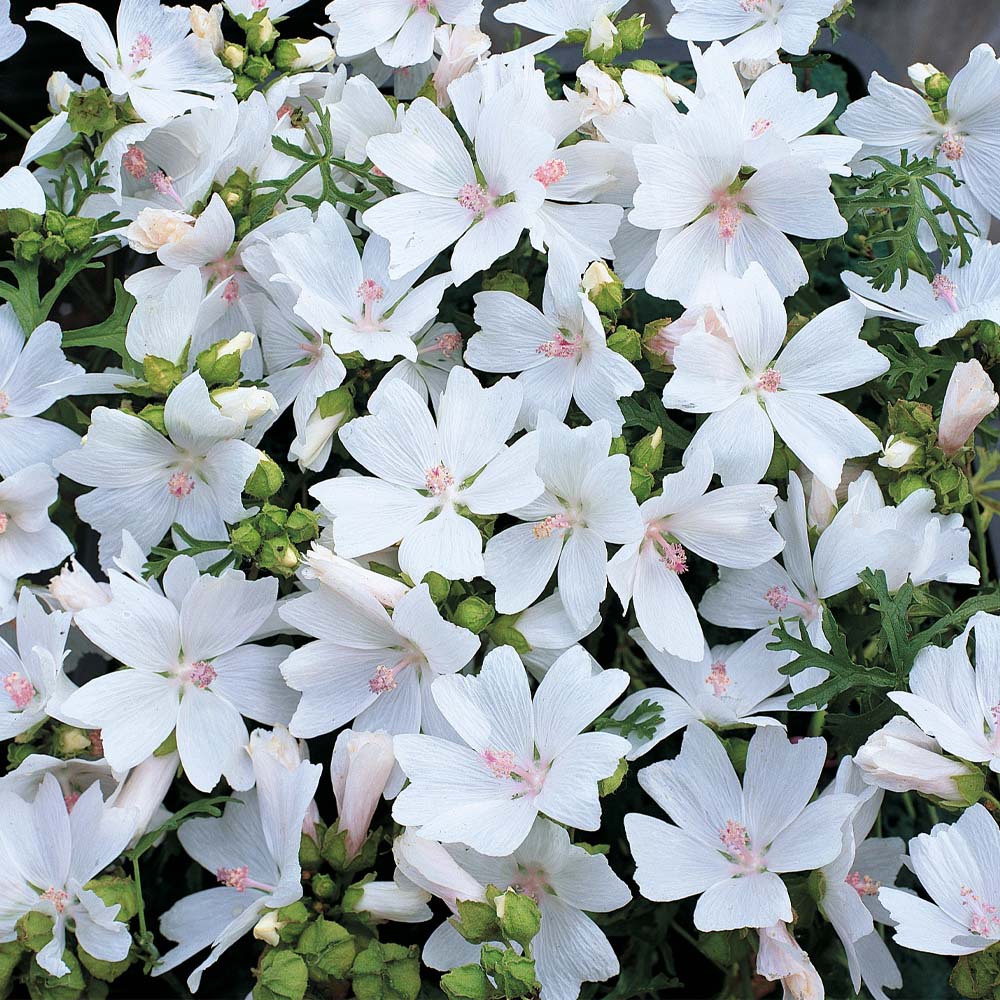
Botanical Name: Malva moschata 'Alba'
Plant Type: Hardy perennial
Height: 24–36 inches
Spread: 18–24 inches
Flower Color: Pure white
Bloom Season: Early summer through midsummer
Sun Requirements: Full sun
Soil Requirements: Fertile, well-drained soil
Water Needs: Moderate; prefers evenly moist soil
Hardiness: USDA Zones 3–9
Bee Attraction: Excellent
Butterfly Attraction: Excellent
Hummingbird Attraction: Good
Dwarf Snow White Hollyhock offers all the charm of traditional hollyhocks in a compact, garden-friendly size. Its elegant white blooms, extended flowering season, and outstanding attraction to bees, butterflies, and hummingbirds make Malva moschata 'Alba' an exceptional choice for pollinator gardens, cottage landscapes, and perennial borders where classic beauty meets modern versatility.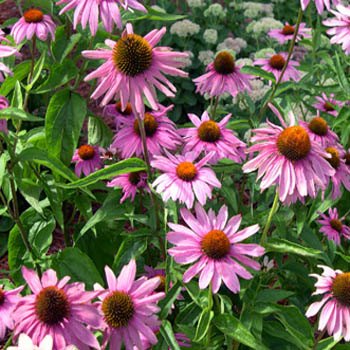
Botanical Name: Echinacea purpurea
Plant Type: Hardy native perennial
Height: 24–48 inches
Spread: 18–24 inches
Flower Color: Rosy purple with copper-orange center cones
Bloom Season: Early summer through fall
Sun Requirements: Full sun
Soil Requirements: Well-drained soil; adaptable to most garden soils
Water Needs: Moderate during establishment; drought tolerant once established
Hardiness: USDA Zones 3–9
Bee Attraction: Excellent
Butterfly Attraction: Excellent
Hummingbird Attraction: Excellent
Purple Coneflower is widely regarded as one of the finest native perennials for pollinator gardens, combining months of brilliant blooms with outstanding toughness and ecological value. Its nectar-rich flowers support bees, butterflies, and hummingbirds throughout summer, while its seed heads nourish songbirds long after flowering has ended. Echinacea purpurea is truly an indispensable plant for wildlife-friendly landscapes.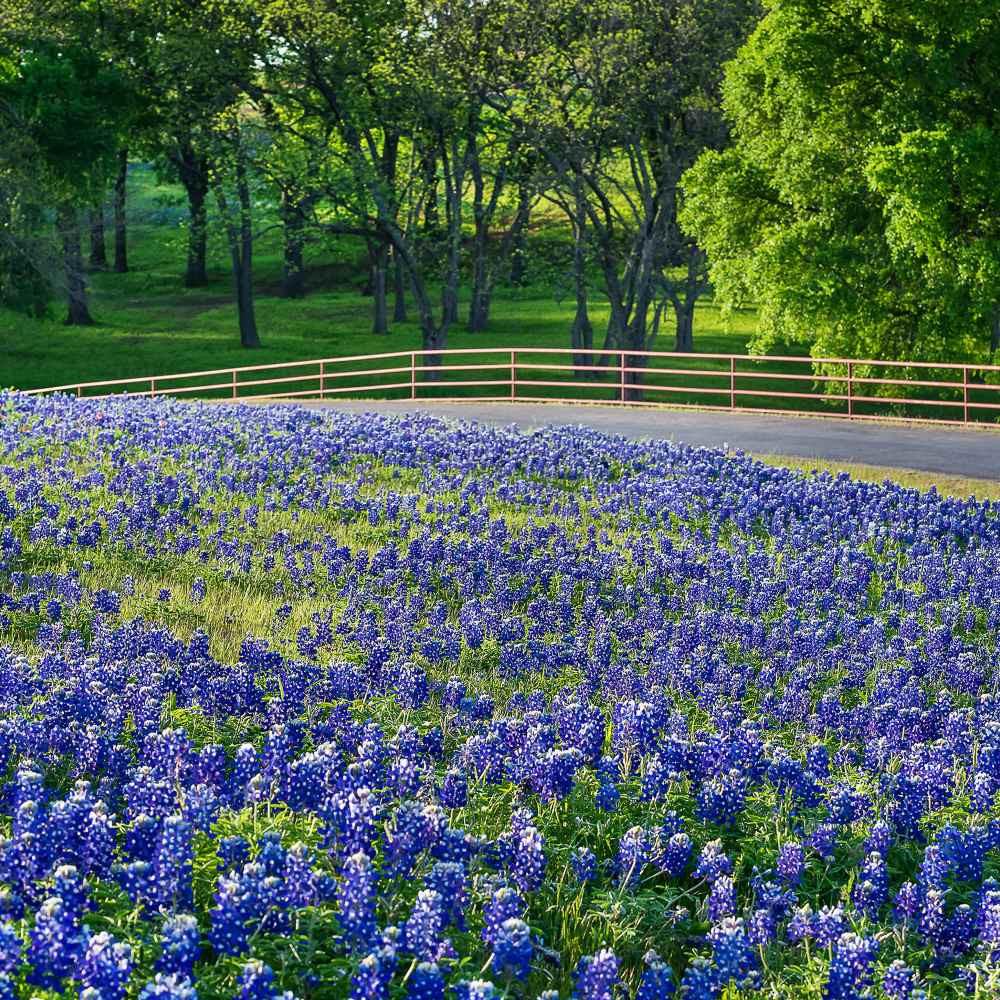
Botanical Name: Lupinus texensis
Plant Type: Native annual (sometimes short-lived biennial)
Height: 12–24 inches
Spread: 8–12 inches
Flower Color: Brilliant cobalt blue with white tips
Bloom Season: Early to late spring
Sun Requirements: Full sun
Soil Requirements: Well-drained soil; thrives in sandy, gravelly, and limestone soils
Water Needs: Low once established; drought tolerant
Hardiness: USDA Zones 4–8
Bee Attraction: Excellent
Butterfly Attraction: Excellent
Hummingbird Attraction: Good
Texas Bluebonnet is one of America's most beloved native wildflowers, famous for transforming the Texas countryside into breathtaking rivers of blue each spring. Its exceptional drought tolerance, early-season nectar production, and outstanding ability to attract bees, butterflies, and hummingbirds make Lupinus texensis an essential choice for pollinator gardens, native wildflower meadows, and water-wise landscapes.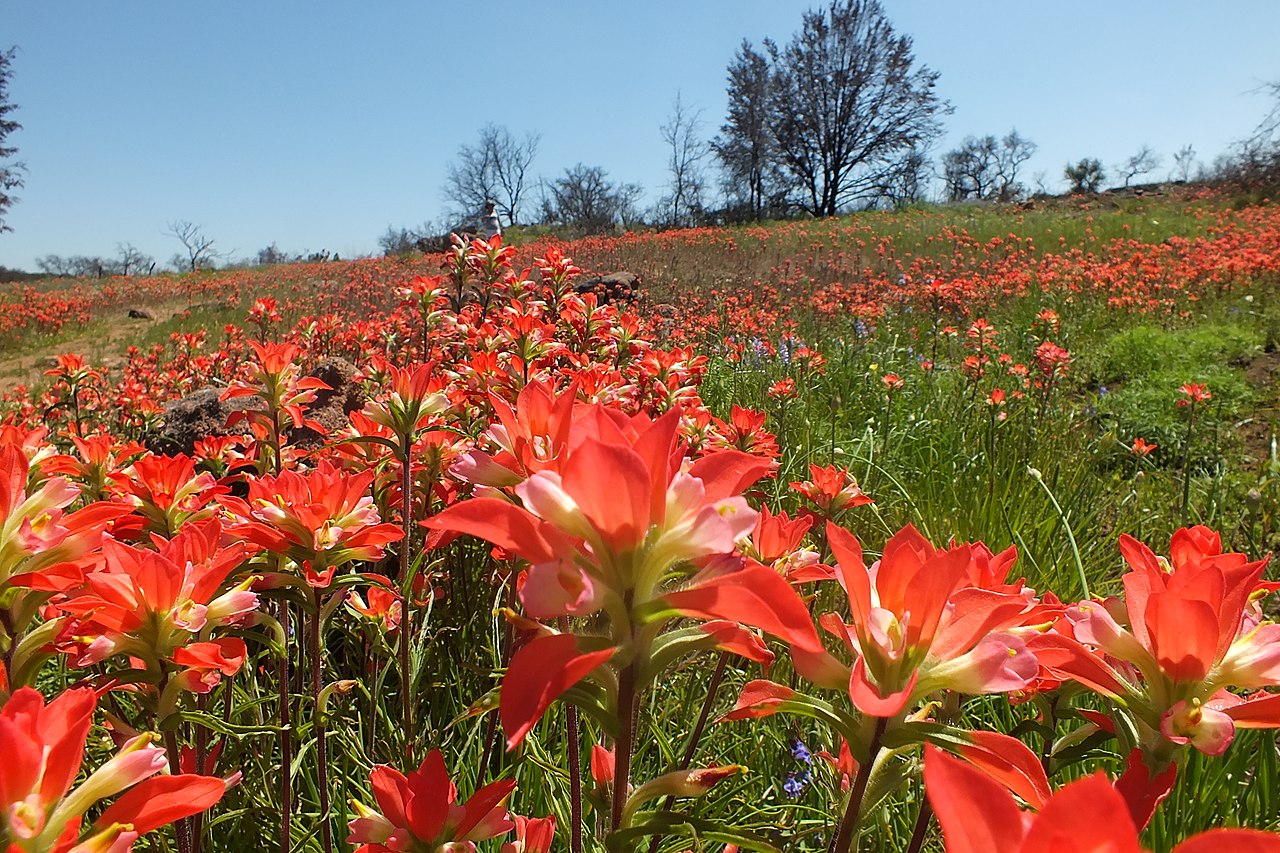
Botanical Name: Castilleja indivisa
Plant Type: Native annual wildflower
Height: 12–24 inches
Spread: 8–12 inches
Flower Color: Brilliant scarlet red
Bloom Season: Early through late spring
Sun Requirements: Full sun
Soil Requirements: Well-drained sandy, rocky, or prairie soils
Water Needs: Low once established; drought tolerant
Hardiness: USDA Zones 5–9
Bee Attraction: Excellent
Butterfly Attraction: Excellent
Hummingbird Attraction: Outstanding
Texas Paintbrush is one of the signature wildflowers of the Lone Star State, often blooming alongside Bluebonnets to create the famous spring landscapes admired around the world. Its brilliant scarlet flower spikes, outstanding drought tolerance, and exceptional attraction to hummingbirds, butterflies, and bees make Castilleja indivisa an indispensable addition to native wildflower meadows, pollinator gardens, and naturalized landscapes.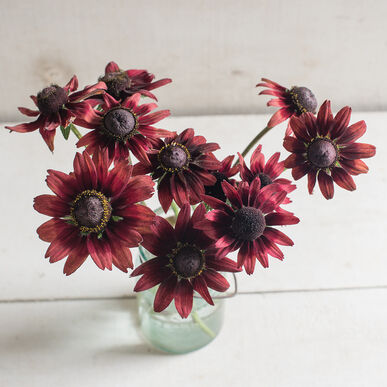
Botanical Name: Rudbeckia hirta 'Cherry Brandy'
Plant Type: Annual or short-lived perennial
Height: 20–30 inches
Spread: 12–18 inches
Flower Color: Deep cherry-red to mahogany with dark brown centers
Bloom Season: Early summer until frost
Sun Requirements: Full sun
Soil Requirements: Well-drained soil; adaptable to most garden soils
Water Needs: Moderate; drought tolerant once established
Hardiness: USDA Zones 3–9
Bee Attraction: Excellent
Butterfly Attraction: Excellent
Hummingbird Attraction: Occasional
Cherry Brandy is one of the most distinctive Rudbeckias ever introduced, replacing the traditional golden petals with rich, velvety cherry-red blooms that provide months of outstanding garden color. Its exceptional ability to attract bees and butterflies, combined with attractive seed heads for songbirds, makes Rudbeckia hirta an outstanding addition to pollinator gardens, prairie plantings, and colorful summer landscapes.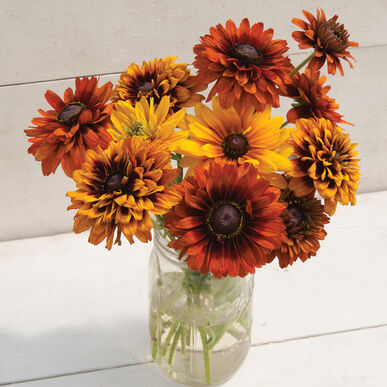
Botanical Name: Rudbeckia hirta 'Cherokee Sunset Mix'
Plant Type: Annual or short-lived perennial
Height: 24–36 inches
Spread: 18–24 inches
Flower Color: Mixed shades of golden yellow, bronze, orange, mahogany, rust, scarlet, and cinnamon
Bloom Season: Early summer until frost
Sun Requirements: Full sun
Soil Requirements: Well-drained soil; adaptable to most garden soils
Water Needs: Moderate; drought tolerant once established
Hardiness: USDA Zones 3–9
Bee Attraction: Excellent
Butterfly Attraction: Excellent
Hummingbird Attraction: Good
Cherokee Sunset Mix is one of the most spectacular Rudbeckia introductions ever developed, combining rich sunset colors with a beautiful mixture of single, semi-double, and fully double flowers. Its exceptionally long bloom season, outstanding garden performance, and remarkable ability to attract bees, butterflies, hummingbirds, and seed-loving birds make Rudbeckia hirta an outstanding centerpiece for pollinator gardens and colorful wildlife landscapes.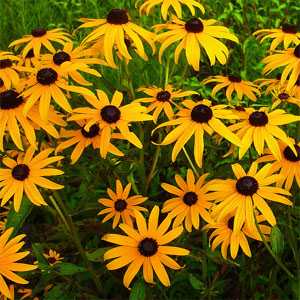
Botanical Name: Rudbeckia hirta
Plant Type: Native annual, biennial, or short-lived perennial
Height: 24–36 inches
Spread: 12–24 inches
Flower Color: Golden yellow with dark brown to black center cones
Bloom Season: Early summer until frost
Sun Requirements: Full sun
Soil Requirements: Well-drained soil; adaptable to sandy, clay, and average garden soils
Water Needs: Moderate; drought tolerant once established
Hardiness: USDA Zones 3–9
Bee Attraction: Excellent
Butterfly Attraction: Excellent
Hummingbird Attraction: Good
Common Black-Eyed Susan remains one of the finest native wildflowers for creating vibrant, wildlife-friendly landscapes. Its months of brilliant golden blooms support bees, butterflies, and hummingbirds throughout the summer, while its nutritious seed heads feed songbirds well into winter. Few native flowers combine beauty, durability, and ecological value as completely as Rudbeckia hirta, making it an essential addition to every pollinator garden.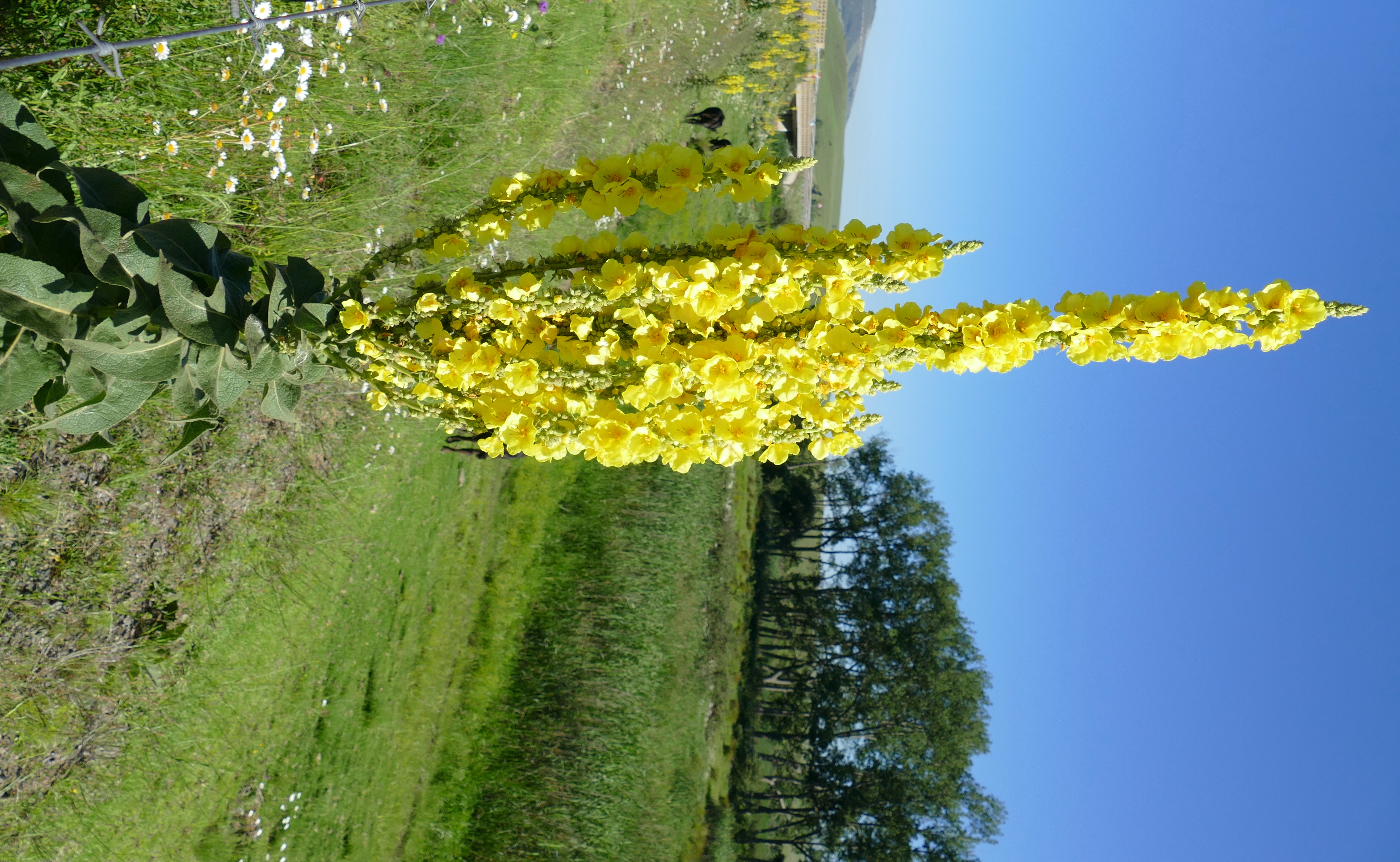
Botanical Name: Verbascum thapsus
Plant Type: Biennial
Height: 4–8 feet
Spread: 18–30 inches
Flower Color: Bright golden yellow
Bloom Season: Early summer through late summer
Sun Requirements: Full sun
Soil Requirements: Well-drained soil; thrives in sandy, rocky, gravelly, and poor soils
Water Needs: Very low once established; highly drought tolerant
Hardiness: USDA Zones 3–9
Bee Attraction: Excellent
Butterfly Attraction: Excellent
Hummingbird Attraction: Occasional
Common Mullein is one of the most durable native wildflowers for sunny, dry landscapes, producing towering golden flower spikes that support bees and butterflies for weeks during the height of summer. Its remarkable drought tolerance, impressive architectural form, and outstanding pollinator value make Verbascum thapsus an excellent choice for pollinator gardens, prairie restorations, naturalized meadows, and water-wise plantings.
Botanical Name: Bidens humilis
Plant Type: Native annual wildflower
Height: 12–24 inches
Spread: 12–18 inches
Flower Color: Bright golden yellow
Bloom Season: Midsummer until frost
Sun Requirements: Full sun
Soil Requirements: Well-drained soil; adaptable to sandy, rocky, and average garden soils
Water Needs: Low once established; drought tolerant
Hardiness: USDA Zones 3–9
Bee Attraction: Excellent
Butterfly Attraction: Excellent
Hummingbird Attraction: Occasional
Goldeneye is a dependable native wildflower that extends the pollinator season with its abundance of bright golden blossoms. Its excellent drought tolerance, long bloom period, and remarkable ability to attract bees and butterflies make Bidens humilis an outstanding addition to pollinator gardens, prairie restorations, native meadows, and low-maintenance wildlife landscapes.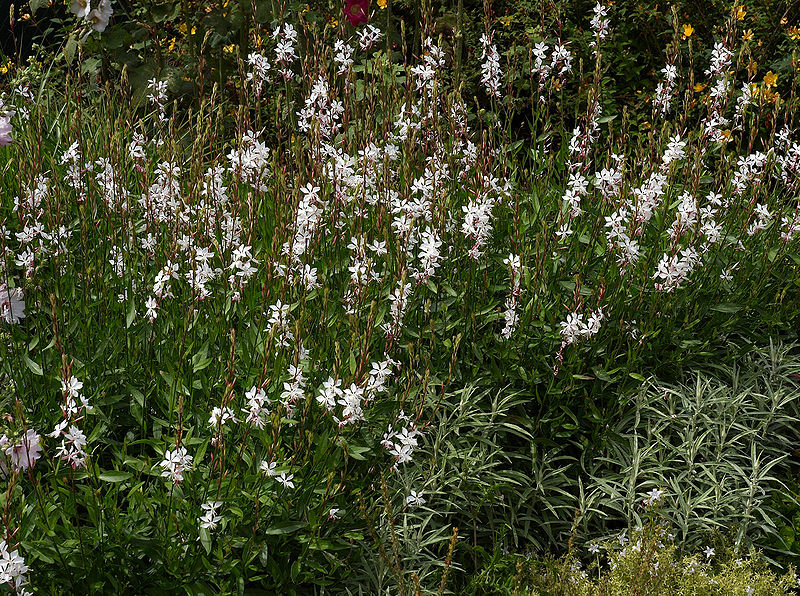
Botanical Name: Gaura lindheimeri 'The Bride'
Plant Type: Hardy perennial
Height: 24–36 inches
Spread: 18–24 inches
Flower Color: Pure white
Bloom Season: Late spring until frost
Sun Requirements: Full sun
Soil Requirements: Well-drained soil; adaptable to sandy, rocky, and average garden soils
Water Needs: Low to moderate; highly drought tolerant once established
Hardiness: USDA Zones 5–9
Bee Attraction: Excellent
Butterfly Attraction: Excellent
Hummingbird Attraction: Excellent
The Bride is one of the finest white-flowering perennials for pollinator gardens, combining graceful, butterfly-like blooms with exceptional drought tolerance and one of the longest flowering seasons of any perennial. Its continual display of delicate blossoms attracts bees, butterflies, and hummingbirds from late spring until frost, making Gaura lindheimeri an outstanding choice for wildlife gardens, cottage borders, and naturalistic landscapes.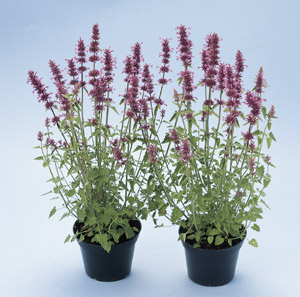
Botanical Name: Agastache astromontana 'Pink Pop'
Plant Type: Hardy perennial
Height: 18–24 inches
Spread: 15–18 inches
Flower Color: Bright rosy pink
Bloom Season: Early summer until frost
Sun Requirements: Full sun
Soil Requirements: Well-drained soil; adaptable to sandy and average garden soils
Water Needs: Low once established; highly drought tolerant
Hardiness: USDA Zones 5–9
Bee Attraction: Excellent
Butterfly Attraction: Excellent
Hummingbird Attraction: Outstanding
Pink Pop is one of the finest compact Agastache varieties for attracting hummingbirds and beneficial pollinators throughout the growing season. Its fragrant foliage, nonstop display of rosy-pink flower spikes, outstanding drought tolerance, and exceptional wildlife value make Agastache astromontana 'Pink Pop' an outstanding choice for pollinator gardens, perennial borders, containers, and water-wise landscapes.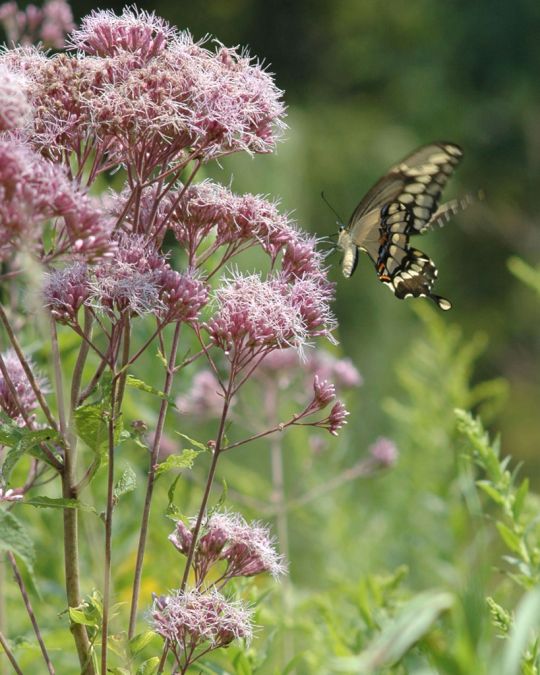
Botanical Name: Eutrochium maculatum
Plant Type: Hardy native perennial
Height: 4–7 feet
Spread: 2–4 feet
Flower Color: Rosy pink to mauve
Bloom Season: Midsummer through fall
Sun Requirements: Full sun to partial shade
Soil Requirements: Fertile, moist, well-drained soil; tolerates clay and rain garden conditions
Water Needs: Moderate to high; prefers consistent moisture
Hardiness: USDA Zones 3–9
Bee Attraction: Outstanding
Butterfly Attraction: Outstanding
Hummingbird Attraction: Excellent
Joe Pye Weed is widely recognized as one of the finest native plants for butterfly gardens, often supporting more pollinator activity than almost any other perennial in bloom. Its towering flower clusters, exceptional nectar production, and months of colorful blooms make Eutrochium maculatum an indispensable addition to pollinator meadows, native landscapes, rain gardens, and wildlife-friendly plantings.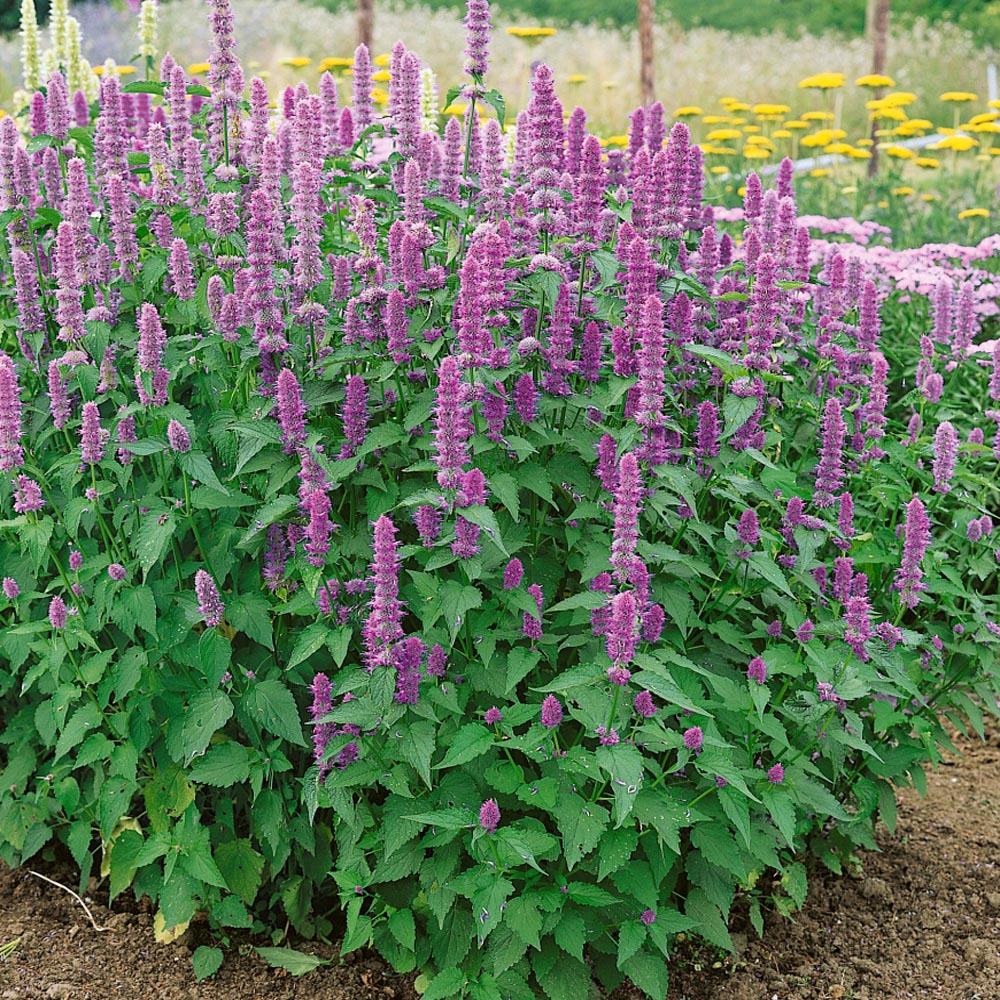
Botanical Name: Agastache rugosa
Plant Type: Hardy perennial
Height: 24–48 inches
Spread: 18–24 inches
Flower Color: Lavender-blue to violet
Bloom Season: Midsummer through fall
Sun Requirements: Full sun to partial shade
Soil Requirements: Fertile, well-drained soil
Water Needs: Moderate; drought tolerant once established
Hardiness: USDA Zones 4–9
Bee Attraction: Outstanding
Butterfly Attraction: Excellent
Hummingbird Attraction: Excellent
Korean Mint is one of the finest Agastache species for attracting pollinators, producing months of fragrant lavender flower spikes that become magnets for bees, butterflies, and hummingbirds. Its aromatic foliage, outstanding nectar production, and exceptional garden performance make Agastache rugosa an excellent choice for pollinator gardens, herb gardens, perennial borders, and wildlife-friendly landscapes.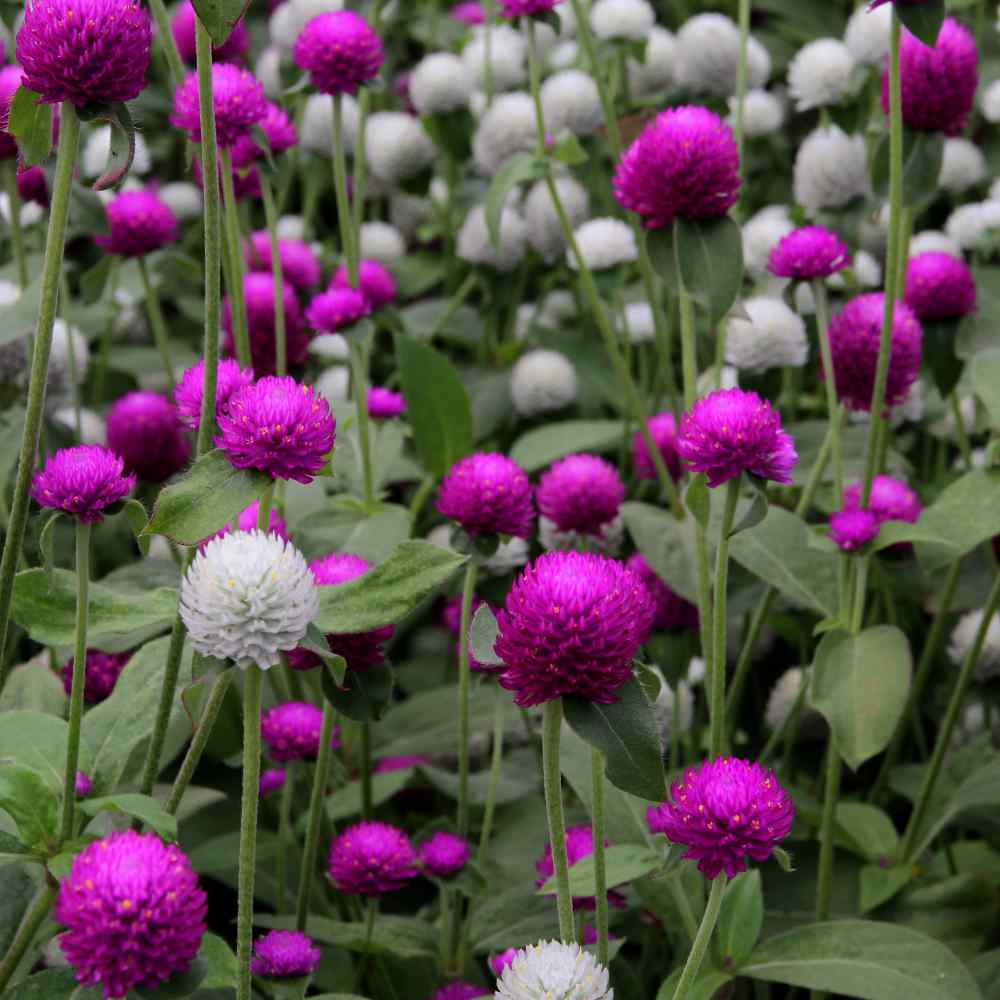
Botanical Name: Gomphrena globosa Mix
Plant Type: Annual
Height: 12–24 inches
Spread: 10–15 inches
Flower Color: Mixed shades of purple, pink, rose, red, white, lavender, and orange
Bloom Season: Early summer until frost
Sun Requirements: Full sun
Soil Requirements: Well-drained soil; adaptable to sandy and average garden soils
Water Needs: Low to moderate; drought tolerant once established
Hardiness: Grown as an annual
Bee Attraction: Excellent
Butterfly Attraction: Excellent
Hummingbird Attraction: Good
Globosa Mix is one of the finest heat-loving annuals for pollinator gardens, combining months of vibrant globe-shaped blooms with exceptional drought tolerance and outstanding performance in summer heat. Its continuous display of colorful flowers attracts bees and butterflies while providing beautiful fresh and everlasting cut flowers, making Gomphrena globosa an outstanding addition to wildlife gardens, borders, and containers.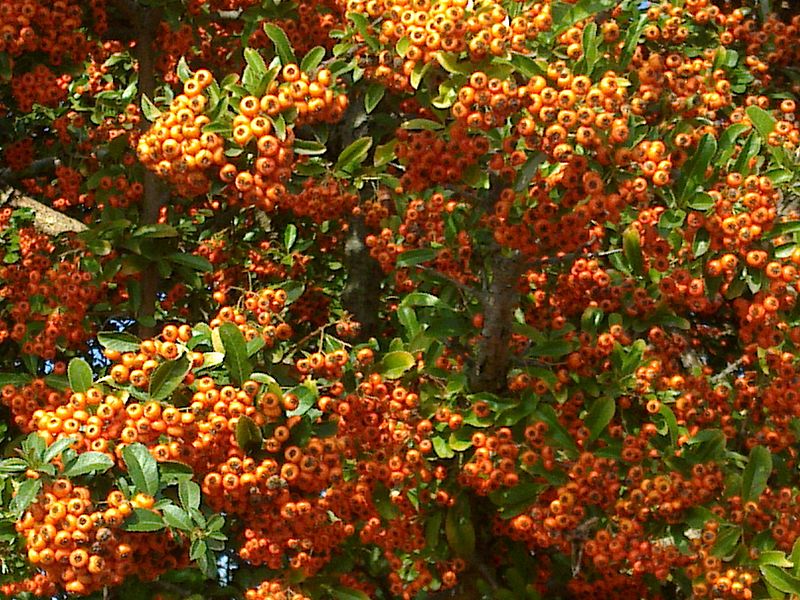
Botanical Name: Pyracantha coccinea
Plant Type: Evergreen shrub
Height: 8–12 feet
Spread: 6–10 feet
Flower Color: Creamy white
Bloom Season: Late spring
Sun Requirements: Full sun to partial shade
Soil Requirements: Well-drained soil; adaptable to most soil types
Water Needs: Moderate during establishment; drought tolerant once established
Hardiness: USDA Zones 6–9
Bee Attraction: Excellent
Butterfly Attraction: Excellent
Hummingbird Attraction: Good
Firethorn is one of the most valuable landscape shrubs for both pollinators and birds, offering abundant spring flowers followed by spectacular berry displays that feed wildlife through fall and winter. Its outstanding adaptability, evergreen beauty, and year-round ecological value make Pyracantha coccinea an exceptional choice for pollinator gardens, wildlife landscapes, hedgerows, and natural privacy screens.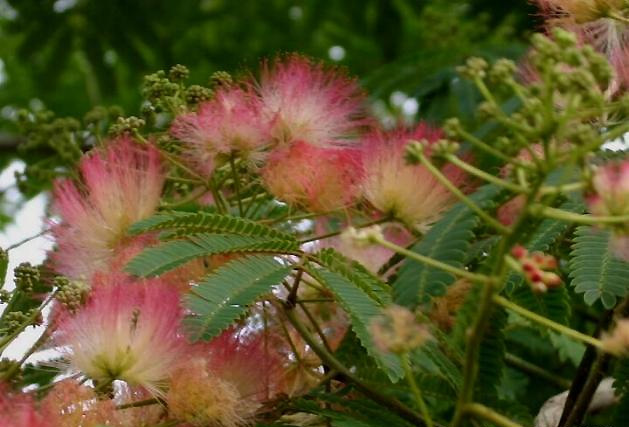
Botanical Name: Albizia julibrissin
Plant Type: Deciduous flowering tree
Height: 20–40 feet
Spread: 20–35 feet
Flower Color: Rosy pink with silky stamens
Bloom Season: Early through late summer
Sun Requirements: Full sun
Soil Requirements: Well-drained soil; adaptable to sandy, clay, and average garden soils
Water Needs: Moderate during establishment; drought tolerant once established
Hardiness: USDA Zones 6–9
Bee Attraction: Excellent
Butterfly Attraction: Excellent
Hummingbird Attraction: Outstanding
Silk Tree is one of the most beautiful flowering trees for attracting hummingbirds and beneficial pollinators, producing fragrant pink blossoms over an extended summer season. Its elegant fern-like foliage, graceful spreading canopy, and outstanding wildlife value make Albizia julibrissin an exceptional choice for pollinator gardens, specimen landscapes, and wildlife-friendly properties.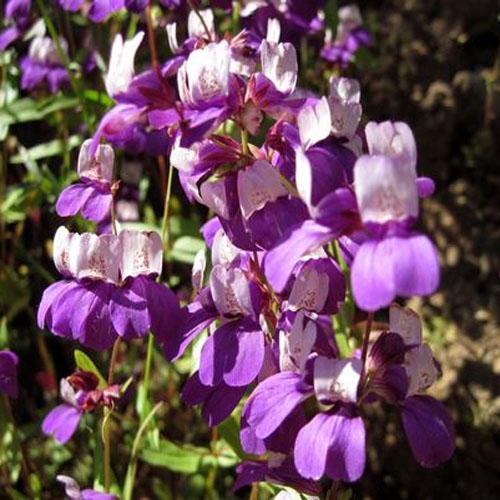
Botanical Name: Collinsia heterophylla
Plant Type: Native annual wildflower
Height: 12–24 inches
Spread: 8–12 inches
Flower Color: Lavender, violet, pink, and white
Bloom Season: Spring through early summer
Sun Requirements: Full sun to partial shade
Soil Requirements: Fertile, well-drained soil
Water Needs: Moderate; prefers evenly moist soil during active growth
Hardiness: Grown as an annual
Bee Attraction: Excellent
Butterfly Attraction: Excellent
Hummingbird Attraction: Excellent
Chinese Houses is one of California's most distinctive native wildflowers, admired for its unique tiered blossoms and exceptional pollinator value. Its colorful spring flowers provide an important nectar source for bees, butterflies, and hummingbirds while bringing charming woodland beauty to gardens and naturalized landscapes. Collinsia heterophylla is an outstanding choice for anyone creating a diverse, wildlife-friendly pollinator garden.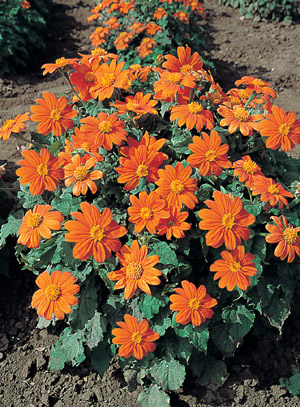
Botanical Name: Tithonia rotundifolia 'Fiesta del Sol'
Plant Type: Annual
Height: 18–24 inches
Spread: 18–24 inches
Flower Color: Brilliant orange
Bloom Season: Early summer until frost
Sun Requirements: Full sun
Soil Requirements: Well-drained soil; thrives in average, sandy, and poor soils
Water Needs: Low to moderate; drought tolerant once established
Hardiness: Grown as an annual
Bee Attraction: Outstanding
Butterfly Attraction: Outstanding
Hummingbird Attraction: Excellent
Fiesta del Sol packs all the pollinator power of the classic Mexican Sunflower into a compact, garden-friendly plant. Its nonstop display of brilliant orange blooms, exceptional heat tolerance, and remarkable ability to attract butterflies, bees, and hummingbirds make Tithonia rotundifolia 'Fiesta del Sol' one of the very best annuals for pollinator gardens, containers, and colorful summer landscapes.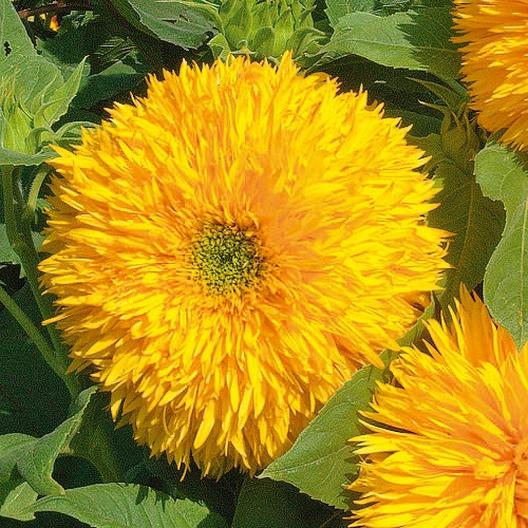
Botanical Name: Helianthus annuus 'Giant Teddy Bear'
Plant Type: Annual
Height: 5–7 feet
Spread: 24–36 inches
Flower Color: Bright golden yellow
Bloom Season: Midsummer until frost
Sun Requirements: Full sun
Soil Requirements: Well-drained soil; adaptable to most garden soils
Water Needs: Moderate; drought tolerant once established
Hardiness: Grown as an annual
Bee Attraction: Very Good
Butterfly Attraction: Excellent
Hummingbird Attraction: Good
Giant Teddy Bear Sunflower is one of the most unusual and eye-catching sunflowers ever introduced, producing enormous plush, double blooms that resemble oversized golden teddy bears. Its long flowering season, impressive branching habit, and dependable attraction to butterflies, bees, and other beneficial pollinators make Helianthus annuus 'Giant Teddy Bear' an outstanding addition to pollinator gardens, cutting gardens, and colorful summer landscapes.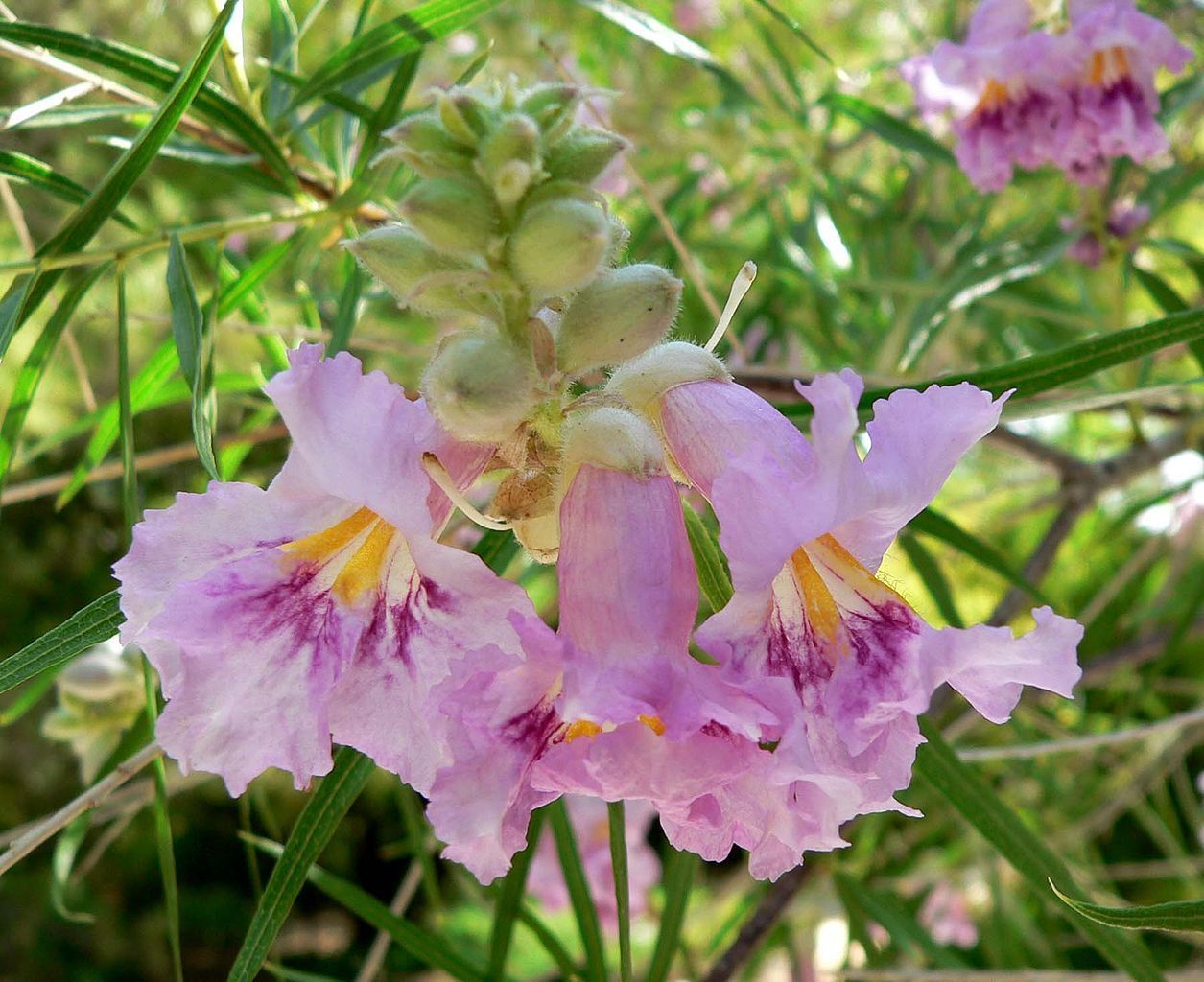
Botanical Name: Chilopsis linearis
Plant Type: Deciduous flowering tree
Height: 15–30 feet
Spread: 15–25 feet
Flower Color: Lavender, pink, rose, and white with yellow and purple markings
Bloom Season: Late spring through early fall
Sun Requirements: Full sun
Soil Requirements: Well-drained soil; thrives in sandy, rocky, alkaline, and poor soils
Water Needs: Very low once established; exceptionally drought tolerant
Hardiness: USDA Zones 7–11
Bee Attraction: Excellent
Butterfly Attraction: Excellent
Hummingbird Attraction: Outstanding
Desert Willow is one of the premier flowering trees for hummingbird gardens, combining months of beautiful orchid-like blossoms with outstanding drought tolerance and effortless beauty. Its extended bloom season, graceful form, and remarkable ability to attract hummingbirds, butterflies, bees, and other beneficial pollinators make Chilopsis linearis an exceptional choice for pollinator gardens, xeriscapes, and wildlife-friendly landscapes.
Botanical Name: Phacelia tanacetifolia
Plant Type: Annual wildflower
Height: 24–48 inches
Spread: 12–24 inches
Flower Color: Lavender-blue to violet
Bloom Season: Late spring through summer
Sun Requirements: Full sun
Soil Requirements: Well-drained soil; adaptable to most garden soils
Water Needs: Moderate; drought tolerant once established
Hardiness: Grown as an annual
Bee Attraction: Outstanding
Butterfly Attraction: Excellent
Hummingbird Attraction: Good
Purple Tansy is widely considered one of the very best plants in the world for supporting honeybees and other beneficial insects. Its abundant lavender-blue flowers, exceptional nectar production, and ability to attract an astonishing diversity of pollinators make Phacelia tanacetifolia an essential addition to pollinator gardens, orchards, vegetable gardens, wildflower meadows, and wildlife-friendly landscapes.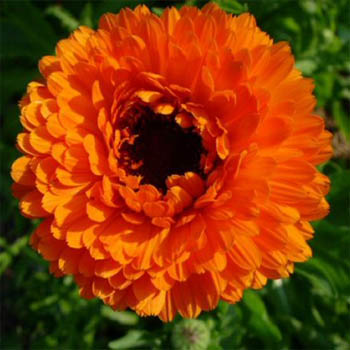
Botanical Name: Calendula officinalis 'Geisha Girl'
Plant Type: Annual
Height: 18–24 inches
Spread: 12–18 inches
Flower Color: Brilliant orange with red-tipped quilled petals
Bloom Season: Early spring through summer; often reblooms in fall
Sun Requirements: Full sun to partial shade
Soil Requirements: Fertile, well-drained soil
Water Needs: Moderate; prefers evenly moist soil
Hardiness: Grown as an annual
Bee Attraction: Excellent
Butterfly Attraction: Excellent
Hummingbird Attraction: Occasional
Geisha Girl is one of the most colorful Calendulas ever introduced, combining unique red-tipped quilled petals with outstanding garden performance and exceptional pollinator value. Its extended blooming season, edible blossoms, and remarkable ability to attract bees and butterflies make Calendula officinalis an outstanding choice for pollinator gardens, cottage landscapes, vegetable gardens, and colorful spring displays.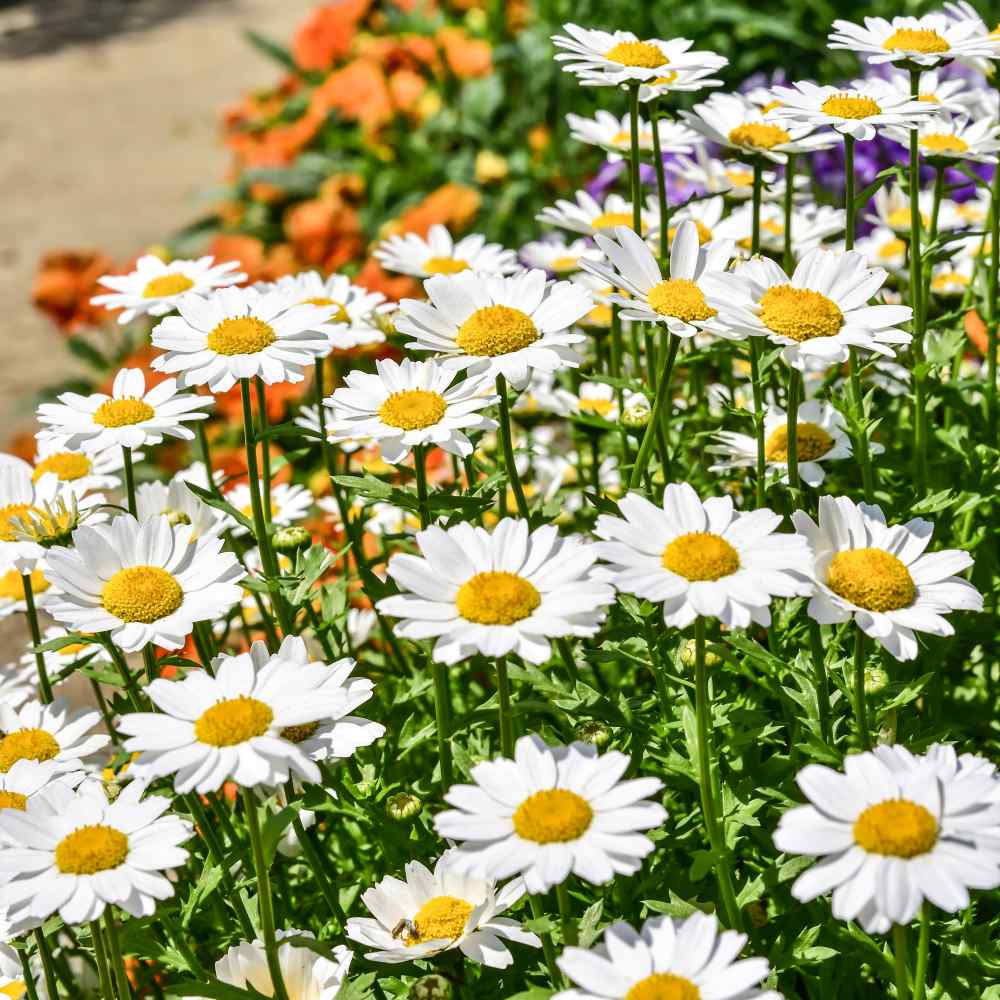
Botanical Name: Chrysanthemum paludosum (syn. Coleostephus myconis)
Plant Type: Annual
Height: 4–8 inches
Spread: 12–18 inches
Flower Color: White with golden-yellow centers
Bloom Season: Spring through early summer
Sun Requirements: Full sun to partial shade
Soil Requirements: Fertile, well-drained soil
Water Needs: Moderate; prefers evenly moist soil
Hardiness: Grown as an annual
Bee Attraction: Excellent
Butterfly Attraction: Excellent
Hummingbird Attraction: Rare
Creeping Daisy is one of the finest low-growing flowering annuals for edging and groundcover, producing a blanket of cheerful blooms that attract bees and butterflies throughout the spring season. Its compact habit, abundant flowers, and dependable performance make Chrysanthemum paludosum an excellent choice for pollinator gardens, rock gardens, borders, containers, and colorful pathways.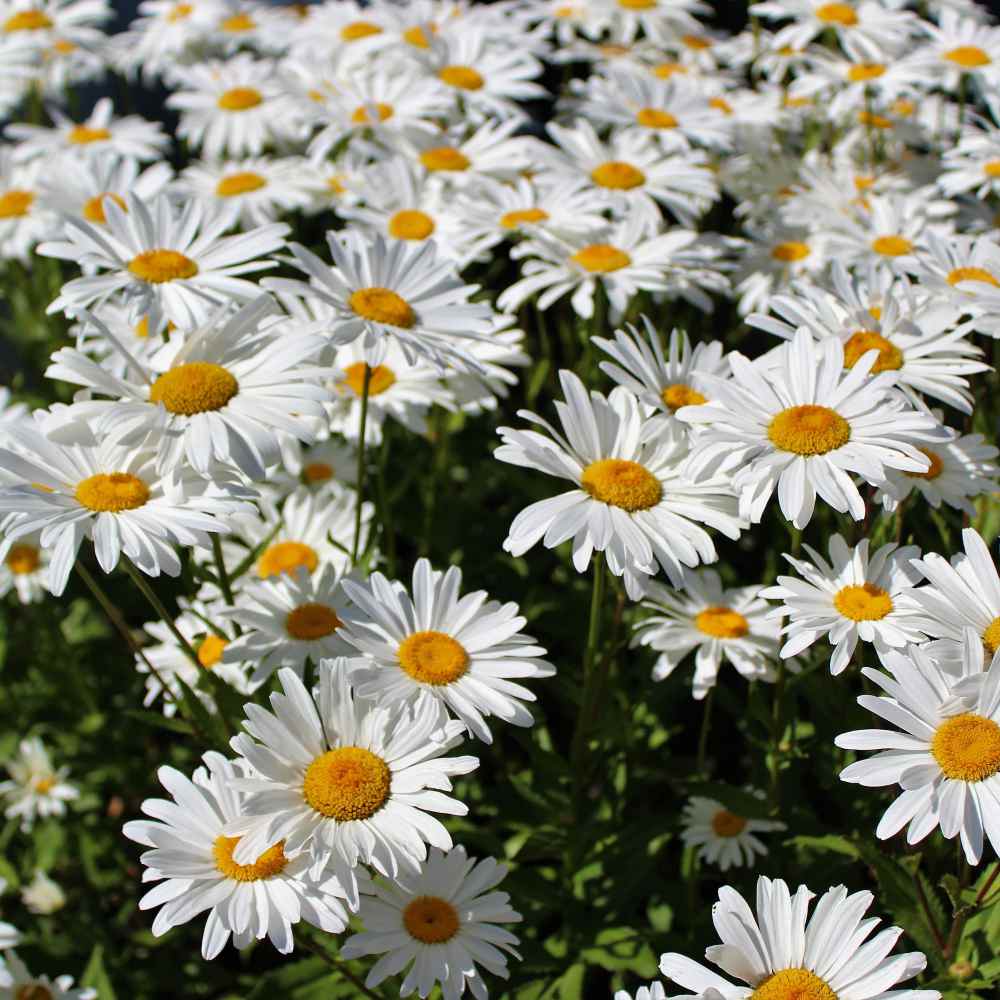
Botanical Name: Chrysanthemum maximum (syn. Leucanthemum × superbum)
Plant Type: Hardy perennial
Height: 24–36 inches
Spread: 18–24 inches
Flower Color: Pure white with golden-yellow centers
Bloom Season: Early summer through late summer
Sun Requirements: Full sun
Soil Requirements: Fertile, well-drained soil
Water Needs: Moderate; drought tolerant once established
Hardiness: USDA Zones 4–9
Bee Attraction: Excellent
Butterfly Attraction: Excellent
Hummingbird Attraction: Occasional
Shasta Daisy remains one of the world's most beloved perennial flowers, combining months of brilliant white blooms with exceptional garden performance and outstanding pollinator value. Its classic daisy blossoms attract bees and butterflies throughout the summer while providing beautiful cut flowers, making Chrysanthemum maximum an essential addition to pollinator gardens, perennial borders, and cottage landscapes.
Botanical Name: Dianthus caryophyllus 'Miss Aroma'
Plant Type: Tender perennial (often grown as an annual)
Height: 10–16 inches
Spread: 10–14 inches
Flower Color: Mixed shades of pink, rose, crimson, lavender, and white
Bloom Season: Late spring through summer
Sun Requirements: Full sun
Soil Requirements: Well-drained, fertile soil
Water Needs: Moderate; prefers evenly moist soil without becoming waterlogged
Hardiness: USDA Zones 6–9
Bee Attraction: Excellent
Butterfly Attraction: Excellent
Hummingbird Attraction: Good
Miss Aroma lives up to its name by combining an abundance of colorful, intensely fragrant blooms with excellent pollinator value. Its compact growth, extended flowering season, and remarkable ability to attract bees, butterflies, and hummingbirds make Dianthus caryophyllus 'Miss Aroma' an outstanding choice for pollinator gardens, containers, borders, and fragrant cottage landscapes.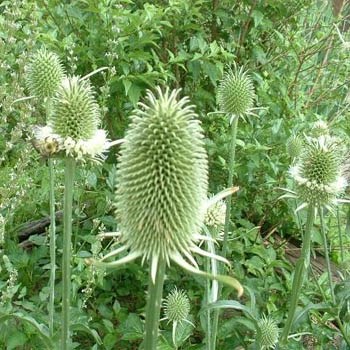
Botanical Name: Dipsacus sativus
Plant Type: Biennial
Height: 4–7 feet
Spread: 18–30 inches
Flower Color: Lavender to pale purple
Bloom Season: Midsummer through early fall
Sun Requirements: Full sun
Soil Requirements: Well-drained soil; adaptable to sandy, clay, rocky, and average soils
Water Needs: Low to moderate; drought tolerant once established
Hardiness: USDA Zones 3–9
Bee Attraction: Outstanding
Butterfly Attraction: Excellent
Hummingbird Attraction: Good
Teasel is one of the most distinctive plants for wildlife gardens, combining unusual architectural beauty with exceptional ecological value. Its long-lasting lavender flower heads attract bees, butterflies, hummingbirds, and countless beneficial insects throughout summer, while the persistent seed heads provide an important winter food source for goldfinches and other songbirds. Dipsacus sativus is an outstanding addition to pollinator gardens, prairie landscapes, and naturalized wildlife habitats.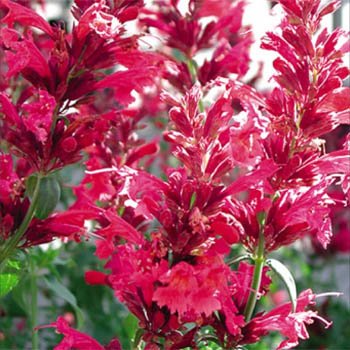
Botanical Name: Agastache cana
Plant Type: Hardy perennial
Height: 24–36 inches
Spread: 18–24 inches
Flower Color: Rosy pink to lavender
Bloom Season: Midsummer until frost
Sun Requirements: Full sun
Soil Requirements: Well-drained soil; thrives in sandy, rocky, and average garden soils
Water Needs: Low once established; highly drought tolerant
Hardiness: USDA Zones 5–9
Bee Attraction: Outstanding
Butterfly Attraction: Excellent
Hummingbird Attraction: Outstanding
Mosquito Plant is one of the finest hummingbird plants for hot, sunny gardens, combining fragrant foliage with months of nectar-rich blooms that keep pollinators coming from summer until frost. Its exceptional drought tolerance, aromatic leaves, and remarkable ability to attract hummingbirds, butterflies, and bees make Agastache cana an outstanding choice for pollinator gardens, xeriscapes, perennial borders, and wildlife-friendly landscapes.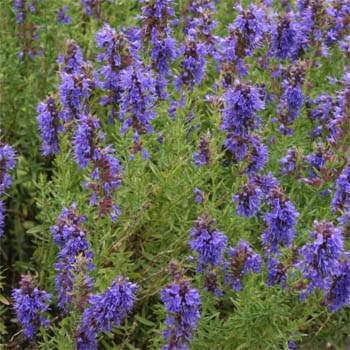
Botanical Name: Hyssopus officinalis
Plant Type: Hardy perennial herb
Height: 18–30 inches
Spread: 12–24 inches
Flower Color: Violet-blue (occasionally pink or white forms)
Bloom Season: Early summer through early fall
Sun Requirements: Full sun
Soil Requirements: Well-drained soil; thrives in sandy, rocky, and average garden soils
Water Needs: Low to moderate; drought tolerant once established
Hardiness: USDA Zones 4–9
Bee Attraction: Outstanding
Butterfly Attraction: Excellent
Hummingbird Attraction: Excellent
Hyssop has been cultivated for centuries as one of the finest herbs for both gardeners and beekeepers. Its fragrant foliage, months of brilliant blue flower spikes, and exceptional nectar production make Hyssopus officinalis one of the very best plants for attracting bees, butterflies, hummingbirds, and other beneficial pollinators while adding timeless beauty to herb gardens and wildlife-friendly landscapes.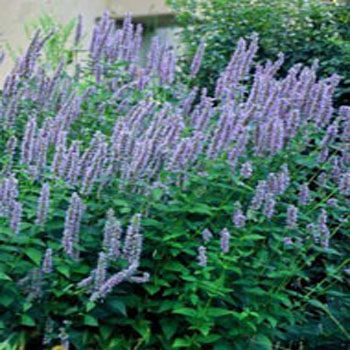
Botanical Name: Agastache foeniculum
Plant Type: Hardy perennial herb
Height: 24–48 inches
Spread: 18–24 inches
Flower Color: Lavender-blue
Bloom Season: Midsummer through early fall
Sun Requirements: Full sun
Soil Requirements: Well-drained soil; adaptable to sandy, rocky, and average garden soils
Water Needs: Low to moderate; drought tolerant once established
Hardiness: USDA Zones 4–9
Bee Attraction: Outstanding
Butterfly Attraction: Outstanding
Hummingbird Attraction: Outstanding
Lavender Hyssop is widely recognized as one of the very best perennial flowers for supporting pollinators, producing months of fragrant lavender blooms that attract an incredible diversity of bees, butterflies, and hummingbirds. Its aromatic foliage, exceptional drought tolerance, and outstanding nectar production make Agastache foeniculum an indispensable addition to pollinator gardens, herb gardens, prairie landscapes, and wildlife-friendly plantings.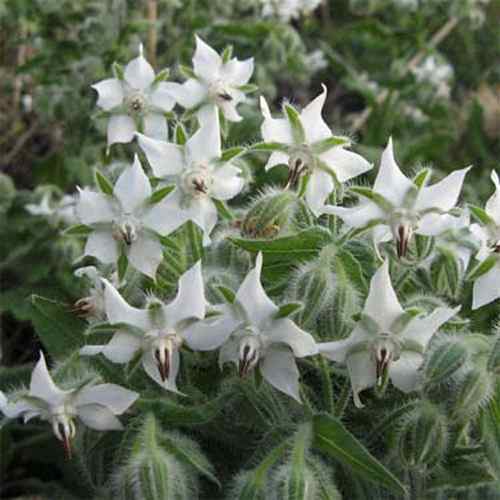
Botanical Name: Borago officinalis
Plant Type: Annual herb
Height: 24–36 inches
Spread: 18–24 inches
Flower Color: Brilliant sky blue (occasionally pink in bud)
Bloom Season: Late spring until frost
Sun Requirements: Full sun to partial shade
Soil Requirements: Well-drained soil; adaptable to most garden soils
Water Needs: Moderate; drought tolerant once established
Hardiness: Grown as an annual
Bee Attraction: Outstanding
Butterfly Attraction: Excellent
Hummingbird Attraction: Excellent
Borage has earned its reputation as one of the finest pollinator plants ever grown, producing an endless supply of nectar-rich blue flowers that keep bees, butterflies, and hummingbirds visiting all season long. Its remarkable nectar production, edible blossoms, and outstanding companion planting qualities make Borago officinalis an essential addition to pollinator gardens, herb gardens, vegetable gardens, and wildlife-friendly landscapes.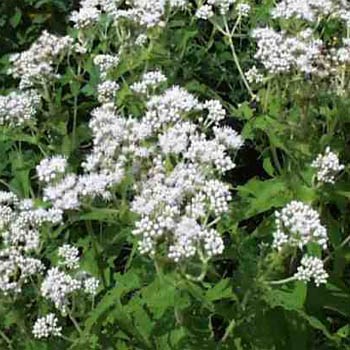
Botanical Name: Eupatorium perfoliatum
Plant Type: Hardy native perennial
Height: 3–5 feet
Spread: 2–3 feet
Flower Color: Pure white
Bloom Season: Midsummer through early fall
Sun Requirements: Full sun to partial shade
Soil Requirements: Moist, fertile, well-drained soil; tolerates wet conditions
Water Needs: Moderate to high; prefers consistently moist soil
Hardiness: USDA Zones 3–8
Bee Attraction: Outstanding
Butterfly Attraction: Outstanding
Hummingbird Attraction: Good
Boneset is one of North America's premier native pollinator plants, providing abundant late-season nectar when butterflies and bees need it most. Its large white flower clusters, dependable garden performance, and extraordinary ability to attract monarchs, native bees, and countless beneficial insects make Eupatorium perfoliatum an indispensable addition to pollinator gardens, rain gardens, and wildlife-friendly native landscapes.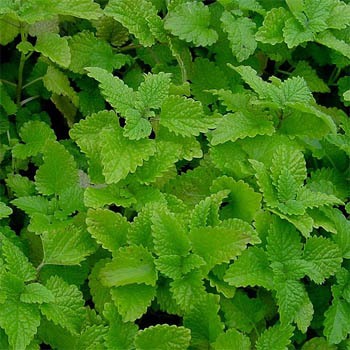
Botanical Name: Melissa officinalis
Plant Type: Hardy perennial herb
Height: 18–36 inches
Spread: 18–24 inches
Flower Color: Creamy white to pale yellow-white
Bloom Season: Early summer through late summer
Sun Requirements: Full sun to partial shade
Soil Requirements: Fertile, well-drained soil
Water Needs: Moderate; drought tolerant once established
Hardiness: USDA Zones 4–9
Bee Attraction: Outstanding
Butterfly Attraction: Excellent
Hummingbird Attraction: Good
Lemon Balm has been prized by gardeners and beekeepers for centuries as one of the finest plants for attracting honeybees. Its fragrant lemon-scented foliage, abundant nectar-rich blossoms, and exceptional pollinator value make Melissa officinalis an outstanding addition to herb gardens, pollinator plantings, cottage landscapes, and wildlife-friendly gardens where beauty, fragrance, and ecological benefits come together.
Botanical Name: Medicago sativa
Plant Type: Hardy perennial
Height: 24–36 inches
Spread: 18–24 inches
Flower Color: Violet to lavender-purple
Bloom Season: Late spring through summer
Sun Requirements: Full sun
Soil Requirements: Well-drained, fertile soil; prefers neutral to slightly alkaline soils
Water Needs: Moderate; highly drought tolerant once established
Hardiness: USDA Zones 3–9
Bee Attraction: Outstanding
Butterfly Attraction: Excellent
Hummingbird Attraction: Good
Medico Alfalfa is one of the world's most important pollinator-friendly forage plants, combining exceptional nectar production with valuable soil-building properties. Its long flowering season supports honeybees, native bees, butterflies, and countless beneficial insects while naturally enriching the soil through nitrogen fixation, making Medicago sativa an outstanding choice for pollinator meadows, orchards, wildlife habitats, and sustainable landscapes.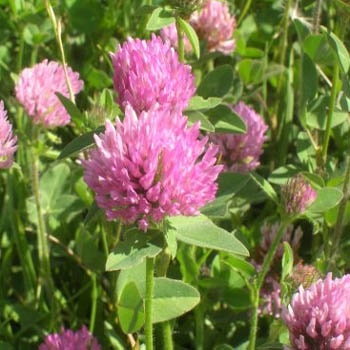
Botanical Name: Trifolium pratense
Plant Type: Hardy perennial legume
Height: 12–24 inches
Spread: 12–18 inches
Flower Color: Rosy pink to crimson
Bloom Season: Late spring through early fall
Sun Requirements: Full sun to partial shade
Soil Requirements: Well-drained soil; adaptable to most soil types
Water Needs: Moderate; drought tolerant once established
Hardiness: USDA Zones 3–9
Bee Attraction: Outstanding
Butterfly Attraction: Excellent
Hummingbird Attraction: Good
Red Clover has long been recognized as one of the premier plants for supporting honeybees and native pollinators while naturally improving soil fertility through nitrogen fixation. Its extended bloom season, exceptional nectar production, and remarkable ecological value make Trifolium pratense an indispensable choice for pollinator gardens, wildlife meadows, orchards, pasture plantings, and regenerative landscapes.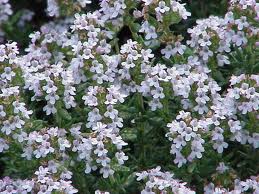
Botanical Name: Thymus vulgaris
Plant Type: Evergreen perennial herb
Height: 6–12 inches
Spread: 12–18 inches
Flower Color: Lavender-pink to pale purple
Bloom Season: Late spring through midsummer
Sun Requirements: Full sun
Soil Requirements: Well-drained soil; thrives in sandy, rocky, and average garden soils
Water Needs: Low once established; highly drought tolerant
Hardiness: USDA Zones 5–9
Bee Attraction: Outstanding
Butterfly Attraction: Excellent
Hummingbird Attraction: Good
English Thyme has earned a reputation as one of the finest herbs for supporting pollinators while serving as an indispensable culinary plant. Its fragrant evergreen foliage, abundant nectar-rich blossoms, and exceptional drought tolerance make Thymus vulgaris an outstanding addition to herb gardens, pollinator plantings, rock gardens, and wildlife-friendly landscapes where both people and pollinators benefit.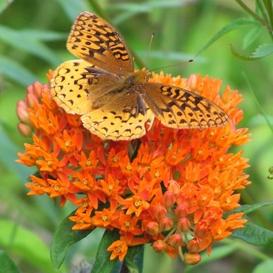
Botanical Name: Asclepias tuberosa
Plant Type: Hardy native perennial
Height: 18–30 inches
Spread: 18–24 inches
Flower Color: Brilliant orange
Bloom Season: Early summer through late summer
Sun Requirements: Full sun
Soil Requirements: Well-drained soil; thrives in sandy, rocky, and poor soils
Water Needs: Very low once established; highly drought tolerant
Hardiness: USDA Zones 3–9
Bee Attraction: Outstanding
Butterfly Attraction: Outstanding (Monarch host plant)
Hummingbird Attraction: Excellent
Orange Butterfly Milkweed is one of the single most important native plants for supporting Monarch butterflies and other pollinators. Its brilliant orange flower clusters, remarkable drought tolerance, and dual role as both a nectar source and caterpillar host plant make Asclepias tuberosa an essential addition to pollinator gardens, prairie restorations, native landscapes, and wildlife habitats dedicated to preserving butterfly populations.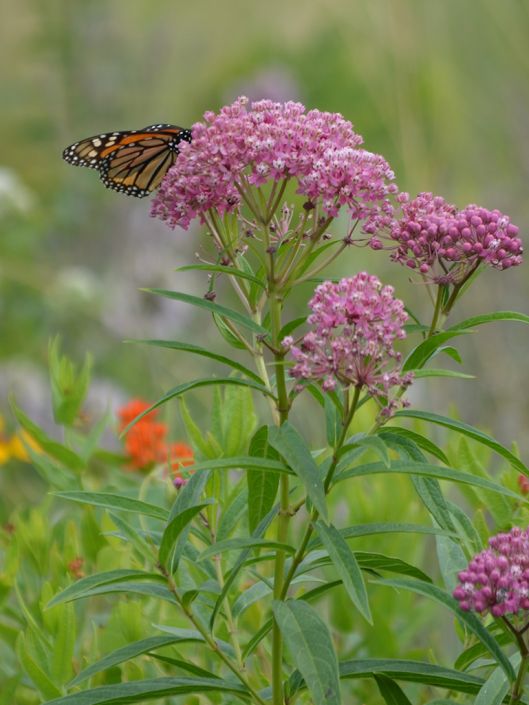
Botanical Name: Asclepias incarnata
Plant Type: Hardy native perennial
Height: 36–60 inches
Spread: 24–36 inches
Flower Color: Rose pink
Bloom Season: Early summer through late summer
Sun Requirements: Full sun to partial shade
Soil Requirements: Moist, fertile, well-drained soil; tolerates wet conditions
Water Needs: Moderate to high; prefers consistently moist soil
Hardiness: USDA Zones 3–9
Bee Attraction: Outstanding
Butterfly Attraction: Outstanding (Monarch host plant)
Hummingbird Attraction: Excellent
Rose Butterfly Plant is one of North America's premier native pollinator plants, combining beautiful fragrant pink flower clusters with exceptional ecological importance. As both a rich nectar source and an essential Monarch caterpillar host plant, Asclepias incarnata is an indispensable addition to pollinator gardens, rain gardens, native landscapes, and wildlife habitats dedicated to supporting butterflies, bees, and hummingbirds.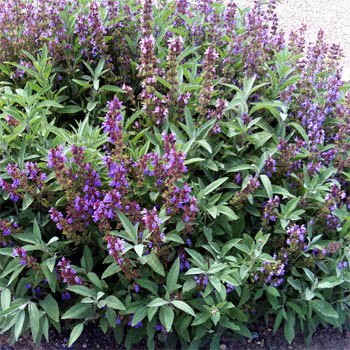
Botanical Name: Salvia officinalis
Plant Type: Evergreen perennial herb
Height: 18–30 inches
Spread: 18–24 inches
Flower Color: Lavender-blue to violet
Bloom Season: Late spring through early summer
Sun Requirements: Full sun
Soil Requirements: Well-drained soil; thrives in sandy, rocky, and average garden soils
Water Needs: Low to moderate; highly drought tolerant once established
Hardiness: USDA Zones 4–8
Bee Attraction: Outstanding
Butterfly Attraction: Excellent
Hummingbird Attraction: Excellent
Sage has earned its reputation as one of the world's finest culinary herbs while also serving as an exceptional pollinator plant. Its fragrant evergreen foliage, beautiful lavender flower spikes, and abundant nectar make Salvia officinalis a favorite of bees, butterflies, and hummingbirds. Whether planted in herb gardens, pollinator borders, or water-wise landscapes, Sage offers outstanding beauty, usefulness, and ecological value year after year.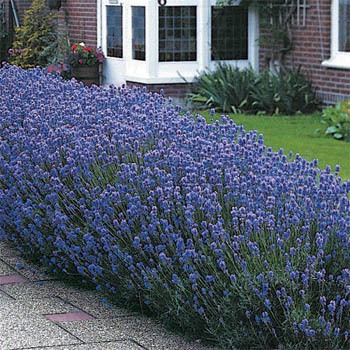
Botanical Name: Lavandula angustifolia 'Munstead'
Plant Type: Evergreen perennial herb
Height: 12–18 inches
Spread: 18–24 inches
Flower Color: Lavender-blue
Bloom Season: Late spring through midsummer
Sun Requirements: Full sun
Soil Requirements: Well-drained soil; thrives in sandy, rocky, and alkaline soils
Water Needs: Low once established; highly drought tolerant
Hardiness: USDA Zones 5–9
Bee Attraction: Outstanding
Butterfly Attraction: Outstanding
Hummingbird Attraction: Excellent
Munstead Lavender is one of the world's premier pollinator plants, combining intensely fragrant foliage with months of nectar-rich blooms that attract bees, butterflies, and hummingbirds in remarkable numbers. Its compact growth, exceptional hardiness, and outstanding drought tolerance make Lavandula angustifolia 'Munstead' an indispensable addition to herb gardens, pollinator borders, cottage landscapes, and water-wise gardens.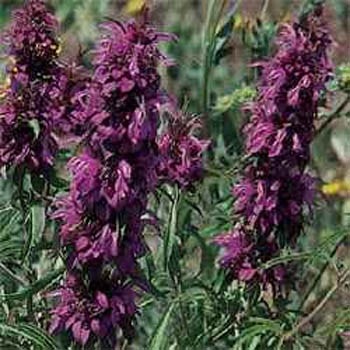
Botanical Name: Monarda citriodora
Plant Type: Native annual
Height: 18–36 inches
Spread: 12–18 inches
Flower Color: Lavender-pink to purple
Bloom Season: Early summer through late summer
Sun Requirements: Full sun
Soil Requirements: Well-drained soil; thrives in sandy, rocky, and average garden soils
Water Needs: Low to moderate; drought tolerant once established
Hardiness: Grown as an annual
Bee Attraction: Outstanding
Butterfly Attraction: Outstanding
Hummingbird Attraction: Excellent
Lemon Mint is one of North America's finest native pollinator plants, combining fragrant lemon-scented foliage with beautiful lavender flower clusters that attract bees, butterflies, and hummingbirds in remarkable numbers. Its outstanding drought tolerance, long bloom period, and exceptional wildlife value make Monarda citriodora an outstanding choice for pollinator gardens, native meadows, herb gardens, and water-wise landscapes.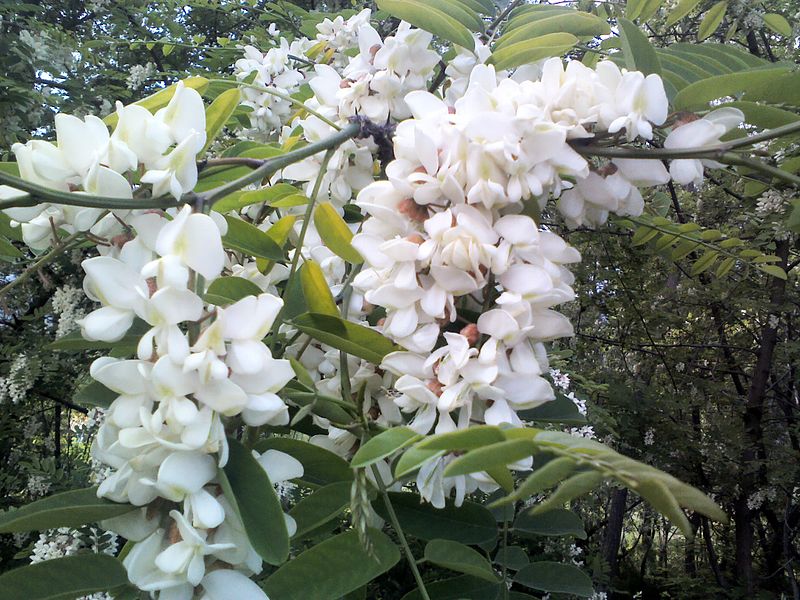
Botanical Name: Robinia pseudoacacia
Plant Type: Deciduous flowering tree
Height: 40–80 feet
Spread: 25–40 feet
Flower Color: Fragrant white
Bloom Season: Late spring
Sun Requirements: Full sun
Soil Requirements: Well-drained soil; adaptable to sandy, rocky, clay, and poor soils
Water Needs: Low to moderate; highly drought tolerant once established
Hardiness: USDA Zones 4–8
Bee Attraction: Outstanding
Butterfly Attraction: Excellent
Hummingbird Attraction: Excellent
Black Locust has earned a worldwide reputation as one of the premier honey-producing trees, prized by beekeepers for its abundant nectar and beautifully fragrant spring blossoms. Its exceptional pollinator value, rapid growth, nitrogen-fixing ability, and graceful flowering habit make Robinia pseudoacacia an outstanding choice for pollinator gardens, wildlife habitats, conservation plantings, and large landscape settings.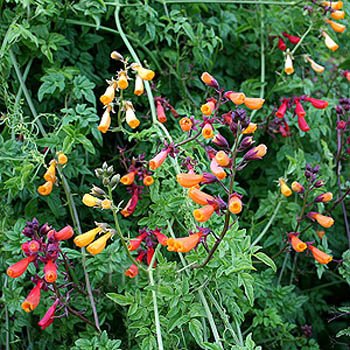
Botanical Name: Eccremocarpus scaber 'Tresco Mix'
Plant Type: Tender perennial vine (commonly grown as an annual)
Height: 10–15 feet
Spread: 3–6 feet
Flower Color: Mixed shades of orange, scarlet, crimson, and golden yellow
Bloom Season: Midsummer until frost
Sun Requirements: Full sun to partial shade
Soil Requirements: Fertile, well-drained soil
Water Needs: Moderate; prefers evenly moist soil
Hardiness: USDA Zones 9–11 (grown as an annual elsewhere)
Bee Attraction: Excellent
Butterfly Attraction: Excellent
Hummingbird Attraction: Outstanding
Chilean Glory Vine is one of the most spectacular flowering vines for attracting hummingbirds, producing months of brilliantly colored trumpet-shaped blossoms that remain alive with pollinator activity. Its graceful fern-like foliage, rapid climbing habit, and exceptional nectar production make Eccremocarpus scaber 'Tresco Mix' an outstanding choice for pollinator gardens, trellises, arbors, and colorful vertical landscapes.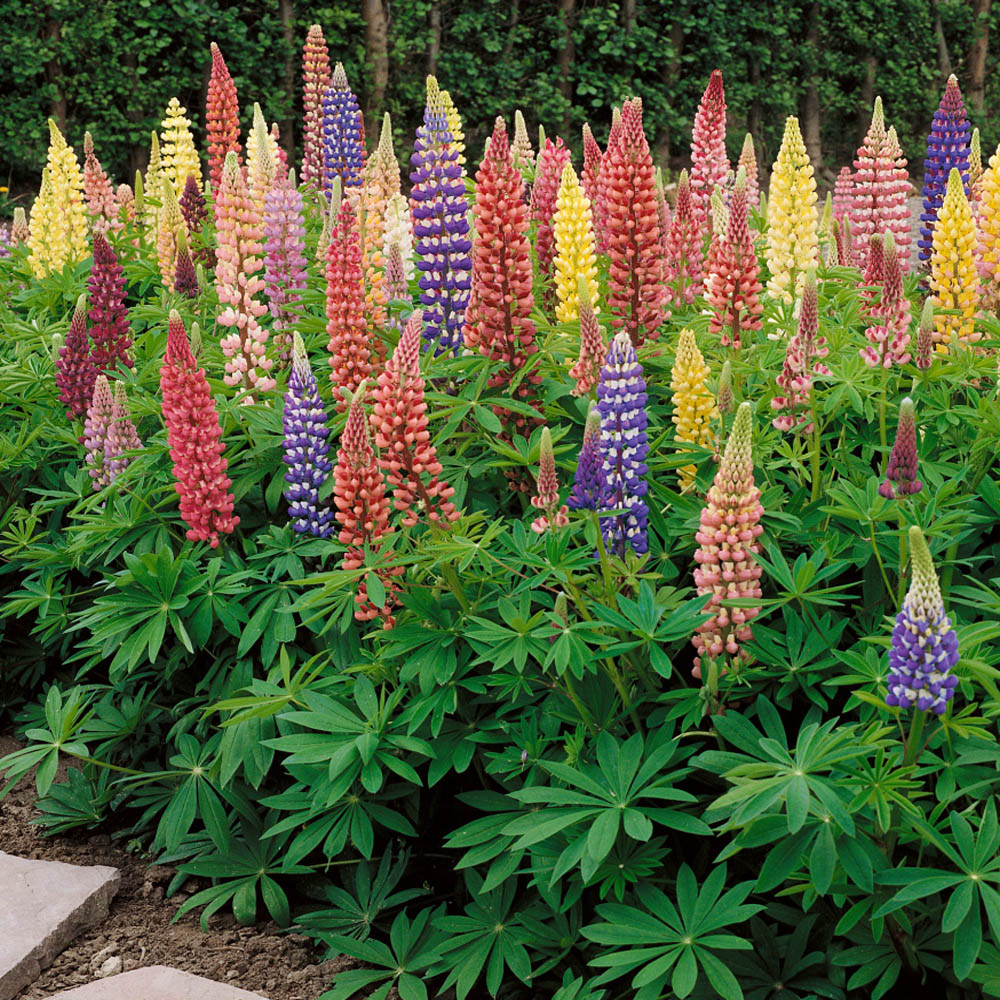
Botanical Name: Lupinus polyphyllus 'Russells Mix'
Plant Type: Hardy perennial
Height: 30–48 inches
Spread: 18–24 inches
Flower Color: Mixed shades of blue, purple, violet, pink, rose, red, yellow, cream, and white
Bloom Season: Late spring through early summer
Sun Requirements: Full sun to partial shade
Soil Requirements: Fertile, well-drained soil
Water Needs: Moderate; prefers evenly moist soil
Hardiness: USDA Zones 4–8
Bee Attraction: Outstanding
Butterfly Attraction: Excellent
Hummingbird Attraction: Excellent
Russells Mix is the gold standard of perennial lupines, combining towering rainbow-colored flower spikes with exceptional pollinator value and natural nitrogen-fixing ability. Its magnificent blooms attract bees, butterflies, and hummingbirds in abundance, making Lupinus polyphyllus 'Russells Mix' an outstanding centerpiece for pollinator gardens, cottage landscapes, perennial borders, and native-style plantings.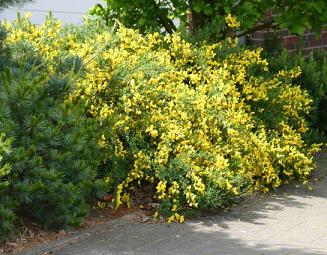
Botanical Name: Cytisus spp.
Plant Type: Deciduous flowering shrub
Height: 5–8 feet
Spread: 4–6 feet
Flower Color: Mixed shades of yellow, crimson, orange, rose, and scarlet
Bloom Season: Late spring through early summer
Sun Requirements: Full sun
Soil Requirements: Well-drained soil; thrives in sandy, rocky, and poor soils
Water Needs: Low once established; highly drought tolerant
Hardiness: USDA Zones 5–8
Bee Attraction: Outstanding
Butterfly Attraction: Excellent
Hummingbird Attraction: Good
Scotch Gypsy Broom is one of the finest flowering shrubs for sunny, dry landscapes, producing masses of brilliantly colored blossoms that attract bees, butterflies, and other beneficial pollinators each spring. Its exceptional drought tolerance, nitrogen-fixing ability, and vibrant floral display make Cytisus an excellent choice for pollinator gardens, cottage landscapes, wildlife plantings, and low-maintenance xeriscapes.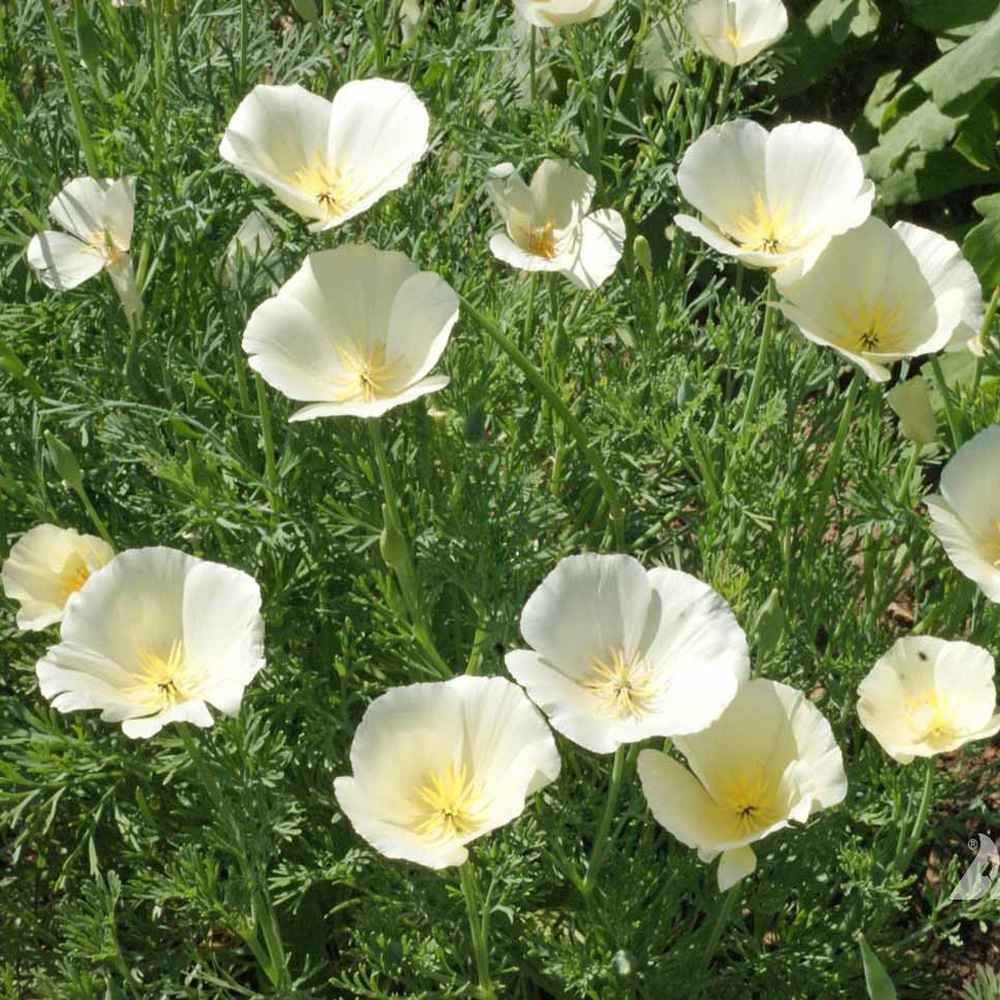
Botanical Name: Eschscholzia californica 'White Linen'
Plant Type: Annual (short-lived perennial in mild climates)
Height: 12–18 inches
Spread: 10–15 inches
Flower Color: Pure white
Bloom Season: Late spring until frost
Sun Requirements: Full sun
Soil Requirements: Well-drained soil; thrives in sandy, rocky, and poor soils
Water Needs: Low once established; highly drought tolerant
Hardiness: USDA Zones 8–10 as a perennial; grown as an annual elsewhere
Bee Attraction: Excellent
Butterfly Attraction: Excellent
Hummingbird Attraction: Occasional
White Linen offers a graceful twist on the classic California Poppy, replacing the traditional golden blooms with elegant, silky-white flowers that brighten the garden for months. Its outstanding drought tolerance, effortless performance, and continual attraction of bees and butterflies make Eschscholzia californica 'White Linen' an excellent choice for pollinator gardens, wildflower meadows, rock gardens, and water-wise landscapes.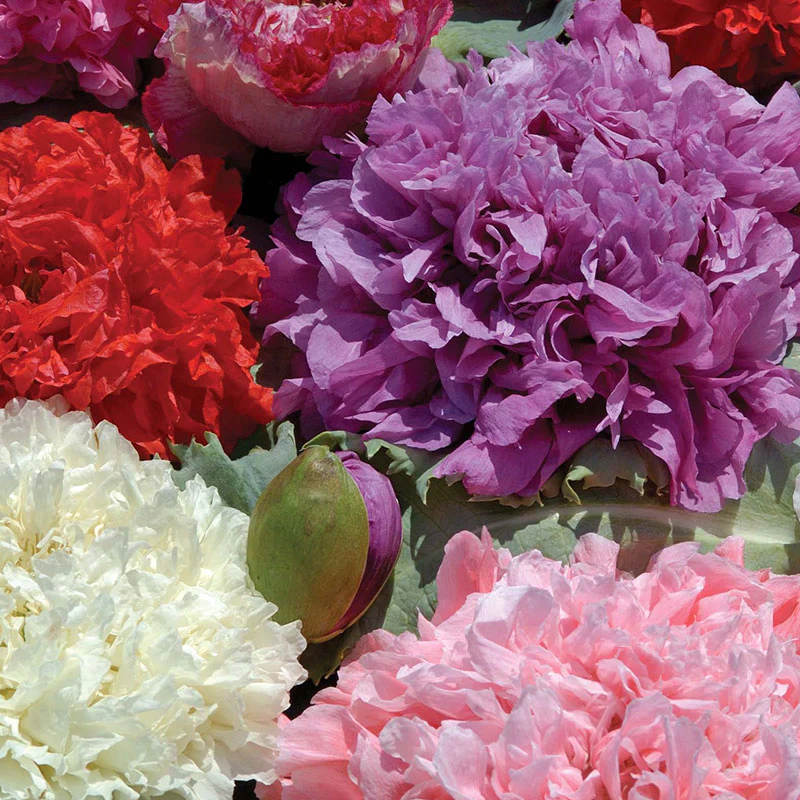
Botanical Name: Papaver somniferum 'Double Mix'
Plant Type: Annual
Height: 30–42 inches
Spread: 12–18 inches
Flower Color: Mixed shades of scarlet, pink, rose, lavender, purple, salmon, and white
Bloom Season: Late spring through early summer
Sun Requirements: Full sun
Soil Requirements: Well-drained soil; thrives in sandy, rocky, and average garden soils
Water Needs: Low to moderate; drought tolerant once established
Hardiness: Grown as an annual
Bee Attraction: Very Good
Butterfly Attraction: Excellent
Hummingbird Attraction: Occasional
Double Mix Poppy combines the timeless beauty of heirloom peony-flowered poppies with valuable pollinator appeal, producing a stunning display of large, ruffled blooms in a rainbow of vibrant colors. Its graceful flowers, decorative seed pods, and dependable attraction of bees and butterflies make Papaver somniferum 'Double Mix' an outstanding addition to cottage gardens, pollinator plantings, and colorful spring landscapes.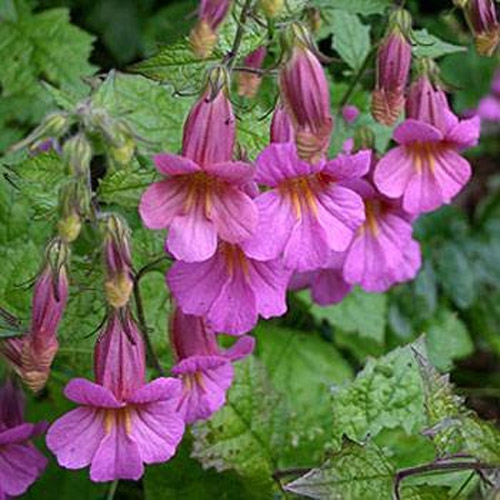
Botanical Name: Rehmannia elata
Plant Type: Hardy perennial
Height: 24–36 inches
Spread: 18–24 inches
Flower Color: Rose-pink with yellow, speckled throats
Bloom Season: Late spring through midsummer
Sun Requirements: Full sun to partial shade
Soil Requirements: Fertile, well-drained soil; prefers evenly moist conditions
Water Needs: Moderate; consistent moisture preferred
Hardiness: USDA Zones 7–10
Bee Attraction: Excellent
Butterfly Attraction: Excellent
Hummingbird Attraction: Outstanding
Chinese Foxglove offers the elegance of traditional foxgloves with a longer blooming season and beautiful orchid-like blossoms that hummingbirds simply adore. Its graceful flower spikes, dependable perennial habit, and exceptional attraction to bees, butterflies, and hummingbirds make Rehmannia elata an outstanding choice for pollinator gardens, cottage landscapes, woodland borders, and shaded perennial plantings.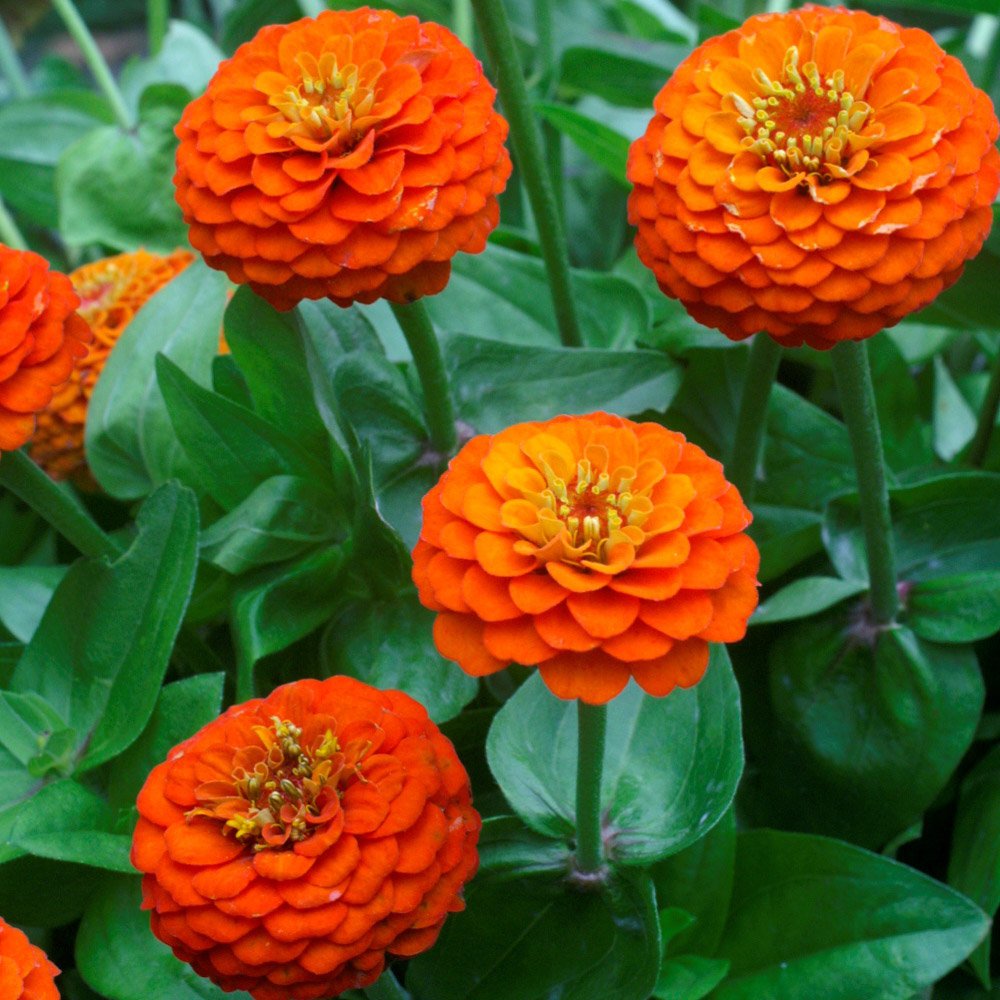
Botanical Name: Zinnia elegans 'Lilliput Orange'
Plant Type: Annual
Height: 18–24 inches
Spread: 12–18 inches
Flower Color: Brilliant orange
Bloom Season: Early summer until frost
Sun Requirements: Full sun
Soil Requirements: Well-drained soil; adaptable to most garden soils
Water Needs: Moderate; drought tolerant once established
Hardiness: Grown as an annual
Bee Attraction: Excellent
Butterfly Attraction: Outstanding
Hummingbird Attraction: Excellent
Lilliput Orange is one of the finest compact zinnias for attracting butterflies while delivering months of brilliant orange blooms. Its perfectly double pompon flowers, outstanding heat tolerance, and exceptional pollinator appeal make Zinnia elegans 'Lilliput Orange' an excellent choice for pollinator gardens, borders, containers, cutting gardens, and colorful summer landscapes.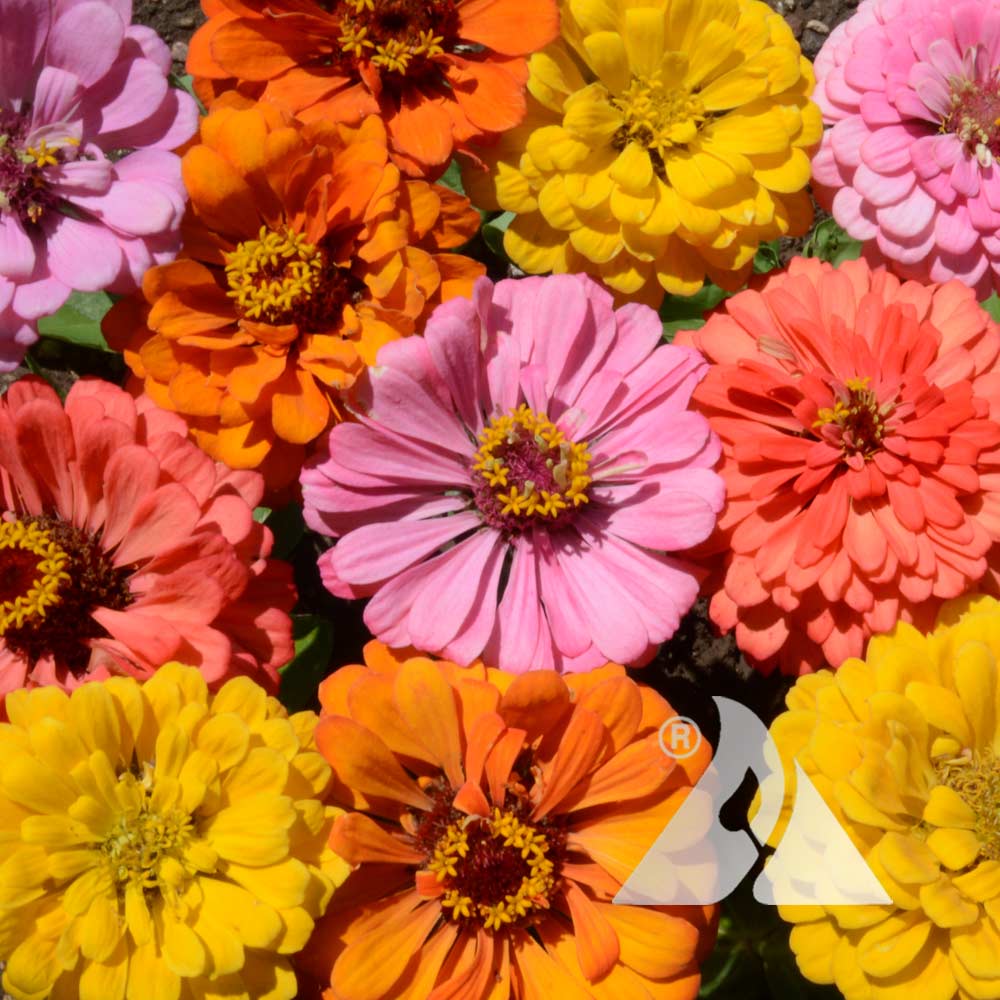
Botanical Name: Zinnia elegans 'Peach Cobbler Mix'
Plant Type: Annual
Height: 24–36 inches
Spread: 18–24 inches
Flower Color: Mixed shades of peach, apricot, salmon, coral, cream, golden yellow, and soft orange
Bloom Season: Early summer until frost
Sun Requirements: Full sun
Soil Requirements: Well-drained soil; adaptable to most garden soils
Water Needs: Moderate; drought tolerant once established
Hardiness: Grown as an annual
Bee Attraction: Excellent
Butterfly Attraction: Outstanding
Hummingbird Attraction: Excellent
Peach Cobbler Zinnia Mix combines warm, inviting colors with nonstop flowering and exceptional pollinator appeal. Its beautiful pastel blooms attract butterflies, bees, and hummingbirds from early summer until frost while producing outstanding cut flowers for the home. Zinnia elegans 'Peach Cobbler Mix' is an excellent choice for pollinator gardens, cottage landscapes, cutting gardens, and vibrant summer displays filled with wildlife activity.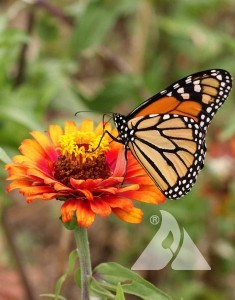
When the females cannot find suitable habitat to lay eggs, the life cycle is interrupted and the overall population decreases. While scientists have been aware for several years of the Monarch butterfly's life threatening situation and possible extinction, promoting public, government and industry awareness of the plight of this beautiful insect is probably the only thing that can lead to saving it.
2 ounce package of seeds will cover 300 square ft.
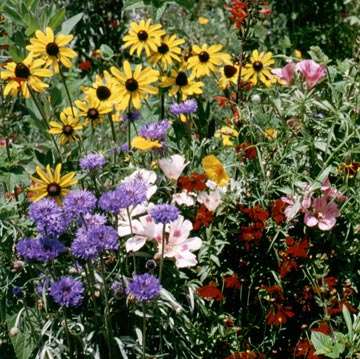
18g package of seeds will cover 100 square ft.

Serving gardeners since 1992
State of Mississippi Seedmen's Permit #C-391, Ohio 90152, Minnesota 20086777

_(46767396191).jpg)