
Seeds for a Bible Garden
Welcome to the Seedman Bible Garden
"Consider the lilies of the field, how they grow..." — Matthew 6:28
For thousands of years, the plants of the Bible have nourished families, clothed nations, built temples, healed the sick, flavored daily meals, and inspired some of history's greatest stories of faith. Long before modern cities, people depended upon vineyards for wine, olive groves for food and light, flax fields for linen, cedar forests for magnificent buildings, and humble herbs for both cooking and ceremony. The landscapes of Scripture were living gardens where every tree, flower, grain, and herb played a role in everyday life.
The Seedman Bible Garden invites you to rediscover these remarkable plants through the eyes of history, archaeology, botany, and Scripture. Each variety in this collection has been carefully researched to represent plants that were either directly mentioned in the Bible or are widely accepted by Biblical scholars as historically accurate representatives of those ancient species. Whenever scholarly debate exists regarding the exact identity of a plant, we explain the evidence honestly while selecting the species most commonly recognized in Bible Gardens throughout the world.
Whether your goal is to create an educational Bible Garden, enhance church grounds, build a historical collection, or simply grow plants that have inspired people for thousands of years, we hope these pages help you experience Scripture in an entirely new way.
Growing these plants is more than gardening—it is planting living history.
Our Philosophy
Unlike many Bible plant collections, our goal is not simply to assemble the longest possible list. Instead, each selection has been chosen with care so the collection remains useful, historically honest, and rewarding for modern gardeners.
- Scripture — Plants directly mentioned in the Bible whenever possible.
- History — Species known to have grown or been cultivated throughout the ancient Near East during Biblical times.
- Botanical Scholarship — Modern research used whenever the identity of an ancient plant is debated.
- Garden Merit — Beautiful, rewarding plants that modern gardeners can successfully grow.
When certainty is impossible—as with Biblical Hyssop or the Acacia of the Tabernacle—we explain the historical discussion while offering the representative species most widely accepted by Biblical scholars and traditional Bible Gardens. Our hope is that every plant in this collection earns its place through both historical significance and horticultural excellence.
Collection Highlights
- Trees of Scripture: Olive, Cedar of Lebanon, Date Palm, Common Fig, Carob, and Biblical Acacias.
- Herbs of the Household Garden: Hyssop, Dill, Cumin, Rue, and Black Mustard.
- Ancient Crops: Flax and other useful plants that clothed, fed, and supported daily life.
- Plants of the Wilderness and Wetlands: Acacias, rushes, and cattails that shaped the landscapes of Exodus, rivers, marshes, and desert travel.
Explore the Bible Garden
Walk among the orchards, vineyards, herb gardens, grain fields, wetlands, and wilderness landscapes of Scripture.
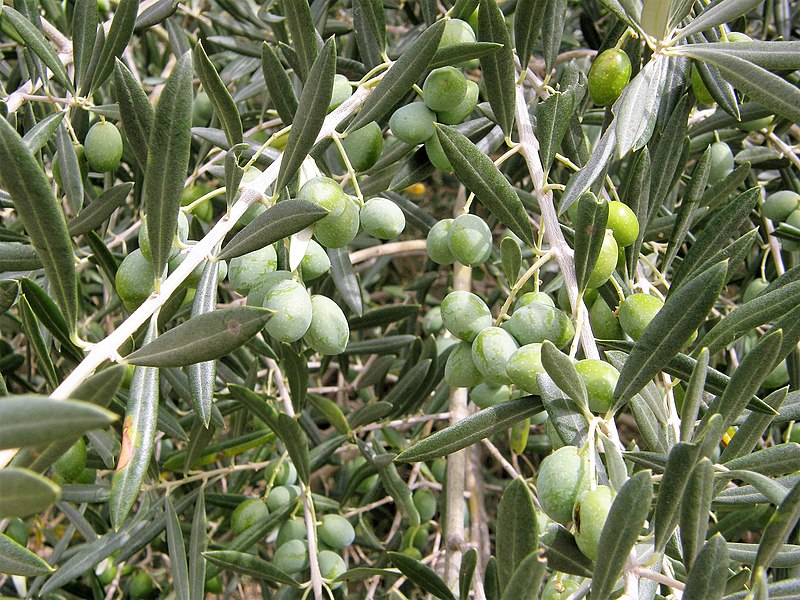

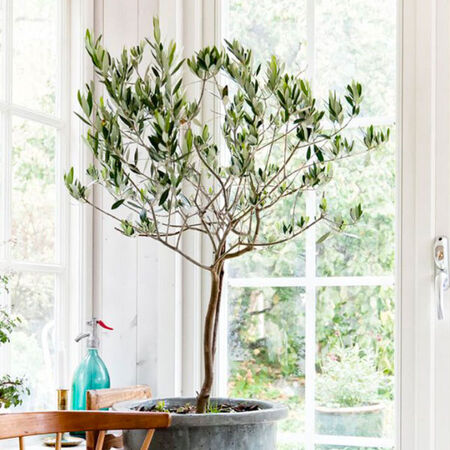

The first olive branch carried a message that changed the world.
As the waters of the Great Flood slowly receded, Noah released a dove from the Ark in search of dry land. When the bird returned carrying a freshly plucked olive leaf, it announced that God's judgment had ended and that new life was beginning (Genesis 8:11). That simple branch became one of history's most enduring symbols of peace, hope, and reconciliation. For thousands of years the Common Olive has represented God's provision, endurance, and blessing, making it one of the most recognizable and meaningful plants found throughout the Bible.
Long before modern nations existed, olive groves covered the hills of ancient Israel and the Mediterranean world. Families patiently cared for trees that would feed generations, often planting groves knowing they might never enjoy their full harvest themselves. Olive oil illuminated the lamps of the Tabernacle and later the Temple, anointed kings and priests, healed wounds, nourished families, and became one of the most valuable commodities in the ancient world. Few plants influenced daily life more completely than the remarkable Olive Tree.
The same characteristics that made the olive indispensable more than three thousand years ago continue to make it one of the world's finest landscape trees today. Its shimmering silver-green evergreen foliage provides year-round beauty while its naturally sculptured trunk becomes increasingly gnarled and picturesque with age, eventually resembling a piece of living artwork. Once established, the Common Olive is remarkably drought tolerant, thrives in poor soils, resists heat with ease, and requires surprisingly little maintenance. Some trees continue producing fruit for many centuries, with ancient specimens still bearing crops after more than a thousand years.
Beyond its remarkable beauty, the Common Olive remains one of the world's most useful trees. The flavorful fruit can be cured for the table or pressed into fresh olive oil, while the antioxidant-rich leaves have long been appreciated for herbal teas. The fragrant spring flowers attract bees and other beneficial pollinators, and the tree's exceptional longevity makes it a gift that often outlives the gardener who plants it. Few trees combine history, symbolism, beauty, sustainability, and usefulness as completely as the timeless Common Olive.
Specifications
- Botanical Name: Olea europaea
- Common Name: Common Olive
- Plant Type: Evergreen fruit tree
- Height: 20–30 feet
- Spread: 15–30 feet
- Growth Rate: Slow to moderate
- Sun Requirements: Full sun
- Soil Preference: Well-drained soil; highly adaptable to rocky and poor soils
- Water Requirements: Low once established; highly drought tolerant
- USDA Zones: 8–10
- Uses: Fruit production, olive oil, ornamental specimen, Mediterranean gardens, Biblical gardens, drought-tolerant landscapes
- Wildlife Value: Flowers attract honeybees and other beneficial pollinators.
Biblical Significance
From Genesis through the New Testament, the Common Olive stands as one of Scripture's most meaningful plants. Olive oil illuminated the sacred lamps of the Tabernacle, anointed priests and kings, accompanied offerings, and symbolized God's blessing and the presence of the Holy Spirit. The Mount of Olives became one of Jesus' favorite places of teaching and prayer, while the Garden of Gethsemane—whose name literally means "oil press"—served as the setting for some of the most profound moments preceding His crucifixion. Throughout Scripture, the olive represents peace, faithfulness, abundance, endurance, and God's covenant with His people.
Selected Bible References
- Genesis 8:11 — Noah's dove returns carrying an olive leaf.
- Exodus 27:20 — Pure olive oil for the Tabernacle lamps.
- Deuteronomy 8:7–8 — Olive trees among the blessings of the Promised Land.
- Deuteronomy 33:24 — "Let him dip his foot in oil."
- Psalm 52:8 — "I am like a green olive tree in the house of God."
- Psalm 128:3 — Children compared to olive plants around the family table.
- Zechariah 4:3 — The vision of the two olive trees.
- Matthew 24:3 — Jesus teaches on the Mount of Olives.
- Luke 22:39–46 — Jesus prays on the Mount of Olives before His arrest.
- Romans 11:17–24 — Paul compares believers to branches grafted into an olive tree.
Life in Biblical Times
Imagine standing on a hillside outside Jerusalem during the autumn olive harvest. Entire families worked beneath ancient trees whose twisted trunks had already witnessed generations of harvests. Woven cloths were spread beneath the branches while ripe olives were carefully gathered by hand before being carried in baskets or on the backs of donkeys to the village oil press. There, massive circular stones slowly crushed the fruit into fragrant olive oil that would light homes and temples, flavor daily meals, heal wounds, anoint leaders, and become one of the region's most valuable trade goods. An olive grove was more than a crop—it was an inheritance passed from one generation to the next.
Did You Know?
Olive trees are among the longest-lived cultivated plants on Earth. Some groves growing today in the Mediterranean are believed to be well over 2,000 years old, and many ancient trees continue producing fruit despite centuries of harvests. Their extraordinary longevity has made the olive a lasting symbol of endurance, faithfulness, and peace throughout history.
Seedman Notes
When you plant a Common Olive, you are planting far more than a beautiful evergreen tree—you are continuing a tradition that stretches back thousands of years. The same tree that nourished ancient civilizations, illuminated the Temple, and became one of Scripture's greatest symbols of peace can now become part of your own landscape. Whether grown for its delicious fruit, shimmering foliage, remarkable drought tolerance, or deep Biblical significance, the Common Olive remains one of the most meaningful and rewarding trees any gardener can cultivate.
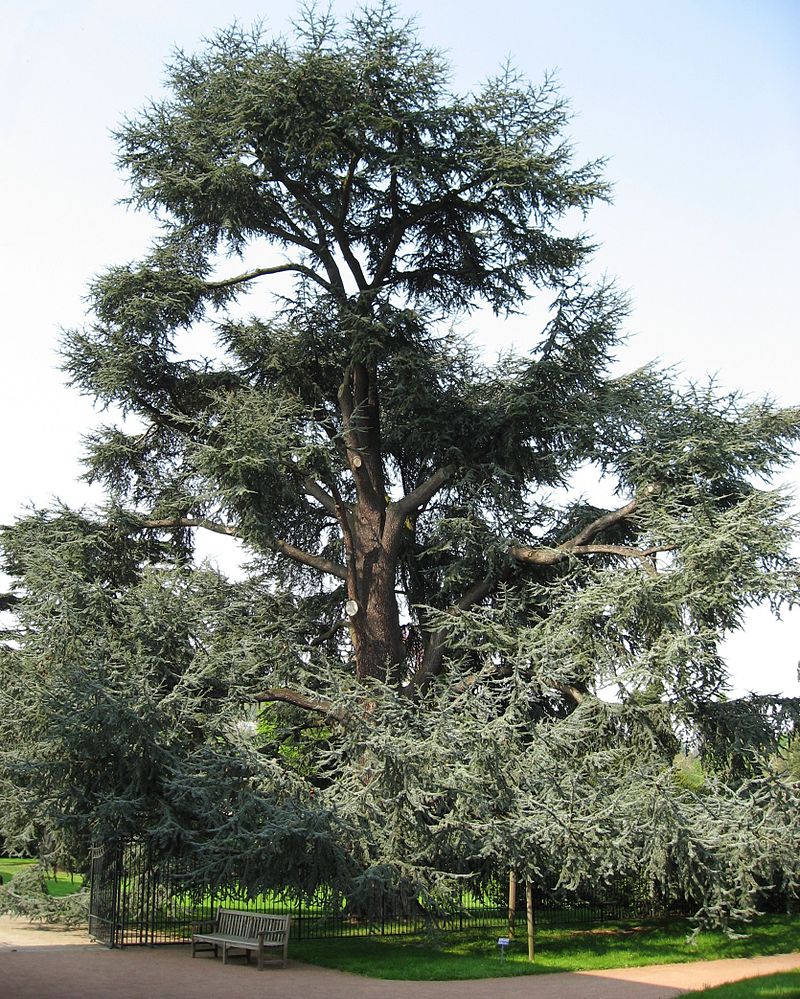
The sound of bronze axes echoed through the mountains of Lebanon.
High upon the rugged slopes of ancient Lebanon stood forests unlike any in the known world. Their towering cedars, some reaching heights of more than one hundred feet, were prized for their strength, fragrance, and remarkable resistance to decay. When King Solomon prepared to build the Temple in Jerusalem, he sent messengers north to King Hiram of Tyre, requesting these magnificent trees for one of history's greatest building projects. Carefully cut by skilled woodsmen, the massive cedar logs were floated along the Mediterranean coast before beginning their final journey to Jerusalem, where they became part of the Temple that would stand as the spiritual heart of Israel. Few trees have ever been associated with such majesty, craftsmanship, and reverence as the Cedar of Lebanon.
Throughout the Bible, the Cedar of Lebanon became the ultimate symbol of strength, permanence, dignity, and greatness. Prophets, kings, and poets repeatedly used the mighty cedar to illustrate God's power, the prosperity of nations, and the character of righteous people. Its rich aroma filled palaces and temples, while its durable timber became the finest construction wood of the ancient world. To own cedar was a mark of wealth; to build with cedar was considered an honor reserved for the greatest works.
Today, the Cedar of Lebanon continues to inspire gardeners with the same timeless qualities that captivated ancient civilizations. Its broad, majestic crown, layered horizontal branches, and deep green evergreen needles create one of the most impressive specimen trees available. Slow-growing yet extraordinarily long-lived, Cedrus libani eventually develops into a magnificent landscape centerpiece capable of providing beauty for centuries. Once established, it tolerates drought remarkably well and withstands heat, cold, wind, and poor soils with impressive resilience.
Beyond its historic significance, the Cedar of Lebanon is simply one of the world's finest ornamental conifers. The graceful architecture becomes increasingly dramatic with age as wide-spreading branches form picturesque horizontal tiers. Its dense evergreen canopy provides valuable shelter for birds and wildlife while offering year-round beauty in parks, estates, and large home landscapes. Few trees combine such extraordinary beauty, remarkable longevity, and historical importance quite like the legendary Cedar of Lebanon.
Specifications
- Botanical Name: Cedrus libani
- Common Name: Cedar of Lebanon
- Plant Type: Evergreen conifer
- Height: 40–80 feet (occasionally larger with great age)
- Spread: 35–60 feet
- Growth Rate: Slow to moderate
- Sun Requirements: Full sun
- Soil Preference: Well-drained soil; adaptable to rocky, alkaline, and poor soils
- Water Requirements: Moderate during establishment; drought tolerant once mature
- USDA Zones: 5–9
- Uses: Specimen tree, estate landscapes, parks, Biblical gardens, evergreen screening, historic gardens
- Wildlife Value: Provides nesting habitat and year-round shelter for birds and other wildlife.
Biblical Significance
No tree is mentioned more often in connection with majesty and greatness than the Cedar of Lebanon. King Solomon selected its magnificent timber for constructing both the Temple and his royal palace, recognizing it as the finest building material available. Throughout Scripture, the cedar became a symbol of strength, stability, honor, righteousness, and the greatness of God's creation. Prophets frequently compared mighty kingdoms to towering cedars, while the Psalms describe the righteous flourishing like the cedars of Lebanon. The tree remains one of the most recognizable botanical symbols found throughout the Bible.
Selected Bible References
- 1 Kings 5 — Solomon requests cedar timber from Lebanon for the Temple.
- 1 Kings 6 — Cedar used throughout the construction of the Temple.
- 2 Chronicles 2 — King Hiram supplies cedar logs.
- Psalm 92:12 — "The righteous... shall grow like a cedar in Lebanon."
- Psalm 104:16 — "The trees of the Lord are full of sap; the cedars of Lebanon..."
- Isaiah 2:13 — The lofty cedars symbolize greatness.
- Ezekiel 31 — The cedar used as a symbol of power and magnificence.
- Hosea 14:5–6 — Israel compared to the beauty of Lebanon.
Life in Biblical Times
Harvesting cedar timber was among the greatest engineering projects of the ancient world. Skilled lumbermen carefully selected enormous trees growing high in the mountains before felling them with bronze and iron tools. The massive logs were dragged downhill, assembled into floating rafts, and transported along the Mediterranean coast before continuing overland to Jerusalem. Their fragrant wood lined the walls of Solomon's Temple and royal palace, where its beauty and durability became lasting symbols of excellence. For generations, the scent of cedar greeted worshippers entering one of the most magnificent buildings of the ancient world.
Did You Know?
Some Cedar of Lebanon trees living today are estimated to be more than 1,500 years old. Although the vast forests that once covered Lebanon have greatly diminished, a number of ancient groves remain protected, preserving one of the world's oldest and most historically celebrated tree species.
Seedman Notes
Few trees inspire the imagination quite like the Cedar of Lebanon. For thousands of years it has symbolized strength, wisdom, permanence, and faith, while standing among the most beautiful evergreen trees ever cultivated. Planting a Cedar of Lebanon is more than adding another tree to the landscape—it is growing a living descendant of the forests that supplied Solomon's Temple and became one of Scripture's greatest symbols of majesty. Properly planted, this magnificent evergreen may become a treasured landmark for generations yet to come.
Germination: 30-50%.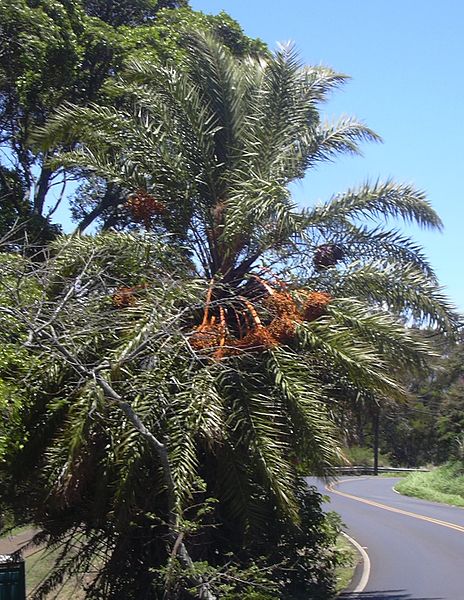

Across the desert, towering palms signaled life.
After days of traveling beneath the blazing Middle Eastern sun, few sights brought greater relief than the graceful silhouette of a Date Palm rising above the horizon. Its feathery crown marked the presence of precious water, fertile soil, and welcome shade. For thousands of years, travelers, shepherds, merchants, and entire communities depended upon the Date Palm for survival. In Biblical lands, these magnificent trees transformed barren oases into flourishing settlements, earning their reputation as one of God's greatest provisions for life in the wilderness.
Throughout Scripture, the Date Palm became a powerful symbol of victory, righteousness, peace, and abundance. Palm branches were waved in celebration as Jesus entered Jerusalem during His triumphal entry, while the Psalmist declared that "The righteous shall flourish like the palm tree." Every part of the tree served a purpose. Its sweet fruit nourished families, the leaves provided roofing and woven baskets, the trunk supplied building materials, and the welcome shade offered relief from the relentless desert heat. Few plants contributed more completely to everyday life in Biblical times.
The same remarkable qualities that sustained civilizations for thousands of years continue to make the Edible Date Palm one of the world's most beautiful landscape trees. Its elegant arching fronds, stately trunk, and tropical appearance instantly create an atmosphere of warmth and timeless beauty. Once established, the Date Palm thrives in intense heat, tolerates prolonged drought, and rewards gardeners with clusters of delicious fruit under favorable growing conditions. Few trees combine such striking ornamental beauty with practical usefulness.
Beyond its graceful appearance, the Edible Date Palm remains one of the world's oldest cultivated fruit trees. Individual trees can continue producing abundant harvests for generations while becoming increasingly majestic with age. Whether planted as a meaningful Biblical specimen, an impressive ornamental, or a productive fruit tree, the Date Palm stands as one of history's greatest gifts to both ancient and modern gardens.
Specifications
- Botanical Name: Phoenix dactylifera
- Common Name: Edible Date Palm
- Plant Type: Evergreen fruit palm
- Height: 50–75 feet
- Spread: 20–35 feet
- Growth Rate: Moderate
- Sun Requirements: Full sun
- Soil Preference: Well-drained soil; highly adaptable to sandy and alkaline soils
- Water Requirements: Moderate during establishment; highly drought tolerant once mature
- USDA Zones: 9–11
- Uses: Fruit production, specimen tree, Biblical gardens, Mediterranean landscapes, oasis plantings, tropical landscapes
- Wildlife Value: Flowers attract bees while mature trees provide nesting sites for birds.
Biblical Significance
The Date Palm appears throughout the Bible as a symbol of righteousness, prosperity, peace, and joyful celebration. Palm branches were carried during festive occasions and became especially significant during Jesus' triumphal entry into Jerusalem when crowds welcomed Him by spreading palm branches along His path. Palm trees also decorated Solomon's Temple, symbolizing beauty, life, and God's abundant provision. Throughout Scripture, flourishing palms represented faithful lives firmly rooted in God's blessings.
Selected Bible References
- Exodus 15:27 — Israel camps at Elim where twelve springs and seventy palm trees provided refreshment.
- Leviticus 23:40 — Palm branches used during the Feast of Tabernacles.
- Deuteronomy 34:3 — Jericho called the "City of Palm Trees."
- Psalm 92:12 — "The righteous shall flourish like the palm tree."
- Song of Solomon 7:7–8 — The palm tree used as a symbol of beauty.
- Ezekiel 40–41 — Palm tree carvings decorate the Temple.
- John 12:12–13 — Crowds welcome Jesus with palm branches during His triumphal entry.
- Revelation 7:9 — Palm branches carried before the throne in celebration and worship.
Life in Biblical Times
An oasis filled with Date Palms meant life itself. Travelers crossing harsh deserts eagerly searched for their distinctive crowns rising above the landscape, knowing that palms almost always indicated water nearby. Entire communities were built around productive palm groves, where the sweet fruit became a staple food that could be eaten fresh, dried for storage, or traded throughout the region. Palm fronds shaded homes, covered roofs, and were woven into baskets, mats, and shelters. For many families, the Date Palm was not simply another tree—it was the foundation of daily life and economic prosperity.
Did You Know?
The Date Palm has been cultivated for more than 5,000 years and is considered one of humanity's oldest fruit crops. A healthy mature tree can produce well over 100 pounds of dates each year, while some palms continue bearing fruit for more than a century, making them among the longest-producing fruit trees in the world.
Seedman Notes
Few trees capture the spirit of the Biblical landscape more beautifully than the Edible Date Palm. Its graceful silhouette has welcomed travelers, nourished civilizations, and symbolized God's provision for thousands of years. Whether planted for its delicious fruit, dramatic tropical appearance, or deep historical significance, the Date Palm becomes far more than an ornamental tree—it becomes a living connection to the landscapes walked by prophets, kings, and Jesus Himself. It is one of the most meaningful and rewarding trees any gardener can grow.
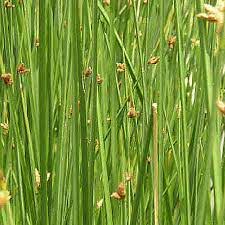
Long before furniture factories existed, skilled hands transformed humble rushes into everyday necessities.
Along the marshes, riverbanks, and wetlands of the ancient Near East, dense stands of rushes swayed gently in the breeze. To many people they appeared to be simple reeds, yet to craftsmen they were one of nature's most valuable resources. Families gathered armfuls of sturdy stems, dried them beneath the warm sun, and carefully wove them into chairs, baskets, floor mats, sleeping mats, storage containers, and countless household items. Every village depended upon plants like these, quietly turning the wetlands into workshops that supplied the practical necessities of daily life.
Throughout the Bible, rushes, reeds, and bulrushes appear wherever water brought life to an otherwise dry landscape. Moses was placed in a basket among the reeds along the Nile River, while prophets frequently used reeds as familiar illustrations because everyone understood their appearance and usefulness. Although humble in appearance, these remarkable wetland plants supported entire communities by providing renewable building materials harvested year after year without exhausting the land.
Chairmaker's Rush continues this ancient tradition today with its handsome upright stems and exceptional adaptability to moist landscapes. Naturally thriving around ponds, streams, rain gardens, and wetlands, it provides strong vertical texture while helping stabilize soil and reduce erosion. The dense clumps create valuable habitat for birds, amphibians, beneficial insects, and countless other forms of wildlife while adding graceful movement whenever the wind passes through the stems.
Beyond its ornamental beauty, Chairmaker's Rush remains a reminder of humanity's long relationship with the natural world. Long before plastics, manufactured fabrics, or modern building materials, plants like these supplied the raw materials for everyday living. Today they continue to bring beauty, ecological value, and historical interest to water gardens and natural landscapes while preserving one of mankind's oldest craft traditions.
Specifications
- Botanical Name: Scirpus pungens
- Common Name: Chairmaker's Rush
- Plant Type: Perennial wetland plant
- Height: 24–48 inches
- Spread: 24–36 inches
- Growth Rate: Moderate
- Sun Requirements: Full sun to partial shade
- Soil Preference: Moist to wet soils; tolerates shallow standing water
- Water Requirements: High
- USDA Zones: 4–9
- Uses: Pond margins, rain gardens, wetlands, stream banks, erosion control, wildlife habitat, Biblical gardens
- Wildlife Value: Provides nesting habitat and shelter for birds while supporting beneficial insects and wetland wildlife.
Biblical Significance
Rushes, reeds, and bulrushes were familiar sights throughout Biblical lands wherever water was present. Although Scripture often refers generally to these wetland plants rather than individual species, they played an essential role in everyday life. Their strong, flexible stems were harvested to weave baskets, mats, ropes, and household furnishings, while marshes filled with reeds became settings for several memorable Biblical events. Chairmaker's Rush represents this important group of useful wetland plants that quietly supported ancient civilizations.
Selected Bible References
- Exodus 2:3–5 — Moses placed among the reeds along the Nile River.
- Isaiah 35:7 — Reeds flourishing where water brings new life.
- Isaiah 58:5 — The bending reed used as an illustration.
- Job 40:21 — Reeds providing shelter near marshes.
- Matthew 11:7 — "A reed shaken by the wind."
Life in Biblical Times
Imagine walking through a village marketplace nearly three thousand years ago. Skilled craftsmen sat beneath shaded shelters weaving freshly harvested rushes into sturdy baskets, woven chairs, sleeping mats, and storage containers. Children gathered bundles of stems from nearby marshes while older family members prepared them for weaving by drying and sorting each stalk according to size and flexibility. Almost every home contained useful items made from plants like these, making the wetlands an important source of renewable materials for everyday life throughout the Biblical world.
Did You Know?
For thousands of years, skilled artisans throughout Europe, the Middle East, and North Africa have woven rushes into durable chair seats—a craft that is still practiced today. Properly prepared rush can remain attractive and functional for decades, making it one of humanity's oldest sustainable building materials.
Seedman Notes
Chairmaker's Rush reminds us that many of the most important plants in the Bible were valued not for colorful flowers or delicious fruit, but for the practical ways they served everyday life. This handsome wetland perennial brings graceful beauty to ponds and rain gardens while preserving a living connection to one of mankind's oldest traditions of weaving and craftsmanship. It is an outstanding addition to any Biblical garden, especially when planted near water where its historical roots can be fully appreciated.
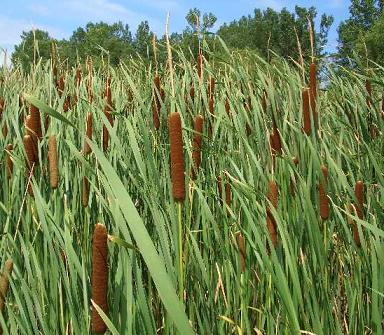
Where reeds whispered in the breeze, life flourished.
Along the quiet edges of rivers, ponds, and marshes throughout the Biblical world, dense stands of cattails and reeds swayed gently with every passing breeze. To travelers, these wetlands signaled the presence of precious water. To families, they provided food, weaving materials, shelter for wildlife, and an abundant supply of useful plants harvested throughout the year. In landscapes where water meant survival, the humble cattail became one of nature's greatest gifts, quietly supporting daily life along the fertile banks of the Jordan River, the Nile, and countless smaller streams.
Throughout Scripture, reeds and marsh plants appear as familiar features of the landscape. Moses was hidden safely among the reeds of the Nile as an infant, while prophets frequently used reeds to illustrate humility, weakness, and restoration because every listener understood their appearance. These flourishing wetlands also sheltered birds, fish, and countless forms of wildlife, transforming otherwise barren regions into thriving ecosystems that supported entire communities.
Today, Narrow Leaf Cattail remains one of the finest native wetland plants for naturalizing ponds, lakeshores, rain gardens, and marshy landscapes. Its graceful upright foliage, distinctive brown seed heads, and elegant form provide year-round beauty while stabilizing shorelines and improving water quality. The dense stands create valuable nesting habitat for birds, shelter for amphibians, and refuge for beneficial insects, making it one of the most ecologically important plants found in freshwater environments.
Beyond its ornamental beauty, Narrow Leaf Cattail has served people for thousands of years. Young shoots and pollen have traditionally been used as food, while the leaves were woven into mats, baskets, chair seats, and thatching materials. Even the fluffy seed fibers found practical uses as natural insulation and stuffing. Few wetland plants have contributed so completely to both human civilization and wildlife as the remarkable cattail.
Specifications
- Botanical Name: Typha angustifolia
- Common Name: Narrow Leaf Cattail
- Plant Type: Perennial aquatic plant
- Height: 4–8 feet
- Spread: Forms expanding colonies by rhizomes
- Growth Rate: Moderate to fast
- Sun Requirements: Full sun
- Soil Preference: Wet soils, shallow water, pond margins, marshes
- Water Requirements: Constant moisture or shallow standing water
- USDA Zones: 3–10
- Uses: Pond margins, wetlands, rain gardens, erosion control, wildlife habitat, Biblical gardens
- Wildlife Value: Excellent habitat for birds, amphibians, beneficial insects, and aquatic wildlife.
Biblical Significance
Throughout the Bible, reeds, rushes, and marsh plants are closely associated with rivers, wetlands, and the sustaining presence of water. Although Scripture generally refers to these plants collectively rather than identifying individual species, cattails represent the abundant wetland vegetation that lined the rivers and marshes of the ancient Near East. They remind us of the life-giving environments where many important Biblical events unfolded and where families gathered valuable natural resources for everyday living.
Selected Bible References
- Exodus 2:3–5 — Moses hidden among the reeds along the Nile River.
- Job 8:11 — "Can the rush grow up without mire?"
- Job 40:21 — Marsh plants providing shelter along the water.
- Isaiah 19:6–7 — Reeds and rushes along the Nile.
- Isaiah 35:7 — Marshes and reeds flourishing in restored lands.
- Matthew 11:7 — "A reed shaken by the wind."
Life in Biblical Times
Imagine standing beside the Jordan River at sunrise. Birds called from dense stands of reeds while fishermen prepared their nets along the shoreline. Nearby, families harvested wetland plants to weave baskets, floor mats, and household furnishings. Children gathered seed heads for stuffing bedding, while livestock found water and shelter among the marshes. These wetlands were far more than scenic landscapes—they were living storehouses that supplied food, building materials, and wildlife, quietly sustaining daily life throughout the Biblical world.
Did You Know?
Cattails are sometimes called the "supermarket of the marsh" because nearly every part of the plant has been used by people. Young shoots, roots, pollen, leaves, and seed fibers have served as food, weaving material, insulation, bedding, and even emergency survival supplies for thousands of years.
Seedman Notes
Narrow Leaf Cattail reminds us that some of the Bible's most important landscapes were found not on mountaintops or inside great cities, but quietly along rivers and wetlands where life depended upon the dependable presence of water. This graceful native plant brings beauty, wildlife, and remarkable historical significance to ponds and rain gardens while preserving one of nature's oldest relationships with mankind. It is an outstanding addition to any Biblical garden, especially when planted beside water where its timeless character can be fully appreciated.
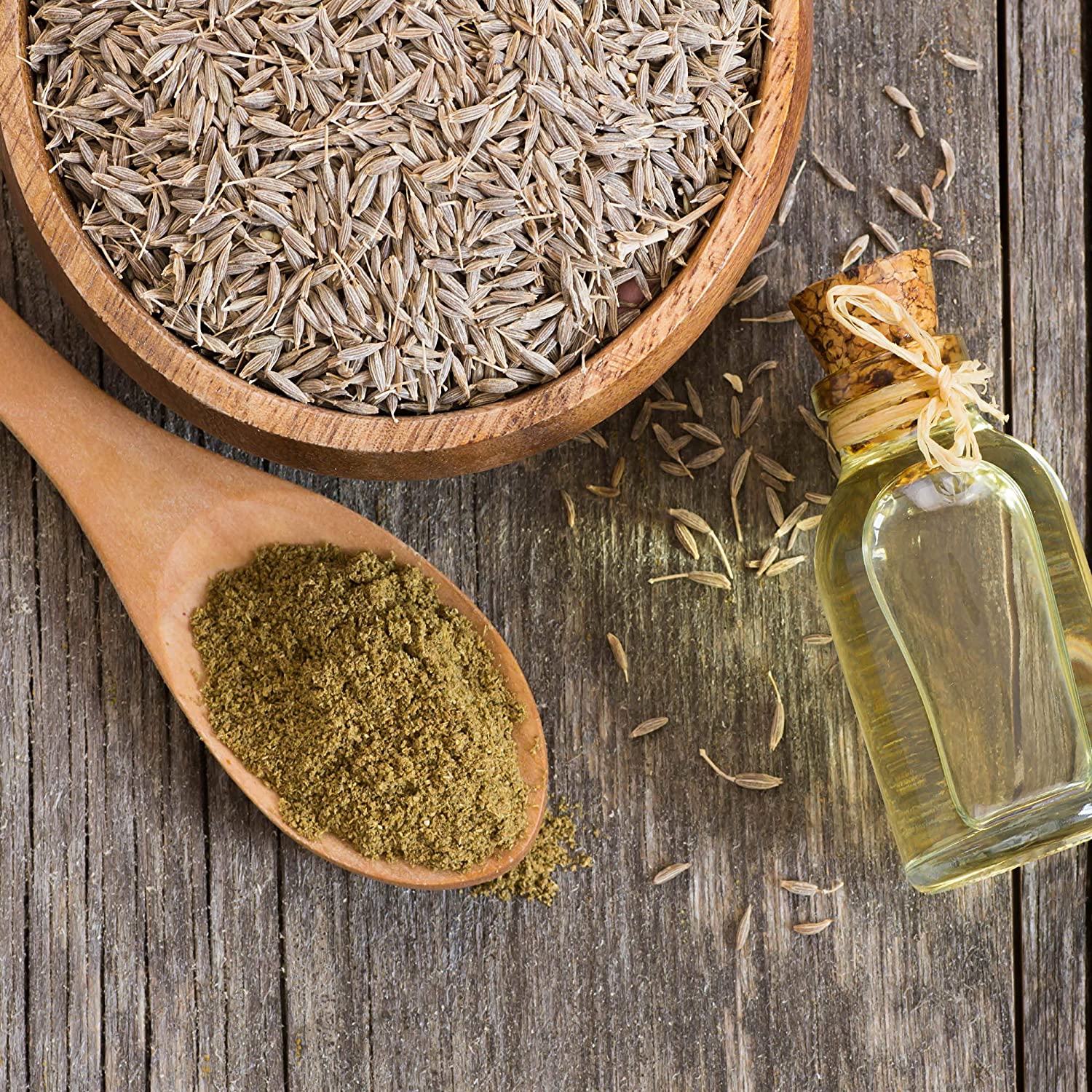
A careful farmer never treated cumin like wheat.
As the summer harvest drew to a close in ancient Israel, experienced farmers knew that every crop required its own careful handling. Wheat and barley could be separated beneath heavy threshing sledges, but the tiny, delicate seeds of cumin demanded a gentler touch. Rather than crushing the fragile seed heads, farmers carefully beat them with light rods, preserving the valuable spice hidden within. The prophet Isaiah used this familiar practice to illustrate God's wisdom, reminding His listeners that every crop—and every person—required thoughtful care according to its purpose.
Though small in size, cumin held an important place in Biblical life. Its warm, earthy flavor seasoned bread, stews, vegetables, and other everyday meals throughout the ancient Near East. So valuable was this humble spice that Jesus later referred to it while teaching about true righteousness, noting how carefully the Pharisees measured even their smallest herbs for tithing while overlooking the greater matters of justice, mercy, and faithfulness. Few plants demonstrate more clearly how even the simplest garden herbs became woven into the daily life and spiritual lessons of Scripture.
Today, Cumin remains one of the world's most widely cultivated culinary herbs. Its delicate fern-like foliage and attractive white to pale pink flower clusters are followed by aromatic seed heads that have flavored kitchens for thousands of years. Easy to grow in warm, sunny locations, cumin thrives in well-drained soil and rewards gardeners with a harvest of one of history's oldest and most treasured spices. It remains an essential ingredient in cuisines spanning the Middle East, India, North Africa, Mexico, and much of the Mediterranean.
Beyond its culinary value, Cumin offers gardeners a living connection to the agricultural world of the Bible. Every harvest recalls the careful methods described by Isaiah and the lessons taught by Jesus centuries later. Few herbs allow modern gardeners to experience so directly the sights, aromas, and traditions that filled the fields and kitchens of ancient Israel.
Specifications
- Botanical Name: Cuminum cyminum
- Common Name: Cumin
- Plant Type: Annual herb
- Height: 12–24 inches
- Spread: 8–12 inches
- Growth Rate: Fast
- Sun Requirements: Full sun
- Soil Preference: Well-drained, fertile soil
- Water Requirements: Moderate
- USDA Zones: Grown as an annual in most climates
- Uses: Culinary spice, herb gardens, Biblical gardens, pollinator gardens, historical gardens
- Wildlife Value: The flowers attract honeybees, native bees, and other beneficial pollinating insects.
Biblical Significance
Cumin is one of the few culinary herbs mentioned specifically in both the Old and New Testaments. Isaiah used its careful harvesting methods as an illustration of God's wisdom, emphasizing that each crop required different treatment. Centuries later, Jesus referred to cumin when teaching that religious devotion should extend beyond carefully tithing herbs to include justice, mercy, and faithfulness. These references demonstrate how common and valuable cumin had become in everyday Jewish life.
Selected Bible References
- Isaiah 28:25–27 — Farmers sow and thresh cumin using gentle methods appropriate for the delicate seed.
- Matthew 23:23 — Jesus speaks of tithing "mint, dill, and cumin" while teaching about justice, mercy, and faithfulness.
Life in Biblical Times
Imagine entering the courtyard of a family home in first-century Judea as the day's cooking begins. Clay ovens warmed fresh bread while the fragrance of herbs and spices drifted through the air. Small baskets of cumin, dill, mint, and other seasonings rested nearby, carefully measured for both cooking and religious tithes. During harvest, farmers handled cumin with remarkable care, gently beating the seed heads by hand rather than using the heavy threshing sledges reserved for grain. These simple daily tasks became so familiar that both Isaiah and Jesus used them to teach timeless spiritual truths.
Did You Know?
Isaiah records one of the earliest agricultural lessons in history by explaining that cumin should not be crushed beneath a threshing wheel. Instead, the delicate seed heads were gently beaten with a rod, preserving the valuable spice within. This practical farming advice remains accurate even today.
Seedman Notes
Cumin reminds us that some of Scripture's greatest lessons came not from towering trees or dramatic landscapes, but from the simple herbs growing in ordinary gardens. This ancient spice has seasoned meals, supported families, and illustrated God's wisdom for thousands of years. Whether planted for its flavorful harvest, historical importance, or deep Biblical connections, Cumin offers gardeners a unique opportunity to grow one of the very herbs that helped shape daily life in the world of the Bible.
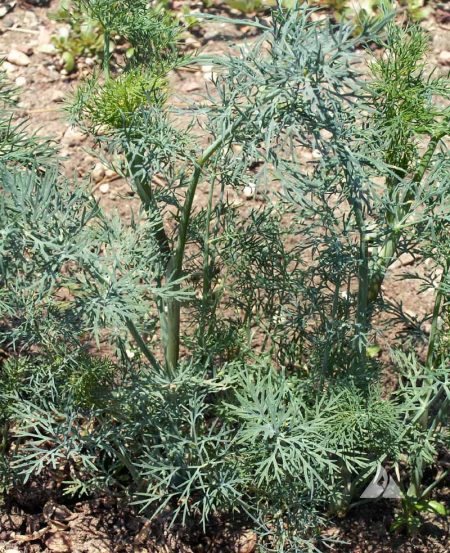
Every tiny seed was carefully counted.
In the gardens surrounding homes throughout ancient Judea, neat rows of fragrant herbs filled the warm air with their unmistakable aroma. Among them grew delicate stands of dill, their feathery foliage dancing gently in the breeze as tiny yellow flower clusters matured into valuable seed. Though humble in appearance, dill was so highly valued that faithful families carefully measured even the smallest harvests for tithing. Its importance became so well known that Jesus Himself used the herb to illustrate one of His most memorable lessons about true righteousness.
For centuries, dill flavored the daily meals of the Biblical world. Its aromatic leaves seasoned fresh foods while the seeds enhanced bread, vegetables, fish, and savory dishes throughout the Mediterranean and Middle East. More than simply a culinary herb, dill represented the careful attention that many people devoted to observing God's law. When Jesus spoke of those who meticulously tithed their "mint, dill, and cumin," He reminded His listeners that outward religious observance should never overshadow justice, mercy, and faithfulness.
Today, Common Dill remains one of the easiest and most rewarding herbs to grow from seed. Its graceful blue-green foliage, airy yellow flower umbels, and distinctive fragrance bring beauty as well as usefulness to herb gardens and vegetable plots. The flowers attract an impressive variety of bees, butterflies, hoverflies, and other beneficial insects, making dill one of the finest companion plants for encouraging pollinators and natural predators throughout the garden.
Whether harvested fresh for its flavorful foliage or allowed to mature for its aromatic seeds, Common Dill continues a gardening tradition that stretches back thousands of years. Few herbs connect the modern gardener so directly with the kitchens, gardens, and teachings of the Biblical world while providing outstanding culinary and ecological value.
Specifications
- Botanical Name: Anethum graveolens
- Common Name: Common Dill
- Plant Type: Annual herb
- Height: 24–48 inches
- Spread: 12–18 inches
- Growth Rate: Fast
- Sun Requirements: Full sun
- Soil Preference: Well-drained, fertile soil
- Water Requirements: Moderate
- USDA Zones: Grown as an annual in all climates
- Uses: Culinary herb, pickling, herb gardens, companion planting, Biblical gardens, pollinator gardens
- Wildlife Value: Flowers attract honeybees, native bees, butterflies, hoverflies, parasitic wasps, and numerous other beneficial insects.
Biblical Significance
Although older English translations such as the King James Version use the word "anise," modern Biblical scholarship identifies the original Greek word in Matthew 23:23 as referring to dill. Jesus mentioned dill alongside mint and cumin while teaching that careful religious observance should never replace justice, mercy, and faithfulness. The passage illustrates how even the smallest herbs growing in household gardens were considered valuable enough to tithe under Jewish law.
Selected Bible References
- Matthew 23:23 — Jesus refers to "mint, dill, and cumin" while teaching about justice, mercy, and faithfulness. (Older English translations render dill as "anise.")
Life in Biblical Times
Imagine walking through the herb garden beside a modest home in first-century Judea. Fragrant dill grew alongside mint, cumin, and other useful herbs that flavored everyday meals and supplied household remedies. At harvest time, careful hands gathered the delicate seed heads before measuring a portion for the Temple tithe. Even these small bundles of herbs reflected a family's desire to faithfully observe God's commandments. The familiar sight and fragrance of dill became so much a part of daily life that Jesus used it to illustrate one of His most enduring teachings.
Did You Know?
For more than four hundred years, many English readers believed Jesus referred to "anise" because that is how the King James Bible translated Matthew 23:23. Today, nearly all Biblical scholars agree that the original Greek word actually identifies dill, one of the common culinary herbs grown throughout ancient Israel.
Seedman Notes
Common Dill is much more than a flavorful kitchen herb—it is a living reminder of the everyday gardens that surrounded homes throughout the Biblical world. Its delicate beauty, outstanding culinary value, remarkable ability to attract beneficial insects, and direct connection to the teachings of Jesus make it one of the most meaningful herbs in our Bible Garden collection. Whether grown for fresh leaves, aromatic seeds, or its fascinating place in Biblical history, Dill remains one of the most rewarding herbs a gardener can cultivate.
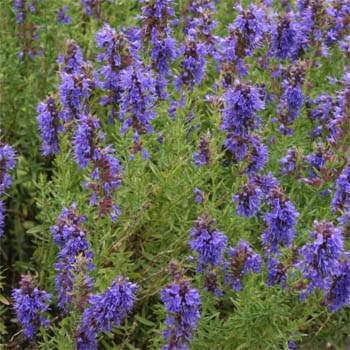
A simple bundle of fragrant branches became one of the Bible's greatest symbols of cleansing.
On the first Passover night, as darkness settled over Egypt, Israelite families gathered in quiet obedience to God's instructions. A small bundle of hyssop was dipped into the blood of the Passover lamb and carefully brushed across the doorposts and lintels of each home. That simple act of faith marked the houses that would be spared as judgment passed over the land. From that unforgettable night forward, hyssop became one of Scripture's enduring symbols of purification, protection, and God's saving grace.
Throughout the Old Testament, hyssop was closely associated with ceremonial cleansing and restoration. Priests used it in purification rituals for those healed of disease, in the preparation of the water of cleansing, and in other sacred ceremonies that emphasized renewal and holiness. King David later cried out in heartfelt repentance, "Purge me with hyssop, and I shall be clean," using the familiar plant as a powerful image of spiritual cleansing and forgiveness. Even at the crucifixion of Jesus, John's Gospel records that a sponge soaked with sour wine was lifted on a stalk of hyssop, connecting one of the Bible's earliest symbols of redemption with its ultimate fulfillment.
Today, Hyssopus officinalis remains a beautiful and highly aromatic perennial herb valued for its upright spikes of rich blue flowers and pleasantly fragrant foliage. The nectar-rich blossoms attract honeybees, butterflies, hummingbirds, and numerous beneficial pollinators throughout the summer months, making it one of the finest additions to herb gardens, cottage gardens, and wildlife landscapes. Easy to grow and wonderfully drought tolerant once established, hyssop combines ornamental beauty with centuries of herbal tradition.
Beyond its garden value, Hyssopus officinalis offers a meaningful connection to one of the Bible's most enduring themes—cleansing, renewal, and faithful obedience. Whether planted for its colorful flowers, fragrant foliage, pollinator value, or its rich Biblical associations, hyssop continues to remind gardeners of a story that has inspired believers for thousands of years.
Specifications
- Botanical Name: Hyssopus officinalis
- Common Name: Hyssop
- Plant Type: Perennial herb
- Height: 18–30 inches
- Spread: 18–24 inches
- Growth Rate: Moderate
- Sun Requirements: Full sun
- Soil Preference: Well-drained soil; thrives in sandy and rocky locations
- Water Requirements: Low once established; drought tolerant
- USDA Zones: 4–9
- Uses: Herb gardens, pollinator gardens, Biblical gardens, cottage gardens, borders, medicinal herb plantings
- Wildlife Value: Excellent nectar source for honeybees, native bees, butterflies, hummingbirds, and other beneficial pollinators.
Biblical Significance
Hyssop occupies a unique place in Scripture as the plant most closely associated with purification, consecration, and redemption. It appears during the first Passover, in the ceremonial cleansing laws of Leviticus and Numbers, in David's prayer of repentance, and again at the crucifixion of Christ. The exact botanical identity of the Biblical hyssop (Hebrew ezov) has been discussed by Biblical scholars for centuries. While many researchers believe it may have referred to one of several aromatic plants native to the Holy Land, Hyssopus officinalis has long been accepted in Christian tradition as the representative Biblical Hyssop and remains the species most commonly grown in Bible Gardens throughout the world.
Selected Bible References
- Exodus 12:22 — Hyssop used to apply the Passover lamb's blood to the doorposts.
- Leviticus 14:4–7 — Used in the ceremonial cleansing of a healed leper.
- Numbers 19:6, 18 — Included in the purification rites involving the red heifer.
- Psalm 51:7 — "Purge me with hyssop, and I shall be clean."
- 1 Kings 4:33 — Solomon speaks of plants "from the cedar... unto the hyssop."
- John 19:29 — A sponge of sour wine lifted to Jesus on a stalk of hyssop.
- Hebrews 9:19 — Hyssop recalled in describing the covenant rituals.
Life in Biblical Times
Imagine standing beside the Tabernacle as a priest prepared for one of Israel's sacred purification ceremonies. Nearby lay a simple bundle of aromatic hyssop, ready to be dipped into water or sacrificial blood according to God's instructions. Though small and easily overlooked, this humble herb became an essential part of ceremonies symbolizing cleansing, forgiveness, and restored fellowship with God. Its familiar fragrance would have been recognized by generations of Israelites whenever these sacred rites were performed.
Did You Know?
The exact plant called "hyssop" in the Bible has been debated for centuries. Many modern scholars believe the ancient Hebrew word may have referred to a native Middle Eastern aromatic herb rather than Hyssopus officinalis. Nevertheless, for hundreds of years this traditional hyssop has been cultivated in churches, monasteries, and Bible Gardens around the world as the representative Biblical Hyssop.
Seedman Notes
Few herbs carry deeper spiritual symbolism than Hyssop. Its association with the Passover, ceremonial cleansing, repentance, and ultimately the crucifixion gives this beautiful perennial a place unlike any other plant in the Bible Garden. We proudly offer Hyssopus officinalis as the traditional Biblical Hyssop, allowing modern gardeners to cultivate a living reminder of one of Scripture's most enduring symbols of purification, faith, and God's redeeming grace.
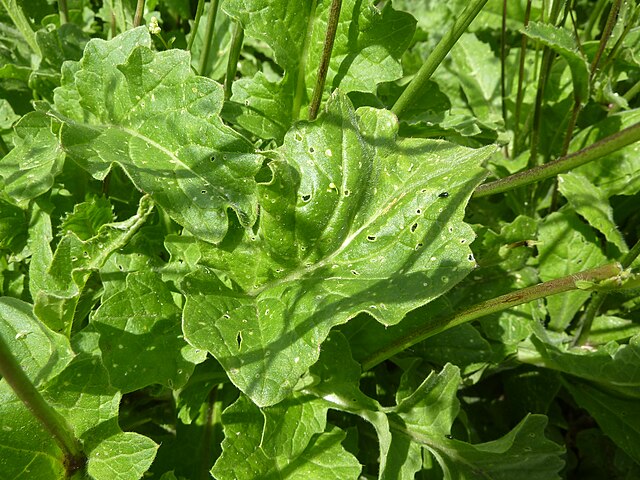
In the palm of His hand rested one of the smallest seeds in the garden.
As Jesus stood before the crowds gathered on the hillsides of Galilee, He pointed to something every farmer recognized—a tiny black mustard seed. So small it could easily be lost between one's fingertips, the seed seemed almost insignificant. Yet everyone listening knew what would happen when it was planted. Within a single growing season, that tiny seed would develop into a towering mustard plant, rising high above neighboring herbs and filling the countryside with bright yellow blossoms. From one of nature's smallest seeds, Jesus illustrated one of His greatest lessons about faith and the Kingdom of God.
Black Mustard grew naturally throughout the Mediterranean region and was a familiar sight in the fields and villages of ancient Israel. Farmers valued it as both a culinary and medicinal herb, harvesting its leaves for fresh greens and its tiny seeds for seasoning and preserving foods. Its astonishing growth made it one of the most recognizable plants in the countryside, transforming from an almost invisible seed into a large, branching plant that provided shelter for small birds among its sturdy stems. This remarkable transformation perfectly illustrated the growth of God's Kingdom from humble beginnings.
Today, Southern Black Mustard remains one of the easiest and most rewarding annual herbs to grow. Its vigorous plants produce masses of cheerful golden flowers that attract honeybees, butterflies, hoverflies, and numerous beneficial insects throughout the growing season. The young leaves can be harvested as flavorful mustard greens, while mature seeds provide the familiar spicy seasoning enjoyed around the world. Easy to grow in sunny gardens, Black Mustard offers beauty, usefulness, and remarkable historical significance in one versatile plant.
Few herbs connect modern gardeners more directly to the teachings of Jesus than Black Mustard. Every tiny seed planted becomes a living reminder that greatness often begins in the smallest and most unexpected ways. Whether grown for its edible greens, flavorful seeds, abundant pollinator activity, or profound Biblical symbolism, Black Mustard remains one of the most meaningful plants in any Bible Garden.
Specifications
- Botanical Name: Brassica nigra
- Common Name: Southern Black Mustard
- Plant Type: Annual herb
- Height: 4–10 feet under favorable growing conditions
- Spread: 18–36 inches
- Growth Rate: Fast
- Sun Requirements: Full sun
- Soil Preference: Well-drained, fertile soil
- Water Requirements: Moderate
- USDA Zones: Grown as an annual in all climates
- Uses: Culinary herb, mustard greens, spice production, pollinator gardens, Biblical gardens, wildlife gardens
- Wildlife Value: Flowers attract honeybees, native bees, butterflies, hoverflies, and many other beneficial pollinating insects.
Biblical Significance
Black Mustard is widely regarded by Biblical scholars as the most likely species referred to in Christ's famous Parable of the Mustard Seed. Jesus used the extraordinary contrast between its tiny seed and its impressive mature size to illustrate the remarkable growth of God's Kingdom from the smallest beginnings. The familiar plant served as a perfect teaching example because everyone listening had watched mustard spring from a nearly invisible seed into one of the tallest herbs growing in the countryside.
Selected Bible References
- Matthew 13:31–32 — The Parable of the Mustard Seed.
- Mark 4:30–32 — Jesus compares the Kingdom of God to a mustard seed.
- Luke 13:18–19 — The mustard seed grows into a large plant where birds find shelter.
- Matthew 17:20 — Faith compared to a mustard seed.
- Luke 17:6 — Even faith as small as a mustard seed can accomplish great things.
Life in Biblical Times
Imagine walking beside the fields surrounding Capernaum during the spring growing season. Bright yellow mustard blossoms stretched across the landscape while bees moved busily from flower to flower collecting nectar. Farmers harvested tender young leaves for the family table while allowing other plants to mature for their valuable seeds. Children recognized the tiny black seeds that seemed almost too small to notice, yet everyone understood how astonishingly large the plants would become before summer's end. It was this familiar transformation that Jesus used to teach one of His most enduring lessons about faith, hope, and God's Kingdom.
Did You Know?
A Black Mustard seed measures only about one to two millimeters across, yet under favorable growing conditions the plant may reach heights of eight to ten feet in a single season. This dramatic contrast between tiny seed and towering plant made it the perfect illustration for one of Christ's best-loved parables.
Seedman Notes
Southern Black Mustard stands among the most meaningful plants in the entire Bible Garden collection. Its tiny seed inspired some of the greatest teachings recorded in the Gospels, while its usefulness as both a culinary herb and flowering garden plant has endured for thousands of years. We are especially pleased to offer Brassica nigra, the species most widely recognized by Biblical scholars as the traditional mustard of Scripture, allowing gardeners to grow a living reminder that even the smallest beginnings can produce extraordinary results.
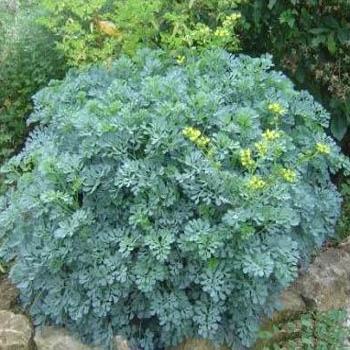
Even the smallest herbs were gathered with great care.
Beside the homes of ancient Judea, small kitchen gardens flourished with fragrant herbs that flavored meals, supplied household remedies, and served the daily needs of the family. Among these familiar plants grew Rue, its distinctive blue-green foliage and strong aroma making it easy to recognize. Though modest in size, this useful herb was carefully harvested and measured, becoming so familiar in everyday life that Jesus used it to illustrate one of His most important teachings about true righteousness and sincere devotion.
Rue had long been valued throughout the Mediterranean world as both a culinary and medicinal herb. Its intensely aromatic leaves were used sparingly to flavor foods, while generations of herbalists appreciated its traditional medicinal properties. The plant's strong fragrance also made it popular around homes and gardens, where it was believed to discourage insects and other pests. More than simply another garden herb, Rue represented the practical wisdom that connected everyday life with the natural world God had created.
Today, Common Rue remains an attractive perennial herb admired for its finely divided blue-gray foliage and clusters of cheerful yellow flowers that bloom throughout the summer. Its distinctive color provides striking contrast in herb gardens, cottage gardens, and ornamental borders, while the nectar-rich blossoms attract bees, butterflies, hoverflies, and many other beneficial insects. Once established, Rue is remarkably drought tolerant and thrives with very little maintenance, making it both beautiful and dependable in sunny landscapes.
Few herbs combine ornamental beauty, historical importance, and Biblical significance as completely as Rue. Every plant serves as a quiet reminder that faithfulness is measured not merely by outward actions, but by a heart devoted to justice, mercy, and love. Whether grown for its attractive foliage, pollinator value, or fascinating place in Scripture, Rue remains one of the most meaningful herbs in any Bible Garden.
Specifications
- Botanical Name: Ruta graveolens
- Common Name: Common Rue
- Plant Type: Perennial herb
- Height: 24–36 inches
- Spread: 18–24 inches
- Growth Rate: Moderate
- Sun Requirements: Full sun
- Soil Preference: Well-drained soil; tolerant of poor, rocky, and alkaline soils
- Water Requirements: Low once established; highly drought tolerant
- USDA Zones: 4–9
- Uses: Herb gardens, Biblical gardens, cottage gardens, ornamental borders, pollinator gardens, historical gardens
- Wildlife Value: Flowers attract honeybees, native bees, butterflies, hoverflies, and numerous beneficial pollinating insects.
Biblical Significance
Rue is one of the few herbs mentioned specifically by Jesus. In Luke 11:42, He observed that some religious leaders carefully tithed even their smallest garden herbs—including rue—while neglecting the far more important matters of justice and the love of God. Rather than condemning their careful observance, Jesus reminded His listeners that outward obedience should always be accompanied by compassion, mercy, and genuine faith. This simple garden herb therefore became part of one of Christ's timeless lessons about the true character of righteousness.
Selected Bible References
- Luke 11:42 — Jesus refers to the careful tithing of mint, rue, and other garden herbs while teaching about justice and the love of God.
Life in Biblical Times
Imagine stepping into the courtyard of a modest home in first-century Judea. Clay jars of herbs stood near the kitchen while fragrant plants filled the garden with their distinctive aromas. Women gathered fresh herbs to season meals and prepare traditional remedies, while careful hands measured small bundles to fulfill the customary tithe. Though easily overlooked beside wheat fields and olive groves, these humble kitchen herbs played an important role in daily family life. Rue was one of those familiar plants that quietly connected ordinary households with the teachings of Scripture.
Did You Know?
Rue has been cultivated for well over 2,000 years and was highly regarded throughout the ancient Mediterranean world. Its strong natural fragrance made it a popular household herb, and many gardeners traditionally planted it near walkways and entrances where its aromatic foliage could be easily enjoyed.
Seedman Notes
Common Rue reminds us that some of Scripture's most meaningful lessons came from the smallest plants growing in everyday gardens. Its beautiful blue-gray foliage, cheerful yellow flowers, remarkable drought tolerance, and direct connection to the teachings of Jesus make it one of the most distinctive herbs in our Bible Garden collection. Whether appreciated for its ornamental beauty, historical importance, or enduring Biblical symbolism, Rue offers modern gardeners a living connection to the humble household gardens of the ancient world.
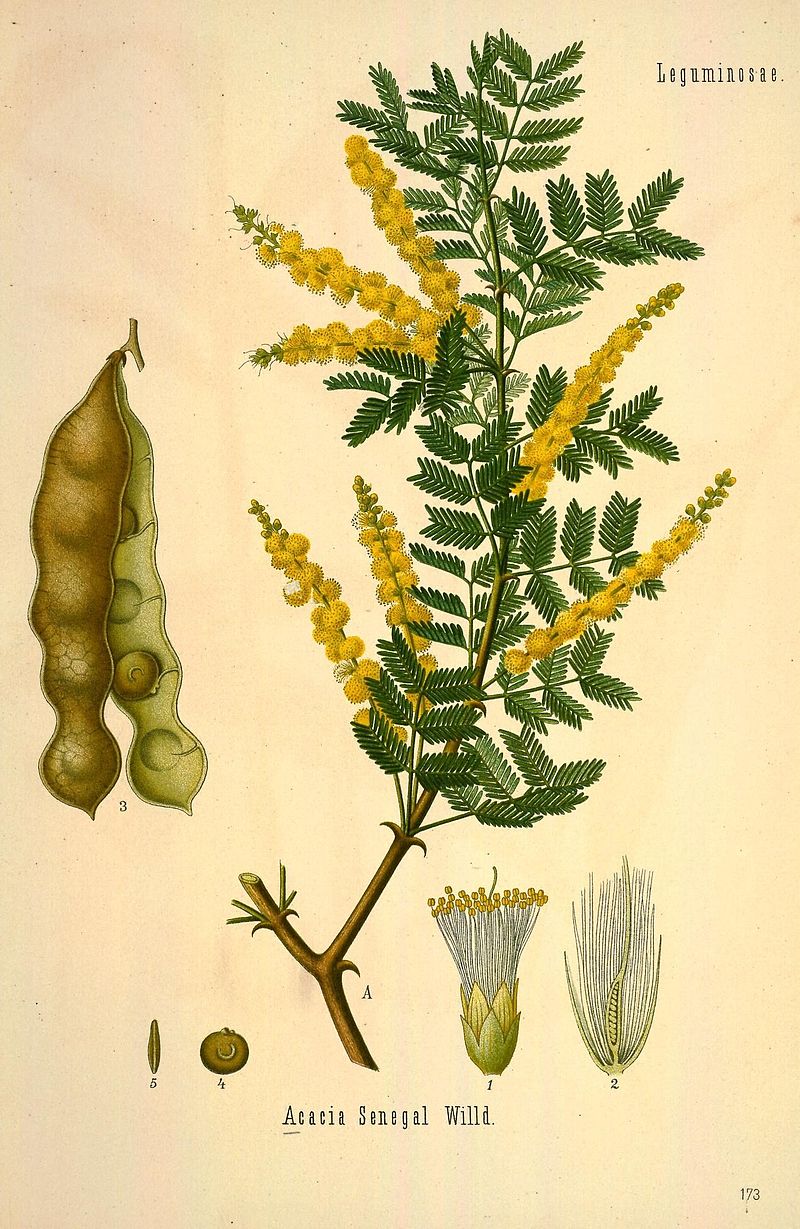
In the barren wilderness, one remarkable tree stood where few others could survive.
As the Israelites journeyed across the deserts of Sinai, the landscape appeared harsh and unforgiving. Yet scattered among the rocky valleys and dry riverbeds grew resilient acacia trees, their deep roots reaching hidden sources of moisture far beneath the desert floor. Though surrounded by heat and drought, these hardy trees flourished where little else could grow. Their dense, durable wood would become one of the most important building materials in Biblical history, chosen by God Himself for the construction of the Tabernacle and the Ark of the Covenant.
Acacia wood, known in Scripture as shittim wood, was prized for its remarkable strength, resistance to decay, and ability to endure the harsh desert climate. Under God's direction, Moses instructed the craftsmen of Israel to fashion the Ark of the Covenant, the Table of Showbread, the altar, and numerous sacred furnishings from this extraordinary timber before covering them with pure gold. Through these sacred objects, the humble desert acacia became forever linked with God's covenant, His presence among His people, and the worship of ancient Israel.
Today, Acacia senegal, commonly known as Gum Arabic Acacia, remains one of the world's most valuable desert trees. In addition to its graceful form and delicate cream-colored blossoms, it produces the natural resin known as gum arabic, a substance that has been treasured for thousands of years in foods, medicines, inks, artists' paints, and countless other products. Exceptionally drought tolerant and perfectly adapted to arid climates, this beautiful tree continues to demonstrate the remarkable resilience that has allowed acacias to flourish across Africa and the Middle East since Biblical times.
Few trees better symbolize God's provision in difficult places than the desert acacia. Growing where survival seems impossible, it provided shade for travelers, nourishment for wildlife, valuable resin for commerce, and the durable wood from which some of Israel's most sacred treasures were fashioned. Whether admired for its graceful beauty, historical importance, or profound Biblical associations, Gum Arabic Acacia stands among the most meaningful trees in the entire Bible Garden.
Specifications
- Botanical Name: Acacia senegal
- Common Name: Gum Arabic Acacia
- Plant Type: Deciduous desert tree
- Height: 15–30 feet
- Spread: 15–25 feet
- Growth Rate: Moderate
- Sun Requirements: Full sun
- Soil Preference: Well-drained sandy, rocky, or gravelly soils
- Water Requirements: Low once established; exceptionally drought tolerant
- USDA Zones: 9–11
- Uses: Bible gardens, xeriscapes, desert landscapes, gum arabic production, wildlife habitat, historical gardens
- Wildlife Value: Flowers attract bees and other pollinating insects, while the tree provides shelter and browse for desert wildlife.
Biblical Significance
The acacia is widely accepted by Biblical scholars as the source of the "shittim wood" mentioned throughout Exodus. Although several closely related Acacia species have been proposed, Acacia senegal is among the strongest modern representatives because of its native distribution across northeastern Africa and the Arabian region. Its exceptionally durable wood made it an ideal material for constructing the Ark of the Covenant, the Tabernacle furnishings, and other sacred objects that accompanied the Israelites during their wilderness journey.
Selected Bible References
- Exodus 25:10 — The Ark of the Covenant constructed from shittim wood.
- Exodus 25:23 — The Table of Showbread made from shittim wood.
- Exodus 26:15 — Boards of the Tabernacle fashioned from shittim wood.
- Exodus 27:1 — The altar built of shittim wood.
- Deuteronomy 10:3 — Moses makes an ark of shittim wood.
- Isaiah 41:19 — God promises to plant trees, including the acacia, in the wilderness.
Life in Biblical Times
Imagine standing with the Israelites as skilled craftsmen shaped dense acacia timbers beneath the desert sun. Every board, pole, and sacred furnishing had to withstand years of travel through the wilderness while carrying immense spiritual significance. Nearby, hardy acacia trees offered precious shade to weary travelers and grazing animals, their thorny branches standing as symbols of life where little else survived. In an unforgiving landscape, these remarkable trees quietly supplied one of the most important natural resources in all of Biblical history.
Did You Know?
Gum arabic, harvested naturally from Acacia senegal, is still one of the world's most valuable natural plant resins. It has been used for thousands of years in foods, medicines, watercolor paints, printing inks, cosmetics, and even postage stamps because of its remarkable purity and stability.
Seedman Notes
Gum Arabic Acacia beautifully illustrates how God often chose humble things to accomplish extraordinary purposes. From a thorny desert tree came the wood that formed the framework of Israel's holiest objects, while its valuable resin has served civilizations for thousands of years. We proudly include Acacia senegal in our Bible Garden collection as one of the finest living representatives of the Biblical acacias, allowing modern gardeners to grow a tree that speaks of endurance, provision, craftsmanship, and the enduring presence of God in the wilderness.
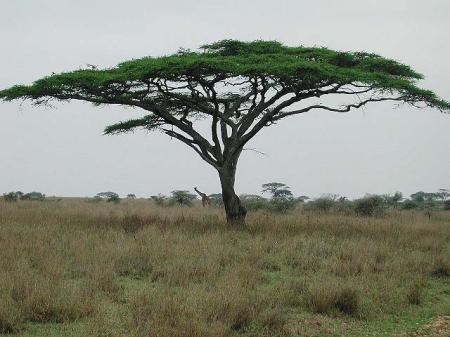
Across the wilderness, its flat crown spread like a sheltering hand.
In the dry valleys and rocky deserts of Sinai, the Umbrella Thorn Acacia stands as one of the most recognizable trees of the Biblical wilderness. Its broad, flattened crown casts precious shade across sun-baked ground, while its deep roots search for hidden moisture far beneath the surface. To travelers crossing harsh desert landscapes, a mature acacia meant shelter, fuel, browse for animals, and one of the few dependable sources of strong timber. In a land where trees were scarce, the acacia was a gift of survival.
The Bible repeatedly refers to shittim wood, widely understood by scholars to mean acacia wood, as the material chosen for many of Israel's most sacred objects. The Ark of the Covenant, the Table of Showbread, the altar, and the boards of the Tabernacle were all made from this durable desert timber before being overlaid with gold. While the exact species cannot be identified with absolute certainty, Acacia tortilis is one of the strongest candidates because of its native range and its presence in the very wilderness regions associated with the Exodus.
Today, Umbrella Thorn remains one of the great trees of arid landscapes. Its graceful silhouette, distinctive umbrella-shaped canopy, and extreme drought tolerance make it an outstanding choice for desert gardens, xeriscapes, wildlife plantings, and Biblical gardens. The tree provides food and shelter for birds, pollinators, and desert animals, while its tough wood and thorny branches reflect the rugged conditions under which it thrives.
Few trees better capture the atmosphere of the wilderness journey than Umbrella Thorn Acacia. It speaks of endurance, provision, craftsmanship, and life in dry places. Whether grown for its historic significance, dramatic form, or remarkable drought tolerance, this ancient desert tree offers gardeners a living connection to the landscapes where Israel camped, worshiped, and carried the Tabernacle through the wilderness.
Specifications
- Botanical Name: Acacia tortilis
- Common Name: Umbrella Thorn Acacia
- Plant Type: Desert tree
- Height: 15–40 feet
- Spread: 20–40 feet
- Growth Rate: Moderate
- Sun Requirements: Full sun
- Soil Preference: Well-drained sandy, rocky, or gravelly soil
- Water Requirements: Very low once established; exceptionally drought tolerant
- USDA Zones: 9–11
- Uses: Biblical gardens, desert landscapes, xeriscapes, wildlife habitat, shade tree, historical gardens
- Wildlife Value: Flowers attract pollinators, while pods, foliage, and shelter support desert wildlife.
Biblical Significance
Umbrella Thorn Acacia is one of the strongest living representatives of the acacia trees associated with the Biblical wilderness. Scripture repeatedly mentions shittim wood in connection with the Tabernacle, the Ark of the Covenant, and other sacred furnishings. Most Biblical scholars understand shittim wood to refer to acacia wood, though the exact species remains debated. Because Acacia tortilis grows naturally in Sinai, Arabia, and nearby desert regions, it is considered one of the most historically appropriate species for representing the acacias of the Exodus account.
Selected Bible References
- Exodus 25:10 — The Ark of the Covenant made from shittim wood.
- Exodus 25:23 — The Table of Showbread made from shittim wood.
- Exodus 26:15 — The boards of the Tabernacle made from shittim wood.
- Exodus 27:1 — The altar constructed from shittim wood.
- Deuteronomy 10:3 — Moses makes an ark of shittim wood.
- Isaiah 41:19 — God promises to plant the acacia in the wilderness.
Life in Biblical Times
Imagine a camp of travelers in the Sinai wilderness pausing beneath the sparse shade of an acacia tree. Nearby, craftsmen shaped dense, hard timber into poles, boards, and sacred furnishings that would accompany Israel throughout the wilderness journey. In a region where large trees were rare, every piece of acacia wood was valuable. Its strength, durability, and resistance to decay made it ideal for objects that had to endure years of travel while carrying deep spiritual meaning.
Did You Know?
The flattened, umbrella-like crown of Acacia tortilis is an adaptation to intense desert sunlight and browsing animals. Its canopy provides valuable shade in open desert landscapes, while its deep root system allows the tree to survive in regions where rainfall is scarce and unpredictable.
Seedman Notes
Umbrella Thorn Acacia is one of the finest trees for representing the wilderness landscapes of the Bible. Its dramatic form, extraordinary drought tolerance, and strong connection to the acacia wood of Scripture make it a meaningful addition to any Bible Garden. We especially recommend Acacia tortilis for gardeners who want to grow a plant that reflects the endurance, provision, and sacred craftsmanship of the Exodus journey.
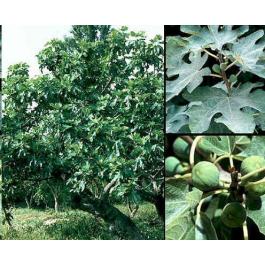
Beneath the broad leaves of a fig tree, generations found shade, food, and peace.
Few trees appear more often in the pages of Scripture than the Common Fig. From the very beginning of the Bible, fig leaves became the first clothing fashioned by Adam and Eve after the Fall. As the centuries passed, the fig tree came to symbolize prosperity, security, and God's blessing, its broad canopy offering welcome shade while its sweet fruit nourished families throughout the land of Israel. To sit beneath one's own vine and fig tree became one of the Bible's most enduring images of peace and contentment.
Throughout the Old and New Testaments, the fig tree appears as both a practical source of food and a powerful spiritual symbol. The prophets spoke of fruitful fig trees as signs of God's favor and barren trees as warnings of coming judgment. Jesus often taught using the familiar fig tree, encouraging His followers to observe its budding branches as a sign of changing seasons. One of His most memorable miracles involved the barren fig tree, using it as a living lesson about genuine faith and spiritual fruitfulness. Nathaniel was called while sitting beneath a fig tree, a quiet detail that reflects how common these beloved trees were throughout Judea.
Today, the Common Fig remains one of the world's finest fruit trees for home gardens. Its handsome lobed foliage creates dense summer shade, while the delicious fruits are prized fresh, dried, or preserved. Exceptionally drought tolerant once established and remarkably long-lived, fig trees thrive in warm climates with minimal care, rewarding gardeners with abundant harvests year after year. Their sculptural branching habit and attractive foliage make them beautiful landscape specimens as well as productive orchard trees.
Planting a fig tree today connects the gardener with more than four thousand years of history. From the gardens of Eden to the hillsides of Galilee, few plants have witnessed so much of the Biblical story. Whether grown for its outstanding fruit, handsome appearance, or extraordinary place in Scripture, the Common Fig remains one of the cornerstone plants of every Bible Garden.
Specifications
- Botanical Name: Ficus carica
- Common Name: Common Fig
- Plant Type: Deciduous fruit tree
- Height: 15–30 feet
- Spread: 15–30 feet
- Growth Rate: Moderate to fast
- Sun Requirements: Full sun
- Soil Preference: Well-drained fertile soil
- Water Requirements: Moderate; drought tolerant once established
- USDA Zones: 7–10
- Uses: Fresh fruit, dried fruit, Biblical gardens, orchards, edible landscapes, shade tree
- Wildlife Value: Fruits provide food for birds and wildlife, while the tree offers shelter and nesting habitat.
Biblical Significance
The Common Fig is one of the most frequently mentioned fruit trees in the Bible and serves as a powerful symbol of abundance, peace, repentance, and spiritual fruitfulness. Fig leaves appear in Genesis immediately after the Fall, while the fruit itself sustained generations throughout Biblical history. Jesus frequently referred to the fig tree in His teachings, using its seasonal growth, fruitfulness, and even its barrenness to illustrate profound spiritual truths. Throughout Scripture, the familiar expression of sitting beneath one's own vine and fig tree became a picture of God's blessing, security, and peace.
Selected Bible References
- Genesis 3:7 — Adam and Eve sew together fig leaves.
- 1 Kings 4:25 — Every man sits under his own vine and fig tree in peace.
- Micah 4:4 — The fig tree symbolizes peace and security.
- Joel 1:7 — The destruction of fig trees symbolizes national judgment.
- Matthew 21:18–22 — Jesus curses the barren fig tree.
- Matthew 24:32–33 — The budding fig tree teaches about recognizing the seasons.
- Mark 11:12–14, 20–25 — The lesson of the barren fig tree.
- Luke 13:6–9 — The Parable of the Barren Fig Tree.
- John 1:48 — Jesus sees Nathanael beneath the fig tree.
Life in Biblical Times
Imagine a warm afternoon in the hill country of Judea. Children played beneath the cool shade of spreading fig trees while families gathered ripe fruit for drying and winter storage. Travelers rested beneath their broad branches during the heat of the day, and village elders often met nearby to talk and teach. Throughout Israel, a healthy fig tree represented more than food—it symbolized stability, prosperity, and the quiet blessings of everyday life. Its familiar presence made it one of Jesus' favorite living illustrations when teaching about faith, discernment, and the coming Kingdom of God.
Did You Know?
Many healthy fig trees can continue producing fruit for well over a century. Some ancient specimens in the Mediterranean are believed to be several hundred years old, making the fig one of the longest-lived fruit trees cultivated by mankind.
Seedman Notes
Few plants capture the spirit of the Bible more completely than the Common Fig. It appears at the beginning of Genesis, throughout the history of Israel, in the teachings of the prophets, and repeatedly in the ministry of Jesus. Its delicious fruit, beautiful foliage, remarkable longevity, and rich Biblical symbolism make it one of the finest trees we offer for Bible Gardens. If only a handful of plants could represent the botanical world of Scripture, the Common Fig would unquestionably be among them.
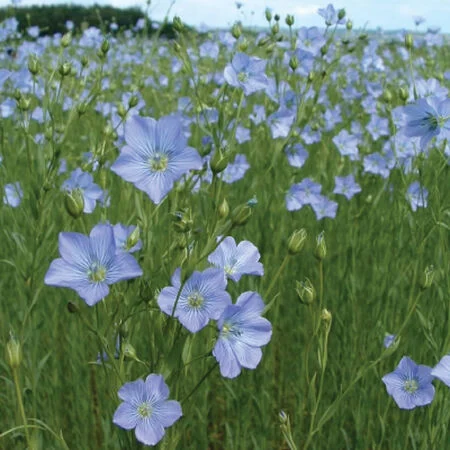
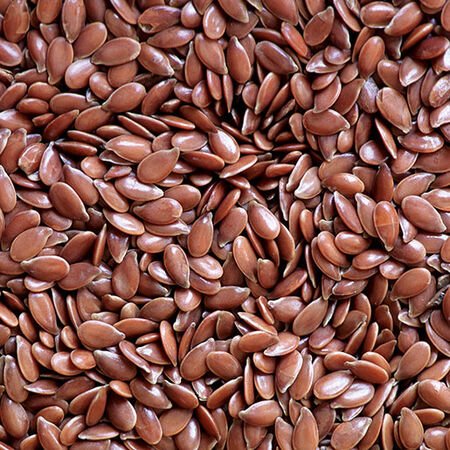
Before there was cotton, there was flax—the plant that clothed the Biblical world.
As the morning sun rose over the villages of ancient Israel, rooftops became busy places filled with bundles of freshly harvested flax drying in the warm air. Skilled hands patiently transformed the slender stems into fine linen, one of the most valuable fabrics of the ancient world. From the garments of priests and kings to household clothing, fishing nets, sails, ropes, and burial cloths, flax quietly supported nearly every aspect of daily life. Few plants were more essential to the people of the Bible than this humble blue-flowered annual.
One of the Bible's most memorable scenes involving flax occurs in the Book of Joshua, when Rahab courageously hid the Israelite spies beneath stalks of flax spread across her rooftop to dry in the sun. This simple detail provides a fascinating glimpse into everyday life in Biblical Jericho, where families routinely harvested, dried, and processed flax into linen thread. Throughout Scripture, linen became a symbol of purity, dignity, and faithful service. Priests ministered in finely woven linen garments, while the virtuous woman of Proverbs was praised for seeking wool and flax to provide for her household.
Today, Common Flax remains both beautiful and remarkably useful. Its graceful stems, delicate sky-blue flowers, and slender foliage create an elegant display in the garden before producing the valuable fibers and nutritious seeds that have benefited mankind for thousands of years. Flaxseed continues to be prized for its nutritional value, while linen remains one of the world's finest natural fabrics, admired for its strength, comfort, and timeless beauty.
Growing flax today offers far more than an attractive flowering plant. It provides a living connection to one of humanity's oldest agricultural achievements and to the daily lives of countless men and women whose stories fill the pages of Scripture. Few plants illustrate the relationship between faith, family, craftsmanship, and God's provision more beautifully than the remarkable flax plant.
Specifications
- Botanical Name: Linum usitatissimum
- Common Name: Common Flax
- Plant Type: Annual
- Height: 24–36 inches
- Spread: 8–12 inches
- Growth Rate: Fast
- Sun Requirements: Full sun
- Soil Preference: Well-drained, fertile soil
- Water Requirements: Moderate
- USDA Zones: Grown as an annual in all climates
- Uses: Linen fiber, flaxseed, ornamental flowers, Biblical gardens, historical gardens, pollinator gardens
- Wildlife Value: The flowers attract bees and other beneficial pollinating insects.
Biblical Significance
Flax was one of the most important agricultural crops of the Biblical world. Its fibers were spun into linen, the fabric used for priestly garments, household clothing, curtains, and many sacred furnishings associated with the Tabernacle and Temple. Scripture frequently mentions flax and linen, reflecting their central role in the economy and daily life of ancient Israel. The account of Rahab hiding the Israelite spies beneath drying flax provides one of the Bible's clearest glimpses into everyday agricultural life, while the "virtuous woman" of Proverbs is praised for working willingly with wool and flax.
Selected Bible References
- Exodus 9:31 — The flax crop of Egypt is mentioned during the plagues.
- Joshua 2:6 — Rahab hides the Israelite spies beneath stalks of drying flax.
- Proverbs 31:13 — The virtuous woman seeks wool and flax.
- Isaiah 19:9 — Workers processing flax are described.
- Ezekiel 44:17–18 — Priests wear linen garments while ministering.
- Revelation 19:8 — Fine linen symbolizes the righteous acts of God's people.
Life in Biblical Times
Imagine walking through the narrow streets of Jericho during harvest season. Across the flat rooftops, bundles of freshly cut flax lay drying beneath the brilliant desert sun while families prepared the fibers for spinning. Inside nearby homes, women twisted fine linen thread that would become garments, household cloth, ropes, fishing nets, and sails. The gentle tapping of looms echoed through the village as generation after generation practiced one of humanity's oldest textile arts. In this familiar setting, Rahab hid the Israelite spies beneath her drying flax, preserving one of the Bible's most remarkable stories of courage and faith.
Did You Know?
The botanical name Linum usitatissimum means "most useful flax." Few scientific names describe a plant more accurately. For thousands of years flax has supplied both nutritious seeds and strong natural fibers, making it one of the oldest and most valuable cultivated crops in human history.
Seedman Notes
Common Flax stands among the foundation plants of Biblical civilization. Long before cotton became widespread, flax clothed families, equipped fishermen, supplied the priesthood, and supported entire communities through the production of fine linen. Its delicate blue flowers hide a remarkable history that stretches from the rooftops of Jericho to the sacred garments of the Temple. We proudly include Common Flax in our Bible Garden collection because few plants tell the story of everyday life in Scripture more completely or more beautifully.
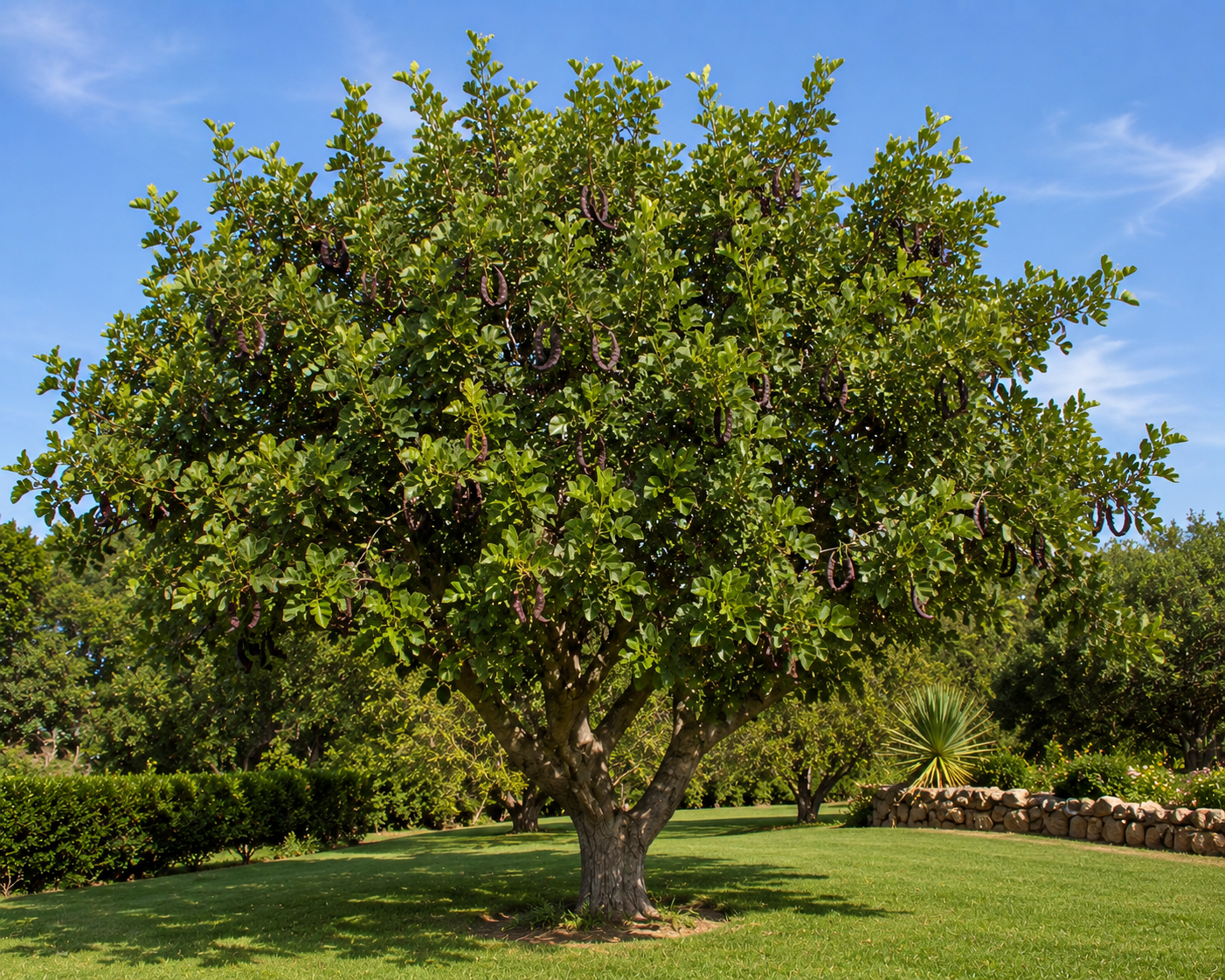
The long brown pods hanging from its branches helped sustain generations in the land of the Bible.
Across the rocky hillsides surrounding ancient villages, the Carob Tree quietly flourished where many other trees struggled to survive. Its broad evergreen canopy provided welcome shade from the Mediterranean sun, while its long, leathery seed pods offered a dependable source of nourishment during times of plenty and hardship alike. For thousands of years this remarkable tree has been cultivated throughout the Holy Land, earning a reputation as one of the most resilient and valuable food trees of the Biblical world.
Carob has long been associated with one of Christ's best-loved parables. In the story of the Prodigal Son, Jesus described a young man so desperate with hunger that he longed to eat the pods fed to the swine. Many Biblical scholars believe these pods were those of the Carob Tree, sometimes called "locust beans" or "St. John's Bread." Whether or not this was the exact species intended, the tree was certainly familiar to Jesus' audience and represented a humble but dependable source of food that sustained both people and livestock throughout the region.
Today, the Carob Tree remains one of the finest ornamental and edible trees for warm climates. Its dense, glossy evergreen foliage creates welcome shade throughout the year, while the nutritious pods are naturally sweet and have long been enjoyed as livestock feed, traditional foods, and a caffeine-free chocolate substitute. Exceptionally drought tolerant once established, Carob thrives in poor soils where many other fruit trees cannot, making it a valuable addition to Mediterranean, xeriscape, and Biblical gardens.
Planting a Carob Tree today allows gardeners to experience one of the ancient food trees that helped shape life throughout the eastern Mediterranean. Its remarkable longevity, handsome appearance, and enduring connection to the teachings of Jesus make it a meaningful addition to any Bible Garden while serving as a living reminder of God's provision even in difficult times.
Specifications
- Botanical Name: Ceratonia siliqua
- Common Name: Carob Tree
- Plant Type: Evergreen tree
- Height: 30–50 feet
- Spread: 25–40 feet
- Growth Rate: Slow to moderate
- Sun Requirements: Full sun
- Soil Preference: Well-drained soil; highly tolerant of rocky, alkaline, and poor soils
- Water Requirements: Low once established; exceptionally drought tolerant
- USDA Zones: 9–11
- Uses: Edible pods, shade tree, Biblical gardens, xeriscapes, Mediterranean landscapes, wildlife habitat
- Wildlife Value: Flowers provide nectar for pollinating insects, while pods serve as food for livestock and wildlife.
Biblical Significance
The Carob Tree has been cultivated throughout the eastern Mediterranean since ancient times and is closely associated with the agricultural world of the Bible. Many Biblical scholars believe the "husks" or pods mentioned in Jesus' Parable of the Prodigal Son were the sweet, leathery pods of the Carob Tree, although this identification cannot be stated with complete certainty. Regardless, Ceratonia siliqua was a familiar and valuable food tree throughout the region during Biblical times, making it an excellent representative of the landscapes and orchards known to the people of Scripture.
Selected Bible References
- Luke 15:16 — The Prodigal Son longs to eat the pods fed to the swine, traditionally identified by many scholars as carob pods.
Life in Biblical Times
Imagine walking along a dusty hillside path outside a Galilean village. Nearby stood broad-canopied Carob Trees whose heavy brown pods ripened beneath the warm Mediterranean sun. Shepherds rested beneath their shade while livestock eagerly fed on the fallen pods. Families gathered the sweet fruit for both human and animal use, appreciating the tree's dependable harvest even during dry years. It was this familiar sight that likely came to mind when Jesus described the desperate hunger of the Prodigal Son, making His lesson all the more vivid to those who first heard it.
Did You Know?
The seeds of the Carob Tree are remarkably uniform in weight. For centuries jewelers used them as a standard for weighing precious gemstones, giving rise to the modern unit known as the "carat."
Seedman Notes
The Carob Tree beautifully illustrates God's provision through one of the oldest cultivated food trees of the Mediterranean world. Its evergreen beauty, nutritious pods, extraordinary drought tolerance, and long association with the teachings of Jesus make it a distinctive addition to our Bible Garden collection. Whether grown for its historical importance, handsome appearance, or edible harvest, the Carob Tree offers gardeners a living connection to the orchards and hillsides of the Biblical world.

Contact Us | Privacy Policy | About Us
Serving gardeners since 1992
State of Mississippi Seedmen's Permit #C-391, Ohio 90152, Minnesota 20086777