
The Seedman Grow-Your-Own Bird Food Project
There is something especially rewarding about watching a bird land on a sunflower, millet head, dried flower cone, fruiting shrub, or grain stalk that you grew yourself. Instead of thinking of bird feeding only as filling a feeder, this project turns part of the garden into a living food source. Some plants provide seed, others fruit or nuts, and many also provide flowers for pollinators, perches, shelter, or cover before the bird-food harvest ever begins.
The selections below give you several ways to build the project. You can plant a small patch of sunflowers and millet, mix seed-bearing flowers into an ornamental garden, add shrubs and fruiting plants for a longer-term wildlife landscape, or combine several types so something useful is happening through more than one season. You do not need to grow every selection on this page. Choose the plants that fit your space, climate, and the kinds of garden experiences you enjoy.
The Bird Food Garden Journey: Plant → Grow → Flower → Set Seed or Fruit → Ripen → Harvest or Leave Standing → Feed → Watch. One of the pleasures of this project is deciding how much of the crop to harvest and how much to leave exactly where it grew.
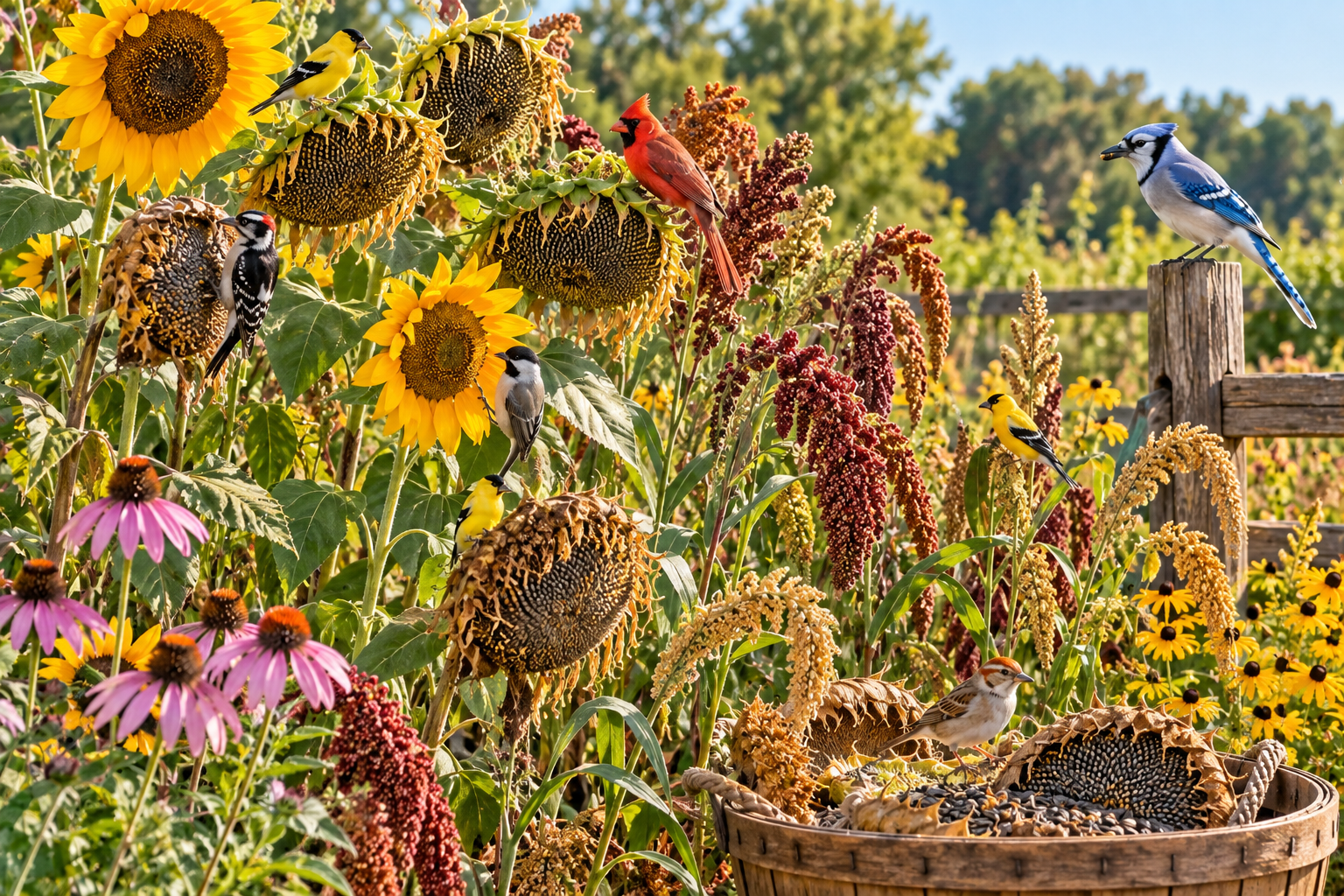
Three Ways to Enjoy This Project: The Standing Bird Buffet leaves mature seed heads and grain stalks in place for birds to harvest naturally. The Winter Bird Pantry saves part of the mature crop for feeding later in the season. The Bird-Watching Garden combines food plants with cover, perches, flowers and nearby water to create a place where birds can be observed as part of the garden itself.
Who Might Visit? The bird lists with individual plants are intended as a practical guide to the kinds of seed-, fruit-, and nut-eating birds that may use them. Actual visitors will vary with your region, season, migration patterns, surrounding habitat, and which birds already live nearby. That uncertainty is part of the fun: plant the food and see who discovers it.
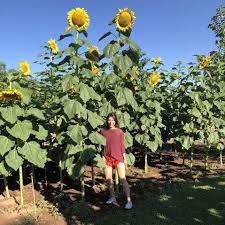
Mongolian Giant Sunflower (Helianthus annuus) is one of the finest plants you can grow for feeding wild birds naturally. Towering 10 to 14 feet tall under good growing conditions, these impressive giants produce enormous flower heads packed with thousands of oil-rich seeds that become a magnet for backyard birds from late summer well into autumn. Beyond their value as bird food, the towering stalks create a dramatic backdrop for vegetable gardens, wildlife plantings, and natural landscapes while their bright golden blooms attract bees and other beneficial pollinators throughout the flowering season.
As the seed heads mature, the garden quickly becomes alive with activity. American Goldfinches cling effortlessly to the seed heads while extracting the tiny kernels, Cardinals crack the larger seeds with their powerful beaks, and Chickadees, Nuthatches, Titmice, Blue Jays, Mourning Doves, and many native sparrows all visit to enjoy the abundant harvest. Even after birds have removed much of the seed, squirrels and other wildlife often finish what remains, making this one of the most productive wildlife plants a gardener can grow.
Mongolian Giant Sunflowers are remarkably easy to grow from seed in full sun with average garden soil. Plant after danger of frost has passed and provide adequate moisture during early growth for the tallest plants and largest flower heads. Although many gardeners harvest the seed for winter bird feeding, we often recommend leaving at least a portion of the crop standing. Watching birds harvest the seeds naturally from the towering flower heads is one of the greatest pleasures of autumn gardening, and the dried stalks continue providing structure and shelter well into winter.
Harvesting for Bird Food: Allow the flower heads to mature completely on the plant until the backs of the heads turn yellow to brown and the seeds become fully developed. Heads may then be cut and dried in a well-ventilated location before storing the seeds for winter feeders, or simply leave the mature heads standing outdoors and allow wild birds to harvest them naturally throughout the fall and winter. Either method provides an excellent source of high-energy food when birds need it most.
Seedman Notes
If we could recommend only one plant for a backyard bird garden, Mongolian Giant Sunflower would be among our very first choices. Few plants provide as much food for as many different bird species while also bringing beauty, pollinators, and wildlife into the garden. Every autumn, we look forward to watching Goldfinches hanging upside down from the seed heads, Cardinals patiently cracking open the larger seeds, and flocks of happy birds turning the garden into one of nature's busiest feeding stations. Sometimes the best bird feeder is simply a sunflower left standing where it grew.
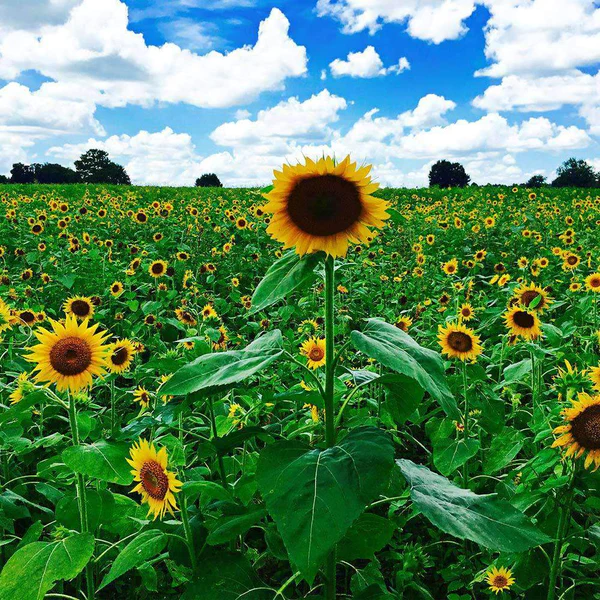
Peredovik Black Oil Sunflower (Helianthus annuus) is widely regarded as the gold standard for feeding wild birds. Originally developed for its exceptionally high oil content, this Russian heirloom has become the sunflower most commonly used in premium commercial birdseed because it provides outstanding nutrition while producing a thinner shell that is easier for many birds to crack. Growing 5 to 7 feet tall, the plants produce large flower heads filled with hundreds of nutrient-rich black seeds that attract an impressive variety of backyard birds from late summer through winter.
Few plants rival Peredovik for attracting birds. American Goldfinches, Cardinals, Chickadees, Titmice, Nuthatches, Blue Jays, Purple Finches, House Finches, Evening Grosbeaks, Mourning Doves, and numerous native sparrows eagerly feed on the oil-rich seeds. The combination of high energy, abundant natural oils, and relatively thin seed coats makes this one of the easiest sunflower varieties for both small and large birds to enjoy. During migration and throughout the colder months, these nutritious seeds become an especially valuable food source.
Peredovik is easy to grow in full sun with average garden soil and rewards gardeners with dependable harvests year after year. While the bright yellow blooms attract bees and other beneficial pollinators during summer, the real show begins as the seed heads mature and flocks of birds arrive to harvest the crop. Many gardeners leave the flower heads standing through autumn and winter, allowing birds to feed naturally while adding seasonal beauty and wildlife activity to the garden.
Harvesting for Bird Food: Allow the flower heads to dry naturally on the plants until the backs turn brown and the seeds are fully mature. The heads may be harvested and hung in a dry, airy location before rubbing out the seeds for winter feeders, or simply leave the mature flower heads standing outdoors where birds can harvest the seeds themselves. Because of their exceptional oil content, properly dried seeds store well and provide one of the finest winter foods for wild birds.
Favorite Birds
- ★★★★★ American Goldfinch
- ★★★★★ Northern Cardinal
- ★★★★★ Chickadees & Titmice
- ★★★★★ Nuthatches
- ★★★★☆ Blue Jays
- ★★★★☆ Purple & House Finches
- ★★★★☆ Mourning Doves
- ★★★★☆ Native Sparrows
Seedman Notes
If you've ever purchased a quality wild bird seed mix, chances are you've already seen Peredovik Black Oil Sunflower at work. Its naturally thin shell and exceptionally high oil content have made it the preferred sunflower for feeding birds throughout North America. Here on the farm, we like to leave many of the mature flower heads standing until winter. It's remarkable how quickly the birds discover them, and watching Goldfinches, Chickadees, and Cardinals feeding naturally from the plants is every bit as enjoyable as filling a bird feeder.
Grey Stripe Sunflower (Helianthus annuus) produces the large, boldly striped seeds that many gardeners immediately recognize as the traditional sunflower seed for both people and wildlife. Growing 6 to 8 feet tall with impressive golden flower heads, this dependable heirloom variety combines ornamental beauty with abundant seed production. Its large, easy-to-handle seeds have long been harvested for roasting, snacking, and feeding wild birds, making it one of the most versatile sunflowers you can grow.
As the flower heads ripen, Grey Stripe Sunflowers quickly become gathering places for wildlife. The oversized seeds are especially attractive to Northern Cardinals, Blue Jays, Evening Grosbeaks, Woodpeckers, Mourning Doves, and other larger seed-eating birds, while squirrels and chipmunks are rarely far behind. Goldfinches and Chickadees will also visit the mature heads, although they often prefer the smaller seeds of black oil varieties. Leaving a few flower heads standing provides weeks of natural bird watching as birds harvest the seeds directly from the plants.
Grey Stripe Sunflowers are easy to grow in full sun with average garden soil and reward gardeners with large flower heads and generous seed yields. The bright yellow blooms attract honeybees and other beneficial pollinators throughout the summer before gradually transforming into one of the garden's richest natural food sources. Their sturdy stalks also provide perching sites for many birds while adding height and structure to wildlife gardens and vegetable plots.
Harvesting for Bird Food: Allow the flower heads to mature completely until the backs turn brown and the seeds are firm and fully striped. Heads may be cut and hung in a dry, well-ventilated location to finish curing before removing the seeds for storage, or simply leave the mature heads standing through autumn and winter. Many gardeners enjoy harvesting part of the crop for feeders while leaving the remaining heads outdoors for birds to enjoy naturally.
Favorite Birds
- ★★★★★ Northern Cardinal
- ★★★★★ Blue Jay
- ★★★★★ Evening Grosbeak
- ★★★★☆ Downy & Red-bellied Woodpeckers
- ★★★★☆ Mourning Dove
- ★★★★☆ American Goldfinch
- ★★★★☆ Chickadees & Titmice
- ★★★★☆ Native Sparrows
Seedman Notes
Grey Stripe Sunflower has been a favorite with bird lovers for generations because it produces exactly the kind of large, nutritious seeds that many backyard birds prefer. We like to harvest a portion of the crop for winter feeding while intentionally leaving several mature heads standing in the garden. Watching Cardinals, Blue Jays, Woodpeckers, and Goldfinches feeding naturally from the towering plants is one of the true rewards of growing your own bird food, and it's a reminder that sometimes the best bird feeder is the one nature designed herself.
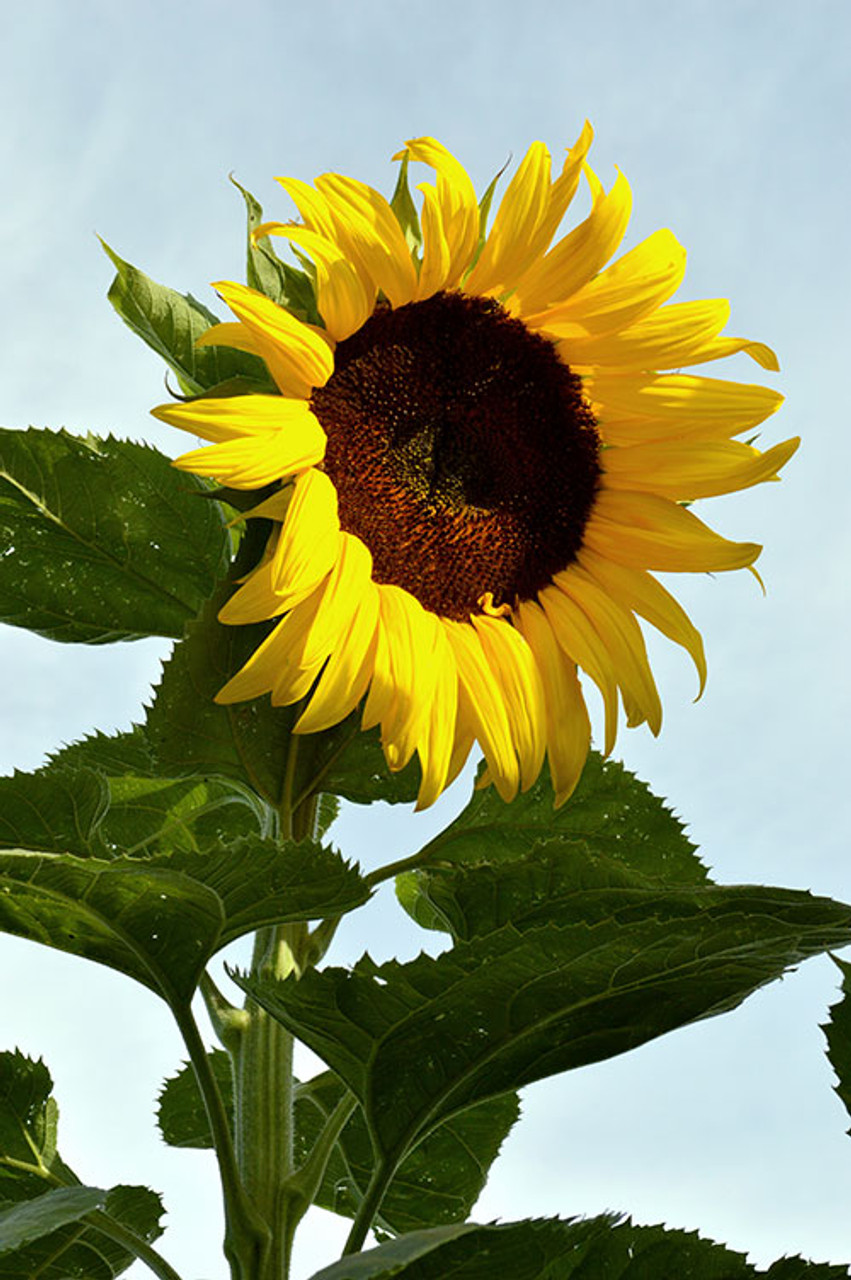
Black Russian Sunflower (Helianthus annuus) is a classic heirloom variety prized for its abundant crop of oil-rich black seeds that have nourished wild birds for generations. Growing 6 to 8 feet tall, these impressive plants produce large golden flower heads that brighten the summer garden before maturing into one of nature's finest wildlife feeding stations. Easy to grow and highly productive, Black Russian combines ornamental beauty with outstanding value for gardeners wishing to provide a dependable natural food source for backyard birds.
The rich, high-energy seeds are eagerly sought by a wide variety of birds including American Goldfinches, Northern Cardinals, Chickadees, Titmice, Nuthatches, Purple Finches, House Finches, Blue Jays, Mourning Doves, and many native sparrows. Like other black-seeded sunflowers, the relatively thin seed coat allows even smaller birds to crack the shells with ease while the naturally high oil content provides valuable energy during migration and throughout the colder months. Once the seed heads begin to mature, they quickly become one of the busiest feeding stations in the garden.
Black Russian Sunflowers thrive in full sun and average garden soil, producing sturdy plants with generous seed yields and bright yellow blooms that attract honeybees and other beneficial pollinators throughout the summer. Many gardeners leave the mature seed heads standing well into winter, allowing birds to harvest the seeds naturally while the dried stalks provide shelter and perching sites. The result is a garden that remains active with wildlife long after most flowers have faded.
Harvesting for Bird Food: Allow the flower heads to mature completely until the backs turn brown and the seeds are firm and fully developed. Heads may be cut and dried in a well-ventilated location before storing the seeds for winter feeders, or left standing outdoors where birds can harvest the crop naturally. Properly dried black oil sunflower seeds store exceptionally well, making them one of the finest home-grown foods for winter bird feeding.
Favorite Birds
- ★★★★★ American Goldfinch
- ★★★★★ Northern Cardinal
- ★★★★★ Chickadees & Titmice
- ★★★★★ Nuthatches
- ★★★★☆ Purple & House Finches
- ★★★★☆ Blue Jays
- ★★★★☆ Mourning Doves
- ★★★★☆ Native Sparrows
Seedman Notes
Black Russian is one of those heirloom sunflowers that has quietly earned its reputation through generations of dependable performance. While newer hybrids have appeared over the years, this old favorite continues to produce abundant crops of nutritious black seeds that birds readily recognize and appreciate. We enjoy leaving many of the mature flower heads standing until late winter, when they become gathering places for flocks of Goldfinches, Chickadees, Cardinals, and other welcome backyard visitors. It's a simple reminder that growing your own bird food can be just as rewarding as growing vegetables or flowers.
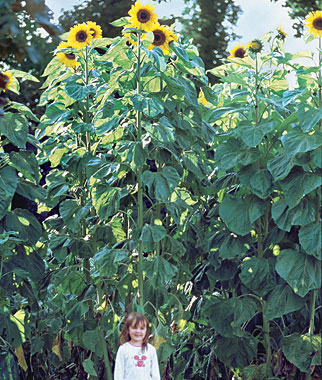
American Giant Hybrid Sunflower (Helianthus annuus) is one of the largest and most productive sunflowers available, combining hybrid vigor with towering plants that often reach 12 to 16 feet in height under favorable growing conditions. Massive golden flower heads produce thousands of nutritious seeds while creating a dramatic focal point in wildlife gardens, vegetable plots, and natural landscapes. Few plants offer such an impressive combination of beauty, pollinator value, and abundant bird food from a single planting.
As the enormous seed heads mature, American Giant quickly becomes one of the busiest feeding stations in the garden. American Goldfinches cling to the ripening heads to extract individual seeds, while Cardinals, Blue Jays, Chickadees, Titmice, Nuthatches, Mourning Doves, Grosbeaks, and numerous native sparrows eagerly share in the harvest. The tremendous seed yield provides an abundant food source that can sustain birds well into autumn and winter, making this variety especially valuable for gardeners wishing to support local wildlife.
Easy to grow in full sun with average garden soil, American Giant Hybrid develops strong stems capable of supporting its enormous flower heads while attracting honeybees and other beneficial pollinators throughout the blooming season. Because of their exceptional height, these giant sunflowers also provide temporary shelter, perching sites, and welcome shade for smaller wildlife. Whether planted as a living screen, along fences, or as the backdrop to a bird garden, they create an unforgettable display while producing one of nature's richest seed crops.
Harvesting for Bird Food: Allow the flower heads to mature naturally until the backs turn brown and the seeds become fully developed. The large heads may be harvested and hung indoors to finish drying before removing the seeds for winter feeders, or left standing where birds can harvest them naturally. We often leave several of the biggest heads untouched, allowing Goldfinches, Cardinals, and Chickadees to enjoy fresh seed directly from the plants while storing the remaining harvest for winter feeding.
Favorite Birds
- ★★★★★ American Goldfinch
- ★★★★★ Northern Cardinal
- ★★★★★ Blue Jay
- ★★★★★ Chickadees & Titmice
- ★★★★☆ Nuthatches
- ★★★★☆ Evening & Rose-breasted Grosbeaks
- ★★★★☆ Mourning Dove
- ★★★★☆ Native Sparrows
Seedman Notes
American Giant Hybrid is the sunflower we recommend when you want to make a statement. Few sights are more impressive than a row of towering plants covered with bright yellow blooms, followed by enormous seed heads alive with feeding birds. We enjoy harvesting a portion of the crop for winter feeders, but always leave several giants standing. By late summer they're often covered with Goldfinches, Cardinals, Blue Jays, and Chickadees, turning the garden into one of the busiest natural bird feeders imaginable.
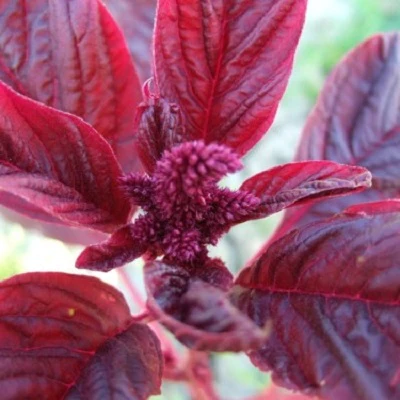
Red Garnet Amaranth (Amaranthus tricolor) is a striking ornamental annual that combines brilliant burgundy-red foliage with exceptional value as a natural bird food plant. Growing 3 to 5 feet tall, the colorful plants produce dense clusters of tiny, nutritious seeds that mature from late summer into autumn. While gardeners often grow Red Garnet for its dramatic foliage and bold garden color, many backyard birds appreciate it even more for the abundant harvest of protein-rich seed it provides as the season comes to a close.
As the seed clusters ripen, Red Garnet becomes especially attractive to American Goldfinches, House Finches, Purple Finches, native sparrows, Juncos, Doves, and numerous other small seed-eating birds. Unlike larger sunflower seeds, the tiny amaranth seeds are easily handled by small birds that cling to the seed heads or gather seed that naturally falls beneath the plants. During autumn migration and into winter, these nutrient-rich seeds provide an excellent source of natural food while encouraging birds to remain in the garden.
Red Garnet thrives in full sun and average garden soil, requiring little care once established. The colorful foliage provides outstanding contrast in flower beds and vegetable gardens throughout the summer, while the late-season seed heads continue adding beauty long after many annual flowers have faded. Leaving the mature plants standing through autumn creates an attractive wildlife planting while allowing birds to harvest the seed naturally as it ripens.
Harvesting for Bird Food: Allow the seed heads to mature completely until they become dry and begin shedding seed naturally. Entire seed heads may be cut and dried in paper bags before gently rubbing out the tiny seeds for winter feeding, or simply leave the plants standing outdoors where birds can harvest the seeds themselves over many weeks. Many gardeners prefer to do both—saving part of the harvest while leaving the remainder for wildlife.
Favorite Birds
- ★★★★★ American Goldfinch
- ★★★★★ House & Purple Finches
- ★★★★☆ Native Sparrows
- ★★★★☆ Dark-eyed Junco
- ★★★★☆ Mourning Dove
- ★★★★☆ Indigo Bunting
Seedman Notes
Amaranths have fed both people and wildlife for thousands of years, and Red Garnet continues that tradition in spectacular fashion. We enjoy growing it not only for its rich burgundy foliage, but also for the steady parade of Goldfinches and other small birds that arrive once the seeds begin to mature. If you enjoy watching finches feeding naturally from the plants, resist the temptation to cut everything down in autumn—leave a few seed heads standing and let nature provide the entertainment.
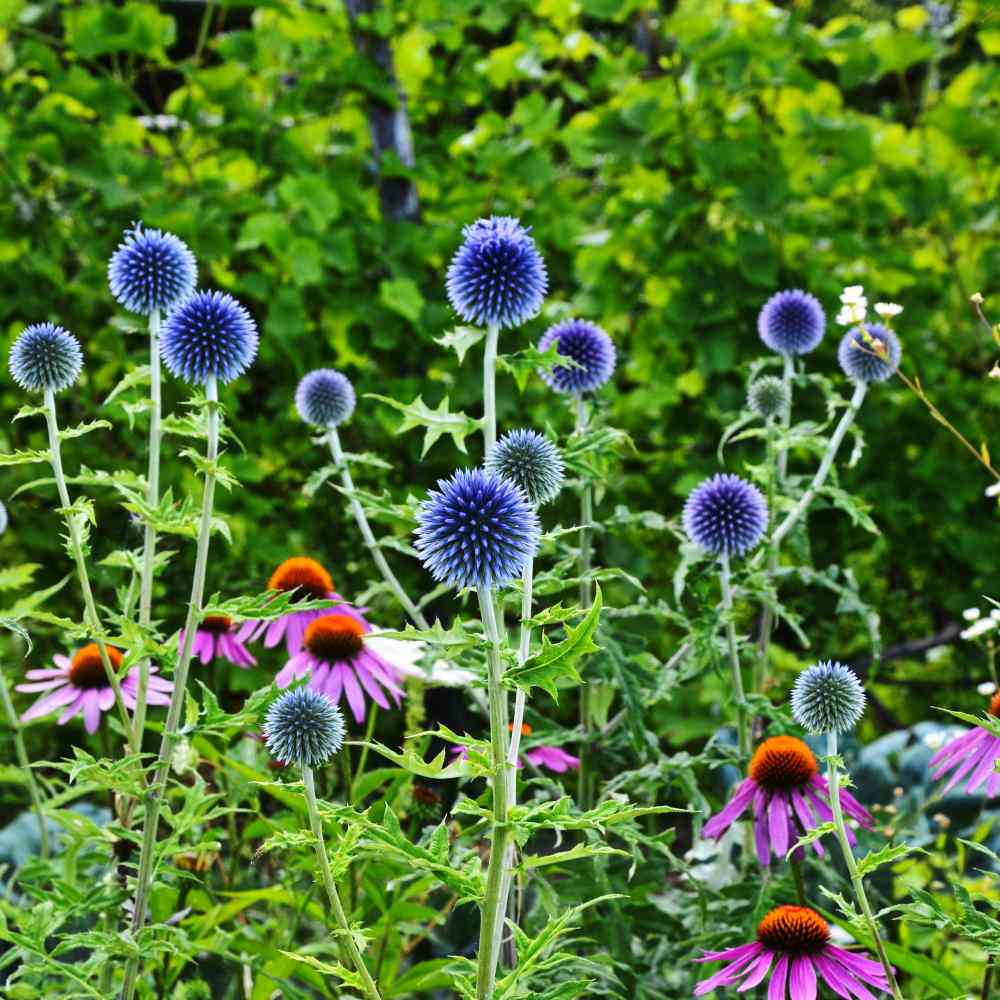
Blue Globe Thistle (Echinops ritro) is one of the most distinctive perennial flowers you can grow for both wildlife and ornamental beauty. Its perfectly rounded, steel-blue flower heads stand atop sturdy stems 3 to 4 feet tall, creating a dramatic display from midsummer into early fall. While the unique blooms attract countless pollinators during the flowering season, the mature seed heads become an important late-season food source for many seed-eating birds, making this one of the finest dual-purpose plants for wildlife gardens.
As the flowers mature into seed, American Goldfinches are especially attracted to the prickly seed heads, often clinging acrobatically to harvest the tiny nutritious seeds. Chickadees, Purple Finches, House Finches, native sparrows, and other small birds also visit the dried seed heads as autumn progresses. During summer, the nectar-rich flowers are alive with honeybees, native bees, butterflies, and other beneficial pollinating insects, giving Blue Globe Thistle exceptional wildlife value throughout much of the growing season.
Blue Globe Thistle thrives in full sun and well-drained soil, where it develops into a long-lived, drought-tolerant perennial requiring very little maintenance. The striking flowers make outstanding fresh and dried cut flowers, while the architectural seed heads continue adding interest long after the blooms have faded. Rather than cutting the plants back in autumn, we recommend leaving the seed heads standing through winter to provide both food and shelter for visiting birds.
Harvesting for Bird Food: Unlike many seed crops, Blue Globe Thistle is usually best left standing in the garden. The mature seed heads naturally release seed over an extended period, allowing Goldfinches and other small birds to harvest the crop exactly as nature intended. If desired, dried seed heads may be cut for decorative arrangements or collected for feeder use, but we find they provide the greatest enjoyment when left outdoors for wildlife.
Favorite Birds
- ★★★★★ American Goldfinch
- ★★★★☆ House & Purple Finches
- ★★★★☆ Chickadees
- ★★★★☆ Native Sparrows
- ★★★★☆ Dark-eyed Junco
Seedman Notes
Blue Globe Thistle is one of those rare plants that earns its place in the garden during every season. In summer, the brilliant blue flower heads attract bees and butterflies by the dozens. By autumn, the flowers have transformed into natural bird feeders where Goldfinches perform their remarkable balancing acts while harvesting the tiny seeds. We rarely cut the plants down until late winter because the dried seed heads continue feeding birds while adding beautiful structure to the winter garden. Few perennials offer this much year-round wildlife value.
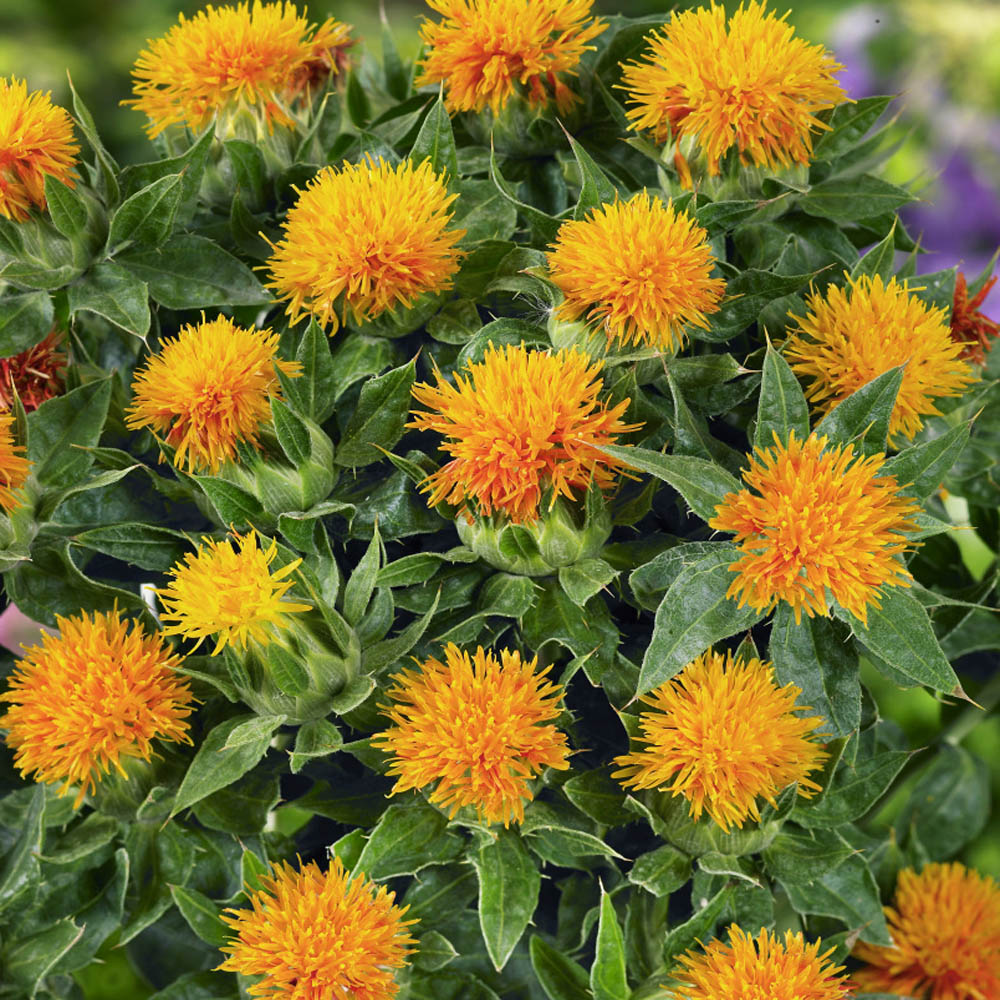
Safflower (Carthamus tinctorius) is one of the finest bird food plants a gardener can grow, producing an abundant crop of nutritious white seeds that are especially prized by many backyard songbirds. This attractive annual grows 3 to 5 feet tall with glossy green foliage and brilliant orange to deep yellow thistle-like flowers that brighten the summer garden while attracting bees and other beneficial pollinators. Long valued as both an ornamental and an ancient dye plant, Safflower has become equally respected for producing one of nature's most desirable bird seeds.
As the flower heads mature, the nutritious seeds quickly attract Northern Cardinals, Chickadees, Titmice, Mourning Doves, House Finches, Purple Finches, native sparrows, and numerous other seed-eating birds. One of Safflower's greatest advantages is that many squirrels, European Starlings, and Common Grackles show much less interest in the seeds than they do in sunflower, allowing many of your favorite backyard birds to feed with less competition. For gardeners looking to encourage colorful songbirds, Safflower is often one of the very best choices.
Safflower thrives in full sun and tolerates heat, drought, and poor soils exceptionally well once established. The spiny foliage helps protect the developing seed heads, while the brilliant flowers attract beneficial pollinating insects throughout the blooming season. Easy to grow and highly productive, it is an excellent addition to wildlife gardens, cut flower gardens, and naturalized plantings where beauty and usefulness go hand in hand.
Harvesting for Bird Food: Allow the flower heads to dry completely on the plants until the seeds become firm and the heads turn brown. Harvest by cutting the mature heads and allowing them to finish drying in a well-ventilated location before rubbing out the seeds for winter feeders. Many gardeners also leave several plants standing so birds can harvest the seed naturally throughout autumn while the remaining crop is stored for winter feeding.
Favorite Birds
- ★★★★★ Northern Cardinal
- ★★★★★ Chickadees & Titmice
- ★★★★★ House & Purple Finches
- ★★★★☆ Mourning Dove
- ★★★★☆ Native Sparrows
- ★★★★☆ White-breasted Nuthatch
Seedman Notes
Safflower has earned a loyal following among bird lovers for one simple reason—it attracts many of the birds we most enjoy watching while often drawing less attention from squirrels and some of the larger, more aggressive feeder birds. We like to harvest part of the crop for winter feeding while leaving a few seed heads standing for visiting birds. Combined with Black Oil Sunflowers, Safflower provides an outstanding one-two combination that keeps backyard feeding stations active throughout the colder months.
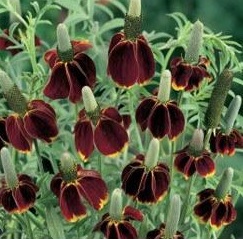
Mexican Hat (Ratibida columnifera) is one of North America's most colorful native wildflowers, producing distinctive red and yellow drooping petals surrounding tall, cone-shaped centers that bloom continuously from early summer into fall. Growing 2 to 3 feet tall, this drought-tolerant perennial or self-seeding annual thrives in sunny gardens, wildflower meadows, prairie plantings, and naturalized landscapes. While admired for its cheerful flowers, Mexican Hat also becomes an excellent late-season food source for many small seed-eating birds.
As the flowers mature, the elongated seed heads gradually dry and fill with hundreds of tiny seeds that attract American Goldfinches, House Finches, Purple Finches, native sparrows, Juncos, and other small birds. During the flowering season, the nectar-rich blooms are visited by honeybees, native bees, butterflies, and numerous beneficial pollinating insects, making Mexican Hat valuable to wildlife from its first blossoms until the last seeds have been harvested. The long bloom period helps sustain pollinators while providing birds with a dependable autumn food source.
Exceptionally easy to grow, Mexican Hat flourishes in full sun and well-drained soils while tolerating heat, drought, wind, and poor growing conditions once established. It readily naturalizes in meadows and borders where its colorful flowers sway above fine-textured foliage. Rather than cutting the plants back after flowering, allow the seed heads to remain standing through autumn and winter so birds can feed naturally while the dried stems continue adding structure and interest to the landscape.
Harvesting for Bird Food: Mexican Hat is usually best enjoyed by allowing the seed heads to remain on the plants. Birds harvest the tiny seeds gradually throughout autumn and winter, often returning repeatedly as more seeds become available. If desired, mature seed heads may be collected for winter feeders or future planting, but we find they provide their greatest value when left standing as natural feeding stations.
Favorite Birds
- ★★★★★ American Goldfinch
- ★★★★☆ House & Purple Finches
- ★★★★☆ Native Sparrows
- ★★★★☆ Dark-eyed Junco
- ★★★★☆ Mourning Dove (fallen seed)
Seedman Notes
Mexican Hat is one of those wonderful native wildflowers that continues giving long after the flowers have faded. Summer brings an endless parade of bees and butterflies, while autumn transforms the drying seed heads into natural bird feeders for Goldfinches and other small songbirds. We rarely remove the plants until late winter because they continue feeding wildlife while adding a touch of prairie beauty to the garden during the quiet months. It's another excellent reminder that some of the best bird food doesn't come from a feeder—it comes straight from the garden.
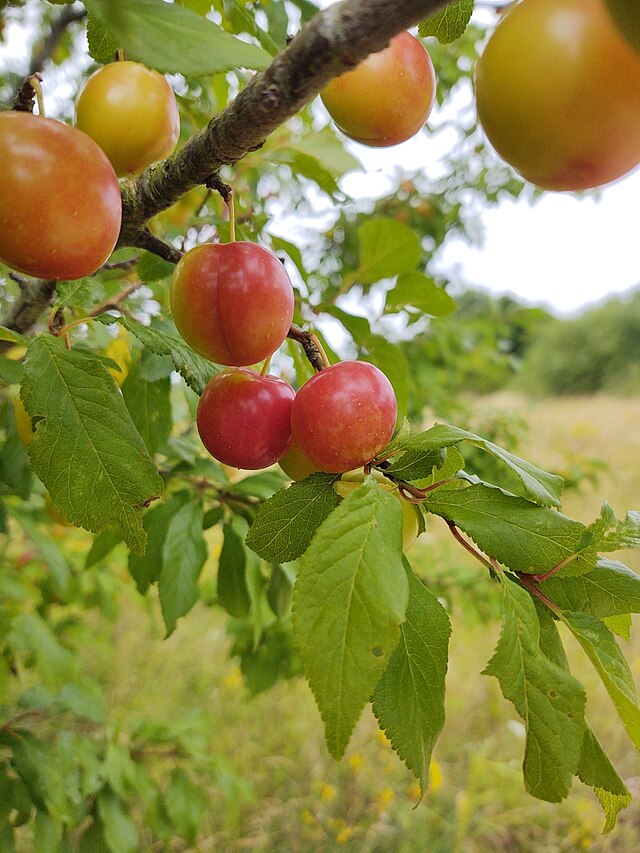
Myrobalan Plum (Prunus cerasifera), often called Cherry Plum, is one of the earliest fruiting trees you can grow for attracting wild birds. In early spring, the tree is covered with masses of fragrant white blossoms that provide nectar and pollen for bees and other early pollinators. By early to midsummer, the flowers have developed into abundant crops of small cherry-like fruits ranging from bright yellow to deep red, creating an irresistible feast for songbirds while adding ornamental beauty to the landscape.
The colorful fruits are eagerly eaten by American Robins, Cedar Waxwings, Catbirds, Northern Mockingbirds, Bluebirds, Orioles, Thrashers, Brown Thrashers, and many other fruit-loving birds. Because Myrobalan Plum ripens earlier than many native fruits, it provides an important seasonal food source when young birds are being raised and natural fruit supplies may still be limited. As birds consume the fruit, they also help distribute the seeds, continuing one of nature's oldest partnerships between trees and wildlife.
Easy to grow and remarkably adaptable, Myrobalan Plum thrives in full sun and a wide range of well-drained soils while tolerating both heat and cold. The attractive green foliage, profusion of fragrant spring flowers, colorful summer fruit, and attractive branching habit make it an excellent landscape tree for home gardens, orchards, wildlife plantings, and naturalized areas. It is also widely valued as a vigorous rootstock for many cultivated plum varieties.
Growing for Wildlife: Unlike seed-producing annuals that are harvested each season, Myrobalan Plum is best managed by allowing the fruit to ripen naturally on the tree. Birds are remarkably efficient at locating the ripest fruit and will often visit daily as the crop matures. If fruit remains after the birds have finished feeding, it may also be enjoyed fresh or used for preserves and jellies, making this tree an excellent choice for gardeners wishing to share the harvest with wildlife.
Favorite Birds
- ★★★★★ American Robin
- ★★★★★ Cedar Waxwing
- ★★★★★ Eastern Bluebird
- ★★★★★ Northern Mockingbird
- ★★★★☆ Baltimore & Orchard Orioles
- ★★★★☆ Gray Catbird
- ★★★★☆ Brown Thrasher
- ★★★★☆ Northern Cardinal
Seedman Notes
Myrobalan Plum reminds us that not all bird food comes in the form of seeds. Fruiting trees are among the most valuable plants for attracting songbirds, especially during the nesting season when nutritious fruit becomes an important part of their diet. We especially enjoy watching Cedar Waxwings and Robins descend on a ripening tree almost as soon as the fruit reaches peak color. Combined with seed-producing flowers and annuals, fruiting trees like Myrobalan Plum help provide a continuous source of natural food from spring through late summer.
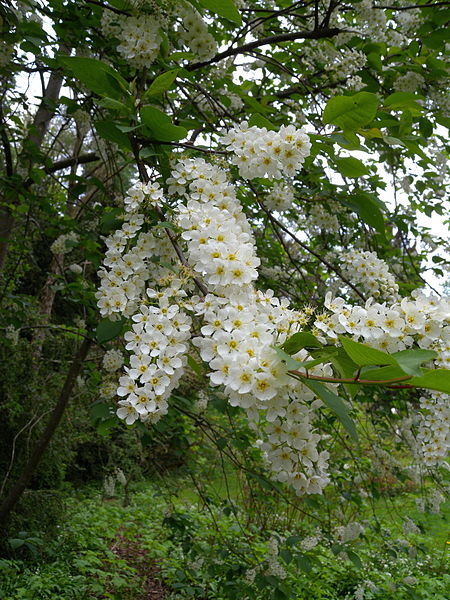
European Bird Cherry (Prunus padus) is one of the finest ornamental trees for attracting fruit-eating birds. In spring, graceful branches are covered with long, fragrant clusters of creamy white blossoms that attract bees and other early pollinators. By midsummer, the flowers give way to abundant hanging clusters of small glossy black cherries that become an irresistible banquet for a remarkable variety of songbirds. Beautiful in every season, this hardy tree combines ornamental elegance with exceptional wildlife value.
The plentiful fruits are eagerly consumed by American Robins, Cedar Waxwings, Gray Catbirds, Eastern Bluebirds, Thrushes, Orioles, Northern Mockingbirds, Grosbeaks, and many other fruit-loving birds. The berries typically ripen in generous clusters, allowing flocks of birds to feed naturally while dispersing the seeds throughout the surrounding landscape. During nesting season and late summer, these nutritious fruits provide an important source of energy when many birds are raising young or preparing for migration.
European Bird Cherry thrives in full sun to partial shade and adapts well to a wide range of fertile, well-drained soils. Growing into a handsome medium-sized tree, it offers year-round ornamental interest with fragrant spring flowers, attractive summer fruit, lush green foliage, and beautiful yellow autumn color. Its reliable flowering and heavy fruit production have made it a favorite choice for wildlife plantings, parks, shelterbelts, and naturalized landscapes throughout cooler climates.
Growing for Wildlife: Allow the fruit to ripen naturally on the tree where birds can harvest it at peak maturity. Unlike many garden crops, Bird Cherry is best enjoyed as a living wildlife tree rather than as a harvested fruit crop. By planting several fruiting trees with different ripening seasons, gardeners can provide birds with a dependable succession of natural food throughout much of the growing season.
Favorite Birds
- ★★★★★ Cedar Waxwing
- ★★★★★ American Robin
- ★★★★★ Gray Catbird
- ★★★★★ Eastern Bluebird
- ★★★★☆ Baltimore & Orchard Orioles
- ★★★★☆ Northern Mockingbird
- ★★★★☆ Grosbeaks
- ★★★★☆ Thrushes
Seedman Notes
European Bird Cherry may be one of the most appropriately named trees in the garden. When the fruit begins to ripen, it often seems as though every fruit-loving bird in the neighborhood knows exactly where to find it. We especially enjoy watching Cedar Waxwings arrive in small flocks to feed among the hanging clusters of glossy black fruit. Combined with flowering plants, seed-producing annuals, and other fruiting trees, European Bird Cherry helps create a garden that supports birds through multiple seasons rather than for just a few weeks each year.
We recommend using the Seedman's Cold Stratification Kits for cold stratification.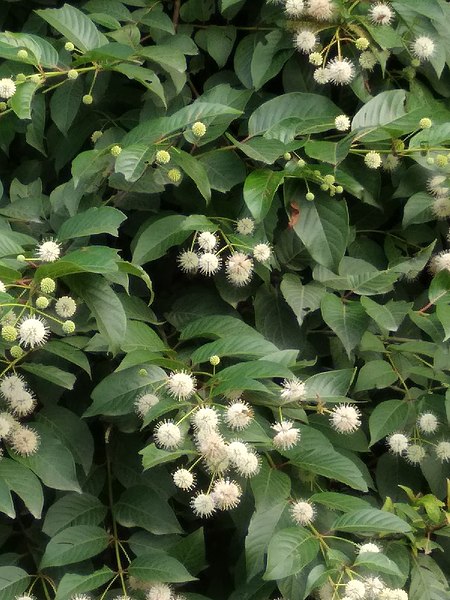
Buttonbush (Cephalanthus occidentalis) is one of North America's finest native wildlife shrubs, offering outstanding value to birds, butterflies, bees, and countless other beneficial creatures throughout the growing season. Growing 6 to 12 feet tall, this attractive deciduous shrub produces unique globe-shaped clusters of creamy white flowers that resemble tiny pincushions suspended among glossy green foliage. Blooming during the heat of summer when many other shrubs have finished flowering, Buttonbush becomes one of the busiest wildlife plants in the landscape.
The fragrant flowers are rich in nectar and attract an extraordinary variety of honeybees, native bees, butterflies, hummingbird moths, and other pollinating insects. As the flowers mature into rounded seed clusters, American Goldfinches, Waterfowl, Sparrows, and numerous other birds feed upon the seeds, while the shrub itself supports a remarkable diversity of insects that become essential food for nesting songbirds. Few native shrubs contribute so much to the wildlife food chain from spring through autumn.
Buttonbush thrives in full sun to partial shade and naturally grows along streams, ponds, wetlands, and other moist locations, although it adapts well to ordinary garden conditions with adequate moisture. The handsome foliage, unusual flowers, attractive seed heads, and excellent wildlife value make it an outstanding choice for rain gardens, naturalized landscapes, pond edges, pollinator gardens, and backyard bird habitats. Once established, it is an exceptionally dependable and long-lived native shrub.
Growing for Wildlife: Allow the seed heads to remain on the shrub through autumn and winter whenever possible. The persistent seed clusters continue providing food for birds long after flowering has finished, while the dense branching offers valuable shelter and nesting sites. Buttonbush is particularly effective when planted near ponds, streams, or other water features where wildlife naturally congregates.
Favorite Wildlife
- ★★★★★ American Goldfinch
- ★★★★★ Native Bees
- ★★★★★ Butterflies
- ★★★★★ Waterfowl
- ★★★★☆ Native Sparrows
- ★★★★☆ Ruby-throated Hummingbird (flowers)
- ★★★★☆ Songbirds seeking nesting insects
Seedman Notes
Buttonbush is one of those remarkable native shrubs that seems to support wildlife at every stage of its life. Summer flowers attract an endless parade of bees and butterflies, the developing seed heads provide food for birds, and the insects living among the foliage become an important food source for nesting songbirds. If your goal is to create a garden filled with life rather than simply a collection of plants, Buttonbush deserves a place near the very top of your list. Few shrubs offer so much to so many forms of wildlife.
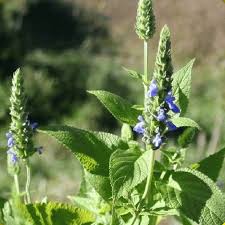
Chia Seed (Salvia hispanica) is a fast-growing annual herb that has nourished both people and wildlife for centuries. Best known today for its highly nutritious seeds, Chia also produces attractive spikes of soft blue to lavender flowers that bring bees, butterflies, and other pollinating insects into the garden throughout the summer. As the blossoms mature into seed, the plants become an excellent late-season food source for many small songbirds while adding beauty and movement to wildlife plantings.
The tiny, oil-rich seeds are especially attractive to American Goldfinches, House Finches, Purple Finches, native sparrows, Juncos, and other small seed-eating birds. During flowering, the nectar-rich blooms attract honeybees, native bees, butterflies, and numerous beneficial pollinators, making Chia valuable throughout much of the growing season. Like many members of the sage family, Chia supports wildlife long before the seeds are ready for harvest, providing both nectar and nutritious seed from a single planting.
Easy to grow in full sun with well-drained soil, Chia develops into handsome plants 3 to 5 feet tall that require little maintenance once established. The attractive flower spikes continue blooming over an extended period before gradually ripening into abundant seed heads. Rather than removing the plants immediately after flowering, leave them standing as long as possible so birds can harvest the mature seeds naturally while enjoying the shelter provided by the sturdy stems.
Harvesting for Bird Food: Allow the flower spikes to dry naturally on the plants until the seeds are fully mature. The seed heads may then be cut and dried before gently rubbing out the tiny seeds for winter bird feeding, or left standing outdoors where Goldfinches and other small birds can gather the seeds themselves. Properly dried Chia seeds store exceptionally well and remain nutritious for months.
Favorite Birds
- ★★★★★ American Goldfinch
- ★★★★★ House & Purple Finches
- ★★★★☆ Native Sparrows
- ★★★★☆ Dark-eyed Junco
- ★★★★☆ Mourning Dove (fallen seed)
Seedman Notes
Most gardeners recognize Chia for its remarkable nutritional value, but we think it deserves equal recognition as a bird-friendly garden plant. The long-lasting flowers provide an abundance of nectar for pollinators throughout the summer, while the tiny, energy-rich seeds become a welcome food source for Goldfinches and other small songbirds as autumn approaches. It's another excellent example of a plant that benefits wildlife from its very first bloom until the last seed has been harvested.
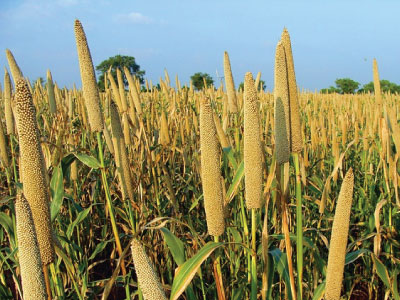
Pearl Hybrid Millet (Pennisetum glaucum) is one of the finest annual grains you can grow for feeding wild birds naturally. Fast-growing and highly productive, this impressive millet reaches 6 to 10 feet tall and produces enormous cylindrical seed heads packed with thousands of small, nutritious seeds. Long valued as both a grain crop and wildlife plant, Pearl Hybrid Millet transforms an ordinary garden into a natural feeding station where birds can harvest fresh seed directly from the plants while adding bold architectural beauty to the landscape.
As the seed heads mature, they become irresistible to American Goldfinches, House Finches, Purple Finches, Mourning Doves, native sparrows, Juncos, Bobwhite Quail, Wild Turkey, and many other seed-eating birds. The tiny seeds are rich in carbohydrates and provide an excellent natural energy source during late summer, autumn, and winter. Because millet is one of the primary ingredients found in many commercial wild bird seed blends, growing it at home allows birds to enjoy one of their favorite foods exactly as nature intended.
Pearl Hybrid Millet thrives in full sun and warm weather, producing vigorous plants with little maintenance once established. The tall stalks provide temporary cover for wildlife while the massive seed heads remain attractive well into autumn. Many gardeners plant millet along the edges of vegetable gardens, wildlife plots, or field borders where the plants provide both food and protective cover for birds throughout the season.
Harvesting for Bird Food: Allow the seed heads to mature fully until they begin turning tan and the seeds become firm. Entire seed heads may be cut and hung in a dry, well-ventilated location for winter feeding, or left standing outdoors where birds can harvest the seeds naturally over many weeks. We often recommend doing both—harvesting part of the crop for feeders while leaving the remainder in the garden as a living bird feeder.
Favorite Birds
- ★★★★★ American Goldfinch
- ★★★★★ Mourning Dove
- ★★★★★ Native Sparrows
- ★★★★★ House & Purple Finches
- ★★★★★ Bobwhite Quail
- ★★★★☆ Dark-eyed Junco
- ★★★★☆ Wild Turkey
- ★★★★☆ Cardinals
Seedman Notes
If you're looking for one of the easiest ways to grow your own bird seed, Pearl Hybrid Millet is hard to beat. The enormous seed heads mature into natural buffet tables that attract everything from tiny Goldfinches to Bobwhite Quail feeding beneath the plants. We especially enjoy leaving rows of millet standing through late autumn, where they continue feeding birds while providing welcome cover and shelter. It's one of those plants that seems to become more valuable with each passing week after the seeds begin to ripen.
Cannot ship to CO or OR.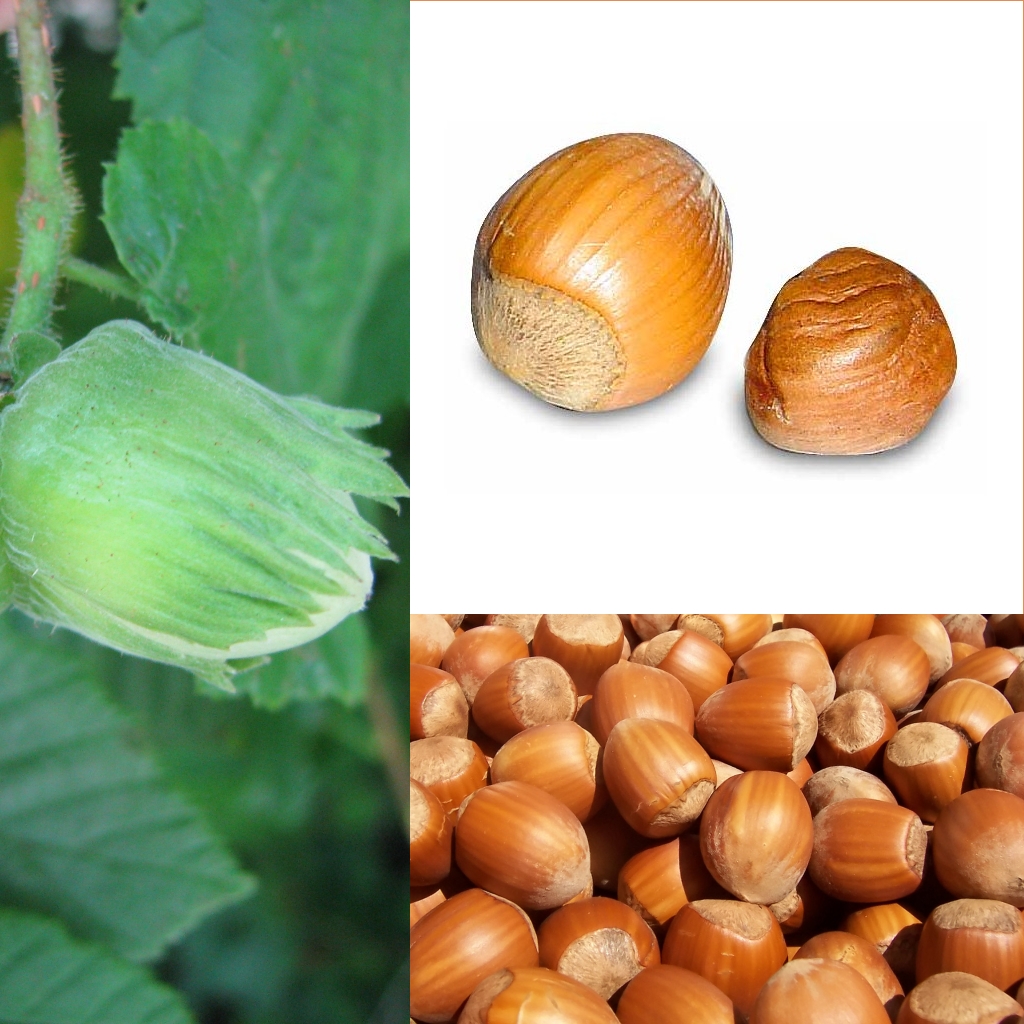
American Filbert (Corylus americana), also known as American Hazelnut, is one of North America's finest native wildlife shrubs, producing nutritious hazelnuts that provide an important source of food for birds and woodland wildlife each autumn. Growing 8 to 15 feet tall, this hardy deciduous shrub forms attractive thickets with handsome rounded leaves, dangling spring catkins, and clusters of flavorful nuts enclosed in leafy husks. While often planted for its edible nuts and ornamental appeal, American Filbert is equally valuable for creating a natural food source that supports wildlife year after year.
The ripening hazelnuts are especially attractive to Blue Jays, Wild Turkey, Northern Bobwhite, Ruffed Grouse, woodpeckers, crows, and other birds capable of handling larger seeds and nuts. Squirrels and chipmunks also eagerly gather the nutritious nuts for winter storage, while the dense branching provides excellent nesting cover and protection for songbirds throughout the year. The spring catkins offer an early source of pollen for native bees, making this shrub beneficial well beyond its autumn nut crop.
American Filbert thrives in full sun to partial shade and adapts well to a wide range of well-drained soils. Once established, it is remarkably hardy, drought tolerant, and requires very little maintenance. The shrubs naturally form colonies through underground suckers, making them excellent choices for wildlife borders, hedgerows, woodland edges, erosion control, and naturalized landscapes where they can provide both shelter and dependable food for decades.
Growing for Wildlife: Hazelnuts should be allowed to mature naturally on the shrubs where birds and wildlife can harvest them as they ripen. While gardeners may certainly gather some of the crop for their own use, leaving plenty of nuts on the shrubs provides valuable high-energy food during autumn when many birds and mammals are preparing for winter. The dense branching also offers excellent nesting habitat and year-round cover, making American Filbert valuable long after the last nut has been eaten.
Favorite Wildlife
- ★★★★★ Blue Jay
- ★★★★★ Wild Turkey
- ★★★★★ Gray & Fox Squirrels
- ★★★★☆ Northern Bobwhite
- ★★★★☆ Ruffed Grouse
- ★★★★☆ Red-bellied & Downy Woodpeckers
- ★★★★☆ Chipmunks
- ★★★★☆ Songbirds seeking nesting cover
Seedman Notes
American Filbert reminds us that a truly bird-friendly landscape is about much more than feeders. Native shrubs like this provide food, shelter, nesting sites, and seasonal interest all in one plant. We especially like including American Filbert along the edges of wildlife plantings where it becomes part of a natural food chain that supports birds and other beneficial wildlife for generations. Combined with fruiting trees, seed-producing flowers, and native grasses, it helps create a landscape that grows richer and more productive with every passing year.
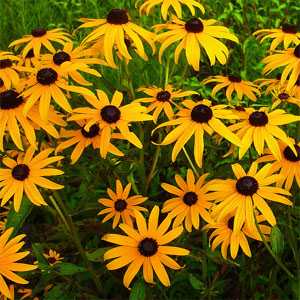
Common Black-Eyed Susan (Rudbeckia hirta) is one of North America's most beloved native wildflowers, producing cheerful golden-yellow flowers with rich chocolate-brown centers from early summer until frost. Growing 2 to 3 feet tall, this dependable annual or short-lived perennial thrives in gardens, meadows, borders, and naturalized landscapes where its long bloom season provides months of brilliant color. As autumn approaches, the fading flowers transform into seed-filled cones that become one of the finest natural food sources for backyard birds.
American Goldfinches are especially fond of the nutritious seeds and can often be seen balancing effortlessly on the dried seed heads while extracting them one by one. House Finches, Purple Finches, Chickadees, native sparrows, Dark-eyed Juncos, and Mourning Doves also visit the mature plants, while the bright summer flowers attract honeybees, native bees, butterflies, and numerous other beneficial pollinators. Few native wildflowers support so much wildlife throughout such a long growing season.
Exceptionally easy to grow, Common Black-Eyed Susan thrives in full sun and well-drained soil while tolerating heat, drought, and poor growing conditions once established. It readily reseeds in favorable locations, creating beautiful natural drifts that return year after year with little attention. Rather than cutting the plants back after flowering, allow the sturdy seed heads to remain standing through autumn and winter where they continue feeding birds while adding attractive structure and texture to the winter garden.
Growing for Birds: Black-Eyed Susan is one of those rare plants that is often more valuable after flowering than during bloom. Leave the mature seed heads standing as long as possible so birds can harvest the seeds naturally throughout autumn and winter. If desired, a few seed heads may be collected for future planting, but we recommend allowing most of the crop to remain in the garden where it continues supporting wildlife long after the flowers have faded.
Favorite Birds
- ★★★★★ American Goldfinch
- ★★★★☆ House & Purple Finches
- ★★★★☆ Chickadees
- ★★★★☆ Native Sparrows
- ★★★★☆ Dark-eyed Junco
- ★★★★☆ Mourning Dove (fallen seed)
Seedman Notes
If we were designing a wildlife-friendly flower garden, Common Black-Eyed Susan would be one of the first plants we would include. During summer the bright flowers are constantly visited by bees and butterflies, while autumn brings Goldfinches and other songbirds that eagerly harvest the ripening seeds. We always leave our Black-Eyed Susans standing until late winter because the dried seed heads continue feeding birds for months while adding beauty and character to the garden. It's one of the finest examples of how a simple native wildflower can support wildlife throughout nearly every season.
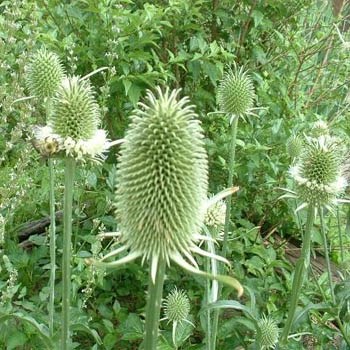
Teasel (Dipsacus sativus) is one of the finest plants you can grow for feeding wild birds naturally throughout autumn and winter. Growing 5 to 7 feet tall, this striking biennial produces tall, architectural stems topped with distinctive oval seed heads surrounded by spiny bracts. The lavender flowers bloom in bands that gradually circle each seed head, attracting bees and butterflies during summer before maturing into thousands of tiny seeds that become one of nature's finest winter bird foods.
American Goldfinches are especially fond of Teasel and are famous for clinging acrobatically to the dried seed heads while carefully extracting the tiny seeds. House Finches, Purple Finches, Chickadees, native sparrows, Dark-eyed Juncos, and other small songbirds also visit throughout autumn and winter. During the flowering season, the nectar-rich blooms support honeybees, native bees, butterflies, and numerous beneficial pollinating insects, making Teasel valuable to wildlife from midsummer until the last seeds have been harvested.
Teasel grows easily in full sun with well-drained soil and develops into an impressive vertical accent for wildlife gardens, naturalized meadows, and cottage landscapes. The dramatic seed heads are also prized by floral designers for dried arrangements, but we recommend leaving many of them standing outdoors where they continue feeding birds while adding beautiful structure and texture to the winter garden. Few plants remain as attractive after flowering as Teasel.
Growing for Birds: Teasel is one plant that is almost always best left standing. The mature seed heads release their seeds gradually over many months, allowing birds to harvest them naturally throughout autumn and winter. While a few seed heads may be collected for dried flower arrangements or future planting, we always leave the majority untouched. Watching Goldfinches balancing on the swaying seed heads during a snowy winter morning is one of the great pleasures of a bird-friendly garden.
Favorite Birds
- ★★★★★ American Goldfinch
- ★★★★★ House & Purple Finches
- ★★★★☆ Chickadees
- ★★★★☆ Native Sparrows
- ★★★★☆ Dark-eyed Junco
- ★★★★☆ Mourning Dove (fallen seed)
Seedman Notes
If someone asked us to recommend one perennial specifically for Goldfinches, Teasel would be near the very top of the list. The distinctive seed heads remain attractive for months, becoming natural bird feeders that often host Goldfinches day after day as they harvest the tiny seeds. Combined with Globe Thistle, Coneflowers, and Black-Eyed Susan, Teasel helps create a garden that continues feeding birds long after the growing season has ended. Sometimes the most beautiful winter garden is the one you don't clean up until spring.
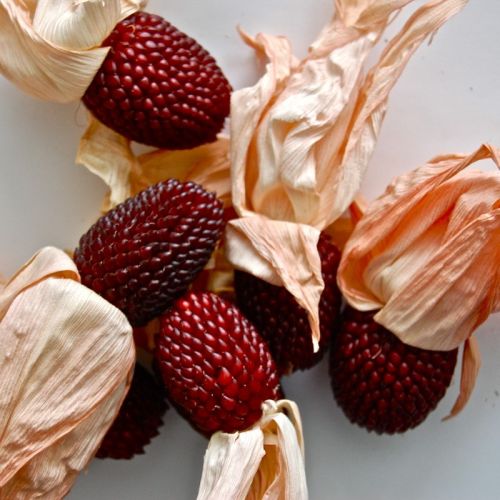
Strawberry Popcorn (Zea mays) is one of the most charming and versatile corn varieties you can grow, producing miniature ruby-red ears that resemble oversized strawberries. Growing 5 to 7 feet tall, the sturdy plants develop numerous colorful ears packed with hard, glossy kernels prized for popping, seasonal decorations, and feeding wildlife. While its unusual appearance makes it a favorite for autumn displays, Strawberry Popcorn also provides an excellent source of natural food for many seed-eating birds throughout the colder months.
As the ears mature and dry, they become attractive to Blue Jays, Mourning Doves, Northern Cardinals, Wild Turkey, Bobwhite Quail, crows, and numerous other grain-loving birds. Whole ears may be left on the stalks or harvested and hung outdoors, allowing birds to pick kernels naturally just as they would from standing field corn. The tall plants also provide temporary cover for wildlife during the growing season, making Strawberry Popcorn a valuable addition to bird gardens and wildlife plantings.
Easy to grow in full sun with fertile, well-drained soil, Strawberry Popcorn thrives during warm summer weather and rewards gardeners with dependable yields of colorful miniature ears. The attractive red ears dry exceptionally well and retain their rich color, making them popular for wreaths, fall arrangements, and rustic decorations before eventually being offered to backyard birds. Few garden crops combine ornamental beauty, edible harvest, and wildlife value so successfully.
Growing for Birds: Allow the ears to mature completely on the plants until the husks begin drying and the kernels become hard and glossy. Harvest the ears and finish drying them in a warm, airy location before hanging them outdoors from trees, fence posts, or feeding stations throughout winter. Birds will gradually remove the kernels over many weeks, creating an attractive natural bird feeder while reducing waste compared to loose seed.
Favorite Birds
- ★★★★★ Blue Jay
- ★★★★★ Northern Cardinal
- ★★★★★ Mourning Dove
- ★★★★★ Bobwhite Quail
- ★★★★☆ Wild Turkey
- ★★★★☆ American Crow
- ★★★★☆ Red-bellied Woodpecker
Seedman Notes
Strawberry Popcorn is one of those delightful varieties that always starts conversations. Visitors admire the beautiful little ruby-red ears, but once winter arrives, the birds appreciate them even more. We enjoy drying a portion of the harvest for holiday decorations before hanging the ears outdoors as natural bird feeders. Watching Blue Jays and Cardinals work their way across an ear of homegrown popcorn is a wonderful reminder that some of the best winter bird feeders begin in the summer garden.
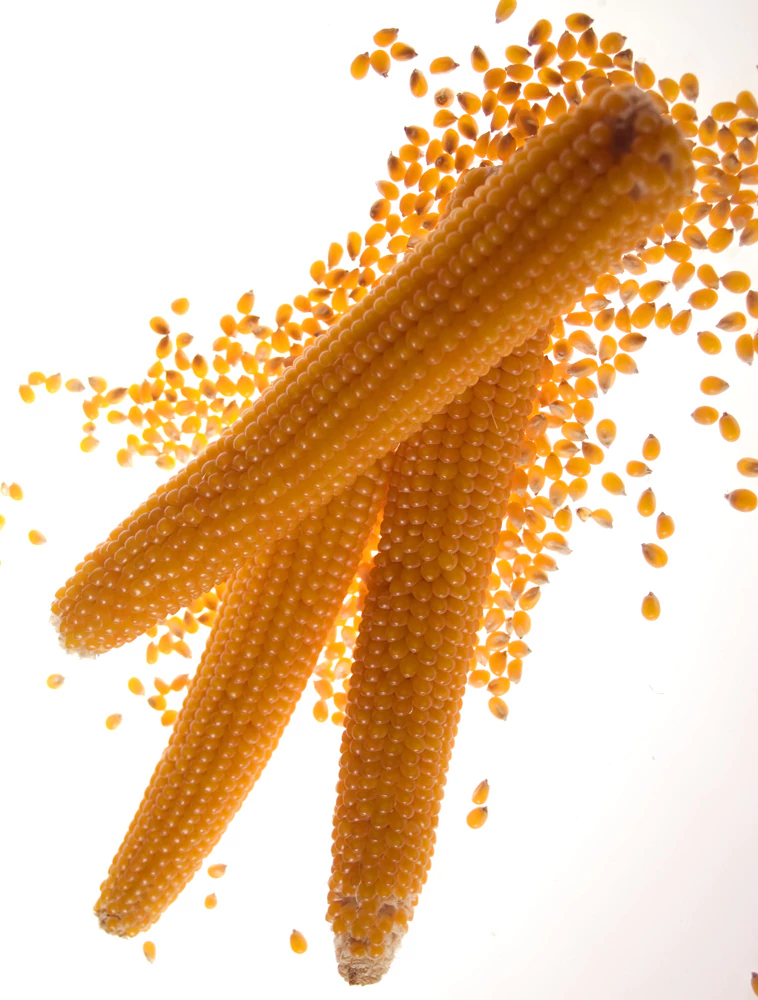
Robust 997 F1 Hybrid Popcorn (Zea mays) was developed to produce vigorous plants, dependable yields, and an abundant crop of compact popcorn ears that are equally valuable for home popping and feeding wildlife. The hybrid vigor results in strong plants with excellent ear production, making it an outstanding choice for gardeners wishing to grow a dependable supply of natural bird food. As the ears mature and dry, they become attractive winter feeders for many grain-loving birds while adding seasonal interest to the garden.
The mature ears are readily visited by Blue Jays, Northern Cardinals, Mourning Doves, Bobwhite Quail, Wild Turkey, crows, and other birds that naturally feed on grains. Harvested ears may be hung outdoors throughout winter where birds gradually remove the kernels, providing weeks of natural feeding while reducing waste often associated with loose seed. The sturdy stalks also provide temporary cover for wildlife during the growing season.
Robust 997 thrives in full sun with fertile, well-drained soil and rewards gardeners with vigorous growth and uniform ears. While hybrid varieties are primarily valued for their increased productivity and reliability rather than seed saving, they make excellent choices for gardeners who want the largest possible harvest of high-quality popcorn for both family use and wildlife feeding.
Growing for Birds: Allow the ears to dry naturally on the stalks before harvesting. Once fully cured, whole ears can be hung from trees, fence posts, or bird feeding stations where Blue Jays, Cardinals, Woodpeckers, and other birds will gradually harvest the kernels throughout winter. For many gardeners, this is one of the simplest and most enjoyable ways to provide natural winter bird food.
Favorite Birds
- ★★★★★ Blue Jay
- ★★★★★ Northern Cardinal
- ★★★★★ Mourning Dove
- ★★★★★ Bobwhite Quail
- ★★★★☆ Wild Turkey
- ★★★★☆ American Crow
- ★★★★☆ Woodpeckers
Seedman Notes
While heirloom popcorns have a wonderful nostalgic appeal, hybrids like Robust 997 offer one significant advantage—they simply produce more dependable harvests. More ears mean more popcorn for the family and more natural food for backyard birds. We like to dry the ears in the fall, enjoy some ourselves, and then hang the remaining ears outdoors during winter. Watching Blue Jays and Cardinals work their way across a homegrown ear of popcorn is a simple pleasure that never gets old.
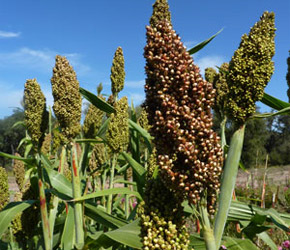
Rox Orange Sugar Cane (Sorghum bicolor) is one of the finest grain crops you can grow for feeding wild birds naturally. This classic heirloom grain sorghum produces massive, drooping seed heads packed with thousands of nutritious seeds that attract an impressive variety of songbirds and game birds from late summer well into winter. Growing 8 to 12 feet tall, the sturdy plants also provide valuable shelter and cover, making Rox Orange Sugar Cane one of the most productive wildlife crops available for home gardens, bird sanctuaries, and wildlife food plots.
As the seed heads mature, they quickly become a favorite feeding station for Mourning Doves, Northern Cardinals, American Goldfinches, native sparrows, House Finches, Bobwhite Quail, Wild Turkey, Juncos, and many other seed-eating birds. Unlike many garden crops that require harvesting, Rox Orange Sugar Cane can simply be left standing, allowing birds to harvest the grain naturally over many months. The tall stalks also provide excellent cover for quail and other ground-feeding birds seeking protection from predators and harsh winter weather.
Exceptionally easy to grow, Rox Orange Sugar Cane thrives in full sun and tolerates heat, drought, and a wide range of soil conditions once established. The impressive plants develop attractive bronze-colored seed heads that remain ornamental long after the growing season has ended. Whether planted along garden borders, in dedicated wildlife plots, or as a backdrop to native wildflowers, this heirloom sorghum produces an abundant harvest while adding bold vertical interest to the landscape.
Growing for Birds: Allow the seed heads to mature completely on the plants and leave them standing throughout autumn and winter whenever possible. Birds naturally remove the grain a little at a time, often returning daily as fresh seed becomes available. If desired, some seed heads may be harvested and stored for winter feeders, but we recommend leaving the majority in place where they provide both food and protective cover for wildlife.
Favorite Birds
- ★★★★★ Mourning Dove
- ★★★★★ Bobwhite Quail
- ★★★★★ Northern Cardinal
- ★★★★★ American Goldfinch
- ★★★★★ Native Sparrows
- ★★★★☆ Wild Turkey
- ★★★★☆ House & Purple Finches
- ★★★★☆ Dark-eyed Junco
Seedman Notes
If we were planting a dedicated bird food plot, Rox Orange Sugar Cane would almost certainly be included. Few plants produce as much nutritious grain while requiring so little maintenance. We especially enjoy leaving the tall seed heads standing through winter, where they become natural feeding stations for doves, quail, Cardinals, and countless songbirds. Combined with Pearl Millet and Black Oil Sunflowers, Rox Orange Sugar Cane forms one of the finest foundations for a backyard bird food garden.
The Seedman Bird Food Garden Guide
1. Start With the Way You Want to Feed. For the simplest project, grow seed-bearing annuals and leave much of the crop standing. Sunflowers, millet, sorghum, amaranth, Black-Eyed Susan, Teasel and similar plants let birds do the harvesting themselves. If you want food available later in winter, grow enough to harvest a portion as well. Shrubs and trees are the longer-term part of the project, adding fruit, nuts, cover and structure as they mature.
2. The Standing Bird Buffet. Resist the urge to make the garden perfectly tidy as soon as flowering ends. Many faded flowers are becoming food. Let sound, mature sunflower heads, grain heads, cones and seed clusters remain on their stems. Birds can feed at different heights, while fallen seed creates opportunities for ground-feeding species. Standing stems can also provide perches and some seasonal cover.
3. Know When Seed Is Mature. Harvest only after seed has filled and ripened. Sunflower heads generally progress from green to yellow and then brown on the back as the seeds mature. Grain and grass heads become drier and the seed firms. Dry flower heads begin releasing seed readily. Exact timing varies with the crop and weather, so use the plant's maturity signs rather than the calendar alone.
4. Build a Winter Bird Pantry. If you want to save part of the harvest, cut mature heads or stalks on a dry day and finish drying them in a sheltered, well-ventilated place. Sunflower heads, millet and sorghum heads, dried corn ears and other sturdy seed crops can often be offered whole, allowing birds to remove the seed themselves. Smaller seed can be rubbed or shaken from thoroughly dried heads and stored separately.
5. Dry Before You Store. Stored bird food must be dry. Damp seed or plant material can mold, heat, clump, or spoil. Use breathable drying conditions with good air movement before transferring seed to clean storage containers. Keep stored seed cool and dry and protected from insects and rodents. Check it periodically and discard anything showing mold, unusual odor, moisture damage, or other spoilage.
6. Feed Cleanly. Whether you use a conventional feeder, platform, tray, hanging seed head, or simply the standing garden, cleanliness matters. Do not offer moldy or spoiled seed. If harvested food becomes wet and remains wet, replace it rather than allowing decaying material to accumulate. Clean feeders and water containers regularly, and remove heavily soiled or spoiled material beneath concentrated feeding areas.
7. Add Water and Cover. Food is only one part of a useful bird garden. A dependable source of clean water, nearby shrubs or branching plants for quick cover, and a mixture of plant heights can make the area more useful to visiting birds. Keep water fresh and containers clean. Where cats or other predators are a concern, locate feeding and watering areas with bird safety in mind rather than placing them beside obvious ambush cover.
8. Plant for More Than One Season. A sunflower patch may provide a spectacular autumn feeding station, while seed-bearing perennials, shrubs, nuts, and fruiting plants can broaden the season. Flowers also attract insects during spring and summer, and those insects are an important food source for many birds, especially when they are feeding young. A good bird garden is therefore more than a pile of seed; it is a small working habitat.
9. Expect Different Birds in Different Places. A plant that draws Goldfinches in one garden may be discovered first by sparrows, doves, jays, or another species somewhere else. Migration adds another layer of change. Use the Favorite Birds and Favorite Wildlife lists on this page as possibilities rather than guarantees, and keep notes about which plants are actually used in your own yard.
10. Let the Birds Teach You What to Plant Next. Watch which seed heads empty first, which plants become favorite perches, and where ground-feeding birds gather. Next season, increase the plants that performed best and try something new alongside them. Over several years, the garden can become increasingly tailored to the birds that actually visit your property.
Three Simple Project Plans
The Standing Bird Buffet: Build around Black Oil or other seed-producing sunflowers, Pearl Millet, sorghum, amaranth, Black-Eyed Susan, Teasel, and other plants whose mature heads can remain outdoors. Let birds harvest naturally and postpone cleanup of useful seed-bearing stems until late winter or spring.
The Winter Bird Pantry: Plant productive seed and grain crops with the intention of dividing the harvest. Leave some standing and harvest some after maturity. Finish drying the saved portion carefully, label it, store it dry, and bring it out later when natural garden supplies have been reduced.
The Bird-Watching Garden: Combine seed-bearing flowers and grains with fruiting or nut-producing shrubs and trees, plus clean water and nearby cover. Place the garden where it can be comfortably observed from a porch, patio, kitchen window, or favorite chair without forcing birds to feed immediately beside heavy human traffic.
Seedman Notes: You do not have to replace every bird feeder or turn the whole yard into a wildlife planting to enjoy this project. Start with a sunny strip, a corner of the vegetable garden, or a few seed-bearing flowers you simply agree not to deadhead. The first time Goldfinches hang from a sunflower head, sparrows work through a patch of grain, or a fruiting shrub suddenly fills with visiting birds, the purpose of the project becomes clear. You grew the food, but the birds provide the final harvest—and the entertainment.
Check out our
Complete Growing Your Own Birdfood Plants Growing Guide

Contact Us | Privacy Policy | About Us
Serving gardeners since 1992
State of Mississippi Seedmen's Permit #C-391, Ohio 90152, Minnesota 20086777