
New Seed Arrivals | New Account |
Gift Certificates |
Gardening Products
SEEDS: Unusual | Annuals | Perennials | Vegetables | Herbs | Trees
Blueberry germination and growing guide
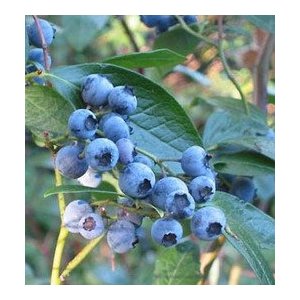
FDR97 Highbush Blueberry Vaccinium corymbosum
The Highbush Blueberry is the undisputed champion of the "ornamental edible" world. While most fruit plants are hidden away in the back of the garden, the Highbush Blueberry is a triple-threat landscape shrub that earns its keep every single season. It offers a rare combination of world-class "superfood" yields and high-end aesthetic appeal that rivals the most popular flowering hedges.
Highbush blueberries are widely recognized as one of the most nutrient-dense fruits you can grow.
Antioxidant Leader: They consistently rank among the highest of all common fruits and vegetables for antioxidant capacity.
Health in Every Bite: A single cup is packed with 24% of your daily Vitamin K and 14% of your Vitamin C, while remaining low in calories (only ~84 per cup).
Cognitive & Heart Support: Regular consumption is linked to improved memory, lower blood pressure, and better management of blood sugar levels.
Unlike traditional orchard trees, this shrub is beautiful enough to be the centerpiece of your front yard.
Spring: Delicate, creamy-white or pink bell-shaped blossoms cover the branches in late spring, attracting essential pollinators like bees and butterflies.
Summer: The glossy blue-green foliage provides a lush backdrop for clusters of deep blue, "sky-blue," or purple berries.
Fall: This is where the Highbush truly shines, with foliage that turns fiery shades of brilliant crimson, orange, and purple.
Winter: Its gnarled, upright structure and reddish twiggy branches create a striking silhouette against the snow.
Low Maintenance: Once you establish the preferred acidic soil (pH 4.5–5.5), these long-lived perennials can produce for decades with minimal pruning.
Hardiness zones: 3-9.
Pre-stratified seeds need to be planted immediately upon receipt.
Highbush blueberries are widely recognized as one of the most nutrient-dense fruits you can grow.
Antioxidant Leader: They consistently rank among the highest of all common fruits and vegetables for antioxidant capacity.
Health in Every Bite: A single cup is packed with 24% of your daily Vitamin K and 14% of your Vitamin C, while remaining low in calories (only ~84 per cup).
Cognitive & Heart Support: Regular consumption is linked to improved memory, lower blood pressure, and better management of blood sugar levels.
Unlike traditional orchard trees, this shrub is beautiful enough to be the centerpiece of your front yard.
Spring: Delicate, creamy-white or pink bell-shaped blossoms cover the branches in late spring, attracting essential pollinators like bees and butterflies.
Summer: The glossy blue-green foliage provides a lush backdrop for clusters of deep blue, "sky-blue," or purple berries.
Fall: This is where the Highbush truly shines, with foliage that turns fiery shades of brilliant crimson, orange, and purple.
Winter: Its gnarled, upright structure and reddish twiggy branches create a striking silhouette against the snow.
Low Maintenance: Once you establish the preferred acidic soil (pH 4.5–5.5), these long-lived perennials can produce for decades with minimal pruning.
Hardiness zones: 3-9.
Pre-stratified seeds need to be planted immediately upon receipt.

Contact Us | Privacy Policy | About Us
Serving gardeners since 1992
State of Mississippi Seedmen's Permit #C-391, Ohio 90152, Minnesota 20086777