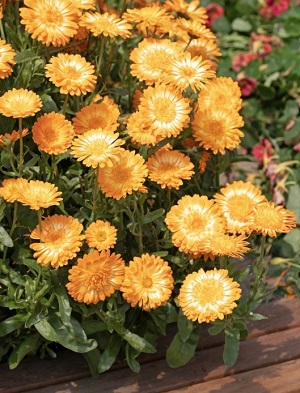
Calendula Seed ( Annual )


Click on any thumbnail image for a larger photo


Our Favorite Calendulas

Golden Emperor Calendula.
MON095 Golden Emperor

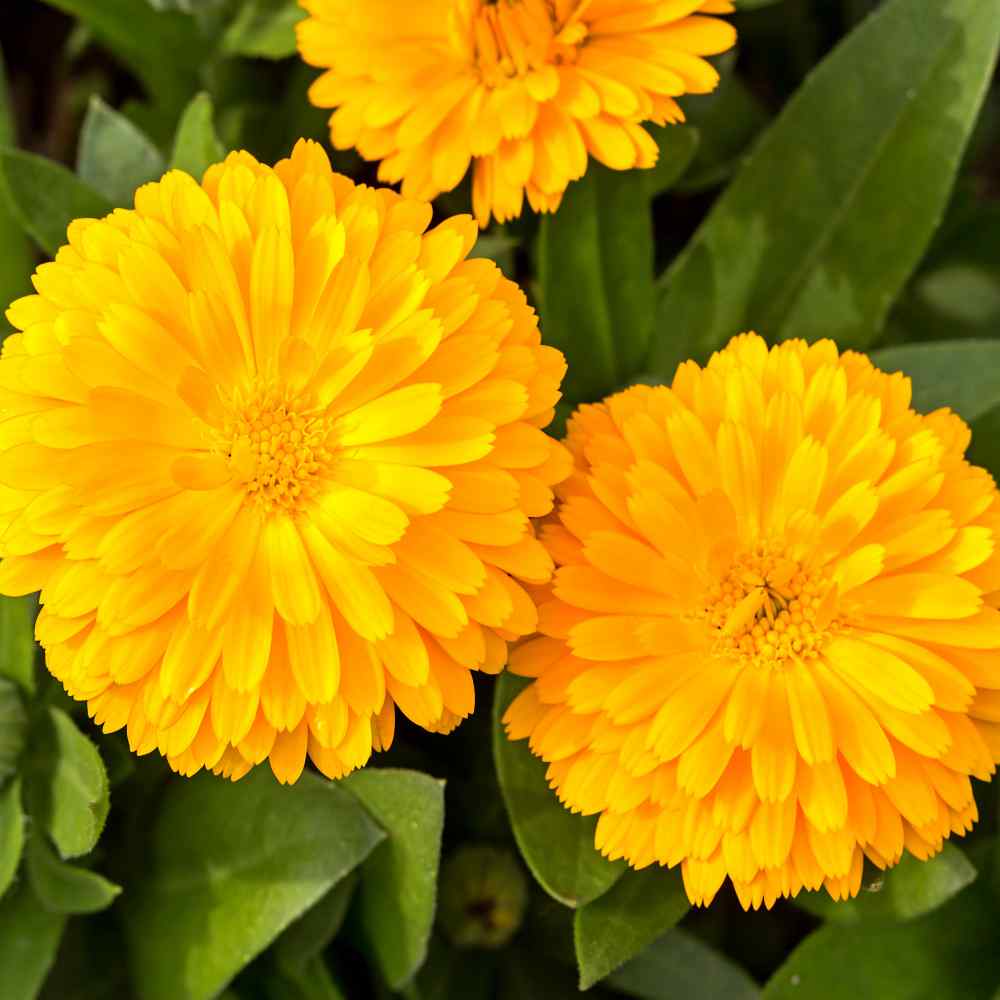
Golden Emperor Calendula is a spectacular heirloom-style pot marigold that produces an abundance of large, fully double blooms in rich golden-yellow shades. Resembling miniature chrysanthemums, the densely packed petals create flowers that can reach up to 3 inches across, providing a brilliant display from spring until frost. Easy to grow and exceptionally rewarding, Golden Emperor combines old-fashioned charm with modern garden performance, making it one of the finest calendulas for borders, cutting gardens, and pollinator plantings.

Garden Uses

Golden Emperor Calendula is prized for its long flowering season and versatility in the garden. It performs beautifully in flower beds, cottage gardens, borders, cutting gardens, containers, and pollinator plantings. The bright golden blooms provide cheerful color throughout the growing season and pair beautifully with blue salvias, bachelor buttons, larkspurs, and other cool-colored flowers.

The sturdy stems and large double blooms make excellent cut flowers for indoor arrangements. Regular harvesting encourages additional blooms, extending the flowering season even further.

Growing Information

Calendula is among the easiest annual flowers to grow from seed. Sow directly outdoors after danger of severe frost has passed or start indoors 4 to 6 weeks before planting out. Seeds typically germinate within 7 to 14 days at temperatures between 65° and 75°F.

Plants thrive in full sun to light shade and prefer average, well-drained garden soil. Calendulas perform especially well during the cooler temperatures of spring and fall. Regular deadheading encourages continuous blooming, although many gardeners allow some flowers to mature for seed collection.

Golden Emperor typically reaches 18 to 24 inches in height and blooms heavily from late spring until frost in many regions.

Pollinator Value

Golden Emperor Calendula is highly attractive to pollinators. Honeybees, native bees, hoverflies, butterflies, and numerous beneficial insects frequently visit the bright flowers throughout the growing season.

Calendula is also considered an excellent companion plant in vegetable gardens, helping attract beneficial insects that assist with pollination and natural pest control.

Historical Significance

Calendula has been cultivated for centuries and was a common sight in medieval monastery gardens throughout Europe. The flowers were valued not only for their beauty but also for culinary, medicinal, and dye-making purposes.

The name "Calendula" is derived from the Latin word "calendae," referring to the first day of the month, because the plants were noted for blooming over extended periods. Golden Emperor continues this long tradition while offering gardeners exceptionally large and fully double blooms.

Interesting Facts

  • Calendula flowers are edible and have long been used to add color to salads and rice dishes.
  • The petals were historically used as an affordable substitute for saffron.
  • Calendula has been cultivated for more than 700 years.
  • The flowers often open in sunlight and partially close during cloudy weather.
  • Golden Emperor produces some of the largest double blooms among traditional calendulas.
  • The bright flowers attract numerous beneficial insects to the garden.
  • Calendula readily self-sows in favorable conditions, often returning year after year.
Seedman Notes

Golden Emperor is one of our favorite calendulas for gardeners seeking large, fully double flowers with outstanding garden performance. The rich golden blooms create a warm, cheerful display that brightens borders, containers, and cutting gardens for months.

Its ease of culture, pollinator value, and long flowering season make it an excellent choice for both beginning and experienced gardeners. Plant it near vegetable gardens or mixed flower beds where its bright blooms can be enjoyed throughout the season.

Quick Facts

  • Botanical Name: Calendula officinalis
  • Common Name: Golden Emperor Calendula
  • Plant Type: Annual Flower
  • Height: 18 to 24 inches
  • Spread: 12 to 18 inches
  • Flower Color: Rich Golden Yellow
  • Bloom Size: Up to 3 inches across
  • Sun Exposure: Full Sun to Light Shade
  • Pollinator Value: Excellent
  • Cut Flower Use: Excellent
  • Difficulty: Very Easy to Grow

Garden Performance Rating

Flower Power: ★★★★★
Pollinator Attraction: ★★★★★
Cut Flower Value: ★★★★★
Ease of Growth: ★★★★★
Season-Long Color: ★★★★★
Overall Rating: ★★★★★

  650mg pack ( about 75 seeds ) $2.95
Dawn Mix Calendula.
JB317 Dawn Mix

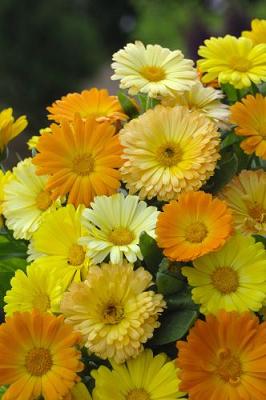
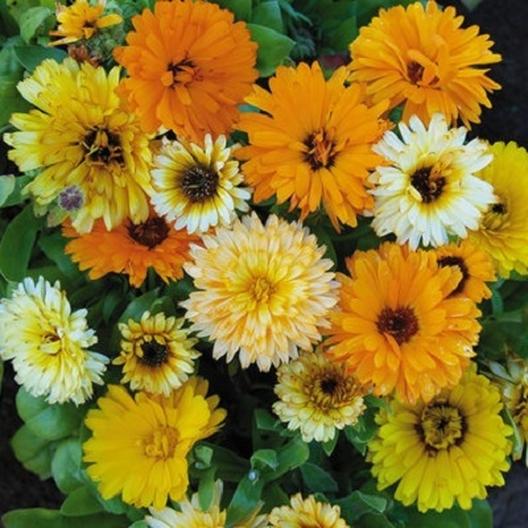
Dawn Mix Calendula is a cheerful blend of large, fully double flowers in glowing shades of golden yellow, orange, apricot, and soft cream. Blooming abundantly from spring until frost, this colorful mixture produces sturdy plants covered with bright blossoms that bring warmth and charm to any garden setting. Easy to grow and highly rewarding, Dawn Mix combines the traditional beauty of old-fashioned calendulas with a vibrant range of sunset-inspired colors that brighten borders, containers, and cutting gardens throughout the growing season.

Garden Uses

Dawn Mix Calendula is an excellent choice for flower beds, cottage gardens, cutting gardens, containers, pollinator gardens, and mixed borders. The broad range of warm flower colors creates a natural, harmonious display that blends beautifully with other annuals and perennials.

The long-lasting blooms are ideal for fresh-cut arrangements, adding bright color indoors while encouraging additional flowers in the garden. Dawn Mix also performs exceptionally well in vegetable gardens, where it serves as both an ornamental and a beneficial companion plant.

Growing Information

Calendula is among the easiest annual flowers to grow from seed. Sow directly outdoors after the danger of severe frost has passed or start indoors 4 to 6 weeks before transplanting. Germination generally occurs within 7 to 14 days at temperatures between 65° and 75°F.

Plants prefer full sun but will tolerate light shade, especially in warmer climates. Average, well-drained soil is ideal, and regular watering helps maintain continuous flowering. Deadheading spent blooms promotes additional flower production, although many gardeners allow some flowers to mature for seed collection.

Dawn Mix typically reaches 18 to 24 inches in height and provides a steady display of blooms from late spring through autumn.
Pollinator Value

Dawn Mix Calendula is highly attractive to pollinators and beneficial insects. Honeybees, native bees, butterflies, hoverflies, and other pollinating insects visit the flowers regularly throughout the season.

The flowers also help attract predatory insects that contribute to natural pest control, making calendula a valuable addition to vegetable gardens and pollinator-friendly landscapes.

Historical Significance

Calendula has been cultivated since ancient times and was widely grown in medieval monastery gardens throughout Europe. The flowers were prized for their ornamental beauty, culinary uses, herbal applications, and natural dyes.

The name Calendula comes from the Latin word "calendae," reflecting the plant's remarkable tendency to bloom continuously over long periods. Mixed-color selections such as Dawn Mix continue this gardening tradition while offering a broader palette of cheerful flower colors.

Interesting Facts

  • Calendula petals are edible and have long been used to add color to foods and salads.
  • The flowers were historically known as "Poor Man's Saffron" because they were used as a substitute for the expensive spice.
  • Calendula has been cultivated for centuries as both an ornamental and useful garden plant.
  • The flowers often open with the morning sun and partially close in the evening.
  • Dawn Mix combines several warm flower shades in a single planting.
  • The blooms attract a wide variety of beneficial garden insects.
  • Calendula frequently self-sows, providing surprise seedlings the following season.

Seedman Notes

Dawn Mix Calendula is one of the most colorful and versatile calendula blends available. The mixture of golden, orange, apricot, and cream blooms creates a cheerful display that brightens gardens from spring until frost. Its ease of growth and extended flowering season make it an excellent choice for gardeners of all experience levels.

We especially recommend Dawn Mix for cottage gardens, pollinator plantings, and cutting gardens where the constant supply of flowers can be enjoyed both outdoors and indoors. The warm colors blend beautifully with virtually any garden design.

Quick Facts

  • Botanical Name: Calendula officinalis
  • Common Name: Dawn Mix Calendula
  • Plant Type: Annual Flower
  • Height: 18 to 24 inches
  • Spread: 12 to 18 inches
  • Flower Colors: Yellow, Orange, Apricot, Cream
  • Sun Exposure: Full Sun to Light Shade
  • Bloom Season: Spring through Frost
  • Pollinator Value: Excellent
  • Cut Flower Use: Excellent
  • Difficulty: Very Easy to Grow

Garden Performance Rating

Flower Production: ★★★★★
Pollinator Attraction: ★★★★★
Color Variety: ★★★★★
Ease of Growth: ★★★★★
Season-Long Performance: ★★★★★
Overall Rating: ★★★★★

  200mg pack ( about 25 seeds ) $2.95
Fiesta Gitana Mix Calendula.
TCB037 Fiesta Gitana Mix

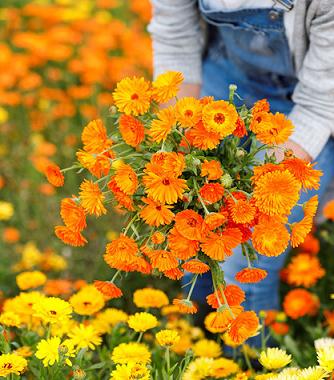
Fiesta Gitana Mix Calendula is a vibrant dwarf calendula blend that produces an abundance of fully double flowers in brilliant shades of orange, gold, yellow, apricot, and cream. Unlike taller calendula varieties, Fiesta Gitana forms compact, bushy plants that remain covered with colorful blooms throughout the growing season. Its neat habit, exceptional flower production, and cheerful colors make it one of the best calendulas for borders, containers, window boxes, and small garden spaces.

Garden Uses

Fiesta Gitana Mix is perfectly suited for front-of-the-border plantings, edging, containers, patio planters, window boxes, cottage gardens, and pollinator gardens. Its compact growth habit allows gardeners to enjoy the beauty of calendulas without the larger size of traditional varieties.

The brightly colored flowers create eye-catching displays when planted in masses and combine beautifully with pansies, violas, alyssum, dianthus, and other cool-season annuals. Fiesta Gitana is also an excellent choice for children's gardens because of its quick growth, bright colors, and easy maintenance.

Growing Information

Sow seeds directly in the garden after danger of severe frost has passed, or start indoors 4 to 6 weeks before transplanting. Seeds typically germinate within 7 to 14 days at temperatures between 65° and 75°F.

Plants prefer full sun and average, well-drained soil but will tolerate light shade in warmer climates. Regular watering and occasional deadheading encourage continuous blooming throughout the season. Because of its compact size, Fiesta Gitana performs exceptionally well in containers and small garden spaces.

Plants generally reach 10 to 14 inches in height while producing a steady supply of colorful flowers from spring until frost.
Pollinator Value

Fiesta Gitana Calendula is highly attractive to pollinators. Honeybees, native bees, butterflies, hoverflies, and beneficial insects are frequent visitors to the brightly colored blooms.

Calendulas are often included in pollinator gardens and vegetable gardens because they help attract beneficial insects that assist with pollination and natural pest management.

Historical Significance

Calendula has been cultivated since ancient times and was a common flower in monastery and cottage gardens throughout Europe. It was valued for its ornamental beauty, culinary uses, herbal traditions, and natural dyes.

The development of dwarf varieties such as Fiesta Gitana allowed gardeners to enjoy the traditional beauty of calendulas in smaller spaces and containers while maintaining the plant's long flowering season and ease of growth.

Interesting Facts

  • Fiesta Gitana is one of the most popular dwarf calendula mixtures available.
  • The flowers are fully double, creating a chrysanthemum-like appearance.
  • Calendula petals are edible and can be used to brighten salads and garnishes.
  • The blooms often open with sunlight and partially close during cloudy weather.
  • The compact plants are ideal for container gardening.
  • Calendulas have been grown in gardens for hundreds of years.
  • Regular deadheading can greatly extend the flowering season.

Seedman Notes

Fiesta Gitana Mix is one of our favorite calendulas for gardeners who want maximum color in a compact package. The fully double blooms cover the plants for months and create a bright, cheerful display in both garden beds and containers.

This variety is particularly well suited for smaller gardens, patios, and window boxes where larger calendula varieties may be too tall. Easy to grow and highly rewarding, Fiesta Gitana provides season-long color with minimal effort.

Quick Facts

  • Botanical Name: Calendula officinalis
  • Common Name: Fiesta Gitana Mix Calendula
  • Plant Type: Annual Flower
  • Height: 10 to 14 inches
  • Spread: 10 to 12 inches
  • Flower Colors: Yellow, Gold, Orange, Apricot, Cream
  • Bloom Type: Fully Double
  • Sun Exposure: Full Sun
  • Pollinator Value: Excellent
  • Container Friendly: Excellent
  • Difficulty: Very Easy to Grow

Garden Performance Rating

Flower Production: ★★★★★
Container Performance: ★★★★★
Pollinator Attraction: ★★★★★
Ease of Growth: ★★★★★
Compact Garden Value: ★★★★★
Overall Rating: ★★★★★

  3.8g pack ( about 500 seeds ) $2.95
Balls Improved Orange Calendula.
JB178 Balls Improved Orange Calendula

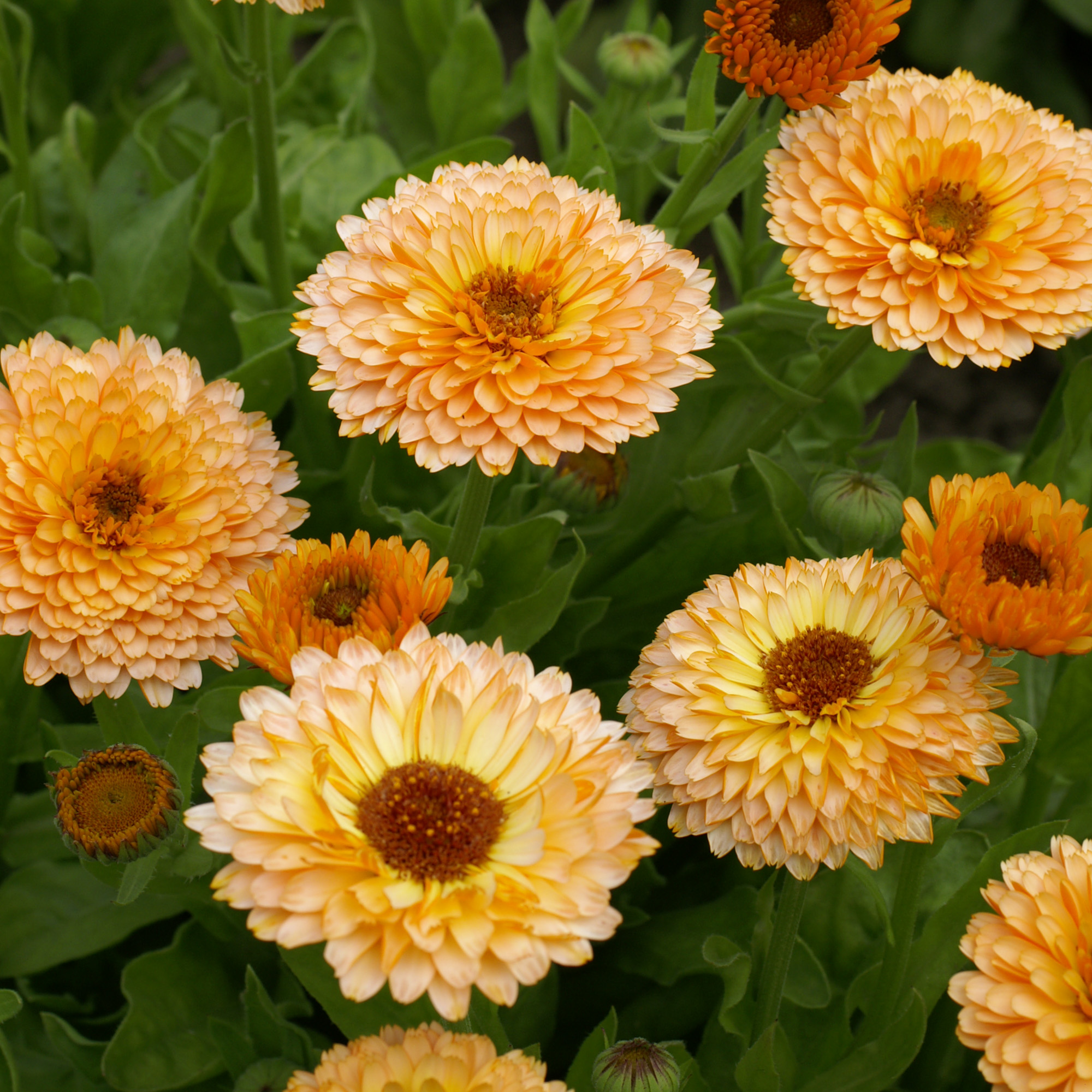
Balls Improved Orange Calendula is a classic heirloom calendula celebrated for its exceptionally large, fully double blooms in rich, glowing shades of deep orange. Producing masses of chrysanthemum-like flowers atop sturdy stems, this improved selection has long been prized by gardeners for its outstanding flower size, excellent cut flower qualities, and season-long performance. The brilliant orange blooms bring warmth and energy to the garden while attracting pollinators and providing a continuous display from spring through frost.

Garden Uses

Balls Improved Orange Calendula is an excellent choice for borders, cottage gardens, cutting gardens, pollinator plantings, and vegetable gardens. The large, fully double flowers create striking displays when planted in groups and provide a bold splash of color among other annuals and perennials.

Its long stems and abundant blooms make it particularly valuable as a cut flower. Fresh bouquets of Balls Improved Orange Calendula add vibrant color to indoor arrangements, while regular harvesting encourages even more flowers to develop throughout the season.

Growing Information

Calendula is among the easiest flowering annuals to grow from seed. Sow directly outdoors after danger of severe frost has passed or start indoors 4 to 6 weeks before planting out. Seeds typically germinate within 7 to 14 days at temperatures between 65° and 75°F.

Plants thrive in full sun and average, well-drained soil. Regular watering and occasional deadheading encourage continuous blooming. Calendulas perform especially well during the cooler temperatures of spring and autumn, often flowering heavily until hard frost arrives.

Balls Improved Orange generally reaches 18 to 24 inches in height and produces an impressive number of blooms over a long growing season.
Pollinator Value

The bright orange flowers are highly attractive to honeybees, native bees, butterflies, hoverflies, and numerous beneficial insects. Calendulas are frequently included in pollinator gardens because of their long bloom period and dependable nectar and pollen production.

They are also useful companion plants in vegetable gardens where they help attract beneficial insects that contribute to natural pest management.

Historical Significance

Calendula has been cultivated for centuries and was a staple of medieval cottage gardens and monastery gardens throughout Europe. The flowers were valued for their ornamental beauty, culinary applications, herbal traditions, and natural dyes.

The Balls Improved strain became popular because of its larger flowers, stronger stems, and improved garden performance. It remains one of the classic heirloom calendula varieties favored by gardeners who appreciate traditional flowers with proven reliability.

Interesting Facts

  • Calendula petals have been used for centuries as a natural food coloring.
  • The flowers were once called "Poor Man's Saffron" because they were used as a substitute for saffron.
  • Calendula blooms often follow the sun, opening fully on bright days.
  • The petals are edible and can be used in salads and garnishes.
  • Balls Improved Orange is especially valued for its large, bouquet-quality blooms.
  • The flowers attract beneficial insects throughout the growing season.
  • Calendulas often self-sow and may return naturally in favorable conditions.

Seedman Notes

Balls Improved Orange Calendula remains one of our favorite traditional calendulas because of its outstanding flower size and brilliant orange coloration. The large double blooms are perfect for cutting and create cheerful displays throughout the garden for months.

If you enjoy old-fashioned flowers that combine beauty, usefulness, pollinator value, and ease of growth, this variety deserves a place in your garden. Few annuals provide so much color and versatility with so little effort.

Quick Facts

  • Botanical Name: Calendula officinalis
  • Common Name: Balls Improved Orange Calendula
  • Plant Type: Annual Flower
  • Height: 18 to 24 inches
  • Spread: 12 to 18 inches
  • Flower Color: Deep Orange
  • Bloom Type: Large Fully Double Flowers
  • Sun Exposure: Full Sun
  • Pollinator Value: Excellent
  • Cut Flower Use: Outstanding
  • Difficulty: Very Easy to Grow

Garden Performance Rating

Flower Size: ★★★★★
Cut Flower Value: ★★★★★
Pollinator Attraction: ★★★★★
Ease of Growth: ★★★★★
Season-Long Color: ★★★★★
Overall Rating: ★★★★★

  280mg ( about 40 seeds ) $2.95
Pink Surprise Calendula.
JB066 Pink Surprise

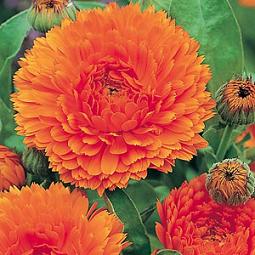
Pink Surprise Calendula is one of the most unusual and sought-after calendula varieties, producing soft pastel blooms in shades of peach, apricot, cream, and delicate blush pink. This rare color combination sets it apart from traditional orange and yellow calendulas, creating an elegant display that brings a touch of sophistication to flower gardens and bouquets. The large semi-double to double blooms appear continuously throughout the growing season, providing months of soft, romantic color.

Garden Uses

Pink Surprise Calendula is an exceptional choice for cottage gardens, cutting gardens, pollinator plantings, borders, and mixed flower beds. Its unusual pastel coloration blends beautifully with roses, larkspurs, bachelor's buttons, sweet peas, cosmos, and other traditional cottage garden favorites.

The long stems and delicate coloring make this variety particularly valuable for fresh-cut flower arrangements. The soft peach-pink blooms add warmth and elegance to bouquets and floral displays while continuing to bloom heavily in the garden.

Growing Information

Calendulas are among the easiest annual flowers to grow from seed. Sow directly outdoors after danger of severe frost has passed or start indoors 4 to 6 weeks before transplanting. Germination generally occurs within 7 to 14 days at temperatures between 65° and 75°F.

Plants thrive in full sun and well-drained soil but will tolerate light shade in warmer regions. Regular watering and removal of spent flowers encourage continued blooming. Pink Surprise performs especially well during the cooler temperatures of spring and autumn, often producing flowers until hard frost arrives.

Plants typically reach 18 to 24 inches in height and develop sturdy stems capable of supporting numerous blooms throughout the season.
Pollinator Value

Pink Surprise Calendula is highly attractive to honeybees, native bees, butterflies, hoverflies, and other beneficial insects. The open centers provide easy access to nectar and pollen, making the flowers valuable additions to pollinator-friendly landscapes.

Calendulas are frequently planted near vegetables and herbs because they attract beneficial insects that help support a healthy garden ecosystem.

Historical Significance

Calendula has a long history dating back hundreds of years and was a staple of European cottage gardens, monastery gardens, and medicinal herb gardens. Traditionally grown for its ornamental beauty and practical uses, calendula became one of the most widely cultivated flowers in the world.

Pink Surprise represents a unique departure from the traditional orange and yellow color spectrum, offering gardeners a rare pastel-flowered calendula that maintains the reliability and ease of growth for which the species is famous.

Interesting Facts

  • Pink Surprise is one of the few calendulas to display noticeable pink and blush tones.
  • The flowers often feature a blend of pink, peach, apricot, cream, and gold on a single plant.
  • Calendula petals have been used for centuries as edible flower garnishes.
  • The blooms often open with sunlight and close partially at night.
  • The flowers are highly attractive to beneficial insects and pollinators.
  • Pink Surprise is especially prized by cut flower growers for its unusual coloration.
  • Calendulas readily self-sow in favorable garden conditions.

Seedman Notes

Pink Surprise Calendula is one of the most distinctive calendula varieties we offer. The soft pastel shades create an entirely different look from traditional orange calendulas while retaining the same dependable growth, long bloom period, and pollinator value.

Gardeners looking for something unique will appreciate the delicate coloring and exceptional bouquet qualities of this variety. It pairs beautifully with both warm and cool flower colors and adds elegance wherever it is planted.

Quick Facts

  • Botanical Name: Calendula officinalis
  • Common Name: Pink Surprise Calendula
  • Plant Type: Annual Flower
  • Height: 18 to 24 inches
  • Spread: 12 to 18 inches
  • Flower Colors: Pink, Peach, Apricot, Cream, Gold
  • Bloom Type: Semi-Double to Double
  • Sun Exposure: Full Sun
  • Pollinator Value: Excellent
  • Cut Flower Use: Outstanding
  • Difficulty: Very Easy to Grow

Garden Performance Rating

Color Uniqueness: ★★★★★
Cut Flower Value: ★★★★★
Pollinator Attraction: ★★★★★
Ease of Growth: ★★★★★
Garden Elegance: ★★★★★
Overall Rating: ★★★★★

 166mg ( about 25 seeds ) seeds $2.95
Orange King Calendula.
BM99 Orange King

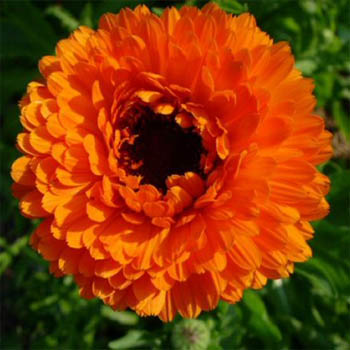
Orange King Calendula is a bold and brilliant heirloom variety renowned for its large, intensely colored orange blooms that seem to glow in the garden. Producing an abundance of semi-double to double flowers atop sturdy stems, this classic calendula delivers months of vibrant color from spring through frost. Its rich tangerine-orange blossoms make it one of the most eye-catching calendulas available, while its ease of growth and long flowering season have made it a favorite among gardeners for generations.

Garden Uses

Orange King Calendula is an excellent choice for borders, cottage gardens, pollinator gardens, cutting gardens, containers, and vegetable gardens. The vivid orange flowers create a striking contrast against green foliage and blend beautifully with blue, purple, yellow, and white flowering companions.

The sturdy stems make Orange King a valuable cut flower for bouquets and arrangements. Frequent harvesting encourages additional blooms, ensuring a continuous supply of flowers throughout the growing season.

Growing Information

Calendula is among the easiest annual flowers to grow from seed. Sow directly outdoors after danger of severe frost has passed or start indoors 4 to 6 weeks before transplanting. Seeds generally germinate within 7 to 14 days at temperatures between 65° and 75°F.

Plants perform best in full sun and well-drained soil. They thrive during the cooler temperatures of spring and autumn but will continue flowering through much of summer in many regions. Regular watering and occasional deadheading encourage vigorous growth and prolonged blooming.

Orange King typically grows 18 to 24 inches tall and produces large numbers of blooms over an extended season.
Pollinator Value

The bright flowers of Orange King Calendula are highly attractive to honeybees, native bees, butterflies, hoverflies, and numerous beneficial insects. The open flower centers provide easy access to pollen and nectar, making this variety an excellent addition to pollinator-friendly gardens.

Calendulas are also valued as companion plants because they attract beneficial insects that help create a balanced garden ecosystem.

Historical Significance

Calendula has been cultivated since ancient times and was widely grown throughout Europe in monastery gardens, cottage gardens, and medicinal herb gardens. The flowers were valued not only for their beauty but also for culinary uses, herbal preparations, and natural dyes.

Orange King became popular as gardeners sought larger flowers and stronger colors. Its brilliant orange blooms and dependable performance helped establish it as one of the classic calendula varieties still enjoyed today.

Interesting Facts

  • Orange King produces some of the richest orange flowers found among traditional calendulas.
  • Calendula petals have long been used as edible garnishes and natural food coloring.
  • The flowers often open fully in bright sunshine and partially close at night.
  • Calendula was once known as "Poor Man's Saffron" because the petals were used as a saffron substitute.
  • The blooms attract beneficial insects throughout the growing season.
  • Orange King is especially popular in cottage-style gardens.
  • Plants often self-sow, returning naturally in favorable growing conditions.

Seedman Notes

Orange King remains one of the finest traditional calendulas available. Its intense orange coloration creates an energetic display in flower beds and borders while providing excellent pollinator value and cutting garden performance.

Gardeners seeking dependable color, easy cultivation, and old-fashioned charm will find Orange King to be a rewarding addition to almost any garden setting. Few flowers offer so much beauty for so little effort.

Quick Facts

  • Botanical Name: Calendula officinalis
  • Common Name: Orange King Calendula
  • Plant Type: Annual Flower
  • Height: 18 to 24 inches
  • Spread: 12 to 18 inches
  • Flower Color: Brilliant Deep Orange
  • Bloom Type: Semi-Double to Double
  • Sun Exposure: Full Sun
  • Pollinator Value: Excellent
  • Cut Flower Use: Excellent
  • Difficulty: Very Easy to Grow

Garden Performance Rating

Color Intensity: ★★★★★
Pollinator Attraction: ★★★★★
Cut Flower Value: ★★★★★
Ease of Growth: ★★★★★
Season-Long Performance: ★★★★★
Overall Rating: ★★★★★

 200 seeds $7.95
Geisha Girl Calendula.
IP025 Geisha Girl Calendula ( Calendula Officinalis )

Geisha Girl Calendula is a dramatic and unusual calendula variety known for its large, fully double blooms in rich tangerine-orange shades accented by a deep, dark center. The layered petals form full, rounded flowers with a bold, almost exotic appearance that immediately stands out in the garden. Blooming freely from spring until frost, Geisha Girl combines brilliant color, old-fashioned charm, and excellent garden performance in one easy-to-grow annual flower.

Garden Uses

Geisha Girl Calendula is excellent for borders, cottage gardens, cutting gardens, containers, pollinator plantings, and mixed annual beds. The striking orange blooms with dark centers create strong visual contrast and are especially effective when planted in groups.

This variety also makes a beautiful cut flower. The large double blooms bring vivid color and character to fresh arrangements, while regular cutting encourages the plants to produce even more flowers.

Growing Information

Sow seeds directly outdoors after danger of severe frost has passed, or start indoors 4 to 6 weeks before transplanting. Seeds generally germinate within 7 to 14 days at temperatures between 65° and 75°F.

Plants grow best in full sun and average, well-drained soil. Calendulas prefer the cooler temperatures of spring and fall but will continue flowering through much of the season with regular moisture and occasional deadheading. Remove spent blooms to encourage fresh flowers and a longer display.

Geisha Girl typically grows 18 to 24 inches tall and produces sturdy stems with an abundance of colorful blooms from spring through frost.

Pollinator Value

Geisha Girl Calendula attracts honeybees, native bees, butterflies, hoverflies, and other beneficial insects. Its long bloom season makes it especially useful in pollinator gardens, where it provides color and insect activity over an extended period.

Calendulas are also useful companion flowers in vegetable gardens, helping draw beneficial insects that support pollination and natural pest balance.

Historical Significance

Calendula has been cultivated for centuries in cottage gardens, herb gardens, and monastery gardens throughout Europe. The flowers were valued for their beauty, edible petals, natural dyes, and traditional herbal uses.

Geisha Girl continues this long calendula tradition while offering a more dramatic flower form and color pattern. Its dark-centered orange blooms give it a distinctive appearance that separates it from more common yellow and orange calendula varieties.

Interesting Facts

  • The dark center gives the flowers a bold, dramatic appearance.
  • Calendula petals are edible and have been used to brighten salads and garnishes.
  • The flowers were historically used as a natural coloring for foods and fabrics.
  • Calendula was sometimes called "Poor Man's Saffron" because the petals were used as a saffron substitute.
  • The blooms often open in sunshine and partially close during cloudy weather.
  • Regular harvesting or deadheading encourages more flowers.
  • Plants may self-sow in favorable garden conditions.

Seedman Notes

Geisha Girl Calendula is a standout selection for gardeners who want something more distinctive than the usual calendula colors. The vivid orange petals and dark centers create a rich, eye-catching display that looks beautiful in both gardens and bouquets.

This is an easy annual to grow from seed and a rewarding choice for customers who enjoy bold flower color, pollinator value, and traditional cottage garden plants with a unique twist.

Quick Facts

  • Botanical Name: Calendula officinalis
  • Common Name: Geisha Girl Calendula
  • Plant Type: Annual Flower
  • Height: 18 to 24 inches
  • Spread: 12 to 18 inches
  • Flower Color: Tangerine-Orange with Dark Center
  • Bloom Type: Fully Double
  • Sun Exposure: Full Sun
  • Pollinator Value: Excellent
  • Cut Flower Use: Excellent
  • Difficulty: Very Easy to Grow

Garden Performance Rating

Flower Beauty: ★★★★★
Color Impact: ★★★★★
Pollinator Attraction: ★★★★★
Cut Flower Value: ★★★★★
Ease of Growth: ★★★★★
Overall Rating: ★★★★★

 175mg pack ( about 25 seeds )$2.95

All seed packets listed on this page are in stock and ready to ship.