
Campanula Seed ( Perennial )
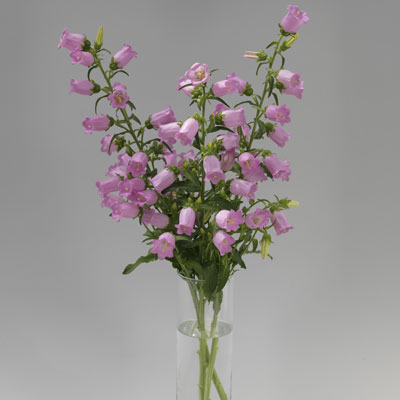
Champion Pro Pink Campanula (Campanula medium) is an exceptional Canterbury Bells variety prized for its tall, sturdy stems covered with large, upward-facing soft pink bell-shaped flowers. Bred especially for professional-quality garden displays and cut flower production, Champion Pro Pink blooms earlier and more uniformly than traditional Canterbury Bells, creating elegant vertical accents in borders while providing long-lasting blooms for fresh floral arrangements.
Garden Uses:
Champion Pro Pink is ideal for cottage gardens, perennial borders, cutting gardens, pollinator plantings, and mixed flower beds. Its strong flower spikes create beautiful vertical interest among lower-growing perennials and annuals. The long stems make outstanding cut flowers, adding a graceful, romantic touch to bouquets and floral centerpieces.
Growing Information:
Sow seeds indoors 8-10 weeks before the last frost or outdoors during late spring. Light aids germination, so gently press seeds into the soil surface without covering. Maintain temperatures between 65-70°F until germination, which usually occurs within 10-20 days. Plants prefer fertile, well-drained soil with consistent moisture and perform best in full sun to partial shade. In cooler climates they are often grown as biennials, while early-started Champion Pro varieties frequently flower during their first season. Grows 24-36" tall.
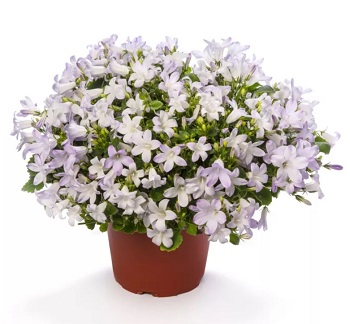
A compact, free-flowering bellflower prized for its abundance of crisp white, bell-shaped blooms held above fresh green foliage. Plants develop a neat, rounded, mounding habit and become covered with flowers during their main blooming period, creating a clean and elegant display. The bright white flowers are especially effective along pathways and border edges, where they provide contrast against darker foliage and brightly colored companions. Its naturally compact growth also makes Clockwise White an excellent choice for patio containers, window boxes, rock gardens, mixed planters, and small-space gardens.
Grow Clockwise White in full sun to partial shade in fertile, well-drained soil with reasonably consistent moisture. In areas with hot summers, some afternoon shade can help protect the foliage and flowers from excessive heat and prolong the display. Good drainage is important, particularly during cool or wet weather, and container-grown plants should never be allowed to remain in waterlogged soil. Removing faded flowers helps maintain the plant's tidy appearance and can encourage additional blooming. The numerous bell-shaped flowers also attract bees and other beneficial pollinators, making this compact Campanula useful in both ornamental and pollinator-friendly plantings.
Sow the extremely small seeds on the surface of a fine, moist, well-drained seed-starting medium and press them gently into place without covering, as light assists germination. Maintain temperatures around 65-70°F and keep the medium evenly moist without saturating it. Germination commonly begins in approximately 14-28 days, although some seedlings may take longer.
Seedman Notes: Clockwise White is particularly attractive when several plants are grouped together, producing a mound of green foliage sprinkled with brilliant white bells. Its compact size makes it easy to tuck into places where taller Campanulas would be unsuitable, and the neutral white flowers combine beautifully with almost any other garden color. It is also an excellent candidate for decorative containers where the flowers can be enjoyed up close.
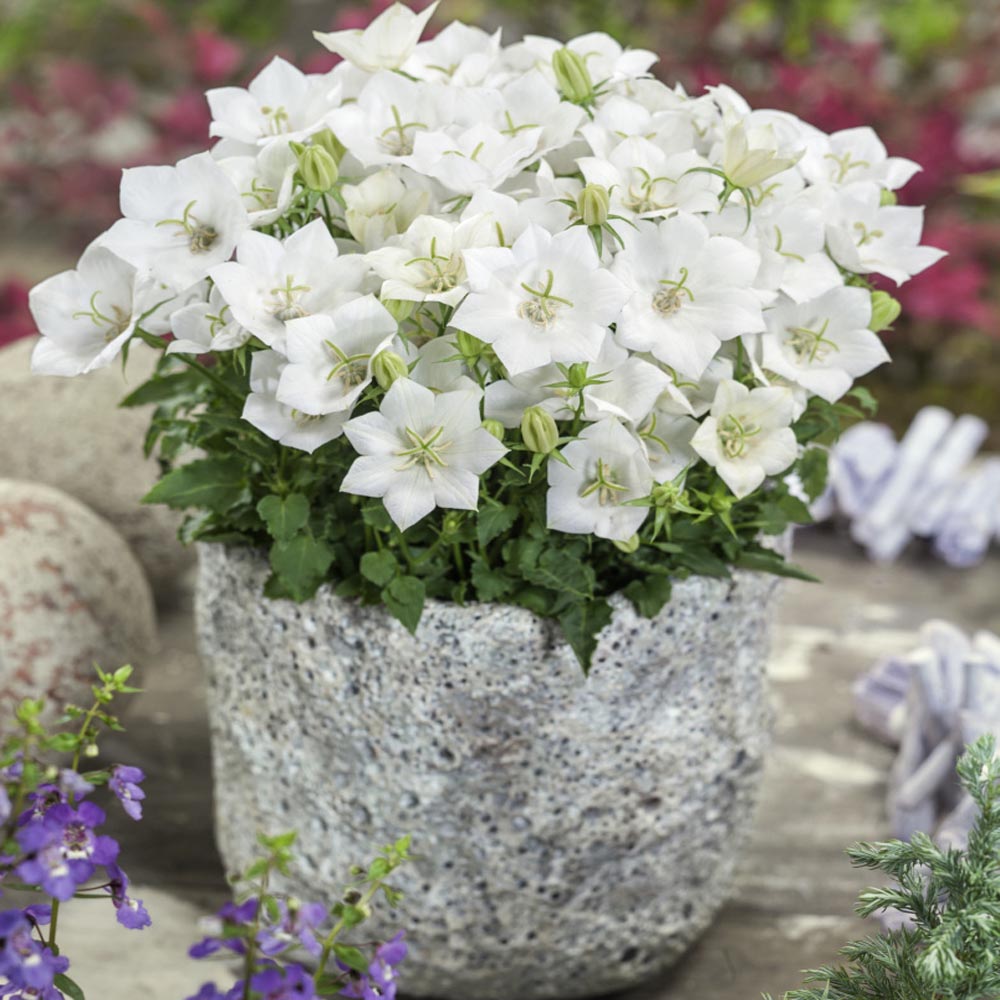
Carpathian White (Campanula carpatica) is a charming alpine perennial that forms neat mounds of rich green foliage covered with upward-facing, pure white bell-shaped flowers throughout the summer months. Native to the Carpathian Mountains of Eastern Europe, this compact Bellflower is prized for its exceptionally long bloom period, tidy habit, and ability to thrive in rock gardens, borders, containers, and alpine plantings. Its crisp white blossoms brighten the garden while attracting a variety of beneficial pollinators.
Garden Uses:
Carpathian White is an outstanding choice for rock gardens, alpine gardens, edging, perennial borders, pathways, retaining walls, trough gardens, and patio containers. Its compact size makes it perfect for planting along the front of flower beds or cascading gently over stone walls. The brilliant white flowers pair beautifully with blue Campanulas, creeping phlox, dianthus, aubrieta, sedums, and other low-growing perennials.
Growing Information:
Sow seeds indoors 8-10 weeks before the last frost or directly outdoors after danger of frost has passed. Since the tiny seeds require light for germination, press them gently onto the soil surface without covering. Germination usually occurs within 14-21 days at temperatures between 65-70°F. Plants perform best in full sun to partial shade with fertile, well-drained soil. Once established, Carpathian White is relatively drought tolerant but appreciates occasional watering during prolonged dry spells. Removing spent blooms encourages continuous flowering well into late summer.
Quick Facts:
| Botanical Name: | Campanula carpatica |
| Common Name: | Carpathian Bellflower |
| Variety: | Carpathian White |
| Plant Type: | Hardy perennial |
| Height: | 8-12 inches |
| Spread: | 10-15 inches |
| Bloom Color: | Pure white |
| Bloom Season: | Late spring through late summer |
| Light Requirements: | Full sun to partial shade |
| Soil Requirements: | Well-drained, fertile soil |
| USDA Zones: | 3-8 |
| Uses: | Rock gardens, borders, edging, containers, alpine gardens, retaining walls |
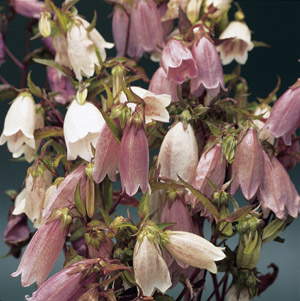
Bellringers (Campanula takesimana Bellringers) is a beautiful Korean Bellflower selection producing graceful, nodding bell-shaped flowers in soft shades of pink, rose, and creamy white. The pendant blooms dangle from slender stems above attractive green foliage, creating a charming woodland or cottage garden effect. This hardy perennial is valued for its long summer bloom season, natural spreading habit, and ability to bring delicate color to partially shaded borders.
Garden Uses:
Bellringers is excellent for cottage gardens, woodland edges, shaded borders, mixed perennial beds, naturalized plantings, and informal garden areas where its arching stems and nodding flowers can be appreciated up close. It pairs beautifully with hostas, ferns, astilbes, columbines, foxgloves, Japanese forest grass, and other shade-tolerant perennials. Its soft flower colors make it especially useful for romantic garden plantings and woodland-style displays.
Growing Information:
Sow seeds indoors 8-10 weeks before the last frost or outdoors after danger of frost has passed. Press seeds onto the surface of a moist seed-starting mix and do not cover heavily, as light helps germination. Keep evenly moist until seedlings are established. Plants grow best in rich, well-drained soil with consistent moisture and full sun to partial shade, with afternoon shade preferred in hot climates. Bellringers may slowly spread by underground rhizomes, so allow room for natural clump expansion or divide plants as needed.
Quick Facts:
| Botanical Name: | Campanula takesimana |
| Common Name: | Bellringers Korean Bellflower |
| Variety: | Bellringers |
| Plant Type: | Hardy perennial |
| Height: | 18-30 inches |
| Spread: | 18-24 inches or more over time |
| Bloom Color: | Soft pink, rose, and creamy white bells |
| Bloom Season: | Summer |
| Light Requirements: | Full sun to partial shade |
| Soil Requirements: | Rich, moist, well-drained soil |
| USDA Zones: | 4-8 |
| Uses: | Woodland gardens, shaded borders, cottage gardens, naturalized plantings, mixed perennial beds |
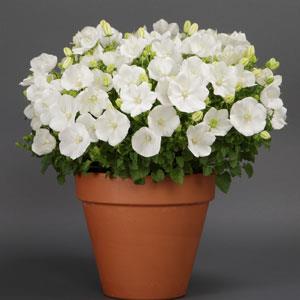
Rapido White (Campanula carpatica) is a compact, early-flowering Carpathian Bellflower that produces masses of brilliant white, upward-facing bell-shaped blooms above neat mounds of dark green foliage. The Rapido series is prized for its exceptional uniformity, rapid flowering from seed, and extended bloom period, making it an excellent choice for borders, rock gardens, patio containers, and alpine plantings. Its pristine white flowers bring a fresh, elegant look to the garden throughout the summer.
Garden Uses:
Rapido White is perfect for edging pathways, rock gardens, alpine beds, perennial borders, containers, window boxes, and raised planters. Its compact habit makes it especially useful along the front of flower beds where its bright white blooms create a striking contrast with colorful companion plants. It pairs beautifully with blue Campanulas, dianthus, creeping phlox, aubrieta, sedums, coreopsis, and dwarf ornamental grasses.
Growing Information:
Sow seeds indoors 8-10 weeks before the last frost or directly outdoors after frost danger has passed. Since the seeds require light for germination, gently press them onto the surface of moist growing media without covering. Germination generally occurs within 14-21 days at temperatures between 65-70°F. Plants perform best in full sun to partial shade with fertile, well-drained soil. Deadheading spent flowers encourages repeat blooming, and established plants are moderately drought tolerant while performing best with occasional watering during extended dry periods.
Quick Facts:
| Botanical Name: | Campanula carpatica |
| Common Name: | Carpathian Bellflower |
| Variety: | Rapido White |
| Plant Type: | Hardy perennial |
| Height: | 6-10 inches |
| Spread: | 10-12 inches |
| Bloom Color: | Pure white |
| Bloom Season: | Late spring through late summer |
| Light Requirements: | Full sun to partial shade |
| Soil Requirements: | Fertile, well-drained soil |
| USDA Zones: | 3-8 |
| Uses: | Rock gardens, borders, edging, containers, alpine gardens, window boxes |
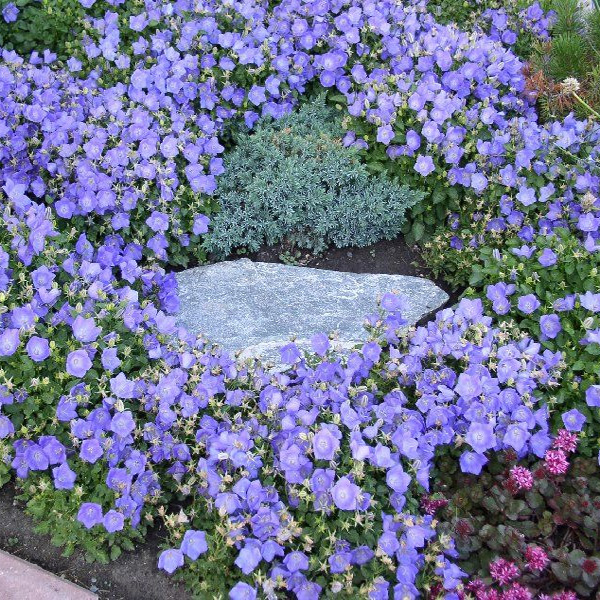
Tussock Bellflower (Campanula carpatica) is a hardy alpine perennial that forms dense, cushion-like mounds of attractive green foliage covered with an abundance of large, upward-facing bell-shaped flowers throughout the summer. Native to the rocky slopes of the Carpathian Mountains, this compact Bellflower is admired for its long blooming season, exceptional cold hardiness, and ability to thrive in rock gardens, borders, and containers. Its cheerful blooms and tidy growth habit make it one of the finest low-growing Campanulas for perennial gardens.
Garden Uses:
Tussock Bellflower is ideal for rock gardens, alpine plantings, edging, retaining walls, gravel gardens, patio containers, trough gardens, and the front of perennial borders. The compact mounds soften the edges of stone pathways and spill gently over walls while adding months of colorful blooms. It combines beautifully with creeping phlox, aubrieta, dianthus, sedums, saxifrages, and dwarf ornamental grasses.
Growing Information:
Sow seeds indoors 8-10 weeks before the last frost or outdoors after danger of frost has passed. Seeds require light for germination, so gently press them onto the soil surface without covering. Germination generally occurs within 14-21 days at temperatures between 65-70°F. Plants prefer full sun to partial shade and well-drained, fertile soil. Once established, they tolerate short periods of drought but perform best with moderate watering during prolonged dry weather. Deadheading spent flowers encourages fresh blooms well into late summer.
Quick Facts:
| Botanical Name: | Campanula carpatica |
| Common Name: | Tussock Bellflower |
| Plant Type: | Hardy perennial |
| Height: | 6-12 inches |
| Spread: | 12-18 inches |
| Bloom Color: | Usually blue, violet, or white depending on selection |
| Bloom Season: | Late spring through late summer |
| Light Requirements: | Full sun to partial shade |
| Soil Requirements: | Well-drained, fertile soil |
| USDA Zones: | 3-8 |
| Uses: | Rock gardens, alpine gardens, borders, edging, containers, retaining walls |
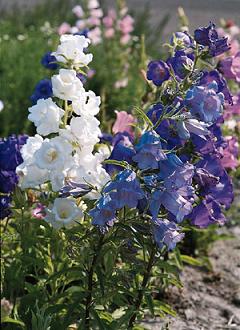
Cup & Saucer Mix (Campanula garganica) is a delightful Bellflower that produces masses of elegant cup-shaped blooms in a charming blend of lavender-blue, violet, and soft white shades. Flowering freely above compact, spreading cushions of rich green foliage, this perennial creates a colorful carpet of blooms from late spring through much of the summer. Its graceful flowers and cascading habit make it an excellent choice for rock gardens, stone walls, borders, and patio containers.
Garden Uses:
Cup & Saucer Mix is ideal for rock gardens, alpine gardens, edging, retaining walls, raised beds, containers, hanging baskets, and the front of perennial borders. The spreading plants soften the edges of pathways and stonework while creating colorful drifts of flowers that blend beautifully with creeping phlox, aubrieta, dianthus, sedums, saxifrages, and other low-growing perennials.
Growing Information:
Sow seeds indoors 8-10 weeks before the last expected frost or outdoors after danger of frost has passed. Since the tiny seeds require light for germination, gently press them into the soil surface without covering. Germination usually occurs within 14-21 days at temperatures between 65-70°F. Plants perform best in full sun to partial shade with fertile, well-drained soil. Once established, they are moderately drought tolerant but produce the finest displays with occasional watering during extended dry periods. Removing spent blooms encourages continuous flowering.
Quick Facts:
| Botanical Name: | Campanula garganica |
| Common Name: | Cup & Saucer Mix Bellflower |
| Plant Type: | Hardy perennial |
| Height: | 6-10 inches |
| Spread: | 12-18 inches |
| Bloom Color: | Lavender-blue, violet, and white mix |
| Bloom Season: | Late spring through midsummer |
| Light Requirements: | Full sun to partial shade |
| Soil Requirements: | Fertile, well-drained soil |
| USDA Zones: | 3-8 |
| Uses: | Rock gardens, borders, edging, retaining walls, containers, alpine gardens |

Contact Us | Privacy Policy | About Us
Serving gardeners since 1992
State of Mississippi Seedmen's Permit #C-391, Ohio 90152, Minnesota 20086777